
Taylor, Taylor, Taylor — I don’t even have to say her last name, and we all know who I’m writing about. Leave it to Ms. Swift to take one of the most common English-language names and claim it as her own.

Full disclosure: I am a Swiftie, though I’m not one of the crazy stans. I won’t say every single song she’s ever written is a masterpiece. I won’t even deny that she has some problematic elements (although in her defense, she has apologized for some of these transgressions, even retroactively changing the lyrics of one of her songs). She definitely had a leg up getting started as the daughter of a wealthy businessman. Still, even if she hadn’t been born into her charmed life, her talents as a songwriter and performer would have certainly been noticed by the industry one way or another. There’s no denying her talent for crafting catchy, relatable music.
And that’s what I’m here to talk about.
I have probably twelve clients I see regularly as part of my internship, and while their tastes vary drastically from person to person, there’s always one constant — Taylor Swift. She’s on every single client’s playlist. Some of her songs are used as lyric analyses for clients processing events and emotions. Some are used for “fill-in-the-blank” style singalongs, like “Karma” or “Mean.” A few of her songs, like “You Need to Calm Down,” are simple enough to play with boomwhackers, or giant tubes meant to produce a certain note when you smack them against something.

And I think there’s a reason why her music is so ubiquitous in the music therapy world.
You see, it might sound weird, but I often look back wistfully to a time when music was less fractured, when everyone listened to the same five radio stations in their area. You knew that as you sang along to Michael Jackson being spun by your favorite DJ, there were hundreds of other people in your city singing along. These days, there are so many microgenres and independent artists, there’s no guarantee anyone else in the world is listening to the same song as you at any given time. For better or worse, there’s no such thing as monoculture, which means there’s no universally beloved artist anymore. And that means in this day and age, there are no real rock stars.
But then there’s Taylor.
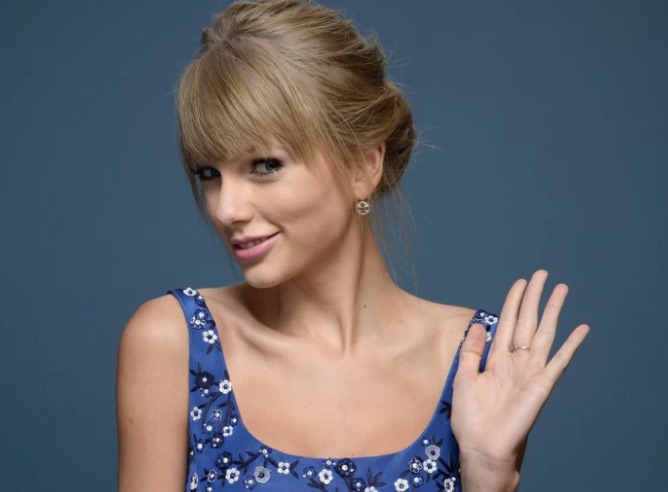
This woman is the closest we still have to the true definition of a rock star. She’s our generation’s Freddie Mercury. Young or old, male or female, black or white — chances are you like Taylor’s music to some extent. And that makes her invaluable in music therapy.
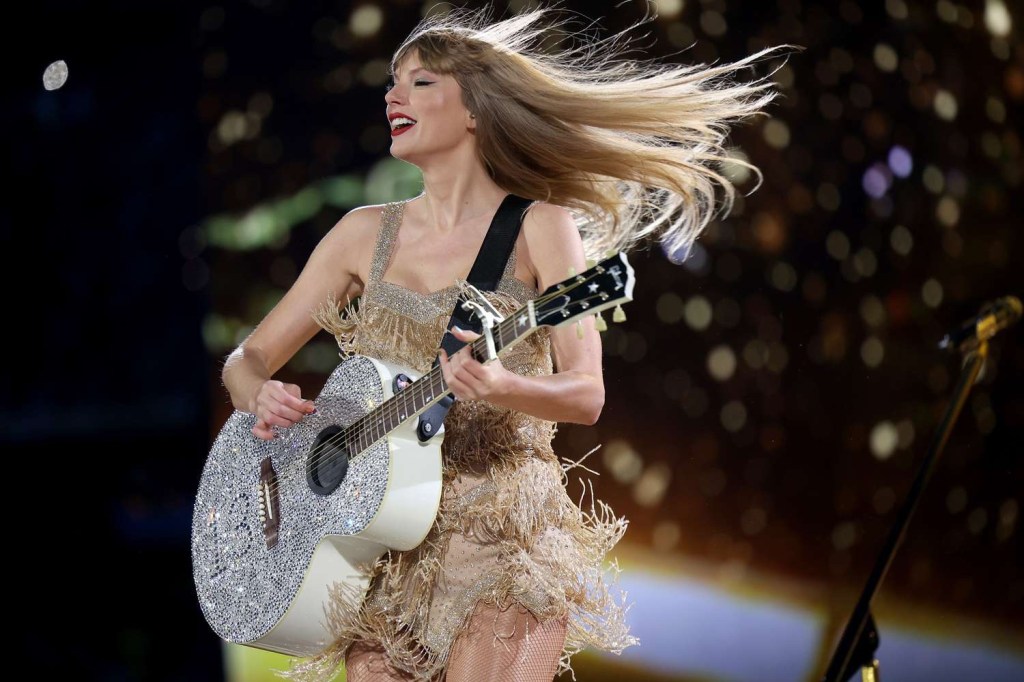
As a music therapy intern, my iPad is chock full of Swift songs, and I keep having to add more as my clients request them. There’s something about her music that captivates people on a deeply personal level, and I’m constantly finding creative ways to use it for therapeutic purposes. There’s no other artist whose music reaches the masses on this level with such consistency, and it’s actually pretty inspiring to witness. The power of music is nothing short of miraculous, and no one seems to embrace that fact quite like Taylor (who, I should add, donated a music therapy program to a children’s hospital).
Something tells me she would have been a great music therapist in another life.
 JESSA JOYCE