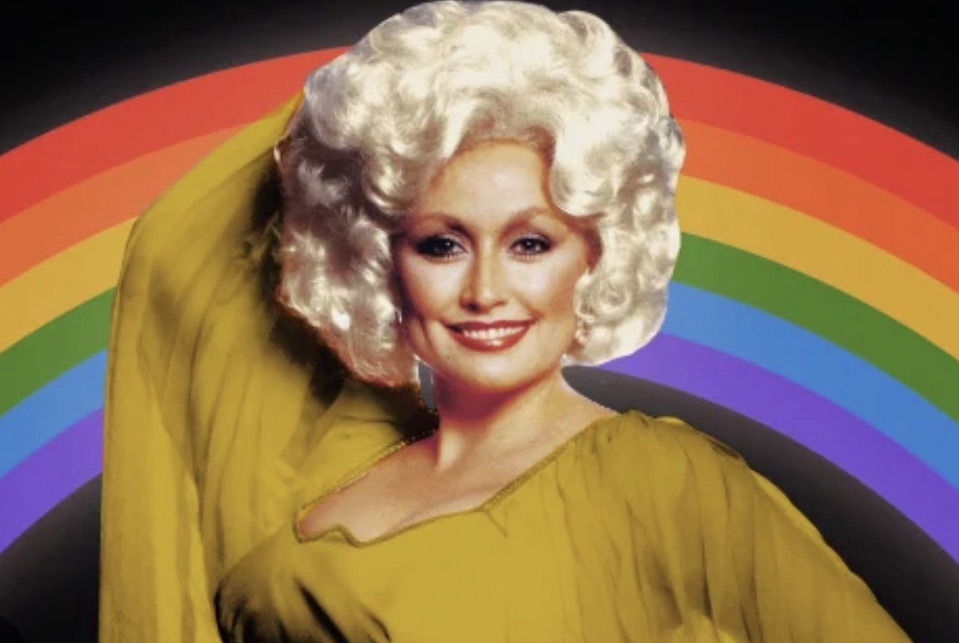
Remembering Dolly: Six Lessons From the Life of America’s Grandma

Here’s a fun fact you may not know about me: I freaking adore country music. When I was really little, it was my favorite genre. And why wouldn’t it be? I grew up in a family of crazy hillbillies who migrated to Michigan and brought their rich Appalachian culture with them. Country was nearly ubiquitous in every facet of my life for the first chunk of it. Shania Twain was my idol as a toddler. I have fond memories of listening to Brooks and Dunn in my dad’s old truck and going through my grandma’s dusty Alan Jackson cassettes. And of course, we had Queen Dolly.

I never dove as deep into Dolly Parton’s discography as I should have, but a part of me has always been fascinated by her. I recall going to Dixie Stampede when my family travelled to Tennessee on vacation. I remember my first amusement park experience was Dollywood. My parents kicked themselves for not getting tickets for a day later, when Miss Dolly herself would make an appearance at the park. It’s sad that I came so close to crossing paths with her as a child, and yet I missed it by a hair.

Now, I’ll never get that opportunity again. As I’m certain you’ve heard by now, Dolly Parton passed away a few days back at the age of 80. The closest thing I’ve seen to monoculture in a post-social media world has been the enormous outpouring of love for her and what she has come to represent. I have even seen multiple pushes to make her a literal saint. To say Dolly was beloved would be the understatement of the century. She was more than just beloved. She was America’s grandma.

I’ve learned so much more about the life of this incredible woman in the past few days, and it has been inspiring me to seek out little ways to honor her memory. Now that she is no longer with us, we all need to carry on the work she began. These are just a few lessons I’ve gleaned from Dolly’s illustrious legacy.

1. Reading is knowledge, and knowledge is power.

We as a nation are experiencing a literacy crisis. There are more illiterate adults today than there were in 1870. This is a significant decline since the 1970s, when less than one percent of the population was illiterate. I can see correlations between this slow drop in literacy and the increasing animosity in our society. Reading allows you to understand different perspectives. Reading encourages critical thinking. Reading is how people learn new things. Is it a coincidence that as we’ve decentered reading as an American pastime, we’ve also seen an increase in division and conflict?

Dolly saw a need, and she had the power to do something. So she started the Imagination Library, a service that sends books to kids for free. The decision was prompted by her own father’s inability to read. In a statement on the website, she said:

“When I was growing up in the hills of East Tennessee, I knew my dreams would come true. I know there are children in your community with their own dreams. They dream of becoming a doctor or an inventor or a minister. Who knows, maybe there is a little girl whose dream is to be a writer and singer…The seeds of these dreams are often found in books and the seeds you help plant in your community can grow across the world.”

She always had a heart for kids who grew up in similar situations to her. Dolly didn’t grow up in a gilded castle. She was once a little girl in a destitute part of Appalachia — much like my own grandmother was, many years ago. She may have gone on to become a household name, but her heart was always with families like mine. Which leads me to the next lesson Dolly taught me…

2. Stand up for the working class.

When Dolly wrote “9 to 5,” it was a statement. Like I mentioned before, she was not born into a wealthy family by any means. The nepo babies taking over the charts today will never know the struggle she had to endure to get to where she is. The woman fought tooth and acrylic nail for the respect she deserved. And all the while, she never forgot where she came from. In a recent conversation I had on Reddit, another commenter lamented the fact that there were no femme Springsteens championing the working class. Enter Dolly.

Like my own daddy, Dolly was a supporter of unions, being part of the American Federation of Musicians Local 257 and making it a point to get her band the wages they deserved. She supported migrant workers the rest of the country turned their nose at, covering Woody Guthrie’s “Deportee (Plane Wreck at Los Gatos),” dedicated to the memory of 28 Mexican farmhands whose deaths were largely ignored. She even stood up for ladies who wound up in the world’s oldest profession, with the understanding that many sex workers were simply sweet girls with broken dreams and no other options. In fact, this leads to my next point that…

3. You can dress scandalously and still be a good person.

Dolly was the poster girl for not judging a book by its cover. On the surface, she had the outward appearance of the traditional “bimbo”: blonde, thin waist, big boobs, lots of makeup, and little clothing. This was not an accident. Dolly herself had said that she styled her own signature look around “the town tramp” whom everyone looked down upon. But young Dolly saw the beauty in her and wanted to be her nonetheless. That was one of her most underrated gifts. She realized beauty in places — and in people — you wouldn’t think to look.

I think a lot about the ways women are judged for owning their sexualities and bodies. I’ve experienced it myself. I recognize that my own signature look is somewhere between a drag queen, a Bratz doll, and probably the town tramp as well. But as Dolly showed us, wearing skimpy costumes and lots of sparkles doesn’t make you less of a person. This is a woman who posed for Playboy of all publications. She didn’t practice modesty the way American Christianity pushes. She had the understanding that modesty is a mindset, not a certain look. I’d guarantee Dolly is closer to the heart of God than any of these tradwife influencers with their prairie dresses that could double as a tent, and all while wearing a sequined unitard.

4. You can be a Christian and not a bigot.

Speaking of American Christianity, it’s no secret that many folks who claim the title of “Christian” in this country are not the ambassadors we want for the faith. “Christian values” has become shorthand for “defending the (relatively new) concept of the nuclear family to the detriment of anyone who doesn’t fit that box.” If you’re a man, you gotta be a big strong dude and marry a woman and make her submit to you. If you’re a woman, better give up all your dreams to a man who doesn’t know how to do his own laundry and pop out his babies for the Lord. That’s the dream we’ve been sold. But Dolly taught us there is a better way.

Dolly was a proper Christian, if a bit of an outlaw Christian. She understood the true tenets of the faith. Like me, she cut her teeth playing in churches and built up a strong foundation for her spiritual beliefs. In her prayer life, she regularly asked God “How can you use me?” and “What can I do today?” I can imagine her saying as Isaiah 6:8 says: “Here am I. Send me!” She knew she had a mission here on this planet to be the hands and feet of Jesus in a very tangible way. Unlike many others who have co-opted the name of Christ, Dolly refused to engage with the widespread bigotry that permeates the religion as it stands. She spent her life proving to the world that being a strong ally to the queer community and being a steadfast Christian is not an oxymoron. In fact, standing up for the oppressed and downtrodden is exactly what we’re supposed to do. She was a true example of the faith. In a world of Donald Christians, be a Dolly Christian.

5. You don’t have to be a literal mother to be a “Mom.”

This one hit home for me as someone who desperately wants to be a mother but is afraid that ship has sailed. Dolly also longed for motherhood, but for a variety of health reasons, her dreams were never able to come to fruition either. But she realized God had another plan for her, a plan she embraced wholeheartedly. She wasn’t supposed to be the mother of a person. She was to be the mother of a movement. She started viewing herself as a “Fairy Godmother” or “Mother Goose” of sorts, with her book program introducing her to an entirely new crop of kids. In a way, Dolly became America’s mother and grandmother.

Dolly proved that you don’t have to squeeze out a biological child to have an impact on the next generation. Going back to the spiritual side of things, I often think about how our society’s current understanding of the Bible presses people to “go forth and multiply.” There are entire “quiverfull” sects that emphasize reproducing as much as humanly possible to “raise up more soldiers for the Lord.” It’s easy to forget that the Gospel has never been about passing down your own bloodline. It’s about the blood of Christ and passing down His legacy of love. Dolly demonstrated this in action. Through her work on Earth, she has done more to further the Kingdom of God than any of those quiverfull weirdos.

6. Stay humble and remember your roots.

Dolly was a superstar. Dolly was an icon. But most importantly, Dolly was a little old Appalachian lady just like my own grandmother. She saw the world and everything it had to offer, but she never lost sight of where she came from. At the end of the day, her heart remained in those storied mountains, with the honest, hard-working folks she’d grown up around. She had a soft spot for the land that gave her life, writing these words in her 1972 song “My Tennessee Mountain Home”:

Sittin’ on the front porch on a summer afternoon

In a straight back chair on two legs leaned against the wall

As I watch the kids a-playin’ with their June bugs on a string

And chase the glowin’ fireflies when evenin’ shadows fall

In my Tennessee mountain home

Life is as peaceful as a baby’s sigh

In my Tennessee mountain home

Crickets are singing in the fields near by…”

In the 90s, Dolly promised to give $500 to every kid who went on to graduate from high school in her home county, essentially causing the drop-out rate to plummet. She has donated a good chunk of her fortune to disaster relief and other initiatives in East Tennessee. Through it all, she never forgot where she came from. I’ll leave you with this quote from The Christian Post in 2019 that I feel embodies her life and legacy:

“Every day I pray for God to lead me and to take out all the wrong things, wrong people in my life, and bring all the right things, right people, and to let me glorify Him and uplift mankind, to do something in this world to make it a little better than it was. And let me be a light and a vessel to be used.”

That’s what it’s all about, y’all. In a world of insincerity that rewards braggarts and egotism, let us all be more like Dolly. Bring a little music and sparkle to this dark world, and leave it brighter than you found it. Together, we can continue the work she started.
A Different Kind of Motherhood: Learning to Nurture Your Passions, Community, and Self

Once again, I was given a surprisingly relevant prompt for what I already had planned to write about. It’s funny how this thing knows me.

If your future self could send you one sentence, what do you hope it would say?

I guess the sentence I’d most want to hear from Future Jessa right now would be “It all turns out okay,” but that doesn’t narrow things down, as there are a lot of potential “its” in my situation. There’s my uncertain living situation, which I’ve written about a bit already. There’s that matter of me still not knowing what I want to do with my life as a now thirtysomething, since music therapy didn’t pan out. And of course, there’s that nagging feeling that I’m trapped in the burning house that is America, and as the walls are crumbling, who the hell knows what rights I’ll have left as a queer woman. I would love a future version of me to tell me I get some semblance of a happy ending out of all of this. I’d love a crumb of reassurance that the story I’m living through every day still has many pages of bliss left to write, and relatively little hardship. I want to know that the worst is behind me now. And when all is said and done, I want to leave behind something — or someone — to carry on my legacy.

I always thought my mark on this world would come in two forms — through the things I create, and through the people I will eventually create. I wanted to be an artist, but I also wanted to be a mother. Well, maybe not always. The idea of making a baby with most of the guys I went to school with was absolutely nauseating, even if lizard-brain still wanted to get laid. I would eventually get married and have sex (in that order, I believed, because I was a good girl), but not a damn soul was coming outta this uterus. That thing was closed for business.

Then I met and dated this guy in college who already had a daughter. I loved this dude, whom I still speak with now and then to this day, but I freaking adored this little girl. I fell into the role of stepmom-lite with a surprising amount of ease for a girl who’d previously believed she had the maternal instincts of a football. I remember going to Burger King to fetch her some nuggets and eating them together on the stairs, with her cuddled up next to me. It was the weirdest feeling, this twinge of motherly love toward a tiny person. And wouldn’t you know it, my ovaries started tingling real bad.

But I couldn’t have kids of my own. Not then. I wasn’t stable enough. We’d both end up on the streets.

Time went by, I got married twice, and still, over the course of both relationships, we could never quite achieve the amount of stability required to safely bring a child into this world. I’ve worked with children many times throughout my life, but I’ve never had the chance to raise one myself, and it breaks my heart. I’m approaching my mid-thirties, and while I know women have given birth well into their thirties and even forties, a part of me wonders if it’ll ever be my turn.

Always a caregiver, never a mom.

Maybe its just a side-effect of the barrage of pro-natalist propaganda coming to us from the government, but part of me feels like I’ve failed as a freaking biological lifeform if I can’t even reproduce. Even dumb seagulls are better at spreading their genetic material. And it’s a damn shame because I’d like to think I have some freaking good genes to pass on. Thanks, Mom.

Lately, though, I’ve been re-evaluating what motherhood even means to me. Is it really so important that I be a mother in order to matter? Stevie Nicks, Joan Jett, and Debbie Harry are all famously childfree, and yet their names will still go down in history. Another classic rock queen, singer and guitarist Bonnie Raitt, once said, “I feel that my job is to mother the causes that I’m involved in.” And then it kind of hit me. I’m already the mother of something, in a way.

I studied Arabic a little in college. I’ve always been fascinated by the language, having grown up near Dearborn (which is not the scary place conservatives think it is, unless you think swanky-ass hookah bars are scary). I remember a really interesting concept where, after someone has a child, their name changes to reflect their status as a parent of that child. This name is called a kunya. In a way, its the reverse of how we in the West approach names. Theoretically, if a guy named Gray had a son, his son’s name would be Grayson, as in “Gray’s son.” (I am using a real life example, as I truly used to know a friendly uke-wielding hippie dude named Gray and his aptly named son, Grayson.) That’s basically how many of our last names evolved. But Arabic is entirely different. Let’s say, for example, I finally had my little girl and I named her Cadence. If I spoke Arabic, my new name would essentially be “Cadence’s Mother.”

But what if you never actually have children? Can you still get the lofty title of “umm.” In Arabic, that answer is a resounding yes! The word is also used metaphorically to reflect distinctive traits people may have. One may be the “mother of the cats” if they’re a cat mom, or even the “mother of the chubby face” if they’ve just got cute pinchable cheeks.

Maybe I need to look at motherhood more like that. Maybe we’re all mothering something in a strange way, even if we don’t immediately realize it.

In my last post, I mentioned the joke rap comedy group I started with my two favorite men on this planet and whoever else is unfortunate enough to be in the room with us at the time. What I didn’t mention was the massive multiplayer 12-minute monster of a megasong we were all working on. It started life as a stupid TikTok video that up until recently was my most viewed ’Tok. I was messing around with the synths and drum machines in my DAW and trying to make a Thriller/Ghostbusters-type beat from memory, with disastrous results. Then, I showed Luke and David, and they ran with it. Soon, the number of rappers on the song somehow doubled as more and more folks wanted in on the project. Before we knew it, the song had ballooned to an absolute behemoth, comprising well over 100 individual tracks as of writing. Pray for my MacBook, please.

But the subject matter of the song was what really surprised me. At first, we started making this entirely unserious song about how, because I’m the shadowy figure who makes all the beats in the background, I am the BEAT MOTHER, this benevolent but fierce goddess of sick beats, bro. It was going to be entirely unserious…until I started realizing how serious my friends were about their love for me. I started tearing up a little as a few of my collaborators recorded their parts because I started to realize just how much my friends care about and respect me. That’s all I’ve ever wanted in life. Music has always been my conduit to the outside world, ever since I was a selectively mute autistic child who could barely utter a world to her peers. I was so lonely, but I couldn’t make friends. Somehow, twenty years later, that little girl still gets overwhelmed when she truly grasps how loved she really is. I’m so lucky to have the chosen family I’ve found through music.

That’s what the whole BEAT MOTHER title came to represent, as absolutely bonkers and silly it was at first. I end the song with a much more introspective and somber tone than it opens with, having intentionally changed the ending to reflect my new realizations. In the final few lines, I say:

“I did it all, and man, I did it loud. To think I did it all to make little Jessie proud.”

Circling back to the question at the very beginning of this post, sometimes I like to imagine the opposite. Sometimes I imagine myself speaking to that scared little kid who couldn’t fit in anywhere if she tried. I’d like to tell her that it will be okay in the end, and that things will be hard, but we are stronger than anything that will come our way. We’re resilient. In a way, I feel like I’m stepping into a motherhood role with my own inner child. As Whitney sang, children are the future, and the greatest love of all is learning to love yourself. I think she was onto something with that song.

Maybe I won’t be the mother of anything more than a couple of decent songs. But I’m learning to be okay with that. Nurturing my friends’ creativities and passions and helping them make music they can be proud of is something to celebrate too.

Help me relocate with my kitty, Krubby! We’re close to our goal, which will be enough to cover a Uhaul and a nice bed for us! Even just spreading the word is appreciated!

Finding Joy and Embracing Whimsy in the Face of Terror

Sometimes I seriously wonder why I subject myself to the internet.

If I’m honest, my fears regarding technology are nothing new. In fact, in college, my tech aversion got so bad, I’d have to ask my mom to check my email for me at times, and this was when I ran a freaking newspaper. I was never as bad as my dear late father, who died without ever having an email address. Don’t assume I’m a total troglodyte — I have fond memories of painstakingly editing my MySpace profile to reflect my perfect mix of prep and scene, with a touch of emo.

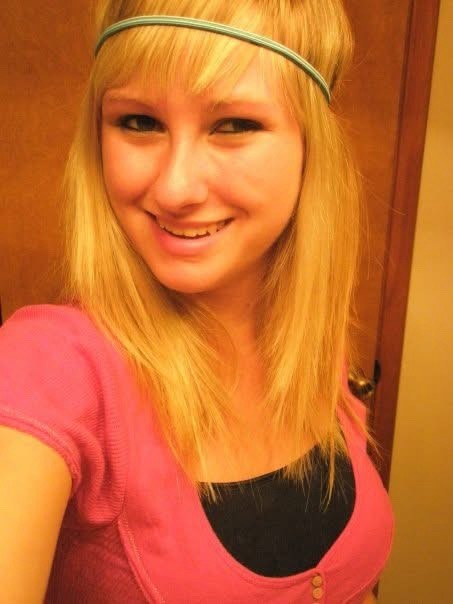
WHO IS THAT?!

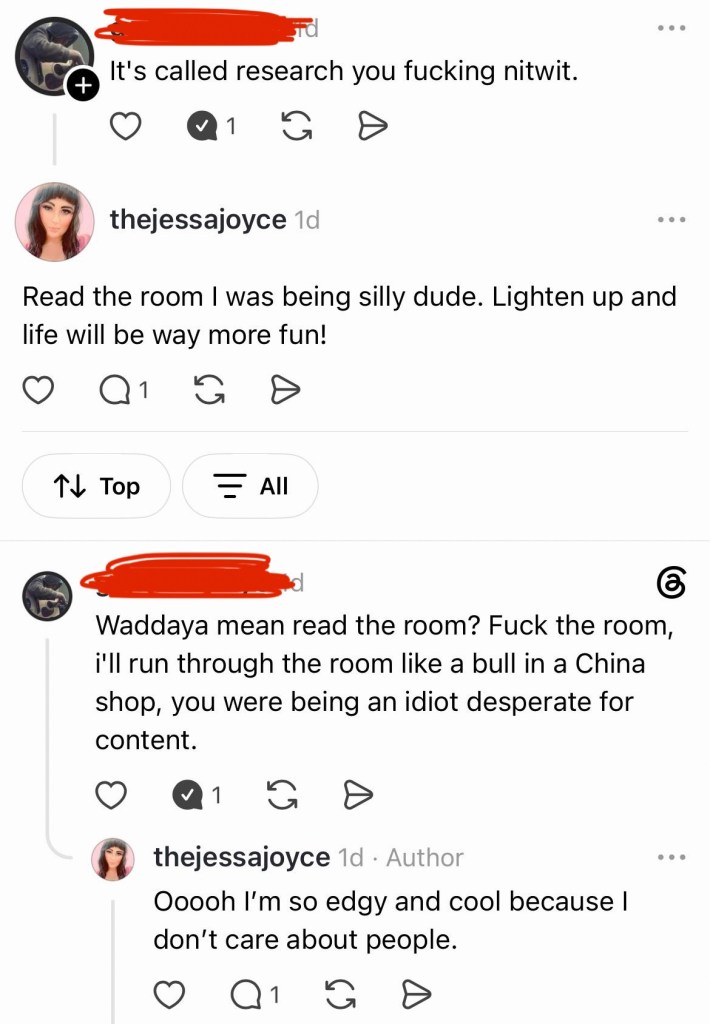
These days, I still loathe the World Wide Web of Lies and Secrets, but it’s a slightly more manageable loathing. I guess I’ve come to accept that most of the planet is only accessible through it, and by shutting myself off from it, I’m limiting my opportunities. That being said, it feels like a very necessary evil. There’s a lot of dark and shit that happens online, and much like the Grinch, I would not like to touch any of it with a 39-and-a-half-foot pole. People feel tempted to drop their masks on here, and it gets ugly. Take, for example, this exchange of pleasantries on the slightly better X Twitter, Threads.

I was tempted to leave the dude’s name uncensored, since he clearly wanted attention.

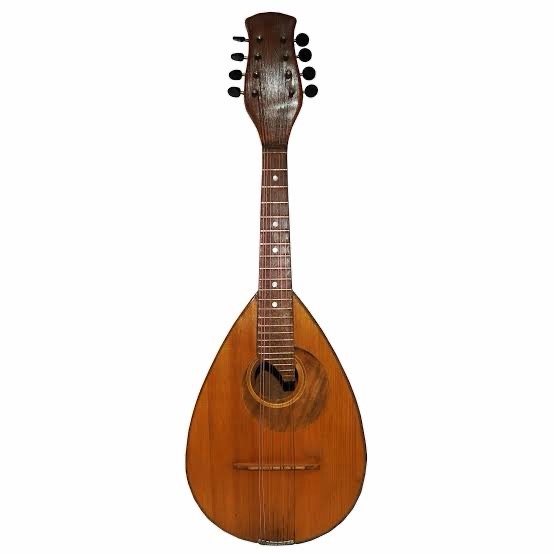
I’m not upset at the guy, but like, bro, why? It was just unnecessarily mean for no reason. This was not on any of my numerous political or religious posts, mind you, which left me extra confused. I give right-wingers a lot of material to work with, being a mentally ill polyamorous pansexual, so you’d assume I’d be getting a lot more hate for that. Nope, just a stupid video of me fucking up on mandolin.

Such a controversial instrument!

I initially brushed off his dumbassery. Trolls are gonna troll, and feeding them only screws you over in the end. After a while, though, part of me wondered why I still subject myself to this. Why do I open myself up to be hated on a platform that is openly hostile to women, queer people, and — let’s be honest — anyone who wouldn’t look out of place in His Orange Highness’s golf buddy group? Was I just doing this all for “content,” whatever the hell that even means? Why do I make anything I make? Why do I even write this stupid blog? (I already answered that question, but bear with me.)

Sometimes I feel like I am screaming into a void. But then I remember that if I’m screaming, it means I still have a voice. And much like how Anne Frank immortalized and humanized herself through her work, I hope the things I’m putting into the world do the same for me and my loved ones. It’s not a secret that the world is a very twisted and dangerous place right now, and the future looks bleak at times. Sometimes I feel like posting little whimsical whatnots like making up dumb songs or silly attempts at playing the mandolin aren’t consequential at all in a world that wants to crush all whimsy and creativity. I’ve realized this world is full of joy terrorists, and terrorists are called terrorists for a reason: they want you to live in terror. But in a way, spreading joy and whimsy and art and fun is a quiet act of rebellion. They want us to live in fear. They want us to be quiet. Don’t let them win.

Back in January, I had the incredible opportunity to go on an emo cruise (which I will never financially recover from). There was adventure. There was romance. There was music. There was me meeting the frontman of Dance Gavin Dance and not realizing who the fuck he was. (In my defense, I am faceblind.) I will never forget the amazing experiences I had and the friends I made along the way.

And meanwhile, back home in the Midwest, another white queer woman just like me was murdered by the government.

The entire time, I couldn’t get the thought out of my head. I felt so guilty, this horrible, grating sense of survivors guilt, of “it should have been me, not her,” of “what if it is me next?” I was experiencing this strange cognitive dissonance of everything being amazing immediately around me, but on fire everywhere else. And there was a part of me that just wanted to refuse the fun that was being served to me out of principle. How could I, Jessa, have fun, when people are dying? It felt wildly insensitive.

But joy has a way of finding you even in the midst of darkness. Funnily enough, the ship’s freakin’ name was Joy. And it hit me that I don’t need to take on all of the pain of the earth at once. I can lighten up and enjoy the good things I have while I still have them, because tomorrow isn’t promised. Renee didn’t know it was her last day when she dropped her child off at school that morning. Everything I have can be taken from me at any moment, so I’m going to live it up while I can. Even my favorite book of emo poetry, Ecclesiastes, has this to say:

“So I say a man should enjoy himself. For there is nothing good for a man under the sun except to eat and drink and be happy.”

Life is hard, but life is good. Two things can be true, and I’m learning every day to wrestle with that. I don’t know how much longer I will have on this little planet, but while still have a voice, I will use it to spread joy, and I will revel in that joy myself. That’s what it means to be alive. That’s what it means to be human.

Music Reviews Nobody Asked For: Six Pop Artists I Can’t Stop Listening To

I consider myself something of an armchair “popologist.” Pop music has fascinated me since junior high, when I discovered the Swedish pop duo Roxette and realized there was a real art to crafting catchy tunes. It was an art form I became obsessed with. I studied Max Martin religiously. I went to school for music and learned the power of chord progressions. I even became a songwriter myself, and my personal litmus test of whether a song was a success was if my friends confessed to me that they got it stuck in their head at some point. I love good old hard rock as well, and honestly, rock and pop are such close cousins that rock could technically fall under the “pop” umbrella (that’s a whole other conversation). But despite being more of a rock instrumentalist, much of my songwriting is rooted in pop tradition.

I have a lot of inspirations when it comes to the craft of songwriting, including the aforementioned Max Martin, a Swedish guy (what’s in the water over there?) who codified popular music for the 21st century by penning hits for Britney, the Backstreet Boys, and pretty much every A-list artist of the past 30 years. Taylor Swift, love her or hate her, is another one of my strongest influences, dating back to when I was a fellow towhead femme armed with an acoustic guitar and big dreams. Paul McCartney is another, and so is Per Gessle of Roxette, who I mentioned earlier as well.

Today, the music world has never been so oversaturated, and the market is flooded with new upcoming pop stars. The vast majority of them will never reach astronomical levels of fame in our post-monoculture world, but many of them have small but loyal fanbases and are carving out a path in this new era. Here are some of the pop artists I’ve been watching intently for a while.

1. Alessi Rose

I discovered Alessi in a 7-11 while buying snacks for a road trip. I heard a song with an infectious bassline and knew I had to Shazam that shit. The song, it turned out, was “Get Around,” an absolute banger of a track about eyeballing a promiscuous guy. I seldom do deep dives on artists because I will get hyperfocused and ignore all other music out there for some time, but Alessi seemed worth taking a chance on. And it paid off, because I instantly fell in love with Voyeur, her full-length debut. (It is hilariously classified as an EP on Spotify — I’m sorry Alessi but you can’t call an album with eleven three-minute tracks an EP!).

Alessi herself is British and had taught herself music production while bored during lockdown. She has an ear for catchy melodies, and her writing captures the Y2K girl-rock sound of artists like Hilary Duff and Ashlee Simpson, especially with songs like “That Could Be Me” and “Falling Forever.” She saved her funkiest songs for the second half of the album, like the Sabrina Carpenter-esque “First Original Thought” and the previously mentioned “Get Around,” but the entire release is a solid one. Her older material is worth looking into as well — I love the unusual chord progressions in “imsochillandcool.” Also worth mentioning is the fact that, like me, Alessi has OCD! Her recent song “Skin” is her take on mental illness, and it is a heartwrenching one. There is a lot of heart hidden behind her coquette aesthetic and catchy hooks.

Recommended tracks: “That Could Be Me,” “Skin”

2. MARIS

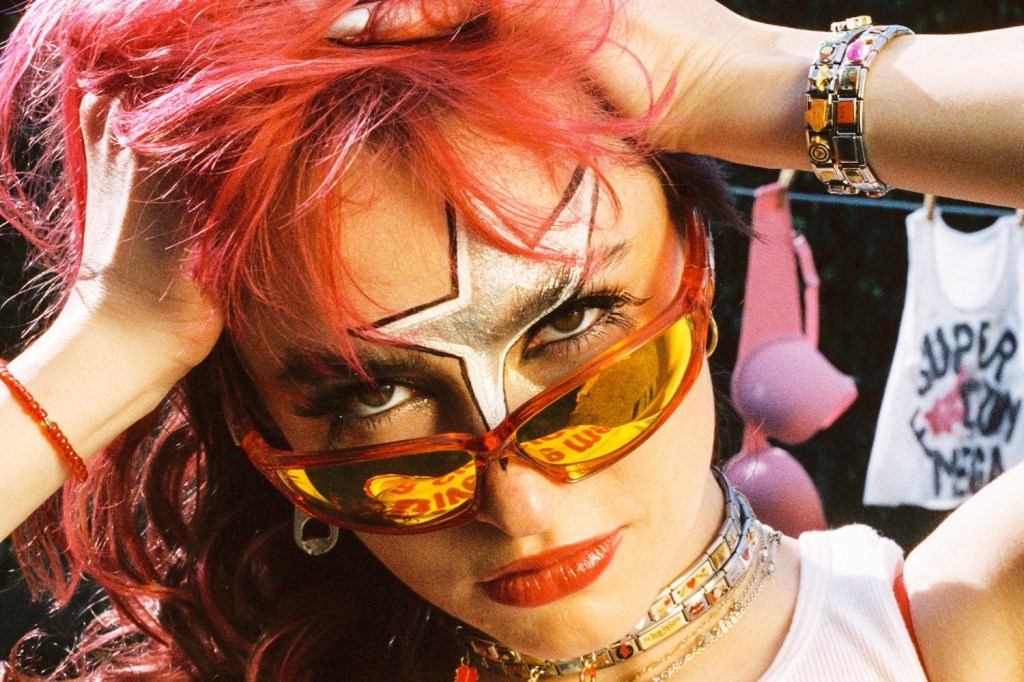
MARIS popped up randomly on a drive and I didn’t immediately change the song when I heard the opening notes of “MOSH⭐️PIT.” Yes, the star is part of the song title and also part of MARIS’s brand. She wants to be a “super fucking mega star,” in the words of her own song, and she believes everyone is a star in their own right as well. I went all in on supporting this girl when I found out her opening act for her tour was karaoke! If you know me, you know I’m a huge proponent of karaoke as a way to build community and express yourself. Everything I’ve seen from MARIS indicates that her and I would probably get along really well as human beings. She, like me, is violently bisexual and appreciates Freddie Mercury and Heart as much as I do.

Her collaboration with fellow queer artist Caroline Kingsbury on the very gay “Give Me a Sign” is full of yearning and layers of harmonies. Meanwhile, her ode to cannabis, “Mary + I,” has some of the strongest vocals I’ve heard in recent years, completely eschewing the “whisper singing” that many pop girls lean into these days. Another favorite, “Body Is On Fire,” is a bouncy, sexy tune you can dance to, and the euphoric “Salt Water Taffy” has been my song of the summer, with its multiple nods to the little things that make the season special.

Recommended tracks: “Give Me a Sign,” “Salt Water Taffy”

3. little luna

little luna (the lowercase is intentional) is a modern pop singer with a hippie soul. Starting out as a Disney actress and moonlighting as a yoga instructor, little luna even inserts guided meditations into her albums, which I thought was incredibly cool. I’ve been trying to get more into mindfulness myself and I played her meditation “garden” while sitting out in my girlfriend’s backyard one morning. I will tell you, that shit made me tear up. little luna has a way of making you feel cared for with only her voice, and that’s something precious, something I haven’t really found with other artists. She has a warmth to her entire persona that I very much appreciate.

little luna’s trademark style and bright orange branding is intriguing to me, drawing influence from the art of the sixties and seventies. She feels very much like a spiritual successor to the likes of Stevie Nicks and Linda Ronstadt. The song that made me fall in love with her music was “upward spiral,” a jaunty pop-rock number with a seriously catchy chorus. There’s also “wildflower woman,” somewhat of a signature song of hers, where she breezily croons “I’ll be growing where I’m going.” It’s more than just a song — it’s a statement. Also worth mentioning are her meditations, which are very relaxing and encouraging if you’re into that kind of thing. If you’ve never tried a guided mediation, hers are a wonderful introduction.

Recommended tracks: “upward spiral,” “forest (guided meditation)”

4. Awkward Marina

If Ann Wilson wasn’t my all-time favorite flute-wielding belter in the world, that title would go to Awkward Marina (with Lizzo now at a distant third after the…banana incident). Awkward Marina is probably the least known name on this list, and it is a damn shame. She should absolutely be in the same league as Taylor, and I’d go as far as to say her songwriting is incredibly Swiftian. This is not an accident — Marina is a Swiftie herself, covering some of her songs and creating whatever this is. But there’s another fandom she’s very involved with as well. You see, she truly found her voice in the My Little Pony fandom, and as something of a Pegasister myself, I can get behind that. She’s also a Jewish lesbian, which is pretty neat.

I really value diversity in musicianship, and Awkward Marina is a fantastic example of this in action. She’s written 80s-inspired synthpop, baroque pop, a capella, ska, recession pop — and that is one fucking EP. Speaking of, the Doodle EPs are a god-tier set of EPs. The power ballad “Lonely” features a flute solo that’s been loaded with effects to make it sound nearly electric guitar-like in timbre, and an entire choir of Marinas accompany Marina in the triumphant “Doodle,” where she revels in the joy of being a creative. Another gem, “Princess,” is a charming baroque pop track about the expectations of femininity which features both flute and harpsichord prominently. She even has a cover of “867-5309/Jenny,” the 1981 Tommy Tutone hit, featuring a smattering of retro phone sounds. Her creativity is astounding when it comes to arranging songs.

Recommended tracks: “Matter of Time,” “Lonely”

5. Candi Carpenter

I was originally going to call this list “Pop GIRLIES I Can’t Stop Listening To,” but to do so would be to disregard a vital part of their identity. They, like me, are nonbinary! That’s not where our similarities end. We’re both autistic, we grew up in the same state, we have some country roots, and we’re both very much exvangelical. We differ in that I held onto my faith, while they let go of theirs, but I have mad respect for anyone who goes on the deconstruction journey. Just getting out of that cult is praiseworthy enough, and often, irreligious people are just as nice, if not nicer, than religious ones. Needless to say, religious trauma is an enormous part of their music and aesthetic.

The song that introduced me to Candi’s world doesn’t really contain any spiritual references at all. “Nervous System” is just a silly but heartfelt song about their struggles with anxiety and mental health issues. It’s very tongue-in-cheek, as are many of Candi’s songs. “Cult” also deals with the heavy topic of the dark side of American Christianity in a lighthearted manner. It references Left Behind-style end times theology and that creepy post-Columbine martyrdom obsession that inspired “Cassie” by Flyleaf (great band, though not-great theologically). There’s also the punky, sapphic “Strawberry Starburst.” The song that really got me, though, was “Everybody Goes to Hell,” in which Candi explains that “everybody goes to hell in somebody else’s religion.” We all want to be right, but in the end, toxic theology does much more harm than good, so maybe it’s worth abandoning those closed-minded beliefs. They end the song with a heartfelt apology to their parents and anyone they tried to convert while in the thick of it.

Recommended tracks: “Nervous System,” “Everybody Goes to Hell”

6. Tessa Violet

I saved Tessa Violet for last because of all of the artists I’ve been bingeing recently, her music has been the most influential for me emotionally and mentally. Originally starting off as a vlogger when YouTube was less shitty, she’s a “bad bitch” with a heart of gold. My girlfriend initially introduced me to her music years ago, but I just now started deep-diving into her discography. I’ve loved the song “Games” for years now, but I had no idea the kinds of music this woman was truly capable of making. I loaded up her most recent release, a six-song EP titled Something to Lose, and was not expecting to be emotionally devastated. Her strength as a songwriter is similar to Awkward Marina’s in that she can nail practically any style and emotion in her songs. The chasm between tracks like “BAD BITCH” and “I Love Being Wrong” is enormous, but somehow, they’re both intrinsically Tessa.

Her confident baddie persona shines through on “YES MOM,” “Play With Fire,” and the already mentioned “BAD BITCH,” but when she drops the armor, you get songs like the sweet “Kitchen Song,” describing domestic bliss with a loved one, or “My Body’s My Buddy,” a simple love song to the vessel that’s carried her through life. “I Love Being Wrong” hits a similar nerve for me as Candi’s “Everybody Goes to Hell,” although Tessa’s song is a bit more somber in nature and lacking the religious references. But it celebrates the fact that we don’t have all the answers as human beings, and it takes comfort in that. The final song I’ll mention is the one that makes me sob uncontrollably, and it’s not at all a sad-sounding song musically. It’s called “Knowing,” and the last few stanzas make me ugly cry every time.

Give yourself the grace to start again
If it hurts you, put it down
If it don’t serve you, look around
You’re doing great, my babe
I swear you’re gonna make it
You never can know what could come
It’s not done until it’s done
You’re doing great, my babe
I swear you’re gonna make it

I can do hard things
Parallel parking
Like it all, it just takes practicing
(Knowing this is not enough is enough)
I can walk a new path
I can get myself back
I can learn to be a better friend
And give myself the grace to try again

And that’s the true mark of a real artist — someone who can make you feel something with whatever they create. Those lines gave me a sense of hope when I needed it most, and for that, I’m thankful.

Song recommendations: “Knowing,” “I Love Being Wrong”

Which of these artists have you heard of before? Do you have any song recommendations? Feel free to share them in the comments!

I Wanna Be Queen!

When I moved to Fort Wayne, IN, AKA the City Where Dreams Go to Die, I began attending karaoke nights at the legendary gay bar After Dark with my wife, and I remember being captivated by the queens I saw at the shows we caught there. Their self-expression and whimsy gave me so much hope at a time when I wanted to drive my car into the motherfucking river after every awful day at my music therapy internship.

I wanted to be them, I thought to myself. I wished I could be. I knew logically that cis women could be drag queens, but something always kept me from trying my hand at it. I did do a brief stint as a king, since I’m technically genderfluid (surprise!), but it never really occurred to me that I could be queen. Something always stopped me.

Spoiler alert, it was fear the entire time. The thing that had kept me from doing damn near anything whimsical and self-expressive my whole life. I should have been a rock star. I should have been an author. I should have been SO MANY FUCKING THINGS.

But then, something recently happened. I lost everything, almost including my wife. But something bizarre happened after my big girl job let me go. I felt a chain was lifted. And it hit me.

I need to take a risk for once in my life. It’s time for me to take the crown for myself, one way or another.

There’s no stupid degree or entrance fee into the world of drag. All you gotta do is be queer or queer-adjacent (check!), be absolutely fabulous and extravagant at everything (check!), have a fun stage name (check!), lip synch to sassy songs and be funny and dance around like a silly goose (check!!), and dress like Gaga (monster since high school haha). Honestly, the only thing stopping me from being a queen is…just calling myself a queen.

I’ve always separated myself into Jess and Jessa Joyce when it comes to my music shit. Jess is what friends call me, but like how Stefani Germanotta became Lady Gaga when she slapped on a meat dress and stepped into the spotlight, Jessa Joyce became my “rock star”-sona, so to speak.

But after a sobering talk with a good friend who’s close to the music industry, pursuing steady work in music is a lost cause at this point in time. I love music. I love making people happy. I love bringing whimsy into this dumb dark fucked-up world. But it was clear I needed to pivot.

I drove my wife to Indiana to stay with a good friend for a month while we figure out our housing situation (mold poisoning is a bitch), and I went back to the gay bar that was the genesis of both my experiences with drag and karaoke, another field that’s close to my heart as a KJ by trade. And something about being back in that place again made me realize, the only thing stopping me is me. Like, I can do this stuff too!

So before I was called up to sing the song I put in (Bon Jovi, natch), I ran to the bathroom (where I do my best thinking, and also because ya girl got the poopoo parasite and also Hot Girls Have IBS ™), and typed up this manifesto. This…drag-ifesto, if you will. It’s funny, back when I was with my old band, Wake Up Jamie, I wrote a song called “Queen.” My wife had bullied me into writing something fierce, so I wrote this bad bitch anthem where the entire chorus is just “I wanna be Queen!” It’s poetic in a way, I guess

So, there you have it. The woman who was “supposed” to be Jess J. Salisbury, MT-BC, is long gone. Meet Jessa Joyce, Queen of Whimsy.

The fierce-ass pic I took in the mirror after having the revelation that spurred this drag-ifesto.

The Last Post I Will Ever Make About Music Therapy (Probably)

It’s not exactly a secret that for a majority of my adult life, music therapy was my life.

My initial plan was premed, as I felt a calling to heal folks in some form or another, but I had to be born to the only parents in the history of human civilization to convince their child to drop out in favor of music. They knew where my true passion lies, and it was not in slinging pills or performing open heart surgery. But my parents weren’t stupid — they also knew I needed college if I ever wanted to escape the dull working class existence I’d been born into. Higher education was very much still in the cards for me, and so they brought up an alternative, something I could study that involved both music and healing.

Music therapy.

And from then on, everything in my world revolved around this one thing. I immersed myself in the literature and journals. My fingertips seldom left the fretboard of my guitar as I practiced all the pop standards every client loves. (Wanna hear “Stand By Me”?) I became close with my professors and cohorts and did everything I could to learn from them. There were a lot of uncertainties in the world for me, but I knew in my heart of hearts that I would one day become Jess J. Salisbury, MT-BC.

(Yes, Jessa Joyce is not my government name.)

It was more than a major or a career path to me. Music therapy was my entire identity for upwards of twelve years. Even when I wasn’t in school actively pursuing it, I had designs on getting back into the program when whatever thing I was actively going through was over. It was my Plan A, B, and C. And I got so close to the finish line too. I remember the look of pride on my now-deceased father’s face at the graduation ceremony when I’d completed the necessary coursework. I’d never been more proud of myself. And I was fresh on the heels of winning one of the most prestigious awards at the university I was attending, so everyone was watching in anticipation of what I was going to do next.

I had no idea it was about to come to a crashing halt in the godforsaken city of Fort Wayne, Indiana, where dreams go to die.

When it was time for me to select an internship, it came down between a hospice in the northern suburbs of Detroit (where I was living at the time) with a woman I’d worked with before and admired, or a small clinic in Fort Wayne that specialized in, among many other diagnoses, autism. The idea of leaving the safety of my home state (but, you know, staying in the relative familiarity of the Midwest) was very enticing, and I was giddy at the thought of finally getting to work with my preferred population after going years in the program without the opportunity. Besides, hospice sounded dreadfully depressing to be immersed in for six long months. So the decision was clear. My wife and I packed everything we could into my tiny ass Chevy, managed to stuff Krubby into a crate that was large enough to accommodate his heft, and headed down to Indiana for what was sure to be a better life.

Was I in for a rude fucking awakening.

The internship was not my dazzling launch into the music therapy world, but an exercise in how many ways I could fail spectacularly in only four months. It seemed like I couldn’t do a damn thing right no matter how much I dedicated myself to the job. Every day, there was a fresh new ugly critique, a new way I was fucking up. The criticism far outweighed the praise I received from my directors, who were some of the most caustic people I’ve ever had the misfortune of working for. I remember how they eventually got frustrated with my futile attempts to keep up with the increasing workload and implemented a truly awful spreadsheet system where I had to document every single activity I did all day down to the five minute increment. It was hell on earth. I remember bawling my goddamn eyes out in the car to my poor therapist nearly every day. I was starting to even experience chronic stress-related health issues, and get this — I got my first freaking gray hair from this ordeal.

The breaking point finally came one session when I was working with a preteen girl whose absolute favorite song in the world was “What Makes You Beautiful” by One Direction. It made her happier than anything when she got to sing it with me. One particularly rough session, we were about to wrap up with only a few minutes left on the clock. I had time to play one last song with her, and one goal I hadn’t touched on yet — her emotional goal. I was to play an angry song for her and get her to talk about it.

But she was already escalated.

And she asked me, word for word, with the little verbal language skills she had, to play her favorite song.

I couldn’t not do it.

After that client left, my directors sat me down and told me point blank that I was doing more harm than good with my music. And that fucking stung more than anything else I’d ever been told. Getting rejected from American Idol didn’t hurt that bad. Getting told I sucked as a guitarist by my awful old pastor and temporarily barred from their perfect little worship team wasn’t even that brutal (spoiler alert: it was nepotism the whole time). The implication that my music was hurting people broke me in a way that I’d never experienced before.

All I wanted was to heal the world through music. Now, I began to rue the day I first picked up a guitar.

Metaphorical tail between my legs, I put in my two weeks. It was the most painful decision I’ve ever had to make, essentially pulling the plug on a dream that was languishing on life support. We checked out of the mediocre converted garage of an AirBNB we were living out of and checked into a slightly homier one in Niles, Michigan to regroup. We had no direction anymore. Music therapy was to be my lifelong career path and passion. I was going to continue on and earn my masters and eventually a doctorate, and while it wouldn’t make me rich, it would let my wife and I live comfortably with our potential kids. Those dreams faded into oblivion, and I didn’t even know who I was anymore. Who was the future me if not a celebrated academic and practitioner in the music therapy world? Those days in Niles were spent moping along the river, silently mourning the “Dr.” I would never affix to my name.

On a whim, my wife and I decided to take a day trip up to Kalamazoo to see if any apartment complexes would take pity on us. We’d never been evicted, but we had spent nearly half a year living in AirBNBs, which is not a great look to potential landlords. But, to our utter shock, a relatively nice little neighborhood of townhouses took us in, and the rest is history. I left my music therapy dreams far behind me in Fort Wayne, the cursed city I’d once had such high hopes for. Here, in Kalamazoo, I was going to forge my own path forward.

Am I bitter about my years wasted spent in music therapy school? Maybe a little. I hold no ill will toward my sweet professors in the field, who did absolutely everything to bend over backwards to push me through the program. In fact, I feel a little guilty for the way I have dragged their lives’ profession through the mud after leaving the field myself. But the field itself is fundamentally flawed, and the abject cruelty of my internship forced me to remove the rose-tinted glasses I’d kept on the entire time. Like many fields, music therapy is gatekept behind an exorbitant amount of red tape, particularly in the way the schooling is almost prohibitively expensive for the working class student. My wife had to drain her life’s savings to keep us afloat during the internship, and I’m probably going to be making $600 monthly payments on the credit card bill I racked up for the rest of my life. That’s on top of the terrifying hole of student debt I’m in. As I mentioned earlier, I literally won that prestigious scholarship I mentioned earlier, and it barely even mattered. And I’m one of the lucky ones. I happened to marry someone who came from a fairly well-off background, so she was able to foot the bill for a while, under the assumption that I’d become the full-time breadwinner after earning that degree. But what if you’re not that fortunate? Unless you win a full ride somewhere, you are going to be swimming in debt for the rest of your life. And the internship? Have fun finding one that pays more than a pathetic one-time stipend. You better have a rich sugar daddy or a rich actual daddy to help you keep a roof over your head, because you are not going to want to balance work and the internship.

I’m lucky I got this far. I guess I should be thankful I got such a good shot at being a music therapist in the first place, even if it ultimately didn’t pan out. But honestly, that thought makes me feel even more guilty. I can’t shake the feeling that I squandered my one chance to enter the field proper, especially when I consider all the less-fortunate folks who maybe want to pursue music therapy professionally but simply don’t have the resources to. And that part infuriates me. How many potentially brilliant music therapists are trapped in poverty?

I appreciate music therapy as an art and a science, but I can’t get behind the ways the field itself is currently locked behind the paywall that is our elitist and exclusionary higher education system. There has to be a way to regulate the field and proliferate its key components without the use of an institution that essentially preys on vulnerable young people and their wallets. Don’t get me wrong — I think college is unbelievably valuable for the experience and knowledge it yields. But in this economy? It’s far more fiscally responsible to hit up the library and take out the “…For Dummies” book on your subject of interest.

It’s crazy to me that more folks from the music therapy world — a world that prides itself on inclusivity and progressive values — have not called out this socioeconomic disparity or tried to rectify it. The closest I’ve ever come to getting in a bar fight happened a few weeks back at my favorite karaoke spot in town, and it was not over politics. It just so happened that this region’s branch of the nationwide music therapy organization was having its annual convention in Kalamazoo of all places that same weekend. I met a friendly group of attendees accompanied by one not-so-friendly attendee. He was a little drunk, and to be fair, I probably did an awful job of hiding my bitterness when I relayed my sob story to him. He wasn’t having it and got offended at my suggestion that maybe requiring a four-year degree and an essentially unpaid internship is classist as hell. This man even agreed with me on many points, but ultimately, he fell into the camp of “If I had to deal with this broken system, so does everyone else.” And that mentality is not helpful at all. I saw the same mentality from other musicians when I called out the sad state of the music industry. We all know it’s seedy and shady and lined with red tape, but we are slaves to the status quo, and sadly, a lot of folks don’t even realize it and actively support the people pushing them (well, us) down. At the end of the day, I see Music Therapy the Field as a business, and it’s to the detriment of the art and science of the subject. Which is a damn shame, but like I said, nobody in the field currently seems to care.

So that leaves us here.

A lot of days, I am still unsure of what my direction in life is without music therapy at its forefront. But as I keep having to remind myself, the best things in life are still free. I remember how my initial goal as a future music therapist was to eventually cultivate a safe space for people of all ages and abilities to create music they can be proud of. And honestly, I’m doing the damn thing my own way now. In my day job, I work with autistic kids, and my bosses have been formulating a way to have me come in and perform for the students sometime. I also work as a music bingo host, bringing music and good clean fun to local bars and restaurants. I see the entire families set aside one night a week to come hang out with me and forget about the stresses of the world for a few hours. I’ve been producing music for some of my friends, many of whom have never tried their hands at songwriting before, and I’m blown away on the regular by all the untapped talent in this little town. And on Saturdays, I’ve been hosting karaoke, which gives everyday folks the chance to step into the shoes of their rock star idols. People truly come alive when they step up to the mic, and even as just the KJ standing in the background manning the equipment, I get a strange sense of fulfillment. This is the life I always dreamed of, and it was waiting for me the entire time — no stupid degree needed.

I’ll leave you with a story from the karaoke night I hosted last week. A little girl I’d never seen at the establishment before signed up to sing an Ed Sheeran song I hadn’t heard of called “Old Phone.” It was a somber tune all about the ephemeral nature of relationships and special moments, and in a strange, surreal way, I almost felt like my own inner child was singing to me through her somehow. I felt myself begin to tear up, and so I turned away from the girl for most of the performance. I certainly didn’t want to be rude, but I also didn’t want this poor child to know she’d just inadvertently made the karaoke host sob. She finished the song and went back to her seat.

But she noticed.

She came up to me a bit later and said she’d seen that I’d been crying, and she asked if I was okay. I smiled and told her that her song had just moved me to tears, and she should take it as a high compliment that her performance carried that kind of power.

After all, I said to her, that’s what music is all about.

Putting Away Childish Things: What I’ve Learned About Letting Go

I’ve chronicled my music therapy journey on this blog quite a bit in recent years. It was a huge part of my life’s story, having been the focus of my studies for more than a decade on and off. Even when I wasn’t actively pursuing music therapy at my university, I still had every intention of obtaining that sweet degree at some point and slapping a fun little “MT-BC” after my name. Heck, if I was feeling really feisty, I could even go back to school again and throw a Dr. in front of my name as well.

Obviously, as I’ve detailed in painstaking detail on this blog, that dream died a hilariously brutal death in the godforsaken city of Fort Wayne, Indiana.

But that wasn’t my first — or only — dream.

When I was a little girl, I wanted nothing more than to be a rock star.

Now why does that sound so familiar?

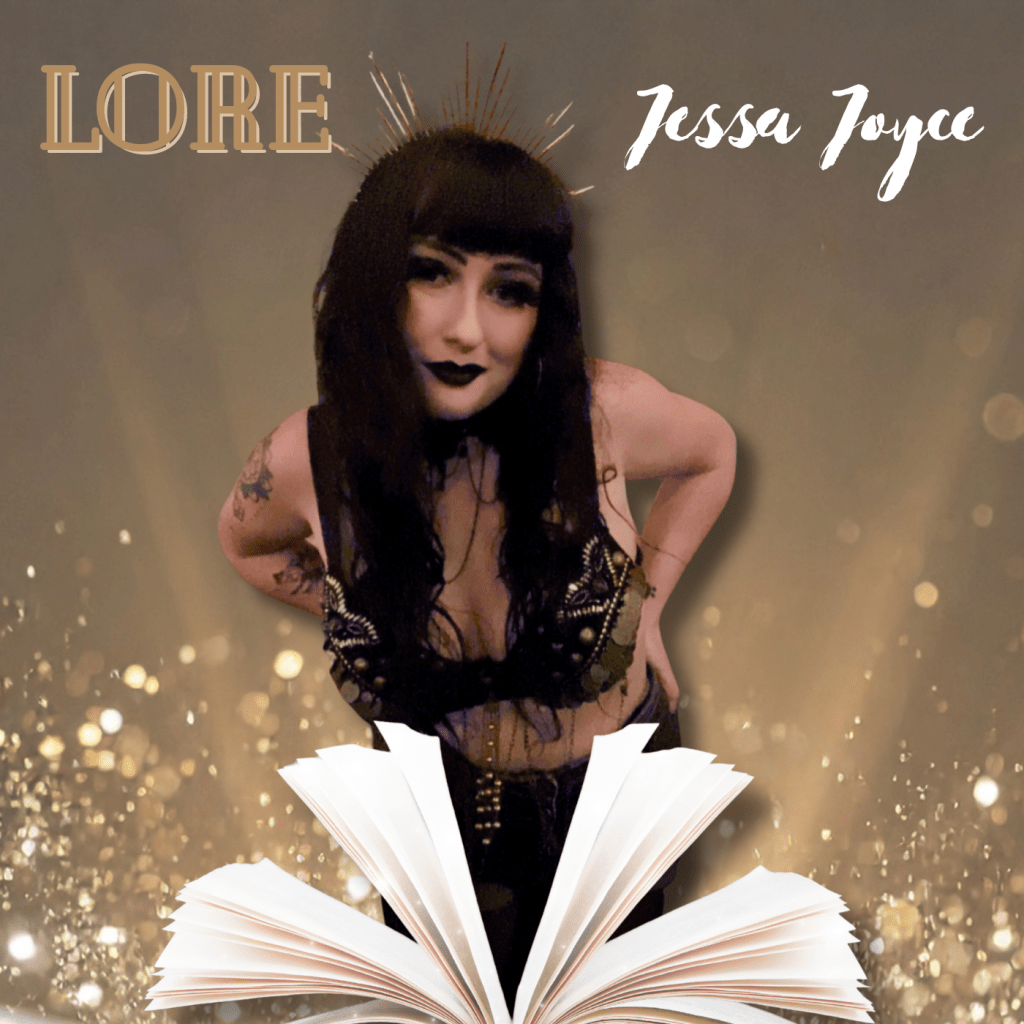
After my tragic and abrupt exit from the music therapy world, I decided to refocus my energy on making it as a professional recording artist. LORE was intended to be my “Hello!” to the music world. I crafted the eight-song album to be a proper debut, with a smattering of songs from an array of genres demonstrating my abilities as a performer, songwriter, and producer. I redid my socials, pestered my besties with the demos, and even dragged my poor wife into a frozen-over forest for the promo shots. I had every intention of this album becoming a breakthrough of sorts.

Then, release day came. Friday the 13th. It felt poetic, but the moment came and went, and I found myself absolutely paralyzed at the thought of doing any self-promotion. I remembered the tragedy that was me trying to promote my ill-fated Chappell Roan cover, which was inundated with (at least charmingly creative) insults. Putting my original material out there, which I emptied my entire heart and soul into, felt even more vulnerable. Ultimately, I chickened out.

The album languished.

But here’s the weird part.

I actually wasn’t as disappointed as I should have been.

Because the older I get, the more I realize I don’t want to be the next Taylor Swift. In fact, the idea is becoming increasingly terrifying.

It’s not a secret that the music industry sucks. I literally just posted an entire piece about that yesterday. And truthfully, the more I learn about its seedy underbelly, I’m not entirely sure that’s the future I want for myself.

Maybe this is the dream I need to let die.

Last night, I had the most incredible opportunity. I got to meet my lifelong hero, Ann Wilson, the legendary frontwoman of the classic rock band Heart. And I had the chance to ask her exactly one question. Now when the time finally came, I definitely panicked. My initial thought was to ask her about her childhood and being bullied, and what kinds of things she told herself to stay strong throughout those struggles, but I didn’t want to get too dark, especially since I was one of the first in line. I ended up trying to ask her if any neat happy accidents had ever ended up in a Heart song, but I forgot how to articulate the phrase “happy accidents” and flubbed the question so bad that she had to ask me to reword it (not my proudest moment).

What I’m really glad I didn’t ask, however, was the question that was my other first instinct — what is your advice to up-and-coming musicians?

Her answer boiled down to “quit your day job and go all in.”

Which, sure, might have been decent, if a little reckless, advice back in the seventies when she was getting her start. But following that advice as a working class artist in the year of our Lord 2026 is a near definite death sentence. The chances are very slim that you will actually make it. The chances are much higher that you will wind up with this as your sick rock and roll castle:

“Hello MTV and welcome to my Crib!”

Perhaps her disappointingly out-of-touch response was the final wake-up call that I needed to stop pursuing music on such a grandiose scale.

After all, being a rock star was the dream of a child, and at some point, you have to put away childish things.

There’s a verse (1 Corinthians 13:11, to be precise) about this very concept in the Good Book, and I always hated it whenever I heard it in church. I’m a kid at heart and never wanted to grow up (and when I did inevitably grow up, I wanted to skip to the part where I got to be a lazy grandma). I thought the whole idea of having to act serious and proper and “adult” was a silly and unnecessary social convention. Who cares if someone still loves cartoons and toys and goofy jokes after some arbitrary cut-off?

What I’m learning recently, however, is that the verse in question isn’t referring to watching SpongeBob as a grown-up at all.

My wife has been without a job for a good amount of time for a number of good reasons. Because of the circumstances, our roommate and I are not pestering them to be employed at the moment. Still, bills need to be paid, and so my wife has begun to sell off their prized possession — their beloved Pokemon cards.

For years, that was all my wife asked for. Forget chocolates and Hallmark cards, if I didn’t come home with Pokemon cards on Valentines, I was in the metaphorical doghouse. I seriously gave this woman (well, nonbinary woman-shaped cryptid) a bouquet with multiple booster packs taped to shish kabob skewers tucked within it. Pokemon cards were their one obsession.

A few days ago, I was talking with my wife about the sudden change of heart. As it turns out, like many things we cherish, capitalism has soiled the card collecting hobby as well, with scalping running rampant. And more than that, they admitted making sure my roommate and I, their two favorite people on the planet, were fed and cared for was more important than some dumb flimsy cardboard.

Now that is maturity. Now that is growing up.

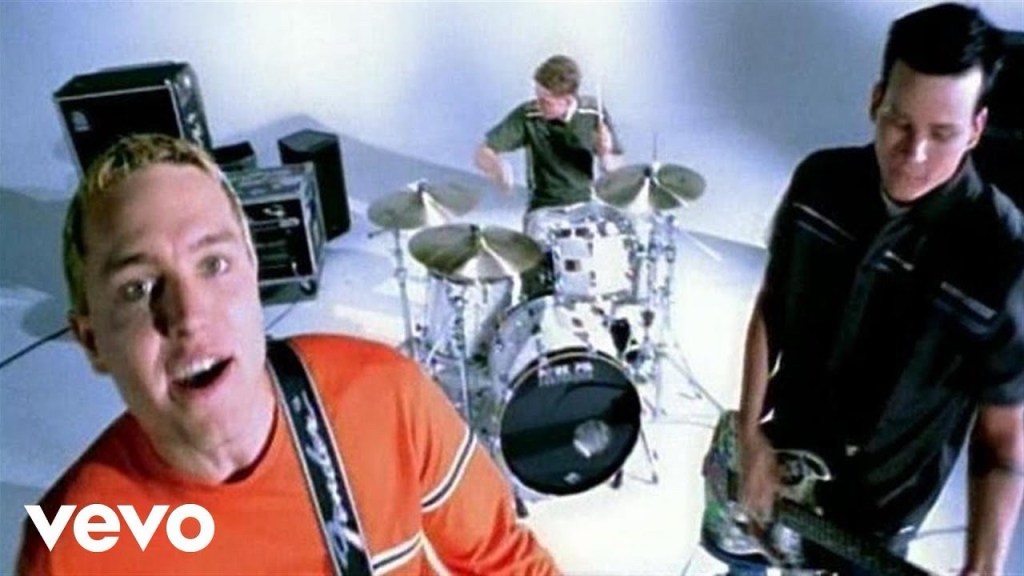
“Alexa, play Blink-182 ‘Dammit.’”

Maybe the childish things in our lives aren’t crayons and kids’ books. Maybe they’re the things that keep us from what’s actually important in life. No, I don’t want to be a rock star anymore. I want to be a loyal partner to my favorite people. I want to be a good mother someday. I want to build a home and a career I can take pride in. And I want to change the world through music on my own terms.

The Wizard Has Always Been a Prick: Why the Music Industry Deserves a Cruel, Brutal Death

When I was a little girl, I wanted nothing more than to be a rock star.

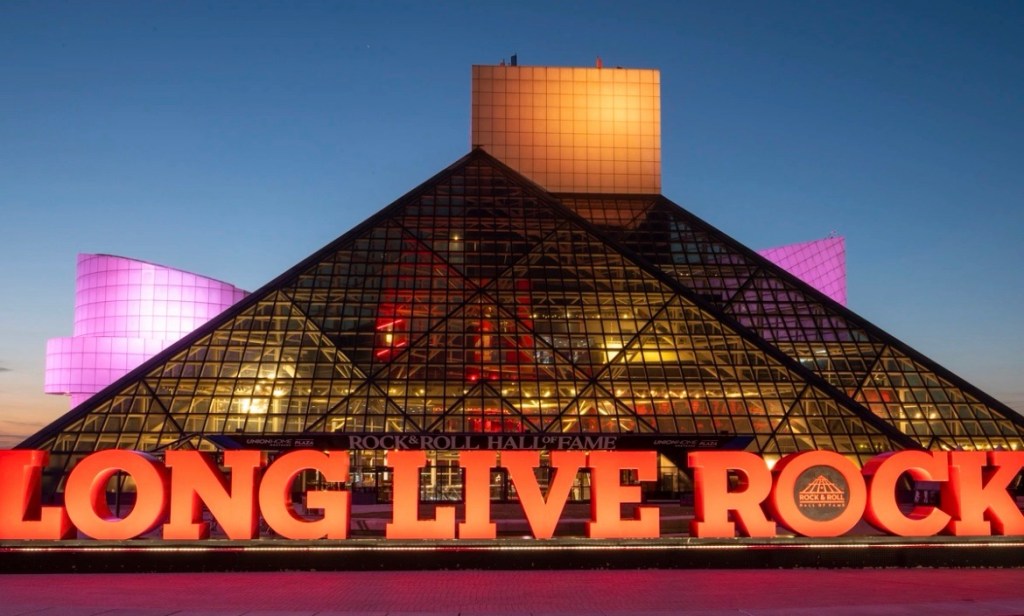
It was all I ever fantasized about. I’d put on headphones and my favorite albums and run around the house imagining myself as the artists. I loved watching the VH1 Behind the Music specials about the bands I admired and daydreamed at length about my future episode after I’d inevitably conquered the music world myself. I had entire storylines in my head about my meteoric rise to stardom and my tragic downfall and my against-all-odds battle back to the top, when I’d finally be given my flowers and have my name added to the Rock and Roll Hall of Fame at last.

I was a very imaginative child.

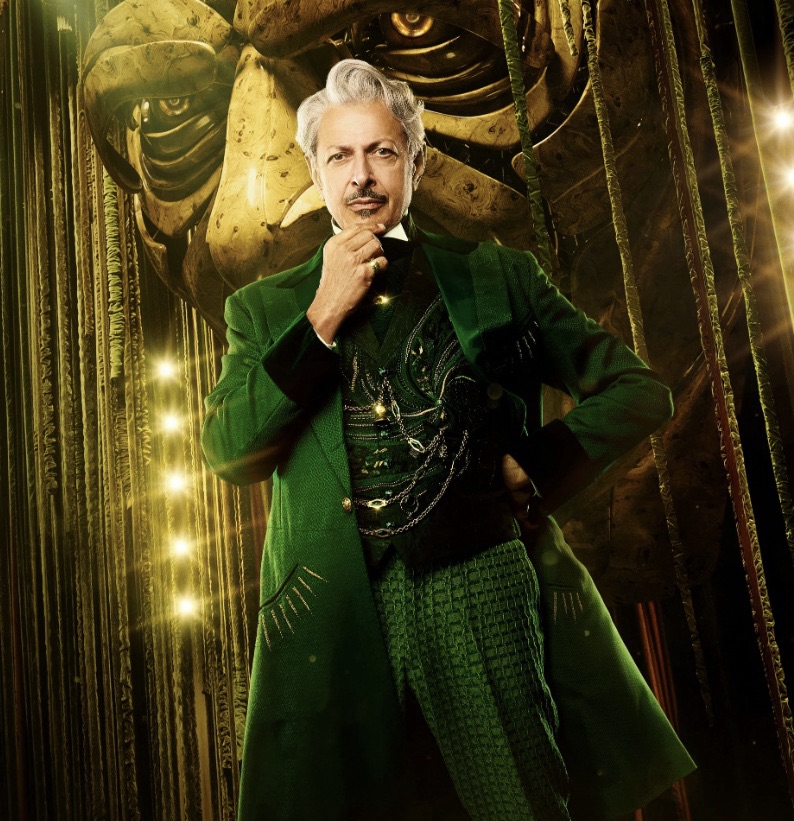
But as a certain green-hued witch once sang, something has changed within me.

I don’t want to be a rock star anymore.

I’m done playing the game.

I was originally set out to write about the ways in which the music industry has recently proven itself to be a toxic place, but as I really began to visualize the points I wanted to make with this post, I had a dark realization. The music industry was never a decent place. Even as far back as the days of Vivaldi, the music that actually got heard by the masses was largely composed under the eye of kings and the Church and made by folks who already had money and connections. Sadly, the world is moved by whoever has the most resources, and like a lot of great things in life, capitalism had to take a shit on music as well.

In recent years, it’s become increasingly clear that much of the songs we’ve come to love and cherish throughout the years were brought to life by the worst people you know. The old adage of “never meet your heroes” has never been more true. Almost all of the musicians I looked up to have at least one gnarly skeleton in their closets, and that’s not even getting into the bigwigs behind the scenes who curated what we heard on the radio our whole lives. You know none of that shit was organic. We’re slowly finding out just how interconnected and insidious the folks in power really are. And it’s really, really disheartening. Sometimes I really do feel like Elphaba learning the true nature of Oz and the Wizard.

A charlatan with a knack for manipulating the masses? He’d fit right in with the industry.

“But Jessa,” you say, “you keep saying all this stuff about how the music world is fucked up, but you’re not giving us any real examples of why it’s fucked up.” Well, that’s the part I decided to put in a silly listicle like Cracked back when it was good. There are at least seven concrete reasons why the status is not currently quo. Let’s begin with an issue that’s been plaguing pop music since its very inception, to the point where it’s nearly baked into its DNA. And that would be…

1. Racism

Are you ready for an uncomfortable truth? All modern popular music was stolen from black Americans. From the dawn of the blues, white folks have been ganking the tunes of the very people they enslaved and oppressed. Even before recorded music, minstrel shows appropriated the sounds brought over to the US via the African slave trade and perverted them into gross mockeries. Wikipedia itself goes as far as to describe one of the most famous minstrel songs as “a key initial step in a tradition of popular music in the United States that was based on the racist ‘imitation’ of black people.” And that was pre-record industry. Once people found ways to slap music onto vinyl, the suits in charge bent over backwards to whitewash whatever music that meant. Pat Boone made an entire career out of reworking “black music” into something palatable for the mayo masses. Some of the early Caucasian rock artists did have a deep reverence for the origins of the music they made — Elvis famously attended black churches in his youth and was typically known to respect his musical forefathers. But one would have to be entirely ignorant to believe his relative success compare to artists like Sister Rosetta Tharpe wasn’t in part due to his whiteness. Record execs believed they had to sell a “sanitized” version of rock and roll to America, and that’s how we as a society collectively divorced rock — and pop music in general — from blackness.

But the truth is, nearly every genre of popular music can be traced back to the black Americans who pioneered the art. Rock owes its entire existence to black folks, as does rap. Even country, the genre damn near everyone associates with the very whitest people on the planet, has its roots in traditional African music, with the banjo being an instrument brought over via the slave trade. We would not have music as we know it if not for the black people we stole it from. That being said, racism isn’t the only ugly -ism that plagues the music industry. Sexism is also rampant, and this next point is one that seems to disproportionately affect the ladies…

2. Body-Shaming

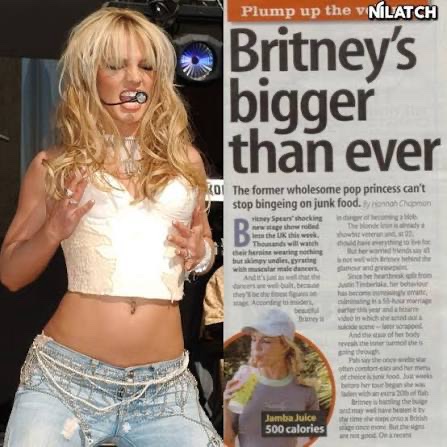
Remember back when Britney got fat?

CALL MY 600-POUND LIFE, STAT! WE GOT A FATTY!

Like, look at all that blubber. You could hide a whole ass ham sandwich for later inside those big ‘ol folds, right? Never mind the fact that a slight breeze could probably knock over poor Brit in these pictures, she’s just so fat, right?

It probably shouldn’t come as a huge surprise in a post-Epstein world that powerful men wanted to keep their pretty pop princesses tiny and dainty and girlish. Strong men love weak women, or more accurately, girls. The minute one’s adult curves begin to blossom, young women are inundated with messages that for some reason, this is bad. That pressure is even stronger for female artists who make genres of music where image is important. And let’s be so for real right now, image is important for women in practically every genre because our society maintains that women are primarily a thing to be looked at, not heard. One of the most heartbreaking cases I know in the industry is the story of Karen Carpenter, who ultimately lost her battle with her eating disorder. We missed out on so much potential music because our society pushed a world-class drummer and vocalist to fucking starvation. That is not okay.

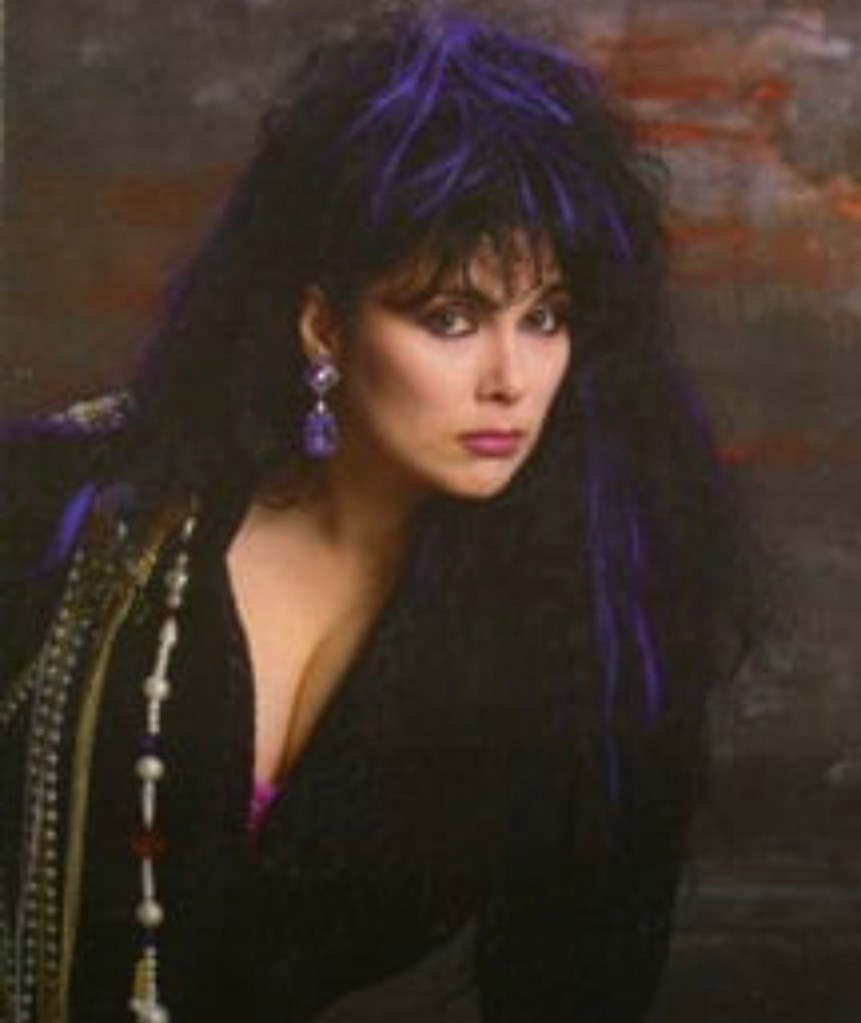
My Roman Empire is the way Heart frontwoman Ann Wilson was treated by the industry in the eighties. Because for some reason, the worst men on earth took a look at this woman and thought “whale.”

“OH MY GOD WHAT A SHE-BEAST!”

If you’re unaware of her story, she was bullied throughout her life for not being a stick figure, but when she hit 30 and started looking a little more woman-shaped, the record execs panicked, dressed her in all black (which was unintentionally the origin story of my goth phase, as I spent years trying to emulate her style during this era), and attempted to hide her behind her blonde, skinny, more “conventionally attractive” guitarist sister, Nancy. She went as far as using cocaine and getting fucking surgery to get back down to an “acceptable” weight, and I have no doubt that had she hit it big in the year of our Lorde 2026, the suits would be hurling Ozempic at her. Sure, whatever, maybe she reached an unhealthy weight at some point, but let’s be so for real, who the fuck cares? She’s not a model — she’s the greatest living female rock singer, and to reduce her to whether or not she’s overweight is absolutely bananapants to me. Even at her heaviest, I thought she was the most beautiful woman in the world as a child, and I was not about to let some misogynistic asshole in the music biz try to convince me otherwise.

3. Payola/Nepo Babies

Did you think your favorite artists actually had a rags-to-riches story?

Yeah, those rarely exist.

I remember a few years ago when Chappell Roan came out and everyone here in the Midwest was excited that one our own “made it big” in the music scene. She was one of us. She lived in a trailer park or something and worked in a drive-thru coffee shop and fought her way to the top through sheer grit alone. She’s the crab who escaped the bucket, and instead of trying to drag her back down, we actually elevated her and celebrated her.

What you probably didn’t know, however, is that it quietly later came out that her backstory was a little bit…embellished.

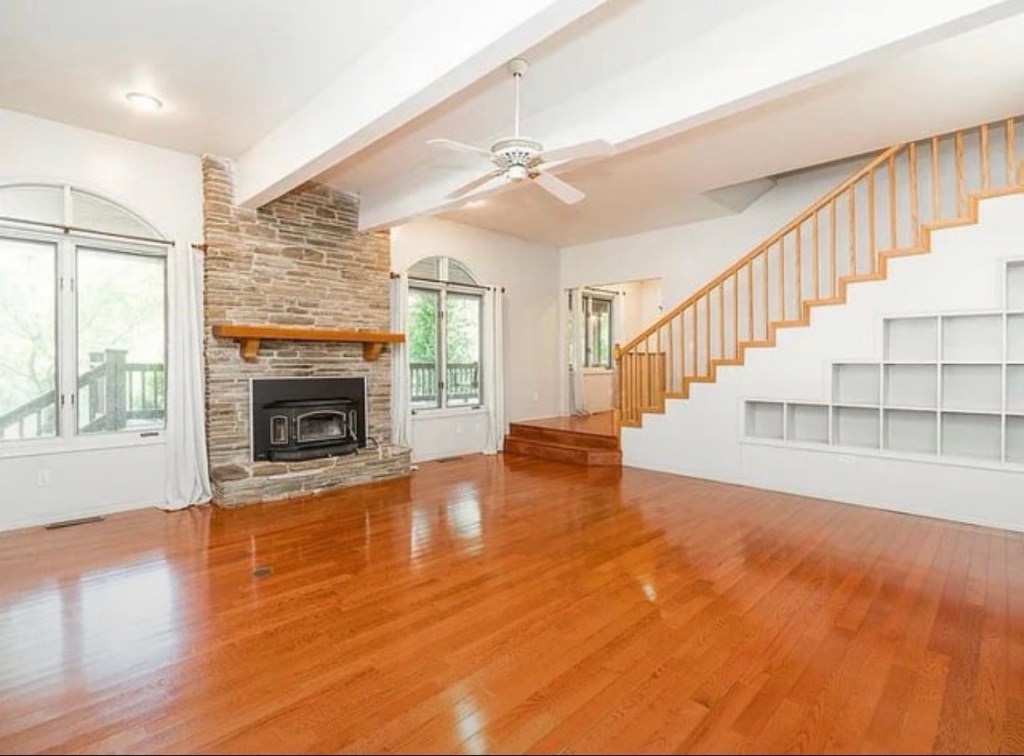
For one, this is her terrible run-down childhood home:

Who could live like this?!

A lot of details have since come out about the true background of Chappell Roan. For one, her family is not nearly as destitute as we’ve been led to believe. Her grandfather Dennis Chappell, whose name she borrowed for her music persona, was a shrewd businessman who started an insurance company that brings in around $10 million annually. Her mother was a successful veterinarian who had her own practice. And her uncle might be the worst one — Congressman Darin Chappell, whose slimy pro-forced birth policies will likely kill a lot of vulnerable women. In defense of Chappell herself, she’s been vindicated over and over when it comes to parasocial relationships in music (more on that in a bit), and has obviously been the target of several smear campaigns to dull her influence. Still, it’s not a great look to be disingenuous about your upbringing, and I would have respected her a lot more if she’d just acknowledged all the legs up she’d been handed through her birth family’s wealth and influence.

The problem is that Chappell is not an isolated case. It’s pretty well-known by now that pop music juggernaut Taylor Swift was never the “girl next door” unless you lived in a goddamn gated community. Sure, she grew up on a farm if you wanna get real technical, but it wasn’t Old McDonald’s. Her parents were wealthy businesspeople who could afford to literally take out a full-page ad in The Wall Street Journal bragging about their little bundle of joy who’d go on to bring the music world to its knees. Yet fans will point to her as the “poor little girl who made it despite all odds.” The truth is, the odds were always stacked in her favor. That’s what happens when you’re born into money. That’s to say nothing of her talent, as she’s obviously incredibly talented and personally one of my favorite songwriters of all time. But it hurts my heart when I wonder about all the Taylor Swifts trapped in trailer parks whose songs will never get heard.

When you have money, you have safety nets. When pursuing your wildest dreams, there’s a good chance something will eventually go wrong and you’ll have to regroup. It happened to me with my dream of becoming a music therapist. Attempting to make it on a large scale in the entertainment business is an even riskier endeavor for a lot of folks. In many cases, you have to move to where the magic is happening, and just moving to a big city is a risk in and of itself. Rich kids get the second and third and fourth chances working class musicians don’t get, and then you factor in the sad fact that music only gets heard when you throw money behind it. Payola was the industry’s way of paying off radio stations to promote their songs, and despite getting technically banned, surprise surprise, it is still fucking happening in the 21st century. The things the radio feeds you are not organic. It’s all carefully curated, and more often than not, it’s the artists with a sizable amount of lucre who get played. Speaking of lucre…

4. Financially Screwing Artists

A lot of everyday people don’t really realize what a record deal really is. The dream we’ve been sold is that when the right guy hears your music, he’ll be swept away and throw you a deal, and with it comes all the fame and fortune of rock stardom.

What they don’t tell you, though, is that all that money they give you? You have to pay it back. Or perhaps more accurately, pray the meager royalties you earn from your music offset that advance you’re given.

I know a tragic story from my personal life about a dear friend who I casually dated back in college. He was a phenomenal guitarist, one of the best I’d ever heard in person, and he joined up with a band that subsequently “hit it big” and landed a sweet deal with a relatively small label. Sadly, nothing really came of the deal. The label more or less sat on the band and did little to no promotion, and when they were all “surprised Pikachu face” at the fact that no one was streaming their music, they unceremoniously dropped the band — who still had to pay off that advance. On the off chance a “regular person” gets their foot in the door, there’s a good chance someone will be waiting right around the corner to screw them out of thousands or even millions of dollars.

Music does not produce a lot of revenue. We’ve cheapened the very art of music down to something you can stream willy-nilly at any time. There’s no upfront cost aside from the measly Spotify subscriptions we pay, and while that’s amazing for consumers, it absolutely fucks over any chance of the musicians behind the scenes actually making a living. Spotify gives you little over $2 for 1000 streams, and unless you have a ton of followers who stream your material on repeat, that doesn’t add up to much. A lot of artists have to maintain day jobs to stay afloat. When I was working at a traumatic brain injury rehabilitation facility in Ann Arbor, I was shocked to learn that one of my coworkers was the frontman of a fairly prominent mu-metal band. It’s wild how many musicians need outside income. Even very established artists are resorting to selling their life’s work for a lump sum in order to squeeze a little more money out of their songs. The companies buying these songs clearly don’t give a flying fuck about creative integrity, but that obviously doesn’t matter either, because the machine is also known for…

5. Creatively Screwing Artists

It’s not a secret that once the execs have their hooks in you, you’re at their very whim, and when the soundscape changes, you have to change. Going back to my Heart example, back in the eighties, they were basically given a deal that in order to keep being rock stars, they had to play the new MTV game. The band had to trade heavy guitars and introspective lyrics for big synths and songs written by outsiders. Ann even admitted that the music they were forced to make in that time frame was “stifling.” And they’re far from the only examples.

Music today is a numbers game. Pop fans watch the charts the same way football fans watch their favorite players’ stats. If an album doesn’t sell as well as the last one, people are quick to declare that said artist is a “flop.” Folks have already coined the term “Khia asylum” to describe female one-hit wonders, and if their favorite’s newest release don’t top the charts, that’s where they wind up. Never mind the fact that “Milkshake” is a legendary song. Khia has literally become shorthand for “not being able to follow up on your best work,” and fans are so hasty to determine that a woman has already written her magnum opus at 22. Remember how Halsey was so excited to share her deeply personal and experimental album about her health struggles, only to have the entire industry drag her for it? She’s not even allowed to release new music now because that album didn’t do as well as Taylor’s newest release. Record executives are holding our artists hostage and silencing them for having the guts to do something different. We’re punishing creatives for their creativity.

If I’m allowed on my soapbox for just a moment, I just want to say that music should never be about numbers. Music is not something that should be quantifiable. Music is highly subjective and deserves to be regarded for its quality rather than how many average Joes one can dupe into listening to it. This is how we’ve devolved into a place where AI can take over. Who cares about artists anymore? We can just beep-boop anything into existence instantly without the hassle of managing a fully human musician with wants and needs and personalities. That’s what executives want. Notice how you never see bands anymore (except Geese for some reason). That’s not an accident. The more people you have signed, the more liabilities you have. People fuck up, and in our current zeitgeist, that’s not allowed. Which leads me to my next point.

6. Parasocial Relationships

This is more on the fans than the industry itself, but it bears noting that the industry does little to curtail this phenomenon, and in some cases even encourages it. People get obsessed with their favorites. I’m not talking my childhood obsessions with Shania Twain or Bon Jovi or the aforementioned Heart. Those were innocent fascinations stemming from the fact that I was a lonely undiagnosed autistic child with no friends, and the music became a sort of surrogate friend to me.

But that’s not what this is.

I hate using her as an example again, but fuck it.

I mean, she is the music industry.

It’s not a secret that Taylor was madly in love with Matty Healy of The 1976. But when the Swifties found out that their beloved mother was seeing a skeevy dude who did some questionable shit in the past, they had the entirely normal response of writing an open letter to her explaining why she, a grown woman, should dump him. It, uh, did not go over well with her. She’s lucky her fans didn’t go even further, unlike one of Bjork’s fans back in the 90s. He was pissed his sweet little innocent muse was dating (gasp!) a black guy, and that was enough to send him into a violent spiral. He ended up killing himself on camera, but not before sending a bomb to Bjork to punish her for her transgressions. Mercifully, the package was intercepted before it could reach its final destination, but the case is a cold, bitter reminder of how dangerous these parasocial relationships can get.

I blame my fellow Michigander Eminem for some of my fears regarding parasocial relationships in music. In case you’re too young to know the real origins of the term “stan,” “Stan” was the name of a song that essentially told the tale of a young man who was obsessed with Eminem. He begins the song with a simple request for a letter back from the rapper, but it soon escalates into the fan committing murder-suicide — and blaming Eminem. That was my worst nightmare for years as an artist. I never want my music to contribute to human suffering, and it’s so easy for one unhinged person to latch onto you and your songs. Charles Manson took Paul McCartney’s innocent little ditty about a playground slide and interpreted it to mean “slaughter a bunch of people.” If Paul’s not even safe, I don’t know who is.

7. Grooming

I saved what might be the most disgusting part about the industry for last. The music world is brimming with predators. From the earliest days of rock and roll, the greats were busy dating, raping, and even marrying little girls. As a former little girl myself, and one who was really into classic rock, I spent years turning a blind eye to the fact that my heroes were out there hurting kids like me. It’s hard to think about the fact that famous groupies like Sable Starr were literally just children who were taken advantage of. So many rock stars were complicit in the abuse of her and so many others. It’s almost easier to list prominent rockers who haven’t had liaisons with underage girls.

Jonny, please, don’t let me down.

As hard as it is to admit, some of my personal favorites have been under fire for their relationships with young girls (although thankfully not Jon Bon Jovi). John Frusciante is hands down my favorite guitarist, but it’s difficult to divorce his music from the fact that he made a great chunk of it with admitted PDF file Anthony Kiedis. I love the lyrics “Show love with no remorse” from the song “Dosed,” but a part of me is glad I never tattooed it on myself because I know in my heart of hearts that the line was penned by an absolute creep. Brand New was one of my favorite emo bands for years, but after hearing about Jesse Lacey’s controversies, I feel icky revisiting them. I’ve never heard a song, Christian or secular, that quite sums up my faith like “Jesus Christ,” and I can’t even listen to the song without feeling gross anymore. Even the female musicians aren’t immune. I admire Sia as a songwriter, but you gotta admit her relationship with Maddie Ziegler was weird as hell. This is the kind of stuff that rightfully got Michael Jackson scrutiny. And speaking of which, while I love the man’s music and feel for his experiences as a child, that’s not an excuse for the way he behaved with children.

And the list goes on and on and on.

We have our Diddys and R. Kellys. We have our Phil Spectors and Dr. Lukes. When you give people unbridled power and access to vulnerable folks, abuse happens and the cycles continue.

That’s part of why I wanted to write this piece. The music industry is a dark, seedy place, and the older I get, the more I want no part in it. Let’s be clear — this is in no way a statement that I want to discontinue making music. Rather, it’s a statement that I’m done chasing “rock stardom,” whatever that even means in this day and age. It’s a trap, full stop.

So if we’re saying “fuck the music biz,” what even is the alternative?

Real music.

The future of music isn’t in the music industry. It’s in the hands of everyday artists who use their instruments to tell stories and move hearts. It’s in open mics, karaoke nights, and punk shows. It’s in some kid opening up a MacBook for the first time, screwing around on GarageBand, and discovering a passion he never knew. It’s in a small girl picking up a guitar for the first time and finding the way the notes fit together.

The mainstream media can have its robots and nepo babies. Real, authentic music will thrive in the dark recesses of every small town with a dive bar or coffee shop.

Real music will never die.

Lore: A Song-By-Song Walkthrough

So unless you haven’t spoken to me in the past half-year or so, you probably know I’ve been hard at work making my first real full-length album happen. And soon, these songs will see a proper release on all music platforms, which is absolutely bananas to me. As a kid, I always assumed in order to record a song, you had to be famous, which is why I assumed from the old tape of my brother singing “Wild Thing” at karaoke that my brother was, in fact, Tone Loc. (He is very much not Tone Loc.) It never really occurred to me that I could learn to record and produce my own stuff until well into adulthood, but once I discovered the power of my college newspaper’s office’s computer’s GarageBand, it was over, man. I knew what I had to do. In fact, for my first EP, Oceanography, I holed myself up in that office the entirety of spring break, including my own birthday, and did nothing but record songs. That was an experience I’ll never forget, and over a decade later, my love of music production and songwriting has endured.

Which leads me to Lore.

Lore is a collection of songs that I feel both demonstrate my abilities as a producer and musician as well as my range as a lyricist. The songs are all very different, but reflect various aspects of myself and my life. There is nothing on this album that isn’t autobiographical in some way. I consider myself a follower of the Swiftian school of songwriting, where any and every relationship, good or bad, is potential song fodder, and each song written is deeply confessional. I drew a lot of inspiration from my interpersonal relationships, which in this context means everyone from my mom to my cute cruise fling to my cat and the asshat who threatened my girlfriend (more on that later). Relationships are what make us who we are — we are defined by our relationships to each other. I’m a musician, but I’m also a wife, girlfriend, daughter, sister, and cat mom. My relationship to myself was also an important factor. I’m Christian, queer, neurodivergent, and mentally ill. I’m learning to accept the various parts of myself, and all of these things contributed to what eventually became Lore.

Sonically, there’s a pretty wild mix of styles. I consider myself “genrefluid” and this album certainly reflects that reality. My music has always drawn a lot of influence from the classic rock, emo, bubblegum pop, and 80s synth-heavy pop I listened to a lot growing up, but I really wear my muses on my sleeve on this project. And every instrument, with one exception I’ll mention, was hand-played or programmed by me. Everything on this album was my own design. And none of the tracks utilize AI in the production or songwriting, a point I was sure to make after the Almost Icarus debacle that I wrote about as a cautionary tale. Everything on this album is raw, real, and most importantly, human. (Full disclosure: I did use an AI app to master the songs for the final release, but I made sure not to outsource any of my creativity. I’ll learn how to properly master by hand when I actually make it back into audio engineering school. Tuition’s brutal, y’all.)

I wanted to do a track-by-track breakdown of the track listing to explain some of the lyrics and give a bit of backstory on each of them. Like I mentioned, they’re all very different from one another, and no two songs are about the same situation or person. Let’s start with the title track!

1. Lore

I love stories. I’ve always been a storyteller, from the day I could hold a pencil and form words. I was the kid who breezed through lessons so I could ignore the teacher for the rest of the day and just write stories. And that was the initial inspiration for this song — my own story. I even snuck a literary reference in the chorus for good measure. (Shoutout Shel Silverstein!)

In the first verse, I talk about my childhood and hometown, “a blue-collar Midwest town with a river running through.” That would be Flat Rock, Michigan, and the river I’m referring to is the Huron River. I also mention my father, who passed away last year and whose memory I dedicated the song to. On his deathbed, I told him about the song, and while I’m sad he never got to hear it, I’m happy his legacy will live on through this tune. The second verse is about my love life, past and present. In the second half, I introduce “the first girl I kissed” in college, who later became my wife. My brother was initially not thrilled that I married a woman, but as of my father’s death, he’d started coming around to the idea of having a bisexual little sister. The original line was “My brother found out and man, was he pissed,” but I changed it to “for a while he was pissed” to reflect the character development. Sometimes people change for the better!

Recording this song, I started with the acoustic guitar, which felt like coming back to my roots after playing almost exclusively electric for some time. I wanted a “pop-punk meets heartland rock” vibe, a la The Gaslight Anthem, one of my favorite bands. The lead guitars harmonize in the main lick I play throughout the song, which was really fun to record and definitely made me feel a bit like Iron Maiden. There’s also a Truck Driver’s Gear Change at the final two choruses, because 1. I feel like it adds to the triumphant feeling of the song and 2. I just really like key changes. I had to modulate it down from the original key I wrote it in so I could sing those last choruses in my chest voice, though.

2. Vinyl

This is probably the oldest song of the batch, as I initially started writing it years ago and only finished it when I was living in Fort Wayne a few years back. The melody came to me out of nowhere, and the lyrics were inspired by a handsome French-Canadian man who resembled the title character of Howl’s Moving Castle, with whom I had a very short-lived flirtationship. Sadly, he was quite a bit younger than me and I was starting to feel a little Anthony Kiedis, which made me uncomfy, so I amicably called it off. (He was legal at least, but man, I had all 150 Pokémon memorized by the time this dude was born.) At least I got a total banger out of it.

I was always really fascinated by vintage media since childhood, so it’s a wonder how I never used records as a metaphor before. There’s something so sexy and intimate about sharing your favorite music with a partner. Needless to say, this song is one of the hornier ones on the album, rivaling “Rain Check.” It’s not as explicit, but it toes the line at times. It’s cheeky if nothing else.

Did I gank the chord progression from The Maine’s “Right Girl”? I plead the fifth. In my defense, Taylor Swift has like twelve songs that utilize that exact progression, so maybe popular music is just derivative as hell. There’s a whole slew of harmonies, since I was going for a kind of Queen sound. I wanted a glam rock feel — this is the spiritual successor to “Sweet Honey,” the single I released with Wake Up Jamie, after all. I consider it her weirdly hetero brother. Oddly enough, I don’t have a single sapphic song this time around, as all my muses were men. I guess I need to write another batch of love songs for my femme partners for the sequel to The Librarian’s Daughter.

3. My Cat & Me

Anyone who knows me knows Ann Wilson of Heart is my queen, and I was autistically obsessed with Bon Jovi as a child, but Freddie Mercury was the rock star who finally gave me the confidence to start pursuing music for me. He never played by the rules. He was living proof that one could write a catchy song about damn near anything, and a perfect (purr-fect) example of that is one of his final songs, “Delilah,” dedicated to one of his beloved cats. When I first heard that song, I knew I had a mission. But I never had an animal “get me” the way Krubby does, and that’s what finally prompted me to compose this little baroque pop piece. Krubby is my feline soulmate, my “best friend on four legs,” so to speak.

The song starts out pretty cheery, and it maintains a sense of whimsy the whole way through. But I did want to mention the emphemeral nature of pet friendships in the final verse, since I had to slam y’all with the feels somewhere. “Someday I know you won’t be there/So I’ll treasure every day we share” hits me so hard every time, and I wrote the damn lyric! Even though he can’t catch a mouse, I love that cat anyways, and I’ll miss him when he someday crosses the Rainbow Bridge. It’s a shame we tend to outlive our animal friends.

I may have ganked this chord progression from an country/Americana artist named John Hiatt, whose song “My Dog & Me” served as the other main inspiration behind this track. I was struck by how heartfelt the song was and wanted to create my own take on the topic of beloved pets. This track is one of two that are entirely MIDI, containing no “real” instruments at all. But trust me, I agonized over this one just the same. Have you ever programmed MIDI without a MIDI controller?! Also, the rhythm was tricky because there’s an extra measure of 3/8 right before the title drop, which gives it a bit of a disorienting feel. Overall though, it’s a very sweet, whimsical song.

4. False Prophet

Now we’re getting to the first of the angry ones, and I did not pull any punches on this album. I won’t get into too much detail about who specifically this one’s about, but we’ll just say it’s about certain religious leaders who I truly expected better from. I grew up in an evangelical megachurch because many of the friends I had in my youth went there, and I found myself looking up to so many of the folks involved there. After the advent of Trump in the US, I found myself confused how these people who once taught me to “love my neighbor” and “fight for the oppressed” were now siding with the oppressor. So that was the initial inspiration behind this one.

I loaded the lyrics up with Biblical references. As I always say, the only people who can fight Christian nationalism are progressive Christians who actually paid attention to the words of Jesus. We speak their language. And that’s why when I release the lyric video for this one, I plan to color the text that directly references specific Bible verses in red (itself a reference to how Christ’s words are often colored in red in certain Bibles). I’m particularly fond of “You’re so lost in the white Jesus sauce and I don’t have a doubt/That if the brown Jesus came back tomorrow, you’d be the first to ICE him out.” I never get political in my music, but there’s a time and a place for speaking up when injustice is happening.

This one, alone with “My Cat & Me,” is entirely MIDI-programmed, but like I said, don’t let that fool you — I put just as much blood, sweat, and/or tears into those two as I did the more guitar-driven tracks. The bassline that carries the song is reminiscent of “Stand By Me,” something I did not realize until nearly everyone I showed it to pointed it out to me. I have to laugh because it really does sound like a minor-key “Stand By Me” (“Stand Back From Me”?). I really love the harmonies toward the end as well.

5. Every Emo Song Was Written About You

This is the most recently written and recorded song of the batch, composed whilst on the emo cruise. As fate would have it, I was able to weasel my acoustic gitfiddle onto the boat, which was very serendipitous as I found plenty of inspiration on the journey. My cruise fling was a cute lil emo guy from California who stole my heart and had me feeling as giddy as a high school girl again. I stole away to my cabin to write this little ditty as an ode to both my sweet paramour and the genre that I adored as a teenager and college kid. True to emo tradition, the title is a full sentence.

I hid a ton of references to various emo-adjacent artists in the lyrics. The second verse “I could be your punk rock princess, your heroine” refers to “Punk Rock Princess” by Something Corporate, “Your Call” by Secondhand Serenade is referenced at the end of the second pre-chorus, and “Hands Down” gets a mention in the bridge. Those are just the less-obvious ones. I wanted the lyrics to reflect that hopeful, wistful feeling of wanting someone badly and not knowing what to do with that. I really did want to capture that teenage longing.

Originally, I’d planned to have a fellow musician I’d met on the cruise play drums for this track, but due to scheduling conflicts, he wasn’t able to be on the final version. I’m still pretty pleased with how my programmed drums turned out, though. I tried to ape the some of the stylistic hallmarks of emo with this track, but sadly my voice isn’t exactly the whiny male tenor that’s typically associated with the genre, so I’m scared at times it falls flat. But perhaps that’s just my insecurities talking, because if I’m honest, this song goes hard. I’m not exactly Hayley Williams, but I feel like I did alright in spite of that.

6. Jeremiah

The heaviest and angriest song of the batch, this one comes with a disclaimer. This song is not about Jeremiah Mack, whose sweet, sweet sax saxohoning you will hear momentarily. I have never once wanted to chop that wonderful man’s dick off, so lest there be any confusion, let’s clear that up immediately. This is one hundred percent about a fucko who DMed my lovely girlfriend Olivia to send her all kinds of threats and other transphobic bullshit. To Jeremiah Mack, you are a fantastic human being and I love you. To a certain Jeremiah of South Bend, Indiana — watch your step.

The lyrics are truly some of the most rage-filled I have ever penned. I took a lot of inspiration from Ann Wilson, who invented feminine rage when she wrote “Barracuda” back in the 70s. I wanted them to be kind of sing-songy and almost nursery rhyme-esque, like I’m making fun of this asshat, which I definitely am. “You’re not a real man,” is me flipping the transphobic “You’re not a real woman” battle cry on its head, and the allusion of cutting this dickwad’s manhood off is poetic in a way. Oh, so removing your penis won’t make you a “real woman”? Wanna test that theory on yourself, big guy?

I put so many guitars on this track and turned the distortion up to the max. The main riff almost sounds like a much more overdriven “Bebe le Strange,” another Heart song from the 70s, which was again not my intention, but my music is nothing if not derivative. And I love, love, love the dissonant guitars in the instrumental section. At first I wasn’t sure I could pull off as heavy as I wanted to go for this tune, but I’m pleased to report I achieved the intended effect I think.

At least we’ve reached the song I plan to release as a single, the 80s-inspired “Rain Check.” This one is so unlike anything else I’ve ever recorded or released and it was honestly a really fun experiment. That being said, this one is definitely the horniest track on the album. Don’t say I didn’t warn you. It is highly sexual (and saxual). I wrote it as a challenge to myself to pen something that would make Sabrina Carpenter herself blush. The lyrics were inspired by a cancelled date with a lawyer who had to bail due to an important case the following morning, which I totally understood, but man, I was bummed. He’s also the lawyer I mention earlier in “Lore,” for what it’s worth. Because he has such an important job, he couldn’t be featured on the album cover, so that’s my Detroit partner whose lap I’m sitting in.

The lyrics are somewhat cringily blunt at times, and I still can’t say the especially awkward line in the second verse with a straight face (you will know which line I’m referring to). I do a silly rhyme dodge in the first verse (“…cause ya girl needs some…fun”), which isn’t the first time I’ve done something like that in a song. In “Taco Bell” off The Librarian’s Daughter, I say “I know that it might be quite crass, but I can’t help but stare at her big fat…grin.” I borrowed that idea from The Maine and their signature song “Into Your Arms” — “I’ll state something rash/She had the most amazing…smile.”

This is another very MIDI-heavy song, although there is some real guitar. There’s also a very real saxophone! I didn’t trust myself to program a realistic sax, so I brought on my old drummer, the aforementioned Jeremiah Mack, to play a little solo. The rapid fire sixteenth note synth is reminiscent of “Dancing On My Own,” the quintessential club hit from Robyn, but that wasn’t my inspo initially, weirdly enough. My “blueprint,” so to speak, was actually “So Emotional” by Whitney Houston. I wanted this song to be giving 80s Whitney. I utilized Linn Drums for the drum machine, which really gives it that throwback vibe.

8. Grandma

Finally, we end the album on a wholesome note. “Grandma” was my own personal manifesto that despite the odds being stacked against me as a queer, mentally ill Millennial, I will live into my geriatric years and I will become a grandma someday. I refuse to be a statistic. The inspiration came to me when I was working at my old job as a caregiver for old people, and I actually wrote the chord progression on the organ at the facility. I had this realization that the folks I worked with were quite literally living the dream. They’d lived long lives and were now spending the rest of their years in peace. The photo was fun to shoot because I ordered an old lady kit and used an instant aging filter to get the desired effect. Eventually I’d like to get a big group together and film a music video where we’re all just wreaking havoc around town dressed as grandmas.

Lyrically, I drew some inspo from my own grandmother, Joyce, who I derive my name from. She was the kind of lady who enjoyed the simple things, like watching game shows from her La-Z-Boy all day. (Though she would actually drink cornbread soaked in buttermilk, which was truly atrocious, so I took some artistic liberties.) The “My Way” reference is a double barreled reference, since I’m not just referring to Frank Sinatra, the original artist. I also wanted to pay homage to Bon Jovi, whose song “It’s My Life” makes the same reference.

This was another acoustic-driven one, and I really only used electric guitar for the lead parts. The ending is cool because I did what my old bandmate called a “terraced ending,” where each of the instruments drop out until all that’s left are the guitars. Aside from that, this one is pretty standard fare for me. This is probably the most quintessentially “Jessa” track on the album, which is also why I felt like it was the best song to end the project on. Writing it really took me back to my roots, and that’s what Lore is all about.

Which of these songs are you most looking forward to hearing? I’d love to hear your feedback!

Emo’s Not Dead: A Defense and Celebration of a Misunderstood Genre

As of writing, it is day two of the fourth annual Emo’s Not Dead cruise, and ya girl is having the time of her life. Like, you have not lived until you’ve watched Hawthorne Heights from a hot tub in the middle of the ocean. I can’t believe I almost elected to not do this cruise, and while it’s set me back financially waaaaaaaay more than I’d like to admit, I don’t regret this trip at all. Knock on wood, the voyage has been quite literally smooth sailing.

There are activities at practically all hours on this boat, but one particular event caught my attention — a panel on the history of emo, hosted by the guys from the aforementioned Hawthorne Heights. I wasn’t super familiar with the band before the panel, but I am a bonafide music history buff, so I’d be remiss if I missed out on the discussion. So I set my alarm alarmingly early for someone who’s supposed to be on vacation and hauled my ass up to the deck to catch it. And I’m so glad I did, because it was a reminder of how much this genre and this music scene has meant to me throughout the years.

Prior to high school, all I listened to was classic rock. I never even entertained the idea of seeking out music that had been made after I was born. To younger me, the best stuff had been already made and all new music was garbage and inferior to my heroes. But something unusual happened around tenth grade. My good friend at the time was dating her now-ex-husband, who turned out to be a total fucko, but he had great taste in music. So I was over at his place one time and, knowing I was a music lover, he offloaded all his old CDs on me. Among them was Jimmy Eat World’s follow up to their breakthrough album, Bleed American. It was titled Futures and it had a dark, ominous cover featuring a telephone booth. Something about it drew me in. So on a band field trip to Chicago, I put on my headphones and loaded it into my portable CD player.

And I’d never be the same.

Everything about their sound captivated me in that moment. I was playing cinematic movies in my head to the moody melodies and desperate lyrics. Every word and every twinkly guitar riff was soaked in pure emotion. The music sounded like what feelings sound like. It was a strange sort of synesthesia. And it made me realize that there were still bands out there making great music. In a way, JEW (which is a hella awkward abbreviation for a band name) was my conduit to the emo genre as well as the 21st century of music as a whole.

Funnily enough, Hawthorne Heights cited JEW as their conduit to the scene as well, and they talked in great detail about how they had similar journeys to mine. They were Midwesterners too, Ohioans to be specific, and they didn’t have much in the way of record stores or places to discover new music. But a friend had gifted one of them Clarity, the precursor to Bleed American, and that was that. Like me, the guys were drawn in by the music and the deeply emotional lyrics.

And that’s why they call it emo — it’s literally just emotions set to melodic punk rock. The guys from HH (a much better band abbreviation, by the way) brought up the fact that the word “emo” has a lot of baggage. In the beginning, it was almost an insult to be called emo. Bands didn’t want to be known as emo. Hell, I remember the slight moral panic in the MySpace era where authority figures assumed emo was shorthand for self-injury and other self-destructive habits. In schools, guys in the scene were often called f*gs and other cruel slurs, and girls in the scene were characterized as sluts or posers. But as the years have progressed, the “emo” label has since been reclaimed. Millennials like myself proudly wear the title “elder emo,” and younger folks are adopting the name and subculture as well.

I think fondly about the emo and emo-adjacent music I listened to as a young woman. I’ve had a lot of memories in the music scene, going to multiple Warped Tours and other festivals and making connections with the other attendees and artists. Live music is so important, and I’m glad I got to experience so much of it throughout the years (although I’m sure my ears aren’t so glad). I’ve written quite extensively on here about my fears regarding AI and the future of music, and those fears definitely still stand. But you can’t engineer away live shows. You can’t beep-boop an experience like the one I’m having on this cruise. That’s something the robots can’t replicate — the real, authentic human connection that comes with screaming along to your favorite songs with your 100 new best friends.

When the panel wrapped, the guys opened up the floor for guests to share their “coming to emo” moments. I hesistantly raised my hand and introduced myself as a fellow Midwesterner, albeit a Michigander (they forgave me). I shared my story of discovering JEW as well and how their music spoke to me like nothing else did. I also told them I appreciated how HH had come up out of Ohio of all places, because I get it. When you grow up around nothing but cornfields, finding beauty in the everyday isn’t easy. You have to make your own beauty, and that’s something else I love about music. I love the way folks can alchemize pain and hardship and even boredom into something lovely, something other people can appreciate too.

As an elder emo and a musician myself, this cruise has been a reminder of why I am in this game. It’s why I find guitar picks in my washing machine. It’s why I have callouses on my fingertips and can’t get baddie nails. It’s why I chose classical guitar over pre-med in college. It’s why I agonize over every word in every song I write. And it’s why I still believe in beauty in this world, even though I’ve seen so much of its ugliness as well. Music truly is what emotions sound like, and there is so much power in channeling those feelings into song. It’s a form of emotional bloodletting. It shows you that you’re not alone in this world. It saves lives.

That’s what emo is about. That’s what music is about.