I’ve chronicled my musictherapyjourney on this blog quite a bit in recent years. It was a huge part of my life’s story, having been the focus of my studies for more than a decade on and off. Even when I wasn’t actively pursuing music therapy at my university, I still had every intention of obtaining that sweet degree at some point and slapping a fun little “MT-BC” after my name. Heck, if I was feeling really feisty, I could even go back to school again and throw a Dr. in front of my name as well.
Obviously, as I’ve detailed in painstaking detail on this blog, that dream died a hilariously brutal death in the godforsaken city of Fort Wayne, Indiana.
But that wasn’t my first — or only — dream.
When I was a little girl, I wanted nothing more than to be a rock star.
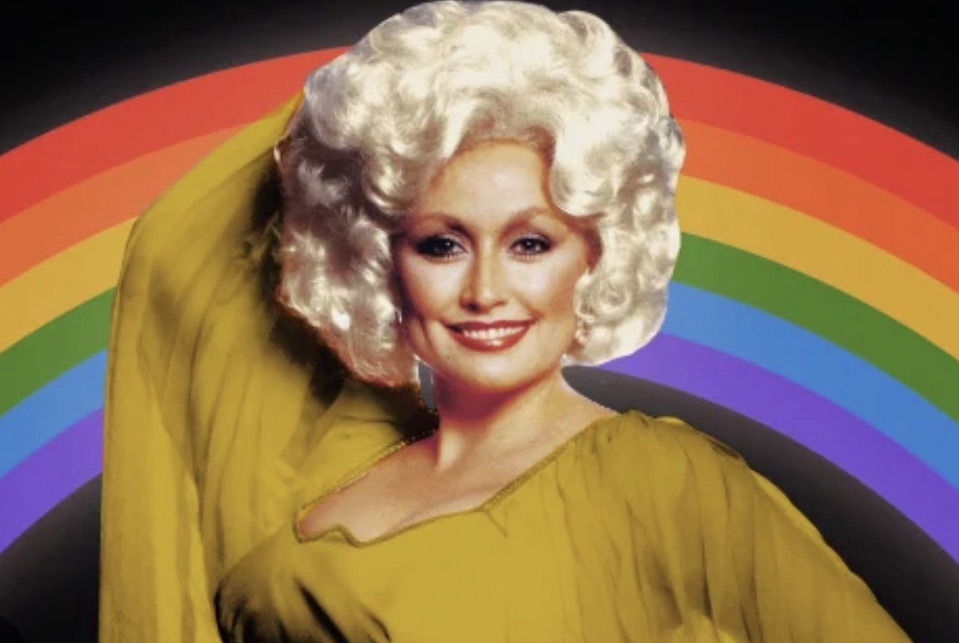
Now why does that sound so familiar?
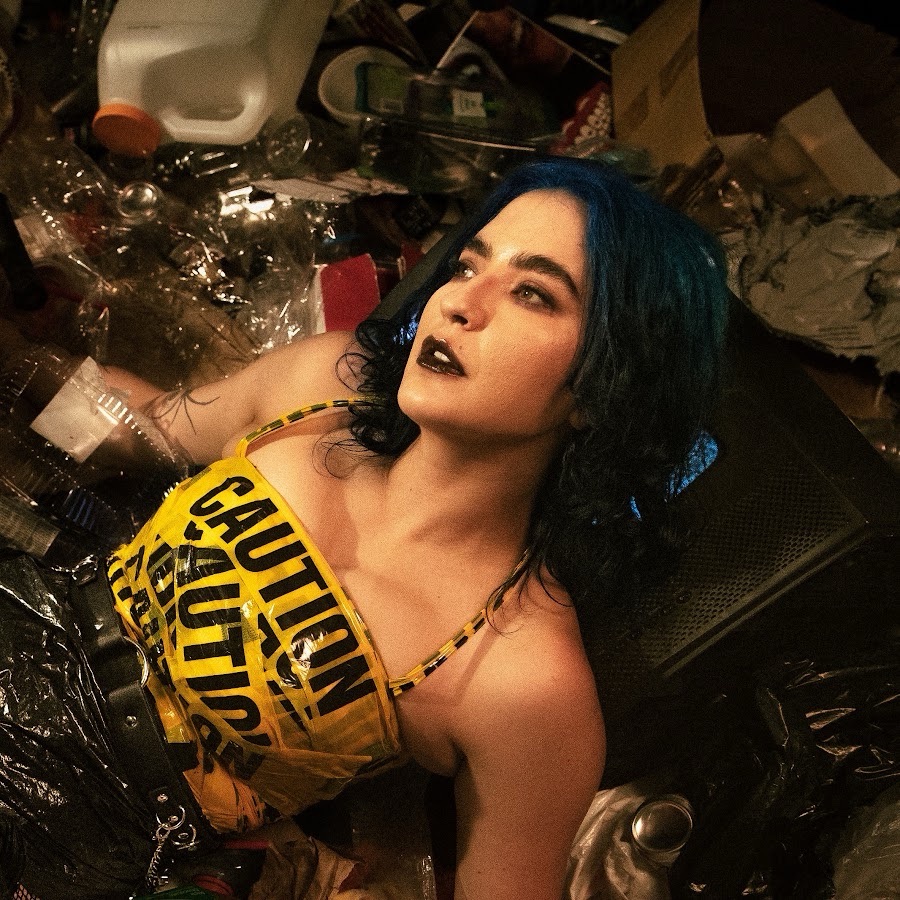
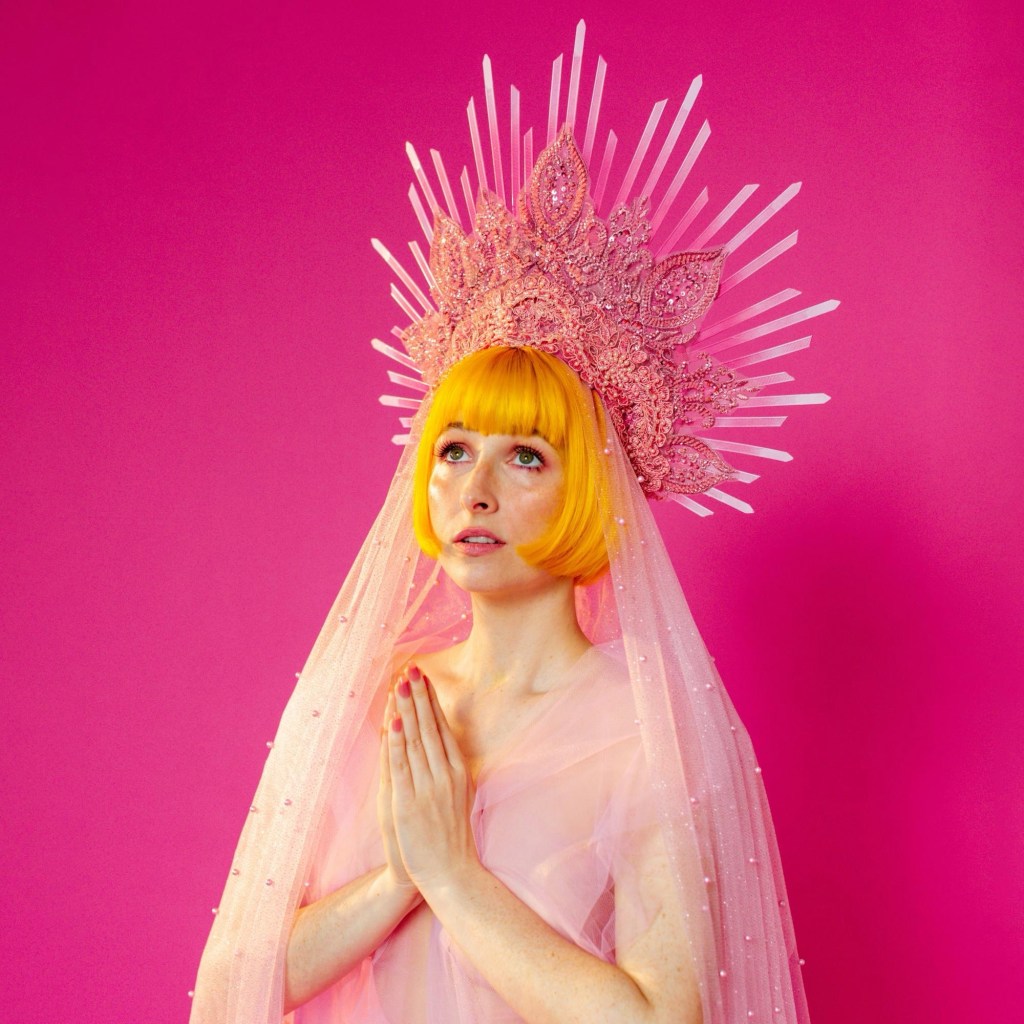
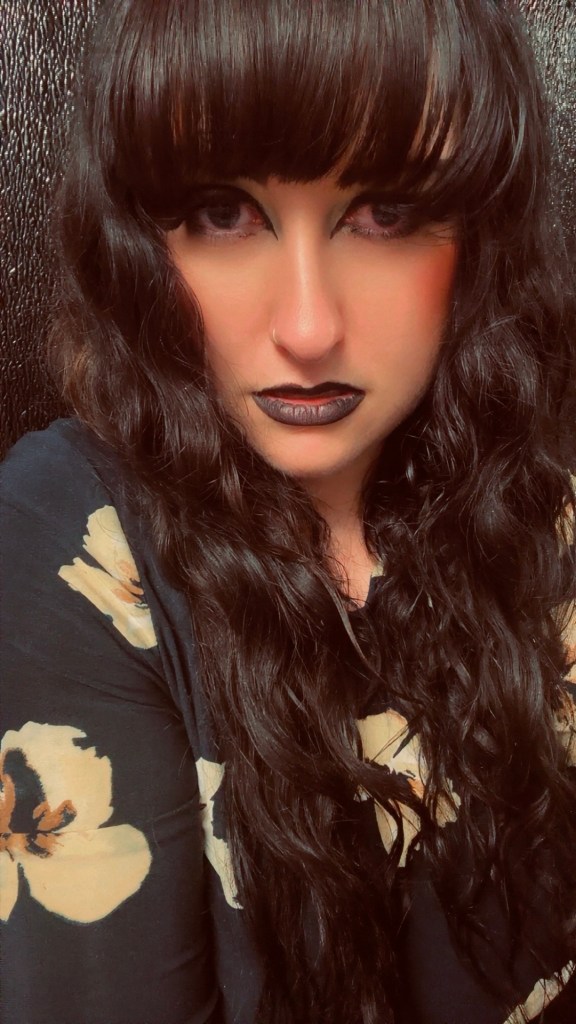
After my tragic and abrupt exit from the music therapy world, I decided to refocus my energy on making it as a professional recording artist. LORE was intended to be my “Hello!” to the music world. I crafted the eight-song album to be a proper debut, with a smattering of songs from an array of genres demonstrating my abilities as a performer, songwriter, and producer. I redid my socials, pestered my besties with the demos, and even dragged my poor wife into a frozen-over forest for the promo shots. I had every intention of this album becoming a breakthrough of sorts.
Then, release day came. Friday the 13th. It felt poetic, but the moment came and went, and I found myself absolutely paralyzed at the thought of doing any self-promotion. I remembered the tragedy that was me trying to promote my ill-fated Chappell Roan cover, which was inundated with (at least charmingly creative) insults. Putting my original material out there, which I emptied my entire heart and soul into, felt even more vulnerable. Ultimately, I chickened out.
The album languished.
But here’s the weird part.
I actually wasn’t as disappointed as I should have been.
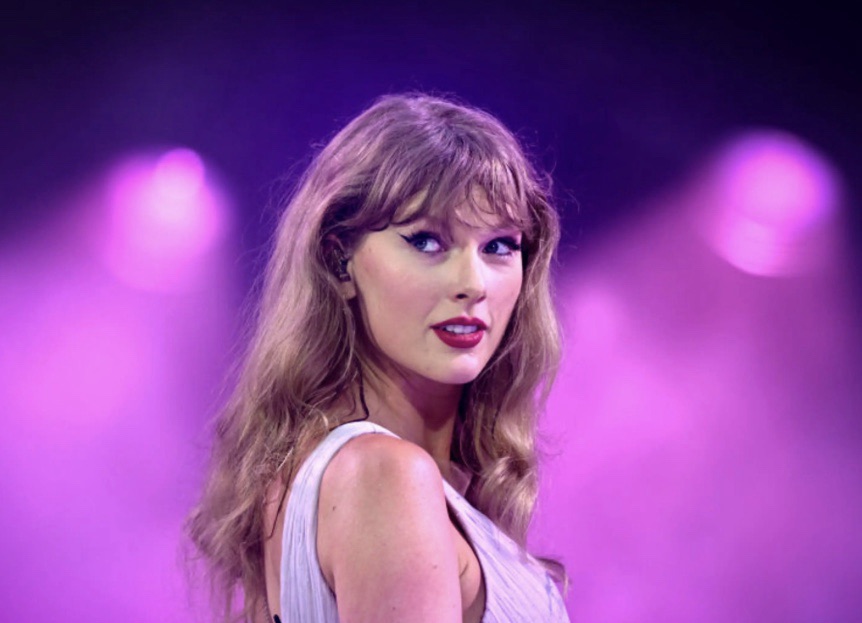
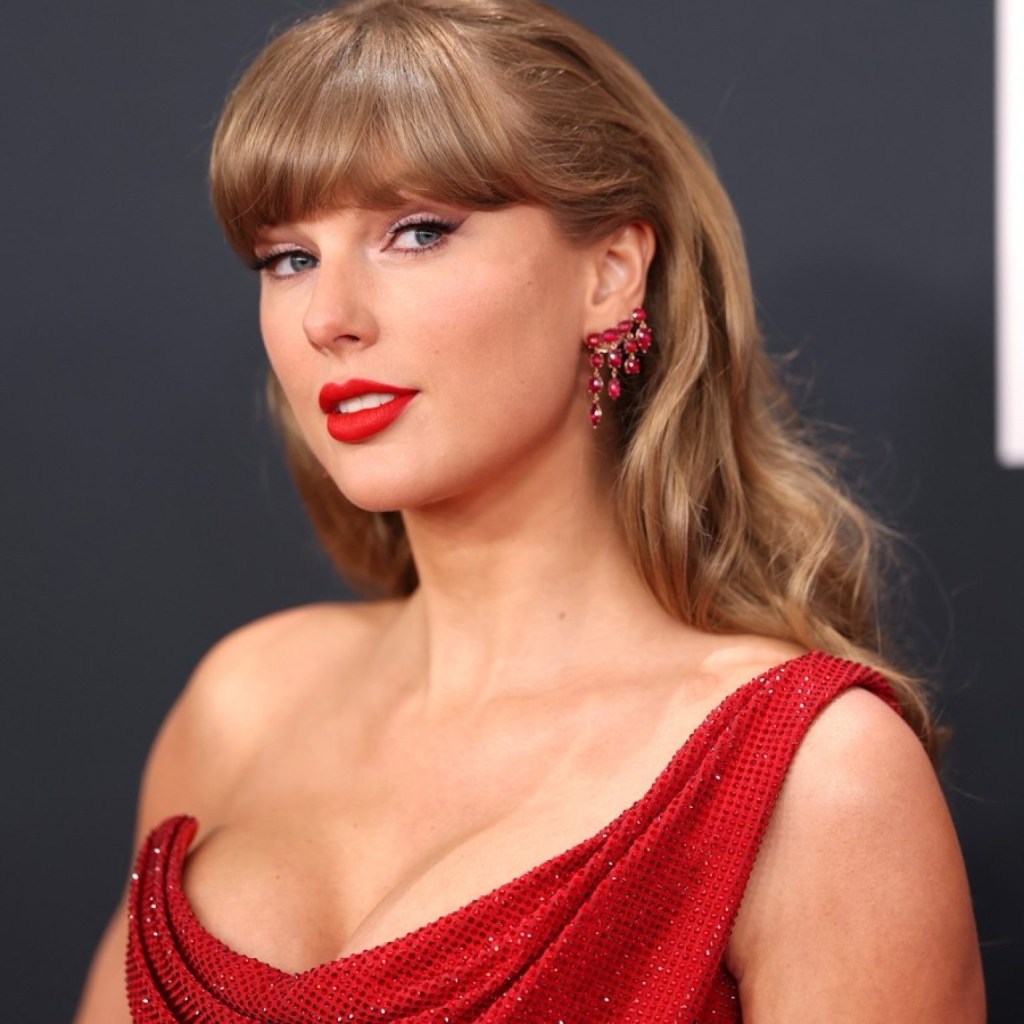
Because the older I get, the more I realize I don’t want to be the next Taylor Swift. In fact, the idea is becoming increasingly terrifying.
It’s not a secret that the music industry sucks. I literally just posted an entire piece about that yesterday. And truthfully, the more I learn about its seedy underbelly, I’m not entirely sure that’s the future I want for myself.
Maybe this is the dream I need to let die.
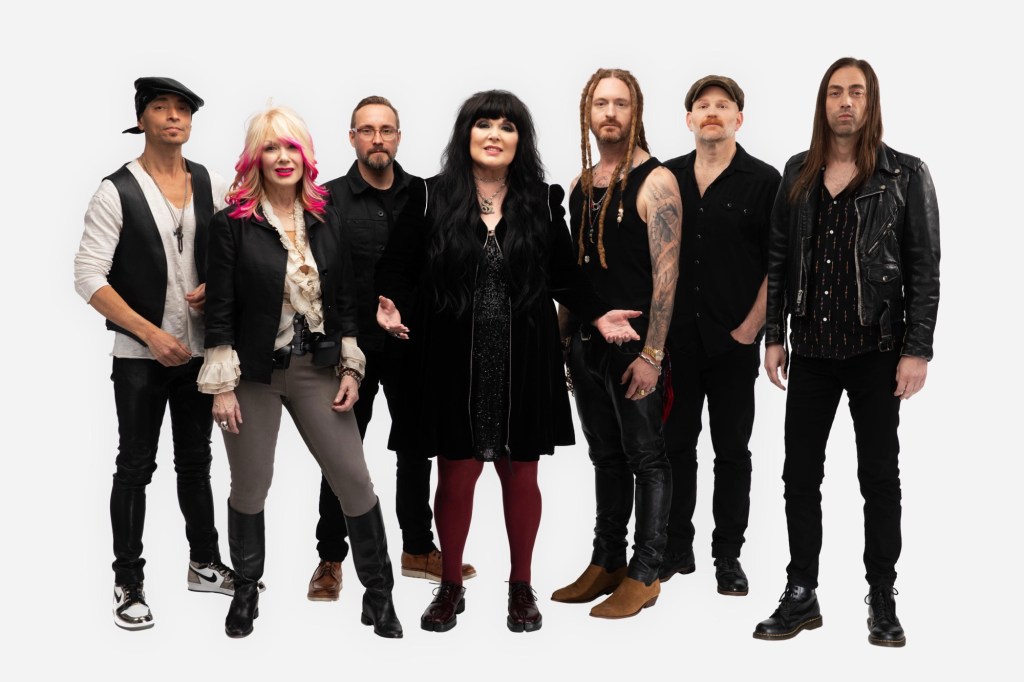
Last night, I had the most incredible opportunity. I got to meet my lifelong hero, Ann Wilson, the legendary frontwoman of the classic rock band Heart. And I had the chance to ask her exactly one question. Now when the time finally came, I definitely panicked. My initial thought was to ask her about her childhood and being bullied, and what kinds of things she told herself to stay strong throughout those struggles, but I didn’t want to get too dark, especially since I was one of the first in line. I ended up trying to ask her if any neat happy accidents had ever ended up in a Heart song, but I forgot how to articulate the phrase “happy accidents” and flubbed the question so bad that she had to ask me to reword it (not my proudest moment).
What I’m really glad I didn’t ask, however, was the question that was my other first instinct — what is your advice to up-and-coming musicians?
Her answer boiled down to “quit your day job and go all in.”
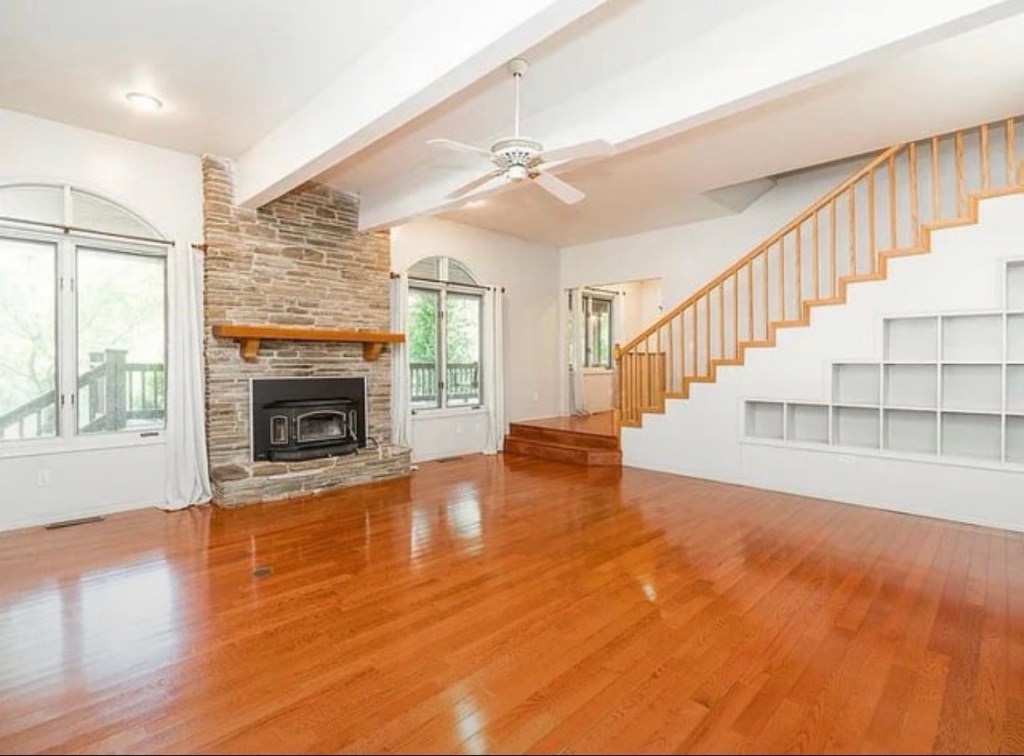
Which, sure, might have been decent, if a little reckless, advice back in the seventies when she was getting her start. But following that advice as a working class artist in the year of our Lord 2026 is a near definite death sentence. The chances are very slim that you will actually make it. The chances are much higher that you will wind up with this as your sick rock and roll castle:
“Hello MTV and welcome to my Crib!”
Perhaps her disappointingly out-of-touch response was the final wake-up call that I needed to stop pursuing music on such a grandiose scale.
After all, being a rock star was the dream of a child, and at some point, you have to put away childish things.
There’s a verse (1 Corinthians 13:11, to be precise) about this very concept in the Good Book, and I always hated it whenever I heard it in church. I’m a kid at heart and never wanted to grow up (and when I did inevitably grow up, I wanted to skip to the part where I got to be a lazy grandma). I thought the whole idea of having to act serious and proper and “adult” was a silly and unnecessary social convention. Who cares if someone still loves cartoons and toys and goofy jokes after some arbitrary cut-off?
What I’m learning recently, however, is that the verse in question isn’t referring to watching SpongeBob as a grown-up at all.
My wife has been without a job for a good amount of time for a number of good reasons. Because of the circumstances, our roommate and I are not pestering them to be employed at the moment. Still, bills need to be paid, and so my wife has begun to sell off their prized possession — their beloved Pokemon cards.
For years, that was all my wife asked for. Forget chocolates and Hallmark cards, if I didn’t come home with Pokemon cards on Valentines, I was in the metaphorical doghouse. I seriously gave this woman (well, nonbinary woman-shaped cryptid) a bouquet with multiple booster packs taped to shish kabob skewers tucked within it. Pokemon cards were their one obsession.
A few days ago, I was talking with my wife about the sudden change of heart. As it turns out, like many things we cherish, capitalism has soiled the card collecting hobby as well, with scalping running rampant. And more than that, they admitted making sure my roommate and I, their two favorite people on the planet, were fed and cared for was more important than some dumb flimsy cardboard.
Now that is maturity. Now that is growing up.
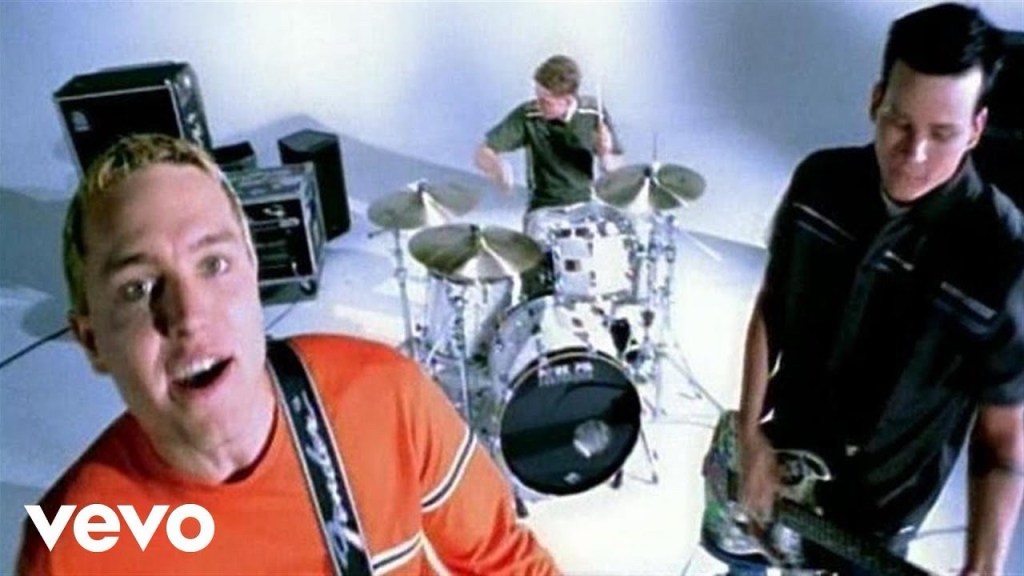
“Alexa, play Blink-182 ‘Dammit.’”
Maybe the childish things in our lives aren’t crayons and kids’ books. Maybe they’re the things that keep us from what’s actually important in life. No, I don’t want to be a rock star anymore. I want to be a loyal partner to my favorite people. I want to be a good mother someday. I want to build a home and a career I can take pride in. And I want to change the world through music on my own terms.
When I was a little girl, I wanted nothing more than to be a rock star.
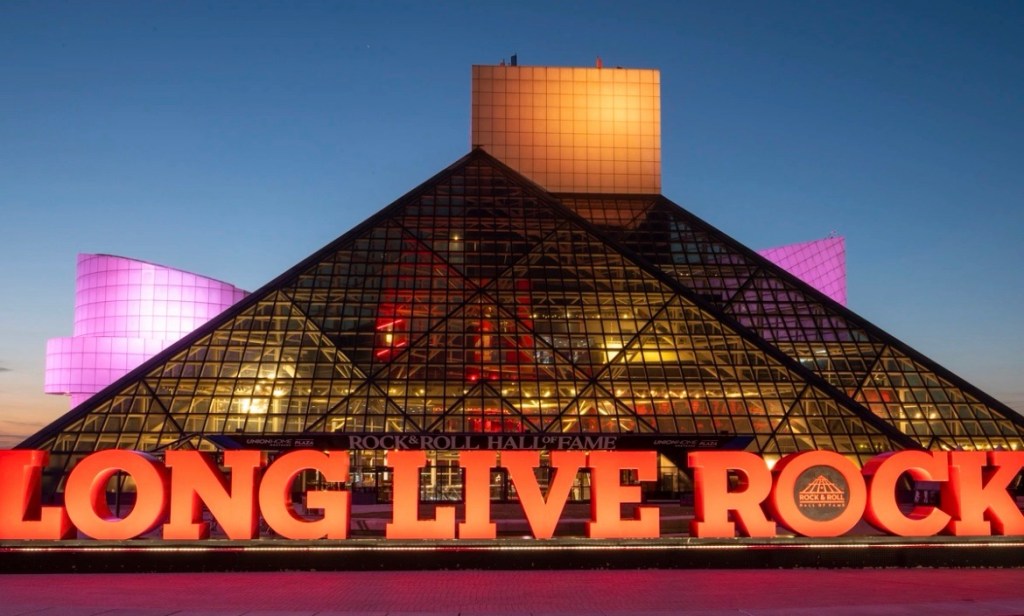
It was all I ever fantasized about. I’d put on headphones and my favorite albums and run around the house imagining myself as the artists. I loved watching the VH1 Behind the Music specials about the bands I admired and daydreamed at length about my future episode after I’d inevitably conquered the music world myself. I had entire storylines in my head about my meteoric rise to stardom and my tragic downfall and my against-all-odds battle back to the top, when I’d finally be given my flowers and have my name added to the Rock and Roll Hall of Fame at last.
I was a very imaginative child.
But as a certain green-hued witch once sang, something has changed within me.
I don’t want to be a rock star anymore.
I’m done playing the game.
I was originally set out to write about the ways in which the music industry has recently proven itself to be a toxic place, but as I really began to visualize the points I wanted to make with this post, I had a dark realization. The music industry was never a decent place. Even as far back as the days of Vivaldi, the music that actually got heard by the masses was largely composed under the eye of kings and the Church and made by folks who already had money and connections. Sadly, the world is moved by whoever has the most resources, and like a lot of great things in life, capitalism had to take a shit on music as well.
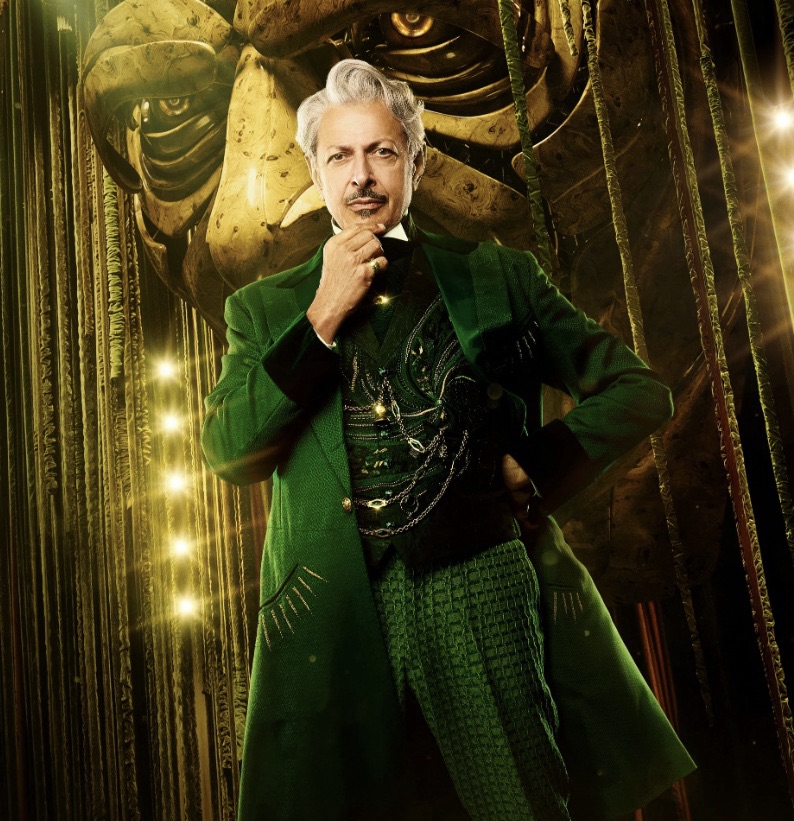
In recent years, it’s become increasingly clear that much of the songs we’ve come to love and cherish throughout the years were brought to life by the worst people you know. The old adage of “never meet your heroes” has never been more true. Almost all of the musicians I looked up to have at least one gnarly skeleton in their closets, and that’s not even getting into the bigwigs behind the scenes who curated what we heard on the radio our whole lives. You know none of that shit was organic. We’re slowly finding out just how interconnected and insidious the folks in power really are. And it’s really, really disheartening. Sometimes I really do feel like Elphaba learning the true nature of Oz and the Wizard.
A charlatan with a knack for manipulating the masses? He’d fit right in with the industry.
“But Jessa,” you say, “you keep saying all this stuff about how the music world is fucked up, but you’re not giving us any real examples of why it’s fucked up.” Well, that’s the part I decided to put in a silly listicle like Cracked back when it was good. There are at least seven concrete reasons why the status is not currently quo. Let’s begin with an issue that’s been plaguing pop music since its very inception, to the point where it’s nearly baked into its DNA. And that would be…
1. Racism
Are you ready for an uncomfortable truth? All modern popular music was stolen from black Americans. From the dawn of the blues, white folks have been ganking the tunes of the very people they enslaved and oppressed. Even before recorded music, minstrel shows appropriated the sounds brought over to the US via the African slave trade and perverted them into gross mockeries. Wikipedia itself goes as far as to describe one of the most famous minstrel songs as “a key initial step in a tradition of popular music in the United States that was based on the racist ‘imitation’ of black people.” And that was pre-record industry. Once people found ways to slap music onto vinyl, the suits in charge bent over backwards to whitewash whatever music that meant. Pat Boone made an entire career out of reworking “black music” into something palatable for the mayo masses. Some of the early Caucasian rock artists did have a deep reverence for the origins of the music they made — Elvis famously attended black churches in his youth and was typically known to respect his musical forefathers. But one would have to be entirely ignorant to believe his relative success compare to artists like Sister Rosetta Tharpe wasn’t in part due to his whiteness. Record execs believed they had to sell a “sanitized” version of rock and roll to America, and that’s how we as a society collectively divorced rock — and pop music in general — from blackness.
But the truth is, nearly every genre of popular music can be traced back to the black Americans who pioneered the art. Rock owes its entire existence to black folks, as does rap. Even country, the genre damn near everyone associates with the very whitest people on the planet, has its roots in traditional African music, with the banjo being an instrument brought over via the slave trade. We would not have music as we know it if not for the black people we stole it from. That being said, racism isn’t the only ugly -ism that plagues the music industry. Sexism is also rampant, and this next point is one that seems to disproportionately affect the ladies…
2. Body-Shaming
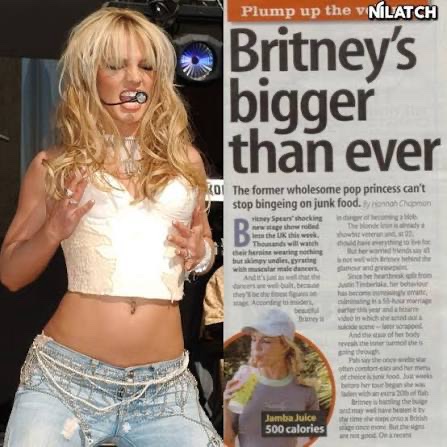
Remember back when Britney got fat?
CALL MY 600-POUND LIFE, STAT! WE GOT A FATTY!
Like, look at all that blubber. You could hide a whole ass ham sandwich for later inside those big ‘ol folds, right? Never mind the fact that a slight breeze could probably knock over poor Brit in these pictures, she’s just so fat, right?
It probably shouldn’t come as a huge surprise in a post-Epstein world that powerful men wanted to keep their pretty pop princesses tiny and dainty and girlish. Strong men love weak women, or more accurately, girls. The minute one’s adult curves begin to blossom, young women are inundated with messages that for some reason, this is bad. That pressure is even stronger for female artists who make genres of music where image is important. And let’s be so for real right now, image is important for women in practically every genre because our society maintains that women are primarily a thing to be looked at, not heard. One of the most heartbreaking cases I know in the industry is the story of Karen Carpenter, who ultimately lost her battle with her eating disorder. We missed out on so much potential music because our society pushed a world-class drummer and vocalist to fucking starvation. That is not okay.
My Roman Empire is the way Heart frontwoman Ann Wilson was treated by the industry in the eighties. Because for some reason, the worst men on earth took a look at this woman and thought “whale.”
“OH MY GOD WHAT A SHE-BEAST!”
If you’re unaware of her story, she was bullied throughout her life for not being a stick figure, but when she hit 30 and started looking a little more woman-shaped, the record execs panicked, dressed her in all black (which was unintentionally the origin story of my goth phase, as I spent years trying to emulate her style during this era), and attempted to hide her behind her blonde, skinny, more “conventionally attractive” guitarist sister, Nancy. She went as far as using cocaine and getting fucking surgery to get back down to an “acceptable” weight, and I have no doubt that had she hit it big in the year of our Lorde 2026, the suits would be hurling Ozempic at her. Sure, whatever, maybe she reached an unhealthy weight at some point, but let’s be so for real, who the fuck cares? She’s not a model — she’s the greatest living female rock singer, and to reduce her to whether or not she’s overweight is absolutely bananapants to me. Even at her heaviest, I thought she was the most beautiful woman in the world as a child, and I was not about to let some misogynistic asshole in the music biz try to convince me otherwise.
3. Payola/Nepo Babies
Did you think your favorite artists actually had a rags-to-riches story?
Yeah, those rarely exist.
I remember a few years ago when Chappell Roan came out and everyone here in the Midwest was excited that one our own “made it big” in the music scene. She was one of us. She lived in a trailer park or something and worked in a drive-thru coffee shop and fought her way to the top through sheer grit alone. She’s the crab who escaped the bucket, and instead of trying to drag her back down, we actually elevated her and celebrated her.
What you probably didn’t know, however, is that it quietly later came out that her backstory was a little bit…embellished.
A lot of details have since come out about the true background of Chappell Roan. For one, her family is not nearly as destitute as we’ve been led to believe. Her grandfather Dennis Chappell, whose name she borrowed for her music persona, was a shrewd businessman who started an insurance company that brings in around $10 million annually. Her mother was a successful veterinarian who had her own practice. And her uncle might be the worst one — Congressman Darin Chappell, whose slimy pro-forced birth policies will likely kill a lot of vulnerable women. In defense of Chappell herself, she’s been vindicated over and over when it comes to parasocial relationships in music (more on that in a bit), and has obviously been the target of several smear campaigns to dull her influence. Still, it’s not a great look to be disingenuous about your upbringing, and I would have respected her a lot more if she’d just acknowledged all the legs up she’d been handed through her birth family’s wealth and influence.
The problem is that Chappell is not an isolated case. It’s pretty well-known by now that pop music juggernaut Taylor Swift was never the “girl next door” unless you lived in a goddamn gated community. Sure, she grew up on a farm if you wanna get real technical, but it wasn’t Old McDonald’s. Her parents were wealthy businesspeople who could afford to literally take out a full-page ad in The Wall Street Journal bragging about their little bundle of joy who’d go on to bring the music world to its knees. Yet fans will point to her as the “poor little girl who made it despite all odds.” The truth is, the odds were always stacked in her favor. That’s what happens when you’re born into money. That’s to say nothing of her talent, as she’s obviously incredibly talented and personally one of my favorite songwriters of all time. But it hurts my heart when I wonder about all the Taylor Swifts trapped in trailer parks whose songs will never get heard.
When you have money, you have safety nets. When pursuing your wildest dreams, there’s a good chance something will eventually go wrong and you’ll have to regroup. It happened to me with my dream of becoming a music therapist. Attempting to make it on a large scale in the entertainment business is an even riskier endeavor for a lot of folks. In many cases, you have to move to where the magic is happening, and just moving to a big city is a risk in and of itself. Rich kids get the second and third and fourth chances working class musicians don’t get, and then you factor in the sad fact that music only gets heard when you throw money behind it. Payola was the industry’s way of paying off radio stations to promote their songs, and despite getting technically banned, surprise surprise, it is still fucking happening in the 21st century. The things the radio feeds you are not organic. It’s all carefully curated, and more often than not, it’s the artists with a sizable amount of lucre who get played. Speaking of lucre…
K Financially Screwing Artists
A lot of everyday people don’t really realize what a record deal really is. The dream we’ve been sold is that when the right guy hears your music, he’ll be swept away and throw you a deal, and with it comes all the fame and fortune of rock stardom.
What they don’t tell you, though, is that all that money they give you? You have to pay it back. Or perhaps more accurately, pray the meager royalties you earn from your music offset that advance you’re given.
I know a tragic story from my personal life about a dear friend who I casually dated back in college. He was a phenomenal guitarist, one of the best I’d ever heard in person, and he joined up with a band that subsequently “hit it big” and landed a sweet deal with a relatively small label. Sadly, nothing really came of the deal. The label more or less sat on the band and did little to no promotion, and when they were all “surprised Pikachu face” at the fact that no one was streaming their music, they unceremoniously dropped the band — who still had to pay off that advance. On the off chance a “regular person” gets their foot in the door, there’s a good chance someone will be waiting right around the corner to screw them out of thousands or even millions of dollars.
Music does not produce a lot of revenue. We’ve cheapened the very art of music down to something you can stream willy-nilly at any time. There’s no upfront cost aside from the measly Spotify subscriptions we pay, and while that’s amazing for consumers, it absolutely fucks over any chance of the musicians behind the scenes actually making a living. Spotify gives you little over $2 for 1000 streams, and unless you have a ton of followers who stream your material on repeat, that doesn’t add up to much. A lot of artists have to maintain day jobs to stay afloat. When I was working at a traumatic brain injury rehabilitation facility in Ann Arbor, I was shocked to learn that one of my coworkers was the frontman of a fairly prominent mu-metal band. It’s wild how many musicians need outside income. Even very established artists are resorting to selling their life’s work for a lump sum in order to squeeze a little more money out of their songs. The companies buying these songs clearly don’t give a flying fuck about creative integrity, but that obviously doesn’t matter either, because the machine is also known for…
5. Creatively Screwing Artists
It’s not a secret that once the execs have their hooks in you, you’re at their very whim, and when the soundscape changes, you have to change. Going back to my Heart example, back in the eighties, they were basically given a deal that in order to keep being rock stars, they had to play the new MTV game. The band had to trade heavy guitars and introspective lyrics for big synths and songs written by outsiders. Ann even admitted that the music they were forced to make in that time frame was “stifling.” And they’re far from the only examples.
Music today is a numbers game. Pop fans watch the charts the same way football fans watch their favorite players’ stats. If an album doesn’t sell as well as the last one, people are quick to declare that said artist is a “flop.” Folks have already coined the term “Khia asylum” to describe female one-hit wonders, and if their favorite’s newest release don’t top the charts, that’s where they wind up. Never mind the fact that “Milkshake” is a legendary song. Khia has literally become shorthand for “not being able to follow up on your best work,” and fans are so hasty to determine that a woman has already written her magnum opus at 22. Remember how Halsey was so excited to share her deeply personal and experimental album about her health struggles, only to have the entire industry drag her for it? She’s not even allowed to release new music now because that album didn’t do as well as Taylor’s newest release. Record executives are holding our artists hostage and silencing them for having the guts to do something different. We’re punishing creatives for their creativity.
If I’m allowed on my soapbox for just a moment, I just want to say that music should never be about numbers. Music is not something that should be quantifiable. Music is highly subjective and deserves to be regarded for its quality rather than how many average Joes one can dupe into listening to it. This is how we’ve devolved into a place where AI can take over. Who cares about artists anymore? We can just beep-boop anything into existence instantly without the hassle of managing a fully human musician with wants and needs and personalities. That’s what executives want. Notice how you never see bands anymore (except Geese for some reason). That’s not an accident. The more people you have signed, the more liabilities you have. People fuck up, and in our current zeitgeist, that’s not allowed. Which leads me to my next point.
6. Parasocial Relationships
This is more on the fans than the industry itself, but it bears noting that the industry does little to curtail this phenomenon, and in some cases even encourages it. People get obsessed with their favorites. I’m not talking my childhood obsessions with Shania Twain or Bon Jovi or the aforementioned Heart. Those were innocent fascinations stemming from the fact that I was a lonely undiagnosed autistic child with no friends, and the music became a sort of surrogate friend to me.
But that’s not what this is.
I hate using her as an example again, but fuck it.
I mean, she is the music industry.
It’s not a secret that Taylor was madly in love with Matty Healy of The 1976. But when the Swifties found out that their beloved mother was seeing a skeevy dude who did some questionable shit in the past, they had the entirely normal response of writing an open letter to her explaining why she, a grown woman, should dump him. It, uh, did not go over well with her. She’s lucky her fans didn’t go even further, unlike one of Bjork’s fans back in the 90s. He was pissed his sweet little innocent muse was dating (gasp!) a black guy, and that was enough to send him into a violent spiral. He ended up killing himself on camera, but not before sending a bomb to Bjork to punish her for her transgressions. Mercifully, the package was intercepted before it could reach its final destination, but the case is a cold, bitter reminder of how dangerous these parasocial relationships can get.
I blame my fellow Michigander Eminem for some of my fears regarding parasocial relationships in music. In case you’re too young to know the real origins of the term “stan,” “Stan” was the name of a song that essentially told the tale of a young man who was obsessed with Eminem. He begins the song with a simple request for a letter back from the rapper, but it soon escalates into the fan committing murder-suicide — and blaming Eminem. That was my worst nightmare for years as an artist. I never want my music to contribute to human suffering, and it’s so easy for one unhinged person to latch onto you and your songs. Charles Manson took Paul McCartney’s innocent little ditty about a playground slide and interpreted it to mean “slaughter a bunch of people.” If Paul’s not even safe, I don’t know who is.
7. Grooming
I saved what might be the most disgusting part about the industry for last. The music world is brimming with predators. From the earliest days of rock and roll, the greats were busy dating, raping, and even marrying little girls. As a former little girl myself, and one who was really into classic rock, I spent years turning a blind eye to the fact that my heroes were out there hurting kids like me. It’s hard to think about the fact that famous groupies like Sable Starr were literally just children who were taken advantage of. So many rock stars were complicit in the abuse of her and so many others. It’s almost easier to list prominent rockers who haven’t had liaisons with underage girls.
Jonny, please, don’t let me down.
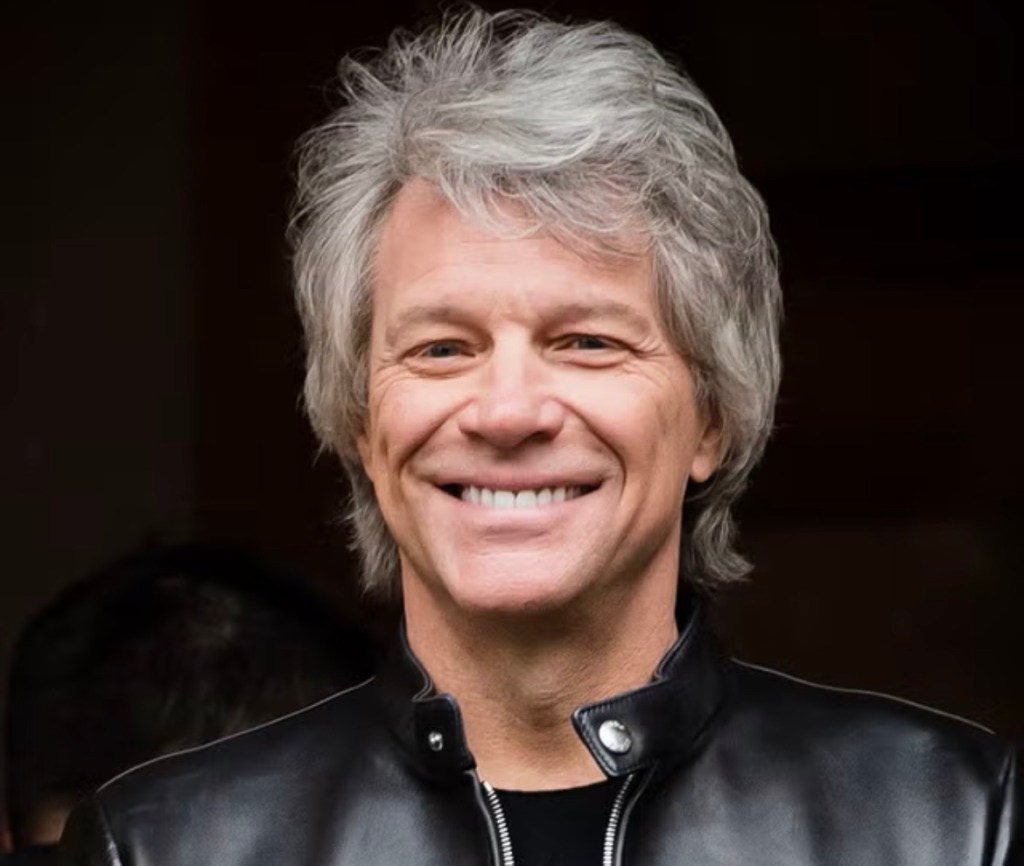
As hard as it is to admit, some of my personal favorites have been under fire for their relationships with young girls (although thankfully not Jon Bon Jovi). John Frusciante is hands down my favorite guitarist, but it’s difficult to divorce his music from the fact that he made a great chunk of it with admitted PDF file Anthony Kiedis. I love the lyrics “Show love with no remorse” from the song “Dosed,” but a part of me is glad I never tattooed it on myself because I know in my heart of hearts that the line was penned by an absolute creep. Brand New was one of my favorite emo bands for years, but after hearing about Jesse Lacey’s controversies, I feel icky revisiting them. I’ve never heard a song, Christian or secular, that quite sums up my faith like “Jesus Christ,” and I can’t even listen to the song without feeling gross anymore. Even the female musicians aren’t immune. I admire Sia as a songwriter, but you gotta admit her relationship with Maddie Ziegler was weird as hell. This is the kind of stuff that rightfully got Michael Jackson scrutiny. And speaking of which, while I love the man’s music and feel for his experiences as a child, that’s not an excuse for the way he behaved with children.
And the list goes on and on and on.
We have our Diddys and R. Kellys. We have our Phil Spectors and Dr. Lukes. When you give people unbridled power and access to vulnerable folks, abuse happens and the cycles continue.
That’s part of why I wanted to write this piece. The music industry is a dark, seedy place, and the older I get, the more I want no part in it. Let’s be clear — this is in no way a statement that I want to discontinue making music. Rather, it’s a statement that I’m done chasing “rock stardom,” whatever that even means in this day and age. It’s a trap, full stop.
So if we’re saying “fuck the music biz,” what even is the alternative?
Real music.
The future of music isn’t in the music industry. It’s in the hands of everyday artists who use their instruments to tell stories and move hearts. It’s in open mics, karaoke nights, and punk shows. It’s in some kid opening up a MacBook for the first time, screwing around on GarageBand, and discovering a passion he never knew. It’s in a small girl picking up a guitar for the first time and finding the way the notes fit together.
The mainstream media can have its robots and nepo babies. Real, authentic music will thrive in the dark recesses of every small town with a dive bar or coffee shop.
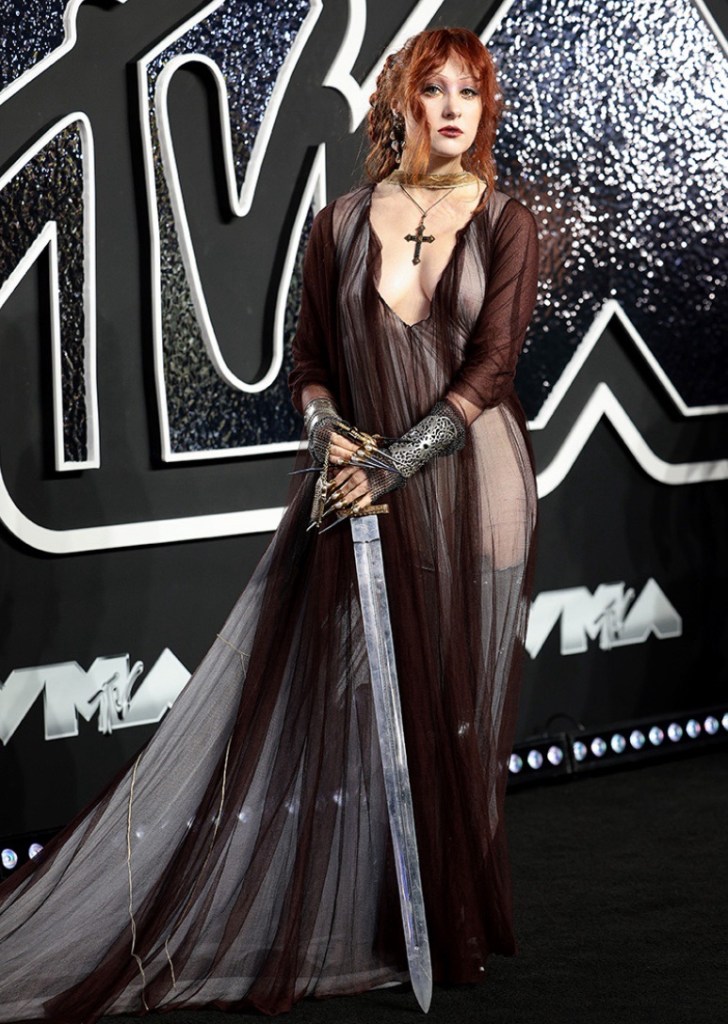
Chappell Roan is simultaneously living my dream and my nightmare. Imagine being some random ass girl from the Midwest one minute, and in the next, the eyes of the entire world are on you as if you’re Lesbian Jesus. On paper, she has the exact life I’ve fantasized about for decades. She wrote that one hit song (or two…or three) that will immortalize her for generations to come. She gets to wear some of the most extravagant outfits I’ve ever seen on a performer, stuff I’d die for a chance to wear.
Imagine getting to wear this in public.
And her infinite coolness has even been acknowledged by my own childhood heroes, the Wilson sisters of Heart. Nancy Wilson accompanied her onstage for a cover of “Barracuda,” and she even got to sit down and talk with Ann Wilson on her podcast. Needless to say, when I wished upon a star all those years ago, I’m pretty sure the wires got crossed somewhere and my wish went to Chappell instead. And let’s be real, the girl deserves it. She does have talent. She’s an incredible performer, and her songs are catchier than anything anyone’s else has been doing in this boring-ass pop music landscape. But there’s one aspect of Chappell’s life I’m so glad I don’t have going for me:
The scrutiny. God, the scrutiny.
So Brigitte Bardot died recently. Don’t reach for your tissues just yet, because she wasn’t really someone worth mourning. She actually kind of sucked. Like, a lot. She was literally so racist that the government of France fined her over it. She basically called the entire #MeToo movement bullshit. She called queer folks “fairground freaks” and blamed the destruction of French culture on the gays (as if French culture isn’t already, by definition, pretty gay). That last point is probably the most important to note, as Ms. Bardot has become something of an unwilling lesbian icon thanks to the aforementioned Chappell Roan.
In the opening lines of her song “Red Wine Supernova,” Chappell croons “She was a playboy, Brigitte Bardot,” paying homage to the cinema legend’s exquisite looks. Obviously, it’s a shallow reference that doesn’t address the fact that Brigitte would flick her nose at the kind of fairground freakiness Chappell gets up to. Nobody really took issue with the throwaway line initially — it was understood that Brigitte’s name was simply used as shorthand for the kind of glamour that only existed in a bygone era. She could easily have used Marilyn Monroe, or Greta Garbo, or Jayne Mansfield, or even Elizabeth Taylor, as a certain other frequently sequined starlet recently did. But “Brigitte Bardot” just fit the rhyme scheme better, and as a bonus, Chappell gets to put on a sexy lil French accent when she says it. Everybody wins!
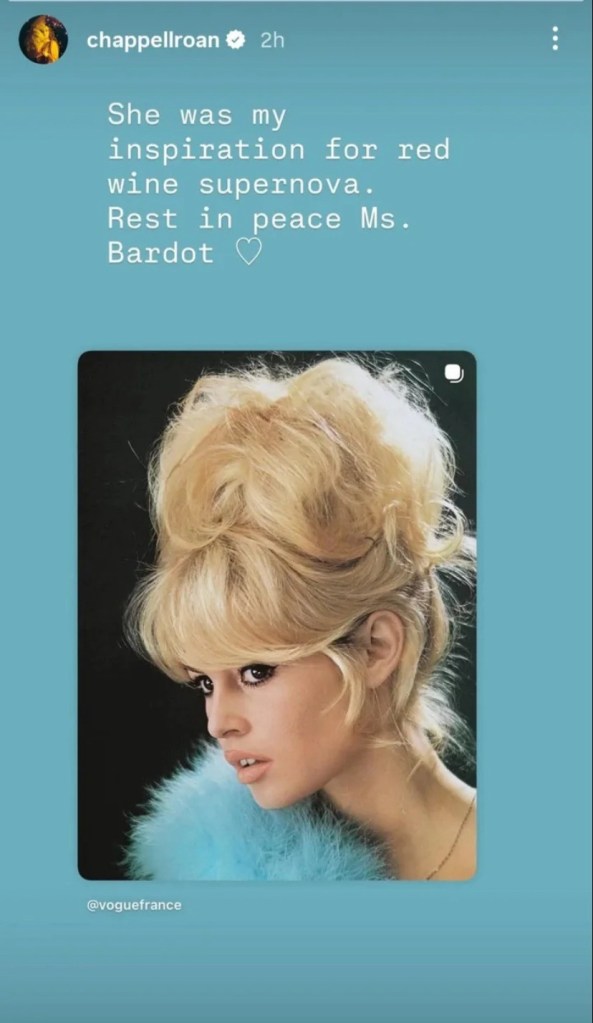
But then, this happened.
To be fair, Brigitte would hate this for herself.
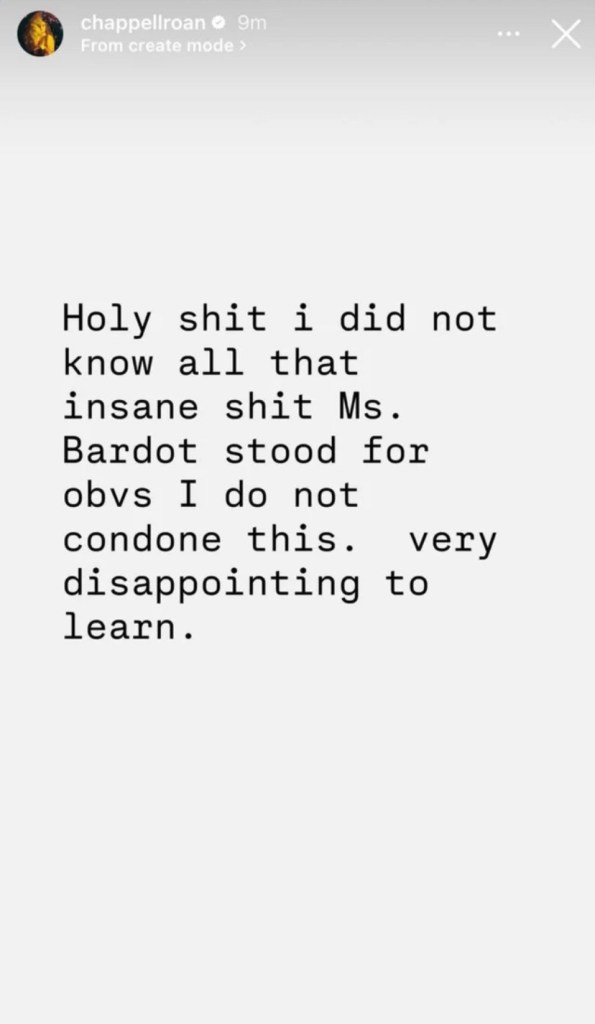
If my Threads and Reddit feeds were anything to judge by, the Pink Ponies (Is that what we’re calling Chappell Roan fans?) were livid at the sight of the tribute, which entirely glossed over Brigitte Bardot’s checkered legacy. To be fair, a little while later, she’d post this:
To a lot of folks I encountered online, though, the damage had been done. Her reputation had already recently taken a hit from partnering with MAC Cosmetics, a company that notably supports Israel, after she famously passed on a White House performance over Palestine. But eulogizing a certifiable asshole was a step too far, and Chappell had been officially…cancelled.
We cancel a lot of people. Taylor Swift, who I alluded to earlier, even wrote a catchy ass villain song about it. Sometimes, the cancellation is justified. For example, Bill Cosby? Pretty fucking justified if you ask me — I can’t see a situation in which it would ever be acceptable to name-drop him as anything other than a predator and creep. Same with guys like Diddy and the absolute monster from Lostprophets. As the intro to that one Law and Order spinoff says, sexually charged crimes are especially heinous and should be weighed as such when considering uncancelling someone. But take, for example, Snoop Dogg, who recently came under fire for some questionable remarks regarding same-sex relationships in media. Is it time we retire “Gin and Juice” as a feel-good anthem forever?
We still got this bluegrass cover!
But here’s the thing — Snoop apologized. And he acknowledged he is still learning. In fact, I’d say his apology was damn near spot-on: “Teach me how to learn,” he said in his statement. “I’m not perfect.”
There’s the difference. That’s what separates the rightfully cancelled from the flawed human beings who sincerely want to do better. It’s right there — that self-awareness that you are imperfect, and that willingness to improve. That the secret. It’s completely understandable to want to hold people accountable. That’s the only way advancements will happen in society. But we can’t keep pushing away potential allies for every transgression. We’ll always stay divided.
I think very few people are beyond redemption. Honestly, if Kanye and Nicki wanted to have a massive heel-face turn and walk away from the right-wing grift, I’d welcome them back with open arms, and not just because I want to listen to the indisputable banger that is “Monster” guilt-free again. But they’d need to show some remorse. Grace should be given freely and abundantly, but the person receiving that grace needs to be legitimately sorry for what they did too. It’s a two-way street.
I think the folks trying to cancel Chappell for her Bardot post don’t realize they’re shooting us in the foot by dividing us further. We already don’t trust each other as a society and we’re falling deeper and deeper into isolation. Community is scarce, and there really is an epidemic of loneliness wreaking havoc on our society. What we need now isn’t some puritanical litmus test. We don’t need a “perfect ally” — we just need folks who are willing to stand up for us, and sometimes those folks aren’t perfect.
It’s funny, just this evening I got into a verbal tussle on that godforsaken social media site we all know and hate over whether or not “rest in power” was an appropriate phrase to say in remembrance of a white person. Never mind that said white person, Renee Good, was oppressed in other ways (being queer and a woman, for example) and was literally killed by her oppressor. This person, who I imagine had good intentions, maintained that the phrase can only be used for people of color. That is the kind of over-the-top policing that hardens hearts. How does that black-and-white mentality make us any different from the conservative evangelicals who dictate that we have to do x, y, and z to be saved?
I’m not saying we shouldn’t call people out for egregious screw-ups, or even smaller transgressions that maybe came across wrong (Chappell’s memorial post is a great example), but there needs to be some grace delivered alongside the message. Otherwise, we’re going to cancel each other into the fucking ground. We need to begin viewing each other as people again — beautiful, deeply flawed, and capable of change.
Here’s a confession: I was originally planning to spend this month locked in my apartment with nothing but my laptop and recording equipment in order to bully myself into making an entire EP in a month’s time. I had a whole plan of action and everything. I was going to do a collection of covers of my favorite recent Chappell Roan and Taylor Swift songs and name it The Rise and Fall of the Life of a Midwest Showgirl Princess because I’m already extra as hell so why not lean into it? And I figured with how relevant both artists are right now, at least someone important would hear my project and like, give me a bunch of money to make music forever.
That’s how record deals work, right? They didn’t teach me that stuff in music school.
But here’s the eternal problem I run into — I’m an extrovert through and through. I’m actually stupidly extroverted at times. I envy the cute quirky introverts that just need like, a book and a cup of coffee to go, because I need at least thirty solid minutes of conversation every hour on the hour or I die. So I decided I’d try to appease both the part of me that wanted to record music and the part of me that wants to hang out with folks by throwing my gear into a sack and schlepping it over to my friends’ places.
And that’s when the real magic started happening.
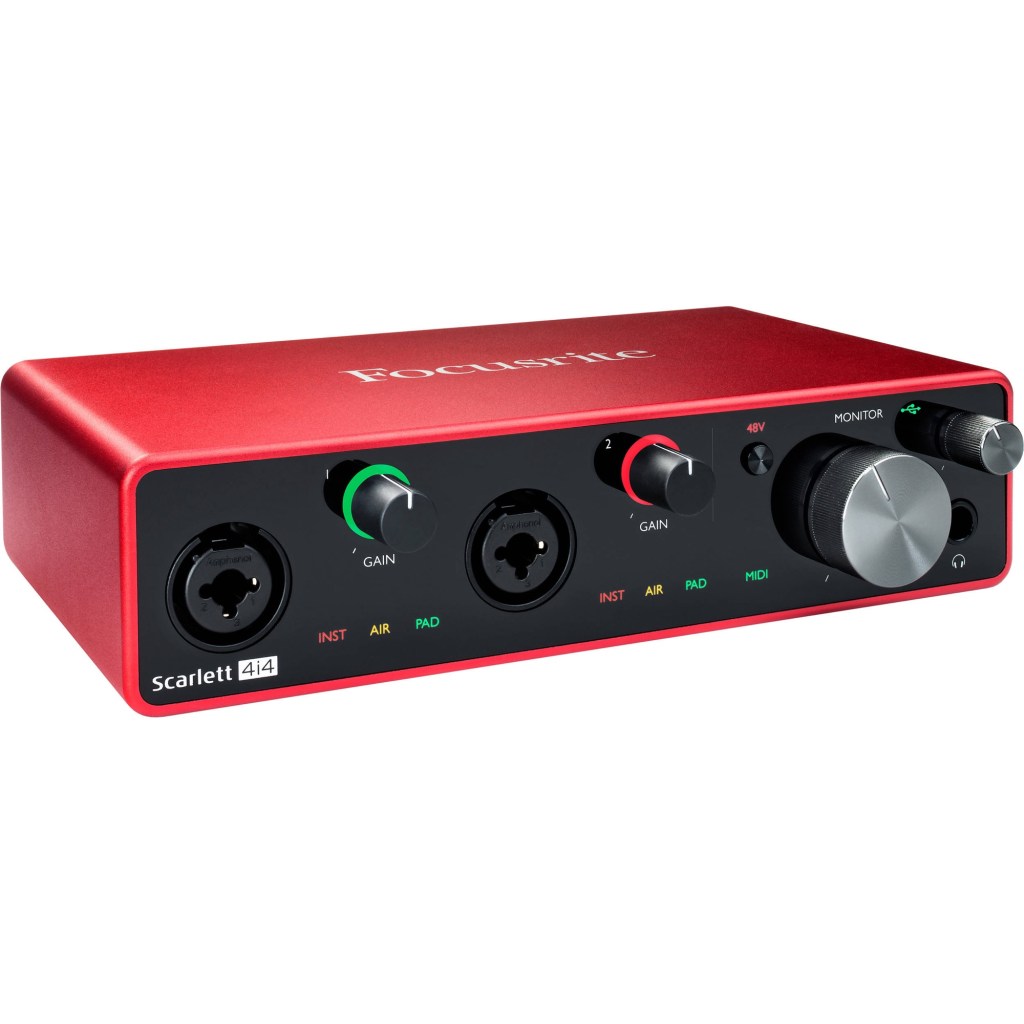
I’d break out my laptop, load up the DAW, and my friends would hover over me excitedly as I cooked up silly little beats for them to mess around with. None of us are actually rappers, but we like to write raps about stuff and pretend we are. I think the first song in what would eventually become The Kalamazooligans project happened at Luke’s place. He’s a writer, one of my closest friends, and a frequent collaborator of mine. He wrote a really heartfelt verse about finally finding companionship in the karaoke scene, and our mutual friend Willy made up a chorus inspired by a “live laugh love” sign (featuring Kim Jong Un — don’t ask) Luke had hanging up in his living room. Then David (who’s one of my Fairale bandmates, actually) rounded out the second verse, and I took the last. Suddenly, we had an entire song we literally pieced together with nothing but Logic, some Apple Loops, and that Focusrite Scarlett audio interface every fucko with a podcast owns (myself included).
They make them bright red to match the flags that come with having a podcast.
Was the finished product “good” by the standards of the music industry? Absolutely not even close. This is not Top 40 radio. Max Martin (my Swedish pop hero) would not touch these songs with a 39-and-a-half foot pole. The average listener would probably be surprised to learn that anyone involved in the making of this music was actually a professional-ish musician. But something special happens when people who have no business creating art say “fuck the rules” and do it anyways.
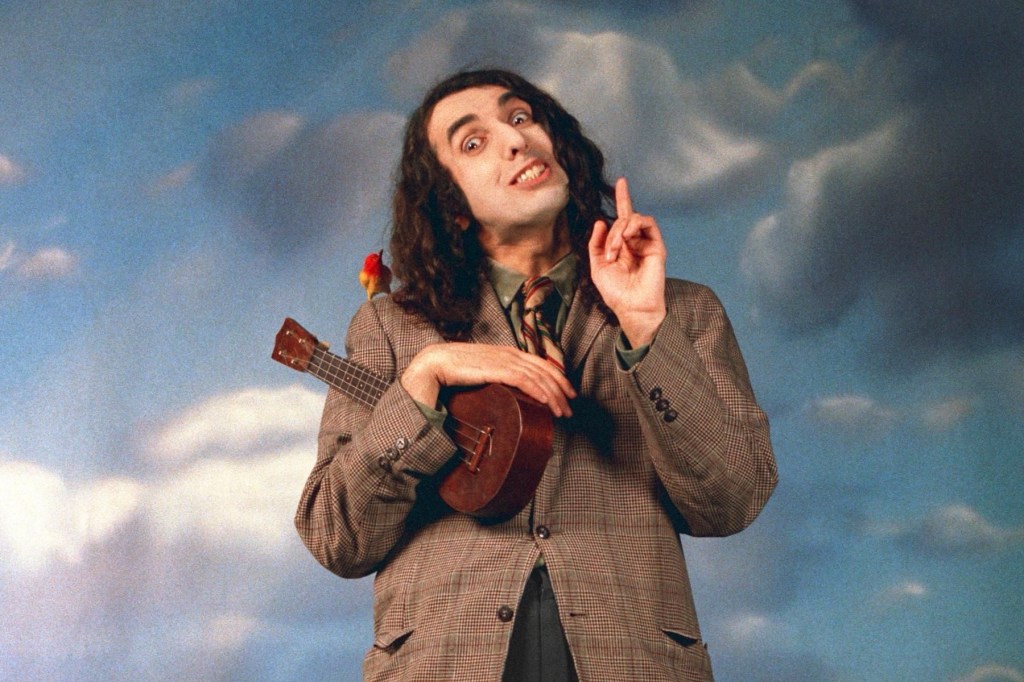
Outsider art is art made by folks with no connection to the “legitimate” scene, aren’t properly trained in their field, and/or often have stuff like mental illnesses and other disabilities working against them. In other words, not your glamorous ideal of an artist. Outsider art includes visual art as well (an infamous example being controversial cartoonist Christine “Chris-Chan” Weston Chandler), but on the music side of the loosely defined genre, you have guys like Tiny Tim, who somehow broke into the industry as a niche act armed with nothing but a ukulele and a wild falsetto. There’s the elusive proto-singer-songwriter Connie Converse, whose tragic life I actually immortalized in this very blog. Even Brian Wilson, the legendary freaking Beach Boy, was considered an “outsider” by some metrics, although this is debated. These are all characters I find infinitely more fascinating than the manufactured pop star image being pushed by the mainstream music machine.
Wouldn’t you rather read about thisdude?
I’d like to think the future of music rests with the outsiders. Whether they realize it or not, people tend to gravitate toward artists who have a fascinating backstory. It’s why Taylor Swift managed to captivate so many people despite being born rich and pretty — she was still able to sell herself as the girl-next-door underdog with a guitar and a dream. Fans have been revisiting the drama between bands like the Beatles and Fleetwood Mac for generations now. I feel like artists today are too sanitized and “professional.” We need musicians with personality. We need musicians who take chances. We need freaks, geeks, and weirdos making the music no one else would dream of. We need outsiders.
When I was studying music therapy, my eventual dream was to help everyday folks make music they could be proud of. I knew firsthand how healing the process of music creation could be, and I wanted to share that with my clients. Obviously, that dream died a horrible death — but maybe it didn’t. Maybe this is what I was meant to be doing this whole time. My friend group has been alight with ideas, and my phone has been blowing up with requests for new songs and beats to work with. Everyone is so excited to cook up fresh material, and it’s revitalized my love of creating music like nothing else. The crew even dubbed me the “Mother of Beats,” and I gotta say, after everything I’ve been through with music, it feels good.
I think our culture needs to rethink its relationship with music. Music isn’t only for attractive people, rich people, or able-bodied/neurotypical people. It’s the birthright of every human. Kids are always humming little songs to themselves — until society beats it out of them and says they’re not “good enough” to be singers. I’m fucking sick of that mentality. In a world where you can literally just beep-boop a “perfect” song, get dirty and create something yourself. Make it messy. Get your imperfections all over it. Who cares if it doesn’t sound radio-ready? The grit and grime are what makes it special.
I’m excited to see where The Kalamazooligans ends up. I hope it inspires more “outsiders” to get their hands dirty and create. Perhaps it’s a lofty goal, but I want to start a creative revolution, even if it never leaves this Midwestern college town with a silly name. If I can make my own corner of the world brighter, more whimsical, and more musical, I know I’ve succeeded.
Ah, Taylor. I don’t even have to write her last name and you already know who I’m referring to.
It’s me, hi!
Unless you’re just getting back from a year-long sabbatical during which you traversed the steppes of Uzbekistan with nothing but a backpack and no phone, you probably well aware that Ms. Swift just dropped a new album. And it’s…just okay. It’s nothing to write home about, especially when compared to her masterful previous works, and the lyricism seems to have regressed significantly. I’ll probably write a full review of the album in the next week or so, but I wanted to touch on one of the biggest talking points that’s come up during this album cycle. And it’s probably the talking point that’s been driving me the most bananapants.
Which is just how hilariously clueless the general public is when it comes to music.
Okay, that might have sounded a bit mean coming from a bitch with a music degree and decades of experience, so let me reword it a little nicer — the vast majority of the population has no idea how music theory actually works, especially in the context of copyright law. Now I’m not a lawyer, but I do know a little bit about what can be copyrighted and what can’t. Still, I want to focus more on the music side of things rather than the law side, because that’s the more fun side, right?
I guess you could count this thing as a percussion instrument.
Anyways, let’s start here — you got these songs. There’s the questionable Charli XCX diss track, “Actually Romantic.” Among the many complaints about the song, particularly that it’s disproportionately mean-spirited, is the observation that it sounds suspiciously like the 1988 Pixies single “Where Is My Mind?” Then you have “Wood,” Tay’s tacky ode to her man’s…manhood, which people have said sounds suspiciously like the legendary Jackson 5 hit “I Want You Back.” And the song I consider lyrically the strongest of this batch, her title track collab with my current celebrity girl-crush, Sabrina Carpenter, shares a similar feeling to “Cool” by the Jonas Brothers, who were famously her associates early in her career. So what the fuck, Taylor? Are we blatantly ripping off other artists now?
And here’s the part where I get to say “Well, ACKSHUALLY” and defend Taylor’s compositional choices (even if some of the lyrical choices are much harder to defend — looking at you again, “Wood”).
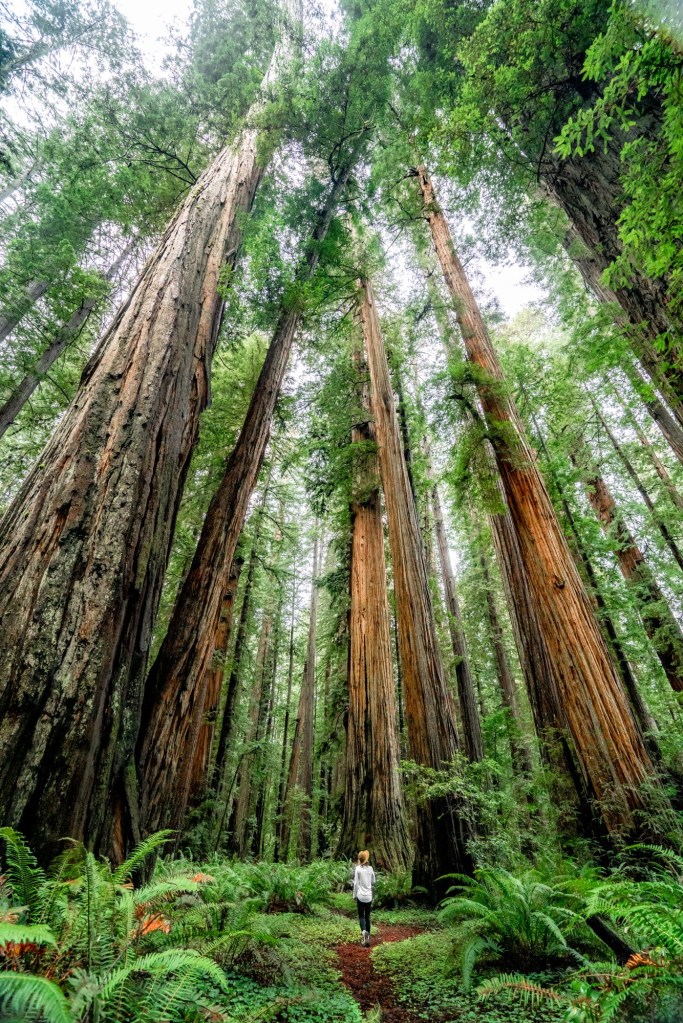
Thank you SO MUCH for making me picture Travis Kelce’s rock hard redwood tree…
In the Western music tradition, you’ve got 12 notes: A through G, plus the sharps/flats in between. It’s important to note that out of these 12 notes, only a handful sound good together. Those notes that sound good together form the “key” of any given song. The key is essentially the artist’s palette of colors. Those are the notes you can put in your song that will actually sound like they fit in the song. Anything outside of the key will sound off and even unsettling at times. That being said, you can use notes that don’t fit into the key, but it takes a certain degree of finesse and theory knowledge to pull off nicely. But for the most part, you’ve got maybe seven notes to work with, which, ya know, ain’t a lot.
Let’s get to chord progressions. What is a chord progression? Well, have you ever listened to “Poker Face” by Lady Gaga and Luis Fonsi’s “Despacito” back to back? Even though the genres of the songs are completely different, the “vibe” is still eerily similar. And that is because they share the same chord progression. There are many, many more examples. “Africa” by Toto. “One of Us” by Joan Osborne. “Peace of Mind” by Boston. “Fuckin’ Problems” by A$AP Rocky. “Alone” by my freaking favorite band of all time, Heart. And that’s just one famous chord progression. The progression the Beatles used in “Twist and Shout” was practically ubiquitous in the 50s and 60s, and the blues as a genre likely wouldn’t even exist without the 12-bar progression we know and love. And — this is important — you cannot copyright a chord progression. If I wanted to write a song that uses the exact same chord progression as Taylor’s “Love Story,” I could — and I have. Heck, she has even plagiarized herself in this regard. Go listen to “Shake It Off” and “Eldest Daughter” one after the other and tell me the latter doesn’t sound like a more somber, slowed down version of the first. That’s because they use the same three-chord progression.
Did Tay lift the chord progressions for her new songs from preexisting songs? There’s a chance, but even if she did, you have to remember that musicians have been gleaning ideas from each other for time immemorial. Everyone is influenced by someone. But there’s also a decent chance she just sat down at her piano or with a guitar and those are the chords that naturally came out. Because, like I mentioned earlier, they just sound good together. Our ears are conditioned since birth to listen for patterns in music, and you’re so used to hearing a V chord resolve into a I chord (that’s historically the most common way to end a musical phrase — the authentic cadence). So when you go to write a song, that’s what you naturally gravitate toward.
There is a great deal of discourse around the supposed lack of originality on this album, but I don’t think that’s a fair critique. I think there are plenty of valid critiques when it comes to this album, but I don’t think this is one of them. You could argue that Taylor opened herself up to more scrutiny in this area when she went after Olivia Rodrigo for rights on a song that only marginally sounded like hers (and like, only if you squint). At the same time, I don’t like any criticism of “copying” in songwriting unless it’s a particularly egregious example. Music, at the end of the day, is a social art, and musicians are going to keep borrowing from each other like they always have. As one of my favorite writers, Austin Kleon, says, it’s okay to “steal like an artist.” I’m allowed to have influences. You’re allowed to have influences.
And I am announcing that I am very gay for this woman.
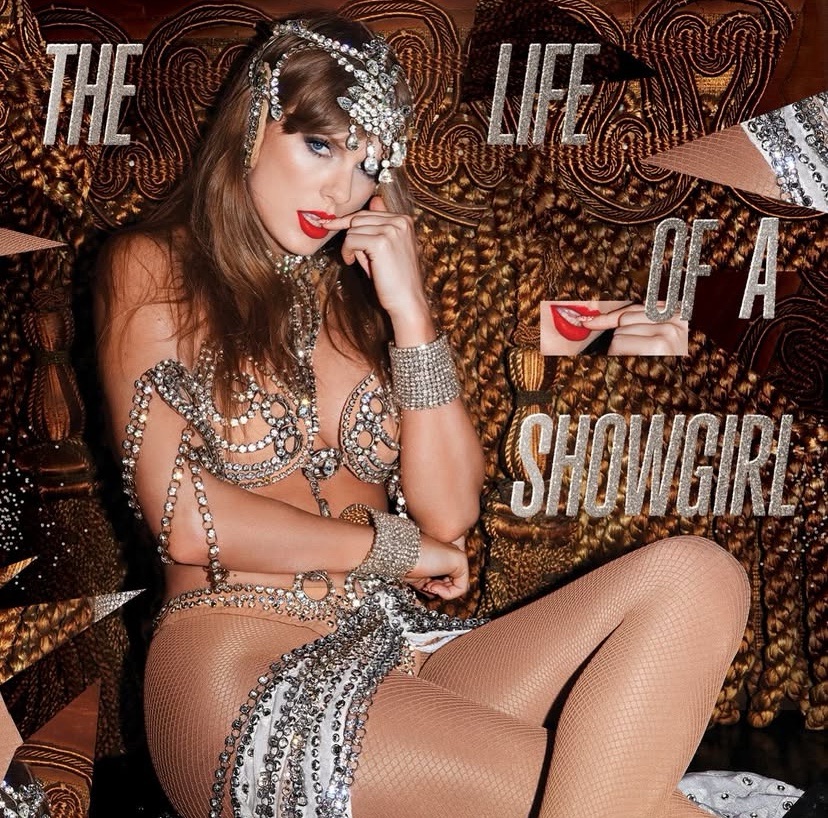
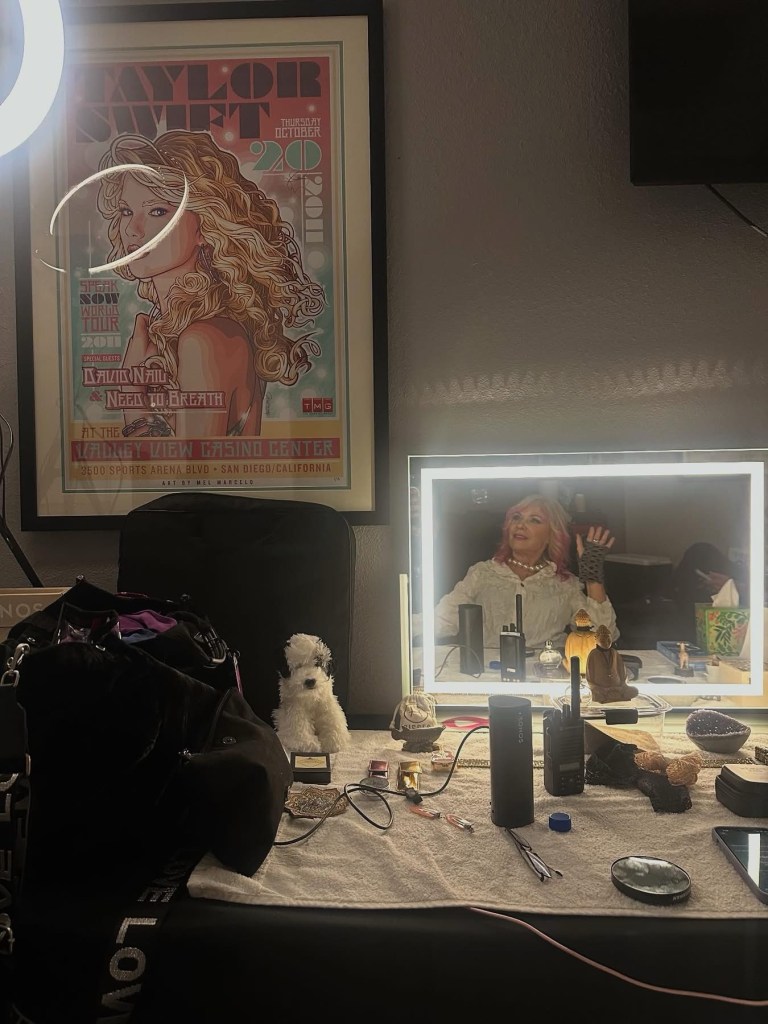
The world came to a crashing halt, all because the biggest pop star on the planet teased some new music. Fans, celebrities, corporations, and motherfucking Elmopaid homage to Swift in their own ways. Even one of my personal heroes, Nancy Wilson of Heart, got in on the Tay love, posting this picture with the caption “life of a showgirl.”
To be clear, Nancy is the woman in the mirror, not the tiny adorable pupper.
With the announcement of the new album casting an orange glow over the world, it’s easy to miss the fires that have been raging the entire time. Trump’s Big Bonkers Bill is gutting healthcare for millions of Americans who rely on it. Public radio and television, one of the last bastions of true journalism and free speech, is also being gutted. And you have that quadruple-divorced fucko who swears she knows so much about the “sanctity of marriage” trying to take away my right to have a wife and family, so I mean, it’s fucking personal now. Then you throw on everything happening in Ukraine and Palestine and it’s fucking exhausting. The world’s on fire. Innocent folks are dying, and everyone’s freaking out over a Taylor Swift album?!
But — and hear me out, here — that might not be a bad thing.
I’ve written on this site about the concept of “glimmers,” which are functionally the opposite of triggers. While a trigger is an event that causes you to feel uncomfortable or afraid, a glimmer is an event that brings intense joy. They’re the tiny moments that make life worth living. A lot of glimmers come through art. Think about the last time a song gave you chills or the plot of a film or book moved you. Those are glimmers in action.
It’s easy to write off the creative and performing arts as vapid and unimportant, but art is a rebellion against a world that tries to quash any anti-conformity and critical thinking. Art is an invitation to think deeper — something the oligarchs don’t want us to be doing. Even mainstream art like Taylor’s is punk as hell in times like these, as it unites folks together. Music gives people hope. It inspires. It galvanizes. I think that’s part of why the elites are keen on eliminating things like arts education and pushing AI to make things instead of training up human artists. Art is dangerous. Creativity is dangerous. Hope is dangerous.
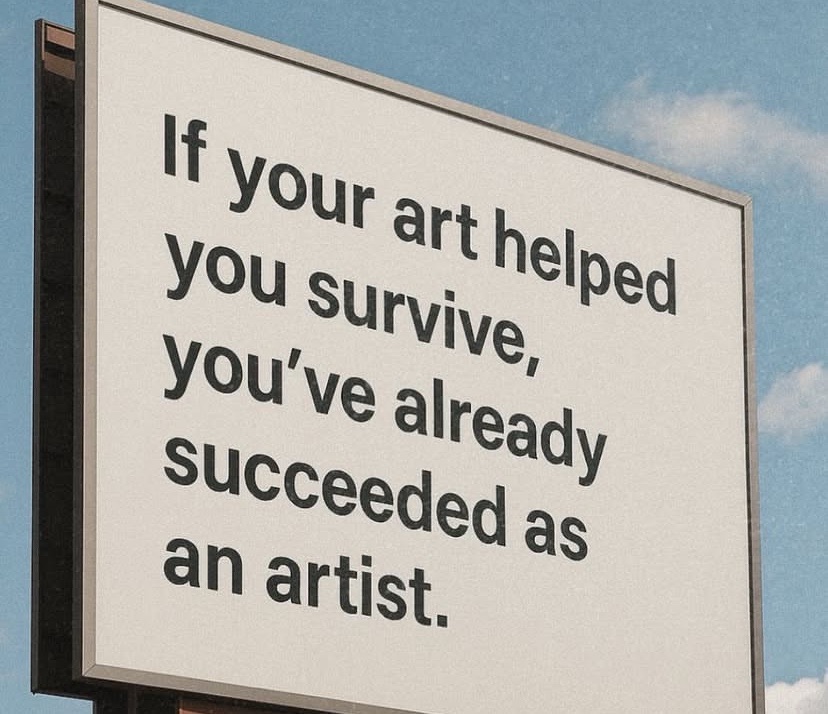
I don’t think it’s a coincidence that this image popped up on my feed while I was doing research for this post:
This is a simple but true statement, and I’d apply it to both your own work and other people’s works. If an artist’s music helped you in any capacity to enjoy your time on this planet, if even one song paints the planet just a little brighter for a moment, it served its purpose. And that purpose is to be a sort of analgesic to the pain of everyday life. That’s what I believe Taylor understands so deeply, and that’s what I hope to embody in my own creative endeavors. The life of a showgirl is to serve glimmers and bring hope.
In a world that is intent on snuffing out anything whimsical, beautiful, or different, embrace that spark that makes life worth living.
If you enjoyed the writing in this post and elsewhere on the site, please consider donating to Jessa’s tuition fund! Any help is appreciated!
I like to read books on the intersection of creativity and productivity. It’s kind of my way of sharpening my mind for writing and creating music. Reading has always been a form of escapism for me, but these diving into these books of practical tips and hard-earned advice have really helped me develop my own philosophy toward art and work. One book I’m working through at the moment is Make Your Art No Matter What by Beth Pickens, which is crammed full of helpful information and philosophical approaches guided by everything from modern psychology to ancient Jewish wisdom. It’s a great book so far, but the second chapter was what prompted me to write this post. It’s a chapter simply titled “Work,” and it delves into all the ways our hectic capitalistic work schedule fucks with our abilities to create.
Here’s a hard truth I’m learning: if you want to create good art, get a day job. I’m not kidding.
If you want to create unadulterated, pure art, free from the expectations of corporations and The Man™, you need to get a day job. Because the second you rely on your art for your income, it’s not yours anymore.
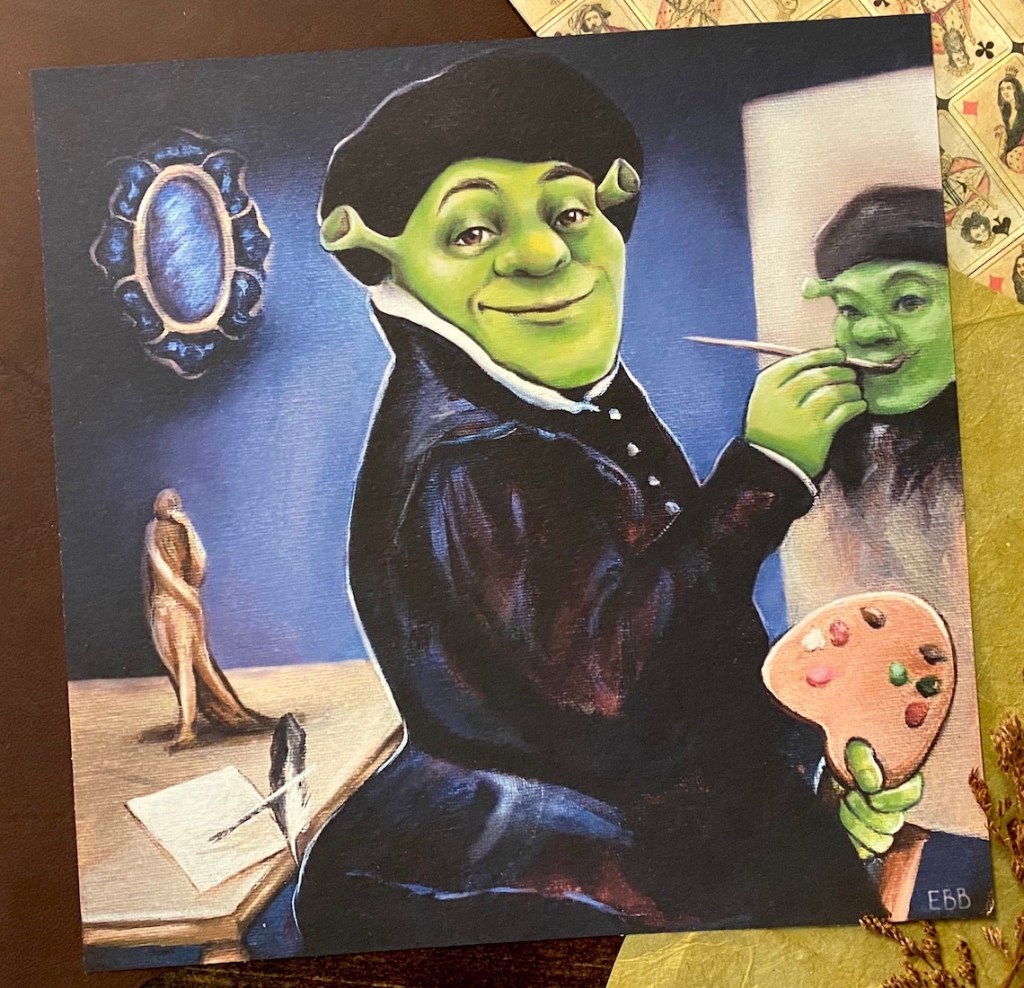
My wife is an artist. I talk about her quite a bit on here. One thing she does for work is commissions. She specializes in doing quick unhinged portraits of people’s fursonas (furry art is a lucrative field, yo). Imagine if you paid $5 of your hard-earned money for a sketch of your character and you got back a lovely sketch of Shrek. You wouldn’t exactly be pleased, would you?
I don’t think I could be mad at this, to be fair.
The second people start giving you money for your work, you owe it to them to give the people what they want.
But if you can make a living independently of your art, you can do whatever the fuck you want with it.
And it’s freeing as hell.
When I was younger, I wished I was Taylor Swift famous. And the truth is, when you’re Taylor Swift famous, you have a little more wiggle room. She has enough leverage to do what she wants creatively. If she wanted to pull a Poppy and go full on metal, she totally could.
And here is proof that it would be absolutely badass.
Here’s the thing: most artists don’t have that privilege. No, not even many artists who are now considered legendary. Take Heart, for example, because y’all already know I’ll take advantage of any opportunity I get to fangirl over them.
Jessa Shuts Up About Heart for Five Minutes Challenge (IMPOSSIBLE!)
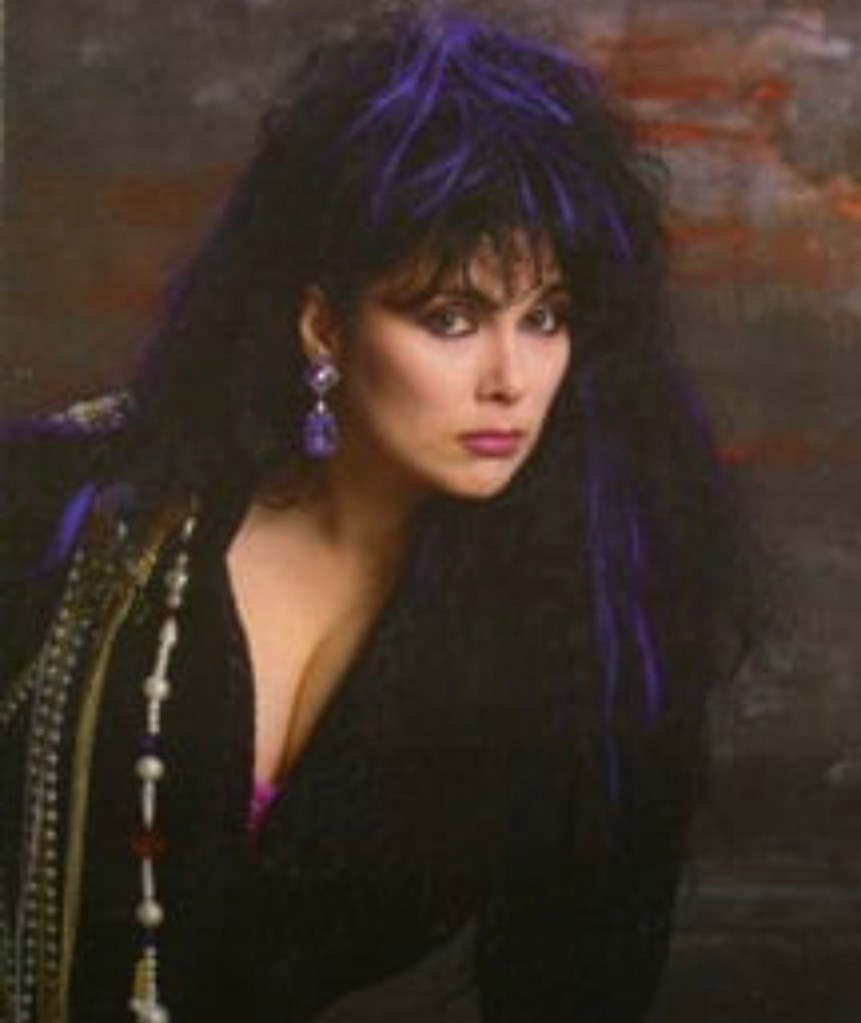
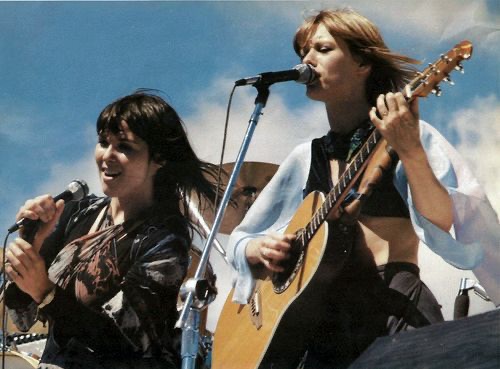
Back in the 70s, Heart took over the rock world with timeless songs like “Magic Man,” “Crazy On You,” and the classic musical middle finger to creeps and sleazebags known as “Barracuda” (which I channeled recently at karaoke when approached by a fucko). But by the 80s, they were reaching a nadir in their career. The industry had changed around them, and suddenly, music was less about realness and artistry and more about manufactured image. The frontwomen of Heart, the Wilson sisters, faced with the very real threat of irrelevancy and the impending death of their music career, decided to roll the dice with what I call the Liz Phair gambit. Suddenly, the band went from looking like this:
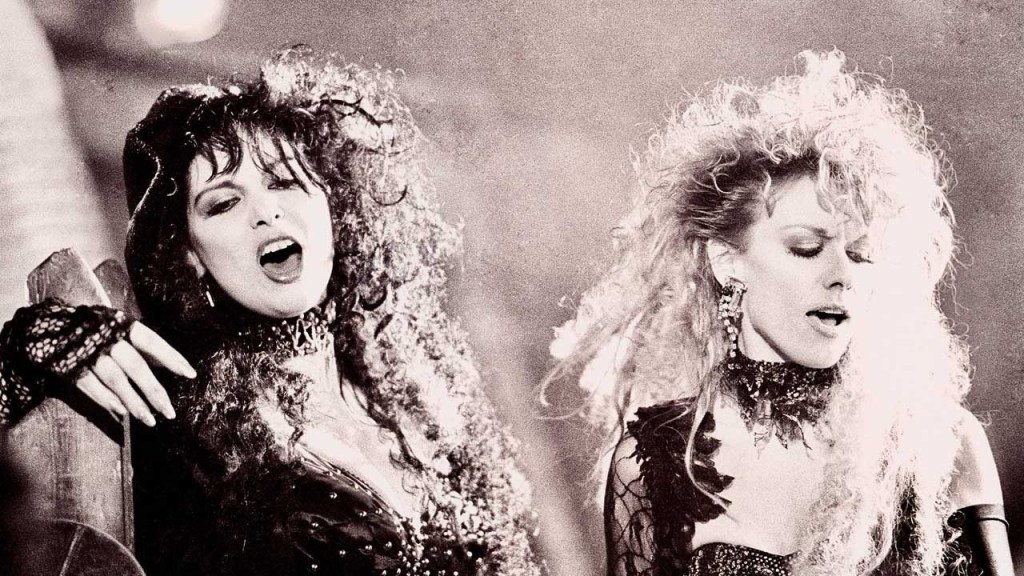
To this:
In order to survive, the band had to sell out. And with great success! They scored their first ever numberones during their bombastic, hairspray-fueled ‘80s run. Everyone knows and loves their output during this era. Who can forget the epic power ballad “Alone,” with a music video that was so influential to me growing up that it shaped my entire aesthetic?
But despite all the earthly riches MTV could offer, it really wasn’t the music they wanted to make.
I’ll let Ann Wilson herself do the heavy lifting of explaining the situation in her own words:
“What made me the most uncomfortable in the 1980s when Heart was doing everybody else’s songs was that the songs seemed like the empty fishbowls that you could pour anybody into and it would be a hit,” she said in an interview. “That’s the ultimate example of me biting the hand that fed me. But, at the same time, I’m a creative artist and I want to be authentic and I made this Faustian bargain to do other people’s songs and get No. 1s.”
Sure, she did what she had to do to achieve the rock star life. But sometimes I wonder if she would have been happier tackling the music industry the way I am in the 21st century, working overnight as a caregiver while laboring over her MacBook during the day to make the music she wanted to make. I wonder if I’d be as miserable as she was in the ‘80s, having to sell my artistic soul to have a viable career.
The truth is, I may never see more than the measly excuse for royalties Spotify pays out. I’ll likely never be more than Kalamazoo famous. But at least I can make the music I want to make. I’m not beholden to anyone. If I wanted to scrap my upcoming project, LORE, in favor of a Weird Al-style parody album, I could get away with it. And that’s all because I have financial stability outside my creative work.
I won’t say it’s an easy life to live. Balancing a full time job on top of any passion projects is not a task for the weak. But if you want to make the stuff you wanna make, it’s the best road to travel. It’s okay to work a dumb job you don’t like for the paycheck if it means not letting your art become that dumb job you don’t like.
—until my girlfriend and I had a conversation on AI. Which is not unusual, since she’s a pretty staunch advocate against it. I’m fairly neutral on it, to be fair. I think it opens up lots of exciting possibilities, and it’s a tool like anything else, but at the same time, there are multitudinous problems with it that no one seems to want to address. Hell, I experimented with it against my better judgment and realized it was making my imposter syndrome so much worse. The unfortunate truth is we’re just going to have to learn to adapt to this somehow. There’s no putting this genie back in the bottle.
Christina would never.
But it’s disheartening, because the advent of AI might be the final nail in the coffin of the music industry. And that is what has been bothering me lately.
And the sad truth is, the state of music has been in decline since the dawn of the internet. In fact, Suno is just finishing a job started by Napster all those years ago and continued by Spotify to this day.
Back in the 80s, everyone and their mother knew who Michael Jackson was. You only had a handful of radio stations in any given town to listen to, and if you wanted to hear a particular song any time you wanted, you had to go out and buy it. The albums would be prominently on display in your local Kmart. Even grandma was familiar with Bruce Springsteen’s ass.
That’s America’s ass.
Television isn’t as much of a special interest to me as music, so I don’t really care as much about its history, but you can see this kind of monoculture in TV throughout the years too. In the beginning, you had ABC, NBC, and CBS (and DuMont, the weird fourth one no one remembers). Everyone in your city was watching The Andy Griffith Show at the same time on the same channel and having this shared experience. Then cable came and divided everyone. If you were into sports, you went to ESPN. If you were into music, you went to MTV. If you’re into watching Amish people do mundane things, you went to TLC. Even the big cable networks splintered eventually — from MTV you get MTV 2, MTV Tres, VH1, VH1 Classic, CMT…
And none of them are playing music at any given moment.
With more technology, you get more options. But I’m starting to wonder if that’s a good thing.
We’re seeing a shift in music especially. We no longer have a monoculture, and I blame this on how easily accessible the entire catalogue of music is nowadays. If you want to listen to nothing but obscure pirate metal for the rest of your life, you don’t have to go on a wild goose chase hunting down every obscure pirate metal album ever made by every band that’s ever done obscure pirate metal. It’s as easy as going to a specialized Spotify playlist. And let’s say you want to listen to nothing but obscure pirate metal about your cat for the rest of your life. With AI, that’s entirely possible.
Why on earth would anyone seek out new music if they can just beep-boop an entire playlist tailored to their specific taste with lyrics reflecting their own life?
I think that’s what bothers me most about the future of music and how it has been intertwining with AI. I’m not scared of it taking my job necessarily, at least not in the traditional sense. I know human-made stuff is still largely superior. I’m really not even so afraid of the environmental stuff, since the planet’s borked anyways (I’m an optimist). It’s the death of culture and interpersonal connection that scares me. A survey said 62 percent of people actually prefer chatbots to humans. There are people straight up dating AI bots. How much more isolated are we going to allow ourselves to get?
My prediction is that eventually, this AI bubble will burst — but not without seeing huge reforms to the music industry. I can’t see the current model lasting much longer. I can see a return to smaller, more intimate shows as people get sick of how overflooded music platforms are with AI slop, low-effort music, and whatever the executives are trying to feed us. At least the true music fans will pivot that way.
Humans have a thirst for something real. It’s why American Idol always pushed artists with sob stories. We love when the art we consume comes with a captivating backstory, and entering a prompt and pushing a button was a cool backstory — the first thousand times it happened. Like, if you told someone in 2018 that a robot wrote the music for this song, that would be some neat Futurama shit. But the fact that technology can beep-boop songs from scratch is old news now, and people don’t want manufactured backstories. There was already a recent backlash against a band that was revealed to be AI. People are quick to turn on an artist when they sense disingenuousness. Remember that author who penned an autobiography that got noticed by Oprah, only to have it all come crashing down when it was revealed the story was fabricated?
The hidden controversy is the sensory nightmare that is that book cover.
I think the music industry is going to change in a lot of ways in the upcoming years. My hope is that we musicians don’t become obsolete and that the human need for connection and genuineness is stronger than the fleeting coolness that is AI. And I think we do have a need for real, human-made music. You can’t replace the camaraderie of your local punk scene or the chills a live orchestra brings or the sheer joy of going out to karaoke. Music in our souls. It’s what humanity sounds like.
If you enjoyed the writing in this post and elsewhere on the site, please consider donating to Jessa’s tuition fund! Any help is appreciated!
It was the professional equivalent of a relatively amicable breakup — my boss saw me struggling to even make it in on time due to my insane work schedule, and so she mercifully allowed me to quit with no hard feelings. I’ve never been fired, and this doesn’t even really count as a firing since I left on my own terms, but it still stings.
I’m not a stranger to failure, despite it rivaling death and abandonment as one of my biggest fears. Leaving the internship in Fort Wayne felt like a huge failure after everything I’d put myself and my wife through in order to finish my music therapy degree. I wasted so many years in school and have absolutely nothing to show for it. That was a rough moment in my history, but I managed to claw my way out of the dark depression it sent me into.
I don’t know how much clawing I have left in me, though. My fingertips are bloodied and raw. I’ve struggled enough.
This is all on top of the weight of the world, which has been crushing me with every disheartening story that passes through the news cycle. We live in a truly evil world where people get their kicks by literally kicking others down. Some bitch got hundreds of thousands of dollars for calling a child the n-word. How is it that terrible people get rewarded, but actual good people get fucked over? There’s still a whole bunch of bullshit happening in Israel and Palestine to folks whose only sin was being born in the wrong place at the wrong time, and don’t even get me started on the mess that is my own country at the moment. I wish I could just leave, but it’s not that simple. I can’t leave my family and friends and partners behind, so my only choice is to stay and fight the good fight, wherever that leads me.
But like I said, I’m don’t know how much fight I’ve got left. I’m fucking exhausted. The one thing that’s kept my spirits up at all is music and the prospect of someday becoming a successful musician in some form, but I’m afraid of becoming obsolete. I’ve already mentioned on my blog how dabbling with AI software started to bork my creativity, but like, what’s the point of writing songs when I can push a button and make the robots write one for me? And that’s the future we have to contend with. I’m not a vehemently anti-AI Neanderthal — I think there are legitimate uses, even in the art and music fields, and I’d be a hypocrite if I said I’ve never used it. Like, sometimes I’ll use AI to test out acoustic demos with a full band so I know whether or not the song is even strong enough to work with. But I’d never, ever release something to the public that I didn’t create myself. And I’m realizing most people don’t operate with those kinds of creative ethics. So as AI music becomes more prominent, I’m going to have to compete with a torrential onslaught of “creators” cranking out slop. Like, how long until we have an AI popstar?
But even if I didn’t have robots to compete with, I’m still racing against time. I’m 32. No one wants to listen to grandma sing her little songs, and I’m practically a grandma already to the suits who run the music industry. I remember when I was a freshman in college, it was a big fucking deal that Carly Rae Jepsen, who was at the height of her “Call Me Maybe” era, was 26. I’m six years older than that, and I have yet to make any significant waves in the industry. The music video for “Sweet Honey” sits just below 100 views, which is next to nothing. I can’t help but wonder what would have happened had I moved to Nashville or LA in my youth, but it’s too late now.
And even if I was still a hot twentysomething ready to take on the music industry, you have to remember, the music industry has changed. A lot. It’s damn near impossible to make money with streaming. And there’s no such thing as rock stardom anymore. Unless you’re Taylor Swift, Chappell Roan, Sabrina Carpenter, or Beyoncé, no one knows who you are, and no one cares. Monoculture is dead. Back when you had to listen to music on the radio, people could bond over hearing their favorite songs together. Now, everything is so fragmented. If you want to listen to nothing but progressive zydeco pirate metal, you can just search for bands that fit that perfectly in that very niche and never bother putting on anything else again. Vinyl sales are up, but that’s not gonna help your up-and-coming local band that’s still getting off the ground and doesn’t have thousands of dollars to drop on printing physical records. Which leads me to the biggest problem.
It costs too damn much to “make it” in the creative fields.
I could have moved to Nashville had it not been prohibitively expensive. I could sink all of my time and energy into recording quality music if I didn’t have to work three jobs for the privilege of breathing air. The famous folks you know and love are largely only there because they were born into money and had multiple safety nets to catch them in case of failure. Taylor Swift’s wealthy upbringing has been the subject of much scrutiny, but even one of my personal favorites, the aforementioned Chappell Roan, had a charmed life, growing up in a sprawling gated home that looked like this. I’m livid that the music industry and this entire country as a whole demands you be born with a silver spoon in your mouth, or else what you have to say or contribute isn’t important and you should just fuck off and die. It makes me viscerally angry, the amount of talent we’ve lost to poverty. The next Jimi Hendrix could be just around the bend, but if that kid’s parents can’t afford to get him a guitar and lessons, too fucking bad.
It’s a cultural crisis. And I’m scared I’m becoming one of its casualties.
I want to make it in music more than anything, but I’m so disillusioned at this point. I’ll never be a rock star. I’ll never be John Frusciante. I’ll never be Ann Wilson. The best I can hope for is some steady gig where I can make the music I want to make and earn a decent living, but there’s not a lot of jobs like that out there, especially not here in Kalamazoo.
I don’t want to end this post on a negative note, as many things in my life are going well. My dad was recently hospitalized, but he’s made a speedy recovery. My two primary partners have been incredibly loving and immensely supportive of me, and I might have a third partner who is also very sweet if I play my cards right. My dream pedalboard is finally finished, and since moving to Kalamazoo, I’ve got more friends than I can keep track of. I do have a lot going for me, but there’s always that part of me wondering when the other shoe is gonna drop. And a big black cloud hanging over me as of late is my frustration with, well, everything.
But I’m going to keep pressing on. With Guitar Center out of the way, perhaps I’ll have more time to work on the songs I want to get recorded and produced. Maybe I can sink more energy in the podcast I started with my best friend. Maybe I can even sleep a full eight hours like a normal person.
I’m trying to be cautiously optimistic, but optimistic nonetheless. That’s all I can really do.
I write this from the fancy-schmancy professional studio I’ve been holed up in for the entirety of spring break. It’s almost 2 in the morning, and going by track records here, my bandmate and I won’t be leaving until 6, if not even later. The only thing I have to eat is a jar of cashew butter I shoved into my guitar case. I’m running on Adderall, enough caffeine to kill a horse, and a brief power nap I took hours ago. But as much as I want to complain, I can’t.
This is the life I chose, you know?
When I was a kid, this is the kind of stuff I’d dream about doing someday. I don’t think I can overstate how influential music was to me growing up. I’d watch Behind the Music religiously and dream about the day I’d be in my heroes’ shoes. I’d even imagine my own episode someday, all of my wild ups and downs throughout my career. Music was a mystical thing and I had my own pantheon — Bon Jovi were gods and Ann and Nancy Wilson were my goddesses.
I’m not actually goth, I was just really influenced by the music video for Heart’s “Alone.”
This past week, I’ve spent five nights and one long day doing what I’ve been wanting to do for years — work as a professional musician. I feel like I’m so close to phasing out any form of “real work” and just doing what I love, and it feels great to be honest. I’m sick of menial unimportant work. I want to do something with meaning.
For a long time, I assumed my role on this planet was to help people in a really real and tangible way. In high school, I was insistent on becoming a doctor so I could do just that (and for the clout of being able to call myself a doctor, obvs). Of course my parents talked me out of that career path, and probably for the best, because knowing how flaky I can be, I’d probably be the person who leaves a scalpel in a patient or something.
But even after I left my shallow dreams of doctorness behind, I was convinced I’d someday be a music therapist, and that was going to be my method of helping people. My first love has always been music, so I knew that had to be involved somehow. It was the perfect arrangement — I’d get to do what I love and also help people. Alas, those dreams didn’t pan out either, no thanks to my nightmarish internship that soured me to the entire profession I’d been pursuing for a decade.
Which leads me to where I am now. I host music bingo for a living. I put on trivia shows for local bars. I’m studying audio engineering and on special occasions, I get to be a studio musician and help out with recording guitar or bass. Nothing I’m doing is groundbreaking or livesaving. No one needs a game of music bingo. But I’m content, because the things I am doing are still important in their own way. I talked a little about serving glimmers as an entertainer on here, but it stands repeating. Entertainment and the arts are crucial to every day life because they’re an intrinsic part of being human. It’s why I’ve got mixedthoughts on AI. Art and humanity have been linked since the dawn of civilization. It’s what makes us different from other creatures, even relatively intelligent ones like dolphins.
Try making art with flippers, you untalented swine.
We need arts and entertainment. It’s the thing that keeps us sane in this hectic society. And honestly, it’s a huge honor work as an entertainer. I love what I do. I love putting smiles on people’s faces. I used to think working in entertainment was selfish. After all, I only want to do it because I love attention, right? And I mean, I do enjoy being the center of attention, but there’s an altruistic element to it as well. Making people happy — just giving people something to look forward to in this dark world — is what keeps me going.
I’ll end this sort of rambly blog post with an anecdote from my freshman year of college. I was very casually dating the sweetest, gentlest guy. He was smallish in stature and cute in a nice Jewish boy way and really, really loved sloths. My point is you’d never expect this young man to play guitar like a fucking rock god, but he did.He could shred. And he had such a way with crafting beautiful songs. We didn’t work out for reasons I’ll never know, but I was madly in love with him. That’s not why he holds a place in my heart to this day, though.
One night, we were sitting in the car. He was showing me Buckethead, one of his biggest influences, alongside John Frusciante, whom I also came to love. And my sweet kinda-boyfriend revealed to me the meaning behind his band’s name, Smiles and Anchors. He wanted to honor his passion for making people happy through music. That’s all he wanted to do. It wasn’t about becoming famous or rich. He just wanted to bring a little light to people in his little world.
And that shook me.
Music has always been my way of connecting with others, but I’d never heard anyone put it that way before. Until then, music was more about what it did for me. It made me happy.It made me connections with others. But what about the folks listening? To them, we’re the ones making life a little more bearable. We’re the ones providing the soundtracks to memories. And it’s kind of humbling in a weird way, and I like that. I never want to lose sight of why I play music. I never want to let my ego soil the joy I get from making my listeners happy with my songs, because it’s not about me. It’s about them. That conversation was part of the reason I ended up getting an anchor on my foot for my first tattoo. I wanted a physical reminder to stay humble, no matter where music takes me.
I intentionally censored my horrendously long and upsetting toes. You’re welcome.
And that’s what being an entertainer is all about to me. It’s hard work. It’s scary. You have to put yourself out there. You have to practice a lot. Sometimes you’re in the studio for so long your contacts practically melt into your eyes and you get a gnarly case of conjunctivitis (true story). But for all the sacrifices this lifestyle takes, it’s worth it. Being a performer has been some of the most rewarding work I’ve ever done, and I’m happy I get to share it all with you.