On Writing: A Manifesto of Sorts

I wrote this piece in one sitting a few weeks ago, but I only shared it with a few close friends. It’s a bit darker than anything I’ve written before, at least in tone, but I wanted to write about something I’m incredibly passionate about: writing itself! This piece could almost be considered a sister piece to the one I published yesterday on the divine power of creativity, in that it touches on several of the same topics.

I write this intro paragraph from Tucson’s botanical gardens, where a prominently displayed butterfly-dotted monolith memorializes the many, many children who were brutally murdered in the Holocaust. A quote from Anne Frank’s diary decorates the towering monument. She was only a young girl, but she knew the power of the written word. And her words have transcended space and time to humanize folks like her to the world at large. Storytelling is more than a way to pass the time. It’s how we connect to each other and share our struggles. Anne herself may not have survived, but her words are forever immortalized as a symbol of hope.

That’s why I write. And that’s why I felt the need to share these words with you.

It is said that history is written by the victors. But the funny reality of it all is that, when you think about it, history is simply written by the writers. After all, if a tree falls in the forest and no one is there to record it, did it truly fall? Did the tree ever matter in the first place? Was the tree even real? Without the word “tree,” you probably wouldn’t know what I was talking about. Without words, there are no stories. And without stories, we lose our humanity.

You see, humanity is stories. Billions of them, all happening simultaneously. Every person is a story in their own right. We all have a beginning and an end, and our lives consist of the moments in between the covers of the book. Like all good plots, there will be unexpected twists and surprises. Sometimes, you don’t get the things you want. Sometimes, no amount of meticulous planning will prepare you for whatever the Great Author has penned in your pages. As an aside, that’s kind of why I’ve taken to thinking of God, whoever He (or She, or They) may be, as the “Author.” Because at the end of the day, we are all characters with a role to fill in the greater story of humanity.

So, then, if all of these things are true, what is my role in this story?

That is the question I’ve been agonizing over for years.

But I know this much — I am a writer. I was born a writer. And because of this, I have the power to define my own reality. I can put into words the things other people cannot. Some people rely on technology for these purposes, but the real story of humanity can’t be told via machine. The story is flesh and blood. The Gospel of John talks about how in the beginning of everything, there was the Word, and the Word was not only with God, but the Word was God. And the Word became flesh, and that, there, is the key. In order to disseminate His message to the world, even the Great Author had to experience humanness.

Stories are at the very heart of what it means to be human.

I’ve spent many years on this planet learning what it means to be human, and I suppose I’ll never know all of the answers. What good is it to a human to know all of the answers, anyways? Does it change the path of the earth around the sun? Will it avert the inevitability of tomorrow and the day after? More knowledge does little to quell the constant screaming feeling that we are powerless little ants in a terrarium on fire.

But we press on. And in every moment, we find those reasons to continue. Those reasons aren’t the same for every person, but they all point back to the very act of creation. We create houses to live in. We create meals for our loved ones. We create inventions to make life easier. We create children. We create relationships. We create meaning. We all want to play a little part in the sacred act of creation. We all want to write our own stories.

And me? I’m just a writer. But in a world that is moved by words, a writer is a powerful thing to be.

Meet “The Author”: The Connection Between the Creativity and the Divine

If nothing else, I am a writer.

I have been since I was a little kid. Honestly, since I could hold a pencil and string together a coherent sentence. The stories were always there. The words were always there. One magical day in second grade, I just decided that writing stories was more interesting to me than actual work. So I started finishing all my schoolwork really fast and spent the rest of class time penning short stories. Usually they were thinly veiled rip-offs of Homeward Bound that only a lonely seven-year-old could get away with writing. But it was a start, and it got me falling in love with the art of language. From there, I wrote and read obsessively. I read so many books in fourth grade, my school even rewarded me with a hot air balloon ride!

A few years later, I’d go on to attend church regularly, mostly because I wanted to impress all my good little church kid friends and the hot guy at youth group. There, I’d learn about a whole different book. You know, the one you’d find in a shady motel drawer to rip the pages out of for joints?

That is, the capital-B Bible.

Christianity places a lot of importance on words. Jesus Himself is described as “the Living Word of God” in some contexts. The apostle John’s gospel even begins with the phrase “In the beginning was the Word, and the Word was with God, and the Word was God.” God is a storyteller, first and foremost. And the more I write, the more I begin to understand how the divine moves, even if my worldly brain can’t begin to comprehend it in its entirety.

Every day, there are eight billion stories being penned. Eight billion plot lines. Eight billion main characters. And no two of their stories are going to be exactly the same. Sure, you’ll find commonalities to the human experience, but for the most part, no one has gone through the same exact struggles in the same exact ways. Every life is as unique as a fingerprint.

And sometimes I wonder if God thinks of our lives and stories the way I think of my characters and their stories. I love my characters, every single one. Even the villains! I’ve put so much heart into each of them. I always say I’ve never written a character flaw I don’t already have as a person. That’s how much of myself I pour into these silly little guys who move the stories I write. I think God does something similar. We were supposedly created in His (or Her, or Their) image, so it makes sense that we were given divine gifts as human beings. Acts of compassion and senses of humor are something only humans — and God — have. (And if you don’t believe God has a sense of humor, look at the freakin’ platypus. Who designed that thing??) Another divine gift? Creativity.

We create because we were created. Human beings just want to share in the beauty of creation with our Creator. Our Author, if you will. That’s why kids practically come out of the womb singing and scribbling and smashing stuff together to make new things — until we beat the creativity out of them. By denying our kids and ourselves of art and creation, we’re denying the part of us that was divinely gifted to us. And that’s really sad.

I think the Church as a whole has a creativity problem. We don’t exactly have a C.S. Lewis of our generation. Worship songs are usually considered some of the worst slop in the music world, and Christian artists are typically marketed as the “moral alternative” to some other sexier, more scandalous musician. Like how Skillet is just Christian Nickelback, you know? The films are equally garbage. Can anyone claim to have actually enjoyed the God’s Not Dead series?

It’s sad that there has become such a disconnect between “God the figurehead of the Abrahamic religions” and “God the creative.” I’ve seen people come to the Lord and feel like they have to lay down their life’s passion in order to be saved. And I’m here to tell you that is a lie from the enemy. I hate to even bring up that impish little guy, since he’s been weaponized to scare the living daylights out of churchgoing children for time immemorial, but I do feel like there is some force of evil in this world, be it a literal Satan figure or simply the absence of God and goodness. And I feel like the Devil himself smiles whenever a sadly misled born-again Christian puts down his guitar for the last time.

We were created to create, and we were designed to use our gifts to serve others, honor God, and leave the world a better place than we found it. If I could serve you a little bit of Christmas in July, remember that song “Little Drummer Boy” (which Aly & AJ has a spectacular cover of)? That song is so interesting to me theologically. It likely didn’t ever happen and was entirely fabricated by the songwriter, and let’s be so real, why on earth would Mother Mary subject her sweet newborn king to a freakin’ drum solo? Still, it manages to paint a sweet picture of what humbly using our gifts to serve can look like. This kid has nothing to give, but he makes music nonetheless. He gives himself through his art. That’s enough.

The world is a deeply creative place, as it was given to us by a deeply creative Creator. My theological beliefs are evolving at breakneck speeds lately, and a lot of what the Lord is revealing to me as of late has to do with art and spiritual gifts. It’s a damn shame that so many Christians and religious folks in general have neglected this part of their faiths, and it’s even sadder that more of those folks would be offended by me saying “damn” than by religious institutions stifling the human spirit of creativity. Sure, making great art won’t get you into Heaven, but I don’t think that’s what it’s supposed to be for in the first place. We were never supposed to be saved by our acts on this earth, anyways, and I feel so many people miss the mark by zeroing in on the afterlife. God put us here, on this planet, and while we’re here, we gotta do something with our time. So He just gave us a lesser form of creation to indulge in. Art is how we regulate and express our own feelings and communicate with each other. Art is an analgesic for the unending pain of life. Art is God’s way of letting us know He loves us and wants us to cherish our time in this world.

I don’t have all the answers, but I do know that in order to live full, healthy lives, people need art. They need to make it, or at least be surrounded by it. People need to play. People need to get messy. People need to throw themselves into something they’re passionate about. This was not a mistake. This was a desire placed inside us by our Creator, the Great Author. That being said, do whatever it is you were meant to do. Maybe you’re a painter, or a knitter, or a writer like me. Even just spending some time in the character creation engine in The Sims can be beneficial. Whatever it is you do, give it your all. It is our divine gift, right, and duty to create.

So, go forth and create!

Rejection as Redirection: When You Have to Pivot to Your True Calling

It happened again. I was let go from the autism center.

It felt like a flashback to the fateful meeting with my music therapy internship supervisors back when I was in Fort Wayne. I went into the meeting expecting a completely different turn of events. I loved the job. I wanted to ask about how to advance. I wanted to see what kinds of degrees I could get to dive even deeper into the field. I had a whole plan to rework the field of autism therapy into something better for neurodivergent folks like me eventually. Even my boss wasn’t expecting her boss to tell her to let me go. But the writing was on the wall. I wasn’t advancing as quickly as they needed me to, and that was that.

But I wasn’t as devastated as I should have been, weirdly enough. And I think it’s because the universe has been trying to tell me something for years, and now maybe is the time to listen.

There’s a great quote that’s commonly (incorrectly) attributed to Albert Einstein that amounts to “if you judge a fish by its ability to climb a tree, it will spend its entire life thinking it’s stupid.” Even if Mr. Einstein himself never spoke these words, I feel there is a truth to them.

I have always wanted to be a healer of some sort, but I never really knew what that meant for me. I’ve spent my whole existence being told that because I’m compassionate and intelligent, I belong in a clinical setting. It made the most sense logically, especially if I wanted to actually make money with whatever I ended up doing for a living. I had every intention of getting into pre-med until my parents talked me into music therapy instead.

And…yeah, that didn’t exactly go well.

Don’t worry, this isn’t a sad post.

You see, the autism center wasn’t my only form of employment. I moonlight as a music bingo and karaoke host, and the gig has not only been the longest job I’ve ever stuck with, but also the best job I’ve ever had by far. It’s creative. It’s engaging. It involves music and extroverting. And for the first time in a long time, I’m doing something I’m good at. It’s funny, I remember the strange dichotomy between the ways my bosses in various fields would speak to me. When I worked in healthcare or similar clinical settings, it was always “Jess, why can’t you keep up with your coworkers?” But then my bosses from the entertainment company would call me and sing my praises. It was like that song I liked in high school, “According to You” by the very underrated guitarist Orianthi. According to the higher-ups at my day jobs, I was stupid and useless and couldn’t do anything right. But according to him (the cool dude who sends me my schedule for music bingo every week), I’m a good enough host to literally send across the country in a big stupid airplane to train up new folks.

Maybe the autism center didn’t work out because that wasn’t my calling.

I love entertaining. I love being a creative. I love being surrounded by music and life and people. Perhaps I’ve been flying in the face of my own favorite piece of advice: never break your own bones to fit into someone else’s box. I don’t belong in a cold, clinical setting. That is not me. I belong on a stage, or on a screen, or even just behind the scenes furiously typing up the script. I was meant to create things that inspire and challenge people. The world needs a voice like mine, and I need to stop being so afraid to use it. That’s my fatal flaw — I’m afraid of damn near everything.

Which is why I’m shocked I’m not more worried about my current less-employed status. I have faith that things will work out somehow. I want to do the research on how to get my writing published properly. I might get back into streaming video games again with my wife and roommate. I want to lean into my work as a KJ and music bingo host and bring music and fun into the everyday lives of everyday people. Most importantly, I want to figure out how to make a living doing what I love instead of desperately trying to shove myself into a niche that isn’t mine. I’m no longer interested in pretending to be something I’m not.

And if I have to carve my own path, that’s what I’ll do.

America the Broken, America the Beautiful

When I was just a wee whippersnapper, I was The Voice of Summit Academy High School.

If the jazz band was performing a tune that required vocals, I was a shoo-in for the position. The year the choir performed “Single Ladies,” they put my scrawny pasty ass in a leotard and made me the designated Beyoncé. I was commissioned to write theme songs for the drama club’s productions. The one and only year I got to be in drama, the teacher even wrote a musical number into my role. Of course, I was typecast as the blonde bimbo (which is probably at least a solid 20 percent of the reason why I dye my hair black these days), but she could sing.

The ruby red cherry on my all-American existence as the golden-haired, golden-voiced Siren of Summit Academy was my role on Friday nights. I was the official national anthem singer for my school’s athletic events.

It was an awesome gig. I loved getting a chance to shine, especially after being ostracized for most of my life. I was no longer the class pariah. I was the class Mariah. The parents would occasionally come up and compliment my singing, and every now and then one would come forward as a veteran of some sort and really drive home the importance of the words I was giving life.

And the rockets’ red glare
The bombs bursting in air

The brave men and women who shared their military testimonies made it clear that the anthem was more than just an anthem. It was a capital-A Anthem. Like, the dudebros at Warped who’d wear little neon tank tops with rifles and the words DEFEND POP-PUNK were total posers. Those guys would never die for Good Charlotte’s seminal hit “The Anthem” off their breakthrough album The Young and the Hopeless (2002). But something about this anthem inspired these folks to quite literally risk life and limb for it. Or rather, for what it represented. You know, the good ol’ American Dream.

And for a young goody-two-shoes who finished third in her class and dated the football player and went to church for fun and wasn’t yet jaded by the weight of the world, the American Dream seemed like something that was promised to me. It was my very birthright. It was everyone’s birthright, right? We believed in life and liberty and the pursuit of happiness after all. The Statue of Liberty was built to welcome weary travelers and invite them to nestle into her warm copper bosom. And probably bake them some sweet, sweet apple pie too, because dammit, this is America!

I guess I always knew in my heart of hearts that the country I was brought up to love and respect had a seedy underbelly. My dear late father swore up and down he was part indigenous, having grown up in the hollers of Kentucky before the days of 23&Me. While the jury is still out on that little factoid, his “connection” to his “Native American heritage” inspired him to curse the Custer statue in our hometown under his breath whenever we passed it. And he didn’t shy away from the grisly backstory of the man behind the statue. He and his men slaughtered a bunch of indigenous folks, but he ultimately got his comeuppance when they retaliated and fucked his shit up. My father made it clear he sided with the Native tribes, who were unequivocally the good guys in his retelling of the story. In school, they (kinda) taught us about stuff like “Manifest Destiny” and Trail of Tears, so I assumed there wasn’t exactly a happy ending to the saga in the end. But it never really hit me just how much history has been rewritten by the victors — that is to say, the Americans.

We gloss over a lot of sketchy shit in our social studies classes. When you’re a kid in school, you’re inundated with constant messaging about how great this country is. A lot of the messaging revolved around this esoteric idea of “freedom.” You were free to do things over here that you weren’t free to do in other nations. Mind you, they never actually told us what cool things you were free to do over here that you couldn’t do in like, Switzerland. But FREEDOM!

I think there’s a reason the US keeps its propaganda so vague. By getting the population to make the word association of “America” with “freedom,” it becomes a lot harder to contend with the fact that many Americans were never truly “free” at all. For the majority of its existence, the US has been a great place of hope and opportunity — if you’re a white, cishet, able-bodied, Christian dude. Missed out on even one of those categories? Tough luck. Your America experience is going to be on Hard Mode.

That’s what makes it so hard for us to separate America the Beautiful from America the Broken. We’re raised from birth to embrace blind patriotism as a noble virtue. “Loves America” used to be a descriptor that instantly denoted somebody as a good person. Like, one of Tom Petty’s most famous songs uses that exact quality to paint the love interest as a salt-of-the-earth “good girl. But nowadays, I find myself side-eyeing anyone who proudly proclaims the American label, at least not without a hearty “but” after it. It’s the same way I’ve come to feel about other Christians, despite me being one myself, technically. I will only trust someone who introduces themself as a Christian if the statement is immediately followed by “but not one of the awful homophobic asshole ones.” Similarly, if you tell me “I’m proud to be an American,” I’m sincerely hoping your next words will be “but we need some serious fixing as a country.”

And I don’t want to think that way. I want to look at the flag blowing in the wind in front of my family’s home with pride. I want to wear cheesy star-spangled bikinis and rock out to “Party in the U.S.A.” and indulge in all of the trappings of Americana. Patriotism shouldn’t be an inherently bad thing, but like any fandom, America’s stans can take on parasocial, toxic qualities. Any time your object of affection reaches untouchable status, you’ve crossed into dangerous territory. I love Taylor Swift and think the world of her as a songwriter and storyteller. Do I think she’s above criticism? Absolutely not, but tell that to a certain subset of Swifties and they’ll crucify me for considering their beloved queen a flawed human. I love this big dumb country. I love the people here. I love how we have so many cultures and so much diversity. I love our rich history of art and music and innovation. But god damn, this administration is America’s biggest Trainwreckord, and I wouldn’t blame the “fandom” for turning on it. People need to realize that loving something shouldn’t keep you from critiquing its problematic elements.

I would love to be proud of my homeland, but I’m increasingly concerned about the direction it’s headed in. Even just a few years ago, I didn’t feel unsafe as a queer disabled woman in this nation. Now, my wife and I are even beginning to search for exit ramps from this country’s highway to hell, because at the end of the day, we don’t want to go down with this ship if we can help it. We’ve looked into Canada, the UK, Germany, even Thailand, searching for options to escape from here. We don’t have health insurance. If something were to happen to us, welp, we had a good three decades or so. We’re essentially thirty-somethings with DNR orders. That’s how a lot of folks my age feel. And holy shit, how are we fucking okay with that mentality as a people? You realize that if you were to get a broken bone as a Canadian citizen, you could literally just…go get it treated? Not play this stupid game of “Well, the prognosis without treatment isn’t great, but I gotta eat and pay rent.”

I don’t want to leave the land that I love. Michigan especially has a hold on my heart. I adore my precious Mitten, my little pristine corner of the universe with her array of lakes, both beautiful and mighty. I also think about the ancestral homeland of some of my more recent forebears, who settled in the storied misty mountains of Appalachia. I think about Florida, where I lived briefly after college, and exploring its vast wetlands and sparkling coast. I remember how I audibly gasped the first time I drove out to Denver when the Rockies first appeared on the horizon. In a few short weeks, my company will be sending me out to Arizona, the furthest I will have ever travelled from home, and I’m excited to experience an entirely different side of the country that I’ve never seen before. My point is, we as Americans have a lot to be proud of.

That’s why it hurts my heart to see her — America — in shambles.

I realize I never wrote a “Pride” post this year, when I typically have a lot to say about the subject every June. I guess I just don’t feel a lot of pride in much of anything these days. I’m not allowed to be proud to be queer in this day and age because it’s literally not safe, and I can’t be proud of my country when it’s become a parody of itself. I don’t have a flag I feel comfortable waving outside my home anymore.

But I also don’t want to raise the white one just yet.

As of writing, I’m figuring out what my role is in this great story of humanity. We often romanticize the role of freedom fighter or rebel leader. We all want to be a Katniss Everdeen or a Luke Skywalker without realizing what that life entails. I’m not a fighter, but I want to fight for my country. And my weapon is much mightier than any sword, or gun, or bomb. My weapon is the pen, and as long as I have fingers to type or a voice to speak, I will continue to use my words to shed light on the stories and lives of everyday people. Everyday Americans. I write because I want to humanize myself and the folks in my life who may not look or act or believe exactly like what the asshats in charge want from its denizens. The government officials want to dehumanize, demonize, and erase us, but We the People won’t be lost to the ethers of history. We are America, whether they like it or not, and our stories are ours to tell.

That’s something to be proud of.

The Sincerest Form of Flattery (And Why Taylor — Or Anyone Else — Shouldn’t Have to Apologize For “Stealing” Songs)

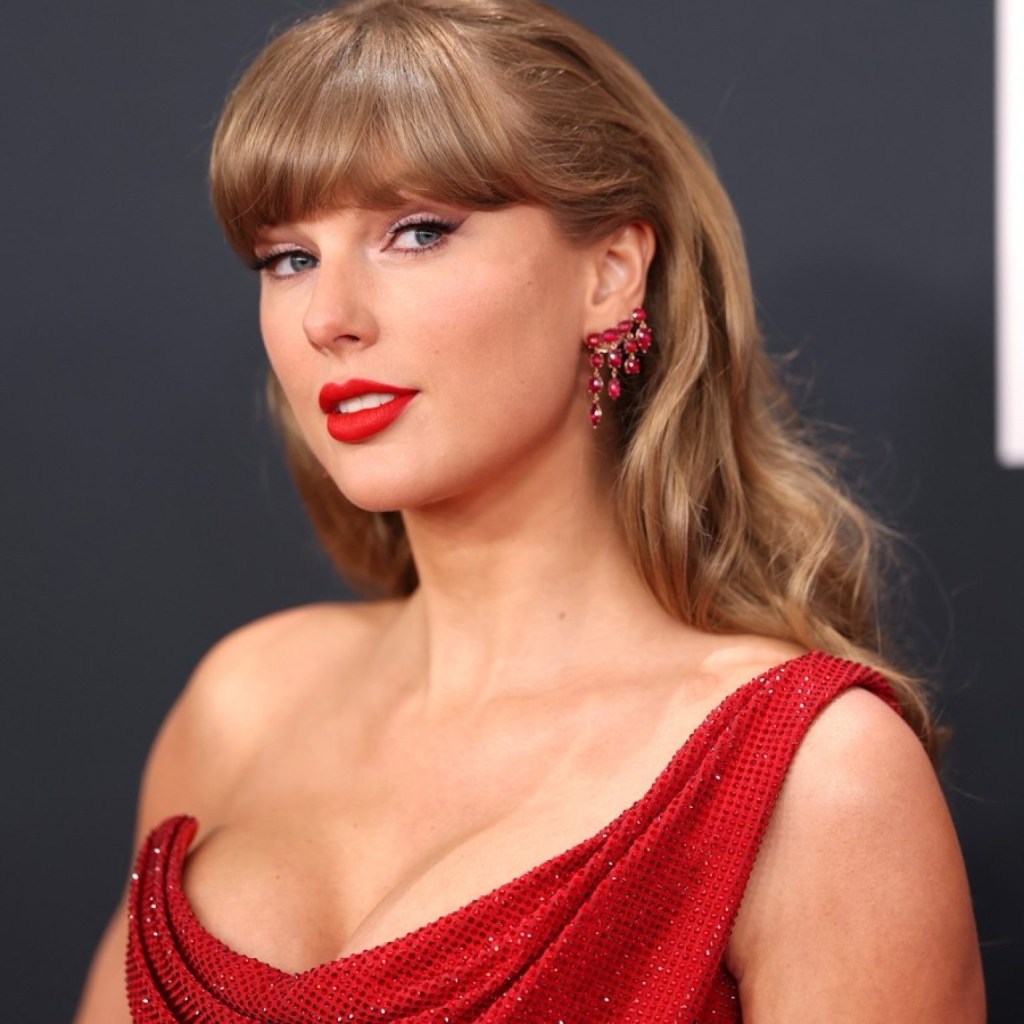
Ah, Taylor. I don’t even have to write her last name and you already know who I’m referring to.

It’s me, hi!

Unless you’re just getting back from a year-long sabbatical during which you traversed the steppes of Uzbekistan with nothing but a backpack and no phone, you probably well aware that Ms. Swift just dropped a new album. And it’s…just okay. It’s nothing to write home about, especially when compared to her masterful previous works, and the lyricism seems to have regressed significantly. I’ll probably write a full review of the album in the next week or so, but I wanted to touch on one of the biggest talking points that’s come up during this album cycle. And it’s probably the talking point that’s been driving me the most bananapants.

Which is just how hilariously clueless the general public is when it comes to music.

Okay, that might have sounded a bit mean coming from a bitch with a music degree and decades of experience, so let me reword it a little nicer — the vast majority of the population has no idea how music theory actually works, especially in the context of copyright law. Now I’m not a lawyer, but I do know a little bit about what can be copyrighted and what can’t. Still, I want to focus more on the music side of things rather than the law side, because that’s the more fun side, right?

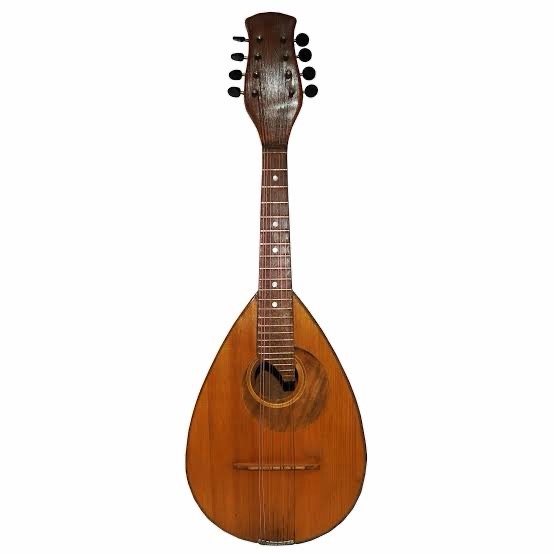
I guess you could count this thing as a percussion instrument.

Anyways, let’s start here — you got these songs. There’s the questionable Charli XCX diss track, “Actually Romantic.” Among the many complaints about the song, particularly that it’s disproportionately mean-spirited, is the observation that it sounds suspiciously like the 1988 Pixies single “Where Is My Mind?” Then you have “Wood,” Tay’s tacky ode to her man’s…manhood, which people have said sounds suspiciously like the legendary Jackson 5 hit “I Want You Back.” And the song I consider lyrically the strongest of this batch, her title track collab with my current celebrity girl-crush, Sabrina Carpenter, shares a similar feeling to “Cool” by the Jonas Brothers, who were famously her associates early in her career. So what the fuck, Taylor? Are we blatantly ripping off other artists now?

And here’s the part where I get to say “Well, ACKSHUALLY” and defend Taylor’s compositional choices (even if some of the lyrical choices are much harder to defend — looking at you again, “Wood”).

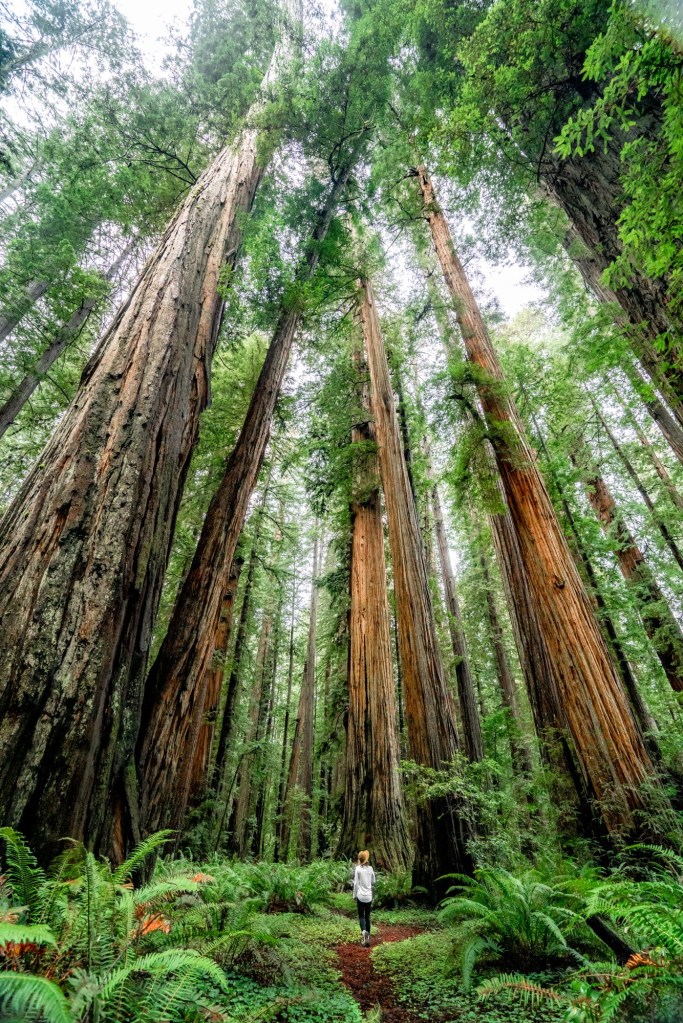
Thank you SO MUCH for making me picture Travis Kelce’s rock hard redwood tree…

In the Western music tradition, you’ve got 12 notes: A through G, plus the sharps/flats in between. It’s important to note that out of these 12 notes, only a handful sound good together. Those notes that sound good together form the “key” of any given song. The key is essentially the artist’s palette of colors. Those are the notes you can put in your song that will actually sound like they fit in the song. Anything outside of the key will sound off and even unsettling at times. That being said, you can use notes that don’t fit into the key, but it takes a certain degree of finesse and theory knowledge to pull off nicely. But for the most part, you’ve got maybe seven notes to work with, which, ya know, ain’t a lot.

Let’s get to chord progressions. What is a chord progression? Well, have you ever listened to “Poker Face” by Lady Gaga and Luis Fonsi’s “Despacito” back to back? Even though the genres of the songs are completely different, the “vibe” is still eerily similar. And that is because they share the same chord progression. There are many, many more examples. “Africa” by Toto. “One of Us” by Joan Osborne. “Peace of Mind” by Boston. “Fuckin’ Problems” by A$AP Rocky. “Alone” by my freaking favorite band of all time, Heart. And that’s just one famous chord progression. The progression the Beatles used in “Twist and Shout” was practically ubiquitous in the 50s and 60s, and the blues as a genre likely wouldn’t even exist without the 12-bar progression we know and love. And — this is important — you cannot copyright a chord progression. If I wanted to write a song that uses the exact same chord progression as Taylor’s “Love Story,” I could — and I have. Heck, she has even plagiarized herself in this regard. Go listen to “Shake It Off” and “Eldest Daughter” one after the other and tell me the latter doesn’t sound like a more somber, slowed down version of the first. That’s because they use the same three-chord progression.

Did Tay lift the chord progressions for her new songs from preexisting songs? There’s a chance, but even if she did, you have to remember that musicians have been gleaning ideas from each other for time immemorial. Everyone is influenced by someone. But there’s also a decent chance she just sat down at her piano or with a guitar and those are the chords that naturally came out. Because, like I mentioned earlier, they just sound good together. Our ears are conditioned since birth to listen for patterns in music, and you’re so used to hearing a V chord resolve into a I chord (that’s historically the most common way to end a musical phrase — the authentic cadence). So when you go to write a song, that’s what you naturally gravitate toward.

There is a great deal of discourse around the supposed lack of originality on this album, but I don’t think that’s a fair critique. I think there are plenty of valid critiques when it comes to this album, but I don’t think this is one of them. You could argue that Taylor opened herself up to more scrutiny in this area when she went after Olivia Rodrigo for rights on a song that only marginally sounded like hers (and like, only if you squint). At the same time, I don’t like any criticism of “copying” in songwriting unless it’s a particularly egregious example. Music, at the end of the day, is a social art, and musicians are going to keep borrowing from each other like they always have. As one of my favorite writers, Austin Kleon, says, it’s okay to “steal like an artist.” I’m allowed to have influences. You’re allowed to have influences.

And so is Taylor.

How Ephemeral Love Becomes Eternal Through Music

Brace yourselves, kids. In this post, I mention both Heart and Taylor Swift.

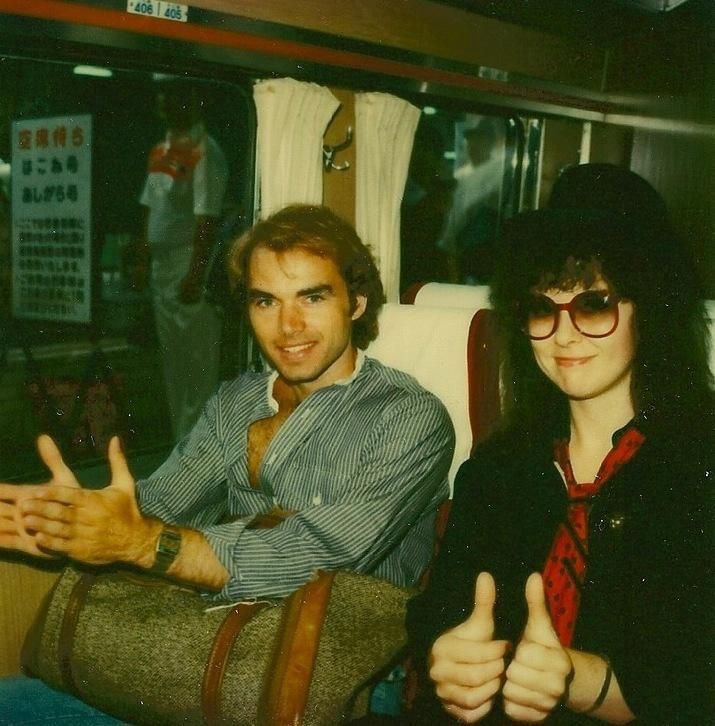
A few days ago, Heart’s original manager, Michael Fisher, passed away. Actually, calling him just their manager is kind of an understatement. In the autobiography of Heart frontwomen Ann and Nancy Wilson, Kicking & Dreaming, Ann tells the story of how Michael was her first love. Their whirlwind relationship inspired one of the band’s earliest and most iconic songs, “Magic Man.”

Why do I mention this? Obviously, Ann and Michael didn’t work out. Michael ended up marrying someone else and having like eleven freakin’ kids, and Ann went on to become a rock star. But their stories are forever intertwined because of that one song. And that’s what this post is about, because when you write a song for someone — or create any art in their honor — you’re preserving a piece of that relationship forever.

I’m a lifelong songwriter. I’m also fascinated by interpersonal dynamics. If you took every song I’ve ever written throughout my life, they would tell countless stories of people who have come and gone and somehow left a mark on me. The songs almost act as containers for the emotions left behind by those old relationships. Each song is a museum of memories. That’s why I have this theory when it comes to songwriting. Well, maybe it’s more of a maxim than a theory. And the maxim is this: If you get even one beautiful creation out of a relationship, it was not a waste of time.

People enter into relationships usually expecting — or at least hoping — to spend forever with someone. The point of dating is to find “your person” (or people, if you’re polyamorous like myself). So when relationships go south, it’s easy to write off the entire experience as meaningless. That’s where art comes in, though. With the magic of creativity, even the shortest-lived tryst can be fuel for a song or a film or a poem or painting.

Taylor Swift is a songwriter I admire deeply, and she’s a great example of this maxim in action. People have given her so much shit throughout the years for writing about her relationships, but honestly, that’s one of the things I like about her writing style. Not because I’m one of those parasocial weirdos who obsess over her dating history, but because that’s how I write songs too. I write about people. She has had many exes, as have I, but I feel like that’s what makes us better at writing. We have these lived experiences we can churn into music, and nothing can take that away from us. Like, she’s not with Taylor Lautner anymore and she hasn’t been with him for over a decade. But “Back to December” is still a beautiful song all these years later, and a song that millions of people still listen to and relate to.

I think of my own songwriting similarly. I think back to Jacob, whom I had a short-lived fling with my freshman year of college that led to the writing of “Smiles & Anchors” and “Tsvi.” I think about Dylan, my high school crush, who inspired “Off the Deep End” and the unreleased track “Outta My System” off my upcoming album Lore. There’s TJ, the muse behind “Song of the Sea,” and Phil, who never reciprocated my feelings but nonetheless influenced the writing of “Oceanography.” There are even songs I’ve squeezed out my non-romantic relationships and the ones that really went south, like the falling out with a former bandmate that led to the writing of “Ladies Don’t Start Fights (But They Can Finish Them).” I can find closure for relationships I wasn’t ready to leave just yet, and peace in relationships I’m happy are over, all because I’ve been able to transmute the pain into something I’m proud of.

I know I write about songwriting pretty frequently, but it is something I’m deeply passionate about. It’s what has gotten me through many breakups and heartaches and unrequited loves. But none of those situations were in vain, all because I could make something beautiful out of them. Relationships — romantic and otherwise — are the backbone of songwriting. We write about human beings and the way they relate to each other. Maybe those relationships don’t last forever, and sometimes, they shouldn’t last forever. Michael Fisher may have been absolutely miserable had he ended up with Ann Wilson, and vice versa, but the love they shared briefly inspired music that people will treasure for generations to come. And to me, that’s the beauty of songwriting.

If you enjoyed the writing in this post and elsewhere on the site, please consider donating to Jessa’s tuition fund! Any help is appreciated!

CashApp: $TheJessaJoyce

Venmo: @TheJessaJoyce

Ten Songwriting Truths I Live By

A writing prompt! I love those!

List 10 things you know to be absolutely certain.

Last summer, I read a truly wonderful book called The Creative Act by one of my music production heroes, Rick Rubin. In it, he writes of many truths he’s uncovered in his time working in the music industry and in everyday life. I fondly remember reading it on the beach, soaking in every word as if it were holy scripture of sorts. There’s so much to learn in studying the work and writings of the greats.

I’m now at a place in my career where younger local musicians look up to me, and it’s a cool feeling. I often have friends ask me about my songwriting tips, and I don’t mind passing along my knowledge. I know I’m no Rick Rubin, but I’ve got almost two decades of songwriting experience under my belt. I know a thing or two about writing a catchy song. So here are my Ten Universal Truths of Songwriting:

1. Writing Anything is Better Than Nothing

This one is so important, I put it first. Think about it. A swimmer swims. A dancer dances. What does a songwriter do? Sit around and daydream about how nifty a Grammy would look on their mantle? No! They write songs! It doesn’t matter if it’s not perfect — just do it! It’s better for people to hear what you have instead of wishing it was something else. After all, there’s no wrong answers in songwriting. You don’t have to be Bob Dylan or have a Lennon or McCartney in your life to craft a song. Anyone can do it. What matters is that you do it. If you never write, you don’t get to call yourself a writer any more than I get to call myself a golfer.

2. Shortcuts Are Best Used Sparingly

I can’t chastise anyone for using AI for inspiration. I played with fire myself, and even though I came out the other side leaning more anti-AI than pro, I’d be a hypocrite if I said I never utilized it in any capacity whatsoever. But take it from someone who has used it in songwriting. Using AI will bork your creativity and make your imposter syndrome worse. Use it for chord progression ideas. Use it to flesh out demos. But for the love of God, do not use AI as a crutch. You will get way more satisfaction crafting a song yourself.

3. Grammar Comes Second to Flow

I’m big on the Max Martin School of Pop Songwriting, including and up to prioritizing the catchiness of a song over everything else. That man’s first language was not English and it shows, but in a way it liberated him to be more creative with the language. In “Break Free,” a Martin-penned tune, Ariana Grande sings “Now that I’ve become who I really are,” a sentence that makes no grammatical sense but sticks in your head. I used the same verbiage in “Kalamazoo” in homage to Max Martin, actually — “But I’m happy where I are; I don’t wanna be a star.”

4. You Don’t Have to Reinvent the Wheel

Did you know that most popular music uses the same chords as Johann Pachelbel’s much-loved Canon in D? Those chords are the I, IV, V, and occasionally the minor iii and vi. You’ve probably seen or heard the Axis of Awesome four chords video at some point if you play music, but it stands true. You don’t need to throw in weird jazz chords to make things interesting. You can, but you don’t have to, and too many weird chords muddles things in my opinion. I try to throw in one spicy chord per song, if that. But the truth is, you can’t copyright chord progressions, so don’t feel bad about borrowing from your favorites. Speaking of which…

5. Studying the Greats Makes You Great

Don’t just listen to your heroes. Study them. What did they do, both in their music and out of it? I’m lucky that one of my biggest inspirations as a songwriter is Taylor Swift, whose songwriting processes have been studied and dissected numerous times, to the point where her work is studied in colleges. Because I see a lot of her writing in my own writing, I enjoy reading about how she writes songs, especially to glean inspiration for my own. (Which reminds me, I’m due to write a fun glitter gel pen song soon.)

6. You Are Your Own Artist

As much as I fancy myself a follower of the Swiftian School of Pop Songwriting (yes, there are a couple different Schools of Pop Songwriting), I know I’m not Taylor. I’m not Max Martin. I’m not the Wilson sisters from Heart or Jon and Richie from Bon Jovi either. I know I make a shitty Taylor Swift or Ann Wilson, but I make a great Jessa Joyce. And the best part is I get to decide what that looks like for me and my life — and my songwriting. I found a lot of freedom when I stopped trying to fit my music into a box. Sometimes music doesn’t fit into a pre-existing box. Do you think King Blizzard and Wizard Gizzard or whatever the hell their name is would have a career if music had to fit into a box?

7. You Can Find Inspo in Anything — ANYTHING!

When I was in college, I was dating a guy who played circles around me, guitar-wise. Like, one of the best guitarists I’ve ever heard in person to this day. But he couldn’t write like I could. He didn’t believe me when I said I could write a song about anything, so I wrote a song about his noisy-ass fridge. It slapped. When people ask me my advice for starting out writing songs, I usually say pick a theme of anything — it can be the ocean, candy, your record collection — and just collect phrases and metaphors relating to that thing.

8. Collaboration is Key

Sometimes the best moments in songs are happy accidents with other people. When Wake Up Jamie wrote “Bones” (a song that may or may not ever see a proper release), we just frankensteined together various bits and bobs we’d written individually. I wrote the catchy chorus, natch, while the other frontwoman wrote the verses. The main riff was all the lead guitarist, and the drummer decided to insert a metalcore-style breakdown in the middle of this otherwise funk and glam-inspired song. Had I been more of a control freak than I am, these elements would have not been possible. But I let go of the reins a little and ended up penning one of my band’s coolest songs.

9. Music Theory is Your Friend

Don’t fall victim to that whole “Music theory is for nerds” mentality. Knowledge is power, especially in music. Sure, you can learn the rules if only to break them, but it’s good to know the rules so you know how to break them most effectively. It’s important to know why music works together. Learning the basics of music theory will help you create more musically and artistically interesting works. Unless you’re creating nothing but barebones punk, you need more than three power chords and the truth.

10. Music Should Be Emotional

I saved the best one for last. If the music you’re writing doesn’t make you feel something, you’re not doing it right. I’m a proponent of getting high on your own supply, so to speak. I listen to my own music all the time. It should spark a sense of pride in you. I know I don’t have much. I’m not a celebrity. I’m not rich or powerful. But I’ve got these songs, and they’re a part of me, and that’s gotta count for something. Throw your entire self into your craft, emotions and all. You’ll never regret the songs you leave behind one day.

If you enjoyed the writing in this post and elsewhere on the site, please consider donating to Jessa’s tuition fund! Any help is appreciated!

CashApp: $TheJessaJoyce

Venmo: @TheJessaJoyce

More Than Words: Five Quotes I Live By

Do you have a quote you live your life by or think of often?

If there’s one thing I can take away from being a writer my whole life, it’s the fact that words are powerful tools. We can use them to build people up, tear each other down, spread information, spread misinformation, and evoke strong emotions. Something I’ve always been fascinated by is the use of mantras or affirmations for self-improvement. Just repeating a certain phrase to yourself can make an impact on your mental health. And here’s the thing — your affirmations don’t have to be anything in particular, so long as they resonate with you.

Like a favorite quote!

As I began writing this post, I realized I have a handful of quotes I constantly repeat in my head like mantras. They’re the words that shape my personal philosophy and the way I approach life. I never really stopped to actively consider and appreciate how these words have shaped my experience as a human being. But I wanted to share a few of these quotes I carry with me.

She refused to be bored chiefly because she wasn’t boring.

Zelda Fitzgerald

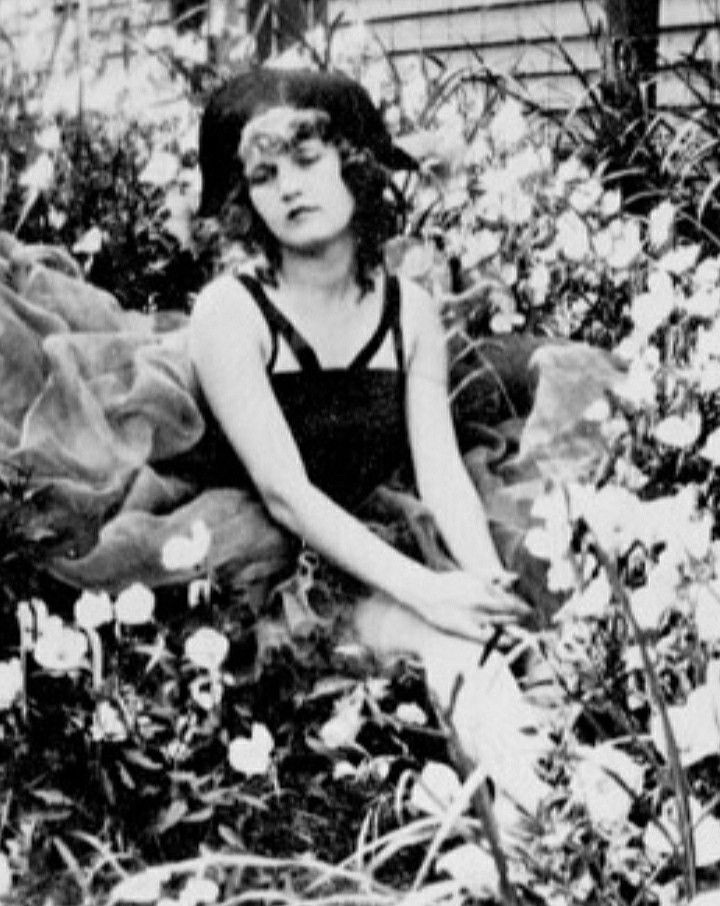
This first quote comes from the iconic flapper wife of F. Scott Fitzgerald, who absolutely should have been absolutely as famous as him in her own right. She was a Renaissance woman — a writer, painter, and dancer, who went on to die tragically in a mental hospital fire. I see a lot of myself in her story. She was diagnosed with schizophrenia, but had she lived today, she would have received a bipolar diagnosis like me.

Zelda was a wild child with many diverse interests, so I can’t imagine a woman like her would ever be bored. That’s kind of how I want to be. I don’t enjoy being idle, and I don’t ever want to be boring. I always want to be involved in exciting new projects and opportunities. Life’s too short to sit around and be bored. You gotta actively make a life worth living. That’s kind of what the quote means to me.

Show love with no remorse.

-Red Hot Chili Peppers (“Dosed”)

I remember the first time I heard this song and being entirely floored by how beautiful it was. It was in the car with my former drummer Jerry and another short-lived bandmate on the way to our bandiversary date. I’d heard plenty of Red Hot Chili Peppers before that day, but this was the song that really made me appreciate them on a deeper level. I loved the guitar work, the harmonies, and perhaps most importantly, the words.

I’ve always said I wanted this exact lyric tattooed on me someday. I just think it’s a simple concept. You’ve got nothing to lose by giving love freely and joyfully. We need much more love in this world, and now is not the time to be stingy with it. You’ll never regret treating people with kindness.

Never attribute to malice that which is adequately explained by stupidity.

-Robert J. Hanlon

I hesitate to call this a quote. It’s technically a philosophical razor, which eliminates — or rather, shaves off — weak explanations for a particular phenomenon. The phenomenon at hand when it comes to Hanlon’s razor is “Why are people awful to each other?” And the explanation it offers is simple: people just don’t know any better.

Hanlon’s razor is why I still have faith in humanity, even after I’ve witnessed some of the worst of it. People very seldom intend to hurt each other. We’re all just big dum-dums that say and do the wrong things sometimes, and we really need to treat each other with more grace. That’s why I don’t believe in cancel culture — we need a grace culture. If you make an honest mistake and own up to it, that shouldn’t be held against you. No one is perfect, and we can’t hold people to impossible standards.

Do not be overcome by evil, but overcome evil with good.

-Romans 12:21

I struggled to think of just one Bible verse to include, since so many have been influential to me growing up in the church. But this one felt really relevant with some of my recent posts about loving your enemy and fighting the rampant dehumanization of marginalized folks in our society. It’s easy to lash out against the people who are hurting me and my loved ones. But you have to remember that they’re human and they’re hurting too. Hurt people hurt people. It’s not an excuse, but it’s an explanation. And it’s why I choose love — because you don’t know what someone else is going through.

The verse immediately before this one talks about how offering your enemy water when they’re thirsty is akin to heaping hot coals on their head. The Good Book is telling us to kill them with kindness. I saw a post recently that said the true test of a Christian is not whether they love Jesus, it’s whether they love Judas. I’ll admit it’s hard for me to show love to the people who hurt me. The human part of me wants revenge. But the divine answer remains to be love.

Where words fail, music speaks.

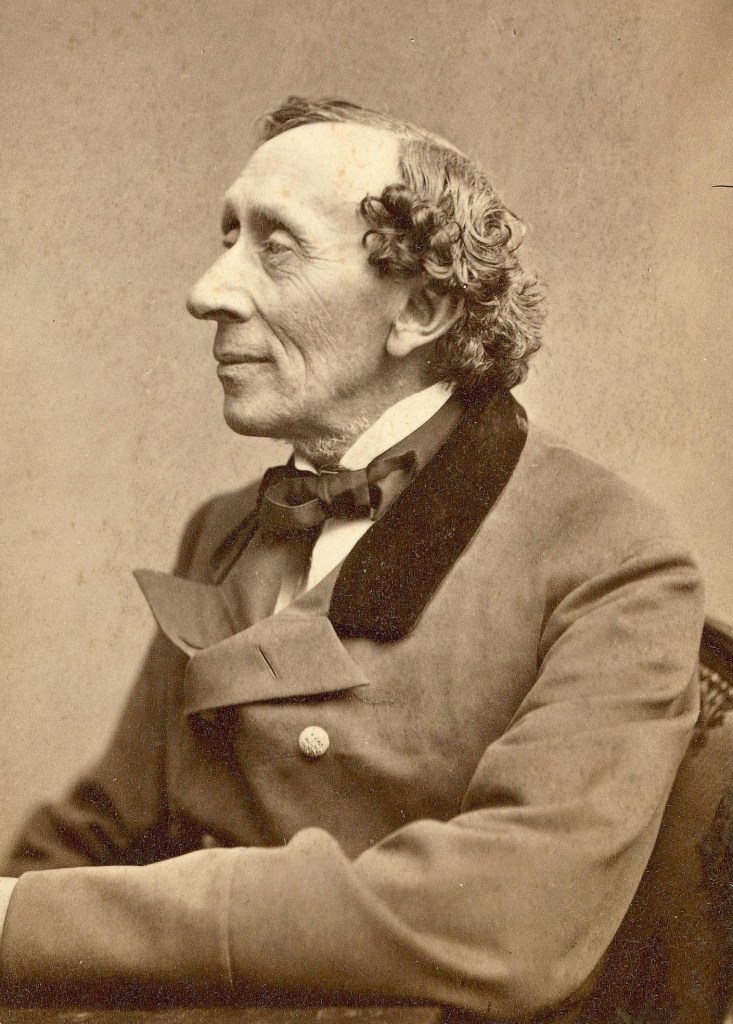
-Hans Christian Andersen

I’ll admit I never knew the person behind this quote was none other than the Danish purveyor of fairytales such as The Little Mermaid, The Emperor’s New Clothes, and Thumbelina. But I’ve always related to this quote. As a child, the signs of my autism were very apparent. I would often stim by pacing or making bird sounds, and I had sensory issues surrounding things such as loud noises and upsetting smells (looking at you, ranch dressing). And like many autistic kids, I struggled to communicate with my peers. My classmates thought I was from France for the longest time because I never spoke in elementary or middle school, so they assumed I had an accent or didn’t know English or something.

But then I picked up a guitar, and everything changed. When I learned to play music and started performing, that was when I truly found my voice. Music was my way of reaching out into the world. I call music my first language for good reason. It was the bridge that connected me to other people for the first time in my life, and for that, I’m forever grateful.

What quotes do you live by? Leave your favorites in the comments!

If you enjoyed the writing in this post and elsewhere on the site, please consider donating to Jessa’s tuition fund! Any help is appreciated!

CashApp: $TheJessaJoyce

Venmo: @TheJessaJoyce

Girls Just Wanna Have Funds: Figuring Out How I’m Going to Pay For School

What is the biggest challenge you will face in the next six months?

So I started audio engineering school this year. That was the best next step for me after the disaster that was my music therapy internship. And so far, so good! I’ve gotten nothing but As in both of my classes so far, and while I’m far from being finished with this degree, I’m confident I have what it takes to make this one happen.

There’s just one little problem. You see, school is like, really fucking expensive.

So therein lies the dilemma. Ya girl needs money, and I’ve been racking my brain trying to think of how I’m gonna raise like, $6,000 between now and September. I’ve toyed with a lot of ideas. I’ve considered streaming video games, and even tried launching a streaming channel a few times with varying amounts of success. I’ve thought about busking on the streets with my guitar. Heck, OnlyFans crossed my mind on occasion. I do, uh, have a lovely bunch of coconuts.

Big ones, small ones, some as big as your head!

None of these ideas are great, though, and I know this. I think about my wife and how the only thing she’s talked about for the last two months is buying this huge T-shirt printer for her merchandising business. She’s locked in. She knows what’s going to make her money. Meanwhile, I feel like I’m throwing spaghetti at a wall and seeing what sticks. Ideally, I’d earn the money I need for school doing something I’m good at, but it’s hard to monetize the two things I’m actually good at.

I wish I could monetize this blog somehow, since it is where I publish much of my writing. I have made money as a writer before, but it was damn near impossible when I’d just graduated with my journalism degree in 2015, and the climate is even worse now. Between the rise of party press bullshit in the journalism world again, the fact that many writers are willing to work for free, and the elephant in the room that is AI, writing jobs are pretty much extinct.

So I’m going to try something new in my blog posts. At the end of my posts, I’m going to add a section asking for donations. I’ve toyed with the idea of switching to a subscription-type of platform, but the end of the day, this blog is a labor of love, so I want to keep my writing free for everyone to access. But if anyone feels particularly moved by a certain piece of writing, I’d like to have the option for readers to give whatever they deem reasonable.

That’s my plan for hopefully getting a little extra cash for my classes. I’m also looking into additional jobs. I’m far too attached to my teaching and performing gigs to let them go, but I’m interviewing for a position at an overnight vet clinic tomorrow, so I’m praying that works out. (Here’s your cue to pray/send good vibes/make a neat spell jar too — I need all the divine intervention I can get.) Until then, me and my broke coconuts will brainstorm other get-rich-quick schemes.

That’s where I keep all my wild ideas.

If you enjoyed the writing in this post and elsewhere on the site, please consider donating to Jessa’s tuition fund! Any help is appreciated!

CashApp: $TheJessaJoyce

Venmo: @TheJessaJoyce

The Art of Becoming Immortal Through Writing

You’re writing your autobiography. What’s your opening sentence?

“She was born in the middle of a snowstorm on her mother’s birthday…”

Okay, maybe I won’t be pretentious and write it in third person, but I’ve very much toyed with the idea of writing an autobiography of sorts. I always said I’d wait until I was actually important to write one, but honestly, who’s the judge of importance? Lots of ordinary folks have put their life down into words.

It seems fitting to get this prompt on the eve of my birthday. I’ve been thinking a lot about how I want to preserve my story as I get older. I know I don’t want to be easily forgotten, that’s for sure. My biggest fear stems from one of the best animated films of all time in my opinion, Coco. At one point, a man literally dissolves into nothing after the last person on earth who remembers him dies. I don’t want to fade quietly into obscurity, with my story and my creations and my entire existence irretrievably forgotten.

Nothing like a whimsical cartoon fantasy to launch you into an existential crisis.

That’s why I write this blog. In a way, it is my autobiography. There’s stuff on here I’m very proud of. There’s stuff on here I’m not as proud of, but it’s part of my experience nonetheless. It’s different from my social media accounts where everything is sort of curated for the particular medium I’m posting on. In this blog, though, I can be completely myself. I’m not beholden to any standards or expectations. This is my little corner of the internet to do whatever I please with.

And so I write. I write about all of the things I love. I write about all of the things I’m passionate about. And most importantly, I write down my life story. Because when I make it to the end of the road, I don’t want it to be for naught. I want my life to have meaning.

I’ve been considering my own mortality quite a bit lately. I’m becoming acutely aware of the fact that I’m slowly catapulting toward death, maybe quickly if things in the world keep progressing (or rather, regressing) the way they are. I don’t want to be a doomer and assume it’s going to get that far, but if it does, we need to preserve our stories. Anne Frank humanized an entire people group through her writing, even if she ultimately perished. Her writing lives on. She lives on.

And that, my friends, is why I write.