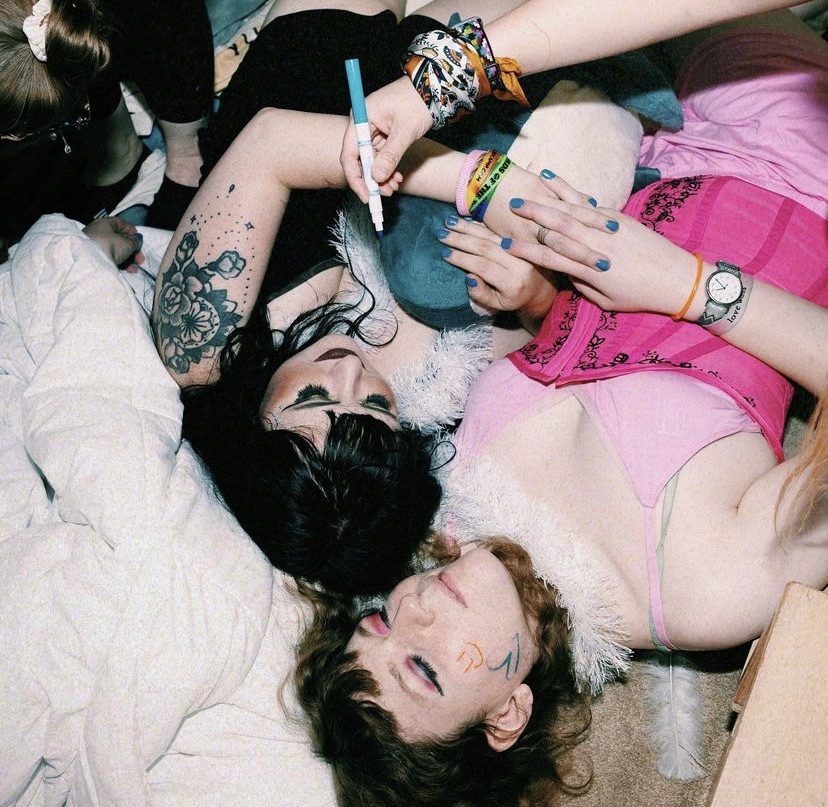
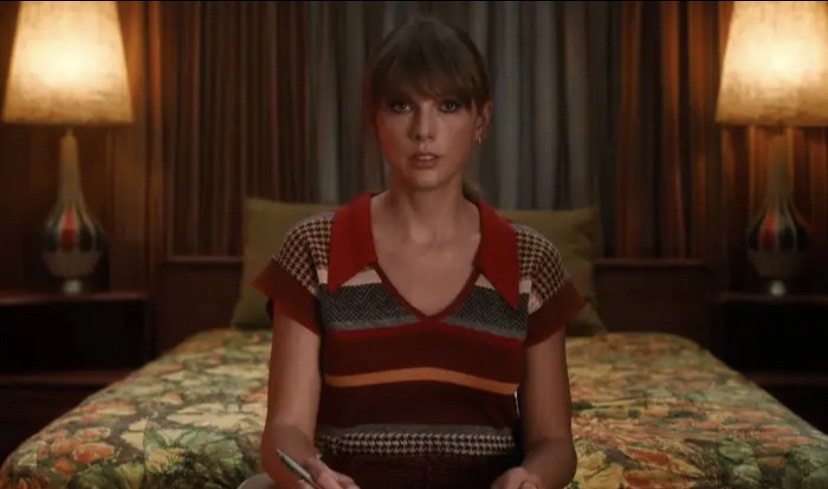
This past weekend, my beautiful partner and I attended a “sleepover” hosted by a South Bend-based company that puts on little dances and other fun events. No one actually slept over, but it was structured to give the feeling of a real teenage sleepover, only for adult women. The company rented out a huge fancy-ass Airbnb for the shindig, and we all piled into the enormous living room for typical slumber party activities. It was silly. It was fun. But most of all, it was strangely healing.
I didn’t grow up with a lot of friends. I had one friend, Shanna, who didn’t go to school with me. Otherwise, I was completely on my own. I remember watching the other girls do those handclap things that little girls do with each other on the bus and wishing I had someone to do them with. I’d replicate the motions with the seat back in front of me and pretend it was another girl. I never got to do the “steal mom’s makeup and do each other’s faces” thing. I remember eating lunch in the library because sitting next to ugly awkward Jessica Salisbury was a social death sentence (and also to avoid being pelted with ranch dressing packets). Needless to say, I didn’t have a lot of female friends to live out youthful rites of passage with.
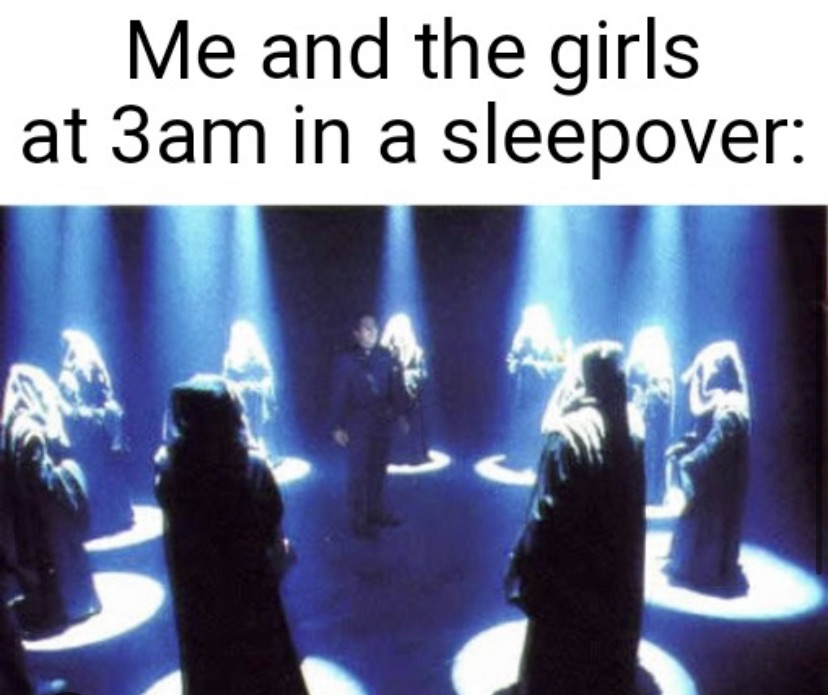
Like starting a cult.
Things got a little better with my friend Chelsea in middle school, but even then, I was still largely the pariah. I didn’t get invited to things. I was last to be picked for, well, anything. In high school, I went to a few sleepovers, only to get my underwear frozen in a block of water. I was the butt monkey of my “friend” group, usually only brought around to make fun of. My friendships with other girls tended to be toxic and life-sucking.
So being surrounded by positive feminine energy at this silly little slumber party event was, somehow, a way for me to process my unresolved bitter feelings about girlhood. I wasn’t the only one — my partner, being trans, was socialized as a boy, so she never got to experience the magic of sleepovers with other girls either. Toward the end of the night, we held each other and cried happy tears, both having reconciled with parts of our childhoods and teenhoods we missed out on.
Including our friends doodling on our faces while we slept.
There’s something magical about coming together with a group of other like-minded girls and living your best lives together. We humans are meant to be in relationship with one another — no man (or woman) is an island. Connecting with each other is such a healing experience, especially after you’ve experienced the trauma that comes with bullying and ostracism. I wish I could tell little-me that she’d find her people eventually, and that the pain doesn’t last forever.
Me and my partner as kids. I’d like to think we would have been friends ❤️
I was browsing Barnes & Noble when I happened upon these little cards. It’s a box of 70 writing prompts meant to inspire self-love and reflection. I need some fresh material for my blog other than giving life updates, and this seemed like the perfect way to spark some creativity. Sitting at a hookah bar with my wife, I drew my first card:
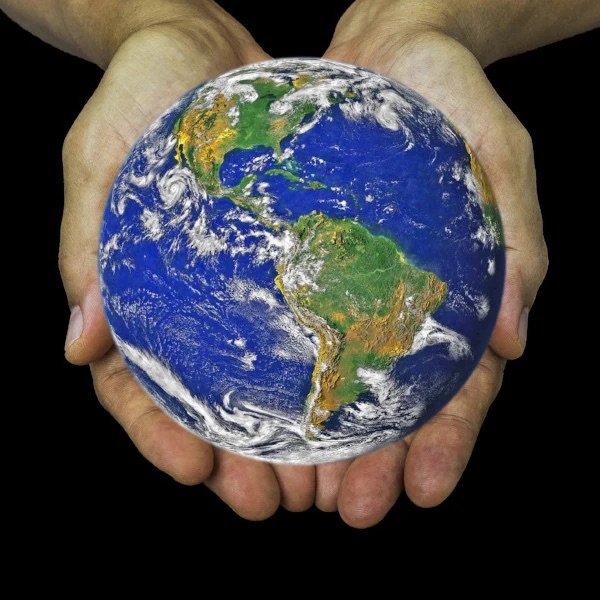
And I blanked immediately. How do I feel connected to the earth? That’s such a lofty concept, I’m not sure I know how to answer that. The first thing that came to mind was my dabblings in magic and witchcraft. I hesitate to call myself a Christian witch (which is not an oxymoron surprisingly), as I don’t practice nearly enough. But my personal religious beliefs align somewhere between Christianity, witchery, and science. And a connection with our life-giving planet is a crucial part of all of those philosophies.
When I lived by the lake, I liked to take walks and collect various things I found along the way. Little pinecones and flowers and such. I’d put them on my altar alongside my favorite crystals and religious symbols like pictures and statues of saints I admire. I took a lot of pride in arranging my findings to be aesthetically pleasing. It was soothing, and I felt like I was bringing a little bit of Mother Nature home with me.
Another practice I enjoy when it’s a little warmer out is grounding by standing or laying on the grass or dirt with no shoes. Someone once told me it’s a great way to feel connected to the earth, and I agree! Is there anything scientific to it? I doubt it, but it feels good. I like standing in water even more though, feeling the waves hit my feet and my toes buried in the sand. I think it’s the Pisces in me, or maybe the Michigander in me. I just really like lakes, okay?
On a grander scale, just existing alongside other living beings makes me feel like part of something greater than myself. We’re all part of this beautiful cosmic experiment called humanity, and it’s pretty awesome when you think about it. We’re eight billion interconnected stories, all unfolding at once. Someday, God willing, I’ll have kids of my own, and perhaps they’ll have their own kids eventually, and the great cycle of life will continue. It’s the same cycle that’s been happening since the dawn of time. I’m someone’s great-great-granddaughter, and maybe one day, I’ll be someone’s great-great-grandmother. It’s all very overwhelming and exciting to think about.
I think being connected to the earth is much more than just being connected to a clod of dirt floating in space. It’s being connected to each other, to flesh and blood, and it’s being connected spiritually. You can’t love the planet without loving one another. We’re all a part of this together. And that’s pretty dope actually.
It’s amazing how fast things turn around when you’re actually following the path the universe wants you to follow.
This time last week, we were in an AirBNB in a nowhere town on the Indiana border with no prospects as far as apartment-hunting goes and little going on job-wise. My wife Crass was working a dead-end apprenticeship that had her answering phones and not doing much else. I was a music teacher in name only, since I couldn’t recruit students fast enough to pay the bills. We were running out of money fast. If something didn’t change, we were going to end up having to move home with our parents — or worse, on the streets.
Then, Crass suggested something wild.
“Let’s go to Kalamazoo.”
Which is the name of a real place, for those readers who are not from the Murder Mitten.
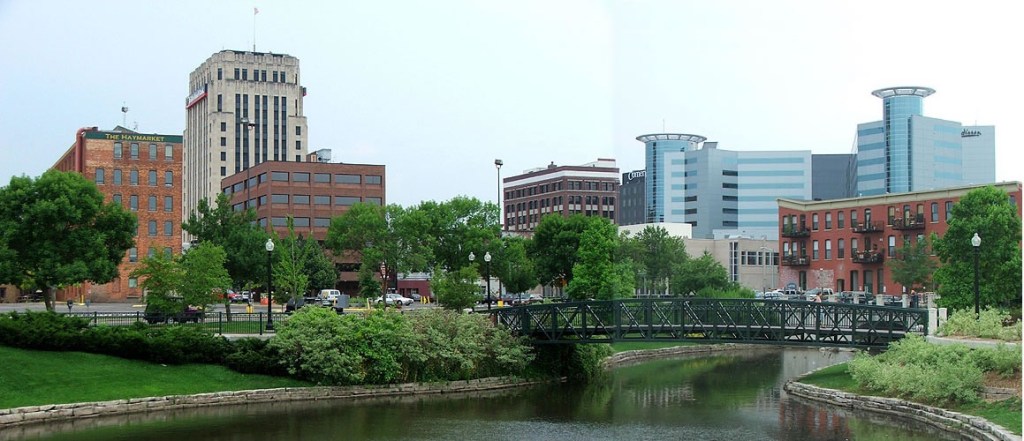
And it made sense. We’d toyed with either Kalamazoo or Chicago in the past, and Kalamazoo seemed like the best choice. It’s in Michigan, so we wouldn’t have to change our hard-won Medicaid insurance to another state. It’s also conveniently almost equidistant from Detroit (where our parents live) and South Bend (where my other partner, Olivia, lives). There’s a robust art scene, and Western Michigan University is there, so I can go to grad school when I’m ready. It seemed so perfect, something had to go wrong.
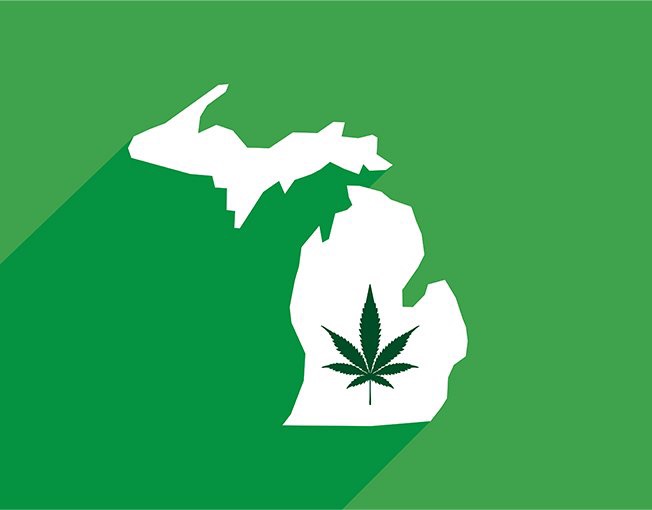
But it didn’t. In fact, as soon as we decided on Kalamazoo, things started falling together. We found an apartment complex that wouldn’t judge us for not having any recent paystubs and would give us a chance based on credit history alone. And it turned out to be a three-bedroom townhouse bigger than anything we’ve ever rented before! Crass will have space for her art and merch manufacturing machines, and I’ll have a room for a studio and all my instruments. When we went job hunting, Crass almost immediately lucked into a managerial position at an office supplies store, and I managed to impress the folks at Guitar Center enough that they’ll likely hire me on in the next few days. I also have an interview for a dispensary coming up next week. Gotta capitalize on Michigan’s weed-friendliness, ya know?
Did I say “Murder Mitten”? I meant Marijuana Mitten.
I was excited to start a life in the Michiana region at the suggestion of Olivia, but the truth is, not a lot is going on as far as the Michigan side goes. I love South Bend and Mishawaka — but I can’t live there without losing my insurance (and the protection of Big Gretch, who recently posted a video in support of the queer community). Nothing was working out there, and I was languishing without any direction. I’m still mourning the fact that I won’t be able to see my darling Olivia every day the way I’ve gotten used to these past few weeks, but I need to be somewhere where I can be the best version of myself. For me, and for her, and for Crass, and for our future family.
Pictured: the reason I do things.
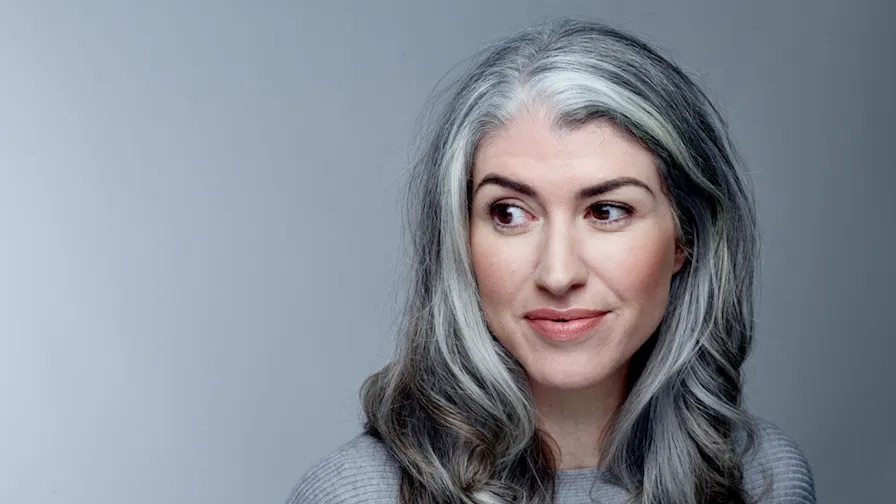
This has been a rough year. We dropped everything to move to Fort Wayne for an internship that didn’t pan out, and I found myself reevaluating my entire trajectory when music therapy turned out to be something I couldn’t see myself doing my whole life. When that failed, we retreated to that AirBNB in hopes of starting anew. When that failed, I almost lost all hope for the future. I didn’t think I’d ever get the career and the family I’d dreamed of. I was in a dark place. But there’s a light at the end of the tunnel, and I’m pretty sure it’s not a freakin’ freight train this time, because I’m sick of getting run over again and again. I’m actually excited for this new chapter and what is hopefully going to be some stability in life. I’ve been so stressed with all these twists and turns lately. I even got my first gray hair!
If I’m gonna go gray at 31, I’m going all in.
In other words, I’m cautiously optimistic. I’ve been burned too many times these past six months, but as my therapist always says, “What if it all goes right?” This next step is exactly what I need. And I hope you’ll all be there to watch me finally thrive.
If you didn’t already know, I tend to straddle the line between emotions and logic. I’m an almost perfect blend of my parents in that way. My brain works almost too well — if I swing too hard into the emotional realm, I’m good at thinking it over until it’s not as scary. But sometimes my logical side overpowers everything and I overthink the everything.
This can be dangerous. Especially when it comes to creative endeavors.
There’s a French term analogous to deja vu called deja entendu, and yes, I know this from my problematic faves, Brand New.
Me, emo? Never.
Deja vu means “already seen,” but deja entendu means “already heard.” It’s the auditory cousin. And it’s haunting me. You see, there are 12 notes in the Western music scale, including the sharp and flats, and each of those notes can build major and minor chords in addition to other weird chords nobody talks about. There should be seemingly limitless combinations of sounds, but I keep getting hung up on the fact that there is a finite amount of combinations you can make. And unless you want to make weird artsy proggy stuff like two people will listen to, there are formulas to stick to for the sake of making things aesthetically pleasing. My problem isn’t that I can’t write good music — it’s that I feel like nothing about write is original, or even can be original, because everything good has already been written.
It’s the weirdest writing block I’ve run into.
I’ve been doing a lot of recording and producing lately, and although I’m proud of how my music is sounding, I can’t help but wonder if someone else is out there doing it already and doing it better than me. There are eight billion-ish people on this planet. At least a couple are producing their own mediocre pop-rock anthems too. What sets me apart from them?
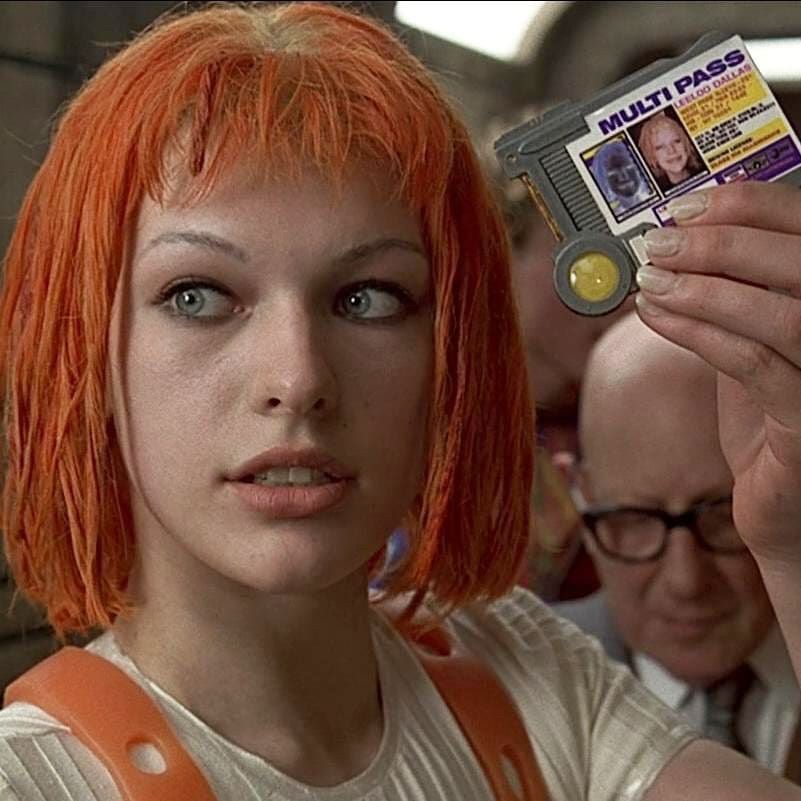
I think this is where my emotional side comes in, because it’s the part that reminds me that my music is valuable and my perspective is unique. I’m the only person in the world with the lived experience I have, and no life will ever unfold the way mine did again. If Jack Antonoff or Rick Rubin came in to produce the exact same song I’m working on, it’s not going to sound the same because they’re not me. My music is mine. What makes it unique isn’t the chord progressions or the lyrics or the fancy microphone I’m still paying off. It’s the human aspect, the fifth element.
It’s her!
Still, it’s frustrating when your brain won’t let you believe anything you create is unique. I’m pushing forward despite being mired in this feeling. I don’t want to lose the momentum I’ve gained. I’m going to keep moving and keep creating.
I swear whoever makes the prompts for WordPress is stalking me.
What is your career plan?
…is a question that has been on my mind constantly since deciding to step back from music therapy, aka the only career path I saw myself on for literally my entire adult life. Funny how things change so quickly.
So basically, I’m back to the drawing board as far as my career plan goes. I’ve been busy regrouping and trying to figure out my next steps, and I feel like I’m finally getting to a place where I can accept myself as someone other than Jess J. Salisbury, MT-BC. She was someone I’m not, and that’s okay. Adulthood is about constantly rediscovering who you are.
But while I don’t have a solid plan for moving forward yet, I do have a few ideas for how I’d like things to fall together in the future.
Step One: Teach Music
Straightforward enough. I need a job to survive, and I’m not a bad music teacher. I actually enjoy it quite a bit! I’ll need a stable job to fund the next step.
Step Two: Start a Recording Studio
My dream for my music therapy degree was to start a studio akin to this one. I wanted to help people of all ages and abilities to create music they can be proud of. And the good news is, I don’t need a music therapy degree to do this! I can just, you know, start one. Of course, a music therapy degree would add some legitimacy for marketing purposes, but so would…
Step Three: Get a Master’s in Music Production
Okay, maybe I’m just inspired by my girlfriend getting her master’s degree recently (CONGRATS LIVVY!), but I’ve always wanted to get a higher education in…something. I always used to joke that I refused to die before I had “Dr.” in front of my name. I still would like a doctoral degree in something, but first things first. Berklee has a completely online master’s program in music production that looks awfully tasty.
Step Four: Record My Friends’ Bands
When I asked a music producer friend in Nashville what her advice was for getting involved in the industry, she said word-of-mouth was the key to success. So to get my name out there, I want to record music for my friends for free. From there, I can build a following and a client base.
Step Five: Start an Art and Music Collective
This is a bit of a pipe dream, but I want to open a facility for people to safely create in their preferred medium. This could take the shape of a coffeeshop or music venue that puts on shows and has space for artists to work. I want to promote creativity and expression in the community and give back any way I can.
I’m realizing one of the biggest motivating factors behind everything I do is my fear of being forgotten. It’s part of the reason I want kids. It’s part of the reason I want to make recordings of my songs. It’s part of the reason I want to donate a shitton of money someday to get a bench with my name on it. One day, when I die, I want people to remember my name. And I hope my career plan leads me to that sort of immortality. I want to have been a pillar of the community. I want to leave a legacy.
Not a humanitarian crisis, although there are plenty of those happening in the world too.
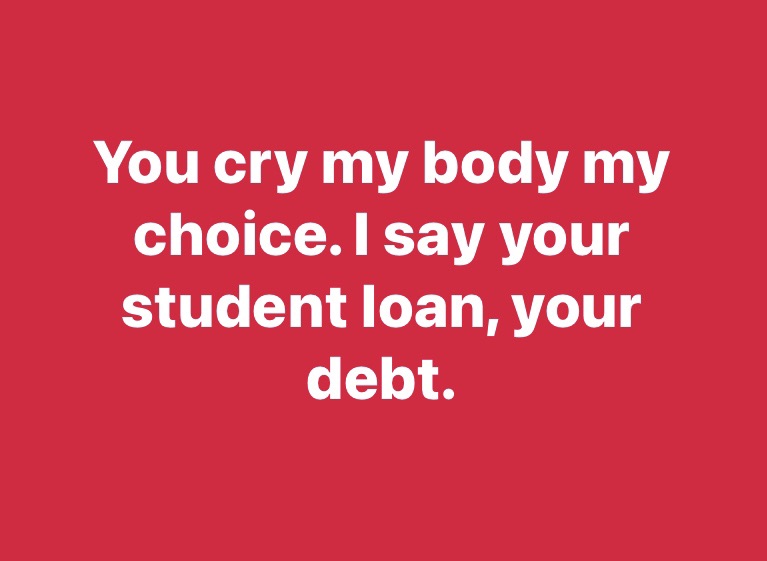
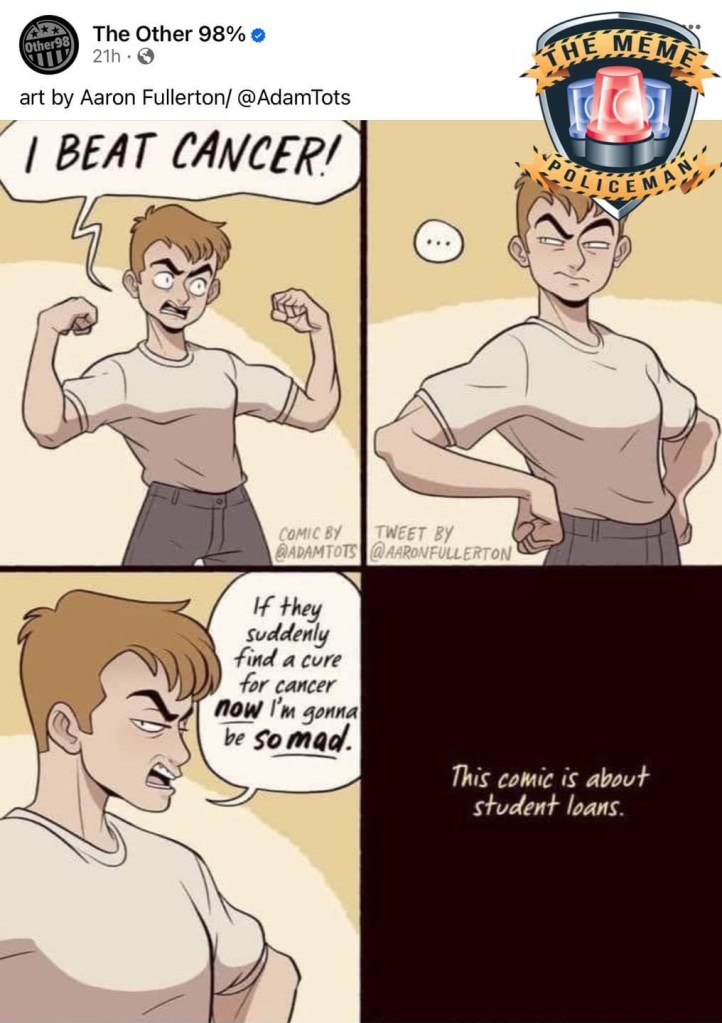
You see, maybe I’m friends with the wrong people on Facebook, but it seems like almost daily I’m inundated with memes like this one:
Or this one:
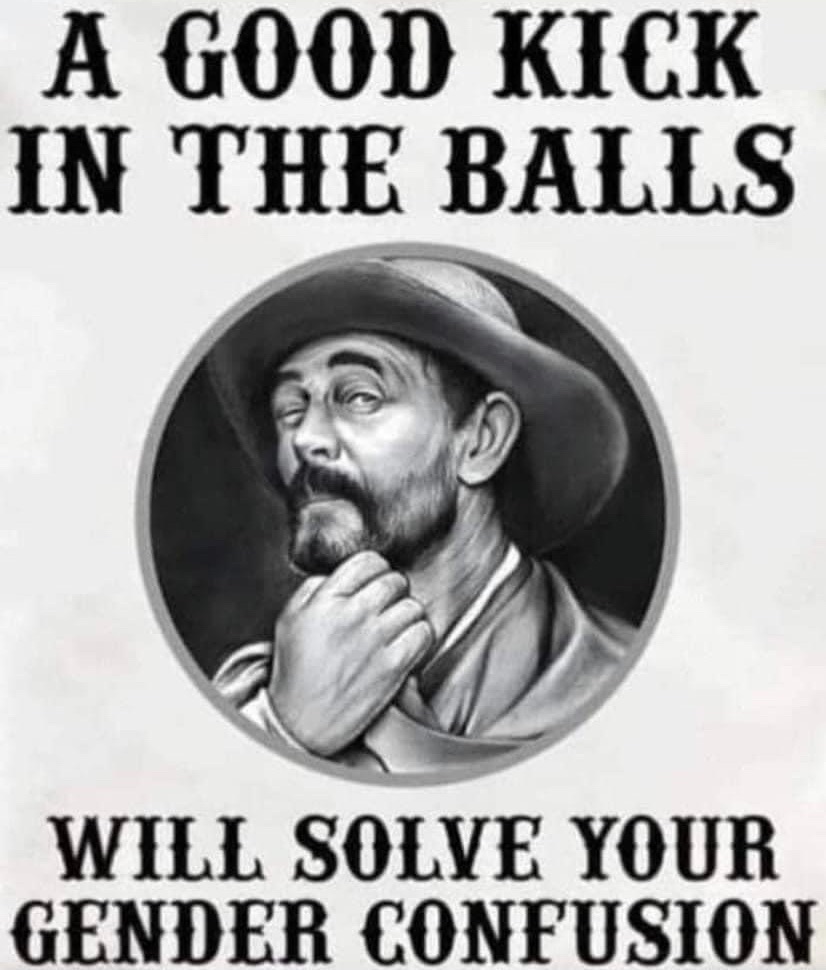
None of those good enough for ya? How about one that’s both transphobic and threatens physical violence?
Double the assholery, double the fun, or whatever that gum commercial said.
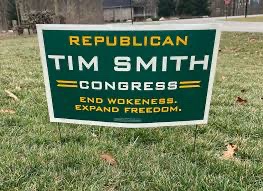
The funny thing is, most of the people who share these memes will turn around and share DO YOU LOVE JESUS?! TYPE AMEN! types of posts in practically the same click. It would almost be funny if these same people didn’t have so much power. But as we learned with the overturning of Roe v. Wade, these folks can and will take away fundamental freedoms from us. Freedoms. You know, the very thing the right loves to brag about preserving.
“Expand freedom” my left asscheek.
I don’t know at what point in history “helping others” and “being a decent fucking human” became a partisan issue, but for some reason, it is. And I blame toxic individualism.
A certain amount of individualism isn’t bad. It’s what enables us to stand out and create new things. Nothing great would be accomplished without someone pushing against the grain. It’s when individualism evolves into “I got mine, so screw you” that it becomes toxic.
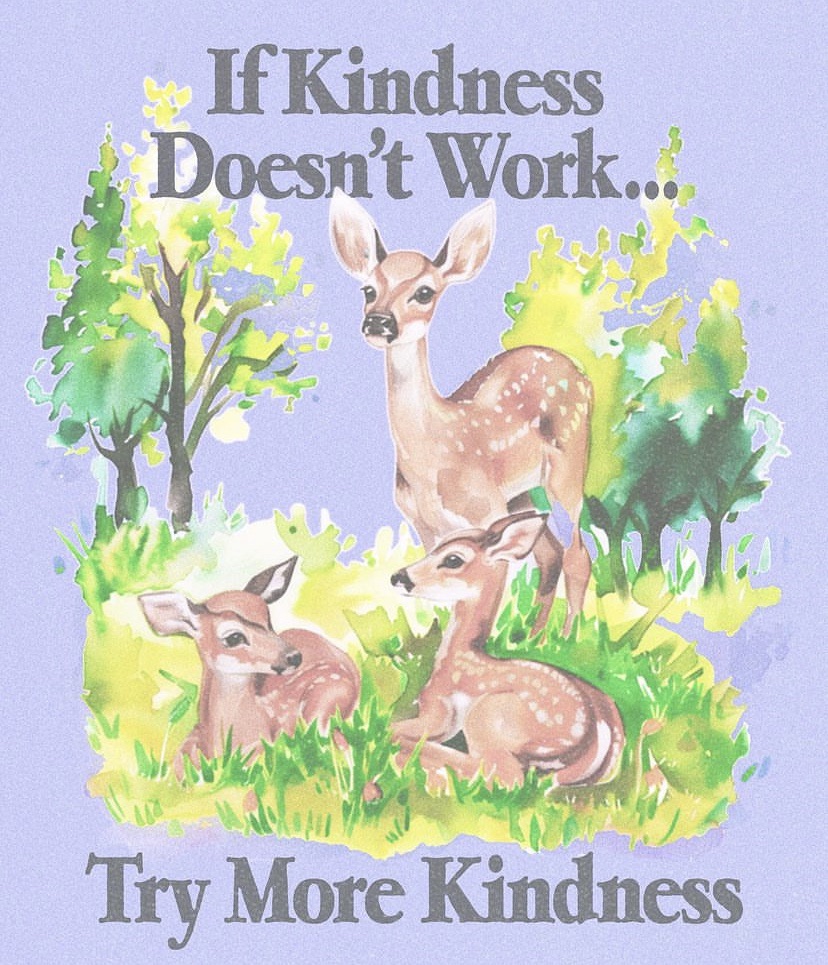
Kinda like this.
It’s why people turn against each other so easily these days. Remember when people didn’t give a shit about being transgender? No one was boycotting Pokémon back in the 90s for having Meowth be voiced by a trans woman. But somehow trans people having more rights takes away rights from cisgender people, and right wing pundits utilized that fearmongering to make trans folks public enemy number one. All because people are afraid of losing their rights to a group that is honestly muchworseoff than them.
Why are we as a people so dead-set on fucking over other folks? Why do we as a society pit groups of people against each other?
“It’s the same string of arrogant assumptions that spawned the master race theories of Herr Hitler: ego deification, social Darwinism, arbitrary stratification of human types,” this article ponders. “Adapted for capitalism, it becomes the divine right to plunder, a license for those who own nearly everything to take the rest, because they wish to, because they can. Because the weak don’t matter. Let the big dogs feed.”
“Success coaches” like Andrew Tate espouse the same kind of individualistic BS — life’s about making your own money, popping out your own babies, and bowing to that primal urge to get yours before someone else takes it from you. But is that a way to truly be human?
Anthropologist Margaret Mead famously said the earliest sign of human civilization was a healed bone. In the animal kingdom, should a creature break a bone, that would almost certainly spell death for the poor thing. A stronger animal will easily overpower it and claim it as a snack. But someone protected and cared for another person long enough for their injury to heal. The thing that makes us different from animals is our ability to care for one another for unselfish reasons. This is our humanity. This is the very thing these “survival of the fittest” types want to erase.
Call me a bleeding heart librul, but I’d rather pay a little extra in taxes so some kid can get a free lunch or someone’s grandpa can get the cancer treatment he needs. I can learn a few Spanish phrases to make immigrants’ lives a little easier. I’d make small sacrifices like getting used to a friend’s new name or pronouns if it means welcoming in marginalized folks. It honestly isn’t that much of a sacrifice — we honor newlywed women’s name change requests all the time. American right wing politics make no logical sense to me. At some point, it just seems like people are going out of their way to be dicks to folks they don’t even know.
I’m not saying voting blue will change everything overnight. Everyone knows even left-leaning politicians are bought off by companies and individuals with less than wholesome intentions. A revolution isn’t going to magically happen anytime soon. But maybe we can start by not actively being jerks to other people. Maybe we can start by embracing our humanity.
Imagine my surprise when I got this writing prompt today:
Describe a risk you took that you do not regret.
I’m writing this literally fifteen minutes after finishing my final music therapy session ever. As in, I will never lead another music therapy session again. I didn’t think I’d ever write those words. I thought I’d become a music therapist and do that forever until I inevitably die (probably while doing music therapy). I sunk my entire adult life into this career. I never pictured myself doing anything else.
I remember how giddy I was to move to Fort Wayne and start my internship. I have several past blog posts about my journey getting here and how excited I was to enter the professional world and make something of myself. The future seemed so bright. I’d won a scholarship for music therapy. I had all my professors watching me in anticipation of great things. Moving here was a huge risk — I had no money except my wife’s Christmas check from her parents and the stipend I’d been awarded, and I knew nobody in the area. But I was willing to take a chance and leap.
There’s an old quote that was plastered on the wall of my elementary school’s library, where I spent most of my lunches to avoid being pelted with ranch dressing packets (which is another story entirely). I still remember the little astronaut on the poster that read:
Shoot for the moon. Even if you miss, you’ll land among the stars.
Norman Vincent Peele
In a way, I feel like moving to Fort Wayne and starting this internship was my way of shooting for the moon. My biggest fear was missing it, but as I approached the moon, I realized the moon wasn’t really where I wanted to be. Maybe my place was among the stars, and maybe me taking that shot was the first step in getting there.
Music therapy is a beautiful thing, but it’s not where my heart is. Music therapy is very cold and clinical compared to how I approach music and people. I realized I’d rather make music that makes people happy and help other people make music that makes them happy. That’s what music is about for me.
I’m glad I got the experience in music therapy that I did, because now I feel better prepared for working with people of all ages and abilities. That’s what I want my studio to be — a safe space for people to make music that makes them happy regardless of how old they may be or what their diagnosis is. I’m also glad I moved to Fort Wayne because of the incredible people I’ve gotten to know. And had I not moved away from the Detroit area, I might have never left and gotten to see what else is out there.
Well, it’s still the Midwest, but baby steps, ya know?
This chapter of my life has been my “shoot for the moon” phase, and I’m about to enter the phase where I dance amongst the stars, where I truly belong. I don’t regret the blood, sweat, and tears that got me here. (Okay, maybe I do regret spending thousands of dollars on a degree I’m not going to finish, but whatever.) In a few short weeks, I’ll be moving to the South Bend area, where I plan to start my recording studio and eventually start the biggest project of my life — a family. I might not have ever done that if I never left my hometown.
So no, I don’t regret this chapter at all. I’ll see you in the stars.
I always said I’d be a music therapist even if it killed me.
To be honest, it almost did.
And I’m still not a music therapist. But I’m okay.
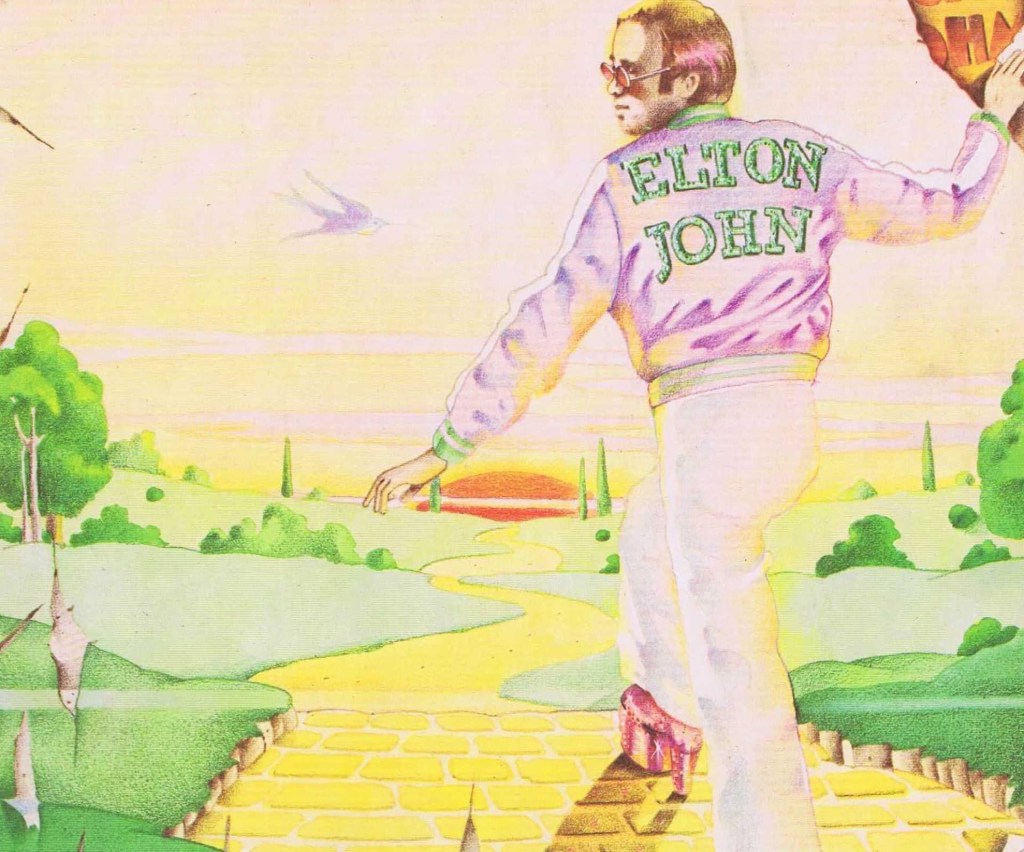
It’s been about a week and a half since I put in my two weeks at my internship. It feels surreal. It still is hitting me that the future I planned so carefully for myself isn’t coming to fruition. I had no backup plan. Being a music therapist was the only path I saw for myself, and the yellow brick road to the MT-BC title was ripped out from under my feet.
There’s an Elton John song for that.
I was going to be a music therapist if it killed me. But what good is a dead music therapist?
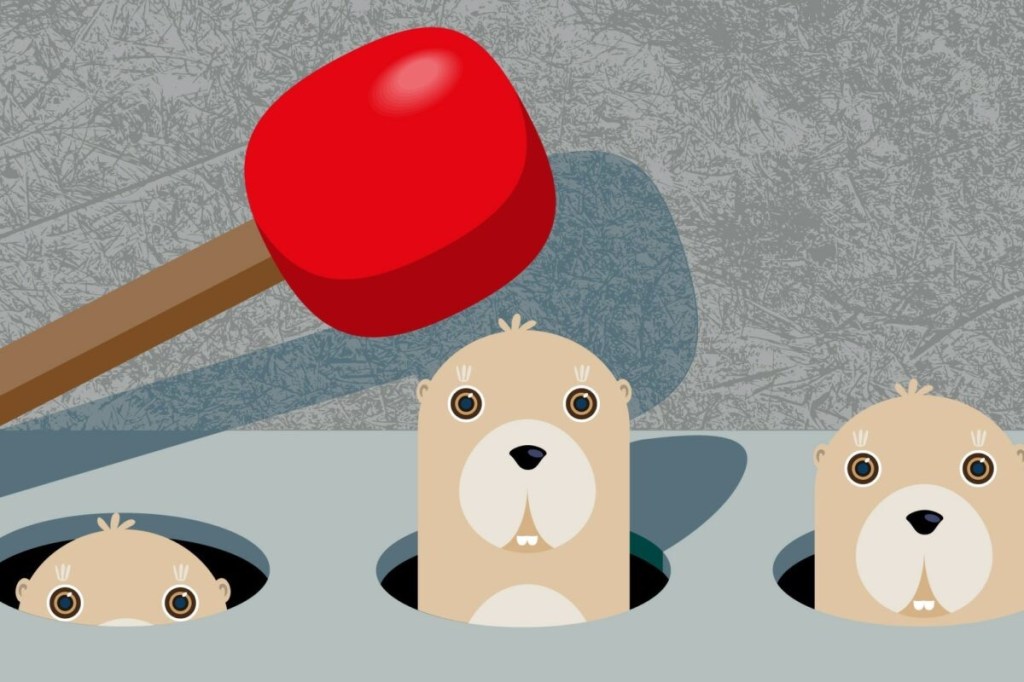
I came home from work every day crying because I felt like I wasn’t good enough. It was like playing whack-a-mole with my weaknesses — I’d knock one out only to have three more pop up in its place. “You’re not empathetic enough.” “You can’t read people well enough to be a therapist.” “Feedback goes over your head — or maybe you’re too stubborn to listen to it.” “Oops, you shouldn’t have said that in a session.“ And the one that caused me to drop everything and leave:
“You’re causing more harm than you’re helping.”
Suddenly, I felt like the mole getting whacked.
Not a great feeling.
I was so distraught, for a moment I considered driving my car off the bridge and into the fucking river. Don’t call the psych ward on me — I’m too scared of death to actually act on anything. But the fact that the thought even occurred was my signal that maybe this wasn’t right for me.
I blame a lot of my failings on my particular brand of neurospiciness. A lot of times it felt like my supervisors were speaking another language, and my clients were speaking a completely different language, and I was just this alien being trying to simultaneously decode the feedback I was getting and figure out how to react to what was happening in session in real time without a guidebook or translator. It became very draining for me, to the point where I couldn’t give it my all anymore and I was flailing.
There are neurodivergent music therapists — I’m friends with a handful I could name right here. But my brain just isn’t wired in a way that works well with the clinical mindset you need to be a music therapist, and I’m coming to terms with that. All of the academic papers I’ve written and scholarship-winning presentations I’ve put together and wordy books I’ve read couldn’t have prepared me for the work I had to do.
And that’s okay. Maybe I’m meant for something else.
I wish I hadn’t wasted all of my adult life (and thousands of dollars) on a career that ultimately ended up not being a good fit for me, but they say nothing that leads you to the path you should be on is a waste of time. Perhaps this twist in my story will take me to exactly where I need to be, and if that’s the case, I don’t regret a thing.
As of writing, I’m figuring out my next steps. My dream was to open a recording studio for people of all ages and abilities, but I don’t need some lofty certification to do that. I could start that studio without the MT-BC title, damn it, and just not call it music therapy. It’ll be my own thing. Sometimes when the path to what you want crumbles, you carve out your own path. And that’s exactly what I plan to do in my own time. In the meantime, I’ll fine tune my music production skills and probably teach guitar lessons for a living, at least for a while.
It’s funny, I’m writing this in a little artsy coffeeshop in South Bend, Indiana that has a piano for anyone to play. I sat down at the bench and just played my heart out for the first time in a long time, and it was freeing. There were no expectations, no degree to earn, no supervisors to impress. It was just me and the music (and the room full of coffee-drinking patrons minding their own business). After a while, a little girl came up to me and told me she liked my playing. I invited her to sit with me and I showed her how to play a basic chord, and her face just lit up. As she left, I smiled to myself. That special little moment didn’t need a degree or a certification to happen. It just needed the genuine human connection only music can create, and nothing can take that away from me.
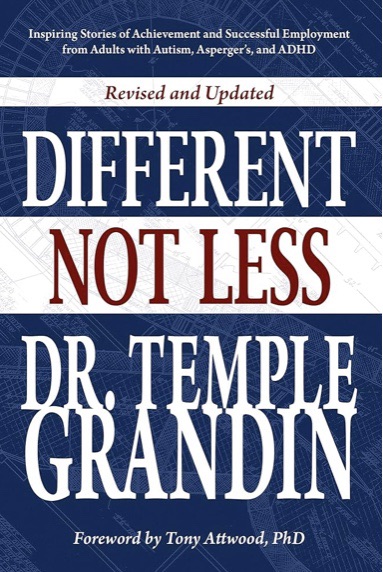
I recently read Different, Not Less, a collection of mini-autobiographies written by adults with autism (and often ADHD as well) curated by autism activist and public figure Temple Grandin, as part of my internship assignments. I wanted to share my thoughts on it here as well, though, as I think this is book is vital reading for anyone who works with the neurodivergent community.
The people selected for the book were largely older adults in their 50s and up who were diagnosed later in life with autism (or Asperger’s, as many of the individuals were diagnosed when Asperger’s was still a category). Most were able to live independently, although each had their own struggles with relationships and family stemming from their autism. Each individual also forged a different career path that managed to work with their unique ways of functioning and seeing the world. Occupational successes were a primary focus of the narratives as Grandin is a huge advocate for autistic folks finding work that suits their needs.
I’m glad I read this book, especially as someone who is neurodiverse myself, as it really hammered in the fact that not all AuDHD folks function exactly the same way as I do. There are struggles I have that other people have, such as issues reading social cues and the relational turmoil that comes with that problem, but there are struggles other people have that I don’t have as much, such as trouble with speech. One thing I realized during reading is that autistic folks generally are “early bloomers” or “late bloomers” when it comes to speaking, and both are valid and need to be supported in their own unique ways. One individual mentioned trouble with “fast conversation” in particular, while another noted difficulty reading tone of voice and facial expressions. Another interesting thread was the fact that many of the folks who contributed to the book felt “fiercely independent,” which, in the context of music therapy, may mean some people might not feel they need help or support. I feel in these cases, it’s especially important to not patronize or “speak down” to these individuals, as being in therapy in the first place may already feel like a blow to the ego. I mentioned earlier that relationship problems were a common factor in most of these folks’ stories, as autism can make it hard to read people and recognize how others are feeling. Many had romantic relationships and marriages crumble over the course of their lives, if they found love at all. Music therapists will need to be prepared to deal with heavy subjects such as divorce and loneliness when working with older autistic adults, as this seems to be a frequent phenomenon.
I think this book is important to read for music therapists because the common archetype associated with autism (and ADHD, one of its “sister” conditions) is the quiet little boy, and these stories prove that this is simply not always the case. There are grown men AND women living with autism and learning to thrive in the world with autistic traits. Nearly half of the contributors were female, and most were older. This book shows that there isn’t one way neurodiversity presents in people. The word neurodiversity contains the word “diversity” for a reason – there’s an entire spectrum of challenges AND superpowers that come with the condition. Emphasis on superpowers as well, as many of the folks ended up not only finding work that was compatible with their unique wiring, but finding work that their individual quirks and differences helped make easier. I feel like a music therapist can work with their autistic clients’ strengths to better prepare them for functioning in a world that isn’t built to accommodate them.
Sensory issues came up fairly frequently. One woman described hating the feel of water on her head as a child, so her mom would have to show her pictures of other little girls getting their hair washed, and that helped her face her discomfort. That same woman, along with a few others, described being sensitive to sounds. A man, the one who made a living repairing bikes, found that restaurant work was very overwhelming to him from a sensory standpoint, which is why he leaned into bicycle repair in the first place.
Some additional commonalities include an attachment to animals. Many of the folks profiled in the book felt disconnected from people, but could relate to animals much easier. A lot of people reported feeling a kinship to their horses. (There’s an inside joke in the neurodivergent community that “horse girls” are just autistic young women with a special interest in horses, and this book made me think that might actually be true!) A lot of autistic individuals seem to enjoy fixing things as well, possibly because it’s not a very “people-y” activity and the superpower of hyperfocus is beneficial for this. One man made a living fixing bikes in college, for example. And music was another recurring theme. While not all of the individuals in the book were musicians or even mentioned music, it did come up frequently enough to stick out in my mind. One man got so interested in music that he’d lock himself in a closet with introductory methods books and teach himself every instrument he could get his hands on. Another person even got interested in choreography and started teaching dance to people with disabilities. She described dance as the way she learned to express emotions, which felt parallel to the way I learned to use music to express emotions.
The individuals profiled in the book all had different reactions to learning of their condition. Many actually grieved their diagnosis, taking some time to reach a point of acceptance, but some felt it was a relief to learn that there was a tangible reason why they felt “different” their entire life. One person wrote “I knew I wasn’t just an individual ‘weirdo’ – about 1% of the population are ‘weridos’ with me!” Another person said it felt like she’d been given a “Martian superpower” and she realized that throughout her life she had been using her unique perspectives and viewpoints to help people. Some grieved the fact that they’d learned of their condition so late in life, wishing they would have gotten proper support as a young person. A lot of the writers went on to become autism advocates and some even work with autistic folks themselves, like the aforementioned choreographer.
This book was very eye-opening and empowering to me as a neurodivergent individual, and I feel better prepared to serve clients like the ones in the book and their individual needs. Emphasis on “individual,” as all of the folks profiled in this collection are very different. I don’t have any older autistic or ADHD clients at the moment, but as someone who very much wishes to work with this population, this is the kind of knowledge I will need to best support these potential clients. Temple Grandin really emphasizes the independence and individuality of these folks, and while I know their stories aren’t representative of everyone in the neurodivergent community (some people can’t safely live independently, for example), it’s good to see people with autism and ADHD living, thriving, and succeeding in a world that tends to paint people with these conditions as helpless or props them up as “inspiration porn.” The neurodivergent community is so diverse and expansive, and this book really humanizes a sector of the population that is often misunderstood. I highly recommend this book to others in the music therapy field as well as professionals in different fields who also work with autistic/ADHD clients.
I’ll admit I haven’t been the best Christian this Lent. I didn’t give anything up, mostly because I know I’ll just slip up a few weeks in (great attitude to have, am I right?). I haven’t been to church because I’m too lazy to find an affirming church in Fort Wayne, and I haven’t even done my 40-day devotional every single day because, well…
It’s me, hi, I’m the problem, it’s me.
But I had to learn a few worship songs for a client I have next week, and it got me in weirdly spiritual mood for once. So I decided to re-download my Bible app and pick a psalm at random, just for funsies. I was born at 1:08 pm (or was it 1:11 pm — I can never remember), so I picked 108. The opening verse hit me like a ton of bricks:
My heart, O God, is steadfast;
I will sing and make music with all my soul.
Psalm 108:1
And I cried. I cry at absolutely everything, but this cry was different. I cried because I think God was trying to speak something to me through that verse.
I am exactly where I need to be.
I was a bit discouraged this week about my music therapy journey. I had my worst session ever on Tuesday (which was my birthday, to add insult to injury). My supervisor had nothing good to say about it. No redeeming qualities. Nada. If I’d spent the entire session watching grass grow with my client, it would have been more productive. And it would be different if it were a one-off problem, but I’ve had ongoing issues with me just not being able to read client or parent behavior. I don’t talk when I’m supposed to, or I talk when I’m not supposed to, or I say too much. I’m positive it’s a neurodivergence thing, but it’s not very reassuring to realize that the problem is something inherently wrong with your brain wiring. I can’t fix autism and ADHD. I’m just sucking at this because I naturally suck at this.
It’s me, hi…
As of writing, I’m at the annual music therapy conference of the Great Lakes region, and it’s disheartening to see all these certified MT-BCs that started their journey with me, or even after me. It took me twelve years to get where I am, in my internship, and during that time, all my cohorts went on to get their degrees and start their careers. I’m meeting people younger than me who are already established professionals. All of this, on top of the roadblock that was my Very Bad Session and my continual failing to people correctly, and it would be so easy for me to give up. I should just be a pharmacy technician, right?
But that’s not why I was put here. And that one little verse was the reminder I needed to keep going.
I wasn’t put on this planet to pass out Wellbutrin prescriptions. I was out here to make music, and more specifically, to heal the world through music. It’s in my blood. Music is as natural to me as breathing, and I want to use it to make the world a better place. Reading Psalm 108:1 was like the part in Moana where she remembers who she is and realizes her power. “And the call isn’t out there at all, it’s inside me. It’s like the tide, always falling and rising. I will carry you here in my heart, you’ll remind me that come what may, I know the way.”
I AM MOANA!
I will be a music therapist. There’s no other option. Just like Moana on her little boat, I’ve come too far to turn back now. I will sing and make music with all my soul, and nothing will get in my way.