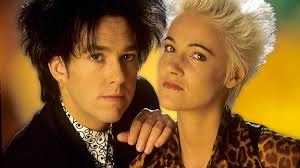
I’ll admit it — I’m a poptimist. I was converted back in seventh grade, when I first heard the Swedish pop duo Roxette.
What’s with Swedes and perfect pop music?
Prior to Roxette, I was firmly in the “rockist” camp. This music journalism term refers to the belief that rock music is superior to pop music in artfulness and authenticity. That was one-hundred percent me at the ripe old age of twelve. You’d think I was a grizzled boomer man instead of an innocent millennial girl judging solely by my music taste. I preferred Boston to Britney Spears, Led Zeppelin to Lindsay Lohan, and ELO to whatever *NSYNC was doing at the time. I looked down upon my fellow tweens for their shallow taste in music, convinced my favorite artists were leagues ahead of theirs.
Then, I heard “Listen to Your Heart.” Not the bullshit DHT version (I will stand by that opinion). The real version by Roxette. I remember being taken aback by the bombast, the emotion, the sheer magnetism of the hook. It had everything I liked about my rock music, but with a pop veneer. I had to investigate, which led me to dig deep in their discography. Their songs were so…catchy. It lit something within me that’s been burning ever since. There had to be an art to creating pop music, because Roxette had mastered that art.
I then fell down an even deeper rabbit hole of pop music, uncovering songwriters like Max Martin, Kara DioGuardi, and (unfortunately) Dr. Luke, who’d go on to shape my entire worldview as a songwriter in my own right. I challenged myself with creating music that was as catchy as theirs. This elusive concept of “catchiness” became my lifelong obsession. To this day, I get a twinge of glee when someone says they get a song of mine stuck in their head. That’s always been my goal, and while I’m still a rock girlie at heart, my love of pop tints all the music I touch.
So why have I fallen out of love with pop music in recent years?
I initially chalked it up to aging. After all, studies have shown that your taste in music solidifies after 30, which is why your mom still listens to hair metal (which, to be fair, is an underrated genre). But there had to be more to it. Since the dawn of popular music, old folks have complained that the younger generation’s new music was too loud, too brash, or too risqué. The Silent Generation complained about Boomers and their heavy metal, the Boomers complained about Gen X and their grunge, and Gen X complained about Millennials and their rap. But I found I wasn’t offended by the pop music the younger generation was putting out. In fact, it was offensively inoffensive, too bland and soft to really stand out. It wasn’t brazen or daring enough, nor was it, dare I say, catchy.
I recently went to a karaoke night at a bar that’s frequented by Gen Z patrons. After all, I live in a college town, so many of the local hot spots are hangouts for younger folks. Although I still look fairly young for my age, I was almost certainly one of the oldest people there. You’d think karaoke night would be the time to sing your favorite party anthems, but to be honest, the song selections were a total snoozefest. One sad slow song after another. I had to leave, it was just getting me down.
When did pop music get so…somber?
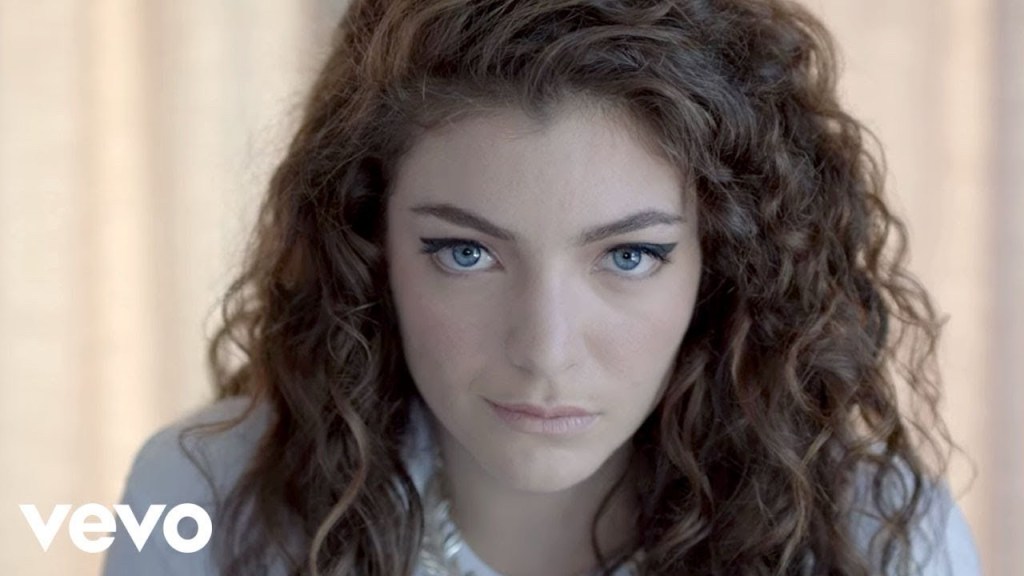
I blame the almighty Lorde.
Amen.
In the early 2010s, we were still experiencing a boom in silly mindless party songs, which, while not exactly lyrically groundbreaking, were sheer poppy fun. We had guys like LMFAO creating bops like “Party Rock Anthem” and ladies like Kesha and Lady Gaga with their array of club bangers. Then, the “Smells Like Teen Spirit” of Gen Z hit and wiped out that scene as fast as Nirvana had dissipated the hair metal that came before. That song was “Royals,” and it set the bar for everything that came after it. Suddenly, pop wasn’t “fun” anymore. It was much more subdued. That’s not necessarily a bad thing, and “Royals” is certainly not a bad song, but it made “avocadas and bananaes” the standard for female vocals, and — worst of all — it killed off the big choruses and catchy hooks I loved.
My wife and I have a joke about the trend of sad repetitive trappy songs. It sounds like musical Xanax, we always say. And it’s true. One of my favorite newer artists, The Band CAMINO, has a song I really love called “Roses.” “Why you wanna be a sad boy?” they ask in the first verse. The whole song ponders why we as a society have to be so sad all the time when you can just “stop and smell the (fuckin’) roses.” I get it — life sucks sometimes, and then you die. But pop music is supposed to be an escape from all that negativity. There’s a time and a place for sad bops, but when all you’re being served is sad bops, it gets a little tiring.
I think that’s the real reason it’s been harder for me to get into recent pop. We’re still living in a post-“Royals” world, but I do have hope that things are turning around. This summer, the newest generation of pop girls set the world ablaze. Olivia Rodrigo is bringing rock-tinged pop back to the charts. Charli XCX engineered an entire movement with her Brat album (and got a nod from President Obama of all people!). Sabrina Carpenter’s newest song has been on repeat for me this past week, and I don’t foresee it leaving my Spotify “on repeat” playlist for a while. And don’t even get me started on Chappell Roan. What we need is a pop music revolution. A femininomenon, if you will.
So let’s stop being sad and play a song with a fucking beat!
If you’ve been following my music career, you’d know I recently released a cover of Chappell Roan’s pop masterpiece “Good Luck, Babe!” It was a labor of love — I adore the song and wanted to explore a more rockish guitar-driven take on it — and I also wanted to drum up some hype around my own music. After all, The Oceanography EP and my other covers weren’t getting attention, and what’s the point of making music if no one listens to it except you? So when I recorded “Good Luck, Babe!”, I sent a little prayer to God or whoever is up there listening that this cover would get me noticed.
You have to admire the creativity of some of these.
Apparently my stupendous bundle of joy was rubbing a lot of TikTokers the wrong way. I hadn’t gotten this amount of hate on anything I’d posted since my now-deleted post about guitarists drowning out the homophobes at a pride event. And even then, those hate comments were driven by bigotry, not anything I’d actually done or created. They would have gotten up in arms over anything I could’ve posted because I’m a queer woman, so their opinion isn’t valid. They just suck as people. In a way, getting hate comments on my music is worse. I can handle being called a dyke. It’s when you come after something I put hours of love and hard work into that I get a little perturbed.
But through this whole debacle, I’ve learned quite a bit about conducting yourself online as a musician. The second you decide to put your work out there, you’re essentially signing up to be a professional musician, and that requires a degree of, well, professionalism. Here are a few tips and tricks for dealing with haters on the internet.
1. Remember it’s them, not you.
Nothing anyone says online to you is about you. More than likely, they’re dealing with some shit too. Remember the human. They probably had a rough day at work or are going through relationship issues, and they’re looking for a punching bag to take out their frustration. Insulting some guy on the internet is the perfect way to relieve that stress — you don’t have to see this musician you just insulted in real life. They’re just a face behind a screen. Remember these folks are probably just salty because of something that’s going on in their own lives. I know it’s more satisfying to lash out and insult them back, but it shows a lot more maturity to restrain yourself from doing this.
2. Like their comments! Or better yet, thank them!
Nothing deescalates online drama quite like being the bigger person. These folks are looking to rile you up. Don’t let them. Instead, “like” their comments! And if you want to take it one step further, thank them. A simple “Thank you for listening anyways” with a smiley emoji will catch them off guard. This is how I dealt with a lot of the recent hate I’ve gotten. People don’t know how to react to that, so they simply shut up. Kill them with kindness, as I always say.
3. They are talentless fucks.
Okay, I’m gonna be blunt now. Anyone who leaves random hate comments on a musician’s page clearly doesn’t know what it’s like to be a musician. Which immediately makes you cooler than them. In fact, that’s probably why they’re lashing out — they know they can never stand up to you in real life because playing music is cool as hell. Folks can’t handle when other people are more talented than them. Aussies call this “tall poppy syndrome” — when your flower grows to new heights, others will be scrambling to cut you down to their level. Don’t let them.
4. Remember that great art is divisive.
There’s a whole montage in Bohemian Rhapsody where critics’ comments of the band Queen are highlighted. This is the Queen, the band that brought you such legendary hits as “We Will Rock You,” “Don’t Stop Me Now,” “Radio Gaga”…you get the idea. It’s hard to believe now that they’ve reached almost godlike status among music lovers, but not everyone liked them at first. I recently read an enlightening comment from a DJ. He said that the music he spun frequently got both positive and negative reviews. You know what records didn’t get plays? The ones no one cared about enough to hate.
5. Laugh about them.
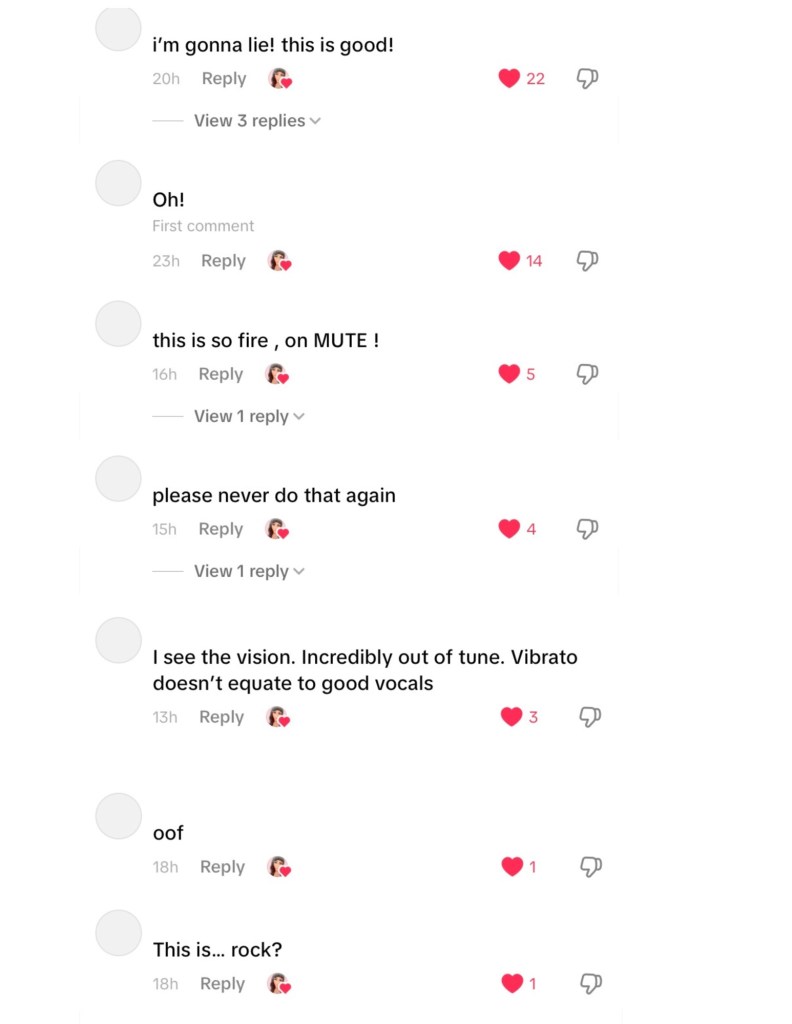
One musician on Reddit said he puts bad reviews on his upcoming concert flyers like a movie poster so he and his fans can have a chuckle about them. I think this is brilliant! If I saw a band embracing their negative reviews like that, I’d assume they had a good sense of humor before I’d assume they sucked. Even better is editing down the hate comments until they become rave reviews and using those. “This is good!” and “This is so fire” are definitely contenders for good bad reviews for “Good Luck, Babe!” No one needs to know the second half of those reviews, and you’re technically not lying. It’s all in good fun.
6. Keep releasing new music!
Don’t let haters discourage you from posting your music. You have a unique voice, even if other folks don’t see it yet, and the music scene is better for having you in it. Every other artist in existence has had to deal haters, and even some of the greatest albums of all time had their critics. There’s only one you in this universe, and the world is missing out if you give up because of some small-minded asshats on the internet. Ignore the haters and do you. That’s the best you can do.
When I was a kid, I kept magazines by the family dinner table. I couldn’t eat unless I was reading something — anything! Usually I’d read about video games I was into, but sometimes I’d read about music. One of the features I always enjoyed in the music magazines was a featured artist’s list of their favorite albums of all time. Maybe it’s because I enjoy lists, I don’t know. Is that an autism thing? It might be an autism thing.
Anyways, I liked to imagine I was a famous musician being interviewed by one of those magazines, and I liked to consider what my answers would be. Now that I’m much older and have a platform of my own, I can just, you know, make my own list. I mean, what’s stopping me? So here’s my official top ten albums of all time. It’s not going to look like a lot of music critics’ top ten albums, as my taste in music is notoriously bad. I mean, Bon Jovi of all bands was my obsession for much of my life. But taste is subjective, am I right? And for better or worse, these are the albums that shaped me as a musician.
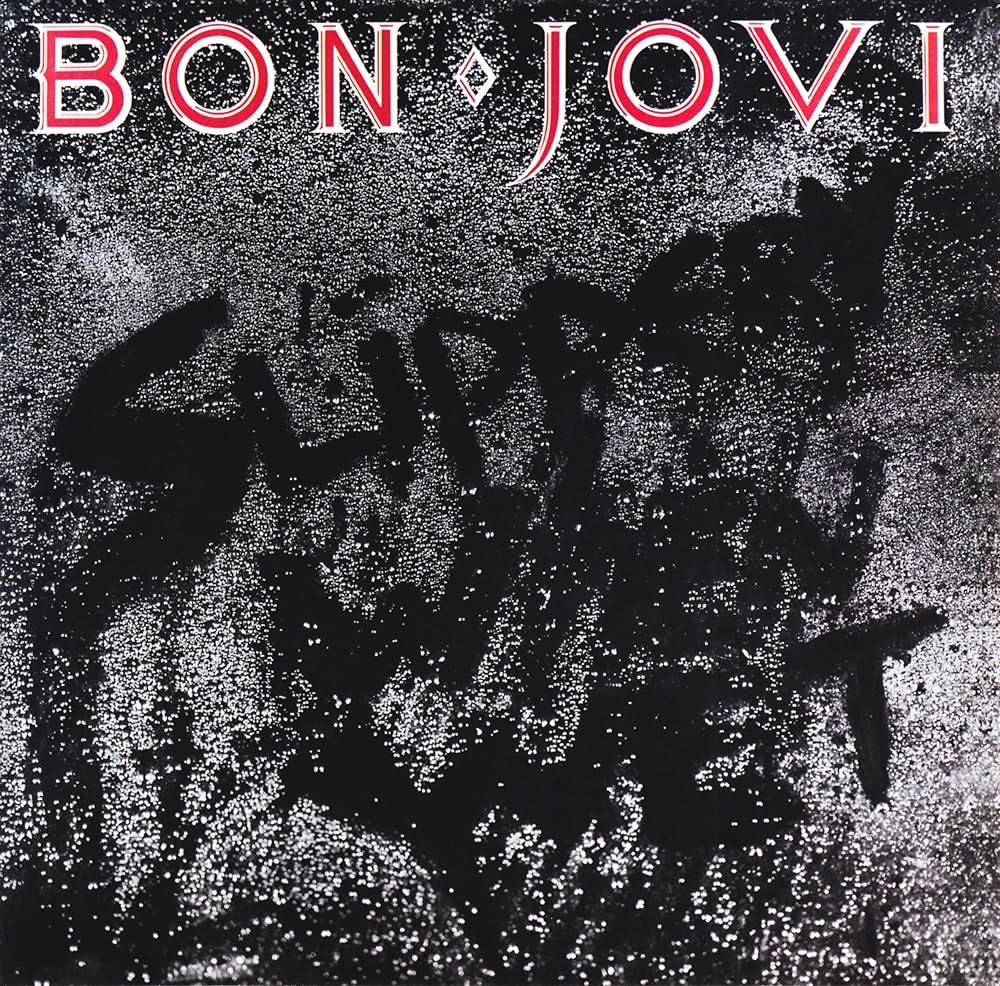
1. Bon Jovi – Slippery When Wet
I already mentioned Bon Jovi, so why don’t we start with there?
I remember the first time I heard this album. It was shortly after I discovered Bon Jovi due to the everywhere-ness of “It’s My Life” in 2000. I was very little at the time, but I loved that song. My much-older sister was a teenager in the ‘80s, so she remembered Bon Jovi’s initial run, and she still had her favorite cassette tape from back then. Starting up the tape and hearing synth intro of “Let It Rock” for the first time was nothing short of euphoric. I’d never heard anything like it. And then the bombastic vocals and heavy guitar came in, and I was absolutely in love.
Slippery When Wet also contained “Livin’ on a Prayer,” which was an immediate favorite of mine. I wasn’t sure what the hell a talk box was, but I knew I liked it. And how singable the chorus was! It would become my blueprint for creating earworms as a songwriter. There’s magic in that “woah-oh,” I’m telling you.
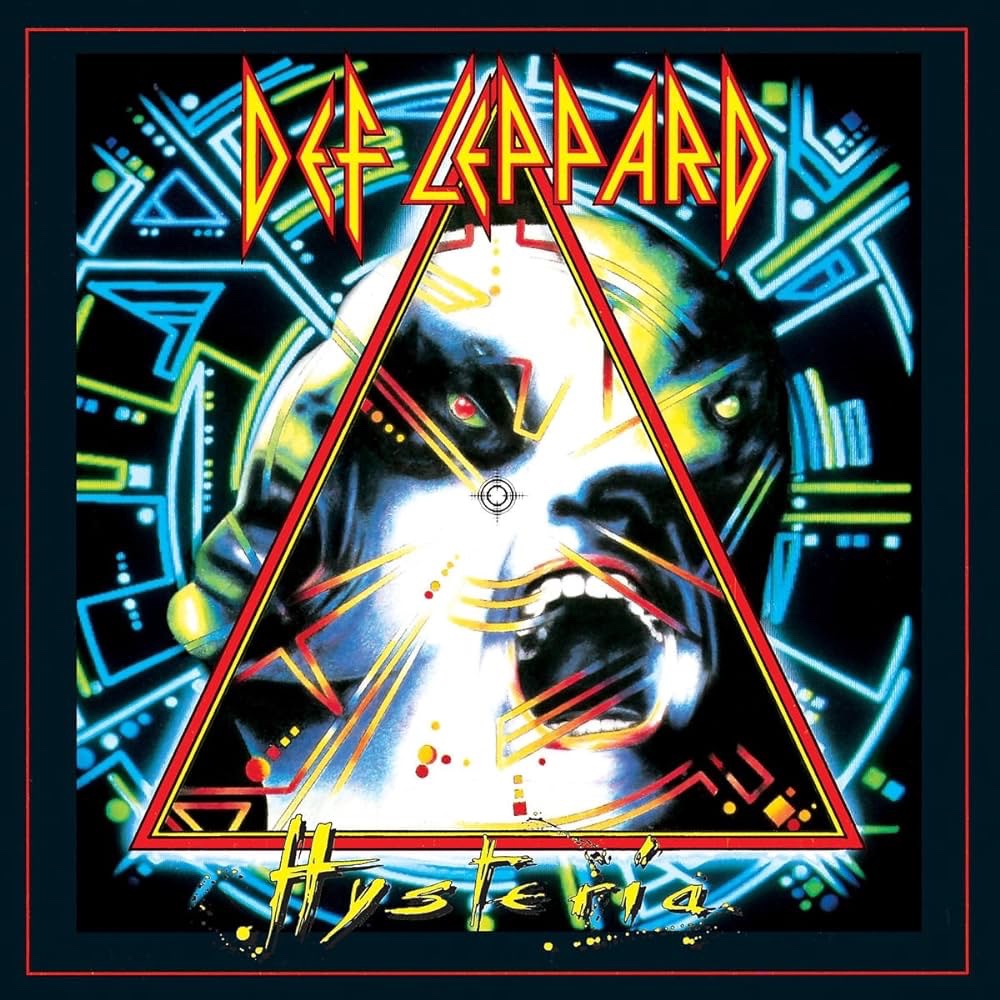
2. Def Leppard – Hysteria
After my mom confirmed her daughter’s bizarre interest in hair metal by giving her a Bon Jovi tape, she passed down even more of her and my sister’s music. Among the albums I received was Hysteria by Def Leppard. I was never as obsessed with Def Leppard as I was with Bon Jovi (and no one was as obsessed with Bon Jovi as me), but they still ranked high on my list of bands for that era. I loved the melodic nature of their music. You’d have this big, in-your-face chorus followed by some of the most captivating melodies. “Animal” is a great example of that.
My favorite from this album is “Run Riot,” which has the singability that I enjoy in a song. And the harmonies are glorious, owing in part to the amazing production of Robert John “Mutt” Lange, one of my favorite producers of all time. He knew just how to layer vocals and really create a lush soundscape with them. And speaking of Mr. Lange, he had a pretty big hand in the third album on my list as well.
3. Shania Twain – Come On Over
Before there was Bon Jovi, there was Shania.
Shania Twain was my idol. I loved her so much as a toddler. My own mother would get jealous because I’d draw pictures of Shania and not her (sorry Mom). I wanted a horse because I saw a picture of Shania with a horse. And of course, I listened to this album on repeat. I’m shocked I didn’t wear out the tape!
It would be easier to name the songs that weren’t bops on this album, because nearly all of them slap. (Wasn’t a huge fan of the title track, but everything else is a gem.) My burgeoning sense of humor really appreciated “That Don’t And Impress Me Much,” and I’d often quote it. “So what, you think you’re Elvis or something?” “Black Eyes, Blue Tears” was another favorite, albeit a pretty dark song for a three-year-old to truly grasp (it’s about domestic abuse). I loved the use of the talk box (again!) on it. And of course, Mutt’s penchant for strong harmonies is all over this album — he was the producer (and Shania’s husband), after all.
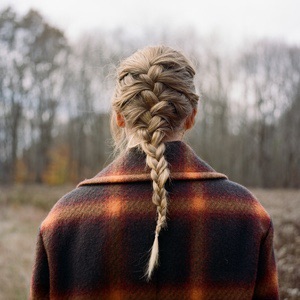
4. Taylor Swift – evermore
I’m skipping ahead quite a bit chronologically, but Taylor felt natural to bring up next. After all, Shania walked so Taylor could run. evermore came during the pandemic, when everyone was in a weird place already. Its sister album, folklore, was released less than five months prior, but aside from “this is me trying” (my neurodivergent millennial burnout anthem), none of the songs on that release resonated with me as much as the songs on evermore. Something about evermore just hit me hard.
Nothing comes close to the heartbreak of “tolerate it” or “happiness,” and the sweet tribute to Swift’s late grandmother, “marjorie,” is sure to leave you weeping, especially when the long-deceased woman’s ethereal voice echoes throughout the end of the song. One of my favorite bands, HAIM, features on “no body, no crime,” the catchiest murder ballad since The Chicks’ infamous “Goodbye Earl.” I’m also rather fond of “ivy,” with lyrics telling the story of a married woman’s tryst with another person who I am convinced is another woman. (She never said the song was autobiographical. I’m not a Gaylor, I swear.)
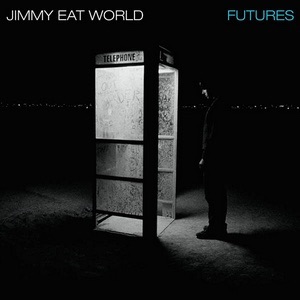
5. Jimmy Eat World – Futures
Confession: prior to about 2009, I didn’t listen to modern music. Anything made before 2000 didn’t really appeal to me, which meant I missed out on all the good emo bands. But a good friend’s then-husband was cleaning out his house and had a stack of CDs to give me, and Futures was among them. I remember the first time I listened to it en route to Chicago for a marching band field trip. I was absolutely blown away. The music, the lyrics, the entire vibe of the album — it completely flipped my perspective on 21st century music. Suddenly, I had a thirst for discovering other alternative and emo bands, which lead me to artists like Brand New, Weezer, and the neon pop-punk bands of the late 2000s.
The album itself is almost a concept album of sorts, dealing with addiction and longing. I couldn’t yet relate to the addiction part, although that would come later on in my personal story. But the longing was something I related to as an angsty teenager. I could listen to songs like “Kill” and “The World You Love” and cry about the fact that Dylan Martin from my church’s youth group would never love me back. I still love this album though, and Dylan and I are good friends now, so it all worked out in the end.
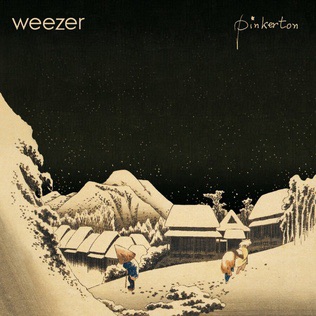
6. Weezer – Pinkerton
In making this list, I nearly forgot about Pinkerton. I’m sure Rivers Cuomo would rather me forget about it, as he was famously embarrassed of it. But it was a crucial part of my lovesick, sexually frustrated teen years. Looking back, the album is essentially Incel: The Musical, but I related to the lyrics quite a bit at the time, as someone who often found myself falling for guys who were less than interested in me. The songwriting on this album made me feel less alone.
“Why Bother” could have been the theme song to my failed teenage crushes. “Why bother, it’s gonna hurt me; it’s gonna kill when you desert me.” And the simple acoustic track “Butterfly” is possibly one of the most beautiful songs ever written. It evokes the image of catching a butterfly only to watch it wither in captivity. It’s a poignant metaphor for holding onto a love that is ultimately bad for the other person. Sometimes it’s better to let go, which was a painful lesson for me to learn. Rivers was there too, and that’s why I love Pinkerton. It’s so real and raw in the way it handles interpersonal relationships.
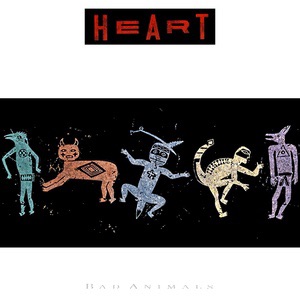
7. Heart – Bad Animals
This was another cassette tape given to me by my mom, who I credit for my taste in music. I remembered hearing Carrie Underwood cover “Alone” as part of an American Idol performance, and my dear mother was like “You’ve got to hear the original.” She pulled out this tape and my mind was instantaneously blown. I’d never heard a voice like Ann Wilson’s in my life. The sheer power behind her vocals gave me shivers. And to learn that the rhythm guitarist of the band was also a woman — that changed everything for me. It was the first time I’d seen another female guitarist. Suddenly, I had someone to look up to in music who looked like me! Representation frickin’ matters.
“Alone” is obviously the standout track from this album, the power ballad that made me fall in love with power ballads. I recorded the music video onto a tape, which my autistic ass watched every single morning before school. I wanted to be like the Ann and Nancy Wilson. They were so beautiful and talented and effortlessly cool, unlike me at the time. I’m not as famous as the Wilson sisters, and I probably never will be, but I’d like to think I made that little girl proud. I’m certain the sheer amount of comparisons I get to Ann Wilson whenever I sing Heart at karaoke would make younger me beyond happy, and that’s what matters.
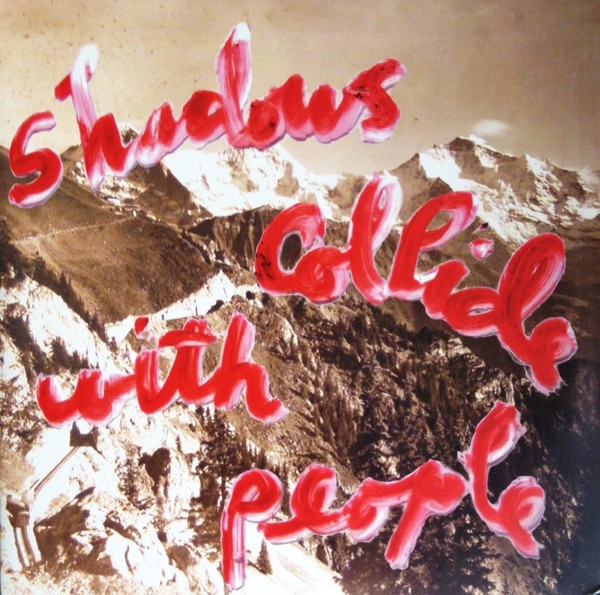
8. John Frusciante – Shadows Collide With People
I’ll admit I was a little torn between including this album versus one of the Red Hot Chili Peppers albums that has influenced me. I discovered John Frusciante through his work with RHCP — I still remember hearing “Dosed” from their album By The Way for the first time and being mesmerized by the beautiful guitar work. It made me want to further explore Frusciante’s work, which lead me to this particular solo album, which I found in a record store or a Goodwill or somewhere. I don’t remember exactly how I happened upon it, but it was quite serendipitous that I did. It ended up becoming my favorite album of all time, carrying me through one of the hardest years of my life.
“Carvel” is an absolute gem of an opener and the reason I pestered my old band to buy me a Carvel cake while we were on tour. The “Carvel cake” in the song is meant to represent drugs, and as someone who very nearly averted an addiction to alcohol, I found myself relating to a lot of the lyrics. The instrumental tracks on the album are eerie and unsettling in the best way, and the ending track, “The Slaughter,” is one of my favorite songs of all time, closing the album on an optimistic note. “I know my pain’s a life away,” Frusciante croons, and I feel it. The worst is over.
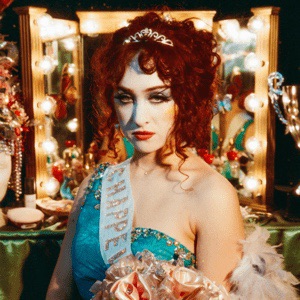
9. Chappell Roan – The Rise and Fall of a Midwest Princess
This is easily the most recent album on this list, as Chappell Roan’s meteoric rise to fame was only within the past few months. But this album gives me so much hope for the future of pop music. I was in a musical rut for a long time, and I was starting to become worried that, like many thirtysomethings, my taste in music had solidified. I wasn’t sure if it was my getting older or new music getting more boring that made me give up on discovering new artists. After all, I remember going to karaoke at a bar full of Gen Z college students, and their song choices were decidedly overwhelmingly subdued. The younger generation grew up on the likes of Lorde and Billie Eilish, who, while very talented, mostly make bummers, not bangers. What we needed was someone to inject pop music with a bit of fun. What we needed was a femininomenon.
I have a hard time picking one or two favorites from this album chiefly because they’re all incredible. “Casual” is ethereal and heartbreaking, culminating in Chappell screaming at her would-be lover “You can go to hell!” in the final line. The sheer passion in that delivery gave me goosebumps the first time I heard it. And the horny lesbian anthem “Red Wine Supernova” is an obvious standout, with candid lyrics and witty references to “wands” and “rabbits” (if you know, you know). It’s such a bop, even Melissa Etheridge referenced it at one of her recent shows. Melissa walked so Chappell could run.
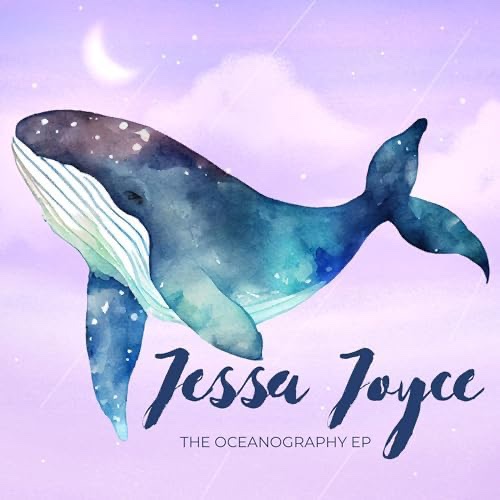
10. Jessa Joyce – The Oceanography EP
And finally…me! It’s probably an unusual choice to put your own album on a list of albums that changed your life, but I can’t think of an album that changed my life more. Sure, it didn’t take off or become as successful as I would have liked, but it proved to me that I could do it. I could record an album! My 2013 spring break was spent locked in my office at the newspaper I worked for at the time, utilizing the Mac desktops there for the GarageBand feature. I had a shitty Blue Snowball mic and a whole lot of caffeine and nicotine in my system (as I hadn’t yet been diagnosed with ADHD and that was my form of self-medication). It was released to Bandcamp with little fanfare, but I felt accomplished. Ten years later, using the knowledge I’d built up about music production and improved equipment (and Adderall), I re-recorded the entire project and released it to Spotify and, well, everywhere else.
“Oceanography” was a song about my longing for a particular guitar-playing guy to like me. It’s about that feeling of wanting to know everything about someone because you’re just that fascinated by them. The folksy “Smiles & Anchors” was dedicated to another guitarist, the title of the song taking its name from his band. The angsty alt-rock “Off the Deep End” was about a completely different guitarist and how I shouldn’t like him, and “Song of the Sea” was about a breakup with a fourth guitarist whom I dated in college. The album could have been called Songs About Guys Who Play Guitar Better Than Me. But they’re all part of my story, and I still love the songs to death, even if those guys aren’t in my life anymore. That’s the beauty of music I think. It’s a snapshot of a time in your life, and Oceanography represents so much of my history. That’s why it’s on this list. I am who I am today because of my lived experiences, and songwriting is my humble way of documenting those experiences. It’s my way of screaming into the void — I was here. Isn’t that what music is all about?
I swear whoever makes the prompts for WordPress is stalking me.
What is your career plan?
…is a question that has been on my mind constantly since deciding to step back from music therapy, aka the only career path I saw myself on for literally my entire adult life. Funny how things change so quickly.
So basically, I’m back to the drawing board as far as my career plan goes. I’ve been busy regrouping and trying to figure out my next steps, and I feel like I’m finally getting to a place where I can accept myself as someone other than Jess J. Salisbury, MT-BC. She was someone I’m not, and that’s okay. Adulthood is about constantly rediscovering who you are.
But while I don’t have a solid plan for moving forward yet, I do have a few ideas for how I’d like things to fall together in the future.
Step One: Teach Music
Straightforward enough. I need a job to survive, and I’m not a bad music teacher. I actually enjoy it quite a bit! I’ll need a stable job to fund the next step.
Step Two: Start a Recording Studio
My dream for my music therapy degree was to start a studio akin to this one. I wanted to help people of all ages and abilities to create music they can be proud of. And the good news is, I don’t need a music therapy degree to do this! I can just, you know, start one. Of course, a music therapy degree would add some legitimacy for marketing purposes, but so would…
Step Three: Get a Master’s in Music Production
Okay, maybe I’m just inspired by my girlfriend getting her master’s degree recently (CONGRATS LIVVY!), but I’ve always wanted to get a higher education in…something. I always used to joke that I refused to die before I had “Dr.” in front of my name. I still would like a doctoral degree in something, but first things first. Berklee has a completely online master’s program in music production that looks awfully tasty.
Step Four: Record My Friends’ Bands
When I asked a music producer friend in Nashville what her advice was for getting involved in the industry, she said word-of-mouth was the key to success. So to get my name out there, I want to record music for my friends for free. From there, I can build a following and a client base.
Step Five: Start an Art and Music Collective
This is a bit of a pipe dream, but I want to open a facility for people to safely create in their preferred medium. This could take the shape of a coffeeshop or music venue that puts on shows and has space for artists to work. I want to promote creativity and expression in the community and give back any way I can.
I’m realizing one of the biggest motivating factors behind everything I do is my fear of being forgotten. It’s part of the reason I want kids. It’s part of the reason I want to make recordings of my songs. It’s part of the reason I want to donate a shitton of money someday to get a bench with my name on it. One day, when I die, I want people to remember my name. And I hope my career plan leads me to that sort of immortality. I want to have been a pillar of the community. I want to leave a legacy.
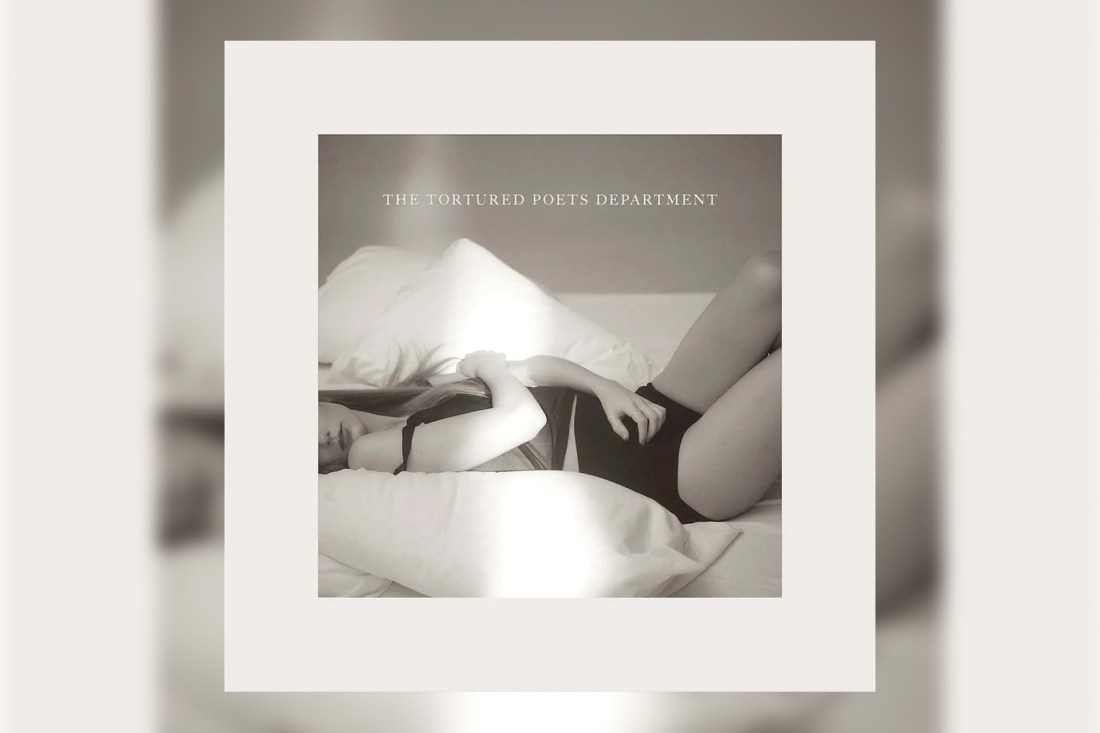
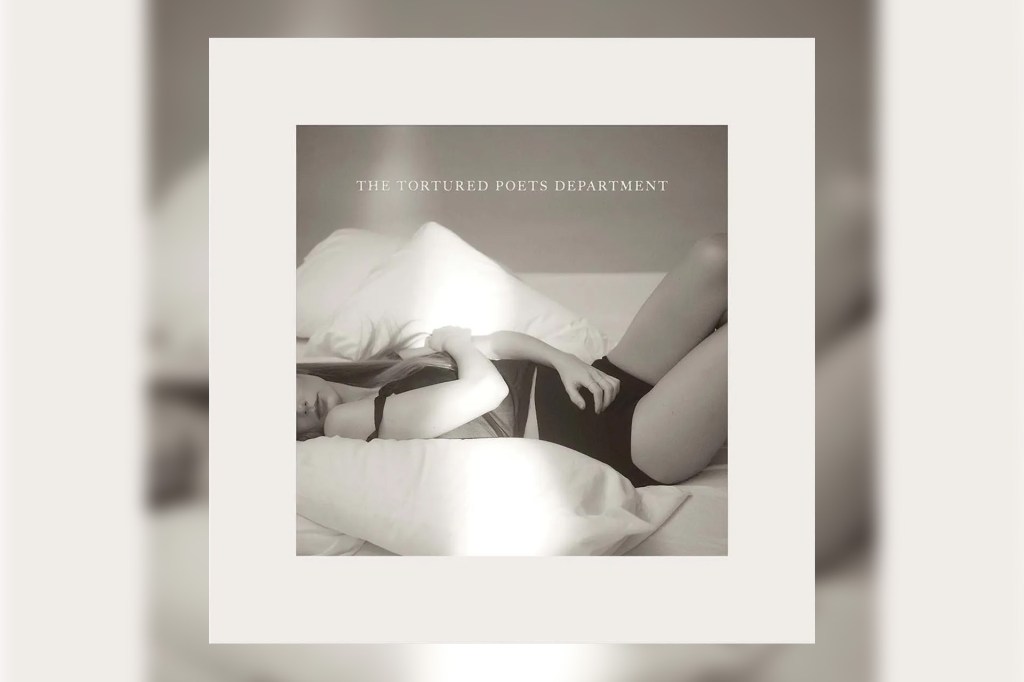
Here’s a shocker: I’m a bit of a Swiftie. I know I’ve written a defense of her before, but never a proper album review. Since The Tortured Poets Department just came out, I figured now was as good a time as ever to write one. I’m no music journalist, but I do have a degree in music and journalism, so I might as well put my useless skills to use for a Music Review Nobody Asked For.
First things first: The Tortured Poets Department is not an album. It is a cry for help. I have never in my life heard a more depressing two hours of music. Even her obligatory “glitter gel pen” song of the album is sad as hell when you get past the bouncy synths and actually listen to the lyrics. Like, she literally screams “I’m miserable!” at the end of it.
“And no one even knows!”
I differ from most Swifties in that I really don’t give a shit about her personal life. She’s a billionaire I’m never going to meet. It’s the same reason I don’t care about sports. When everyone back home was freaking out about the Detroit Lions doing important stuff, I was indifferent. I don’t know those guys. They’re just some stinky dudes. That’s how I feel about Taylor. I admire her for her songwriting, but I feel like I get more out of music when I don’t know who the song is about. That way, I can relate the song more to my own life and in turn get more out of it emotionally. “Teardrops On My Guitar” isn’t about Drew, it’s about my middle school crush Kyle Kelley, damn it.
And it’s probably for the best that it’s NOT about Drew, because Drew sucks.
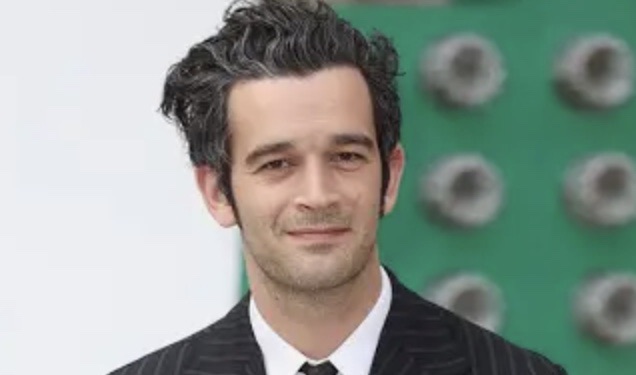
The thing about TTPD, though, is that the album hinges on the fact that people know who it’s about. And supposedly it’s mostly about this guy:
This is the muse, y’all.
I know nothing about Matty Healy except that he’s 1. the frontman of The 1975, a band I also don’t care about, and 2. kind of a dickhead, but who am I to judge her taste in men? I don’t exactly have a pristine track record when it comes to dating dudes (which is probably why I switched to primarily women), so I have no room to talk. But apparently other Swifties do feel the need to judge her for her less-than-stellar choice. Like, some fans literally wrote her an open letter telling her to stay away from this guy, which is kind of wack, and also the inspiration behind like, half of this album.
But Jessa, isn’t this review about the music?
Well, yeah. I don’t want to ruminate on this topic for longer than I need to, but it’s important to contextualize this album. This is essentially a concept album about a forbidden romance, and one Taylor seemingly caused herself. You see, dating Matty Healy would taint her brand, but if the songs on this album are any indication, she thinks he’s the love of her life. What would you choose — the reputation and career you’ve built up for yourself since 2006, or the guy of your dreams? I can see why she wrote these songs the way she did. It’s a weird situation to be in, and not a situation I envy.
But let’s get into the music. There’s two parts to the TTPD — the album proper, and The Anthology, a companion album of sorts released two hours after the initial release. As a whole, the first half of the album is soft and synthy, owing to Jack Antonoff’s production, while the second half is closer in vibe to the folklore/evermore sound, with Aaron Dessner producing much of it. The fandom seems pretty divided on which half is better, and honestly both halves have some great songs and a few duds. For better or worse, the album is pretty cohesive — no one song really “stands out” as THE BEST, but most of the songs are pretty strong. Let’s look at some of the highlights.
Fortnight: This is the lead single, so I’m obligated to comment on it, but honestly, I wasn’t too impressed by it. It’s the same chords all the way through and is constantly building, but never really gives us that “oomph” moment it promises. Post Malone’s vocals add a little pizzazz to it, but it’s pretty lackluster for a single. I was expected Taylor to punch me in the face with whatever single she had lined up for this album, but it was a mild slap at best.
The Tortured Poets Department: As the title track, I feel obligated to comment on this as well. The 80s-ish drums grabbed my attention, but musically I wasn’t too impressed with this one either. Lyrically, it’s fairly strong, though. I think people miss the sarcasm. She’s calling out her boo for fancying himself a tortured poet, and maybe calling herself out as well. He’s as much a Dylan Thomas figure as she is Patti Smith. The theme of self-deprecation is recurring in this album.
My Boy Only Breaks His Favorite Toys: This one’s a skip for me. The music’s alright, but nothing to write home about.
Down Bad: People seem to really like this one, but it’s a skip for me too. I feel like Taylor’s just trying to see how many f-bombs she can sneak into a song without it being grating.
So Long, London: Everyone was really anticipating this one since it was rumored to be about her doomed long-term relationship with Joe Alwyn. The light almost-choral vocals in the beginning remind me of “My Tears Ricochet,” one of the standout tracks from folklore, but it doesn’t hit me as hard as that song did for some reason. The line “I’m pissed off you let me give you all that youth for free” did send me for a loop, though. Imagine wasting the best years of your life with someone who ultimately let you down. I hate the whole trad-fucko ideology of “marry young so you can pop out a ton of babies before menopause” (which a lot of trad-fuckos pushed onto Taylor — looking at you, Stefan Molyneux), but there is something to be said about squandering all that time you could have spent building a life for yourself. It’s a sad situation all around, and this song captures that feeling.
But Daddy I Love Him: Now we’re cooking. This is the strongest track on the album so far. At a glance, it’s the big sister of “Love Story” — a tale of forbidden love, a modern Romeo and Juliet. The melody even has a sort of country cadence, throwing back to Taylor’s roots. Looking closer, it almost seems to be a takedown of those unhinged fans who wrote her that aforementioned open letter, the “judgmental creeps…sanctimoniously performing soliloquies” she’ll never see and the “saboteurs” saying “stay away from her.” The music takes it to the next level, bombastic and triumphant as she cries that her love is her choice. This is one of the highlights of this album and not a track to be skipped.
Fresh Out the Slammer: I’ve listened to this album probably three or four times now and I remember nothing about this song.
Florida!!!: This Florence + the Machine feature isn’t one of my favorites, but pleasant enough. I enjoy the cheeky “Is that a bad thing to say in a song?” as the lyrics imagine the bodies of past lovers sinking into the swamp.
Guilty As Sin?: Taylor really likes punctuation marks in her songs it seems. As a level-headed Christian, I at least appreciated the religious imagery in the bridge, which seems to have pissed off the right people. (Sean Feucht can go Feucht himself.)
Who’s Afraid of Little Old Me?: Upon my first listen, the first time she screamed “WHO’S AFRAID OF LITTLE OLD ME?” was a bit of a jumpscare. And this song is supposed to be scary. The “circus life” made her deranged and disturbed, even using the metaphor of a performing lioness with her teeth removed. The song is bleak and upsetting, as it should be. This is one of the first indications that Taylor’s mind isn’t all rainbows and sequins but a dark, unsettling place.
I Can Fix Him (No Really I Can): This song is sparse and brooding-sounding as she croons about a lover she insists she can change before the final line realization that maybe she can’t. This isn’t a standout track, but worth a listen.
loml: Another tearjerker along the lines of “So Long, London.” She recalls promises of rings and cradles, only to have her hopes of stability dashed. The instrumentation is appropriately sparse. Not one of my favorites, but again, worth listening to.
I Can Do It With a Broken Heart: This is the one singular “glitter gel pen” song of the album, and it’s still a bit of a bummer. She sings about how her life is falling apart around her, but she has to keep up appearances, still smiling and giving us a show even when it hurts. The synths are bubbly and poppy, contrasting rather starkly with the lyrics. At the end, her voice cracks as she screams “I’m miserable and no one even knows!” This woman is literally on top of the world, and yet this song proves how terribly lonely she is. I think back to Britney Spears’ “Lucky.” “I’m If there’s nothing missing in my life, then why do these tears come at night?”
The Smallest Man Who Ever Lived: This is probably her most biting song yet, a vicious takedown of an ex-lover who wronged her. Most of the song is pretty calm and subdued, but the bridge gave me literal chills the first time I heard it. Taylor’s the queen of bridges, but these might be some of the angriest lyrics she’s ever written. Hell hath no fury like a singer-songwriter scorned — trust me, I’d know.
The Alchemy: A skip, in my opinion. Nothing really stood out to me about this one.
Clara Bow: First thing I noticed about this song was the amazing bass-driven riff that carries the song. It adds such a darkness to the song musically. The lyrics, according to Taylor herself, are inspired by the way the entertainment industry markets upcoming female performers as the “new and improved” versions of their predecessors. It’s a time progression song that starts in the silent film era with actress Clara Bow, then travels to 1975, when Stevie Nicks was on top of the world with Fleetwood Mac. Finally, Taylor namedrops herself as the one whose star would eventually be eclipsed by a starlet who has the edge she never had. It’s the kind of self-deprecation I mentioned earlier that is ubiquitous throughout the album. This is an appropriate finale to the first part of the double album.
The Black Dog: Arguably my favorite song on the album and quite possible one of my favorites in her entire discography. It heartbreakingly tells the tale of a woman watching as her ex-lover goes about his life, oblivious to how much he’d hurt her. “I just don’t understand how you don’t miss me,” Taylor laments. The music crescendos at the end of every chorus, building up to a climax that ultimately never happens. Normally that kind of let-down would drive me nuts, but it works for this song, representing a love that ultimately went nowhere. The song also namedrops The Starting Line, a relatively obscure emo band, which made my inner 16-year-old squeal. I feel like people forgot that Taylor is a MySpace millennial too.
imgonnagetyouback: All of the commotion I’ve heard about this song revolves around how it’s a similar concept to Olivia Rodrigo’s “Get Him Back.” I think they’re different enough, but unfortunately, Taylor’s take on the idea doesn’t do much for me. It’s a fairly forgettable song compared to the other gems on this half of the album.
The Albatross: This is Taylor at her folklore/evermore-est. She does folk-tinged pop well. No notes on this one, just a solid song.
Chloe or Sam or Sophia or Marcus: The chorus is emo poetry at its best. “If you want to break my cold, cold heart, say you loved me. And if you want to tear my world apart, say you’ll always wonder.” Those lines remind me of “Your House” by my one of my all-time favorites, Jimmy Eat World. “If you love me at all, please don’t tell me now.”
How Did It End?: Another somber tearjerker. One line really stood out to me — “My beloved ghost and me, sitting in a tree, D-Y-I-N-G.” The way she turns a childhood chant into something heartbreaking is chilling. Hey kids, spelling is fun!
So High School: This song is a 90s alternative-flavored bop reminiscent of a more optimistic “Hits Different.” It contains all the giddiness of being in a fresh relationship with someone who reminds you of the butterflies you got from your first crush, along the lines of Katy Perry’s now-legendary “Teenage Dream.” A lot has already been said about the lyrical content, particularly as it relates to Taylor and her most recent relationship with football star Travis Kelce, but as a guitarist, I couldn’t help but fixate on the gorgeous guitar tone present throughout the song. Aaron Dessner really outdid himself with this airy nostalgia-fest.
I Hate It Here: Not my favorite, but I don’t dislike it. A lot of the discourse around this song revolves around her line about wishing she lived in the 1830s minus the racism and sexism. People have called her out for addressing such heavy topics so flippantly, but it’s worth noting that she even points out how silly her fantasies are in the subsequent lines. This song feels like it was very much written from a childlike perspective, if said child was very loquacious.
thanK you aIMee: Yes, she formatted the title like that. I feel like the Taylor Swift/Kim Kardashian feud is very passé at this point, but Taylor has to kick the corpse of the dead horse one more time. If you ignore the fact that this song is obviously about Kim, it’s pretty solid, especially if you interpret the lyrics as a takedown of a childhood bully. It was cathartic screaming these lyrics to my own “Aimee” in the car. (Fuck you, Carissa.)
I Look in People’s Windows: Some more self-deprecation as she calls herself a “deranged weirdo” for creeping on people’s get-togethers through the window, hoping for a glimpse of her lost lover. It’s another tearjerker, although I don’t consider it one of her best songs on the album.
The Prophecy: Probably the saddest song on an album chock full of wildly depressing music. In this song, Taylor pleads to a higher power to “change the prophecy,” offering to trade her fortune for some true companionship. Her voice sounds almost pained as she begs for another chance at real love. It’s a powerful reminder that money can’t buy happiness, and it’s one of the standout tracks on this half of the album.
Cassandra: There are some similarities between this song and Taylor’s “mad woman” from her folklore album, both musically and lyrically. The songs speak of hunting witches and burning bitches, and it almost seems “Cassandra” is a sequel of sorts. The snake allusions hit two-fold, both as a callback to the snake motif associated with Taylor’s reputation album and as a nod to the actual Greek myth of Cassandra, who could hear the future when snakes licked her ears.
Peter: A solid song about a lost love of one’s youth. No real notes on this one.
The Bolter: This is easily one of the strongest songs on the album. It’s got a catchy melody that works in tandem with memorable lyrics that detail the life of the titular “bolter,” as her childhood associates called her. It’s a bittersweet tale — while her many trysts never panned out, she’s “got the best stories” to tell, which made it all worth it.
Robin: I’m pretty sure this song is about childhood and innocence. She seemingly talks to a younger person — “The time will arrive for the cruel and mean, you’ll learn to bounce back just like your trampoline.” The title is never dropped in the song, but it’s suspected that the song is addressed to Aaron Dessner’s son, whose name is Robin.
The Manuscript: This one has potential to grow on me, but it’s not one of my favorites at the moment. I appreciate the heartfelt lyrics for what they are, but nothing really hooked me in. I feel like “The Prophecy” or “The Black Dog” would have been a better album closer.
So those are my thoughts on the new album. What are your thoughts? Which tracks stood out to you? What are your “skips”? Let me know in the comments!
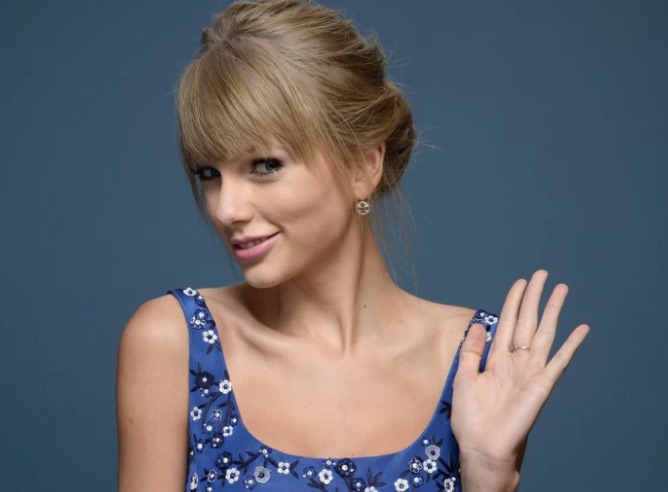
Taylor, Taylor, Taylor — I don’t even have to say her last name, and we all know who I’m writing about. Leave it to Ms. Swift to take one of the most common English-language names and claim it as her own.
“Who’s Zachary Taylor anyway?“
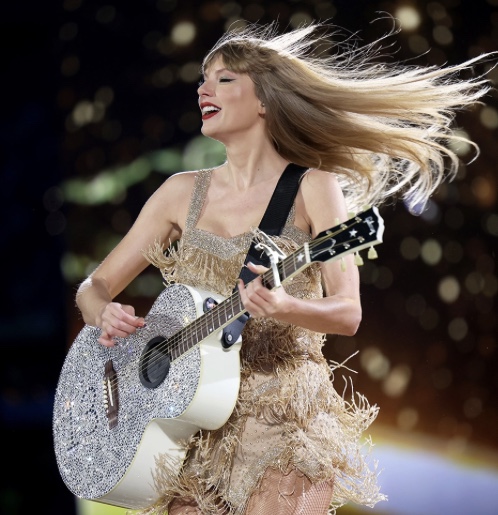
Full disclosure: I am a Swiftie, though I’m not one of the crazy stans. I won’t say every single song she’s ever written is a masterpiece. I won’t even deny that she has some problematic elements (although in her defense, she has apologized for some of these transgressions, even retroactively changing the lyrics of one of her songs). She definitely had a leg up getting started as the daughter of a wealthy businessman. Still, even if she hadn’t been born into her charmed life, her talents as a songwriter and performer would have certainly been noticed by the industry one way or another. There’s no denying her talent for crafting catchy, relatable music.
And that’s what I’m here to talk about.
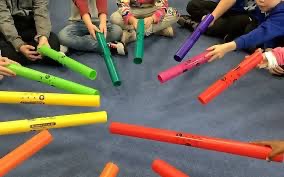
I have probably twelve clients I see regularly as part of my internship, and while their tastes vary drastically from person to person, there’s always one constant — Taylor Swift. She’s on every single client’s playlist. Some of her songs are used as lyric analyses for clients processing events and emotions. Some are used for “fill-in-the-blank” style singalongs, like “Karma” or “Mean.” A few of her songs, like “You Need to Calm Down,” are simple enough to play with boomwhackers, or giant tubes meant to produce a certain note when you smack them against something.
Preferably not your music therapist’s head, thank you.
And I think there’s a reason why her music is so ubiquitous in the music therapy world.
You see, it might sound weird, but I often look back wistfully to a time when music was less fractured, when everyone listened to the same five radio stations in their area. You knew that as you sang along to Michael Jackson being spun by your favorite DJ, there were hundreds of other people in your city singing along. These days, there are so many microgenres and independent artists, there’s no guarantee anyone else in the world is listening to the same song as you at any given time. For better or worse, there’s no such thing as monoculture, which means there’s no universally beloved artist anymore. And that means in this day and age, there are no real rock stars.
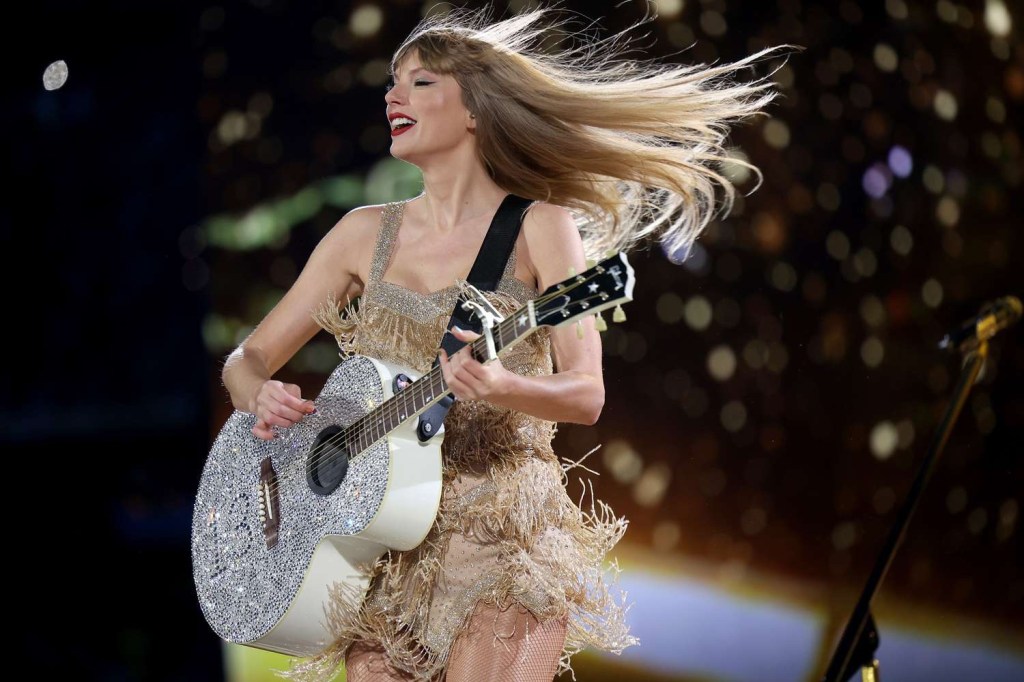
But then there’s Taylor.
“It’s me, hi.”
This woman is the closest we still have to the true definition of a rock star. She’s our generation’s Freddie Mercury. Young or old, male or female, black or white — chances are you like Taylor’s music to some extent. And that makes her invaluable in music therapy.
As a music therapy intern, my iPad is chock full of Swift songs, and I keep having to add more as my clients request them. There’s something about her music that captivates people on a deeply personal level, and I’m constantly finding creative ways to use it for therapeutic purposes. There’s no other artist whose music reaches the masses on this level with such consistency, and it’s actually pretty inspiring to witness. The power of music is nothing short of miraculous, and no one seems to embrace that fact quite like Taylor (who, I should add, donated a music therapy program to a children’s hospital).
Something tells me she would have been a great music therapist in another life.
So, I signed up for a virtual audition with The Voice. Get your laughs out now; I know it’s silly. But I’ve wanted to be on one of those ridiculous singing shows ever since I was little. The Voice. American Idol. X Factor. Like, I’ll take any ridiculous singing show.
I remember watching those shows with my family as a kid and imagining I was on that stage, performing in front of millions of people at home. My name would be in lights. I’d actually be popular, which was a pipe dream for socially awkward, autistic little Jess, who discovered performing music was a way to make people like her.
My first foray into the world of televised singing competitions came in college. I found out the American Idol auditions were coming to Detroit. I stood out in the cold with my two best friends at the time, Crass, rehearsing my little heart out with my guitar and chosen two songs. I’d play a jazzy cover of “You Give Love a Bad Name” followed by my original, “Oceanography” (which I recently re-recorded and released, actually).
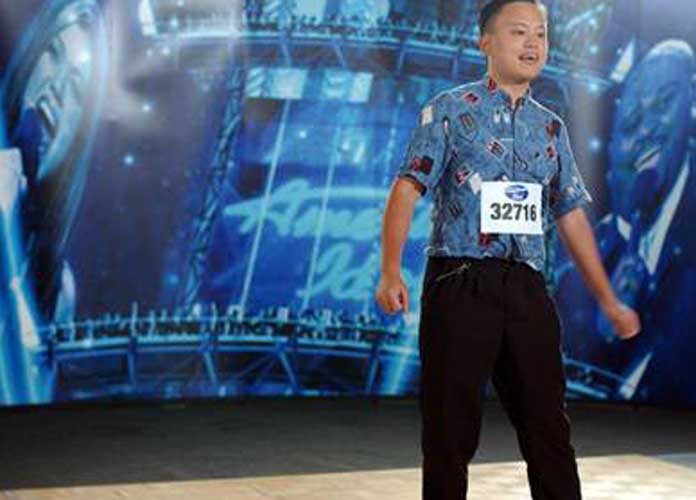
I knew I had it in the bag. And to be honest, I did make it pretty far into the audition process. Something no one tells you about American Idol is it’s not one or two standouts and five hundred duds auditioning. NO. It is quite the opposite. You’ve got five hundred Mariah Careys in the room with maybe one or two William Hungs.
OG American Idol fans will understand.
So the fact that I made it three rounds into the audition process is astounding. I passed the initial audition, another audition in front of a set of producers, and made it to the executive producers.
Judging by the fact that I’m typing this and not, I don’t know, on a yacht sipping a pina colada with Simon Cowell somewhere, I obviously didn’t make it.
It’s what the producers told me that will stick with me forever though.
You’re just not unique enough.
After years and years of being the outcast for being too unique, I, Jessica Joyce Salisbury, was not unique enough.
I almost laughed. It didn’t seem right. I wasn’t like any of the other girls auditioning. I had blue hair at the time, for cryin’ out loud.
I guess in a sea of, say, Ypsilanti, I was basically the town’s Taylor Swift, but in a sea of millions, I was just another girl with a guitar. There wasn’t anything original about me. I didn’t have some sad sob story except the fact that I grew up without friends (which is a sad sob story another million other singer-songwriters already have). I didn’t even have that unique of a look. I didn’t come in there looking like Lady Gaga, or that girl who wore a bikini to her audition. I was just…ordinary.
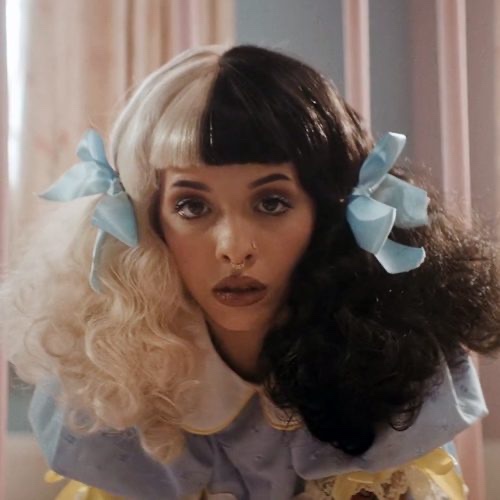
I think I’m running into the same problem now as I go about promoting my music. Every artist needs a hook, and I honestly don’t know what mine is. I’m autistic and ADHD. So? There’s millions of neurodivergent artists out there doing the damn thing. I don’t have a unique look about me. I dyed my hair black in part to quell comparisons to Swift, but now people, especially older ones, compare me to Ann Wilson from Heart. Not that I minded either comparison all that much, considering both women are musical inspirations (and big gay crushes) of mine, but I wish I had a look that stood out more. Even the split-dyed look I sported for a while has already been done better by Melanie Martinez.
I can’t win.
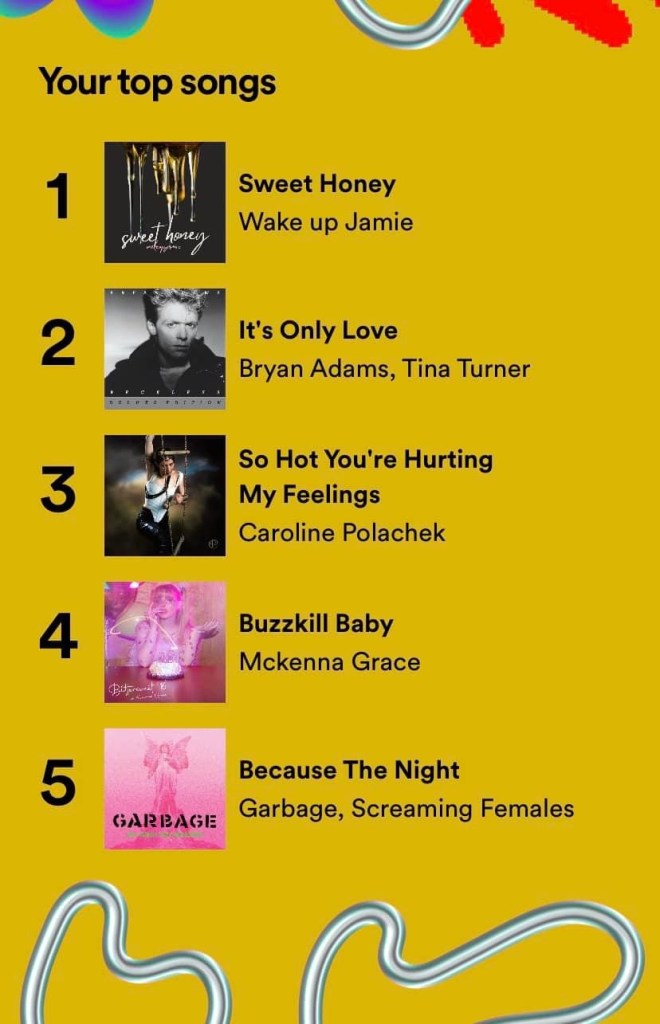
I don’t know what I need to do to set myself apart, but I’m sick of being the only person who cares about my music. I just wish I knew how to make other people care about my music. I can’t just pull a U2 and download my songs onto other people’s devices or like, stream “Oceanography” or “Sweet Honey” directly into people’s heads. (If that were possible, it probably wouldn’t be legal.) I’m not a virtuoso by any means, but I’m a damn good songwriter. That should be enough, but we live in an age where anyone with a laptop can be a songwriter and produce their own music. That’s not a bad thing, but it does make the competition that much more fierce.
Maybe I’ll get through the Voice auditions and finally get my big break, who knows? All I want is for my music to be heard by other people. I’ve always made music as a way to connect with other people. I don’t do it just for my own amusement.
Even if I do listen to myself more than I’d like to admit.
I didn’t answer the question in the title, mostly because I still don’t know myself. I guess I’ll always be on the journey to find new ways to stand out in a big wide world of other creators. That’s all we artists can do.
It’s fitting that I write this as one of Taylor Swift’s songs plays on the radio at work. Not like I write this stuff on the clock or anything.
Certainly not!
You see, Tay’s the catalyst for the events of this story. Or rather, her loyal army of stans.
My band had a show on Friday, hilariously enough competing with Taylor Swift’s show in Detroit. So I made this infographic as a joke to convince people to see us, a dinky ass local band, instead of her.
I know in humor you’re supposed to punch up, but in this case the punch was more of a playful nose-flick. Everyone in the band is a Swiftie, after all — we just thought it would be a funny way to drum up attention for the band and our show.
At first, we got a pretty hearty positive response, people saying we “won them over” and wishing us a good time at the show.
Then the stans came.
Suddenly, we were inundated with accusations of misogyny (hilarious in hindsight because we’re mostly women), homophobic (also hilarious because we’re mostly queer), and even mocking her mom’s cancer (I sure hope that stan warmed up before making that stretch). One of the “nicer” commenters asserted she’d seen her “three times on this tour” for less than her paycheck and has met her many times. The ones that hurt the most were accusations of us belittling a fellow artist — we would never attack another creator maliciously. Like, we made it clear in the caption that we were actually huge fans and meant no harm to Taylor.
But when you’re a stan, there’s no gray area. Make one perceived slight against their object of adoration, and you become public enemy number one.
Why do people do this?
I think it all comes back to the parasocial relationship people have with musicians. The beauty of music is that it’s a deeply personal medium that brings people together. That’s what drew me to music as a little autistic kid who had trouble socially. Music — and the people behind it — felt like friends to me. There’s a reason I’d make believe I was Bon Jovi and methodically watch anything related to them. In the end, music is what helped me connect to other people and build relationships that have lasted years.
But like nearly everything, there’s a flip side to that phenomenon. Take, for example, the song that gave stans their name — “Stan” by Eminem.
In my personal opinion, “Stan” is easily one of the most unnerving songs ever written. In it, a man describes his obsession with Eminem through a series of letters, culminating in him committing a murder-suicide after being let down by his idol. It’s absolutely chilling and worth listening to. In fact, I’ll link it here:
Another musical episode!
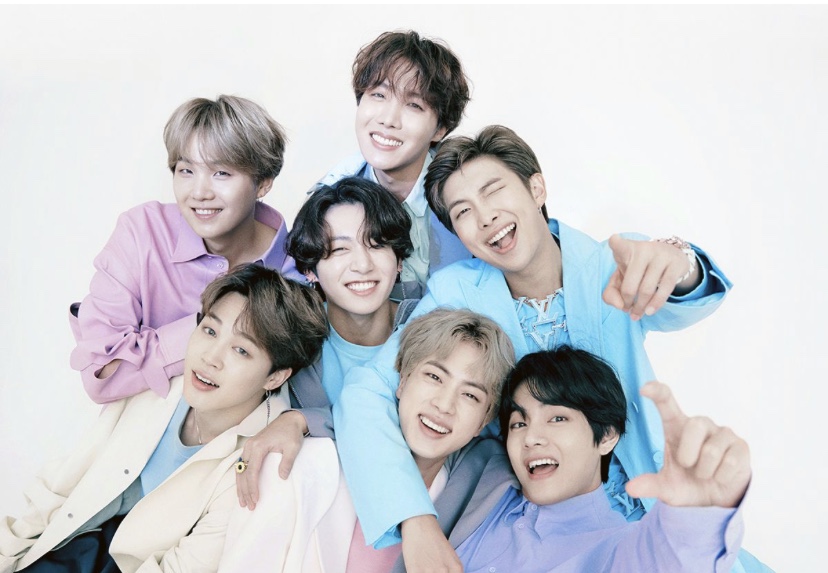
It’s almost funny how watered down the term “stan” has become — or has it? If it came down to it, would Swifties die for their queen? Would the BTS army kill for a bunch of cute guys from the other side of the world?
I mean, they are cute.
I’m almost afraid they would, and that’s because it’s happened before.
If you look at my YouTube subscriptions, you’ll find my two biggest interests to be music and true crime. Don’t worry — I’m not one of those weird Jeffrey Dahmer lovers or hybristophiliacs. I like the thrill of being scared, but fictional monsters don’t do it for me because my brain doesn’t register them as a threat. What does scare me is the fact that real life monsters exist, and are absolutely a threat. And every now and then, the stars align and I find something to watch that’s both music and true crime related.
Ever hear of the Bjork stalker? No?
Ricardo López was your average incel before the term even existed. He was a social recluse who retreated into the world of celebrities to dull the pain of not having many friends, let alone a girlfriend. His main fixation was the Icelandic singer Bjork, to whom he wrote many fan letters and considered her his muse. The obsession wasn’t sexual — he couldn’t envision her as anything but this pure, innocent figure.
So when she finally did get a boyfriend, and a black boyfriend at that (yup, he was kind of a racist too), Ricardo was furious. He wanted to send her straight to hell for her perceived slight against him. So, viewing the process as a sort of sick art project, he began filming a series of video diaries chronicling his plan to kill Bjork with bomb hidden within a book. Ultimately, he’d kill himself too, and he and his love interest/victim would be united in the afterlife.
In the conclusion of his series of “art films,” Ricardo shaves his head and paints his face green and red before shooting himself in the face, dedicating his suicide to Bjork as one of her songs drones on in the background. His bloated corpse and the video tapes would later be found by police, who immediately recognized what was happening to be a threat. They managed to intervene just before the package reached Bjork, narrowly sparing her life.
This is what fandom looks like at its worst, and it still happens. Even our girl Taylor has had to deal with it. And this is why I’m scared to death of becoming anything more than a local act, even though my band is slowly making its way toward greater things. Because with more attention comes more obsession, and people are fucking crazy. Maybe Taylor’s stans will come for me, or I’ll say something to piss off the BTS Army. Or worse, Wake Up Jamie will accumulate its own obsessive fans, and there will be that one bad apple who decides to Selena me.
People need to realize musicians and other performers are literally just people. We make art, we make mistakes, and we have dreams and fears like everyone else. Standom tends to raise people to a godlike level, but at the end of the day, we’re all a bunch of stinky, pulsating meat living on a giant rock. Even Taylor.
Everyone sucks. It’s a pretty well-established fact of life. I suck. You suck. Your mom sucks. Hilary Clinton sucks. Donald Trump sucks. The Queen of England sucked. Name your favourite or least favourite person alive, and I can tell you with absolute certainty that they definitely suck. The very first thing we learn to do upon exiting the womb is suck (in a literal sense, but also in a figurative sense). It’s in our human nature.
There’s an entire tirade in the Bible about this, actually. It’s particularly referring to the Jewish and Greek folks who would have engaged with this writing at the time, but you could swap in any ol’ demographic and get the same idea. Black or white, cis or trans, Christian or atheist, and anyone and everyone else. We. All. Suck.
“None is righteous, no, not one; no one understands; no one seeks for God.
All have turned aside; together they have become worthless; no one does good, not even one.”
Romans 3:11-12
Recently, I’ve learned a lot of my favourite creators suck, too. And I’m not talking incredibly famous people, but people who are just like me, people who create and share things. These people are musicians and bloggers and writers who just so happened to reach the right amount of people to “make it,” whatever that even looks like. But the point is, I could be any one of them.
It’s exciting. It’s humbling. It’s scary.
One of my favourite YouTubers is apparently a nightmare to work with. Another took a picture with all her friends — who just so happened to be skinny, white-passing, and attractive by our narrow Euro-centric beauty conventions — and spun the post as body positivity. One of my favourite podcasts of all time got derailed because…I’m still not entirely sure. Stevie Nicks’ landmark song has a title that’s quite literally a racial slur. And I could list every infraction ever committed by my favourite guitarists, from John Mayer’s general fuckery to how Richie Sambora drove drunk with his daughter in the car. Even my beloved Chili Peppers aren’t innocent, sexually assaulting a fan in the early 90s and citing a porn star who was literally underage at the time she was active in the industry as a muse.
“Beat it, creeps.”
I’ve always wanted to be famous, ever since I was little and ran onstage at some show because I was mad the actresses were getting attention instead of me. I used to daydream at great length about becoming a rock star, crafting entire scenarios in my head about what my life and career would be like. I imagined the inevitable biopic that would be made about me, my internal dialogue becoming a narration of the story of my life from the perspective of someone who thought I was cool enough to make a movie about.
But at the same time, I don’t know if I can handle being famous. And that’s simply because I suck. Certainly not as much as some of the creators I mentioned above, but I still suck. I’ve said and done things I regret a lot, and I’m just lucky that I wasn’t in the spotlight at the time. Because I honestly don’t know if I could handle the criticism, even if it was justified. Especially if it was justified. I hate the feeling of being wrong, almost as much as I hate the idea of ever hurting anyone.
As a creator of any type, there’s so much pressure to be perfect, not just looks-wise but as a person as well. We need to be a role model. I don’t think that’s a bad thing. I think creators should strive to be positive influences for their fans, and I think creators should be held accountable when they inevitably fuck up. Some of those things might be unforgivable. Should the allegations against Michael Jackson be true, for example, we definitely need to stop holding him up as an idol. Should we stop listening to his music? I think that’s an even more complicated issue that I’ll probably address in a future post. But for relatively benign “maybe I didn’t realise this was racist at the time but now I know better” kinds of problematic behaviour, I think we need more space for grace. Because God knows I’ll need it.
I want so badly to make waves as a musician or writer, but sometimes I find myself paralysed by the pressure to be above reproach in all things. What if something I posted ten years ago on Facebook resurfaces and shows me as a total asshole now? You have to put yourself out there to get any ounce of fame, but in the process, you open yourself up to so much scrutiny. And sometimes I wonder if I could handle that. I cry if someone looks at me funny (I describe myself as “the stereotypical Pisces” for good reason). I think I could handle the press or some anonymous Twitter denizen calling me ugly or untalented. But if someone attacked my character, something I take more seriously than my looks or even my art, I’d probably lose it.
I hate the term “cancel culture” because of its association with the anti-“woke” (read: anti-any media that’s not cishet white male) rhetoric, but I think it’s time we cancel cancel culture to an extent. Rather, we need a grace culture, one where people are free to fuck up and be able to redeem themselves. We need to have open conversations with each other about why we suck and how we can suck less in a way that’s not defensive or vilifying. We need to be open to learning from one another.
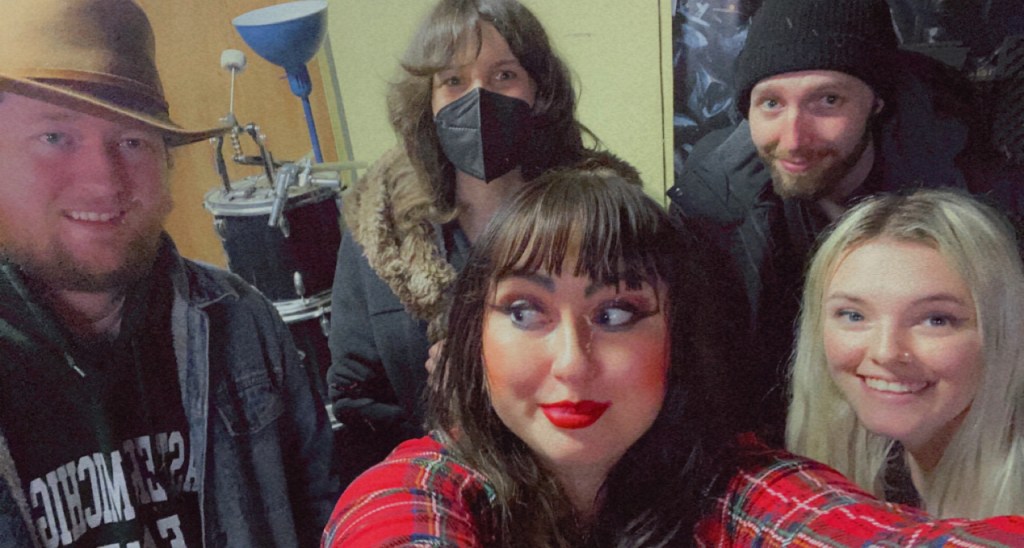
Last night, I posted a picture of my band, WakeUpJamie, on our band’s Instagram page. This one, to be precise.
Almost immediately, we got an influx of picture “likes,” many from a new fan who just started following us! I was freakin’ over the moon excited. Any time someone new gives my little band a chance, it feels like the first time I ever played guitar or sang for my parents in the living room of our old house. You really like my music?! I get a taste of what it must be like to be my personal idol, Ann Wilson from the band Heart.
I have posted this exact picture on my social media and people thought it was me.
I received a message from the new fan, which I was excited to read, but didn’t quite have the metaphorical spoons to deal with at midnight on Christmas Eve Eve. So I left it for tomorrow-me to open in the morning. A little Christmas present to myself, you know? There’s no gift like waking up to see someone tell you how cool your band is.
So I open up this message and it’s…uh…I’ll just say this much-older guy wasn’t shy about confessing how he wanted to make me his sugar baby.
Not a damn thing about our music. Just that I was “beautiful” and he wanted a (presumably sexual) relationship with me in exchange for his money and attention.
Never mind the countless Saturdays at guitar lessons in my childhood and the hours teaching myself to sing in the shower and the hundreds of shows I’ve played in my lifetime. To this guy, I’m basically a singing hooker.
Which is a great business idea that hasn’t been done before, to be fair.
I have to admit my feelings of rage for being objectified were soft-serve swirled with a different, more positive feeling. Was I actually flattered this dude came onto me like that? On my band’s page, no less?
Surely Ann Wilson never had to deal with this?
Or did she?
I feel like I’ve written about the subject before, but I’m too lazy to find the exact post about it. But it’s not like Ann hasn’t dealt with being judged for her looks rather than her talent. Like how she was hidden behind layers of clothing and her skinny little sister, Nancy (who is equally talented, in all fairness), back in the MTV days because Ann was a little too thicc for the era’s liking. As if she wouldn’t have been revered at a Kardashian level had she been young today.
You know she was hiding a Kim K donk.
And the funny thing is, had she been young today, you know her Instagram inbox would be full of guys just like the one who messaged me. Even today, go to any Heart music video on YouTube and just read through all the thirsty comments from dudes (and probably a few chicks) who would kill for a ride on Dreamboat Annie. (And for the love of God, I hope Ann Wilson never reads this blog post, for that sentence alone. I feel so dirty.) They’re interspersed with comments about her voice at least, but you can’t deny that many of the “Wow, the best voice in rock and roll”-type comments are followed by “and also smokin’ hot!”
Would Heart have made it if Ann and her sister weren’t a certifiable 11 out of 10? How intertwined are music and appearance anyways? Male musicians are judged for their appearance too (see: every boyband ever), but you can’t deny that the pressure is more intense for female musicians. Even the least-attractive female musicians who have “made it” are still conventionally pretty, while guys get more of a pass to look like a foot. Bob Dylan is revered as one of the greatest musicians of the 20th century, and no one’s thirsting for him, right?
I mean, I’d go for it, but not everyone’s type is “dorky Jewish guy who plays guitar better than me.”
As annoying as it is to have to be a “hot girl” to make it in music, there’s a certain power in embracing your looks and sexuality to get ahead. You know the saying — “if you got it, flaunt it.” As a band with three female members, we’re going to be judged for our looks, we might as well use it to our advantage. The end goal is to get our music heard, and if it takes luring people in with our hotness, so be it.
Pictured: the hotness
I don’t think there’s any shame in using everything in your disposal to get to where you want to be, as long as you’re not hurting anyone else. If guys drooling over mine and my bandmates’ pictures will get them to pay attention to us and ultimately listen to our music, that’s what matters. We don’t write songs to play in our drummer’s studio every week and never see the light of day. We want to make a living doing what we love. We want to spread a message. We want to be heard.
Being objectified sucks — I can’t argue with that — but taking control of the narrative and the way you’re seen is strangely empowering. Maybe being a woman in music isn’t so bad after all.