How to Be More Original

So, I signed up for a virtual audition with The Voice. Get your laughs out now; I know it’s silly. But I’ve wanted to be on one of those ridiculous singing shows ever since I was little. The Voice. American Idol. X Factor. Like, I’ll take any ridiculous singing show.

Well, maybe not any of them.

I remember watching those shows with my family as a kid and imagining I was on that stage, performing in front of millions of people at home. My name would be in lights. I’d actually be popular, which was a pipe dream for socially awkward, autistic little Jess, who discovered performing music was a way to make people like her.

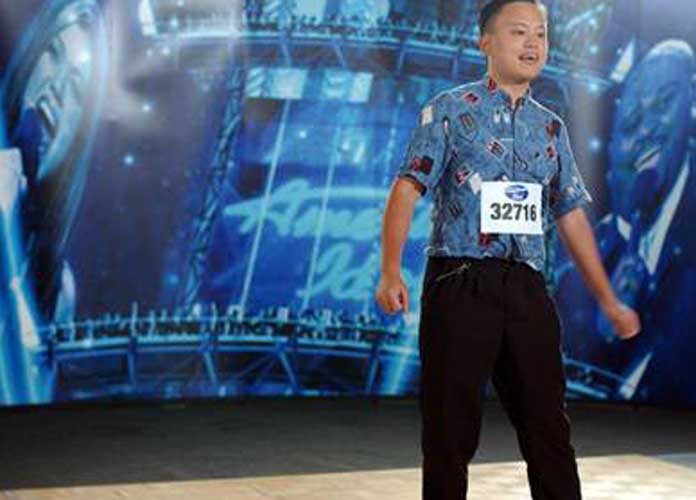
My first foray into the world of televised singing competitions came in college. I found out the American Idol auditions were coming to Detroit. I stood out in the cold with my two best friends at the time, Crass, rehearsing my little heart out with my guitar and chosen two songs. I’d play a jazzy cover of “You Give Love a Bad Name” followed by my original, “Oceanography” (which I recently re-recorded and released, actually).

I knew I had it in the bag. And to be honest, I did make it pretty far into the audition process. Something no one tells you about American Idol is it’s not one or two standouts and five hundred duds auditioning. NO. It is quite the opposite. You’ve got five hundred Mariah Careys in the room with maybe one or two William Hungs.

OG American Idol fans will understand.

So the fact that I made it three rounds into the audition process is astounding. I passed the initial audition, another audition in front of a set of producers, and made it to the executive producers.

Judging by the fact that I’m typing this and not, I don’t know, on a yacht sipping a pina colada with Simon Cowell somewhere, I obviously didn’t make it.

It’s what the producers told me that will stick with me forever though.

You’re just not unique enough.

After years and years of being the outcast for being too unique, I, Jessica Joyce Salisbury, was not unique enough.

I almost laughed. It didn’t seem right. I wasn’t like any of the other girls auditioning. I had blue hair at the time, for cryin’ out loud.

I’ll forever associate my blue hair with the Band That Will Not Be Named, though.

I guess in a sea of, say, Ypsilanti, I was basically the town’s Taylor Swift, but in a sea of millions, I was just another girl with a guitar. There wasn’t anything original about me. I didn’t have some sad sob story except the fact that I grew up without friends (which is a sad sob story another million other singer-songwriters already have). I didn’t even have that unique of a look. I didn’t come in there looking like Lady Gaga, or that girl who wore a bikini to her audition. I was just…ordinary.

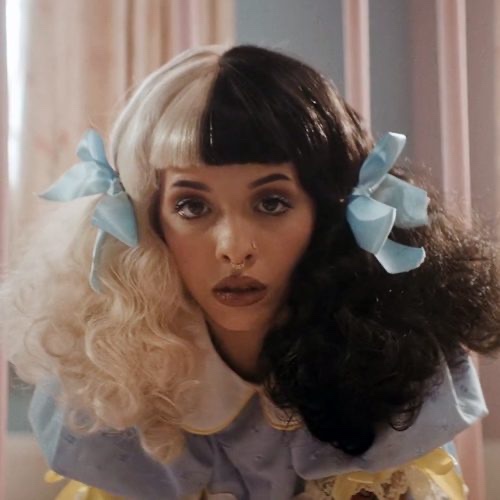
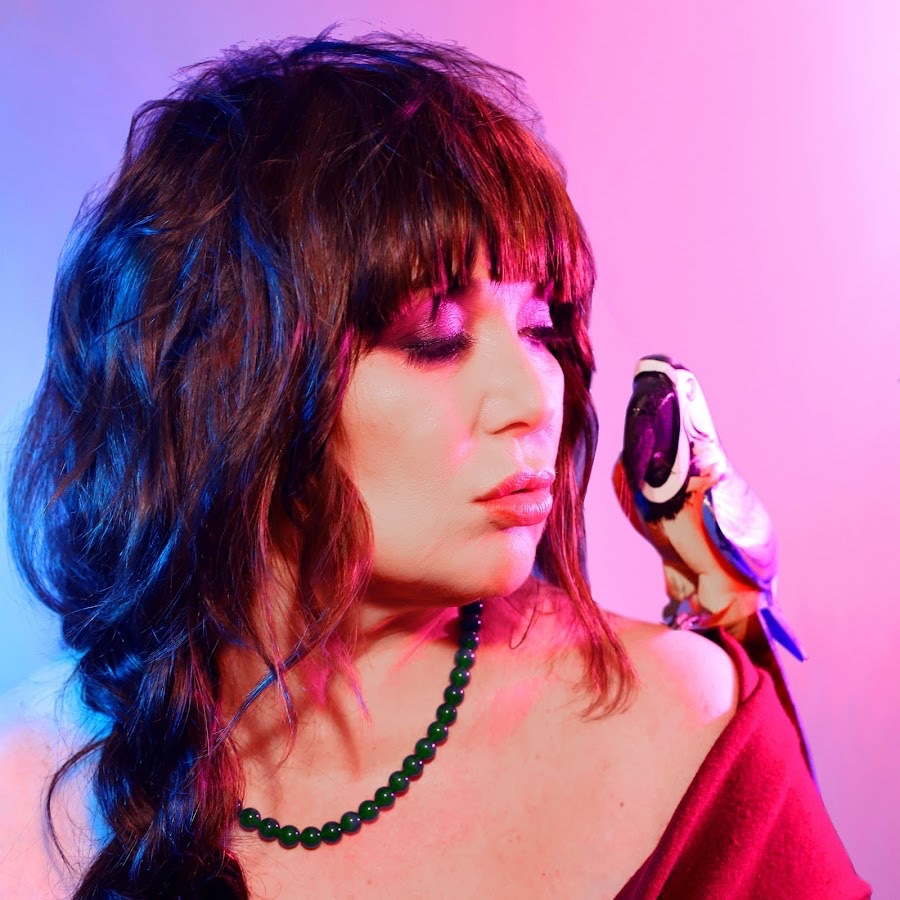
I think I’m running into the same problem now as I go about promoting my music. Every artist needs a hook, and I honestly don’t know what mine is. I’m autistic and ADHD. So? There’s millions of neurodivergent artists out there doing the damn thing. I don’t have a unique look about me. I dyed my hair black in part to quell comparisons to Swift, but now people, especially older ones, compare me to Ann Wilson from Heart. Not that I minded either comparison all that much, considering both women are musical inspirations (and big gay crushes) of mine, but I wish I had a look that stood out more. Even the split-dyed look I sported for a while has already been done better by Melanie Martinez.

I can’t win.

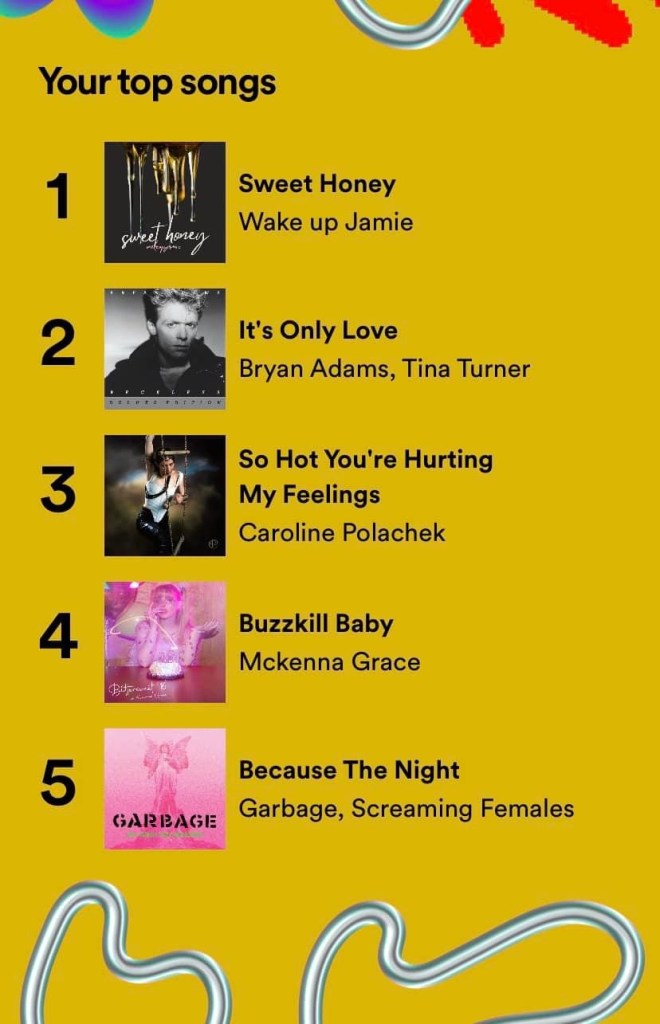
I don’t know what I need to do to set myself apart, but I’m sick of being the only person who cares about my music. I just wish I knew how to make other people care about my music. I can’t just pull a U2 and download my songs onto other people’s devices or like, stream “Oceanography” or “Sweet Honey” directly into people’s heads. (If that were possible, it probably wouldn’t be legal.) I’m not a virtuoso by any means, but I’m a damn good songwriter. That should be enough, but we live in an age where anyone with a laptop can be a songwriter and produce their own music. That’s not a bad thing, but it does make the competition that much more fierce.

Maybe I’ll get through the Voice auditions and finally get my big break, who knows? All I want is for my music to be heard by other people. I’ve always made music as a way to connect with other people. I don’t do it just for my own amusement.

Even if I do listen to myself more than I’d like to admit.

I didn’t answer the question in the title, mostly because I still don’t know myself. I guess I’ll always be on the journey to find new ways to stand out in a big wide world of other creators. That’s all we artists can do.

“Your Biggest Fan, This is Stan” (A Humble Critique of Obsessive Fandom)

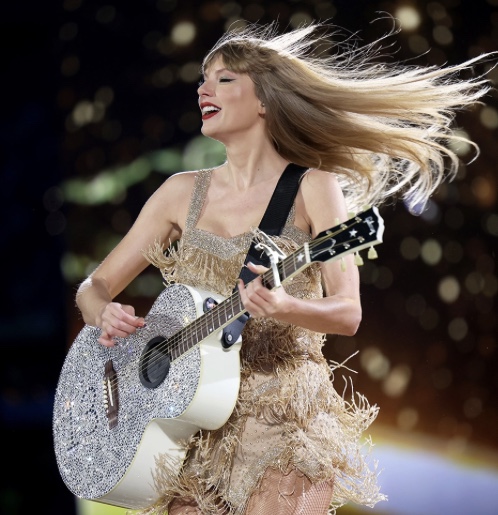
It’s fitting that I write this as one of Taylor Swift’s songs plays on the radio at work. Not like I write this stuff on the clock or anything.

Certainly not!

You see, Tay’s the catalyst for the events of this story. Or rather, her loyal army of stans.

My band had a show on Friday, hilariously enough competing with Taylor Swift’s show in Detroit. So I made this infographic as a joke to convince people to see us, a dinky ass local band, instead of her.

I know in humor you’re supposed to punch up, but in this case the punch was more of a playful nose-flick. Everyone in the band is a Swiftie, after all — we just thought it would be a funny way to drum up attention for the band and our show.

At first, we got a pretty hearty positive response, people saying we “won them over” and wishing us a good time at the show.

Then the stans came.

Suddenly, we were inundated with accusations of misogyny (hilarious in hindsight because we’re mostly women), homophobic (also hilarious because we’re mostly queer), and even mocking her mom’s cancer (I sure hope that stan warmed up before making that stretch). One of the “nicer” commenters asserted she’d seen her “three times on this tour” for less than her paycheck and has met her many times. The ones that hurt the most were accusations of us belittling a fellow artist — we would never attack another creator maliciously. Like, we made it clear in the caption that we were actually huge fans and meant no harm to Taylor.

But when you’re a stan, there’s no gray area. Make one perceived slight against their object of adoration, and you become public enemy number one.

Why do people do this?

I think it all comes back to the parasocial relationship people have with musicians. The beauty of music is that it’s a deeply personal medium that brings people together. That’s what drew me to music as a little autistic kid who had trouble socially. Music — and the people behind it — felt like friends to me. There’s a reason I’d make believe I was Bon Jovi and methodically watch anything related to them. In the end, music is what helped me connect to other people and build relationships that have lasted years.

But like nearly everything, there’s a flip side to that phenomenon. Take, for example, the song that gave stans their name — “Stan” by Eminem.

In my personal opinion, “Stan” is easily one of the most unnerving songs ever written. In it, a man describes his obsession with Eminem through a series of letters, culminating in him committing a murder-suicide after being let down by his idol. It’s absolutely chilling and worth listening to. In fact, I’ll link it here:

Another musical episode!

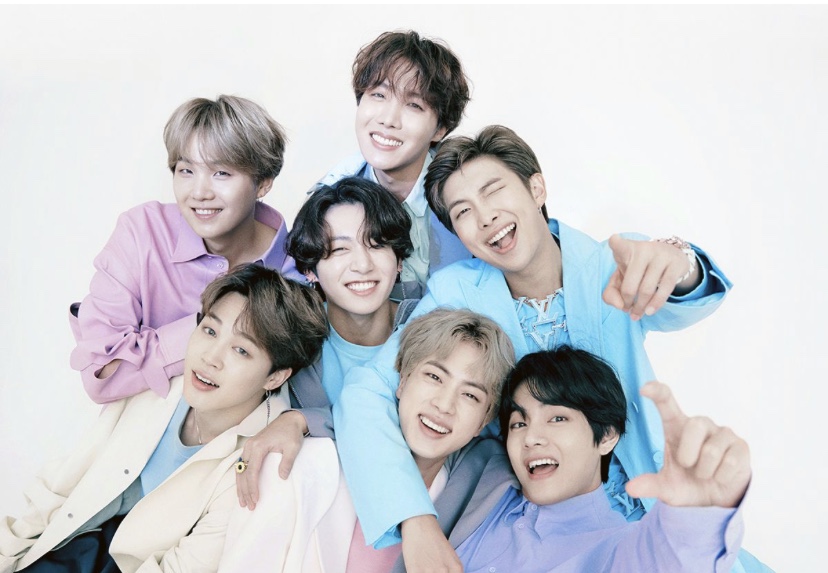
It’s almost funny how watered down the term “stan” has become — or has it? If it came down to it, would Swifties die for their queen? Would the BTS army kill for a bunch of cute guys from the other side of the world?

I mean, they are cute.

I’m almost afraid they would, and that’s because it’s happened before.

If you look at my YouTube subscriptions, you’ll find my two biggest interests to be music and true crime. Don’t worry — I’m not one of those weird Jeffrey Dahmer lovers or hybristophiliacs. I like the thrill of being scared, but fictional monsters don’t do it for me because my brain doesn’t register them as a threat. What does scare me is the fact that real life monsters exist, and are absolutely a threat. And every now and then, the stars align and I find something to watch that’s both music and true crime related.

Ever hear of the Bjork stalker? No?

Ricardo López was your average incel before the term even existed. He was a social recluse who retreated into the world of celebrities to dull the pain of not having many friends, let alone a girlfriend. His main fixation was the Icelandic singer Bjork, to whom he wrote many fan letters and considered her his muse. The obsession wasn’t sexual — he couldn’t envision her as anything but this pure, innocent figure.

So when she finally did get a boyfriend, and a black boyfriend at that (yup, he was kind of a racist too), Ricardo was furious. He wanted to send her straight to hell for her perceived slight against him. So, viewing the process as a sort of sick art project, he began filming a series of video diaries chronicling his plan to kill Bjork with bomb hidden within a book. Ultimately, he’d kill himself too, and he and his love interest/victim would be united in the afterlife.

In the conclusion of his series of “art films,” Ricardo shaves his head and paints his face green and red before shooting himself in the face, dedicating his suicide to Bjork as one of her songs drones on in the background. His bloated corpse and the video tapes would later be found by police, who immediately recognized what was happening to be a threat. They managed to intervene just before the package reached Bjork, narrowly sparing her life.

This is what fandom looks like at its worst, and it still happens. Even our girl Taylor has had to deal with it. And this is why I’m scared to death of becoming anything more than a local act, even though my band is slowly making its way toward greater things. Because with more attention comes more obsession, and people are fucking crazy. Maybe Taylor’s stans will come for me, or I’ll say something to piss off the BTS Army. Or worse, Wake Up Jamie will accumulate its own obsessive fans, and there will be that one bad apple who decides to Selena me.

People need to realize musicians and other performers are literally just people. We make art, we make mistakes, and we have dreams and fears like everyone else. Standom tends to raise people to a godlike level, but at the end of the day, we’re all a bunch of stinky, pulsating meat living on a giant rock. Even Taylor.

Pictured: a stinky meat girl

Grace Culture: Why Cancel Culture Needs to Go

Everyone sucks. It’s a pretty well-established fact of life. I suck. You suck. Your mom sucks. Hilary Clinton sucks. Donald Trump sucks. The Queen of England sucked. Name your favourite or least favourite person alive, and I can tell you with absolute certainty that they definitely suck. The very first thing we learn to do upon exiting the womb is suck (in a literal sense, but also in a figurative sense). It’s in our human nature.

There’s an entire tirade in the Bible about this, actually. It’s particularly referring to the Jewish and Greek folks who would have engaged with this writing at the time, but you could swap in any ol’ demographic and get the same idea. Black or white, cis or trans, Christian or atheist, and anyone and everyone else. We. All. Suck.

“None is righteous, no, not one;
no one understands;
no one seeks for God.

All have turned aside; together they have become worthless;
no one does good,
not even one.”

Romans 3:11-12

Recently, I’ve learned a lot of my favourite creators suck, too. And I’m not talking incredibly famous people, but people who are just like me, people who create and share things. These people are musicians and bloggers and writers who just so happened to reach the right amount of people to “make it,” whatever that even looks like. But the point is, I could be any one of them.

It’s exciting. It’s humbling. It’s scary.

One of my favourite YouTubers is apparently a nightmare to work with. Another took a picture with all her friends — who just so happened to be skinny, white-passing, and attractive by our narrow Euro-centric beauty conventions — and spun the post as body positivity. One of my favourite podcasts of all time got derailed because…I’m still not entirely sure. Stevie Nicks’ landmark song has a title that’s quite literally a racial slur. And I could list every infraction ever committed by my favourite guitarists, from John Mayer’s general fuckery to how Richie Sambora drove drunk with his daughter in the car. Even my beloved Chili Peppers aren’t innocent, sexually assaulting a fan in the early 90s and citing a porn star who was literally underage at the time she was active in the industry as a muse.

“Beat it, creeps.”

I’ve always wanted to be famous, ever since I was little and ran onstage at some show because I was mad the actresses were getting attention instead of me. I used to daydream at great length about becoming a rock star, crafting entire scenarios in my head about what my life and career would be like. I imagined the inevitable biopic that would be made about me, my internal dialogue becoming a narration of the story of my life from the perspective of someone who thought I was cool enough to make a movie about.

But at the same time, I don’t know if I can handle being famous. And that’s simply because I suck. Certainly not as much as some of the creators I mentioned above, but I still suck. I’ve said and done things I regret a lot, and I’m just lucky that I wasn’t in the spotlight at the time. Because I honestly don’t know if I could handle the criticism, even if it was justified. Especially if it was justified. I hate the feeling of being wrong, almost as much as I hate the idea of ever hurting anyone.

As a creator of any type, there’s so much pressure to be perfect, not just looks-wise but as a person as well. We need to be a role model. I don’t think that’s a bad thing. I think creators should strive to be positive influences for their fans, and I think creators should be held accountable when they inevitably fuck up. Some of those things might be unforgivable. Should the allegations against Michael Jackson be true, for example, we definitely need to stop holding him up as an idol. Should we stop listening to his music? I think that’s an even more complicated issue that I’ll probably address in a future post. But for relatively benign “maybe I didn’t realise this was racist at the time but now I know better” kinds of problematic behaviour, I think we need more space for grace. Because God knows I’ll need it.

I want so badly to make waves as a musician or writer, but sometimes I find myself paralysed by the pressure to be above reproach in all things. What if something I posted ten years ago on Facebook resurfaces and shows me as a total asshole now? You have to put yourself out there to get any ounce of fame, but in the process, you open yourself up to so much scrutiny. And sometimes I wonder if I could handle that. I cry if someone looks at me funny (I describe myself as “the stereotypical Pisces” for good reason). I think I could handle the press or some anonymous Twitter denizen calling me ugly or untalented. But if someone attacked my character, something I take more seriously than my looks or even my art, I’d probably lose it.

I hate the term “cancel culture” because of its association with the anti-“woke” (read: anti-any media that’s not cishet white male) rhetoric, but I think it’s time we cancel cancel culture to an extent. Rather, we need a grace culture, one where people are free to fuck up and be able to redeem themselves. We need to have open conversations with each other about why we suck and how we can suck less in a way that’s not defensive or vilifying. We need to be open to learning from one another.

The Glories and Pitfalls of Being the “Rocker Chick”

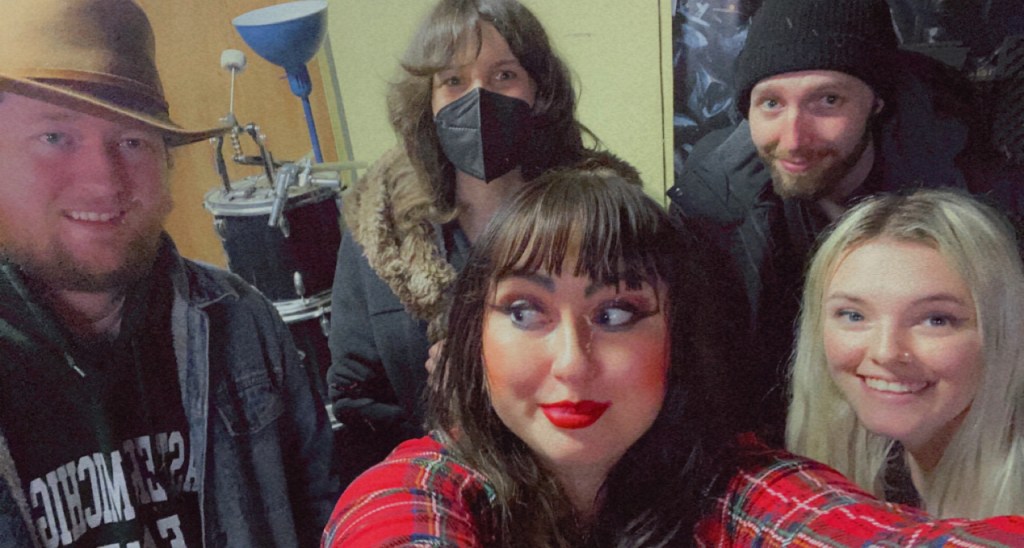
Last night, I posted a picture of my band, Wake Up Jamie, on our band’s Instagram page. This one, to be precise.

Almost immediately, we got an influx of picture “likes,” many from a new fan who just started following us! I was freakin’ over the moon excited. Any time someone new gives my little band a chance, it feels like the first time I ever played guitar or sang for my parents in the living room of our old house. You really like my music?! I get a taste of what it must be like to be my personal idol, Ann Wilson from the band Heart.

I have posted this exact picture on my social media and people thought it was me.

I received a message from the new fan, which I was excited to read, but didn’t quite have the metaphorical spoons to deal with at midnight on Christmas Eve Eve. So I left it for tomorrow-me to open in the morning. A little Christmas present to myself, you know? There’s no gift like waking up to see someone tell you how cool your band is.

So I open up this message and it’s…uh…I’ll just say this much-older guy wasn’t shy about confessing how he wanted to make me his sugar baby.

Not a damn thing about our music. Just that I was “beautiful” and he wanted a (presumably sexual) relationship with me in exchange for his money and attention.

Never mind the countless Saturdays at guitar lessons in my childhood and the hours teaching myself to sing in the shower and the hundreds of shows I’ve played in my lifetime. To this guy, I’m basically a singing hooker.

Which is a great business idea that hasn’t been done before, to be fair.

I have to admit my feelings of rage for being objectified were soft-serve swirled with a different, more positive feeling. Was I actually flattered this dude came onto me like that? On my band’s page, no less?

Surely Ann Wilson never had to deal with this?

Or did she?

I feel like I’ve written about the subject before, but I’m too lazy to find the exact post about it. But it’s not like Ann hasn’t dealt with being judged for her looks rather than her talent. Like how she was hidden behind layers of clothing and her skinny little sister, Nancy (who is equally talented, in all fairness), back in the MTV days because Ann was a little too thicc for the era’s liking. As if she wouldn’t have been revered at a Kardashian level had she been young today.

You know she was hiding a Kim K donk.

And the funny thing is, had she been young today, you know her Instagram inbox would be full of guys just like the one who messaged me. Even today, go to any Heart music video on YouTube and just read through all the thirsty comments from dudes (and probably a few chicks) who would kill for a ride on Dreamboat Annie. (And for the love of God, I hope Ann Wilson never reads this blog post, for that sentence alone. I feel so dirty.) They’re interspersed with comments about her voice at least, but you can’t deny that many of the “Wow, the best voice in rock and roll”-type comments are followed by “and also smokin’ hot!”

Would Heart have made it if Ann and her sister weren’t a certifiable 11 out of 10? How intertwined are music and appearance anyways? Male musicians are judged for their appearance too (see: every boyband ever), but you can’t deny that the pressure is more intense for female musicians. Even the least-attractive female musicians who have “made it” are still conventionally pretty, while guys get more of a pass to look like a foot. Bob Dylan is revered as one of the greatest musicians of the 20th century, and no one’s thirsting for him, right?

I mean, I’d go for it, but not everyone’s type is “dorky Jewish guy who plays guitar better than me.”

As annoying as it is to have to be a “hot girl” to make it in music, there’s a certain power in embracing your looks and sexuality to get ahead. You know the saying — “if you got it, flaunt it.” As a band with three female members, we’re going to be judged for our looks, we might as well use it to our advantage. The end goal is to get our music heard, and if it takes luring people in with our hotness, so be it.

Pictured: the hotness

I don’t think there’s any shame in using everything in your disposal to get to where you want to be, as long as you’re not hurting anyone else. If guys drooling over mine and my bandmates’ pictures will get them to pay attention to us and ultimately listen to our music, that’s what matters. We don’t write songs to play in our drummer’s studio every week and never see the light of day. We want to make a living doing what we love. We want to spread a message. We want to be heard.

Being objectified sucks — I can’t argue with that — but taking control of the narrative and the way you’re seen is strangely empowering. Maybe being a woman in music isn’t so bad after all.