The Freeing World of Outsider Music (And Why You, Too, Can Make Cool Stuff!)

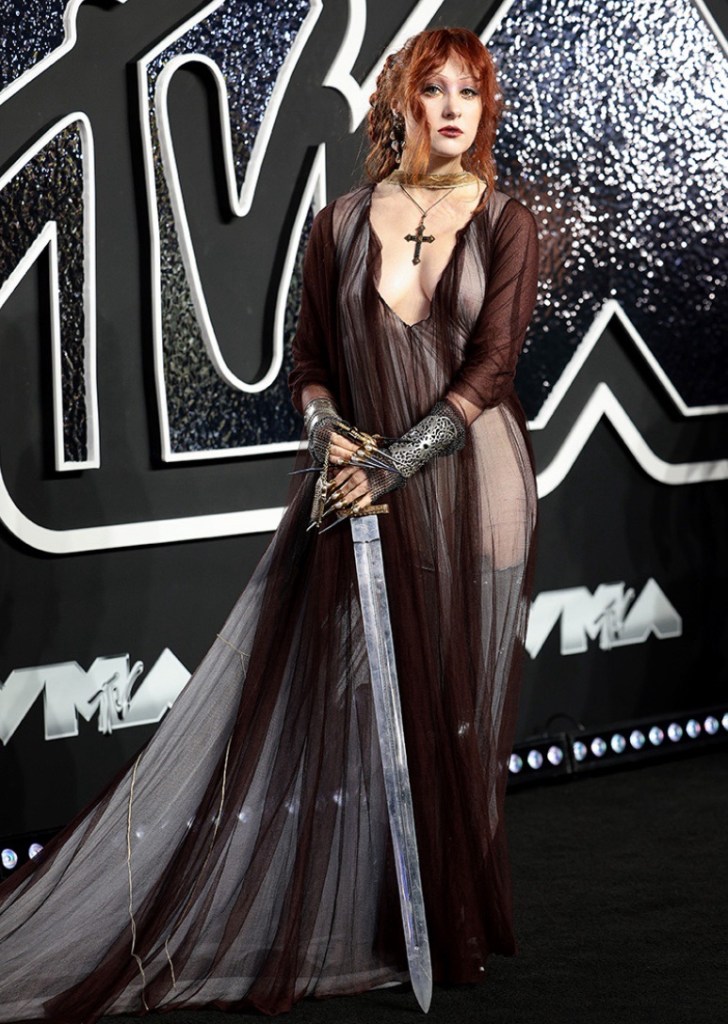
Here’s a confession: I was originally planning to spend this month locked in my apartment with nothing but my laptop and recording equipment in order to bully myself into making an entire EP in a month’s time. I had a whole plan of action and everything. I was going to do a collection of covers of my favorite recent Chappell Roan and Taylor Swift songs and name it The Rise and Fall of the Life of a Midwest Showgirl Princess because I’m already extra as hell so why not lean into it? And I figured with how relevant both artists are right now, at least someone important would hear my project and like, give me a bunch of money to make music forever.

That’s how record deals work, right? They didn’t teach me that stuff in music school.

But here’s the eternal problem I run into — I’m an extrovert through and through. I’m actually stupidly extroverted at times. I envy the cute quirky introverts that just need like, a book and a cup of coffee to go, because I need at least thirty solid minutes of conversation every hour on the hour or I die. So I decided I’d try to appease both the part of me that wanted to record music and the part of me that wants to hang out with folks by throwing my gear into a sack and schlepping it over to my friends’ places.

And that’s when the real magic started happening.

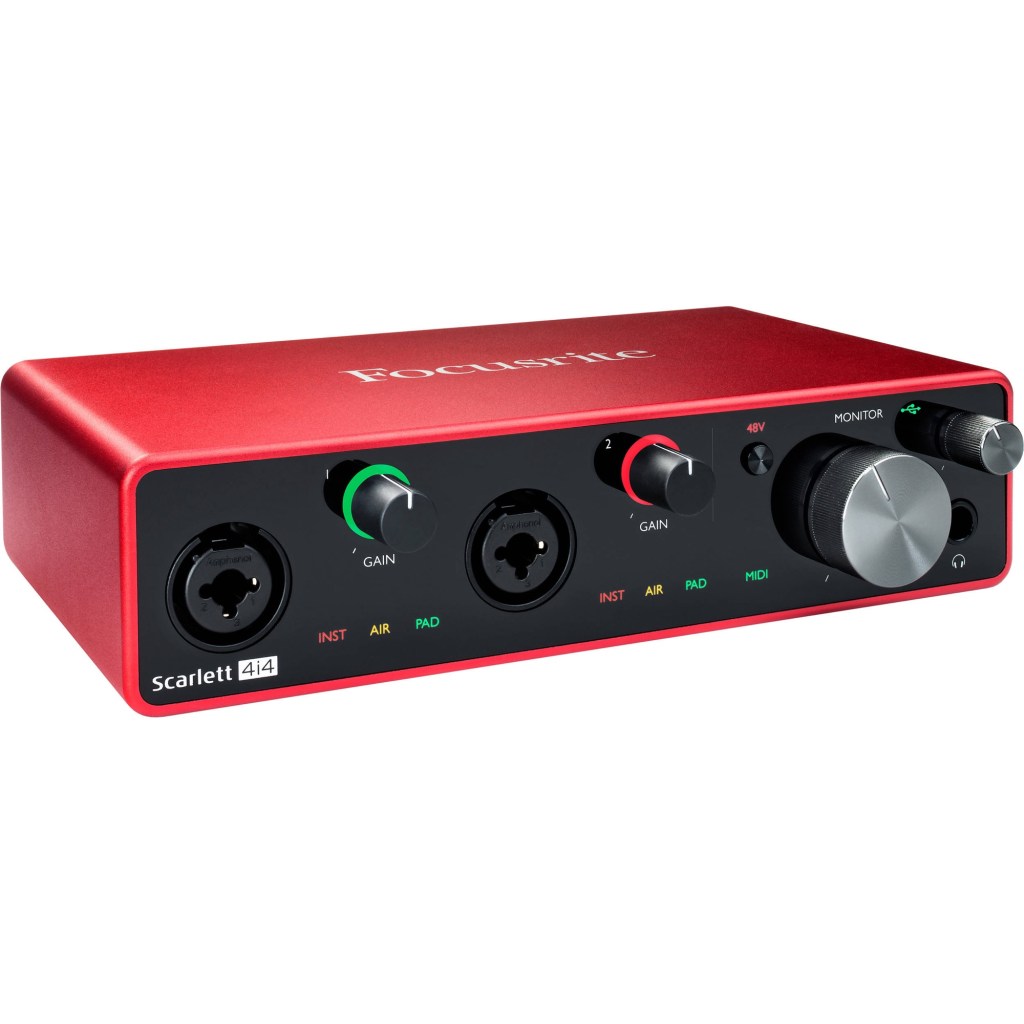
I’d break out my laptop, load up the DAW, and my friends would hover over me excitedly as I cooked up silly little beats for them to mess around with. None of us are actually rappers, but we like to write raps about stuff and pretend we are. I think the first song in what would eventually become The Kalamazooligans project happened at Luke’s place. He’s a writer, one of my closest friends, and a frequent collaborator of mine. He wrote a really heartfelt verse about finally finding companionship in the karaoke scene, and our mutual friend Willy made up a chorus inspired by a “live laugh love” sign (featuring Kim Jong Un — don’t ask) Luke had hanging up in his living room. Then David (who’s one of my Fairale bandmates, actually) rounded out the second verse, and I took the last. Suddenly, we had an entire song we literally pieced together with nothing but Logic, some Apple Loops, and that Focusrite Scarlett audio interface every fucko with a podcast owns (myself included).

They make them bright red to match the flags that come with having a podcast.

Was the finished product “good” by the standards of the music industry? Absolutely not even close. This is not Top 40 radio. Max Martin (my Swedish pop hero) would not touch these songs with a 39-and-a-half foot pole. The average listener would probably be surprised to learn that anyone involved in the making of this music was actually a professional-ish musician. But something special happens when people who have no business creating art say “fuck the rules” and do it anyways.

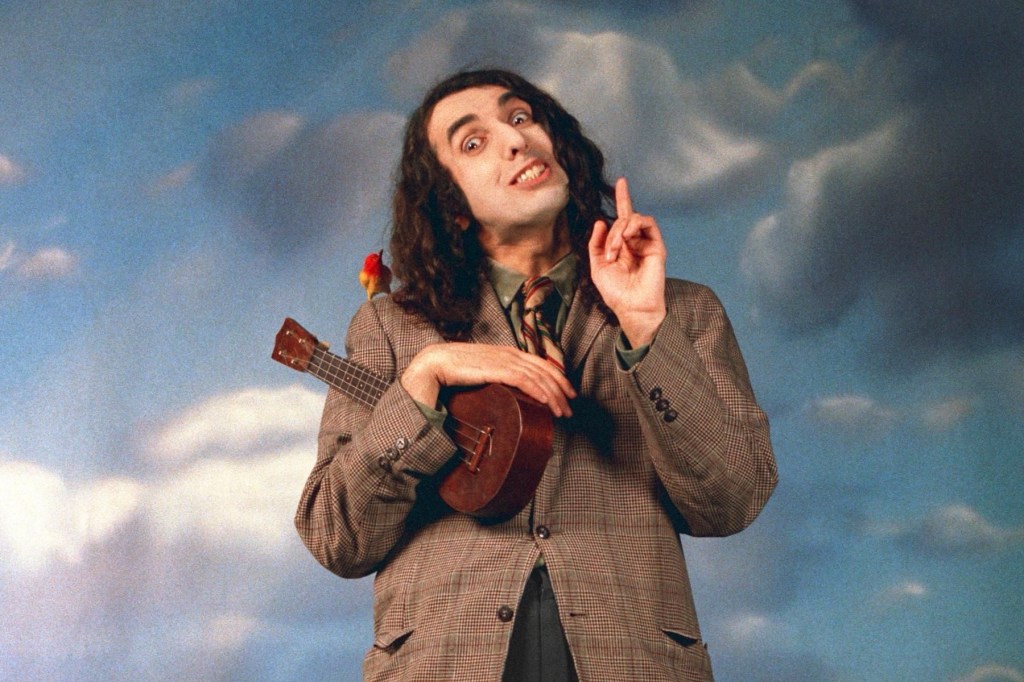
Outsider art is art made by folks with no connection to the “legitimate” scene, aren’t properly trained in their field, and/or often have stuff like mental illnesses and other disabilities working against them. In other words, not your glamorous ideal of an artist. Outsider art includes visual art as well (an infamous example being controversial cartoonist Christine “Chris-Chan” Weston Chandler), but on the music side of the loosely defined genre, you have guys like Tiny Tim, who somehow broke into the industry as a niche act armed with nothing but a ukulele and a wild falsetto. There’s the elusive proto-singer-songwriter Connie Converse, whose tragic life I actually immortalized in this very blog. Even Brian Wilson, the legendary freaking Beach Boy, was considered an “outsider” by some metrics, although this is debated. These are all characters I find infinitely more fascinating than the manufactured pop star image being pushed by the mainstream music machine.

Wouldn’t you rather read about this dude?

I’d like to think the future of music rests with the outsiders. Whether they realize it or not, people tend to gravitate toward artists who have a fascinating backstory. It’s why Taylor Swift managed to captivate so many people despite being born rich and pretty — she was still able to sell herself as the girl-next-door underdog with a guitar and a dream. Fans have been revisiting the drama between bands like the Beatles and Fleetwood Mac for generations now. I feel like artists today are too sanitized and “professional.” We need musicians with personality. We need musicians who take chances. We need freaks, geeks, and weirdos making the music no one else would dream of. We need outsiders.

When I was studying music therapy, my eventual dream was to help everyday folks make music they could be proud of. I knew firsthand how healing the process of music creation could be, and I wanted to share that with my clients. Obviously, that dream died a horrible deathbut maybe it didn’t. Maybe this is what I was meant to be doing this whole time. My friend group has been alight with ideas, and my phone has been blowing up with requests for new songs and beats to work with. Everyone is so excited to cook up fresh material, and it’s revitalized my love of creating music like nothing else. The crew even dubbed me the “Mother of Beats,” and I gotta say, after everything I’ve been through with music, it feels good.

I think our culture needs to rethink its relationship with music. Music isn’t only for attractive people, rich people, or able-bodied/neurotypical people. It’s the birthright of every human. Kids are always humming little songs to themselves — until society beats it out of them and says they’re not “good enough” to be singers. I’m fucking sick of that mentality. In a world where you can literally just beep-boop a “perfect” song, get dirty and create something yourself. Make it messy. Get your imperfections all over it. Who cares if it doesn’t sound radio-ready? The grit and grime are what makes it special.

I’m excited to see where The Kalamazooligans ends up. I hope it inspires more “outsiders” to get their hands dirty and create. Perhaps it’s a lofty goal, but I want to start a creative revolution, even if it never leaves this Midwestern college town with a silly name. If I can make my own corner of the world brighter, more whimsical, and more musical, I know I’ve succeeded.

The Sincerest Form of Flattery (And Why Taylor — Or Anyone Else — Shouldn’t Have to Apologize For “Stealing” Songs)

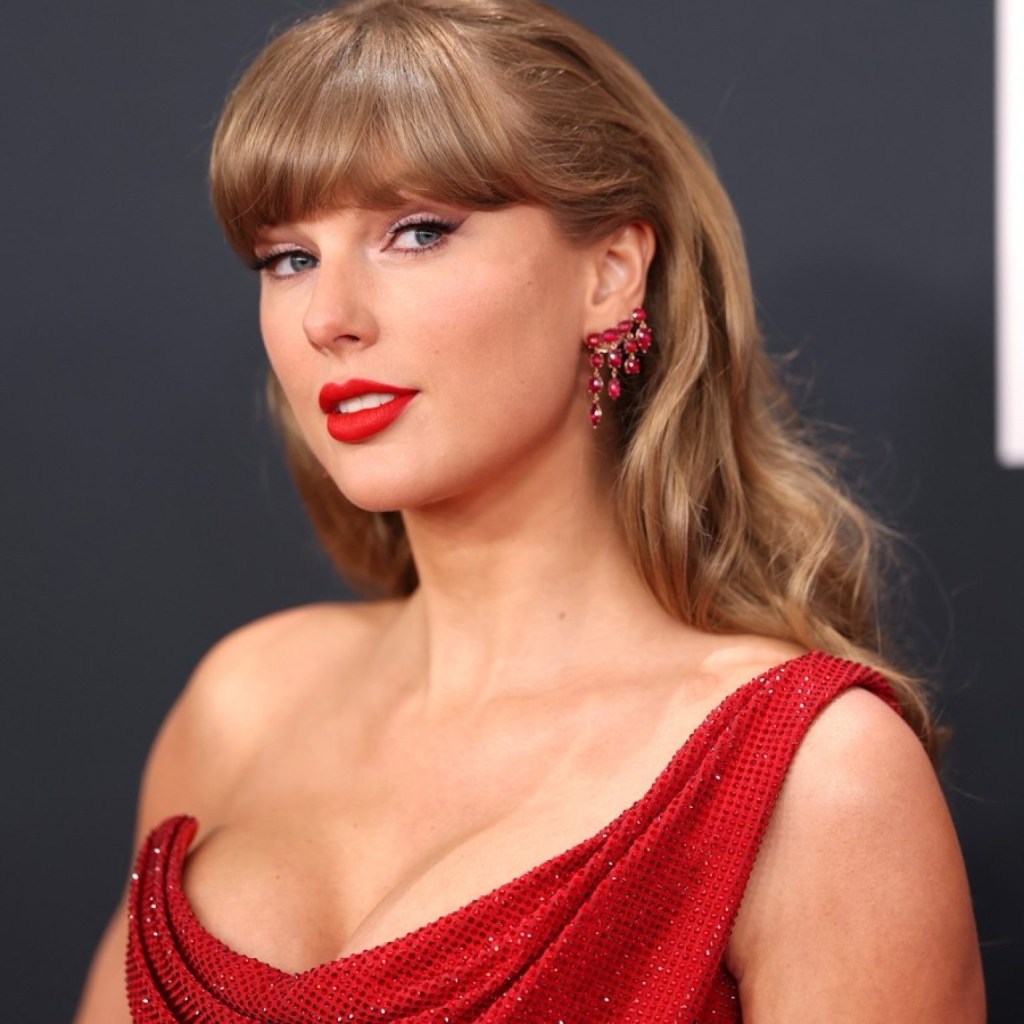
Ah, Taylor. I don’t even have to write her last name and you already know who I’m referring to.

It’s me, hi!

Unless you’re just getting back from a year-long sabbatical during which you traversed the steppes of Uzbekistan with nothing but a backpack and no phone, you probably well aware that Ms. Swift just dropped a new album. And it’s…just okay. It’s nothing to write home about, especially when compared to her masterful previous works, and the lyricism seems to have regressed significantly. I’ll probably write a full review of the album in the next week or so, but I wanted to touch on one of the biggest talking points that’s come up during this album cycle. And it’s probably the talking point that’s been driving me the most bananapants.

Which is just how hilariously clueless the general public is when it comes to music.

Okay, that might have sounded a bit mean coming from a bitch with a music degree and decades of experience, so let me reword it a little nicer — the vast majority of the population has no idea how music theory actually works, especially in the context of copyright law. Now I’m not a lawyer, but I do know a little bit about what can be copyrighted and what can’t. Still, I want to focus more on the music side of things rather than the law side, because that’s the more fun side, right?

I guess you could count this thing as a percussion instrument.

Anyways, let’s start here — you got these songs. There’s the questionable Charli XCX diss track, “Actually Romantic.” Among the many complaints about the song, particularly that it’s disproportionately mean-spirited, is the observation that it sounds suspiciously like the 1988 Pixies single “Where Is My Mind?” Then you have “Wood,” Tay’s tacky ode to her man’s…manhood, which people have said sounds suspiciously like the legendary Jackson 5 hit “I Want You Back.” And the song I consider lyrically the strongest of this batch, her title track collab with my current celebrity girl-crush, Sabrina Carpenter, shares a similar feeling to “Cool” by the Jonas Brothers, who were famously her associates early in her career. So what the fuck, Taylor? Are we blatantly ripping off other artists now?

And here’s the part where I get to say “Well, ACKSHUALLY” and defend Taylor’s compositional choices (even if some of the lyrical choices are much harder to defend — looking at you again, “Wood”).

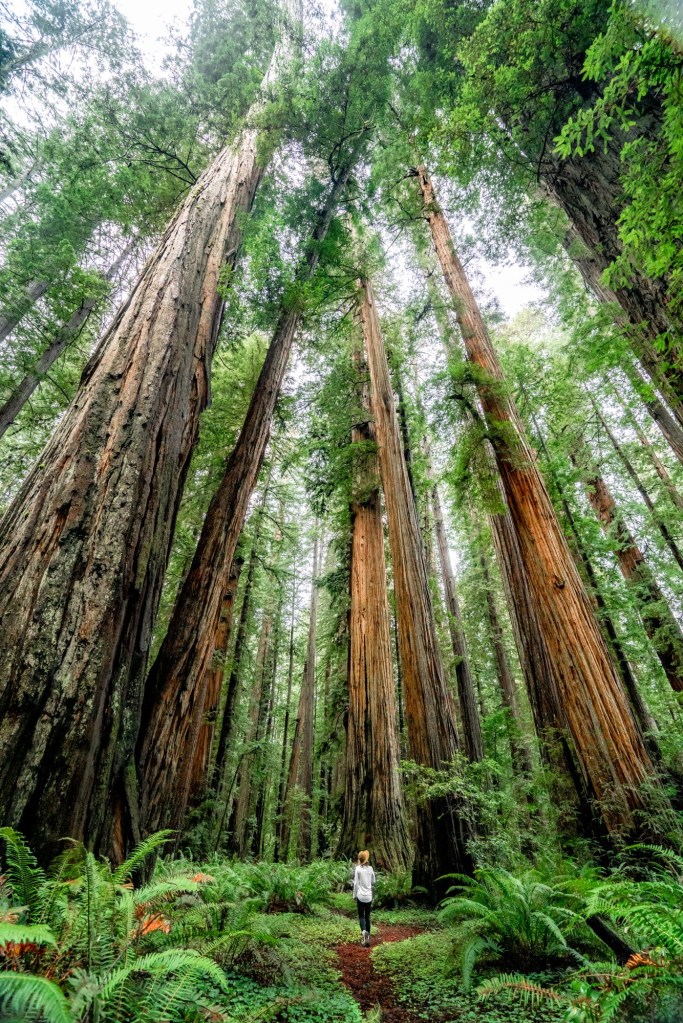
Thank you SO MUCH for making me picture Travis Kelce’s rock hard redwood tree…

In the Western music tradition, you’ve got 12 notes: A through G, plus the sharps/flats in between. It’s important to note that out of these 12 notes, only a handful sound good together. Those notes that sound good together form the “key” of any given song. The key is essentially the artist’s palette of colors. Those are the notes you can put in your song that will actually sound like they fit in the song. Anything outside of the key will sound off and even unsettling at times. That being said, you can use notes that don’t fit into the key, but it takes a certain degree of finesse and theory knowledge to pull off nicely. But for the most part, you’ve got maybe seven notes to work with, which, ya know, ain’t a lot.

Let’s get to chord progressions. What is a chord progression? Well, have you ever listened to “Poker Face” by Lady Gaga and Luis Fonsi’s “Despacito” back to back? Even though the genres of the songs are completely different, the “vibe” is still eerily similar. And that is because they share the same chord progression. There are many, many more examples. “Africa” by Toto. “One of Us” by Joan Osborne. “Peace of Mind” by Boston. “Fuckin’ Problems” by A$AP Rocky. “Alone” by my freaking favorite band of all time, Heart. And that’s just one famous chord progression. The progression the Beatles used in “Twist and Shout” was practically ubiquitous in the 50s and 60s, and the blues as a genre likely wouldn’t even exist without the 12-bar progression we know and love. And — this is important — you cannot copyright a chord progression. If I wanted to write a song that uses the exact same chord progression as Taylor’s “Love Story,” I could — and I have. Heck, she has even plagiarized herself in this regard. Go listen to “Shake It Off” and “Eldest Daughter” one after the other and tell me the latter doesn’t sound like a more somber, slowed down version of the first. That’s because they use the same three-chord progression.

Did Tay lift the chord progressions for her new songs from preexisting songs? There’s a chance, but even if she did, you have to remember that musicians have been gleaning ideas from each other for time immemorial. Everyone is influenced by someone. But there’s also a decent chance she just sat down at her piano or with a guitar and those are the chords that naturally came out. Because, like I mentioned earlier, they just sound good together. Our ears are conditioned since birth to listen for patterns in music, and you’re so used to hearing a V chord resolve into a I chord (that’s historically the most common way to end a musical phrase — the authentic cadence). So when you go to write a song, that’s what you naturally gravitate toward.

There is a great deal of discourse around the supposed lack of originality on this album, but I don’t think that’s a fair critique. I think there are plenty of valid critiques when it comes to this album, but I don’t think this is one of them. You could argue that Taylor opened herself up to more scrutiny in this area when she went after Olivia Rodrigo for rights on a song that only marginally sounded like hers (and like, only if you squint). At the same time, I don’t like any criticism of “copying” in songwriting unless it’s a particularly egregious example. Music, at the end of the day, is a social art, and musicians are going to keep borrowing from each other like they always have. As one of my favorite writers, Austin Kleon, says, it’s okay to “steal like an artist.” I’m allowed to have influences. You’re allowed to have influences.

And so is Taylor.

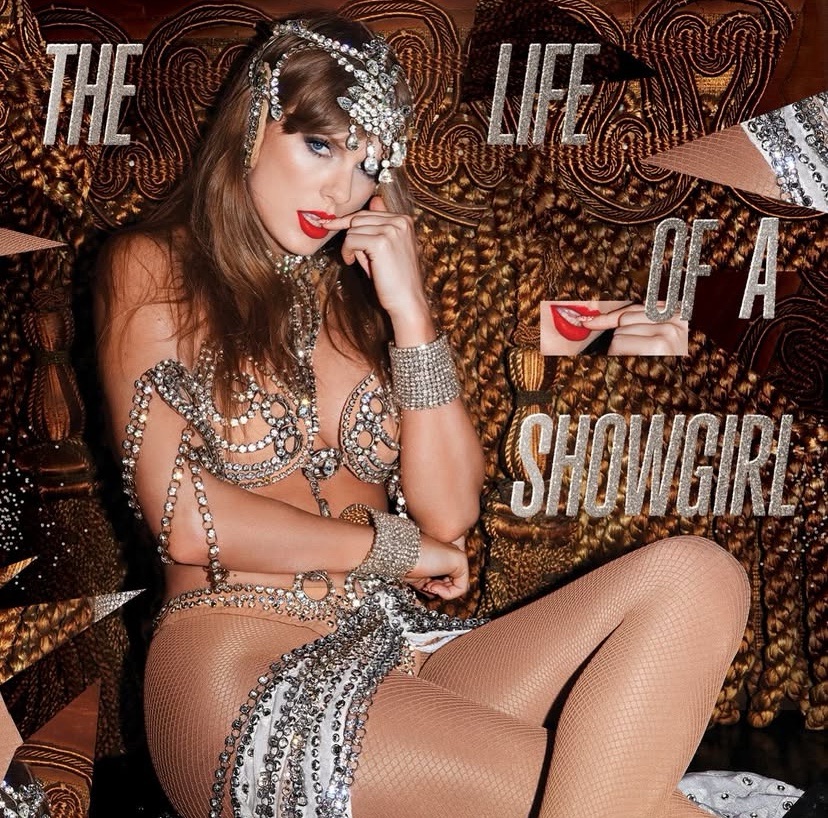
The Life of a Showgirl: Why the Arts Matter in a World on Fire

So Taylor Swift announced a new album.

And I am announcing that I am very gay for this woman.

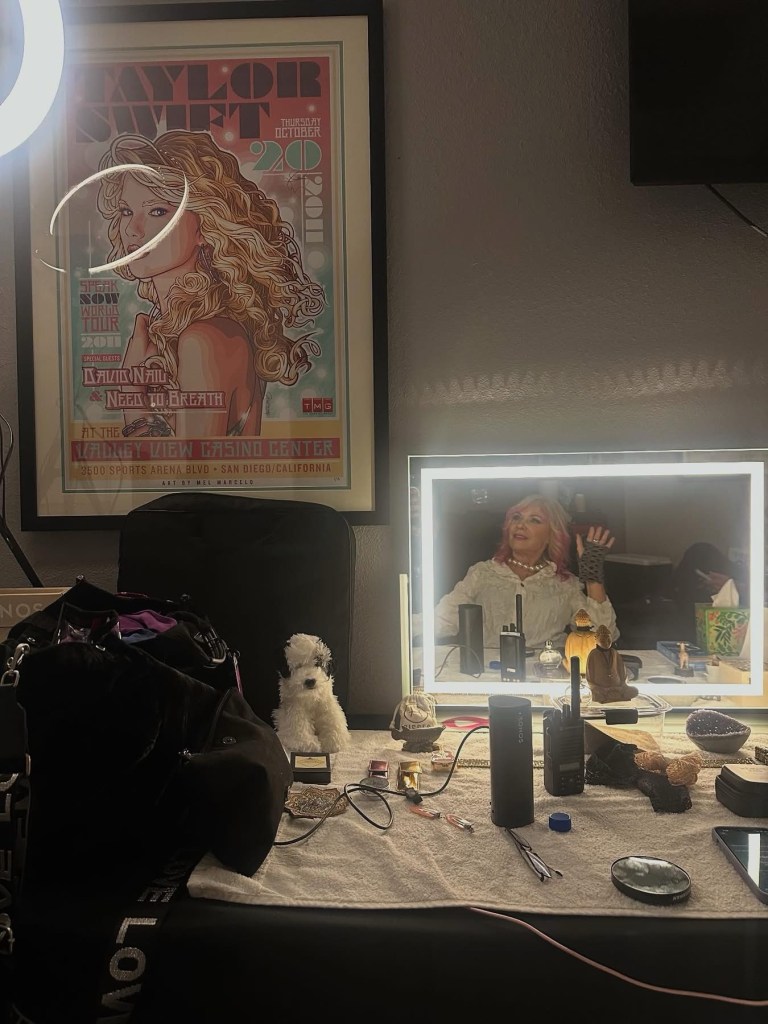
The world came to a crashing halt, all because the biggest pop star on the planet teased some new music. Fans, celebrities, corporations, and motherfucking Elmo paid homage to Swift in their own ways. Even one of my personal heroes, Nancy Wilson of Heart, got in on the Tay love, posting this picture with the caption “life of a showgirl.”

To be clear, Nancy is the woman in the mirror, not the tiny adorable pupper.

With the announcement of the new album casting an orange glow over the world, it’s easy to miss the fires that have been raging the entire time. Trump’s Big Bonkers Bill is gutting healthcare for millions of Americans who rely on it. Public radio and television, one of the last bastions of true journalism and free speech, is also being gutted. And you have that quadruple-divorced fucko who swears she knows so much about the “sanctity of marriage” trying to take away my right to have a wife and family, so I mean, it’s fucking personal now. Then you throw on everything happening in Ukraine and Palestine and it’s fucking exhausting. The world’s on fire. Innocent folks are dying, and everyone’s freaking out over a Taylor Swift album?!

But — and hear me out, here — that might not be a bad thing.

I’ve written on this site about the concept of “glimmers,” which are functionally the opposite of triggers. While a trigger is an event that causes you to feel uncomfortable or afraid, a glimmer is an event that brings intense joy. They’re the tiny moments that make life worth living. A lot of glimmers come through art. Think about the last time a song gave you chills or the plot of a film or book moved you. Those are glimmers in action.

It’s easy to write off the creative and performing arts as vapid and unimportant, but art is a rebellion against a world that tries to quash any anti-conformity and critical thinking. Art is an invitation to think deeper — something the oligarchs don’t want us to be doing. Even mainstream art like Taylor’s is punk as hell in times like these, as it unites folks together. Music gives people hope. It inspires. It galvanizes. I think that’s part of why the elites are keen on eliminating things like arts education and pushing AI to make things instead of training up human artists. Art is dangerous. Creativity is dangerous. Hope is dangerous.

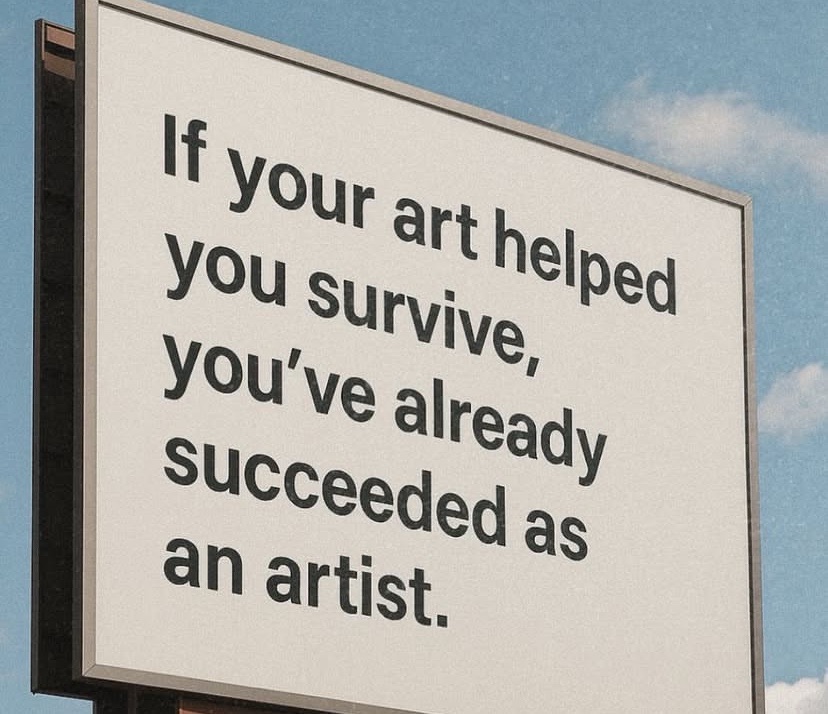
I don’t think it’s a coincidence that this image popped up on my feed while I was doing research for this post:

This is a simple but true statement, and I’d apply it to both your own work and other people’s works. If an artist’s music helped you in any capacity to enjoy your time on this planet, if even one song paints the planet just a little brighter for a moment, it served its purpose. And that purpose is to be a sort of analgesic to the pain of everyday life. That’s what I believe Taylor understands so deeply, and that’s what I hope to embody in my own creative endeavors. The life of a showgirl is to serve glimmers and bring hope.

In a world that is intent on snuffing out anything whimsical, beautiful, or different, embrace that spark that makes life worth living.

If you enjoyed the writing in this post and elsewhere on the site, please consider donating to Jessa’s tuition fund! Any help is appreciated!

CashApp: $TheJessaJoyce

Venmo: @TheJessaJoyce

Don’t Quit Your Day Job: How to Avoid Selling Out and Make Art You Actually Like

I like to read books on the intersection of creativity and productivity. It’s kind of my way of sharpening my mind for writing and creating music. Reading has always been a form of escapism for me, but these diving into these books of practical tips and hard-earned advice have really helped me develop my own philosophy toward art and work. One book I’m working through at the moment is Make Your Art No Matter What by Beth Pickens, which is crammed full of helpful information and philosophical approaches guided by everything from modern psychology to ancient Jewish wisdom. It’s a great book so far, but the second chapter was what prompted me to write this post. It’s a chapter simply titled “Work,” and it delves into all the ways our hectic capitalistic work schedule fucks with our abilities to create.

Here’s a hard truth I’m learning: if you want to create good art, get a day job. I’m not kidding.

If you want to create unadulterated, pure art, free from the expectations of corporations and The Man™, you need to get a day job. Because the second you rely on your art for your income, it’s not yours anymore.

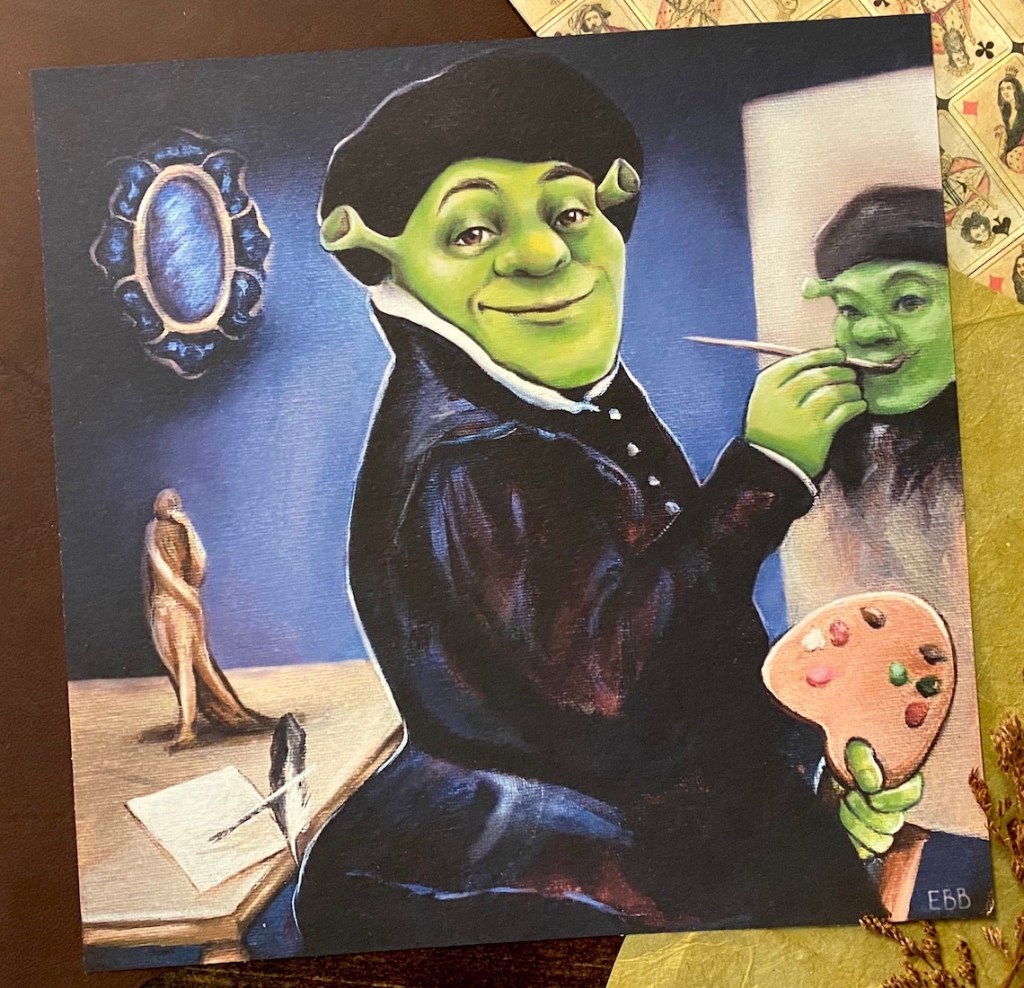
My wife is an artist. I talk about her quite a bit on here. One thing she does for work is commissions. She specializes in doing quick unhinged portraits of people’s fursonas (furry art is a lucrative field, yo). Imagine if you paid $5 of your hard-earned money for a sketch of your character and you got back a lovely sketch of Shrek. You wouldn’t exactly be pleased, would you?

I don’t think I could be mad at this, to be fair.

The second people start giving you money for your work, you owe it to them to give the people what they want.

But if you can make a living independently of your art, you can do whatever the fuck you want with it.

And it’s freeing as hell.

When I was younger, I wished I was Taylor Swift famous. And the truth is, when you’re Taylor Swift famous, you have a little more wiggle room. She has enough leverage to do what she wants creatively. If she wanted to pull a Poppy and go full on metal, she totally could.

And here is proof that it would be absolutely badass.

Here’s the thing: most artists don’t have that privilege. No, not even many artists who are now considered legendary. Take Heart, for example, because y’all already know I’ll take advantage of any opportunity I get to fangirl over them.

Jessa Shuts Up About Heart for Five Minutes Challenge (IMPOSSIBLE!)

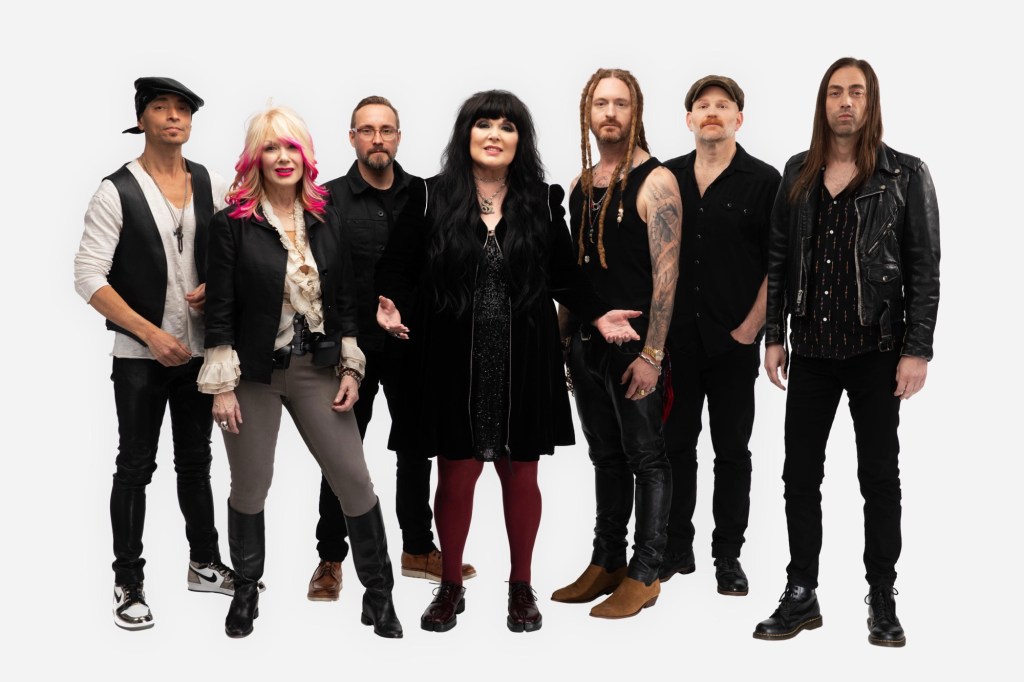
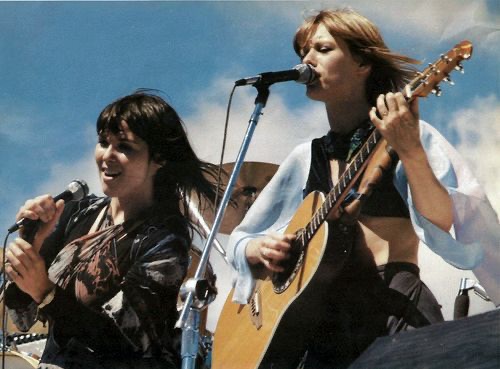
Back in the 70s, Heart took over the rock world with timeless songs like “Magic Man,” “Crazy On You,” and the classic musical middle finger to creeps and sleazebags known as “Barracuda” (which I channeled recently at karaoke when approached by a fucko). But by the 80s, they were reaching a nadir in their career. The industry had changed around them, and suddenly, music was less about realness and artistry and more about manufactured image. The frontwomen of Heart, the Wilson sisters, faced with the very real threat of irrelevancy and the impending death of their music career, decided to roll the dice with what I call the Liz Phair gambit. Suddenly, the band went from looking like this:

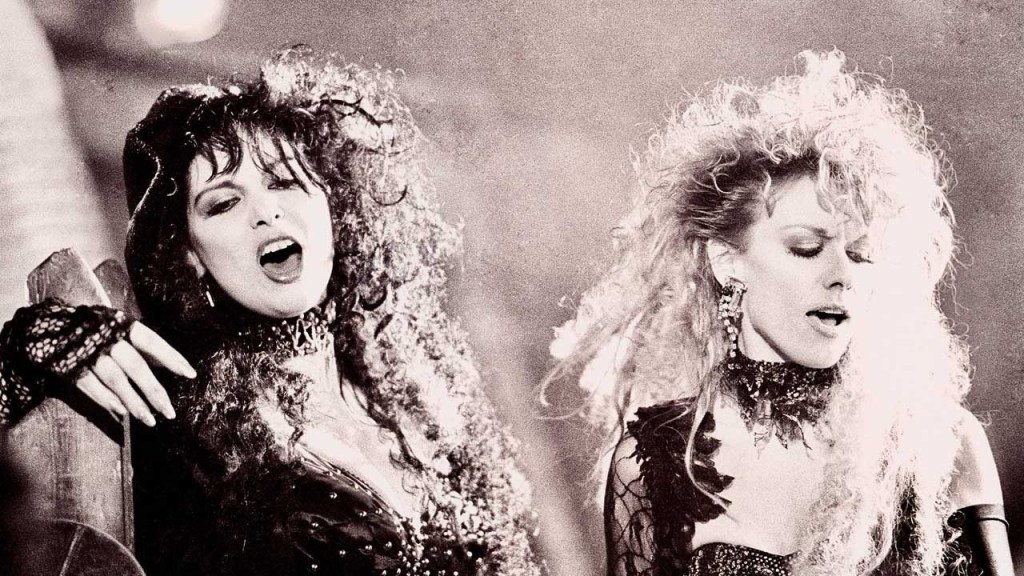
To this:

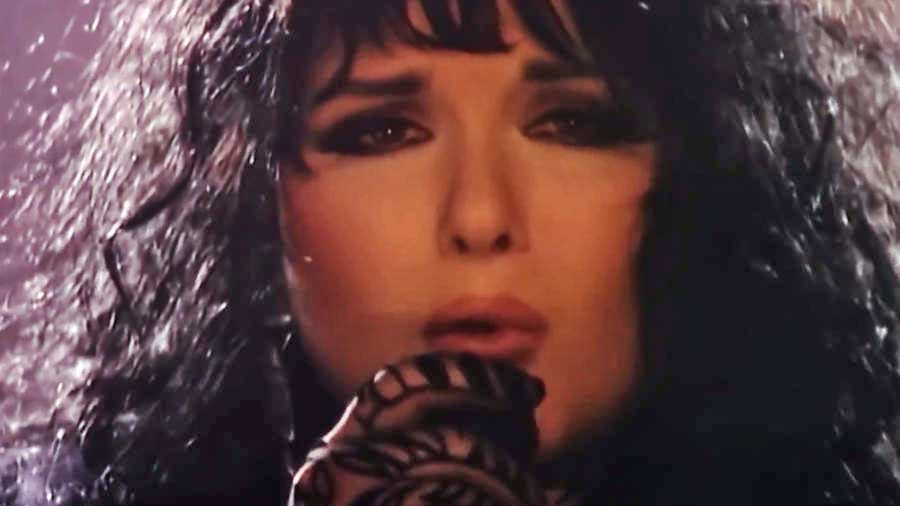
In order to survive, the band had to sell out. And with great success! They scored their first ever number ones during their bombastic, hairspray-fueled ‘80s run. Everyone knows and loves their output during this era. Who can forget the epic power ballad “Alone,” with a music video that was so influential to me growing up that it shaped my entire aesthetic?

But despite all the earthly riches MTV could offer, it really wasn’t the music they wanted to make.

I’ll let Ann Wilson herself do the heavy lifting of explaining the situation in her own words:

“What made me the most uncomfortable in the 1980s when Heart was doing everybody else’s songs was that the songs seemed like the empty fishbowls that you could pour anybody into and it would be a hit,” she said in an interview. “That’s the ultimate example of me biting the hand that fed me. But, at the same time, I’m a creative artist and I want to be authentic and I made this Faustian bargain to do other people’s songs and get No. 1s.”

Sure, she did what she had to do to achieve the rock star life. But sometimes I wonder if she would have been happier tackling the music industry the way I am in the 21st century, working overnight as a caregiver while laboring over her MacBook during the day to make the music she wanted to make. I wonder if I’d be as miserable as she was in the ‘80s, having to sell my artistic soul to have a viable career.

The truth is, I may never see more than the measly excuse for royalties Spotify pays out. I’ll likely never be more than Kalamazoo famous. But at least I can make the music I want to make. I’m not beholden to anyone. If I wanted to scrap my upcoming project, LORE, in favor of a Weird Al-style parody album, I could get away with it. And that’s all because I have financial stability outside my creative work.

I won’t say it’s an easy life to live. Balancing a full time job on top of any passion projects is not a task for the weak. But if you want to make the stuff you wanna make, it’s the best road to travel. It’s okay to work a dumb job you don’t like for the paycheck if it means not letting your art become that dumb job you don’t like.

Selling out just ain’t worth it.

AI Killed the Radio Star: How Technology is Crushing the Culture of Music

I wasn’t sure how to answer this prompt—

What bothers you and why?

—until my girlfriend and I had a conversation on AI. Which is not unusual, since she’s a pretty staunch advocate against it. I’m fairly neutral on it, to be fair. I think it opens up lots of exciting possibilities, and it’s a tool like anything else, but at the same time, there are multitudinous problems with it that no one seems to want to address. Hell, I experimented with it against my better judgment and realized it was making my imposter syndrome so much worse. The unfortunate truth is we’re just going to have to learn to adapt to this somehow. There’s no putting this genie back in the bottle.

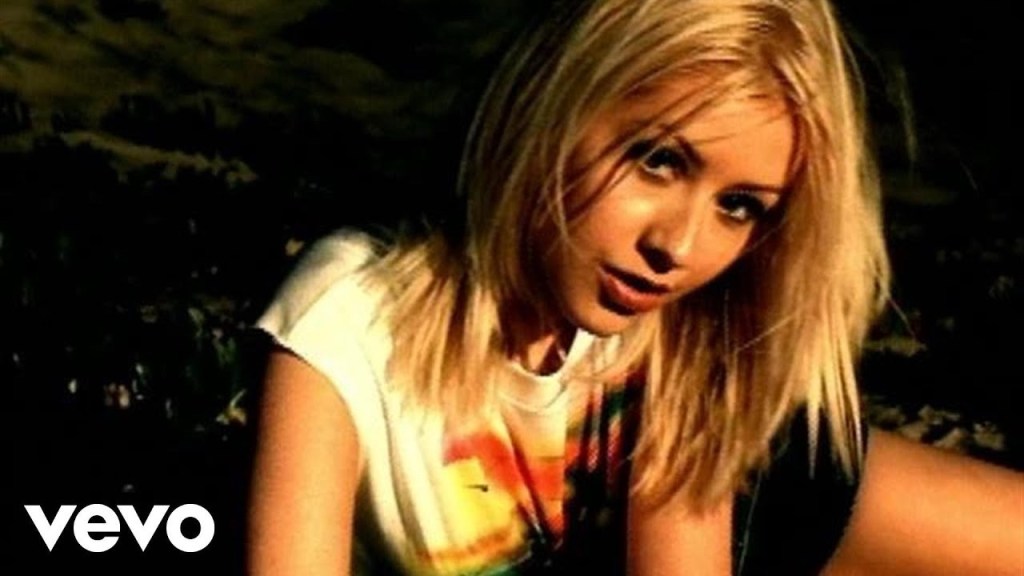
Christina would never.

But it’s disheartening, because the advent of AI might be the final nail in the coffin of the music industry. And that is what has been bothering me lately.

And the sad truth is, the state of music has been in decline since the dawn of the internet. In fact, Suno is just finishing a job started by Napster all those years ago and continued by Spotify to this day.

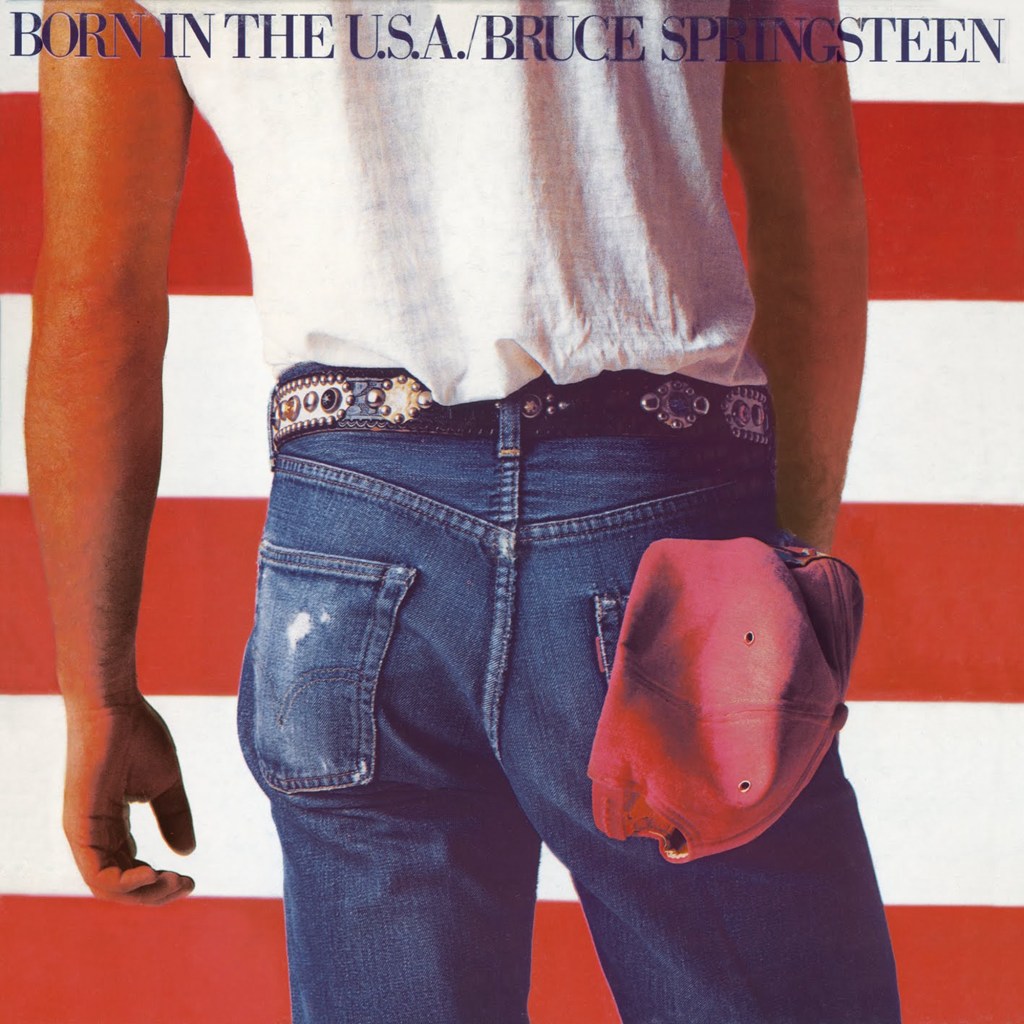
Back in the 80s, everyone and their mother knew who Michael Jackson was. You only had a handful of radio stations in any given town to listen to, and if you wanted to hear a particular song any time you wanted, you had to go out and buy it. The albums would be prominently on display in your local Kmart. Even grandma was familiar with Bruce Springsteen’s ass.

That’s America’s ass.

Television isn’t as much of a special interest to me as music, so I don’t really care as much about its history, but you can see this kind of monoculture in TV throughout the years too. In the beginning, you had ABC, NBC, and CBS (and DuMont, the weird fourth one no one remembers). Everyone in your city was watching The Andy Griffith Show at the same time on the same channel and having this shared experience. Then cable came and divided everyone. If you were into sports, you went to ESPN. If you were into music, you went to MTV. If you’re into watching Amish people do mundane things, you went to TLC. Even the big cable networks splintered eventually — from MTV you get MTV 2, MTV Tres, VH1, VH1 Classic, CMT…

And none of them are playing music at any given moment.

With more technology, you get more options. But I’m starting to wonder if that’s a good thing.

We’re seeing a shift in music especially. We no longer have a monoculture, and I blame this on how easily accessible the entire catalogue of music is nowadays. If you want to listen to nothing but obscure pirate metal for the rest of your life, you don’t have to go on a wild goose chase hunting down every obscure pirate metal album ever made by every band that’s ever done obscure pirate metal. It’s as easy as going to a specialized Spotify playlist. And let’s say you want to listen to nothing but obscure pirate metal about your cat for the rest of your life. With AI, that’s entirely possible.

Why on earth would anyone seek out new music if they can just beep-boop an entire playlist tailored to their specific taste with lyrics reflecting their own life?

I think that’s what bothers me most about the future of music and how it has been intertwining with AI. I’m not scared of it taking my job necessarily, at least not in the traditional sense. I know human-made stuff is still largely superior. I’m really not even so afraid of the environmental stuff, since the planet’s borked anyways (I’m an optimist). It’s the death of culture and interpersonal connection that scares me. A survey said 62 percent of people actually prefer chatbots to humans. There are people straight up dating AI bots. How much more isolated are we going to allow ourselves to get?

My prediction is that eventually, this AI bubble will burst — but not without seeing huge reforms to the music industry. I can’t see the current model lasting much longer. I can see a return to smaller, more intimate shows as people get sick of how overflooded music platforms are with AI slop, low-effort music, and whatever the executives are trying to feed us. At least the true music fans will pivot that way.

Humans have a thirst for something real. It’s why American Idol always pushed artists with sob stories. We love when the art we consume comes with a captivating backstory, and entering a prompt and pushing a button was a cool backstory — the first thousand times it happened. Like, if you told someone in 2018 that a robot wrote the music for this song, that would be some neat Futurama shit. But the fact that technology can beep-boop songs from scratch is old news now, and people don’t want manufactured backstories. There was already a recent backlash against a band that was revealed to be AI. People are quick to turn on an artist when they sense disingenuousness. Remember that author who penned an autobiography that got noticed by Oprah, only to have it all come crashing down when it was revealed the story was fabricated?

The hidden controversy is the sensory nightmare that is that book cover.

I think the music industry is going to change in a lot of ways in the upcoming years. My hope is that we musicians don’t become obsolete and that the human need for connection and genuineness is stronger than the fleeting coolness that is AI. And I think we do have a need for real, human-made music. You can’t replace the camaraderie of your local punk scene or the chills a live orchestra brings or the sheer joy of going out to karaoke. Music in our souls. It’s what humanity sounds like.

If you enjoyed the writing in this post and elsewhere on the site, please consider donating to Jessa’s tuition fund! Any help is appreciated!

CashApp: $TheJessaJoyce

Venmo: @TheJessaJoyce

Music, Failure, and the Weight of the World: A Small Rant

So I was let go at Guitar Center.

It was the professional equivalent of a relatively amicable breakup — my boss saw me struggling to even make it in on time due to my insane work schedule, and so she mercifully allowed me to quit with no hard feelings. I’ve never been fired, and this doesn’t even really count as a firing since I left on my own terms, but it still stings.

I’m not a stranger to failure, despite it rivaling death and abandonment as one of my biggest fears. Leaving the internship in Fort Wayne felt like a huge failure after everything I’d put myself and my wife through in order to finish my music therapy degree. I wasted so many years in school and have absolutely nothing to show for it. That was a rough moment in my history, but I managed to claw my way out of the dark depression it sent me into.

I don’t know how much clawing I have left in me, though. My fingertips are bloodied and raw. I’ve struggled enough.

This is all on top of the weight of the world, which has been crushing me with every disheartening story that passes through the news cycle. We live in a truly evil world where people get their kicks by literally kicking others down. Some bitch got hundreds of thousands of dollars for calling a child the n-word. How is it that terrible people get rewarded, but actual good people get fucked over? There’s still a whole bunch of bullshit happening in Israel and Palestine to folks whose only sin was being born in the wrong place at the wrong time, and don’t even get me started on the mess that is my own country at the moment. I wish I could just leave, but it’s not that simple. I can’t leave my family and friends and partners behind, so my only choice is to stay and fight the good fight, wherever that leads me.

But like I said, I’m don’t know how much fight I’ve got left. I’m fucking exhausted. The one thing that’s kept my spirits up at all is music and the prospect of someday becoming a successful musician in some form, but I’m afraid of becoming obsolete. I’ve already mentioned on my blog how dabbling with AI software started to bork my creativity, but like, what’s the point of writing songs when I can push a button and make the robots write one for me? And that’s the future we have to contend with. I’m not a vehemently anti-AI Neanderthal — I think there are legitimate uses, even in the art and music fields, and I’d be a hypocrite if I said I’ve never used it. Like, sometimes I’ll use AI to test out acoustic demos with a full band so I know whether or not the song is even strong enough to work with. But I’d never, ever release something to the public that I didn’t create myself. And I’m realizing most people don’t operate with those kinds of creative ethics. So as AI music becomes more prominent, I’m going to have to compete with a torrential onslaught of “creators” cranking out slop. Like, how long until we have an AI popstar?

But even if I didn’t have robots to compete with, I’m still racing against time. I’m 32. No one wants to listen to grandma sing her little songs, and I’m practically a grandma already to the suits who run the music industry. I remember when I was a freshman in college, it was a big fucking deal that Carly Rae Jepsen, who was at the height of her “Call Me Maybe” era, was 26. I’m six years older than that, and I have yet to make any significant waves in the industry. The music video for “Sweet Honey” sits just below 100 views, which is next to nothing. I can’t help but wonder what would have happened had I moved to Nashville or LA in my youth, but it’s too late now.

And even if I was still a hot twentysomething ready to take on the music industry, you have to remember, the music industry has changed. A lot. It’s damn near impossible to make money with streaming. And there’s no such thing as rock stardom anymore. Unless you’re Taylor Swift, Chappell Roan, Sabrina Carpenter, or Beyoncé, no one knows who you are, and no one cares. Monoculture is dead. Back when you had to listen to music on the radio, people could bond over hearing their favorite songs together. Now, everything is so fragmented. If you want to listen to nothing but progressive zydeco pirate metal, you can just search for bands that fit that perfectly in that very niche and never bother putting on anything else again. Vinyl sales are up, but that’s not gonna help your up-and-coming local band that’s still getting off the ground and doesn’t have thousands of dollars to drop on printing physical records. Which leads me to the biggest problem.

It costs too damn much to “make it” in the creative fields.

I could have moved to Nashville had it not been prohibitively expensive. I could sink all of my time and energy into recording quality music if I didn’t have to work three jobs for the privilege of breathing air. The famous folks you know and love are largely only there because they were born into money and had multiple safety nets to catch them in case of failure. Taylor Swift’s wealthy upbringing has been the subject of much scrutiny, but even one of my personal favorites, the aforementioned Chappell Roan, had a charmed life, growing up in a sprawling gated home that looked like this. I’m livid that the music industry and this entire country as a whole demands you be born with a silver spoon in your mouth, or else what you have to say or contribute isn’t important and you should just fuck off and die. It makes me viscerally angry, the amount of talent we’ve lost to poverty. The next Jimi Hendrix could be just around the bend, but if that kid’s parents can’t afford to get him a guitar and lessons, too fucking bad.

It’s a cultural crisis. And I’m scared I’m becoming one of its casualties.

I want to make it in music more than anything, but I’m so disillusioned at this point. I’ll never be a rock star. I’ll never be John Frusciante. I’ll never be Ann Wilson. The best I can hope for is some steady gig where I can make the music I want to make and earn a decent living, but there’s not a lot of jobs like that out there, especially not here in Kalamazoo.

I don’t want to end this post on a negative note, as many things in my life are going well. My dad was recently hospitalized, but he’s made a speedy recovery. My two primary partners have been incredibly loving and immensely supportive of me, and I might have a third partner who is also very sweet if I play my cards right. My dream pedalboard is finally finished, and since moving to Kalamazoo, I’ve got more friends than I can keep track of. I do have a lot going for me, but there’s always that part of me wondering when the other shoe is gonna drop. And a big black cloud hanging over me as of late is my frustration with, well, everything.

But I’m going to keep pressing on. With Guitar Center out of the way, perhaps I’ll have more time to work on the songs I want to get recorded and produced. Maybe I can sink more energy in the podcast I started with my best friend. Maybe I can even sleep a full eight hours like a normal person.

I’m trying to be cautiously optimistic, but optimistic nonetheless. That’s all I can really do.

The Entertainer: How I Found My Life’s Calling

I write this from the fancy-schmancy professional studio I’ve been holed up in for the entirety of spring break. It’s almost 2 in the morning, and going by track records here, my bandmate and I won’t be leaving until 6, if not even later. The only thing I have to eat is a jar of cashew butter I shoved into my guitar case. I’m running on Adderall, enough caffeine to kill a horse, and a brief power nap I took hours ago. But as much as I want to complain, I can’t.

This is the life I chose, you know?

When I was a kid, this is the kind of stuff I’d dream about doing someday. I don’t think I can overstate how influential music was to me growing up. I’d watch Behind the Music religiously and dream about the day I’d be in my heroes’ shoes. I’d even imagine my own episode someday, all of my wild ups and downs throughout my career. Music was a mystical thing and I had my own pantheon — Bon Jovi were gods and Ann and Nancy Wilson were my goddesses.

I’m not actually goth, I was just really influenced by the music video for Heart’s “Alone.”

This past week, I’ve spent five nights and one long day doing what I’ve been wanting to do for years — work as a professional musician. I feel like I’m so close to phasing out any form of “real work” and just doing what I love, and it feels great to be honest. I’m sick of menial unimportant work. I want to do something with meaning.

For a long time, I assumed my role on this planet was to help people in a really real and tangible way. In high school, I was insistent on becoming a doctor so I could do just that (and for the clout of being able to call myself a doctor, obvs). Of course my parents talked me out of that career path, and probably for the best, because knowing how flaky I can be, I’d probably be the person who leaves a scalpel in a patient or something.

Which is more common than you’d think.

But even after I left my shallow dreams of doctorness behind, I was convinced I’d someday be a music therapist, and that was going to be my method of helping people. My first love has always been music, so I knew that had to be involved somehow. It was the perfect arrangement — I’d get to do what I love and also help people. Alas, those dreams didn’t pan out either, no thanks to my nightmarish internship that soured me to the entire profession I’d been pursuing for a decade.

Which leads me to where I am now. I host music bingo for a living. I put on trivia shows for local bars. I’m studying audio engineering and on special occasions, I get to be a studio musician and help out with recording guitar or bass. Nothing I’m doing is groundbreaking or livesaving. No one needs a game of music bingo. But I’m content, because the things I am doing are still important in their own way. I talked a little about serving glimmers as an entertainer on here, but it stands repeating. Entertainment and the arts are crucial to every day life because they’re an intrinsic part of being human. It’s why I’ve got mixed thoughts on AI. Art and humanity have been linked since the dawn of civilization. It’s what makes us different from other creatures, even relatively intelligent ones like dolphins.

Try making art with flippers, you untalented swine.

We need arts and entertainment. It’s the thing that keeps us sane in this hectic society. And honestly, it’s a huge honor work as an entertainer. I love what I do. I love putting smiles on people’s faces. I used to think working in entertainment was selfish. After all, I only want to do it because I love attention, right? And I mean, I do enjoy being the center of attention, but there’s an altruistic element to it as well. Making people happy — just giving people something to look forward to in this dark world — is what keeps me going.

I’ll end this sort of rambly blog post with an anecdote from my freshman year of college. I was very casually dating the sweetest, gentlest guy. He was smallish in stature and cute in a nice Jewish boy way and really, really loved sloths. My point is you’d never expect this young man to play guitar like a fucking rock god, but he did. He could shred. And he had such a way with crafting beautiful songs. We didn’t work out for reasons I’ll never know, but I was madly in love with him. That’s not why he holds a place in my heart to this day, though.

One night, we were sitting in the car. He was showing me Buckethead, one of his biggest influences, alongside John Frusciante, whom I also came to love. And my sweet kinda-boyfriend revealed to me the meaning behind his band’s name, Smiles and Anchors. He wanted to honor his passion for making people happy through music. That’s all he wanted to do. It wasn’t about becoming famous or rich. He just wanted to bring a little light to people in his little world.

And that shook me.

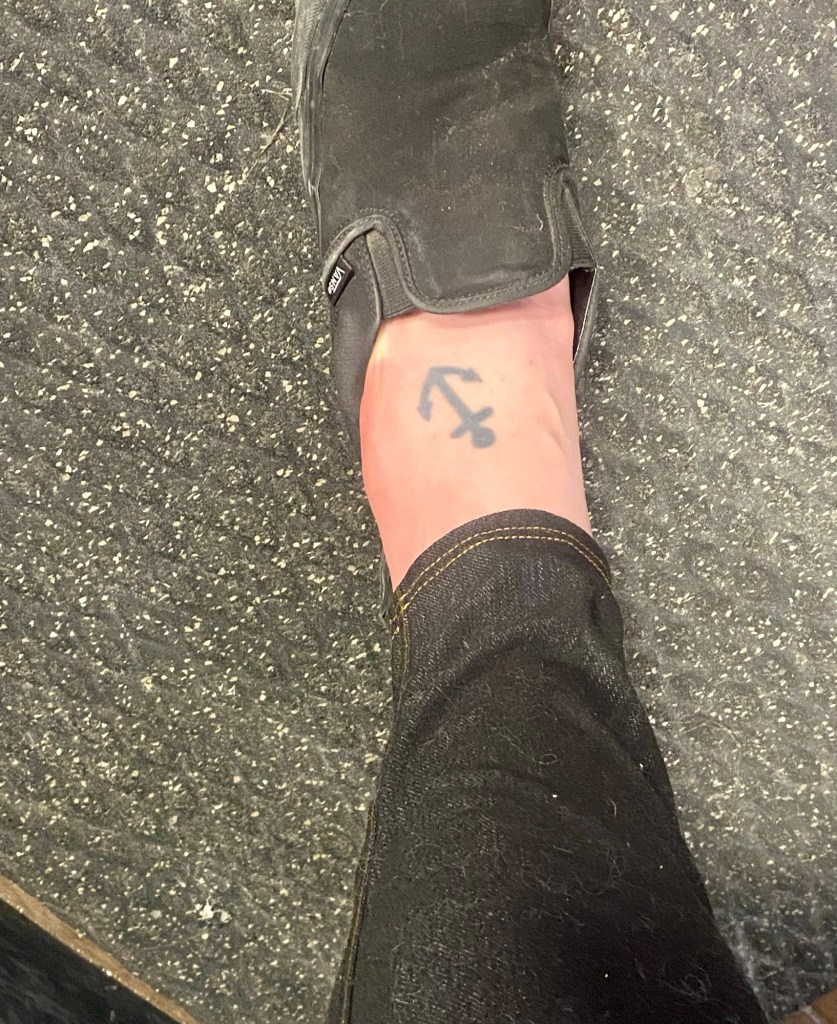
Music has always been my way of connecting with others, but I’d never heard anyone put it that way before. Until then, music was more about what it did for me. It made me happy. It made me connections with others. But what about the folks listening? To them, we’re the ones making life a little more bearable. We’re the ones providing the soundtracks to memories. And it’s kind of humbling in a weird way, and I like that. I never want to lose sight of why I play music. I never want to let my ego soil the joy I get from making my listeners happy with my songs, because it’s not about me. It’s about them. That conversation was part of the reason I ended up getting an anchor on my foot for my first tattoo. I wanted a physical reminder to stay humble, no matter where music takes me.

I intentionally censored my horrendously long and upsetting toes. You’re welcome.

And that’s what being an entertainer is all about to me. It’s hard work. It’s scary. You have to put yourself out there. You have to practice a lot. Sometimes you’re in the studio for so long your contacts practically melt into your eyes and you get a gnarly case of conjunctivitis (true story). But for all the sacrifices this lifestyle takes, it’s worth it. Being a performer has been some of the most rewarding work I’ve ever done, and I’m happy I get to share it all with you.

Almost Icarus: What I learned “Writing” an Album With AI Software

This might be my most controversial blog post yet, moreso than any of my posts on religion or politics. Like, I could lose my Artist™ card over this transgression.

You see, I have sinned. I wrote an album using AI software.

Not a song.

Not even an EP.

A whole ass album.

I realize that sounds bad, and it kind of is. Bear with me.

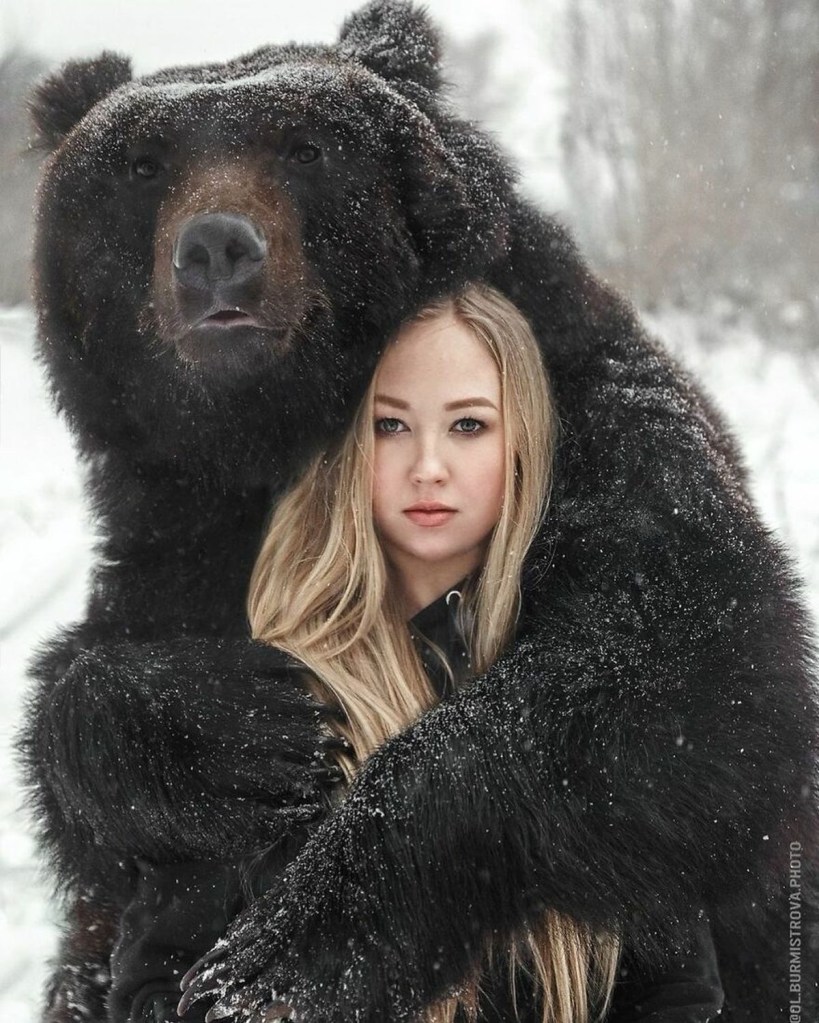
“First you use AI, now you’re saying you have a bear with you. Can we even believe you Jessa??”

I’ve discussed AI in depth on here before, and to be honest I was a skeptic before I met a good friend who introduced me to the software. It was simple enough — you input a prompt (or a full set of lyrics if you’re really fancy), and out pops a song. And the songs it spat out were not robotic or mechanical at all. They sounded extremely realistic, all with breath sounds and guitar string scrapes and lifelike vocals. There was no uncanny valley — that valley had been crossed.

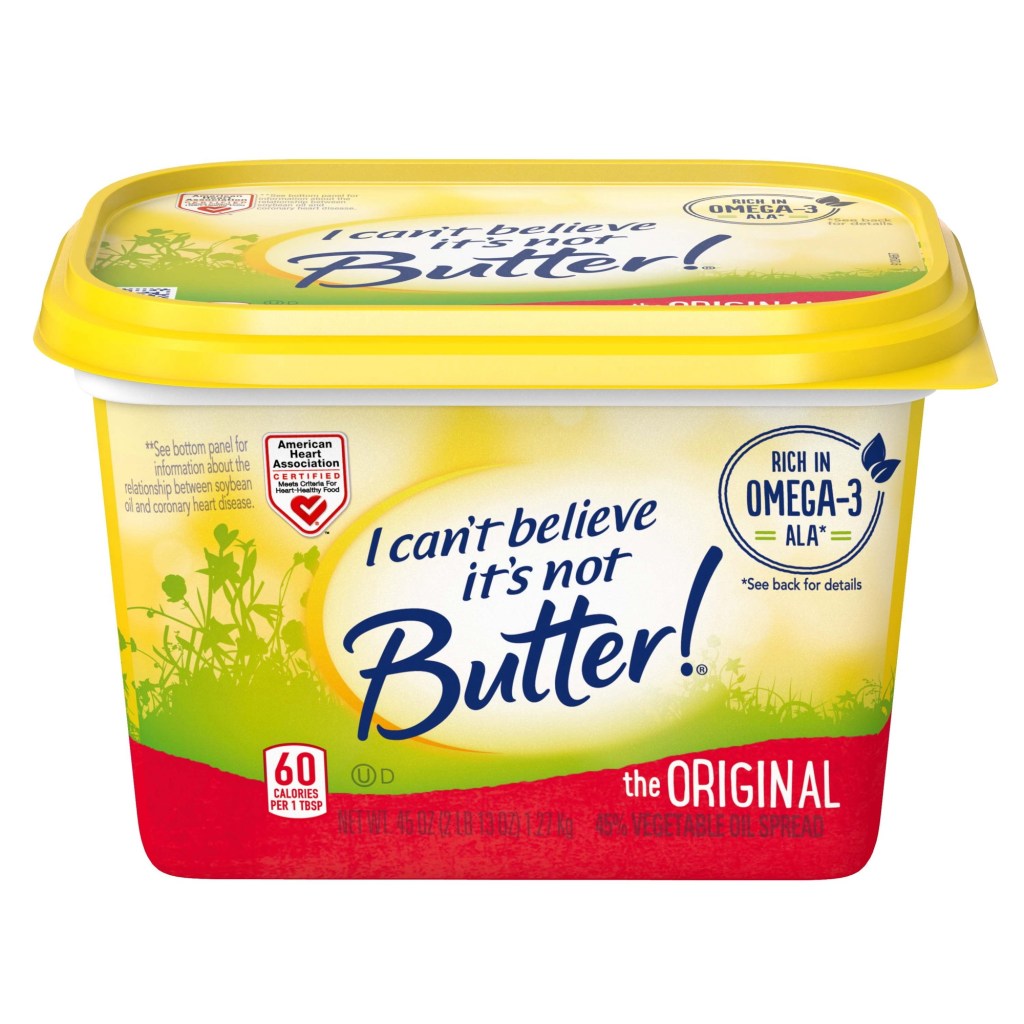
I can’t believe it’s not a real song!

The friend was using the software because they don’t play an instrument, but wanted to write songs, which I mean, I definitely get that. I can’t shame someone for wanting to bring the music in their head to life. That’s what I’ve spent my entire life trying to do myself through songwriting.

But one night, I was bored at work. They say that idle hands are the devil’s playthings, and the little red man was feeling especially feisty I guess. So I downloaded the software myself and plugged in some of my unused lyrics along with prompts that reflected the kind of music I wanted to make. I figured it wouldn’t hurt to generate some ideas to glean. And holy shit was my mind blown. Suddenly I had one, two, five songs that were literally already complete, and according to the licensing policy of the particular software I was using, I could do whatever the hell I wanted with these songs. I could post them, remix them…

Pull it to the side and get all up in them.

I could re-record all of the songs I’d beep-booped and release them myself. It was genius! This was going to streamline songwriting in ways I’d never imagined. Suddenly, I was writing lyrics to see what the software would spit out. It was almost addictive.

But it didn’t come without a cost. I felt a twinge of guilt whenever my girlfriend would mention an anti-AI post. I knew what I was doing was technically cheating, but the dopamine hit from hitting “create” was too strong. My imposter syndrome was getting worse because of it. I’ve been writing music since I was 14 — how the fuck was a computer writing better songs than me? It was almost disheartening. Nothing I tried to come up with on my own compared to the full songs this software came up with in ten seconds.

Not to mention the fact that my taste in music was now borked. I now had all these songs I’d created and curated specifically for my own taste in music, and nothing else compared. I wasn’t getting “hyperfixation” songs like I used to because all I wanted to listen to were my creations on repeat. I needed to squeeze all of the joy I possibly could out of them because nothing else was satisfying.

The songs after I sucked the life out of them.

So here we are now, with me stuck with 12 songs I only half wrote and don’t know what to do with. The conundrum I find myself in is that these are not only good songs, but personal songs. I used some deeply personal lyrics I couldn’t find a melody worthy of in order to make some of these songs. There’s a song about recovering from my rape, there’s a song about how I probably won’t ever get to have a kid, there’s even a song about how I’m willing to go to war to defend my girlfriend from Nazis. I tried rewriting them but nothing sticks like the fucking AI songs. At this point they’re more than songs. They’re demons I need to exorcise.

And the only way I can exorcise them is by re-recording them and releasing them into the world.

I wanted to write this blog post before I post anything from this album just because I don’t feel ethically sound releasing something made with AI without disclosing that detail. I came to love these songs and I hope you do too, despite their origin. They’re still very much my work lyrically, and I’ll do my best to make it musically own as well. It’s unsettling how close some them already sound to songs that came directly from my noggin. “Fire” is a sexy rocker to “Sweet Honey,” and “WTF” could be considered the sequel of “Chrysanthemums.” I’ve been trying to think of some way to frame the release of these songs as a social experiment — will the music I created with AI be more successful than music created entirely by humans — but truthfully, I just want to get these songs out there in some fashion.

This blog post comes with a warning — if you’re a creative type at all, use caution when utilizing AI software, because it will erode your actual skills if you’re not careful. That’s not to say it won’t have any legitimate uses. I can see it being used in music therapy settings with a lot of success, and I’ve heard of nerdy types using it to make songs specific to their D&D campaigns. Hell, I can see it being used to get ideas during a bad writer’s block, so long as you don’t lose your own voice. But therein lies the problem. AI is like fire — it is a tool, but you have to remember, it’s still fucking fire. It’s almost eerily fitting that the software I used contains the word “sun” and one of the songs I made with it was one named “Icarus.” At first I wanted to believe I was Bernie Taupin and the AI was my Elton John, but if I’m honest, I was Icarus and the AI was my sun.

It’s not flying, it’s falling with style.

I don’t harbor any ill will toward the friend that showed me the software or even the software itself. I’m glad the songs I beep-booped into existence exist now, even if I wish the circumstances behind their existence were different. I don’t know if I’ll ever write anything with AI again after this project is properly exorcised. My next project is a concept album that’s almost finished lyric-wise, and I’m so tempted at times to pump them into the software and see what it comes up with, but I’m restraining myself as best as I can. I want to see what I can come up with this time.

I kind of miss the process of creating, and im tempted to make my next project entirely analog for this reason. I miss that hands-on feeling. When I was at my girlfriend’s apartment this weekend, I toyed with her synthesizer and recorded a handful of catchy riffs with my phone. They’re not full songs, but they’re starts. And most importantly, they’re mine.

Famous in Kalamazoo: The Art of Finding Happiness Wherever You Are

This blog post begins with a song. Meet one of my most recent creations, “Kalamazoo.”

When I was just a kid

I always wanted to be

Just like pretty rockstars

I saw on MTV

I’d tease up all my hair

Wear my mama’s clothes

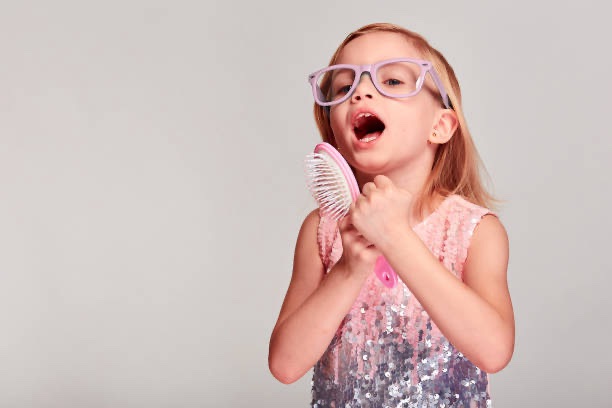
Grab the nearest hairbrush

And put on a show

Now that I’m older

I’ve got my own band

I sing my own songs

Guitar in hand

I’m still not a rock star

But I gotta admit

That celebrity kind of life

Just isn’t it

My biggest stage is the local bar

I might still drive a beat-up car

But I’m happy where I are

I don’t wanna be a star

But I’ll keep dreaming like I do

I just wanna be famous in Kalamazoo

I wrote this song a few nights back about my thoughts on fame and whether I even want anything resembling it at this point. You see, as a child, I desperately wanted to be a rock star. I was obsessed! I loved watching documentaries about my favorite musicians and how they rose to the top, and I’d always imagine my own story someday. I felt I was destined for the biggest stages on the planet.

Watch out, Coachella.

Obviously, it’s 2025, I’m almost 32, and I still have not “made it” in music in any significant way. My closest brushes with fame were touring with a pop-punk band and getting to the third round in American Idol (which wasn’t televised, so it doesn’t even count). I’m not noteworthy by any stretch of the imagination — I don’t even have my own Wikipedia article (yet). I should be disappointed, and maybe I am a little bit.

But a part of me is almost relieved.

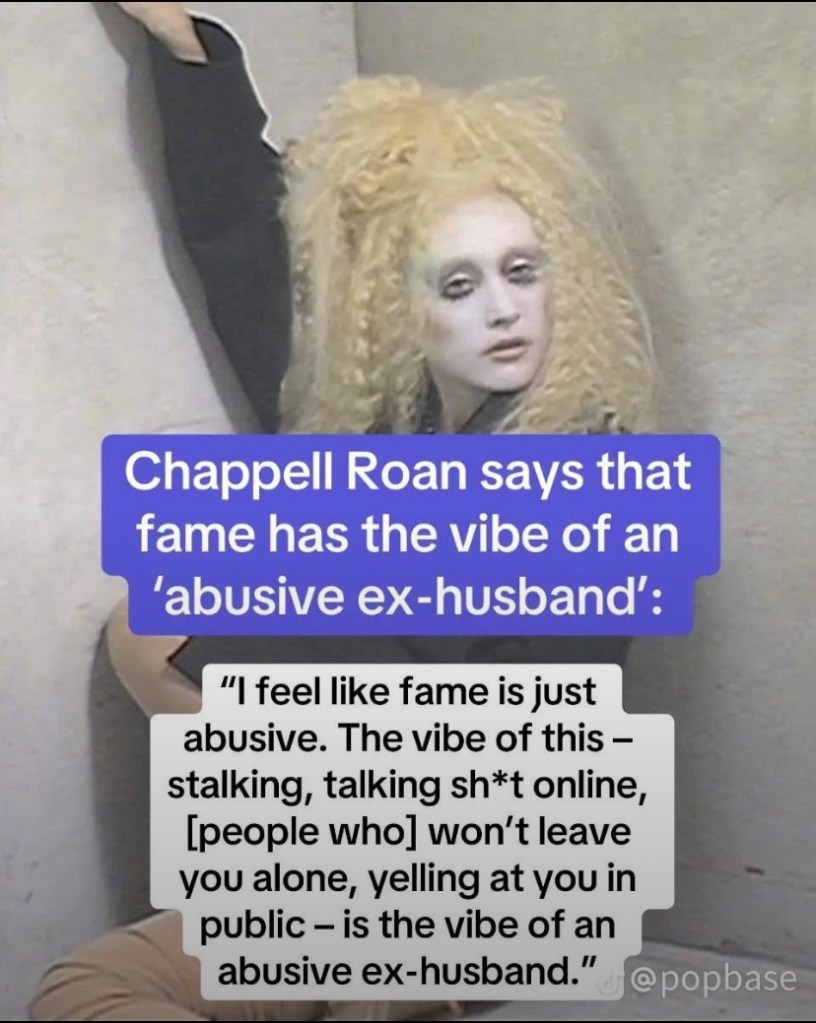
My girl Chappell was incredibly vocal about her struggles with fame after her meteoric rise to pop stardom this past year. Here she is, saying how she really feels:

Those are some harsh words, but there’s a truth to it. Fame can be crushing and scary if you’re not prepared. People can be cruel to celebrities online. Unhinged creeps are a real problem. Eminem’s “Stan” may seem like an exaggeration of obsessive fandom, but truth is scarier than fiction. The Bjork stalker sticks out in my mind as one of the most horrifying incidents in music history, and who can forget what happened to poor Selena Quintanilla?

I still want to make music, and to be honest, I still want to be “famous,” just on a much smaller scale. I want to be locally famous. I want to be a prominent figure in the community and music scene. I don’t want the Grammys or the Versace gowns. I just want a city where everyone knows my name, and that’s what my new song is about.

I posted a snippet of the song to social media, and one listener described it as the feeling of being content no matter where life takes you, and I really like that. “Kalamazoo” is kind of my new philosophy toward success. It’s finding happiness and fulfillment wherever you are.

Even if that’s in a little Midwest college town with a silly name.

So I’ll keep dreaming like I do — I just wanna be famous in Kalamazoo.

The App Idea That’s Going to Make Me a Rich Tech Bro (Maybe)

I was already kicking around the idea when this popped up as the daily prompt.

Come up with a crazy business idea.

Hear me out: Tinder for musicians.

Not for dating them (which, I can confirm, is always a bad idea).

Please note that I don’t know a damn thing about developing apps. But the engine seems to be there, you know? You get a person, you swipe right or left depending on if you like them, and if they like you back, you can talk to them. It’s so simple.

So what if we used that same idea for people trying to start bands?

I’m at a crossroads with all of my projects for one simple reason — they all lack a drummer. I’ve tried out several drummers for Wake Up Jamie and no one seemed to fit. My co-frontwoman’s little brother is filling in for now, but it would have been so much easier to just swipe right on a drummer and bring him into the fold that way, right?

I’ve tried luring them in with cheese and it never works.

But imagine a “dating app” for connecting musicians! You’d sign up for this theoretical app and list all of the instruments you can play, as well as your playing level. You could even post videos of yourself playing! Then, you’d scroll through until you find someone you’d want to collaborate with. Once you’ve found your guy or gal, swipe right, and if they’re also down, they’ll also swipe right, similar to Tinder or Bumble. But once you’ve made a match, you can message and coordinate a time to meet up and jam.

Honestly, a social networking site for musicians would fill the same sort of niche. Imagine a MySpace for musicians (okay, MySpace is mostly for musicians these days, but still). You’d add your friends and their bands and be able to follow what they’re doing. Sure, you can already do this with Instagram, but Meta sucks and Zuck eats kittens. Besides, this app would only be for musicians to join. Perhaps later there could be a “fans” option for joining. Honestly, I just really want to see the music scene become more connected.

So those are my crazy business ideas. I’m open to becoming an entrepreneur, but I’d definitely need someone to help with the technical aspects of things.

Because I have no idea how any of this stuff works.

On a related note, if you’re skilled at techy stuff (unlike me), let’s chat.