Knowing When to Quit

I always said I’d be a music therapist even if it killed me.

To be honest, it almost did.

And I’m still not a music therapist. But I’m okay.

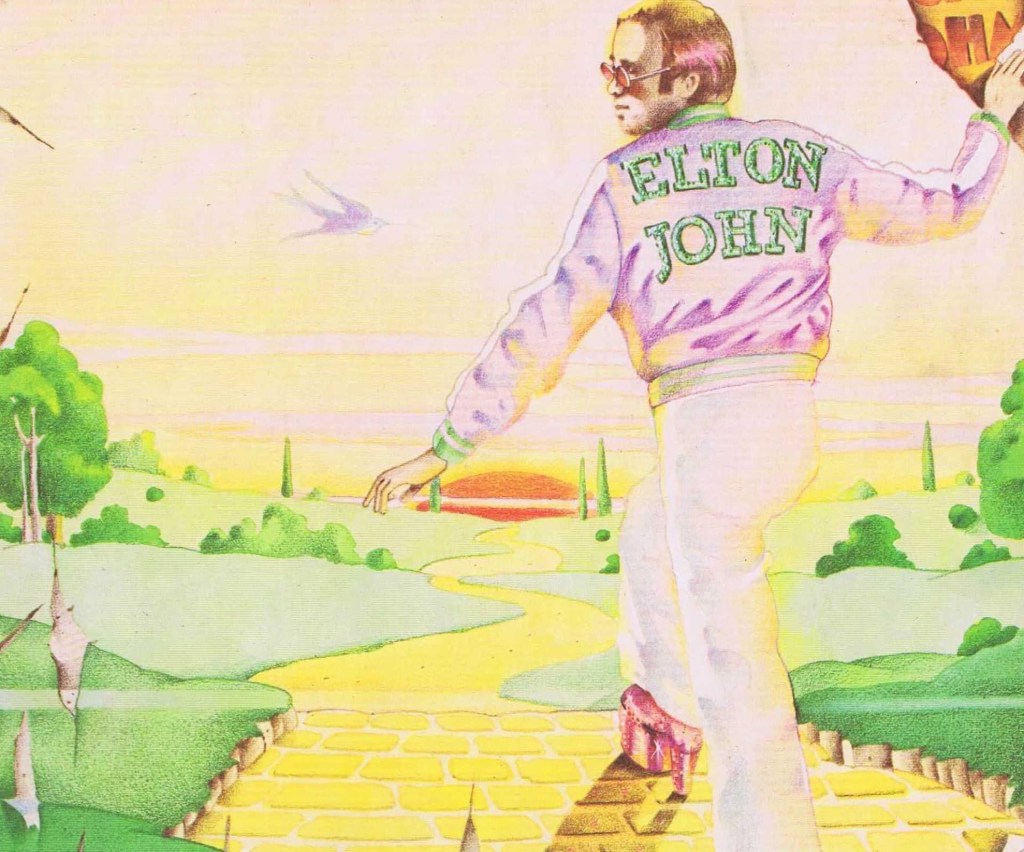
It’s been about a week and a half since I put in my two weeks at my internship. It feels surreal. It still is hitting me that the future I planned so carefully for myself isn’t coming to fruition. I had no backup plan. Being a music therapist was the only path I saw for myself, and the yellow brick road to the MT-BC title was ripped out from under my feet.

There’s an Elton John song for that.

I was going to be a music therapist if it killed me. But what good is a dead music therapist?

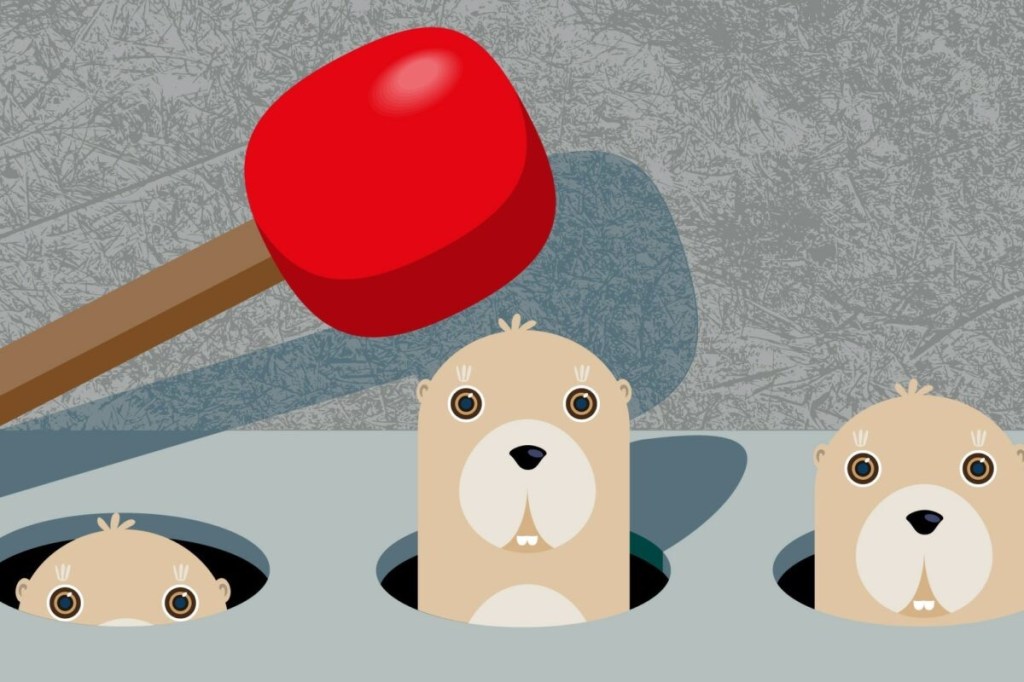
I came home from work every day crying because I felt like I wasn’t good enough. It was like playing whack-a-mole with my weaknesses — I’d knock one out only to have three more pop up in its place. “You’re not empathetic enough.” “You can’t read people well enough to be a therapist.” “Feedback goes over your head — or maybe you’re too stubborn to listen to it.” “Oops, you shouldn’t have said that in a session.“ And the one that caused me to drop everything and leave:

“You’re causing more harm than you’re helping.”

Suddenly, I felt like the mole getting whacked.

Not a great feeling.

I was so distraught, for a moment I considered driving my car off the bridge and into the fucking river. Don’t call the psych ward on me — I’m too scared of death to actually act on anything. But the fact that the thought even occurred was my signal that maybe this wasn’t right for me.

I blame a lot of my failings on my particular brand of neurospiciness. A lot of times it felt like my supervisors were speaking another language, and my clients were speaking a completely different language, and I was just this alien being trying to simultaneously decode the feedback I was getting and figure out how to react to what was happening in session in real time without a guidebook or translator. It became very draining for me, to the point where I couldn’t give it my all anymore and I was flailing.

There are neurodivergent music therapists — I’m friends with a handful I could name right here. But my brain just isn’t wired in a way that works well with the clinical mindset you need to be a music therapist, and I’m coming to terms with that. All of the academic papers I’ve written and scholarship-winning presentations I’ve put together and wordy books I’ve read couldn’t have prepared me for the work I had to do.

And that’s okay. Maybe I’m meant for something else.

I wish I hadn’t wasted all of my adult life (and thousands of dollars) on a career that ultimately ended up not being a good fit for me, but they say nothing that leads you to the path you should be on is a waste of time. Perhaps this twist in my story will take me to exactly where I need to be, and if that’s the case, I don’t regret a thing.

As of writing, I’m figuring out my next steps. My dream was to open a recording studio for people of all ages and abilities, but I don’t need some lofty certification to do that. I could start that studio without the MT-BC title, damn it, and just not call it music therapy. It’ll be my own thing. Sometimes when the path to what you want crumbles, you carve out your own path. And that’s exactly what I plan to do in my own time. In the meantime, I’ll fine tune my music production skills and probably teach guitar lessons for a living, at least for a while.

It’s funny, I’m writing this in a little artsy coffeeshop in South Bend, Indiana that has a piano for anyone to play. I sat down at the bench and just played my heart out for the first time in a long time, and it was freeing. There were no expectations, no degree to earn, no supervisors to impress. It was just me and the music (and the room full of coffee-drinking patrons minding their own business). After a while, a little girl came up to me and told me she liked my playing. I invited her to sit with me and I showed her how to play a basic chord, and her face just lit up. As she left, I smiled to myself. That special little moment didn’t need a degree or a certification to happen. It just needed the genuine human connection only music can create, and nothing can take that away from me.

Different, Not Less: A Book Review (From the Perspective of a Neurodivergent Future Music Therapist)

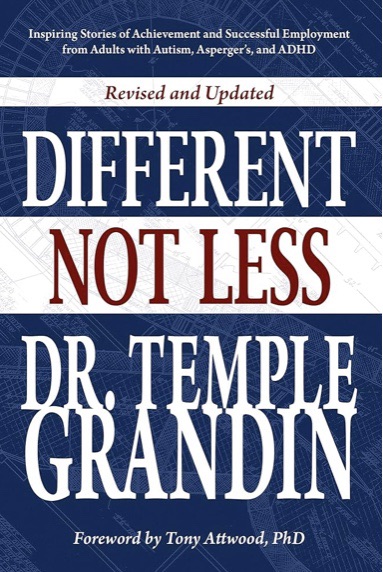
I recently read Different, Not Less, a collection of mini-autobiographies written by adults with autism (and often ADHD as well) curated by autism activist and public figure Temple Grandin, as part of my internship assignments. I wanted to share my thoughts on it here as well, though, as I think this is book is vital reading for anyone who works with the neurodivergent community.

Link to buy here!

The people selected for the book were largely older adults in their 50s and up who were diagnosed later in life with autism (or Asperger’s, as many of the individuals were diagnosed when Asperger’s was still a category). Most were able to live independently, although each had their own struggles with relationships and family stemming from their autism. Each individual also forged a different career path that managed to work with their unique ways of functioning and seeing the world. Occupational successes were a primary focus of the narratives as Grandin is a huge advocate for autistic folks finding work that suits their needs.

I’m glad I read this book, especially as someone who is neurodiverse myself, as it really hammered in the fact that not all AuDHD folks function exactly the same way as I do. There are struggles I have that other people have, such as issues reading social cues and the relational turmoil that comes with that problem, but there are struggles other people have that I don’t have as much, such as trouble with speech. One thing I realized during reading is that autistic folks generally are “early bloomers” or “late bloomers” when it comes to speaking, and both are valid and need to be supported in their own unique ways. One individual mentioned trouble with “fast conversation” in particular, while another noted difficulty reading tone of voice and facial expressions. Another interesting thread was the fact that many of the folks who contributed to the book felt “fiercely independent,” which, in the context of music therapy, may mean some people might not feel they need help or support. I feel in these cases, it’s especially important to not patronize or “speak down” to these individuals, as being in therapy in the first place may already feel like a blow to the ego. I mentioned earlier that relationship problems were a common factor in most of these folks’ stories, as autism can make it hard to read people and recognize how others are feeling. Many had romantic relationships and marriages crumble over the course of their lives, if they found love at all. Music therapists will need to be prepared to deal with heavy subjects such as divorce and loneliness when working with older autistic adults, as this seems to be a frequent phenomenon.

I think this book is important to read for music therapists because the common archetype associated with autism (and ADHD, one of its “sister” conditions)  is the quiet little boy, and these stories prove that this is simply not always the case. There are grown men AND women living with autism and learning to thrive in the world with autistic traits. Nearly half of the contributors were female, and most were older. This book shows that there isn’t one way neurodiversity presents in people. The word neurodiversity contains the word “diversity” for a reason – there’s an entire spectrum of challenges AND superpowers that come with the condition. Emphasis on superpowers as well, as many of the folks ended up not only finding work that was compatible with their unique wiring, but finding work that their individual quirks and differences helped make easier. I feel like a music therapist can work with their autistic clients’ strengths to better prepare them for functioning in a world that isn’t built to accommodate them.

Sensory issues came up fairly frequently. One woman described hating the feel of water on her head as a child, so her mom would have to show her pictures of other little girls getting their hair washed, and that helped her face her discomfort. That same woman, along with a few others, described being sensitive to sounds. A man, the one who made a living repairing bikes, found that restaurant work was very overwhelming to him from a sensory standpoint, which is why he leaned into bicycle repair in the first place.

Some additional commonalities include an attachment to animals. Many of the folks profiled in the book felt disconnected from people, but could relate to animals much easier. A lot of people reported feeling a kinship to their horses. (There’s an inside joke in the neurodivergent community that “horse girls” are just autistic young women with a special interest in horses, and this book made me think that might actually be true!) A lot of autistic individuals seem to enjoy fixing things as well, possibly because it’s not a very “people-y” activity and the superpower of hyperfocus is beneficial for this. One man made a living fixing bikes in college, for example. And music was another recurring theme. While not all of the individuals in the book were musicians or even mentioned music, it did come up frequently enough to stick out in my mind. One man got so interested in music that he’d lock himself in a closet with introductory methods books and teach himself every instrument he could get his hands on. Another person even got interested in choreography and started teaching dance to people with disabilities. She described dance as the way she learned to express emotions, which felt parallel to the way I learned to use music to express emotions.

The individuals profiled in the book all had different reactions to learning of their condition. Many actually grieved their diagnosis, taking some time to reach a point of acceptance, but some felt it was a relief to learn that there was a tangible reason why they felt “different” their entire life. One person wrote “I knew I wasn’t just an individual ‘weirdo’ – about 1% of the population are ‘weridos’ with me!” Another person said it felt like she’d been given a “Martian superpower” and she realized that throughout her life she had been using her unique perspectives and viewpoints to help people. Some grieved the fact that they’d learned of their condition so late in life, wishing they would have gotten proper support as a young person. A lot of the writers went on to become autism advocates and some even work with autistic folks themselves, like the aforementioned choreographer.

This book was very eye-opening and empowering to me as a neurodivergent individual, and I feel better prepared to serve clients like the ones in the book and their individual needs. Emphasis on “individual,” as all of the folks profiled in this collection are very different. I don’t have any older autistic or ADHD clients at the moment, but as someone who very much wishes to work with this population, this is the kind of knowledge I will need to best support these potential clients. Temple Grandin really emphasizes the independence and individuality of these folks, and while I know their stories aren’t representative of everyone in the neurodivergent community (some people can’t safely live independently, for example), it’s good to see people with autism and ADHD living, thriving, and succeeding in a world that tends to paint people with these conditions as helpless or props them up as “inspiration porn.” The neurodivergent community is so diverse and expansive, and this book really humanizes a sector of the population that is often misunderstood. I highly recommend this book to others in the music therapy field as well as professionals in different fields who also work with autistic/ADHD clients.

Bloganuary #2: Playtime

We onto day two, alright? So far so good!

Do you play in your daily life? What says “playtime” to you?

I love this prompt because I’m a huge proponent of playtime, whatever that looks like to you. There’s something freeing about being silly and doing things you love in a society that pushes hustle culture and the mentality of “you have to be doing something productive every waking second of the day or else you are wasting your life.” I admit I’m prone to this thinking. For a long time, I didn’t want to play. Or rather, I wanted to, but it felt like a waste of time. What are you accomplishing by simply having fun?

Turns out, quite a bit!

According to Psychology Today, play can be a way for an adult to “reduce stress, promote optimism, and strengthen one’s ability to take on other perspectives.” It’s also a great for socializing, as anyone who’s ever been to a game night with family and friends will tell you. Play is one of my favorite ways to build relationships in my life, and I always end up feeling closer to the people I engage in it with.

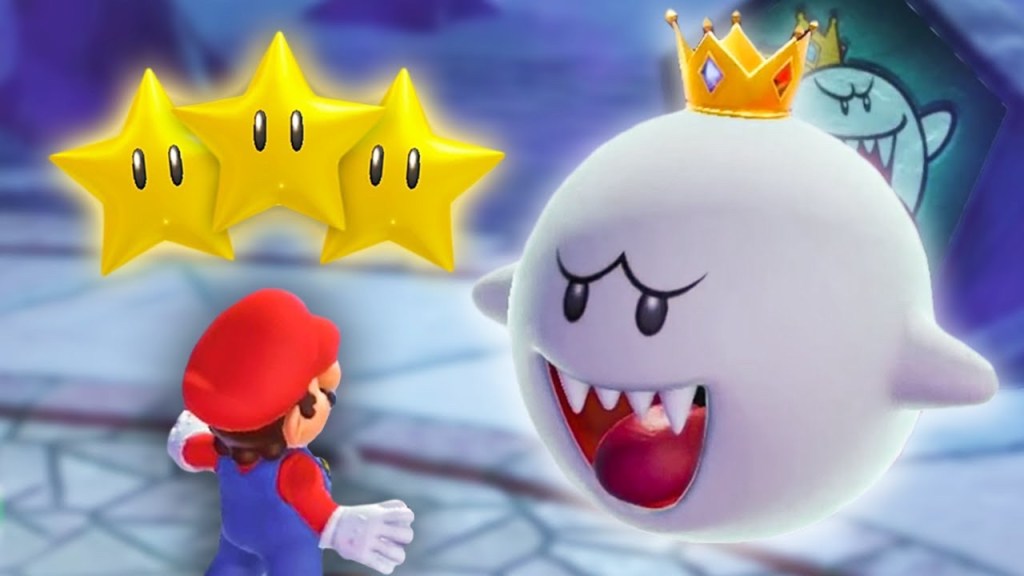
Until your mom steals all your stars in Mario Party and she’s suddenly Satan.

As adults, we don’t leave a lot of playtime in our schedule. When we do have free time, it’s usually spent passively consuming media, which isn’t inherently bad, but like food that lacks nutritional value, can be detrimental in high doses. What happened to getting out a big sheet of paper and drawing stuff? Or going outside and playing a sport. Even playing a video game that requires you to use some brain cells is beneficial — research shows that gaming can have a positive effect on memory and attention.

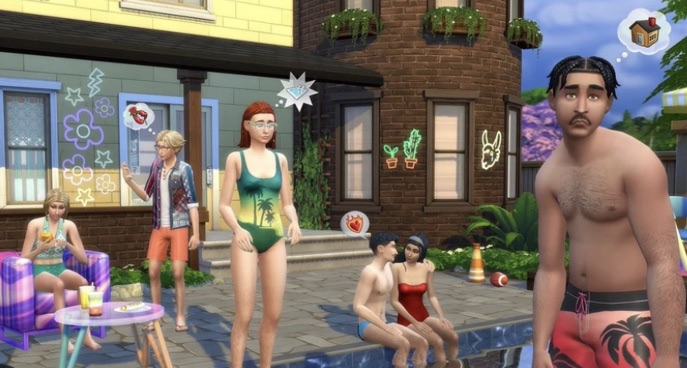
No, I was not wasting my time as a child playing The Sims. I was, uh, working on my cognition.

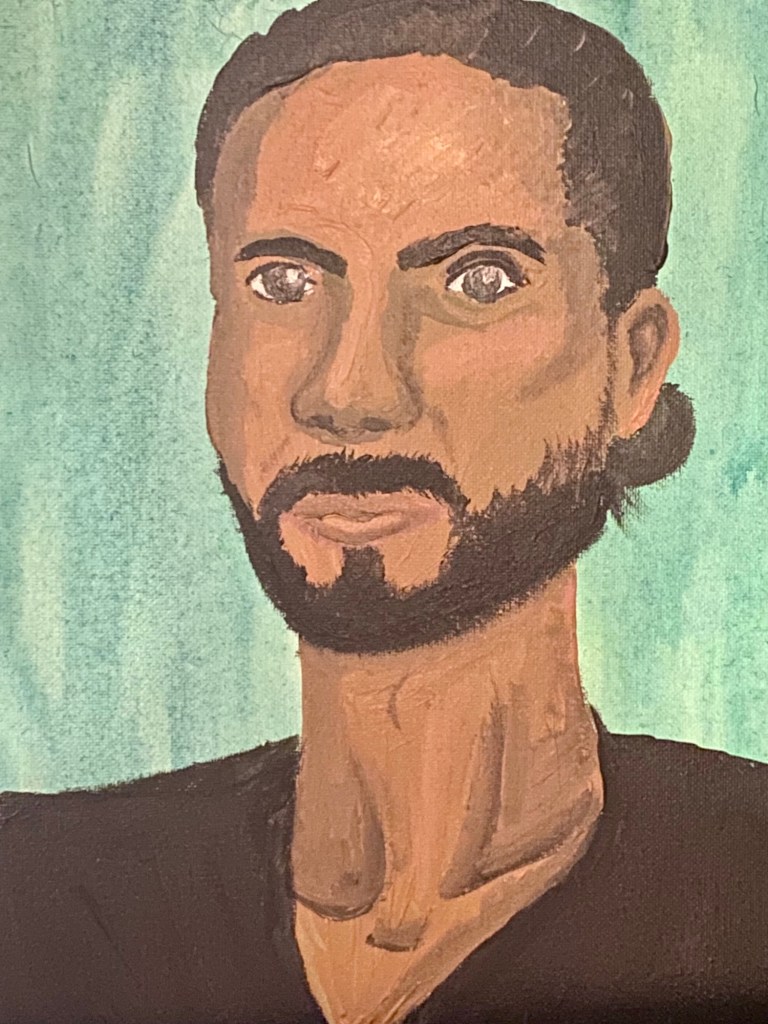
In my personal life, I try to allot some time every day for play. One of my favorite ways to unwind is art. I’ll be the first to admit I’m not the greatest artist ever (see: my potato-looking oil painting from my most recent blog post), but I find it relaxing and engaging. There’s a certain amount of freedom in doing something just for you. In the past, I’ve attempted to sell my works, but I’ve realized you don’t have to monetize everything you do. It’s okay to do something for fun!

Same with swimming. Back when I lived in Michigan, I had a membership to a gym with a pool, and I’d go every morning just to splash around and doggy paddle from one end of the pool to the other until I got tired. I wasn’t doing it to train for the Olympics or even just to stay in shape. I did it because I just liked it. I liked the feel of the water, the feel of floating, the way being in the pool took me back to an innocent time when I’d splash around in my backyard pool as a child.

And of course, I play video games. I typically enjoy simulation games like Stardew Valley, The Sims, and Animal Crossing, games where I can feel a sense of control over the world and everything that happens in it. People really underestimate the power of imagination! Using our uniquely human ability to create entire worlds is the closest thing we’ll ever experience to being God, and I think in a way, it brings us closer to the Divine, however that looks for you. I love creating characters and telling stories, which has been a human phenomenon for time immemorial. The ability to engage in imaginative play is what makes us, well, us.

These are just a few examples from my life, and I hope they inspire you to find your own form of playtime. How do you “play” as an adult? Feel free to tell me in the comments!

And uh, keep it PG-13, guys.

Bloganuary #1: ADHD and the Mythical Art of Follow-Through

I guess there’s a challenge to blog once a day, every day for all of January, with these fun little prompts to guide you. I’m great at doing challenges (looking at you, 75 Hard), so I thought I’d attempt this one. Just don’t expect this to be very consistent.

What are your biggest challenges?

I think my biggest challenge is exactly why I need a challenge like this one to kick my ass — I have exactly zero follow-through. Like, none. I’m great at getting excited about things yet terrible at seeing them through. You can see it all throughout this blog. I had so many neat ideas, so many it would be pointless to link to all of them.

And maybe like two of them came to fruition.

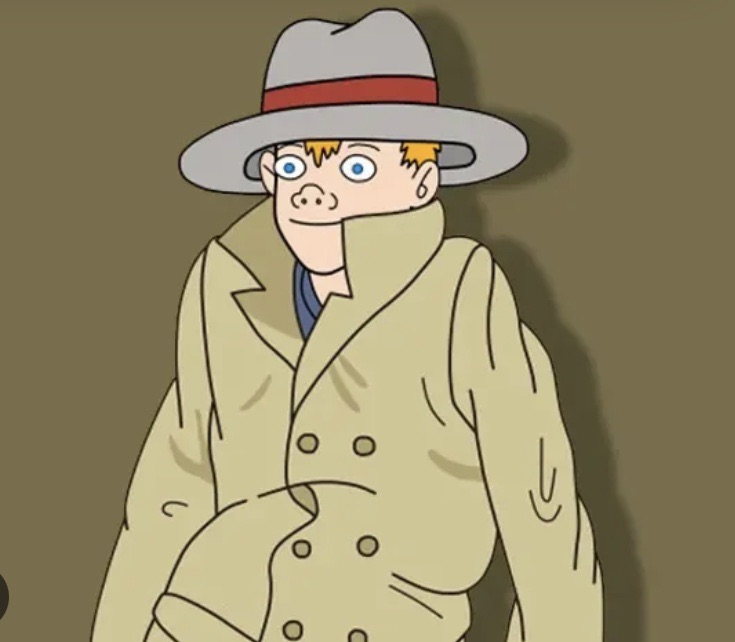
I write a lot about my ADHD. It’s kind of a big deal for me. It’s practically my entire personality. I know there’s some controversy about saying “she is ADHD” versus “she has ADHD” but the truth is, I freakin’ am ADHD. I’m three ADHD diagnoses in a trench coat cleverly disguised as a fully functioning adult.

Nothing to see here.

It’s always been a part of me, ever since I was a hyperactive child spinning around in circles in the back of the classroom or pacing back and forth during dinner as I chewed my food. As a child, most people found that stuff endearing, and I got good grades and didn’t like, go around punching other kids, so nobody cared. But as I got older, it definitely got a lot harder to cope with. Suddenly, I found myself failing my courses. My first marriage crashed and burned. All of my stories remained unwritten and unpublished. I couldn’t commit to anything because I’d get bored and move on to whatever was sparkly and interesting to me at the time. Which is not a productive trait to have as an adult.

I don’t know if all my fellow ADHDers struggle with follow-through, but I know for me, it’s one of the defining features. I can’t focus my attention on something for an extended period of time, whether it’s a job or a relationship or my education or any creative endeavor. As soon as it becomes boring to me, I start looking for something else, and that becomes my new fixation until the next shiny object comes along. It’s an ugly cycle that leads nowhere.

It has gotten better. My medication helps a lot with motivation and I’ve learned skills for making sure I stay on task, like keeping a planner on my phone. But it’s still a challenge for me to accomplish big, long-term goals. That’s why the Dear Cadence series was such a huge deal for me. It was the first series I’ve ever actually finished, and the high I got from writing those last few sentences of the final chapter was one I’ll never forget. I want to chase that high again, but it’s the little hits of dopamine I get from having a brand new idea or opportunity that distract me.

I think in 2024, I’ll work on this. Maybe I’ll actually finish the Venona series (if I don’t scrap it and rewrite it altogether). Maybe this is the year I learn more about recording music and set up my studio finally. Maybe I’ll start my music therapy practice and not back down when things inevitably get tough. Maybe I’ll take up oil painting again and not give up when my subjects look like potatoes.

I TRIED OKAY?

I have a feeling this will be the year I finally tame this part of myself. Here goes nothing.

Another Shot of Depresso

Hi! I’m sure you’re wondering where I’ve been. After all, it’s been an unusually long time since I’ve posted anything on this blog. I typically try to post something a few times a week, but it’s been crickets here lately. I wish I had a good reason for my silence, and I guess I do, in a way.

Depression. It’s weighing on me, hard.

This week has already been terrible. I’ve been beaten around like a piñata at the universe’s birthday party, mostly due to work issues. I’m working thirteen hours a day between my two jobs, and it has not been a walk in the park. Everything that could go wrong has gone wrong this week, and I’m scrambling to keep it together at both places of employment. This, on top of preparing for our annual Halloween party this weekend and playing piano for my dear friend’s show and getting ready to literally uproot my life in January for my internship. It would be a lot for anyone, but tack on a heap of depression, and it’s a wonder I’m still breathing. I should have been suffocated by the weight of it all a long time ago.

A helpful visual.

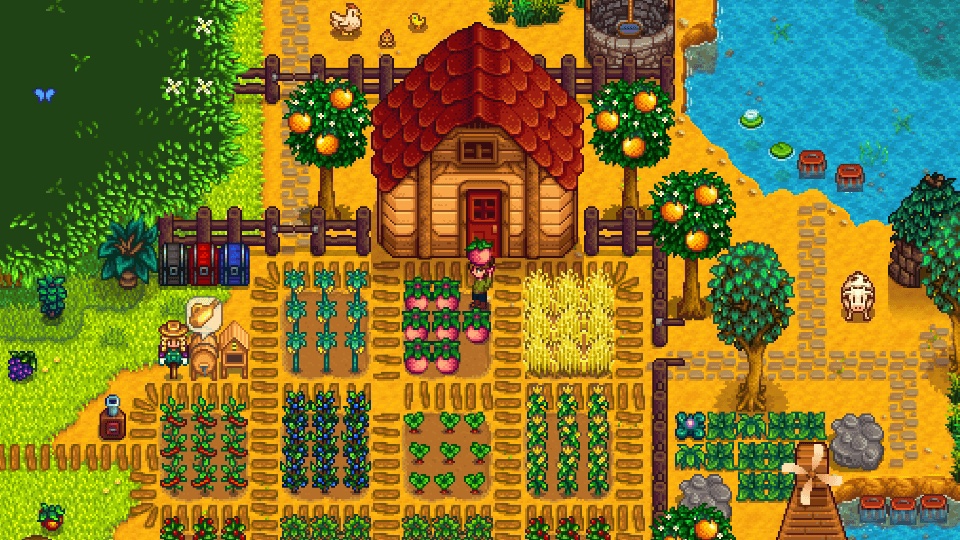
I have bipolar. It’s not a secret. Historically, I’ve tended toward mania, which manifests in me drinking all the alcohol and having all the sex and eating all the food and buying all the worthless shit and basically being an overall bad decision machine. I’ve had bouts of depression, but they’ve never lingered for very long. But this depression has been harsher for some reason. I’m feeling so much existential dread, like I’m just this tiny flea in the grand scheme of the universe and someday I’ll be forgotten and it’ll be like I never existed. I ruminate on these things until my brain goes numb and all I want to do is tend my little make-believe farm because that’s the one damn thing I can control in this life.

Oh, to be a tiny animated cow.

I know a lot of people turn to me and my blog for hope. My words reach people, and that alone means so much to me. I sincerely pray I will have the drive to continue this blog soon, because right now I’m feeling burned the fuck out. I want to be an inspiration to others, the person they look to like “Hey, Jessa survived bipolar, and so can I!” Maybe that’s why I’ve been dealt this hand, in the grand scheme of things. But I won’t lie and say it’s an easy cross to bear.

I have faith that I’ll come out the other side of this. I always have. It’s just going to be an uphill battle.

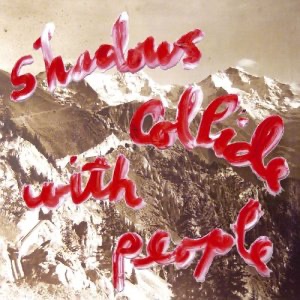
Music Reviews No One Asked For: Shadows Collide With People by John Frusciante

What’s your all-time favorite album?

Well, thanks for asking, daily writing prompt. I guess I can’t technically call this a music review no one asked for now.

I had a few albums in mind when I saw this particular prompt. Futures by Jimmy Eat World was my first instinct, being the album I cried to as a baby emo in high school while sneaking into the abandoned house down the road to hide from the world (I was dramatic as heck). folklore and evermore by Taylor Swift were contenders as well, being the answer to my prayers that she’d attempt a moody folk album. But I kept coming back to one particular album — Shadows Collide With People by John Frusciante.

Now it’s no secret I’m obsessed with John Frusciante, despite the fact that I don’t think I’ve ever mentioned him on this blog. It’s a shame, because there’s so much I could say about him. Like how we share a birthday. Who else can say they share a birthday with their favorite guitarist? Or how he talks to cats. Or how “Frusciante” because the new “f-word” in the newspaper office I worked in because I wouldn’t shut up about him. (The word “potato” was also banned in the office for unrelated reasons.)

I found Shadows Collide With People at a thrift shop or something back in 2015. It was around the time I’d just graduated from college, landed absolutely no job, witnessed my band implode in the most explosive way possible, was battling a burgeoning alcohol problem, and had my heart broken once again by the man I thought was the love of my life. All this to say I was in a pretty dark place. I remember driving around crying to this album, with its highs and lows reflecting my own turbulent life at the time. Even though John Frusciante’s struggles were not the same as mine (I never did heroin, for one), somehow I felt less alone knowing my hero had been to similar dark places. And wrote a pretty bitchin’ album about it.

The album itself opens with “Carvel,” a suitably weird rock song that uses ice cream cake as a metaphor for drugs. It’s probably one of my favorites by Frusciante in general, and sets the stage for all the angsty goodness that’s yet to come. The follow-up is the much more chill “Omission,” which features Frusciante’s protege and eventual Red Hot Chili Peppers guitarist Josh Klinghoffer’s soaring vocals. “Regret” comes next, repeating the simple yet somber line “I regret my past” over melancholic music.

“Ricky” and “Second Walk” are both fun uptempo bops, but the mood is jarringly brought back down by the eerie “Every Person.” The next portion of the album contains two electronic instrumentals, both sparse and unsettling, as well as the catchy “Wednesday’s Song” and “This Cold,” which could easily have been a RHCP song. “Song to Sing When I’m Lonely” is sure to get stuck in heads, and “Time Goes Back” feels oddly nostalgic in a way I can’t put into words.

The next three songs are fairly forgettable in my opinion, but fit in perfectly with the context of the album. “Chances” is another catchy one, although not my favorite on the album. What follows is yet another eerie instrumental, although this one feels more sad than startling. The closer, “The Slaughter,” is, in my opinion, a masterpiece, and the perfect way to close this absolute adventure of an album. “I know my pain is a life away,” Frusiciante croons wistfully, and as the final few chords ring out, you feel it.

I think what gets me about SCWP is the fact that it takes you to some deep, dark places, but it doesn’t leave you there. Instead, the album takes your hand and leads you back out into the light with the final song. I’ve always loved a good story, and this album feels like one. It has a way of meeting you where you’re at, in the midst of the pain, and reflecting your emotions like a musical mirror. I can honestly say it has helped me through some difficult spots.

I’m studying music therapy for a reason, and I think SCWP is a beautiful example of what music can do. It displays the entire range of human emotion in a very raw and unfiltered way. Even though I’m in a much better place now, this album will always hold a special place in my heart.

I’m Not Ready

Earlier this week, I made a pilgrimage to Fort Wayne, Indiana for my internship interview, and who would I be if I visited my girlfriend’s home state if I didn’t visit my girlfriend at some point?

I’m the “long distance lesbians” stereotype meets the “four hours is nothing to Midwesterners” stereotype.

The drive from Fort Wayne to South Bend isn’t too bad, mostly passing through the endless open fields the Midwest is known for and a few odd cities. But one thing I noticed fairly often while traversing Indiana (aside from corn) was the presence of billboards like these:

I’ve been a Christian most of my life, and although I’m not much in the way of a traditional one, I believe the core tenets, including the whole “forgiveness” thing. I know the ubiquitous verse — “So God so loved the world” and all that. I know everything I could possibly ever do wrong in this lifetime has already been forgiven. I’ve never been afraid of Judgment Day, whatever that will look like.

So why am I still scared of dying?

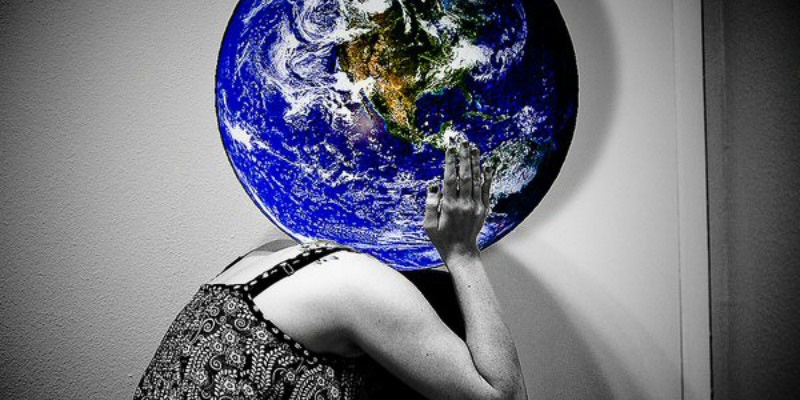
I think about it more than I’d like to admit. It’s a dark cloud looming over my brightest days, a little nagging fear surrounding the fact that my days are numbered. I can’t wrap my mind around the fact that one day, I’ll just cease to exist, and I’ll never have the chance to do anything else. All my dreams will have remained just that — dreams. All unfulfilled, all forgotten.

There’s so much left I want to do in this life, so much so that it’s overwhelming at times. I want to be a music therapist. I want to be a songwriter. I want to be a mom. I want to be a professor. I want to publish my stories. I want to live in a little house by a lake. And it sucks to think I might not be able to get to do everything I want to do. I only have, what, 80 years or so if I’m lucky? And I’ve spent 30 of them being too mentally ill to do much of anything. Logically I know I’ve accomplished a lot in the past three decades, but I’m always scared I’m running out of time to finish everything I want to do.

So no, I’m not ready to meet Jesus.

Maybe it is a sign I need to lean more into my faith, I don’t know. God knows everything that’s ever happened and ever will happen, and His plans are greater than my own. But as much as this should be a comfort to me, it’s almost worse to acknowledge that everything is ultimately out of my hands. My future is already decided for me, and what if it’s not a future I’d want for myself? What if I’m doomed to be a pharmacy technician for the rest of my life?

Not my ideal destiny.

I guess I need to accept that I don’t have all the answers, and I never will this side of Heaven. I just wish I could live in the moment and not worry about these things so much.

My Life as a “Should’ve Been”

Everyone’s familiar with the term “has-been.” It’s a label we give one-hit wonders and washed-up celebs. But the thing about has-beens is that they have at least, well, been. There are so many more people out there who never will reach those heights at all, who had potential and squandered it somehow. I think those are the cases that fascinate me even more. Maybe that’s because I relate.

Are you holding a grudge? About?

I think my biggest grudge is against myself for not going all-in as a musician when I was younger. I feel like I could have actually taken my music somewhere had I started sooner, had I thrown my entire existence into it. It’s hard to accept that it may be too late. There are artists half my age who are making it in the business now. Thirty is grandma-age by industry standards.

It’s not entirely my fault that I didn’t devote myself fully to the dream. I think back to my struggles with mental health, which were debilitatingly severe in my teens and twenties, to the point where I could barely keep up in school and work. Much of the music industry, now and back then, happened on the internet, which I was scared of using for many years. And who could blame me? There are a lot of things to be afraid of on the world wide web.

I had a presence on YouTube, but I remember being nearly paralyzed every time I went to post a new song. I couldn’t help but fear what kind of reactions I would get. I remember some of the mean comments I’d receive about my appearance and worse, my musical abilities. Even in a sea of positive comments, it was the negative ones that haunted me and made me not want to share my music anymore. I had a lot of anxiety about putting myself out there, and I’m beating myself up for it to this day.

I feel like I could have been something greater. I could have been the next Taylor Swift, or even Christina Grimmie (RIP), had I actually kept an online presence back then. Now I feel it’s too late. In a post-TikTok world, I don’t even know where to begin when it comes to sharing my music. I feel like everything I do will be hilariously irrelevant now that I’m past the peak age for “making it.”

I wish I could go back and tell younger me not to be scared of internet assholes. People are gonna suck, and there’s nothing you can do about that except shine in spite of everything. I wish I hadn’t hidden myself away in the darkest corners because of my anxiety. I feel like a massive “should’ve been,” and it sucks to think about. Maybe it just wasn’t meant to be, and I need to accept that. But a tiny part of me still wonders what could have been had I just put myself out there more.

I guess I’ll never know.

Whoever “She” Is, You Don’t Have to Worry

I write this from the absolute depths. Like, the only way things could get worse is if a meteor struck my apartment or something. I got passed over for the internship of my dreams, which was enough of a blow. Then, my tire goes flat. Oh wait, all my tires are bad. There goes $800. And my boss seems to think everything I touch turns to suck, so work hasn’t exactly been a bed of roses, or even cheap carnations.

All this to say I’m not exactly having a great time.

In my times of trouble, I tend to turn to music to comfort me. I’ll never know why it’s so reassuring to know that at one point in time, some dude with a guitar felt exactly the way you feel. But then, The Maine’s “Whoever She Is” came on.

And I cried. Like a freakin’ baby.

It’s not a sad song, nor is it a love song, as one might be led to believe by the title and the soft acoustic arrangement. Rather, it’s a song about standing strong in the face of adversity. “She” isn’t a woman but a personification of whatever is troubling you. And it’s oddly relatable. She could be “rainy days, minimum wage, a book that ends with no last page” or a whole slew of mundane issues. But the chorus ends with “whoever she is, you don’t have to worry.”

Things will be okay.

I imagine John O’Callaghan writing this song from his own personal hell. I imagine he went through shit like I’m going through now. Everyone does. That’s the beauty of music. It reminds us that we’re not alone in this struggle called life. No one’s above it all, and even the rock stars and pop princesses and that cool singer-songwriter who busks on the streets have their own problems. We live in a broken world, and we’re never going to be completely free of heartbreak and disappointment this side of heaven.

That’s why we have music to comfort us. And as I bawled my eyes out, I realized this is exactly why I do music in the first place. And I’m not going to let a few setbacks keep me from doing what I was made to do.

And neither should you. If you’re reading this and you know how I feel, put on your favorite song, have a good cry, and get back on your feet, because things can and will get better. The world will still turn, and so will the tides of fortune. Bad things happen, but so do good things. And I still believe the good in this world outweighs the bad.

Just remember, whoever “she” is, you don’t have to worry.

The Downfall of Dreaming

I love, love, love making vision boards. Probably too much. I wasn’t allowed to tear up my mom’s magazines, and I didn’t want to ruin mine, so I never made collages as a kid. Now that I have a digital journal and all of the internet for inspiration, with a simple copy and paste, I can make all the collages I want out of anything I want. If I can dream it, I can slap it on my vision board. I’ve even talked about the merits of making a vision board in a past post.

My 2023 vision board, for example.

I think my love for vision boards stems from my love of dreaming. As an ADHD-haver, daydreaming about the future comes naturally to me. But lately, my daydreams have become day-nightmares. All I can think about is how things are probably going to go wrong eventually, no matter how hard I try to avert disaster. These anxieties range from small in the grand scheme of things (like me not getting my internship) to really fucking enormous (like “The Handmaid’s Tale” coming true and me and all my queer friends get lynched).

And I’d look funny in a bonnet.

It’s hard for me to see a light at the end of the tunnel that isn’t a racing freight train. I want so badly to control the future, but I know it’s simply not possible. I just wish I could fast-forward and know that everything turns out the way I want it to. That I will have my successful music therapy career and happy life with my two soulmates and our child, and we will be safe from all the evils of the world.

Maybe the trick isn’t to stop dreaming altogether, but to dream a little more loosely. Instead of planning everything out meticulously, as I tend to do, maybe leave a little wiggle room for when things don’t go my way. I might not get the internship I want, but I can always apply for different ones. Perhaps I’ll have to move out of state temporarily, but I’m blessed with a wife who’s willing to travel with me and the means to do so. And even if the very worst does happen—

—well, I haven’t thought that far ahead. I guess I have to come to terms with the fact that when it’s my time to go, it’s my time to go. It’s a reality everyone has to face at some point. I don’t want to live all my life afraid what comes next, but I don’t think I’ll ever be free of the nagging fear of death until it finally comes to take me.

But as much as I want to quit ruminating on the future, I don’t ever want to quit dreaming. Because when you quit dreaming, that’s when you really start dying. I always want to strive for something more, even when I’m at a place of contentment. I never want to settle. There’s always a new mountain to climb or a new sea to sail, and I think that’s what makes the future exciting.