Here’s a confession: I was originally planning to spend this month locked in my apartment with nothing but my laptop and recording equipment in order to bully myself into making an entire EP in a month’s time. I had a whole plan of action and everything. I was going to do a collection of covers of my favorite recent Chappell Roan and Taylor Swift songs and name it The Rise and Fall of the Life of a Midwest Showgirl Princess because I’m already extra as hell so why not lean into it? And I figured with how relevant both artists are right now, at least someone important would hear my project and like, give me a bunch of money to make music forever.
That’s how record deals work, right? They didn’t teach me that stuff in music school.
But here’s the eternal problem I run into — I’m an extrovert through and through. I’m actually stupidly extroverted at times. I envy the cute quirky introverts that just need like, a book and a cup of coffee to go, because I need at least thirty solid minutes of conversation every hour on the hour or I die. So I decided I’d try to appease both the part of me that wanted to record music and the part of me that wants to hang out with folks by throwing my gear into a sack and schlepping it over to my friends’ places.
And that’s when the real magic started happening.
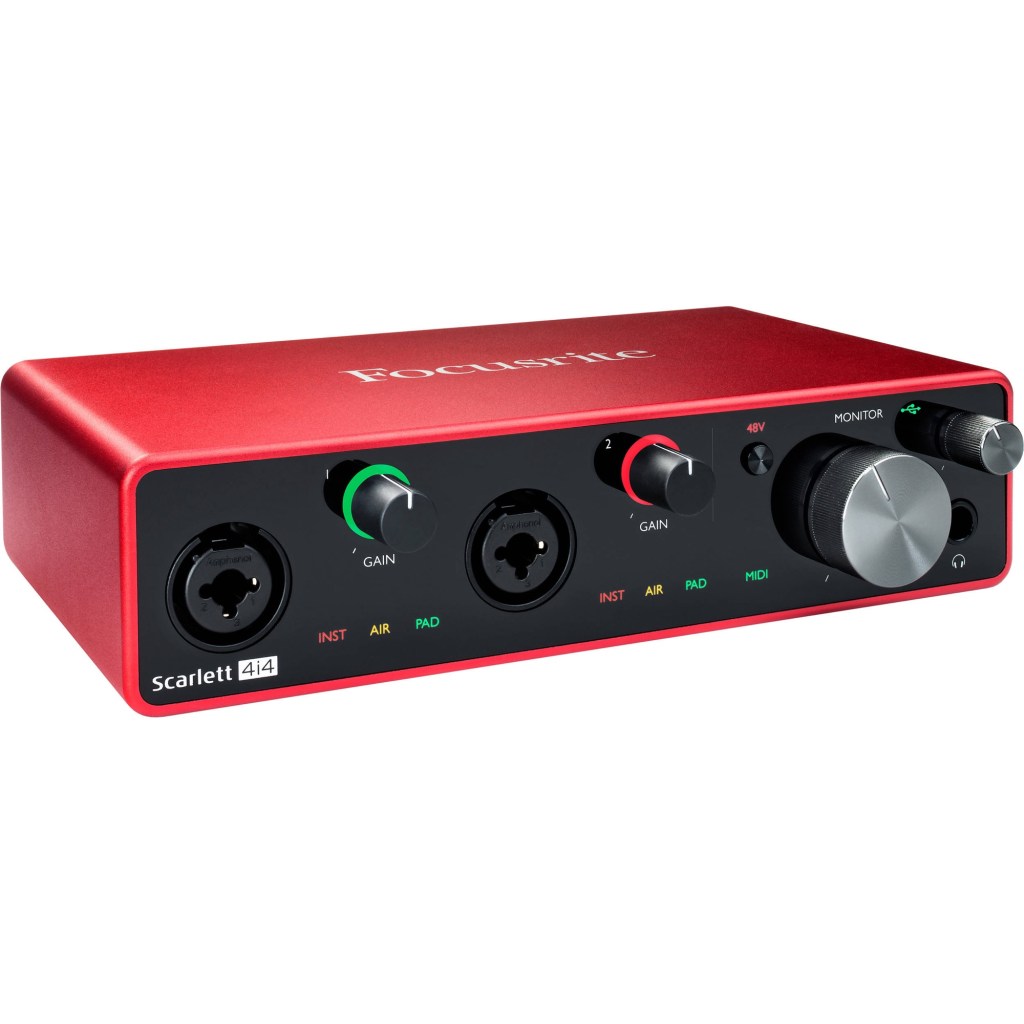
I’d break out my laptop, load up the DAW, and my friends would hover over me excitedly as I cooked up silly little beats for them to mess around with. None of us are actually rappers, but we like to write raps about stuff and pretend we are. I think the first song in what would eventually become The Kalamazooligans project happened at Luke’s place. He’s a writer, one of my closest friends, and a frequent collaborator of mine. He wrote a really heartfelt verse about finally finding companionship in the karaoke scene, and our mutual friend Willy made up a chorus inspired by a “live laugh love” sign (featuring Kim Jong Un — don’t ask) Luke had hanging up in his living room. Then David (who’s one of my Fairale bandmates, actually) rounded out the second verse, and I took the last. Suddenly, we had an entire song we literally pieced together with nothing but Logic, some Apple Loops, and that Focusrite Scarlett audio interface every fucko with a podcast owns (myself included).
They make them bright red to match the flags that come with having a podcast.
Was the finished product “good” by the standards of the music industry? Absolutely not even close. This is not Top 40 radio. Max Martin (my Swedish pop hero) would not touch these songs with a 39-and-a-half foot pole. The average listener would probably be surprised to learn that anyone involved in the making of this music was actually a professional-ish musician. But something special happens when people who have no business creating art say “fuck the rules” and do it anyways.
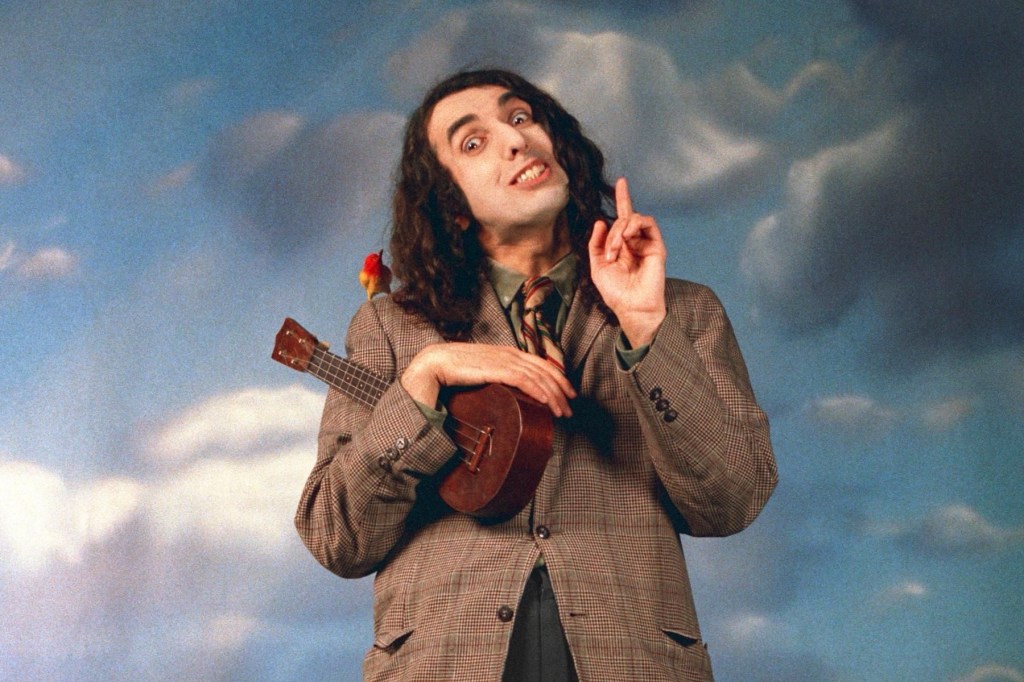
Outsider art is art made by folks with no connection to the “legitimate” scene, aren’t properly trained in their field, and/or often have stuff like mental illnesses and other disabilities working against them. In other words, not your glamorous ideal of an artist. Outsider art includes visual art as well (an infamous example being controversial cartoonist Christine “Chris-Chan” Weston Chandler), but on the music side of the loosely defined genre, you have guys like Tiny Tim, who somehow broke into the industry as a niche act armed with nothing but a ukulele and a wild falsetto. There’s the elusive proto-singer-songwriter Connie Converse, whose tragic life I actually immortalized in this very blog. Even Brian Wilson, the legendary freaking Beach Boy, was considered an “outsider” by some metrics, although this is debated. These are all characters I find infinitely more fascinating than the manufactured pop star image being pushed by the mainstream music machine.
Wouldn’t you rather read about thisdude?
I’d like to think the future of music rests with the outsiders. Whether they realize it or not, people tend to gravitate toward artists who have a fascinating backstory. It’s why Taylor Swift managed to captivate so many people despite being born rich and pretty — she was still able to sell herself as the girl-next-door underdog with a guitar and a dream. Fans have been revisiting the drama between bands like the Beatles and Fleetwood Mac for generations now. I feel like artists today are too sanitized and “professional.” We need musicians with personality. We need musicians who take chances. We need freaks, geeks, and weirdos making the music no one else would dream of. We need outsiders.
When I was studying music therapy, my eventual dream was to help everyday folks make music they could be proud of. I knew firsthand how healing the process of music creation could be, and I wanted to share that with my clients. Obviously, that dream died a horrible death — but maybe it didn’t. Maybe this is what I was meant to be doing this whole time. My friend group has been alight with ideas, and my phone has been blowing up with requests for new songs and beats to work with. Everyone is so excited to cook up fresh material, and it’s revitalized my love of creating music like nothing else. The crew even dubbed me the “Mother of Beats,” and I gotta say, after everything I’ve been through with music, it feels good.
I think our culture needs to rethink its relationship with music. Music isn’t only for attractive people, rich people, or able-bodied/neurotypical people. It’s the birthright of every human. Kids are always humming little songs to themselves — until society beats it out of them and says they’re not “good enough” to be singers. I’m fucking sick of that mentality. In a world where you can literally just beep-boop a “perfect” song, get dirty and create something yourself. Make it messy. Get your imperfections all over it. Who cares if it doesn’t sound radio-ready? The grit and grime are what makes it special.
I’m excited to see where The Kalamazooligans ends up. I hope it inspires more “outsiders” to get their hands dirty and create. Perhaps it’s a lofty goal, but I want to start a creative revolution, even if it never leaves this Midwestern college town with a silly name. If I can make my own corner of the world brighter, more whimsical, and more musical, I know I’ve succeeded.
If you’ve been following my music career, you’d know I recently released a cover of Chappell Roan’s pop masterpiece “Good Luck, Babe!” It was a labor of love — I adore the song and wanted to explore a more rockish guitar-driven take on it — and I also wanted to drum up some hype around my own music. After all, The Oceanography EP and my other covers weren’t getting attention, and what’s the point of making music if no one listens to it except you? So when I recorded “Good Luck, Babe!”, I sent a little prayer to God or whoever is up there listening that this cover would get me noticed.
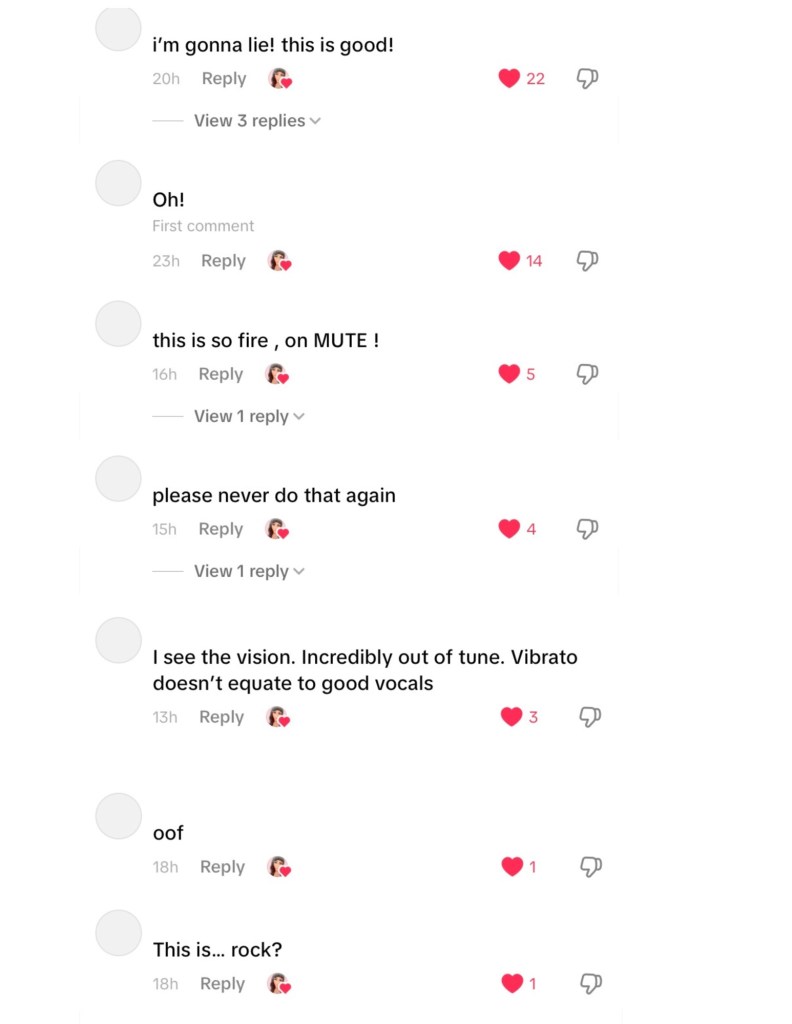
You have to admire the creativity of some of these.
Apparently my stupendous bundle of joy was rubbing a lot of TikTokers the wrong way. I hadn’t gotten this amount of hate on anything I’d posted since my now-deleted post about guitarists drowning out the homophobes at a pride event. And even then, those hate comments were driven by bigotry, not anything I’d actually done or created. They would have gotten up in arms over anything I could’ve posted because I’m a queer woman, so their opinion isn’t valid. They just suck as people. In a way, getting hate comments on my music is worse. I can handle being called a dyke. It’s when you come after something I put hours of love and hard work into that I get a little perturbed.
But through this whole debacle, I’ve learned quite a bit about conducting yourself online as a musician. The second you decide to put your work out there, you’re essentially signing up to be a professional musician, and that requires a degree of, well, professionalism. Here are a few tips and tricks for dealing with haters on the internet.
1. Remember it’s them, not you.
Nothing anyone says online to you is about you. More than likely, they’re dealing with some shit too. Remember the human. They probably had a rough day at work or are going through relationship issues, and they’re looking for a punching bag to take out their frustration. Insulting some guy on the internet is the perfect way to relieve that stress — you don’t have to see this musician you just insulted in real life. They’re just a face behind a screen. Remember these folks are probably just salty because of something that’s going on in their own lives. I know it’s more satisfying to lash out and insult them back, but it shows a lot more maturity to restrain yourself from doing this.
2. Like their comments! Or better yet, thank them!
Nothing deescalates online drama quite like being the bigger person. These folks are looking to rile you up. Don’t let them. Instead, “like” their comments! And if you want to take it one step further, thank them. A simple “Thank you for listening anyways” with a smiley emoji will catch them off guard. This is how I dealt with a lot of the recent hate I’ve gotten. People don’t know how to react to that, so they simply shut up. Kill them with kindness, as I always say.
3. They are talentless fucks.
Okay, I’m gonna be blunt now. Anyone who leaves random hate comments on a musician’s page clearly doesn’t know what it’s like to be a musician. Which immediately makes you cooler than them. In fact, that’s probably why they’re lashing out — they know they can never stand up to you in real life because playing music is cool as hell. Folks can’t handle when other people are more talented than them. Aussies call this “tall poppy syndrome” — when your flower grows to new heights, others will be scrambling to cut you down to their level. Don’t let them.
4. Remember that great art is divisive.
There’s a whole montage in Bohemian Rhapsody where critics’ comments of the band Queen are highlighted. This is the Queen, the band that brought you such legendary hits as “We Will Rock You,” “Don’t Stop Me Now,” “Radio Gaga”…you get the idea. It’s hard to believe now that they’ve reached almost godlike status among music lovers, but not everyone liked them at first. I recently read an enlightening comment from a DJ. He said that the music he spun frequently got both positive and negative reviews. You know what records didn’t get plays? The ones no one cared about enough to hate.
5. Laugh about them.
One musician on Reddit said he puts bad reviews on his upcoming concert flyers like a movie poster so he and his fans can have a chuckle about them. I think this is brilliant! If I saw a band embracing their negative reviews like that, I’d assume they had a good sense of humor before I’d assume they sucked. Even better is editing down the hate comments until they become rave reviews and using those. “This is good!” and “This is so fire” are definitely contenders for good bad reviews for “Good Luck, Babe!” No one needs to know the second half of those reviews, and you’re technically not lying. It’s all in good fun.
6. Keep releasing new music!
Don’t let haters discourage you from posting your music. You have a unique voice, even if other folks don’t see it yet, and the music scene is better for having you in it. Every other artist in existence has had to deal haters, and even some of the greatest albums of all time had their critics. There’s only one you in this universe, and the world is missing out if you give up because of some small-minded asshats on the internet. Ignore the haters and do you. That’s the best you can do.
When I was a kid, I kept magazines by the family dinner table. I couldn’t eat unless I was reading something — anything! Usually I’d read about video games I was into, but sometimes I’d read about music. One of the features I always enjoyed in the music magazines was a featured artist’s list of their favorite albums of all time. Maybe it’s because I enjoy lists, I don’t know. Is that an autism thing? It might be an autism thing.
Anyways, I liked to imagine I was a famous musician being interviewed by one of those magazines, and I liked to consider what my answers would be. Now that I’m much older and have a platform of my own, I can just, you know, make my own list. I mean, what’s stopping me? So here’s my official top ten albums of all time. It’s not going to look like a lot of music critics’ top ten albums, as my taste in music is notoriously bad. I mean, Bon Jovi of all bands was my obsession for much of my life. But taste is subjective, am I right? And for better or worse, these are the albums that shaped me as a musician.
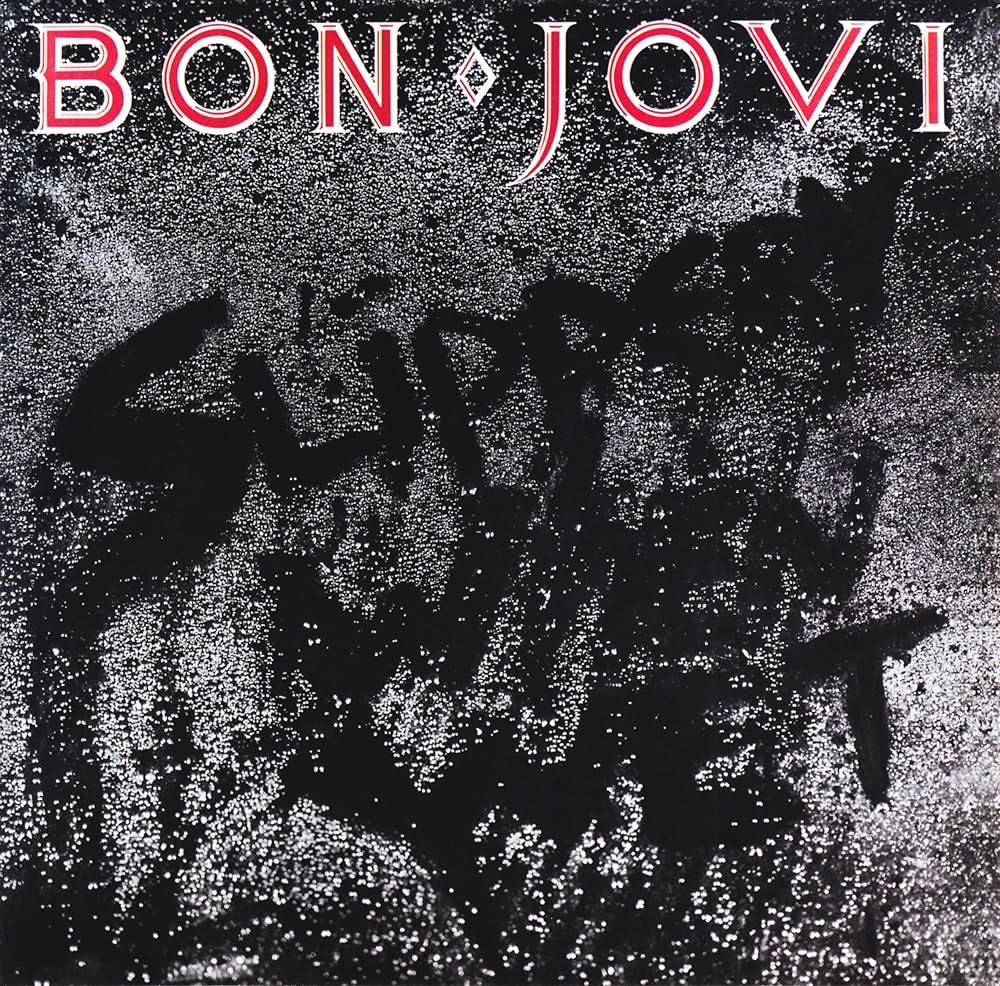
1. Bon Jovi – Slippery When Wet
I already mentioned Bon Jovi, so why don’t we start with there?
I remember the first time I heard this album. It was shortly after I discovered Bon Jovi due to the everywhere-ness of “It’s My Life” in 2000. I was very little at the time, but I loved that song. My much-older sister was a teenager in the ‘80s, so she remembered Bon Jovi’s initial run, and she still had her favorite cassette tape from back then. Starting up the tape and hearing synth intro of “Let It Rock” for the first time was nothing short of euphoric. I’d never heard anything like it. And then the bombastic vocals and heavy guitar came in, and I was absolutely in love.
Slippery When Wet also contained “Livin’ on a Prayer,” which was an immediate favorite of mine. I wasn’t sure what the hell a talk box was, but I knew I liked it. And how singable the chorus was! It would become my blueprint for creating earworms as a songwriter. There’s magic in that “woah-oh,” I’m telling you.
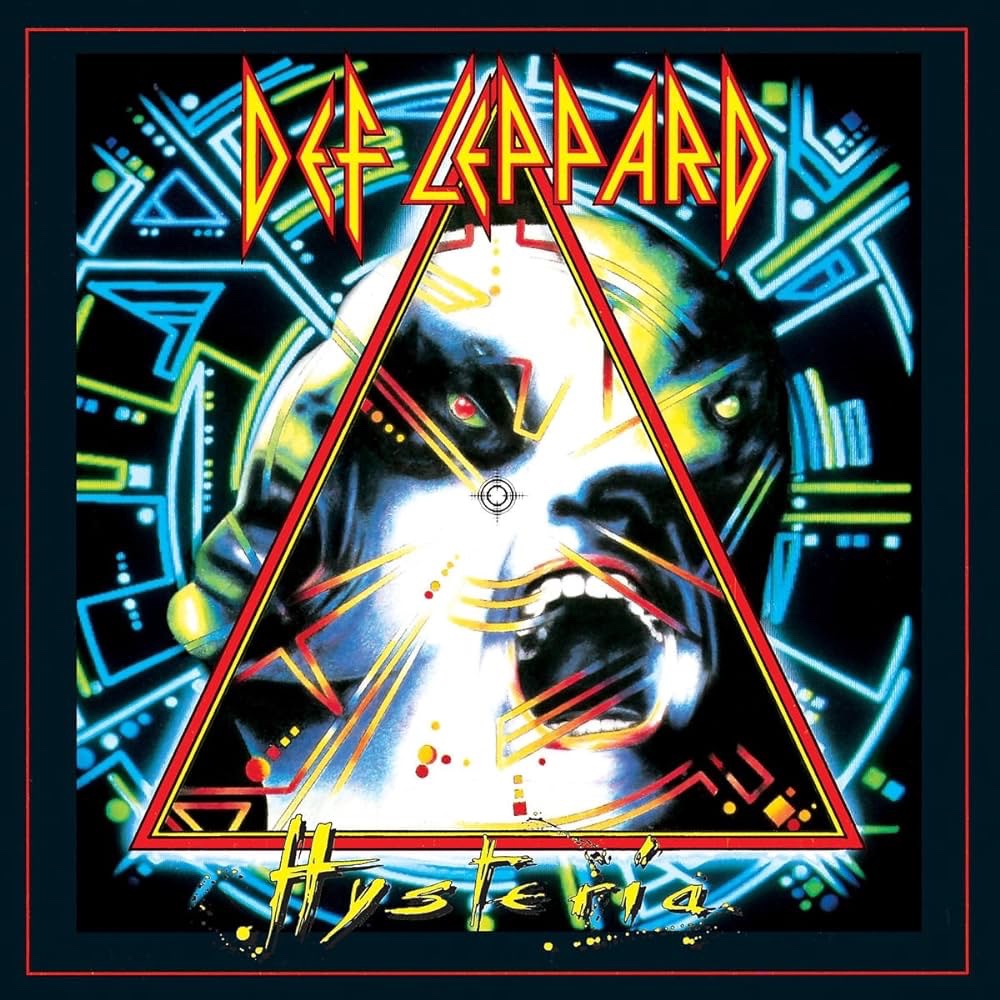
2. Def Leppard – Hysteria
After my mom confirmed her daughter’s bizarre interest in hair metal by giving her a Bon Jovi tape, she passed down even more of her and my sister’s music. Among the albums I received was Hysteria by Def Leppard. I was never as obsessed with Def Leppard as I was with Bon Jovi (and no one was as obsessed with Bon Jovi as me), but they still ranked high on my list of bands for that era. I loved the melodic nature of their music. You’d have this big, in-your-face chorus followed by some of the most captivating melodies. “Animal” is a great example of that.
My favorite from this album is “Run Riot,” which has the singability that I enjoy in a song. And the harmonies are glorious, owing in part to the amazing production of Robert John “Mutt” Lange, one of my favorite producers of all time. He knew just how to layer vocals and really create a lush soundscape with them. And speaking of Mr. Lange, he had a pretty big hand in the third album on my list as well.
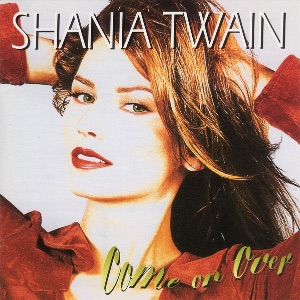
3. Shania Twain – Come On Over
Before there was Bon Jovi, there was Shania.
Shania Twain was my idol. I loved her so much as a toddler. My own mother would get jealous because I’d draw pictures of Shania and not her (sorry Mom). I wanted a horse because I saw a picture of Shania with a horse. And of course, I listened to this album on repeat. I’m shocked I didn’t wear out the tape!
It would be easier to name the songs that weren’t bops on this album, because nearly all of them slap. (Wasn’t a huge fan of the title track, but everything else is a gem.) My burgeoning sense of humor really appreciated “That Don’t And Impress Me Much,” and I’d often quote it. “So what, you think you’re Elvis or something?” “Black Eyes, Blue Tears” was another favorite, albeit a pretty dark song for a three-year-old to truly grasp (it’s about domestic abuse). I loved the use of the talk box (again!) on it. And of course, Mutt’s penchant for strong harmonies is all over this album — he was the producer (and Shania’s husband), after all.
4. Taylor Swift – evermore
I’m skipping ahead quite a bit chronologically, but Taylor felt natural to bring up next. After all, Shania walked so Taylor could run. evermore came during the pandemic, when everyone was in a weird place already. Its sister album, folklore, was released less than five months prior, but aside from “this is me trying” (my neurodivergent millennial burnout anthem), none of the songs on that release resonated with me as much as the songs on evermore. Something about evermore just hit me hard.
Nothing comes close to the heartbreak of “tolerate it” or “happiness,” and the sweet tribute to Swift’s late grandmother, “marjorie,” is sure to leave you weeping, especially when the long-deceased woman’s ethereal voice echoes throughout the end of the song. One of my favorite bands, HAIM, features on “no body, no crime,” the catchiest murder ballad since The Chicks’ infamous “Goodbye Earl.” I’m also rather fond of “ivy,” with lyrics telling the story of a married woman’s tryst with another person who I am convinced is another woman. (She never said the song was autobiographical. I’m not a Gaylor, I swear.)
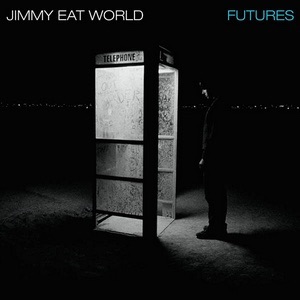
5. Jimmy Eat World – Futures
Confession: prior to about 2009, I didn’t listen to modern music. Anything made before 2000 didn’t really appeal to me, which meant I missed out on all the good emo bands. But a good friend’s then-husband was cleaning out his house and had a stack of CDs to give me, and Futures was among them. I remember the first time I listened to it en route to Chicago for a marching band field trip. I was absolutely blown away. The music, the lyrics, the entire vibe of the album — it completely flipped my perspective on 21st century music. Suddenly, I had a thirst for discovering other alternative and emo bands, which lead me to artists like Brand New, Weezer, and the neon pop-punk bands of the late 2000s.
The album itself is almost a concept album of sorts, dealing with addiction and longing. I couldn’t yet relate to the addiction part, although that would come later on in my personal story. But the longing was something I related to as an angsty teenager. I could listen to songs like “Kill” and “The World You Love” and cry about the fact that Dylan Martin from my church’s youth group would never love me back. I still love this album though, and Dylan and I are good friends now, so it all worked out in the end.
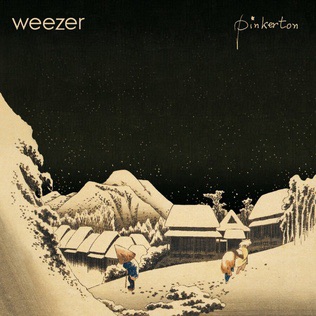
6. Weezer – Pinkerton
In making this list, I nearly forgot about Pinkerton. I’m sure Rivers Cuomo would rather me forget about it, as he was famously embarrassed of it. But it was a crucial part of my lovesick, sexually frustrated teen years. Looking back, the album is essentially Incel: The Musical, but I related to the lyrics quite a bit at the time, as someone who often found myself falling for guys who were less than interested in me. The songwriting on this album made me feel less alone.
“Why Bother” could have been the theme song to my failed teenage crushes. “Why bother, it’s gonna hurt me; it’s gonna kill when you desert me.” And the simple acoustic track “Butterfly” is possibly one of the most beautiful songs ever written. It evokes the image of catching a butterfly only to watch it wither in captivity. It’s a poignant metaphor for holding onto a love that is ultimately bad for the other person. Sometimes it’s better to let go, which was a painful lesson for me to learn. Rivers was there too, and that’s why I love Pinkerton. It’s so real and raw in the way it handles interpersonal relationships.
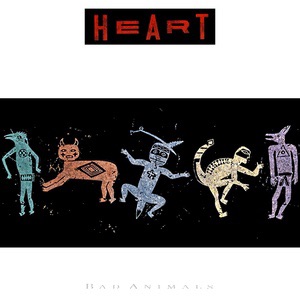
7. Heart – Bad Animals
This was another cassette tape given to me by my mom, who I credit for my taste in music. I remembered hearing Carrie Underwood cover “Alone” as part of an American Idol performance, and my dear mother was like “You’ve got to hear the original.” She pulled out this tape and my mind was instantaneously blown. I’d never heard a voice like Ann Wilson’s in my life. The sheer power behind her vocals gave me shivers. And to learn that the rhythm guitarist of the band was also a woman — that changed everything for me. It was the first time I’d seen another female guitarist. Suddenly, I had someone to look up to in music who looked like me! Representation frickin’ matters.
“Alone” is obviously the standout track from this album, the power ballad that made me fall in love with power ballads. I recorded the music video onto a tape, which my autistic ass watched every single morning before school. I wanted to be like the Ann and Nancy Wilson. They were so beautiful and talented and effortlessly cool, unlike me at the time. I’m not as famous as the Wilson sisters, and I probably never will be, but I’d like to think I made that little girl proud. I’m certain the sheer amount of comparisons I get to Ann Wilson whenever I sing Heart at karaoke would make younger me beyond happy, and that’s what matters.
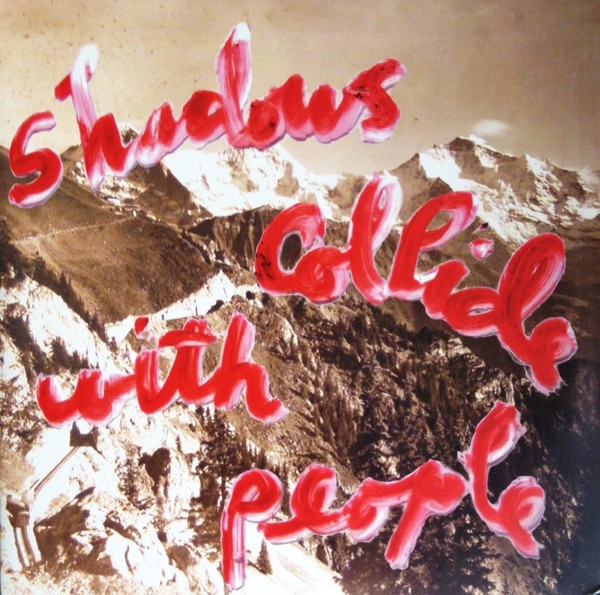
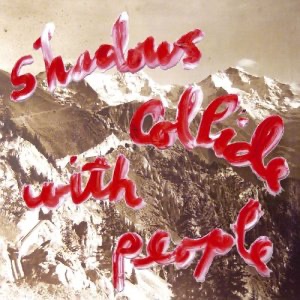
8. John Frusciante – Shadows Collide With People
I’ll admit I was a little torn between including this album versus one of the Red Hot Chili Peppers albums that has influenced me. I discovered John Frusciante through his work with RHCP — I still remember hearing “Dosed” from their album By The Way for the first time and being mesmerized by the beautiful guitar work. It made me want to further explore Frusciante’s work, which lead me to this particular solo album, which I found in a record store or a Goodwill or somewhere. I don’t remember exactly how I happened upon it, but it was quite serendipitous that I did. It ended up becoming my favorite album of all time, carrying me through one of the hardest years of my life.
“Carvel” is an absolute gem of an opener and the reason I pestered my old band to buy me a Carvel cake while we were on tour. The “Carvel cake” in the song is meant to represent drugs, and as someone who very nearly averted an addiction to alcohol, I found myself relating to a lot of the lyrics. The instrumental tracks on the album are eerie and unsettling in the best way, and the ending track, “The Slaughter,” is one of my favorite songs of all time, closing the album on an optimistic note. “I know my pain’s a life away,” Frusciante croons, and I feel it. The worst is over.
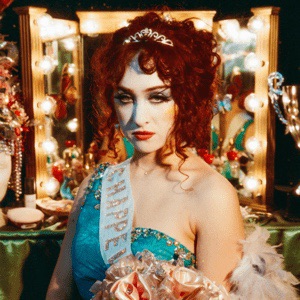
9. Chappell Roan – The Rise and Fall of a Midwest Princess
This is easily the most recent album on this list, as Chappell Roan’s meteoric rise to fame was only within the past few months. But this album gives me so much hope for the future of pop music. I was in a musical rut for a long time, and I was starting to become worried that, like many thirtysomethings, my taste in music had solidified. I wasn’t sure if it was my getting older or new music getting more boring that made me give up on discovering new artists. After all, I remember going to karaoke at a bar full of Gen Z college students, and their song choices were decidedly overwhelmingly subdued. The younger generation grew up on the likes of Lorde and Billie Eilish, who, while very talented, mostly make bummers, not bangers. What we needed was someone to inject pop music with a bit of fun. What we needed was a femininomenon.
I have a hard time picking one or two favorites from this album chiefly because they’re all incredible. “Casual” is ethereal and heartbreaking, culminating in Chappell screaming at her would-be lover “You can go to hell!” in the final line. The sheer passion in that delivery gave me goosebumps the first time I heard it. And the horny lesbian anthem “Red Wine Supernova” is an obvious standout, with candid lyrics and witty references to “wands” and “rabbits” (if you know, you know). It’s such a bop, even Melissa Etheridge referenced it at one of her recent shows. Melissa walked so Chappell could run.
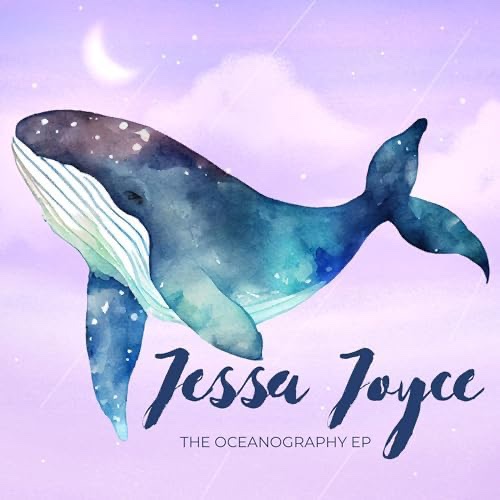
10. Jessa Joyce – The Oceanography EP
And finally…me! It’s probably an unusual choice to put your own album on a list of albums that changed your life, but I can’t think of an album that changed my life more. Sure, it didn’t take off or become as successful as I would have liked, but it proved to me that I could do it. I could record an album! My 2013 spring break was spent locked in my office at the newspaper I worked for at the time, utilizing the Mac desktops there for the GarageBand feature. I had a shitty Blue Snowball mic and a whole lot of caffeine and nicotine in my system (as I hadn’t yet been diagnosed with ADHD and that was my form of self-medication). It was released to Bandcamp with little fanfare, but I felt accomplished. Ten years later, using the knowledge I’d built up about music production and improved equipment (and Adderall), I re-recorded the entire project and released it to Spotify and, well, everywhere else.
“Oceanography” was a song about my longing for a particular guitar-playing guy to like me. It’s about that feeling of wanting to know everything about someone because you’re just that fascinated by them. The folksy “Smiles & Anchors” was dedicated to another guitarist, the title of the song taking its name from his band. The angsty alt-rock “Off the Deep End” was about a completely different guitarist and how I shouldn’t like him, and “Song of the Sea” was about a breakup with a fourth guitarist whom I dated in college. The album could have been called Songs About Guys Who Play Guitar Better Than Me. But they’re all part of my story, and I still love the songs to death, even if those guys aren’t in my life anymore. That’s the beauty of music I think. It’s a snapshot of a time in your life, and Oceanography represents so much of my history. That’s why it’s on this list. I am who I am today because of my lived experiences, and songwriting is my humble way of documenting those experiences. It’s my way of screaming into the void — I was here. Isn’t that what music is all about?
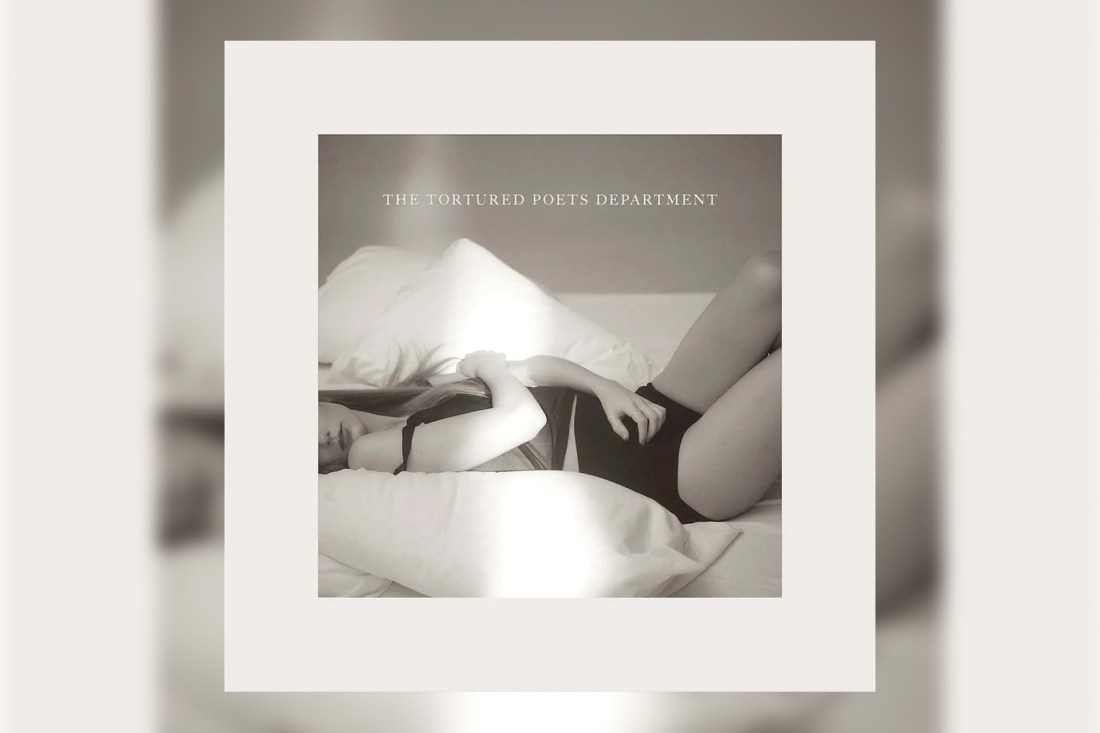
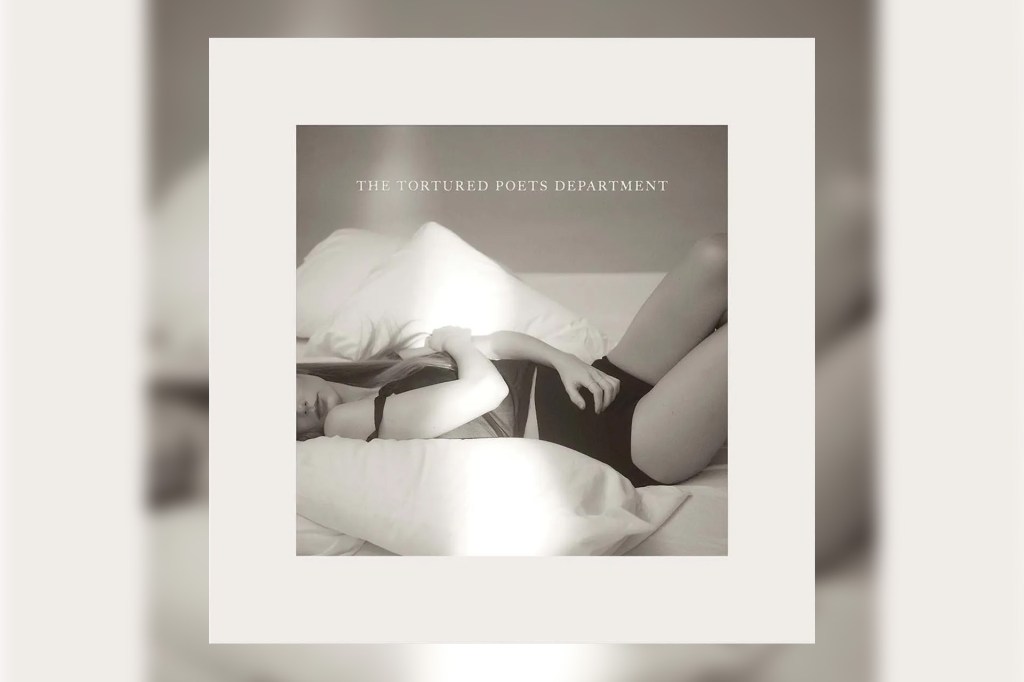
Here’s a shocker: I’m a bit of a Swiftie. I know I’ve written a defense of her before, but never a proper album review. Since The Tortured Poets Department just came out, I figured now was as good a time as ever to write one. I’m no music journalist, but I do have a degree in music and journalism, so I might as well put my useless skills to use for a Music Review Nobody Asked For.
First things first: The Tortured Poets Department is not an album. It is a cry for help. I have never in my life heard a more depressing two hours of music. Even her obligatory “glitter gel pen” song of the album is sad as hell when you get past the bouncy synths and actually listen to the lyrics. Like, she literally screams “I’m miserable!” at the end of it.
“And no one even knows!”
I differ from most Swifties in that I really don’t give a shit about her personal life. She’s a billionaire I’m never going to meet. It’s the same reason I don’t care about sports. When everyone back home was freaking out about the Detroit Lions doing important stuff, I was indifferent. I don’t know those guys. They’re just some stinky dudes. That’s how I feel about Taylor. I admire her for her songwriting, but I feel like I get more out of music when I don’t know who the song is about. That way, I can relate the song more to my own life and in turn get more out of it emotionally. “Teardrops On My Guitar” isn’t about Drew, it’s about my middle school crush Kyle Kelley, damn it.
And it’s probably for the best that it’s NOT about Drew, because Drew sucks.
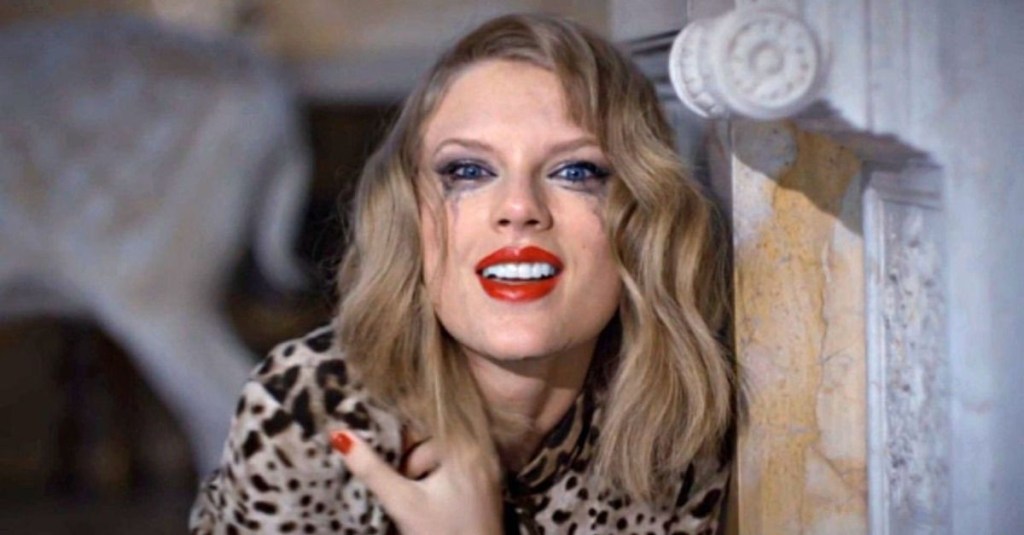
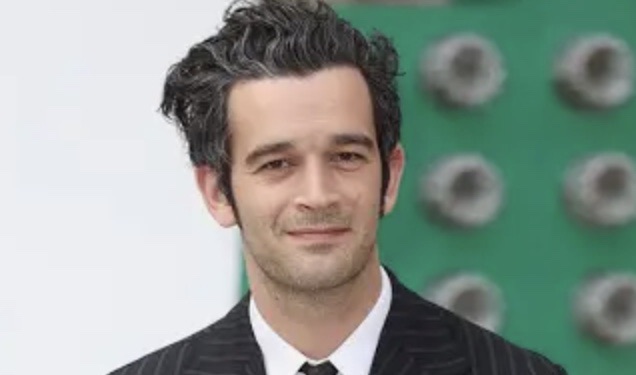
The thing about TTPD, though, is that the album hinges on the fact that people know who it’s about. And supposedly it’s mostly about this guy:
This is the muse, y’all.
I know nothing about Matty Healy except that he’s 1. the frontman of The 1975, a band I also don’t care about, and 2. kind of a dickhead, but who am I to judge her taste in men? I don’t exactly have a pristine track record when it comes to dating dudes (which is probably why I switched to primarily women), so I have no room to talk. But apparently other Swifties do feel the need to judge her for her less-than-stellar choice. Like, some fans literally wrote her an open letter telling her to stay away from this guy, which is kind of wack, and also the inspiration behind like, half of this album.
But Jessa, isn’t this review about the music?
Well, yeah. I don’t want to ruminate on this topic for longer than I need to, but it’s important to contextualize this album. This is essentially a concept album about a forbidden romance, and one Taylor seemingly caused herself. You see, dating Matty Healy would taint her brand, but if the songs on this album are any indication, she thinks he’s the love of her life. What would you choose — the reputation and career you’ve built up for yourself since 2006, or the guy of your dreams? I can see why she wrote these songs the way she did. It’s a weird situation to be in, and not a situation I envy.
But let’s get into the music. There’s two parts to the TTPD — the album proper, and The Anthology, a companion album of sorts released two hours after the initial release. As a whole, the first half of the album is soft and synthy, owing to Jack Antonoff’s production, while the second half is closer in vibe to the folklore/evermore sound, with Aaron Dessner producing much of it. The fandom seems pretty divided on which half is better, and honestly both halves have some great songs and a few duds. For better or worse, the album is pretty cohesive — no one song really “stands out” as THE BEST, but most of the songs are pretty strong. Let’s look at some of the highlights.
Fortnight: This is the lead single, so I’m obligated to comment on it, but honestly, I wasn’t too impressed by it. It’s the same chords all the way through and is constantly building, but never really gives us that “oomph” moment it promises. Post Malone’s vocals add a little pizzazz to it, but it’s pretty lackluster for a single. I was expected Taylor to punch me in the face with whatever single she had lined up for this album, but it was a mild slap at best.
The Tortured Poets Department: As the title track, I feel obligated to comment on this as well. The 80s-ish drums grabbed my attention, but musically I wasn’t too impressed with this one either. Lyrically, it’s fairly strong, though. I think people miss the sarcasm. She’s calling out her boo for fancying himself a tortured poet, and maybe calling herself out as well. He’s as much a Dylan Thomas figure as she is Patti Smith. The theme of self-deprecation is recurring in this album.
My Boy Only Breaks His Favorite Toys: This one’s a skip for me. The music’s alright, but nothing to write home about.
Down Bad: People seem to really like this one, but it’s a skip for me too. I feel like Taylor’s just trying to see how many f-bombs she can sneak into a song without it being grating.
So Long, London: Everyone was really anticipating this one since it was rumored to be about her doomed long-term relationship with Joe Alwyn. The light almost-choral vocals in the beginning remind me of “My Tears Ricochet,” one of the standout tracks from folklore, but it doesn’t hit me as hard as that song did for some reason. The line “I’m pissed off you let me give you all that youth for free” did send me for a loop, though. Imagine wasting the best years of your life with someone who ultimately let you down. I hate the whole trad-fucko ideology of “marry young so you can pop out a ton of babies before menopause” (which a lot of trad-fuckos pushed onto Taylor — looking at you, Stefan Molyneux), but there is something to be said about squandering all that time you could have spent building a life for yourself. It’s a sad situation all around, and this song captures that feeling.
But Daddy I Love Him: Now we’re cooking. This is the strongest track on the album so far. At a glance, it’s the big sister of “Love Story” — a tale of forbidden love, a modern Romeo and Juliet. The melody even has a sort of country cadence, throwing back to Taylor’s roots. Looking closer, it almost seems to be a takedown of those unhinged fans who wrote her that aforementioned open letter, the “judgmental creeps…sanctimoniously performing soliloquies” she’ll never see and the “saboteurs” saying “stay away from her.” The music takes it to the next level, bombastic and triumphant as she cries that her love is her choice. This is one of the highlights of this album and not a track to be skipped.
Fresh Out the Slammer: I’ve listened to this album probably three or four times now and I remember nothing about this song.
Florida!!!: This Florence + the Machine feature isn’t one of my favorites, but pleasant enough. I enjoy the cheeky “Is that a bad thing to say in a song?” as the lyrics imagine the bodies of past lovers sinking into the swamp.
Guilty As Sin?: Taylor really likes punctuation marks in her songs it seems. As a level-headed Christian, I at least appreciated the religious imagery in the bridge, which seems to have pissed off the right people. (Sean Feucht can go Feucht himself.)
Who’s Afraid of Little Old Me?: Upon my first listen, the first time she screamed “WHO’S AFRAID OF LITTLE OLD ME?” was a bit of a jumpscare. And this song is supposed to be scary. The “circus life” made her deranged and disturbed, even using the metaphor of a performing lioness with her teeth removed. The song is bleak and upsetting, as it should be. This is one of the first indications that Taylor’s mind isn’t all rainbows and sequins but a dark, unsettling place.
I Can Fix Him (No Really I Can): This song is sparse and brooding-sounding as she croons about a lover she insists she can change before the final line realization that maybe she can’t. This isn’t a standout track, but worth a listen.
loml: Another tearjerker along the lines of “So Long, London.” She recalls promises of rings and cradles, only to have her hopes of stability dashed. The instrumentation is appropriately sparse. Not one of my favorites, but again, worth listening to.
I Can Do It With a Broken Heart: This is the one singular “glitter gel pen” song of the album, and it’s still a bit of a bummer. She sings about how her life is falling apart around her, but she has to keep up appearances, still smiling and giving us a show even when it hurts. The synths are bubbly and poppy, contrasting rather starkly with the lyrics. At the end, her voice cracks as she screams “I’m miserable and no one even knows!” This woman is literally on top of the world, and yet this song proves how terribly lonely she is. I think back to Britney Spears’ “Lucky.” “I’m If there’s nothing missing in my life, then why do these tears come at night?”
The Smallest Man Who Ever Lived: This is probably her most biting song yet, a vicious takedown of an ex-lover who wronged her. Most of the song is pretty calm and subdued, but the bridge gave me literal chills the first time I heard it. Taylor’s the queen of bridges, but these might be some of the angriest lyrics she’s ever written. Hell hath no fury like a singer-songwriter scorned — trust me, I’d know.
The Alchemy: A skip, in my opinion. Nothing really stood out to me about this one.
Clara Bow: First thing I noticed about this song was the amazing bass-driven riff that carries the song. It adds such a darkness to the song musically. The lyrics, according to Taylor herself, are inspired by the way the entertainment industry markets upcoming female performers as the “new and improved” versions of their predecessors. It’s a time progression song that starts in the silent film era with actress Clara Bow, then travels to 1975, when Stevie Nicks was on top of the world with Fleetwood Mac. Finally, Taylor namedrops herself as the one whose star would eventually be eclipsed by a starlet who has the edge she never had. It’s the kind of self-deprecation I mentioned earlier that is ubiquitous throughout the album. This is an appropriate finale to the first part of the double album.
The Black Dog: Arguably my favorite song on the album and quite possible one of my favorites in her entire discography. It heartbreakingly tells the tale of a woman watching as her ex-lover goes about his life, oblivious to how much he’d hurt her. “I just don’t understand how you don’t miss me,” Taylor laments. The music crescendos at the end of every chorus, building up to a climax that ultimately never happens. Normally that kind of let-down would drive me nuts, but it works for this song, representing a love that ultimately went nowhere. The song also namedrops The Starting Line, a relatively obscure emo band, which made my inner 16-year-old squeal. I feel like people forgot that Taylor is a MySpace millennial too.
imgonnagetyouback: All of the commotion I’ve heard about this song revolves around how it’s a similar concept to Olivia Rodrigo’s “Get Him Back.” I think they’re different enough, but unfortunately, Taylor’s take on the idea doesn’t do much for me. It’s a fairly forgettable song compared to the other gems on this half of the album.
The Albatross: This is Taylor at her folklore/evermore-est. She does folk-tinged pop well. No notes on this one, just a solid song.
Chloe or Sam or Sophia or Marcus: The chorus is emo poetry at its best. “If you want to break my cold, cold heart, say you loved me. And if you want to tear my world apart, say you’ll always wonder.” Those lines remind me of “Your House” by my one of my all-time favorites, Jimmy Eat World. “If you love me at all, please don’t tell me now.”
How Did It End?: Another somber tearjerker. One line really stood out to me — “My beloved ghost and me, sitting in a tree, D-Y-I-N-G.” The way she turns a childhood chant into something heartbreaking is chilling. Hey kids, spelling is fun!
So High School: This song is a 90s alternative-flavored bop reminiscent of a more optimistic “Hits Different.” It contains all the giddiness of being in a fresh relationship with someone who reminds you of the butterflies you got from your first crush, along the lines of Katy Perry’s now-legendary “Teenage Dream.” A lot has already been said about the lyrical content, particularly as it relates to Taylor and her most recent relationship with football star Travis Kelce, but as a guitarist, I couldn’t help but fixate on the gorgeous guitar tone present throughout the song. Aaron Dessner really outdid himself with this airy nostalgia-fest.
I Hate It Here: Not my favorite, but I don’t dislike it. A lot of the discourse around this song revolves around her line about wishing she lived in the 1830s minus the racism and sexism. People have called her out for addressing such heavy topics so flippantly, but it’s worth noting that she even points out how silly her fantasies are in the subsequent lines. This song feels like it was very much written from a childlike perspective, if said child was very loquacious.
thanK you aIMee: Yes, she formatted the title like that. I feel like the Taylor Swift/Kim Kardashian feud is very passé at this point, but Taylor has to kick the corpse of the dead horse one more time. If you ignore the fact that this song is obviously about Kim, it’s pretty solid, especially if you interpret the lyrics as a takedown of a childhood bully. It was cathartic screaming these lyrics to my own “Aimee” in the car. (Fuck you, Carissa.)
I Look in People’s Windows: Some more self-deprecation as she calls herself a “deranged weirdo” for creeping on people’s get-togethers through the window, hoping for a glimpse of her lost lover. It’s another tearjerker, although I don’t consider it one of her best songs on the album.
The Prophecy: Probably the saddest song on an album chock full of wildly depressing music. In this song, Taylor pleads to a higher power to “change the prophecy,” offering to trade her fortune for some true companionship. Her voice sounds almost pained as she begs for another chance at real love. It’s a powerful reminder that money can’t buy happiness, and it’s one of the standout tracks on this half of the album.
Cassandra: There are some similarities between this song and Taylor’s “mad woman” from her folklore album, both musically and lyrically. The songs speak of hunting witches and burning bitches, and it almost seems “Cassandra” is a sequel of sorts. The snake allusions hit two-fold, both as a callback to the snake motif associated with Taylor’s reputation album and as a nod to the actual Greek myth of Cassandra, who could hear the future when snakes licked her ears.
Peter: A solid song about a lost love of one’s youth. No real notes on this one.
The Bolter: This is easily one of the strongest songs on the album. It’s got a catchy melody that works in tandem with memorable lyrics that detail the life of the titular “bolter,” as her childhood associates called her. It’s a bittersweet tale — while her many trysts never panned out, she’s “got the best stories” to tell, which made it all worth it.
Robin: I’m pretty sure this song is about childhood and innocence. She seemingly talks to a younger person — “The time will arrive for the cruel and mean, you’ll learn to bounce back just like your trampoline.” The title is never dropped in the song, but it’s suspected that the song is addressed to Aaron Dessner’s son, whose name is Robin.
The Manuscript: This one has potential to grow on me, but it’s not one of my favorites at the moment. I appreciate the heartfelt lyrics for what they are, but nothing really hooked me in. I feel like “The Prophecy” or “The Black Dog” would have been a better album closer.
So those are my thoughts on the new album. What are your thoughts? Which tracks stood out to you? What are your “skips”? Let me know in the comments!
Well, thanks for asking, daily writing prompt. I guess I can’t technically call this a music review no one asked for now.
I had a few albums in mind when I saw this particular prompt. Futures by Jimmy Eat World was my first instinct, being the album I cried to as a baby emo in high school while sneaking into the abandoned house down the road to hide from the world (I was dramatic as heck). folklore and evermore by Taylor Swift were contenders as well, being the answer to my prayers that she’d attempt a moody folk album. But I kept coming back to one particular album — Shadows Collide With People by John Frusciante.
Now it’s no secret I’m obsessed with John Frusciante, despite the fact that I don’t think I’ve ever mentioned him on this blog. It’s a shame, because there’s so much I could say about him. Like how we share a birthday. Who else can say they share a birthday with their favorite guitarist? Or how he talks to cats. Or how “Frusciante” because the new “f-word” in the newspaper office I worked in because I wouldn’t shut up about him. (The word “potato” was also banned in the office for unrelated reasons.)
I found Shadows Collide With People at a thrift shop or something back in 2015. It was around the time I’d just graduated from college, landed absolutely no job, witnessed my band implode in the most explosive way possible, was battling a burgeoning alcohol problem, and had my heart broken once again by the man I thought was the love of my life. All this to say I was in a pretty dark place. I remember driving around crying to this album, with its highs and lows reflecting my own turbulent life at the time. Even though John Frusciante’s struggles were not the same as mine (I never did heroin, for one), somehow I felt less alone knowing my hero had been to similar dark places. And wrote a pretty bitchin’ album about it.
The album itself opens with “Carvel,” a suitably weird rock song that uses ice cream cake as a metaphor for drugs. It’s probably one of my favorites by Frusciante in general, and sets the stage for all the angsty goodness that’s yet to come. The follow-up is the much more chill “Omission,” which features Frusciante’s protege and eventual Red Hot Chili Peppers guitarist Josh Klinghoffer’s soaring vocals. “Regret” comes next, repeating the simple yet somber line “I regret my past” over melancholic music.
“Ricky” and “Second Walk” are both fun uptempo bops, but the mood is jarringly brought back down by the eerie “Every Person.” The next portion of the album contains two electronic instrumentals, both sparse and unsettling, as well as the catchy “Wednesday’s Song” and “This Cold,” which could easily have been a RHCP song. “Song to Sing When I’m Lonely” is sure to get stuck in heads, and “Time Goes Back” feels oddly nostalgic in a way I can’t put into words.
The next three songs are fairly forgettable in my opinion, but fit in perfectly with the context of the album. “Chances” is another catchy one, although not my favorite on the album. What follows is yet another eerie instrumental, although this one feels more sad than startling. The closer, “The Slaughter,” is, in my opinion, a masterpiece, and the perfect way to close this absolute adventure of an album. “I know my pain is a life away,” Frusiciante croons wistfully, and as the final few chords ring out, you feel it.
I think what gets me about SCWP is the fact that it takes you to some deep, dark places, but it doesn’t leave you there. Instead, the album takes your hand and leads you back out into the light with the final song. I’ve always loved a good story, and this album feels like one. It has a way of meeting you where you’re at, in the midst of the pain, and reflecting your emotions like a musical mirror. I can honestly say it has helped me through some difficult spots.
I’m studying music therapy for a reason, and I think SCWP is a beautiful example of what music can do. It displays the entire range of human emotion in a very raw and unfiltered way. Even though I’m in a much better place now, this album will always hold a special place in my heart.
It’s not uncommon for me to feel a kinship to a person I’ve never met — and never will meet. From Freddie Mercury to Zelda Fitzgerald to a number of murder victims from the scores of true crime podcasts I binge, I have a tendency to see myself in various figures. I think everyone does this to an extent. Whether it’s a fictional character or a real human who walked this earth, we all want to find someone to relate to in the things we consume.
I was listening to a podcast on unsolved mysteries when I learned her name. Elizabeth “Connie” Converse, a fledgling but pioneering singer-songwriter who gave up and ran away to places unknown, never to be heard from again.
The listening experience was eerie as hell, as the narrators rattled off various facts about her life. She worked as a writer and editor. She was also into visual art in addition to music and writing. She lived in Ann Arbor and likely walked the same streets I do today. And like me, she was plagued with depression, or as she worded it, a “blue funk.”
Connie, born in 1924, would throw herself into the local music scene in the 1950s, playing living room shows and doing home recordings with artist and animator Gene Deitch of Tom & Jerry fame. Her songs are often described as ahead of their time — think a proto-Joni Mitchell. She wrote about subversive themes for the time, things like sexuality and racism. In fact, many consider her the earliest example of the singer-songwriter genre in the US. So why has no one heard of her? Simply put, she never managed to make an impact on wider audiences. Disheartened, she gave up on music and eventually would pack her bags and disappear forever, not even telling her own family her whereabouts. Her fate remains unknown.
But her music survived. In an interview, Gene Deitch shared some of the music he’d recorded in his younger days, including Connie’s music. This sparked a renewed interest in the forgotten artist, and in 2009, an album of her music was released to the public. She finally gained the recognition she’d always wanted. And yet, no one knows if she was even alive to see her half-century-old project see the attention it deserved.
Considering she’d be closing in on 100 years old now, the chances she’s still alive somewhere is incredibly slim. But I wish she was. I wish I could meet with her in some quiet cafe and just talk about music, art, life, anything. I know we’d be kindred spirits. I’d tell her my own frustrations about trying to make it in music, about my struggles with mental illness, how I’ve fantasized about simply disappearing sometimes.
But I can’t have those conversations, so I’ll settle for continuing her legacy. I’ll take her life and learn from it, glean inspiration from it. I’ll be the best songwriter I can be. I’ll be the best writer I can be. I’ll live a life that would make her proud and kick depression’s ass.
Do it for Connie.
Like life, like a smile Like the fall of a leaf How sad, how lovely How brief





 JESSA JOYCE