
Here’s a confession: I was originally planning to spend this month locked in my apartment with nothing but my laptop and recording equipment in order to bully myself into making an entire EP in a month’s time. I had a whole plan of action and everything. I was going to do a collection of covers of my favorite recent Chappell Roan and Taylor Swift songs and name it The Rise and Fall of the Life of a Midwest Showgirl Princess because I’m already extra as hell so why not lean into it? And I figured with how relevant both artists are right now, at least someone important would hear my project and like, give me a bunch of money to make music forever.

But here’s the eternal problem I run into — I’m an extrovert through and through. I’m actually stupidly extroverted at times. I envy the cute quirky introverts that just need like, a book and a cup of coffee to go, because I need at least thirty solid minutes of conversation every hour on the hour or I die. So I decided I’d try to appease both the part of me that wanted to record music and the part of me that wants to hang out with folks by throwing my gear into a sack and schlepping it over to my friends’ places.
And that’s when the real magic started happening.
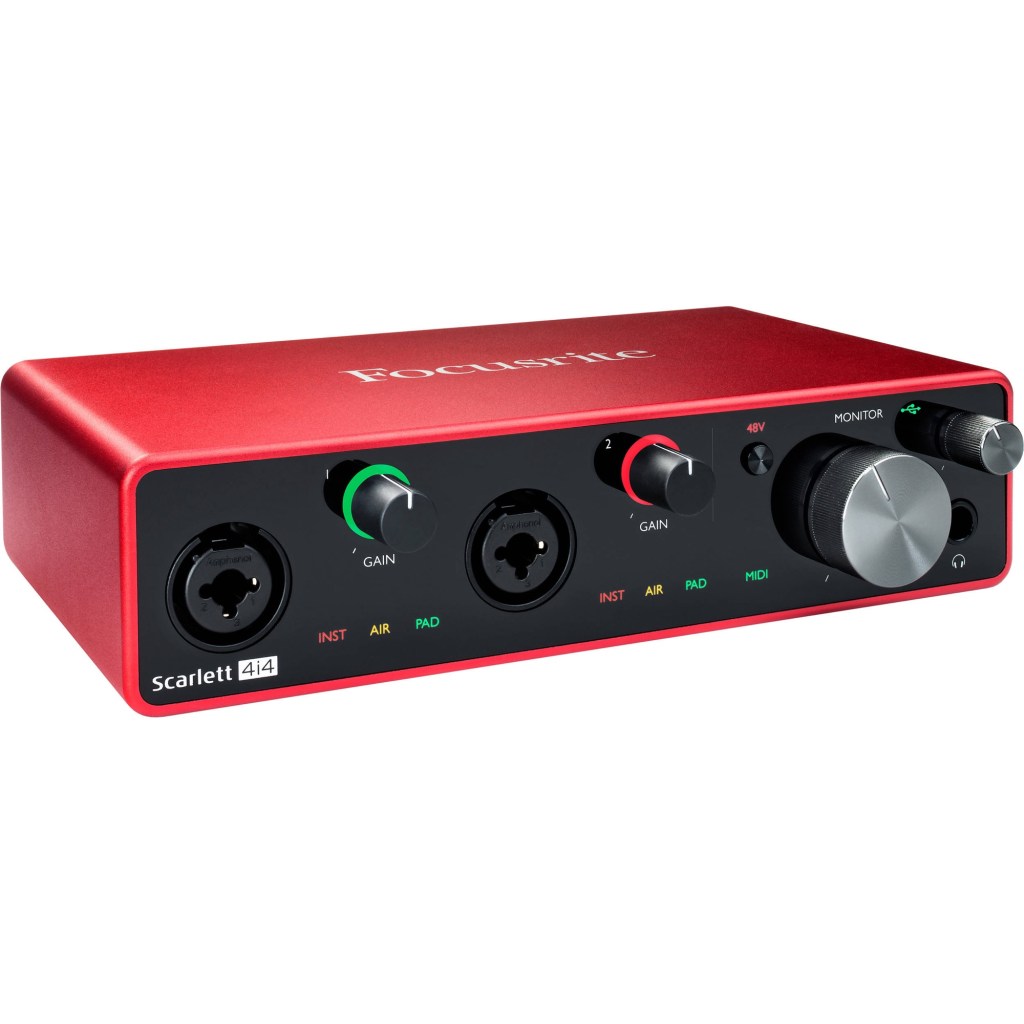
I’d break out my laptop, load up the DAW, and my friends would hover over me excitedly as I cooked up silly little beats for them to mess around with. None of us are actually rappers, but we like to write raps about stuff and pretend we are. I think the first song in what would eventually become The Kalamazooligans project happened at Luke’s place. He’s a writer, one of my closest friends, and a frequent collaborator of mine. He wrote a really heartfelt verse about finally finding companionship in the karaoke scene, and our mutual friend Willy made up a chorus inspired by a “live laugh love” sign (featuring Kim Jong Un — don’t ask) Luke had hanging up in his living room. Then David (who’s one of my Fairale bandmates, actually) rounded out the second verse, and I took the last. Suddenly, we had an entire song we literally pieced together with nothing but Logic, some Apple Loops, and that Focusrite Scarlett audio interface every fucko with a podcast owns (myself included).
Was the finished product “good” by the standards of the music industry? Absolutely not even close. This is not Top 40 radio. Max Martin (my Swedish pop hero) would not touch these songs with a 39-and-a-half foot pole. The average listener would probably be surprised to learn that anyone involved in the making of this music was actually a professional-ish musician. But something special happens when people who have no business creating art say “fuck the rules” and do it anyways.
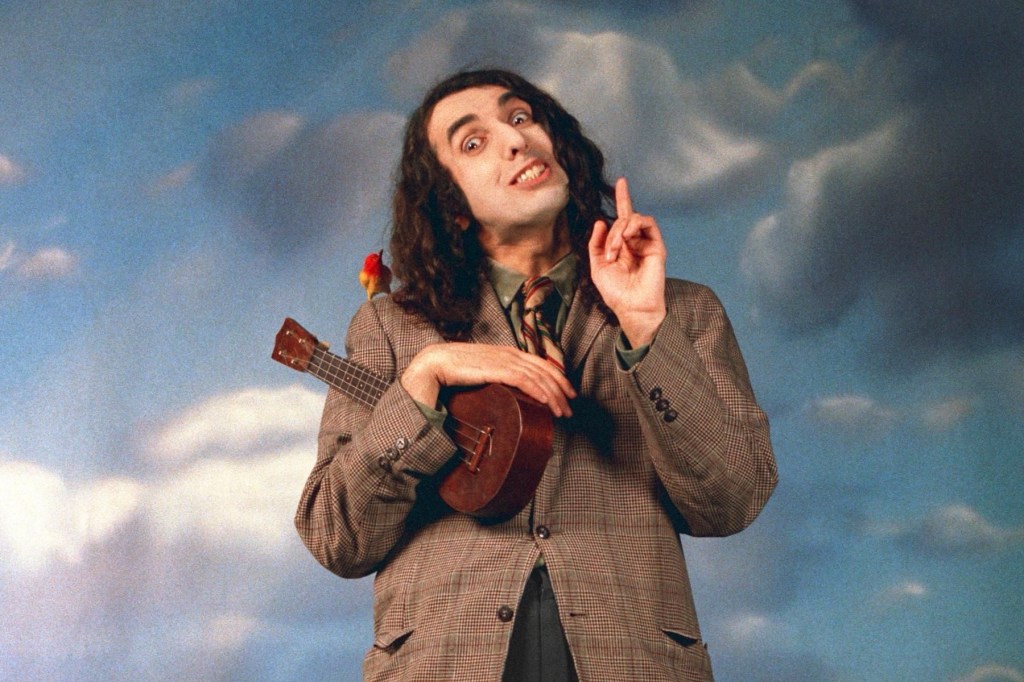
Outsider art is art made by folks with no connection to the “legitimate” scene, aren’t properly trained in their field, and/or often have stuff like mental illnesses and other disabilities working against them. In other words, not your glamorous ideal of an artist. Outsider art includes visual art as well (an infamous example being controversial cartoonist Christine “Chris-Chan” Weston Chandler), but on the music side of the loosely defined genre, you have guys like Tiny Tim, who somehow broke into the industry as a niche act armed with nothing but a ukulele and a wild falsetto. There’s the elusive proto-singer-songwriter Connie Converse, whose tragic life I actually immortalized in this very blog. Even Brian Wilson, the legendary freaking Beach Boy, was considered an “outsider” by some metrics, although this is debated. These are all characters I find infinitely more fascinating than the manufactured pop star image being pushed by the mainstream music machine.
I’d like to think the future of music rests with the outsiders. Whether they realize it or not, people tend to gravitate toward artists who have a fascinating backstory. It’s why Taylor Swift managed to captivate so many people despite being born rich and pretty — she was still able to sell herself as the girl-next-door underdog with a guitar and a dream. Fans have been revisiting the drama between bands like the Beatles and Fleetwood Mac for generations now. I feel like artists today are too sanitized and “professional.” We need musicians with personality. We need musicians who take chances. We need freaks, geeks, and weirdos making the music no one else would dream of. We need outsiders.
When I was studying music therapy, my eventual dream was to help everyday folks make music they could be proud of. I knew firsthand how healing the process of music creation could be, and I wanted to share that with my clients. Obviously, that dream died a horrible death — but maybe it didn’t. Maybe this is what I was meant to be doing this whole time. My friend group has been alight with ideas, and my phone has been blowing up with requests for new songs and beats to work with. Everyone is so excited to cook up fresh material, and it’s revitalized my love of creating music like nothing else. The crew even dubbed me the “Mother of Beats,” and I gotta say, after everything I’ve been through with music, it feels good.
I think our culture needs to rethink its relationship with music. Music isn’t only for attractive people, rich people, or able-bodied/neurotypical people. It’s the birthright of every human. Kids are always humming little songs to themselves — until society beats it out of them and says they’re not “good enough” to be singers. I’m fucking sick of that mentality. In a world where you can literally just beep-boop a “perfect” song, get dirty and create something yourself. Make it messy. Get your imperfections all over it. Who cares if it doesn’t sound radio-ready? The grit and grime are what makes it special.
I’m excited to see where The Kalamazooligans ends up. I hope it inspires more “outsiders” to get their hands dirty and create. Perhaps it’s a lofty goal, but I want to start a creative revolution, even if it never leaves this Midwestern college town with a silly name. If I can make my own corner of the world brighter, more whimsical, and more musical, I know I’ve succeeded.

 JESSA JOYCE