Holiness, Hustle Culture, and Why We All Need a Break

I’m coming to a terrible realization. I need to sleep.

Yes, I’m coming to terms with the fact that I can’t keep going at the rate I’m going unless I want to end up in the hospital — or worse. This realization comes on the heels of me being asked to work five nights in a row, including one 12-hour shift. I’m thankfully on the last of those shifts as I write this, but I’m already panicking about the fact that my other job is sending me out of state tomorrow morning and I still haven’t packed a damn thing and oh God, the plane boards at 10 and the airport’s over an hour drive from my apartment and…

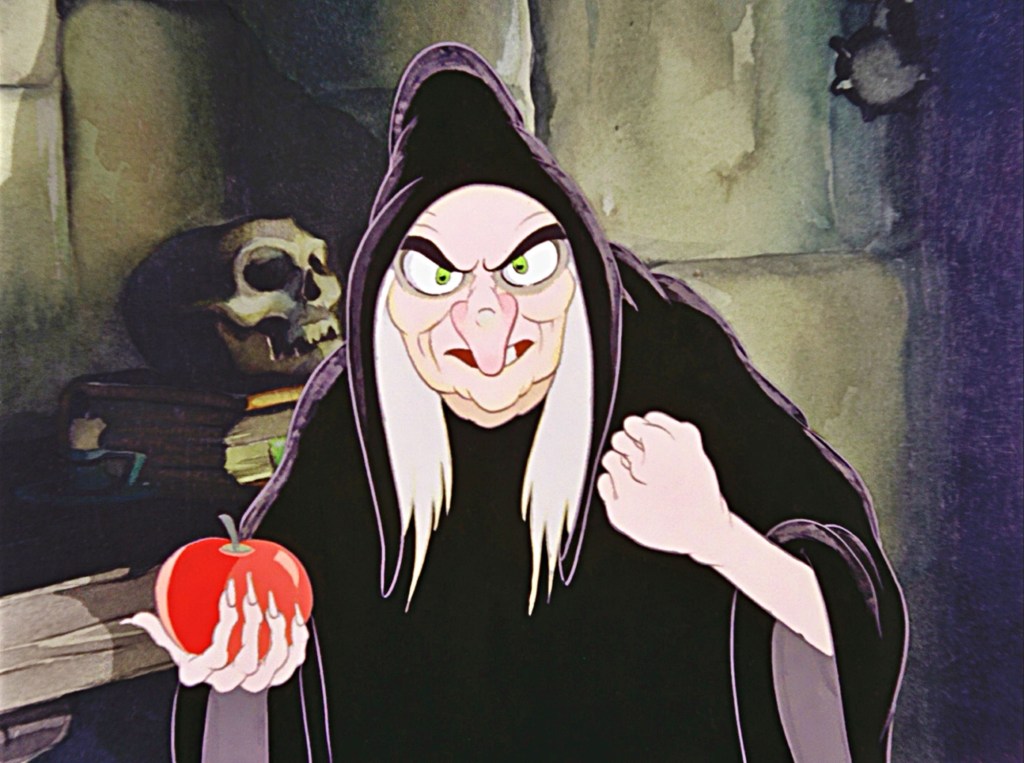
Me.

It’s a lot.

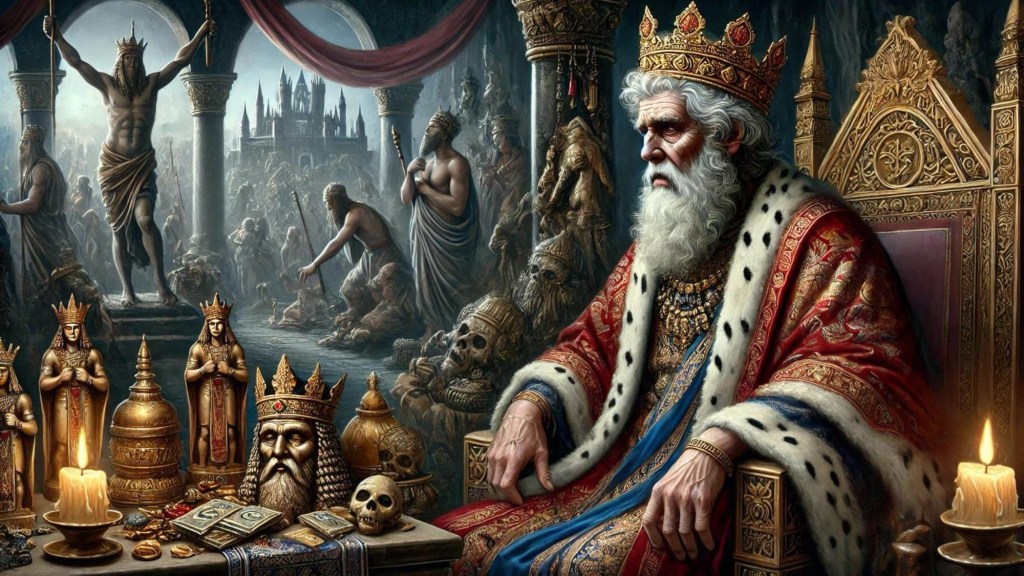
I’ve also been trying to get back in touch with my spirituality to an extent, since I probably need to lean on a Higher Power to get me through all of this. I’ve gotten back into the habit of reading my Bible, and I figured I’d start with Ecclesiastes, my favorite book of ancient emo poetry. It was written literal millennia ago by one of the most powerful men to ever walk this planet, King Solomon. It would be like if Elon Musk had a single creative or introspective bone in his body. These writings come from a place of having had it all in life. But in the words of acclaimed Canadian indie band Metric, all the gold and the guns and the girls couldn’t get him off.

“Is it ever gonna be enough?”

And so, he wrote about how futile it all is. At one point, he writes:

“There was a man all alone; he had neither son nor brother. There was no end to his toil, yet his eyes were not content with his wealth. “For whom am I toiling,” he asked, “and why am I depriving myself of enjoyment?” This too is meaningless— a miserable business!”

-Ecclesiastes‬ ‭4‬:‭8‬ ‭(NIV‬‬)
‭‭

There it is. Like a flashing neon sign from God Himself, the problem I’m facing right now. The problem I think most of us are facing, to be honest. We’re so deep in hustle culture, we forget we need to take a break sometimes.

We got ourselves into this mess because of religion — think the Protestant work ethic that permeates American culture — but I don’t think this is the life God really wants for us. We weren’t meant to be working these grueling long hours away from our loved ones. Even experts are saying these long work weeks aren’t normal or healthy. We’re expected to break our backs at work, then come home to work on whatever side hustle you can hobble together out of your interests. Where’s the time for connection with friends and family? Where’s the time for working on a creative project to fill your soul, not your pockets? Where’s the time for rest?

Here’s the part of the blog post where I tell you my secrets to getting out of that awful work cycle!

Except if I’m honest, I haven’t gotten that far myself yet.

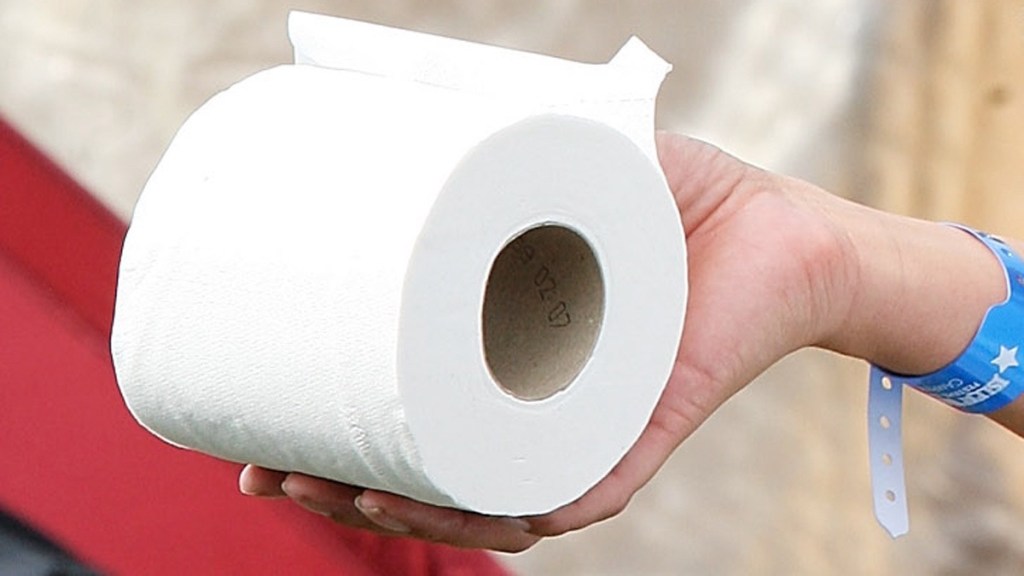
But I know this system isn’t cutting it for us. No one is happy like this, as much as we try to tell ourselves otherwise. Working ourselves this hard is simply not sustainable. Going back to the Good Book, even God Himself needs a break once in a while. Genesis 2:2-3 says “And on the seventh day God ended His work which He had done, and He rested on the seventh day from all His work which He had done. Then God blessed the seventh day and sanctified it, because in it He rested from all His work which God had created and made.” That’s why we’re supposed to take a whole day, once a week, to just rest. It’s okay to do absolutely nothing. It’s healthy — holy, even — to do absolutely nothing. Some especially pious Jewish folks don’t even believe in ripping off pieces of toilet paper on the Sabbath, as that’s dangerously close to doing a thing.

Pooping is already enough of a chore!

So here’s my advice, and I’m going to do my best to take it as well. Carve out some time every week for just you. It doesn’t have to be a whole day, but make sure you allot at least half a day. You deserve it. And whatever you choose to do during that time, don’t judge yourself for it. If all you’re doing is watching Netflix, that’s not wasted time. You’re refilling your soul the best way you know how.

It’s a sad fallacy that our culture perpetuates, the idea that we need to be productive at all times to be successful. There’s more to life than being productive, and we are more than just what we contribute to society. We have inherent value as human beings. I hope we can get back to a place where we can embrace that.

Because let me tell you, hustle culture sucks.

How Ephemeral Love Becomes Eternal Through Music

Brace yourselves, kids. In this post, I mention both Heart and Taylor Swift.

A few days ago, Heart’s original manager, Michael Fisher, passed away. Actually, calling him just their manager is kind of an understatement. In the autobiography of Heart frontwomen Ann and Nancy Wilson, Kicking & Dreaming, Ann tells the story of how Michael was her first love. Their whirlwind relationship inspired one of the band’s earliest and most iconic songs, “Magic Man.”

Why do I mention this? Obviously, Ann and Michael didn’t work out. Michael ended up marrying someone else and having like eleven freakin’ kids, and Ann went on to become a rock star. But their stories are forever intertwined because of that one song. And that’s what this post is about, because when you write a song for someone — or create any art in their honor — you’re preserving a piece of that relationship forever.

I’m a lifelong songwriter. I’m also fascinated by interpersonal dynamics. If you took every song I’ve ever written throughout my life, they would tell countless stories of people who have come and gone and somehow left a mark on me. The songs almost act as containers for the emotions left behind by those old relationships. Each song is a museum of memories. That’s why I have this theory when it comes to songwriting. Well, maybe it’s more of a maxim than a theory. And the maxim is this: If you get even one beautiful creation out of a relationship, it was not a waste of time.

People enter into relationships usually expecting — or at least hoping — to spend forever with someone. The point of dating is to find “your person” (or people, if you’re polyamorous like myself). So when relationships go south, it’s easy to write off the entire experience as meaningless. That’s where art comes in, though. With the magic of creativity, even the shortest-lived tryst can be fuel for a song or a film or a poem or painting.

Taylor Swift is a songwriter I admire deeply, and she’s a great example of this maxim in action. People have given her so much shit throughout the years for writing about her relationships, but honestly, that’s one of the things I like about her writing style. Not because I’m one of those parasocial weirdos who obsess over her dating history, but because that’s how I write songs too. I write about people. She has had many exes, as have I, but I feel like that’s what makes us better at writing. We have these lived experiences we can churn into music, and nothing can take that away from us. Like, she’s not with Taylor Lautner anymore and she hasn’t been with him for over a decade. But “Back to December” is still a beautiful song all these years later, and a song that millions of people still listen to and relate to.

I think of my own songwriting similarly. I think back to Jacob, whom I had a short-lived fling with my freshman year of college that led to the writing of “Smiles & Anchors” and “Tsvi.” I think about Dylan, my high school crush, who inspired “Off the Deep End” and the unreleased track “Outta My System” off my upcoming album Lore. There’s TJ, the muse behind “Song of the Sea,” and Phil, who never reciprocated my feelings but nonetheless influenced the writing of “Oceanography.” There are even songs I’ve squeezed out my non-romantic relationships and the ones that really went south, like the falling out with a former bandmate that led to the writing of “Ladies Don’t Start Fights (But They Can Finish Them).” I can find closure for relationships I wasn’t ready to leave just yet, and peace in relationships I’m happy are over, all because I’ve been able to transmute the pain into something I’m proud of.

I know I write about songwriting pretty frequently, but it is something I’m deeply passionate about. It’s what has gotten me through many breakups and heartaches and unrequited loves. But none of those situations were in vain, all because I could make something beautiful out of them. Relationships — romantic and otherwise — are the backbone of songwriting. We write about human beings and the way they relate to each other. Maybe those relationships don’t last forever, and sometimes, they shouldn’t last forever. Michael Fisher may have been absolutely miserable had he ended up with Ann Wilson, and vice versa, but the love they shared briefly inspired music that people will treasure for generations to come. And to me, that’s the beauty of songwriting.

If you enjoyed the writing in this post and elsewhere on the site, please consider donating to Jessa’s tuition fund! Any help is appreciated!

CashApp: $TheJessaJoyce

Venmo: @TheJessaJoyce

Something to Believe In: What Bon Jovi Taught Me About Deconstruction and Faith

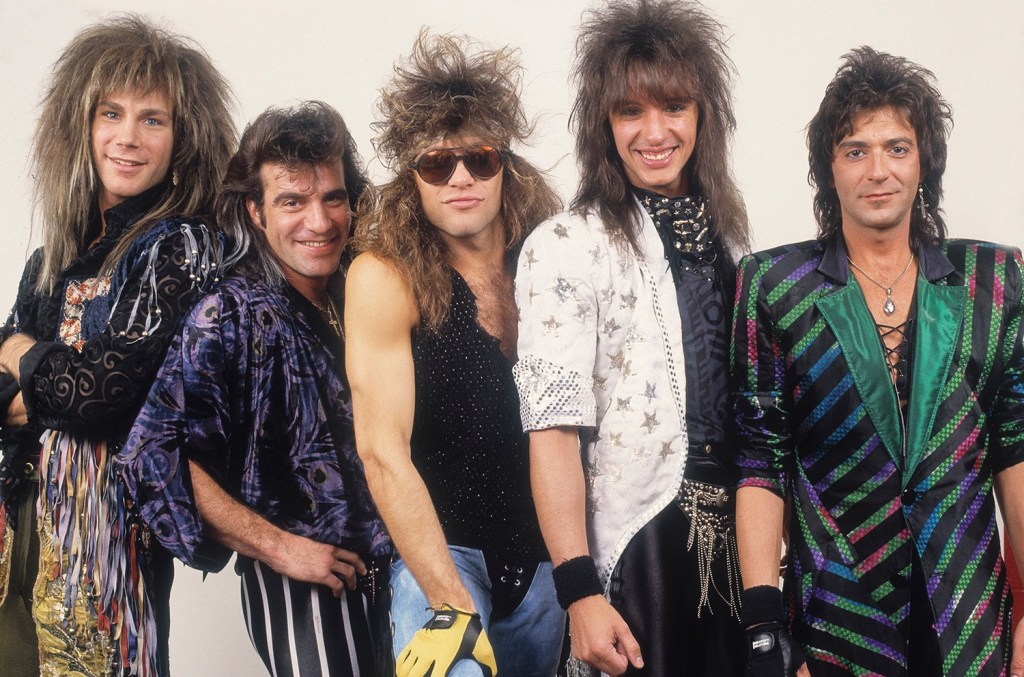
Not so secret confession: Bon Jovi is my favorite band.

Well, I don’t know about absolute favorite. That honor probably goes to Heart at the moment, who I also seldom shut up about. But Bon Jovi my “comfort band” for sure, a nostalgic auditory bowl of chicken noodle soup when I feel most torn up about adult life. They were my childhood obsession, and if there was a “Jessa Don’t Talk About Bon Jovi For One Day” Challenge, I’d lose almost immediately. Richie Sambora is half the reason I play guitar (the other half being the fact that one-on-one guitar lessons were the only activity my then-undiagnosed ADHD ass couldn’t get kicked out of).

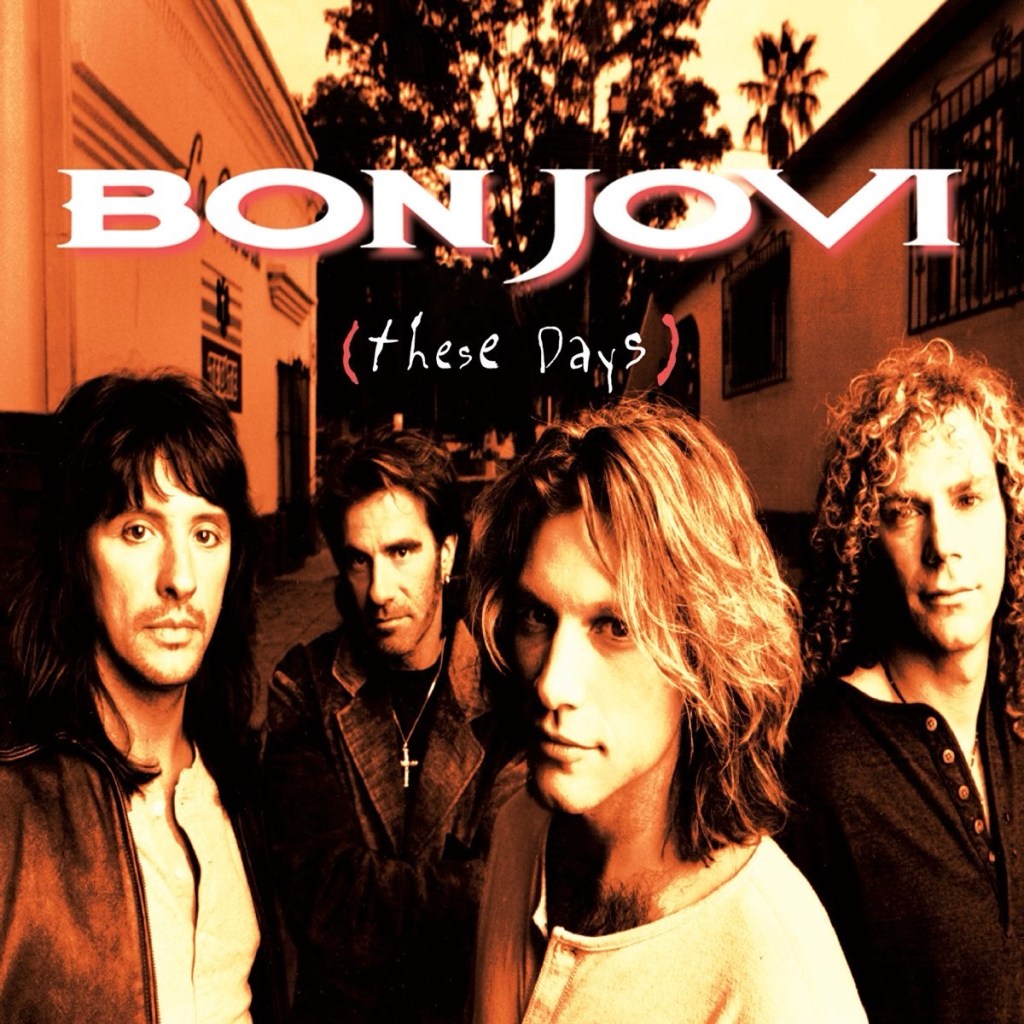
Yet despite my immense love of Bon Jovi as a youngin’, there was one single song that was always a “skip” for me. That song? “Something to Believe In,” a track from their wildly underrated 1995 flop, These Days, an album that, to Adult Jessa, has absolutely zero skips because it’s just that good.

Behold, Bon Jovi’s weird moody grunge phase that actually goes hard.

It certainly didn’t help the song’s case to be a power ballad, as that was an art form that would take me a few more years to properly appreciate. But the lyrics were what gave me the most pause, as a good little church girl. The opening lines say it all:

I lost all faith in my God

In His religion too

I told the angels they can sing their songs to someone new

Yeah, you can kinda see why this song gave me pause. It makes me think of my first time going to youth group, right in the middle of this huge campaign to gather up “ungodly” albums and other media for a huge bonfire. I was too attached to my beloved Bon Jovi collection to send it to the flames just yet, but it did make me rethink what I was listening to. And I could not, as a good little church girl, listen to something that so blatantly questioned God.

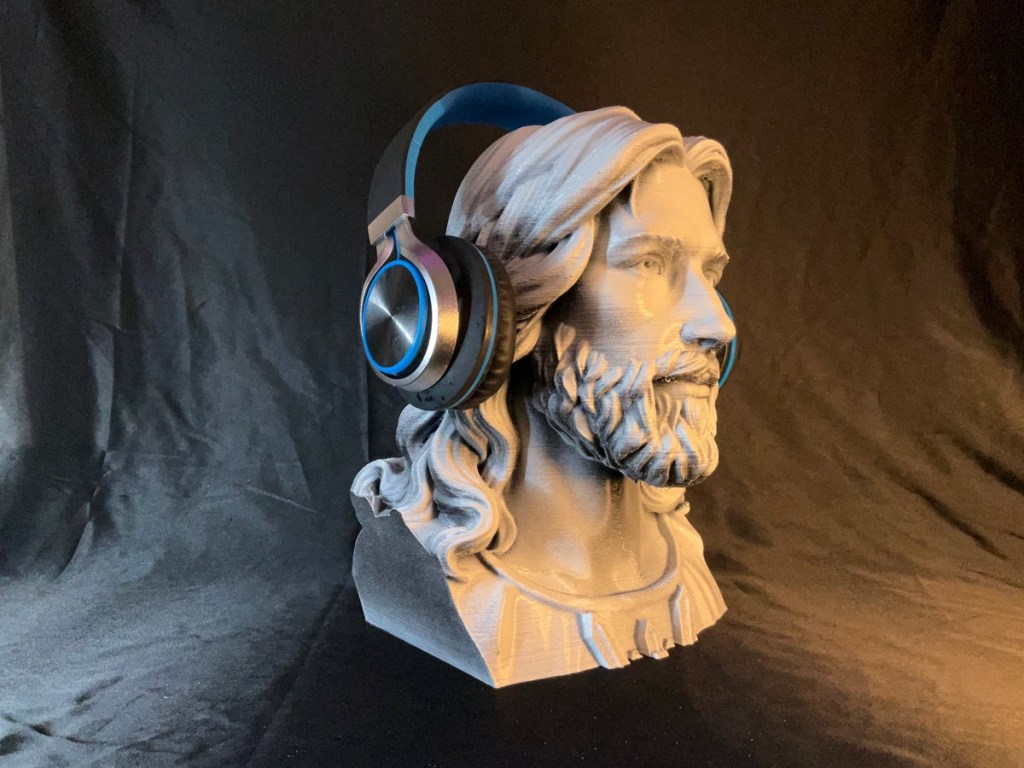
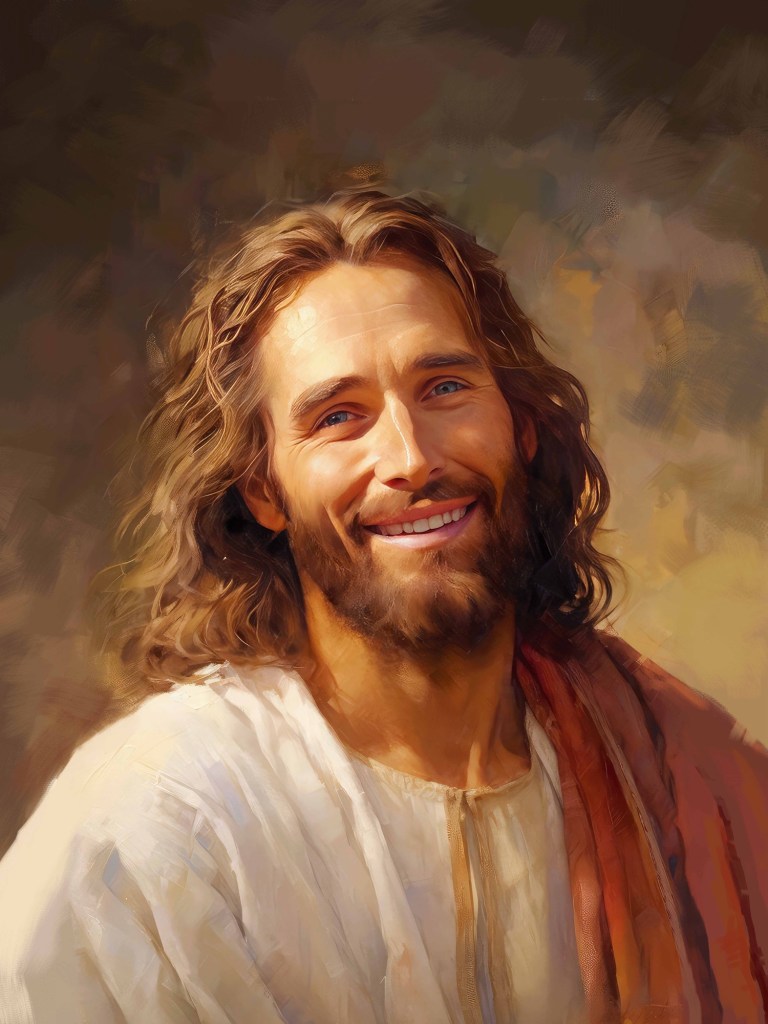
What would Jesus listen to?

I struggled with this feeling for a long time, every time I put on the full album and heard the opening drum beat begin. I wanted to love the song — something drew me to it, despite everything — but the song seemed so anti-Christian and blasphemous.

I never appreciated it for what it was — a song about deconstruction.

In exvangelical circles, deconstruction is the process in which you begin to question and unpack the beliefs the evangelical church instilled in you. Now, Bon Jovi is not from an evangelical background. In fact, much of the band was raised Catholic to the best of my knowledge, with frontman Jon admitting to being a “recovering Catholic.” But I feel the exvangelical experience and the lapsed Catholic experience are very similar in many ways.

In re-listening to “Something to Believe In” as an adult, I realized one of my lifelong musical heroes had the same wrestlings with God that I was having. It was very similar to the feeling I got when I first re-listened to “Someday I’ll Be Saturday Night” as an adult and realized Jon may have had the same mental health struggles as me, even worse at times. It really humanized this guy I’d viewed as a god growing up. Like, I used to play make-believe that I was Jon Bon Jovi as a little kid, and here I was having this entire revelation that he’s literally just a human being like me.

With his own struggles.

And his own dark, depressive thoughts.

And his own religious trauma.

That’s what “Something to Believe In” started to represent to me, that funnelling of religious trauma into something beautiful. After all, it is not a sin to have religious trauma, nor is it even a sin to have questions at times. In 1 Thessalonians 5:21, we are told to test everything and hold to what is true. That seems like a pretty big green light to, ya know, have questions.

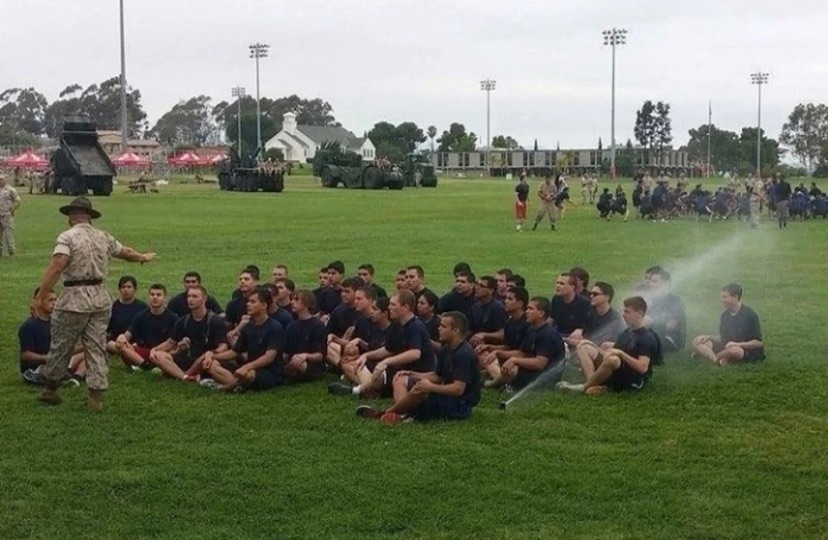
“Ask me anything!”

The evangelical church discourages deconstruction as it can lead to the person believing in another faith, atheism, agnosticism, or perhaps scariest of all, a less oppressive, more affirming form of Christianity. That’s where I ended up falling in the end, but it wasn’t an easy road. There were definitely parts of my life where I felt exactly like how Jon describes himself feeling in the song. Sometimes, you have to reach that nadir in your relationship with God before you truly begin to unpack the toxic things the church has taught you in His name.

Listening to the song now is a reminder of where I’ve been in my spiritual journey. It’s a reminder that this feeling is universal and I’m not alone in this struggle. And most importantly, it’s a reminder that deconstruction can be beautiful.

If you enjoyed the writing in this post and elsewhere on the site, please consider donating to Jessa’s tuition fund! Any help is appreciated!

CashApp: $TheJessaJoyce

Venmo: @TheJessaJoyce

The Librarian’s Daughter: A Look Back

It’s been half a year since the release of my double EP, The Librarian’s Daughter.

These EPs were a unique endeavor for me because they started life as Christmas presents for my partners. The Sun version was dedicated to my wife Crass and filled with songs inspired by her, and the Stars version was written and recorded in honor of my girlfriend, Olivia. I always describe my form of polyamory to folks like that — Crass is my sun, and Olivia is my stars, and I love them both in different but equal ways. Although this project began as a private gift, I almost immediately realized the rest of the world needed to hear these songs too. So I quickly but carefully put together what would become the full project, and the rest is history.

The title was chosen because of my partners’ shared backgrounds as daughters of librarians, with Crass’s mother having served as head honcho of her public library and Olivia’s father having worked his entire life in service of his city’s library. I thought it was a whimsical, memorable title that fit the theme of the EPs. I wanted a title that made people wonder — who is the librarian’s daughter? The album art was inspired by tarot and designed by me. I really liked the pretty gold and jewel tones I chose for both versions of the album as well as the “compilation” playlist.

This album was recorded over several weeks in the summer of 2024, primarily in the town of Niles, Michigan, in a small Airbnb my wife and I rented after the fallout of my failed internship. I knew that if I wanted to get this thing finished, it was going to have to be produced quite a bit ahead of schedule. At the time, we were in the process of regrouping and trying to find a place in Kalamazoo, so I wasn’t sure how much energy I’d have to work on it when it was actually the holiday season. So I labored many hours in the steamy living room of that place and set up my entire mobile studio to capture what I wanted.

Since the release of the EPs, not a lot has changed — yet it has. I didn’t do much promo on the album because I was pretty exhausted by the time it came out, and I felt like the people who needed to hear the music the most got to hear it. It wasn’t a breakthrough album. And yet in a way, it was. Barring the Oceanography EP, I’ve never had an album or EP release. Releasing The Librarian’s Daughter showed me I was still capable of doing amazing things in music after what felt like my entire career crashed down in the wake of the internship. It gave me renewed sense of hope.

So if you haven’t heard these songs, here’s a little track-by-track breakdown of everything that’s on the EPs.

“One Way Train

This song began life as one I actually wrote years ago about an ex, but I didn’t really have any connection to him or the lyrics anymore, so I completely rewrote the words from scratch to be about my wife instead. The title changed between “Wishing Well” (from the opening lyrics, “Made it down the wishing well”) and “One Way Train” more times than I can remember, but everyone seemed to like “One Way Train” best when I asked them. The colors mentioned in the second verse refer to our favorite colors as well as the color of a map, which almost aludes back to “I Can See the Rest of Our Lives From Here,” an unreleased Wake Up Jamie track with the lines “Throw a dart at the map and let’s take flight.” I also threw in a kazoo solo because I thought it would make my wife laugh. (It did.)

“Taco Bell”

Musically, I wrote this song as a challenge to see how many times I could change the key without it getting weird. (I call it the “I Walk the Line” gambit.) Lyrically, it’s a testament to mine and my wife’s strange, unique, beautiful dynamic. We’ve never been romantic in the traditional sense of the word. Our idea of intimacy is eating Taco Bell and watching bad movies together, and I honestly prefer that for us! I mention how she hated me at first, which is not a lie, and in the bridge, I actually sneakily incorporate my wife’s name into the words. The “big fat…grin” was inspired by The Maine’s “Into Your Arms” — “She had the most amazing…smile.” I thought that was a real fun, cheeky line, and I love The Maine, so that was a kind of my small homage to them.

“Chicago”

This is my take on the “run away with your lover” song trope. At the time of writing, we were plotting our next move, and it was looking like either Chicago or Kalamazoo. Kalamazoo won out in the end, but I couldn’t find a way to fit the word “Kalamazoo” into a song for another half a year. So “Chicago” was the end result. I’m particularly proud of the guitar work in the finished product. I literally drenched my tone in reverb for the opening bit and it gives my guitar a very characteristic and unsettling sound. The solo is one of my favorites I’ve written. I’m not much of a lead player and I’m sure one of my buddies who can really shred would have elevated it to the next level, but I did the best with the resources I had, which was literally just me.

Olivia”

Onto the Stars version! “Olivia” was my attempt at channelling my inner Paul McCartney, who is one of Olivia’s musical idols. The piano features heavily throughout the song, although it’s not a real piano but entirely painstakingly MIDI-programmed. This one also features several key changes, both flipping between parallel major and minor keys (between the verses and choruses), and jumping up for the solo and once again for the last chorus. Overall, it’s a real short but sweet tune about the night I met Olivia at a Valentine’s Day-themed show we both were performers at (and yes, there was a real kissing booth!).

“When You Tell Me Goodnight”

The origins of this song are murky at best, because it actually wasn’t originally about Olivia. I’d penned a very primitive draft probably way back in 2012 at the earliest, although at the time I couldn’t think of a good enough muse to truly dedicate it to, so it languished in my drafts. But Olivia gave me the missing piece, and the song came to fruition with her inspiration. It’s a very barebones song, with nothing more than my voice and my Stratocaster with a nice twinkly setting on it. It’s stripped, and I wanted it to be that way on purpose. I feel like so many of my songs are big and over-the-top, and this is a simple love song. It means a lot to me though, and soon, Olivia and I will be releasing on a new version together that incorporates her chiptune work. I’m excited to share that with you too.

“I Wanna Fall in Love With You”

Finally, the song that was the biggest nightmare to produce, but it was absolutely worth it because it turned out breathtaking. I used a lot of synth for this track, so it took a while to piece all of those sounds together. The guitar solo was inspired by “Without Love” by Bon Jovi, from their timeless album Slippery When Wet. Ifyou listen closely, the guitar and synths are playing in unison, and I wanted to achieve a similar effect here. This song contains some of my favorite imagery and one of the best lines I’ve written: “Someday when I am gray and old, I’ll look back at this night at know / For a moment, life was beautiful.” I think that’s the overarching theme of these EPs — the love in my life make all the struggles worth it.

If you enjoyed the writing in this post and elsewhere on the site, please consider donating to Jessa’s tuition fund! Any help is appreciated!

CashApp: $TheJessaJoyce

Venmo: @TheJessaJoyce

Don’t Quit Your Day Job: How to Avoid Selling Out and Make Art You Actually Like

I like to read books on the intersection of creativity and productivity. It’s kind of my way of sharpening my mind for writing and creating music. Reading has always been a form of escapism for me, but these diving into these books of practical tips and hard-earned advice have really helped me develop my own philosophy toward art and work. One book I’m working through at the moment is Make Your Art No Matter What by Beth Pickens, which is crammed full of helpful information and philosophical approaches guided by everything from modern psychology to ancient Jewish wisdom. It’s a great book so far, but the second chapter was what prompted me to write this post. It’s a chapter simply titled “Work,” and it delves into all the ways our hectic capitalistic work schedule fucks with our abilities to create.

Here’s a hard truth I’m learning: if you want to create good art, get a day job. I’m not kidding.

If you want to create unadulterated, pure art, free from the expectations of corporations and The Man™, you need to get a day job. Because the second you rely on your art for your income, it’s not yours anymore.

My wife is an artist. I talk about her quite a bit on here. One thing she does for work is commissions. She specializes in doing quick unhinged portraits of people’s fursonas (furry art is a lucrative field, yo). Imagine if you paid $5 of your hard-earned money for a sketch of your character and you got back a lovely sketch of Shrek. You wouldn’t exactly be pleased, would you?

I don’t think I could be mad at this, to be fair.

The second people start giving you money for your work, you owe it to them to give the people what they want.

But if you can make a living independently of your art, you can do whatever the fuck you want with it.

And it’s freeing as hell.

When I was younger, I wished I was Taylor Swift famous. And the truth is, when you’re Taylor Swift famous, you have a little more wiggle room. She has enough leverage to do what she wants creatively. If she wanted to pull a Poppy and go full on metal, she totally could.

And here is proof that it would be absolutely badass.

Here’s the thing: most artists don’t have that privilege. No, not even many artists who are now considered legendary. Take Heart, for example, because y’all already know I’ll take advantage of any opportunity I get to fangirl over them.

Jessa Shuts Up About Heart for Five Minutes Challenge (IMPOSSIBLE!)

Back in the 70s, Heart took over the rock world with timeless songs like “Magic Man,” “Crazy On You,” and the classic musical middle finger to creeps and sleazebags known as “Barracuda” (which I channeled recently at karaoke when approached by a fucko). But by the 80s, they were reaching a nadir in their career. The industry had changed around them, and suddenly, music was less about realness and artistry and more about manufactured image. The frontwomen of Heart, the Wilson sisters, faced with the very real threat of irrelevancy and the impending death of their music career, decided to roll the dice with what I call the Liz Phair gambit. Suddenly, the band went from looking like this:

To this:

In order to survive, the band had to sell out. And with great success! They scored their first ever number ones during their bombastic, hairspray-fueled ‘80s run. Everyone knows and loves their output during this era. Who can forget the epic power ballad “Alone,” with a music video that was so influential to me growing up that it shaped my entire aesthetic?

But despite all the earthly riches MTV could offer, it really wasn’t the music they wanted to make.

I’ll let Ann Wilson herself do the heavy lifting of explaining the situation in her own words:

“What made me the most uncomfortable in the 1980s when Heart was doing everybody else’s songs was that the songs seemed like the empty fishbowls that you could pour anybody into and it would be a hit,” she said in an interview. “That’s the ultimate example of me biting the hand that fed me. But, at the same time, I’m a creative artist and I want to be authentic and I made this Faustian bargain to do other people’s songs and get No. 1s.”

Sure, she did what she had to do to achieve the rock star life. But sometimes I wonder if she would have been happier tackling the music industry the way I am in the 21st century, working overnight as a caregiver while laboring over her MacBook during the day to make the music she wanted to make. I wonder if I’d be as miserable as she was in the ‘80s, having to sell my artistic soul to have a viable career.

The truth is, I may never see more than the measly excuse for royalties Spotify pays out. I’ll likely never be more than Kalamazoo famous. But at least I can make the music I want to make. I’m not beholden to anyone. If I wanted to scrap my upcoming project, LORE, in favor of a Weird Al-style parody album, I could get away with it. And that’s all because I have financial stability outside my creative work.

I won’t say it’s an easy life to live. Balancing a full time job on top of any passion projects is not a task for the weak. But if you want to make the stuff you wanna make, it’s the best road to travel. It’s okay to work a dumb job you don’t like for the paycheck if it means not letting your art become that dumb job you don’t like.

Selling out just ain’t worth it.

Creativity Overdose: What It Is and How to Fight It

So my wife and a good mutual friend of ours recently staged an intervention in my living room over a glaring problem that’s been worrying them for a while.

(Okay, it wasn’t an intervention, but it sure felt like it, dammit.)

You see, I suffer from something I’ve dubbed Creativity Overdose.

It’s an insidious beast that comes at the intersection of bipolar and ADHD. Creativity Overdose is when your ideas start to come at the expense of people around you. Another good name would be “Eddy from Ed, Edd, & Eddy syndrome,” since it’s basically what he has. Every three seconds, you come up with some hairbrained get-rich-quick scheme or the newest version of The Best Idea Ever™ that consumes your entire being. And that would be fine if you a. followed through on these ideas and b. they weren’t coming at the detriment of your loved ones.

My poor wife has had to deal with approximately 6,348 new ideas since January, and getting back into academia and becoming a specialist on the way AI affects the brain on a psychological level was the straw that broke the camel’s back (I’m shocked it wasn’t my short-lived oil painting business). I don’t envy her for having to deal with my manic ass on a daily basis, and I want to be a better, more reliable partner for her. She deserves that much from me. So here are four ideas I’m putting into practice to negate my struggles with Creativity Overdose and keep the mental and interpersonal peace:

1. Write down your ideas (instead of burdening people with them)

This is hard if you’re an autistic extrovert like me. Sometimes, the neurospiciness kisses the extroversion just right and you feel the need to infodump about every grandiose idea you’ve ever had to your loved ones. I can assure you, they don’t want to hear about it. I know it hurts, but for the most part, it’s true. This is tough love. Nobody wants to hear about your Parakeet Circus idea, especially when the last time you tried to start a Cirque du Soleil featuring parakeets, you blew up three parakeets. Unless the project is cued to be finished or released, absolutely shut up about it. Not everything is about you. (I’m talking especially to myself here.)

2. Write down all of your current projects

Okay, now that we’re not telling everyone all the shit we’re up to, let’s figure out what we’re actually up to anyways. Write down every single thing you’re currently working on, no matter how small or insignificant. My current list has all the musical projects I’m working on, my two jobs, school stuff, my podcast, and even getting my passport. Write down some steps you’ll have to take for each one, too. Putting it all down on paper will help you see how busy you really are and maybe give you a little more perspective on how much you actually need to fill your plate. When you’re excited about stuff, it’s easy to underestimate how much it really takes to get things done.

3. Pick one thing to hyperfocus on for a month

Here is the tricky part. You’ve gotta prioritize. Label the projects on your list from most to least important. Like, “you’ll die if you don’t do this” to “this can wait a few months or even years.” Shelf the stuff that can wait. If writing the book that’s been on your heart for years can wait a few more years, that’s perfectly fine. Like, I’m probably gonna end up releasing Venona at an absolute snail’s pace, but I’m not worried about getting the story out there at this point. Unless something goes terribly wrong, we’ve still got a lot of time on this planet. Don’t worry if you can’t get to everything in the next year or so. Pick one thing (maybe two, since you’ll probably need to pick whatever your main job is for survival reasons) and really buckle down and get it done before moving on. It feels good to get something done for once, trust me.

4. Help someone else create something instead

Here’s something I’m really learning — it’s better to collaborate than work alone, and sometimes it can be just as rewarding helping your loved ones meet their goals as it is meeting your own. My wife wants to be a professional artist and merchandiser, so I’m going to step aside a while and let her work on that. I’m going to take a year off school so she can save for the equipment she needs, and I’m going to support her any way I can. See what your friends need for their endeavors and ask how you can help them. Assisting someone else in reaching their dreams can be a good feeling in and of itself, and it can further inspire you in your own dreams as well. The best part of having creative, ambitious people in your circle is that you can all help each other up.

So what do you think of Creativity Overdose? Have you experienced this in your life? Let me know your thoughts in the comments.

If you enjoyed the writing in this post and elsewhere on the site, please consider donating to Jessa’s tuition fund! Any help is appreciated!

CashApp: $TheJessaJoyce

Venmo: @TheJessaJoyce

Ten Songwriting Truths I Live By

A writing prompt! I love those!

List 10 things you know to be absolutely certain.

Last summer, I read a truly wonderful book called The Creative Act by one of my music production heroes, Rick Rubin. In it, he writes of many truths he’s uncovered in his time working in the music industry and in everyday life. I fondly remember reading it on the beach, soaking in every word as if it were holy scripture of sorts. There’s so much to learn in studying the work and writings of the greats.

I’m now at a place in my career where younger local musicians look up to me, and it’s a cool feeling. I often have friends ask me about my songwriting tips, and I don’t mind passing along my knowledge. I know I’m no Rick Rubin, but I’ve got almost two decades of songwriting experience under my belt. I know a thing or two about writing a catchy song. So here are my Ten Universal Truths of Songwriting:

1. Writing Anything is Better Than Nothing

This one is so important, I put it first. Think about it. A swimmer swims. A dancer dances. What does a songwriter do? Sit around and daydream about how nifty a Grammy would look on their mantle? No! They write songs! It doesn’t matter if it’s not perfect — just do it! It’s better for people to hear what you have instead of wishing it was something else. After all, there’s no wrong answers in songwriting. You don’t have to be Bob Dylan or have a Lennon or McCartney in your life to craft a song. Anyone can do it. What matters is that you do it. If you never write, you don’t get to call yourself a writer any more than I get to call myself a golfer.

2. Shortcuts Are Best Used Sparingly

I can’t chastise anyone for using AI for inspiration. I played with fire myself, and even though I came out the other side leaning more anti-AI than pro, I’d be a hypocrite if I said I never utilized it in any capacity whatsoever. But take it from someone who has used it in songwriting. Using AI will bork your creativity and make your imposter syndrome worse. Use it for chord progression ideas. Use it to flesh out demos. But for the love of God, do not use AI as a crutch. You will get way more satisfaction crafting a song yourself.

3. Grammar Comes Second to Flow

I’m big on the Max Martin School of Pop Songwriting, including and up to prioritizing the catchiness of a song over everything else. That man’s first language was not English and it shows, but in a way it liberated him to be more creative with the language. In “Break Free,” a Martin-penned tune, Ariana Grande sings “Now that I’ve become who I really are,” a sentence that makes no grammatical sense but sticks in your head. I used the same verbiage in “Kalamazoo” in homage to Max Martin, actually — “But I’m happy where I are; I don’t wanna be a star.”

4. You Don’t Have to Reinvent the Wheel

Did you know that most popular music uses the same chords as Johann Pachelbel’s much-loved Canon in D? Those chords are the I, IV, V, and occasionally the minor iii and vi. You’ve probably seen or heard the Axis of Awesome four chords video at some point if you play music, but it stands true. You don’t need to throw in weird jazz chords to make things interesting. You can, but you don’t have to, and too many weird chords muddles things in my opinion. I try to throw in one spicy chord per song, if that. But the truth is, you can’t copyright chord progressions, so don’t feel bad about borrowing from your favorites. Speaking of which…

5. Studying the Greats Makes You Great

Don’t just listen to your heroes. Study them. What did they do, both in their music and out of it? I’m lucky that one of my biggest inspirations as a songwriter is Taylor Swift, whose songwriting processes have been studied and dissected numerous times, to the point where her work is studied in colleges. Because I see a lot of her writing in my own writing, I enjoy reading about how she writes songs, especially to glean inspiration for my own. (Which reminds me, I’m due to write a fun glitter gel pen song soon.)

6. You Are Your Own Artist

As much as I fancy myself a follower of the Swiftian School of Pop Songwriting (yes, there are a couple different Schools of Pop Songwriting), I know I’m not Taylor. I’m not Max Martin. I’m not the Wilson sisters from Heart or Jon and Richie from Bon Jovi either. I know I make a shitty Taylor Swift or Ann Wilson, but I make a great Jessa Joyce. And the best part is I get to decide what that looks like for me and my life — and my songwriting. I found a lot of freedom when I stopped trying to fit my music into a box. Sometimes music doesn’t fit into a pre-existing box. Do you think King Blizzard and Wizard Gizzard or whatever the hell their name is would have a career if music had to fit into a box?

7. You Can Find Inspo in Anything — ANYTHING!

When I was in college, I was dating a guy who played circles around me, guitar-wise. Like, one of the best guitarists I’ve ever heard in person to this day. But he couldn’t write like I could. He didn’t believe me when I said I could write a song about anything, so I wrote a song about his noisy-ass fridge. It slapped. When people ask me my advice for starting out writing songs, I usually say pick a theme of anything — it can be the ocean, candy, your record collection — and just collect phrases and metaphors relating to that thing.

8. Collaboration is Key

Sometimes the best moments in songs are happy accidents with other people. When Wake Up Jamie wrote “Bones” (a song that may or may not ever see a proper release), we just frankensteined together various bits and bobs we’d written individually. I wrote the catchy chorus, natch, while the other frontwoman wrote the verses. The main riff was all the lead guitarist, and the drummer decided to insert a metalcore-style breakdown in the middle of this otherwise funk and glam-inspired song. Had I been more of a control freak than I am, these elements would have not been possible. But I let go of the reins a little and ended up penning one of my band’s coolest songs.

9. Music Theory is Your Friend

Don’t fall victim to that whole “Music theory is for nerds” mentality. Knowledge is power, especially in music. Sure, you can learn the rules if only to break them, but it’s good to know the rules so you know how to break them most effectively. It’s important to know why music works together. Learning the basics of music theory will help you create more musically and artistically interesting works. Unless you’re creating nothing but barebones punk, you need more than three power chords and the truth.

10. Music Should Be Emotional

I saved the best one for last. If the music you’re writing doesn’t make you feel something, you’re not doing it right. I’m a proponent of getting high on your own supply, so to speak. I listen to my own music all the time. It should spark a sense of pride in you. I know I don’t have much. I’m not a celebrity. I’m not rich or powerful. But I’ve got these songs, and they’re a part of me, and that’s gotta count for something. Throw your entire self into your craft, emotions and all. You’ll never regret the songs you leave behind one day.

If you enjoyed the writing in this post and elsewhere on the site, please consider donating to Jessa’s tuition fund! Any help is appreciated!

CashApp: $TheJessaJoyce

Venmo: @TheJessaJoyce

Remembering Dad: A Eulogy of Sorts

It’s been a week.

I’ve been dreading this moment for my entire life, ever since I learned the concept of death. I knew that when it finally came for my father, I would be beyond devastated. I distinctly remember curling up under my parents’ bed as a toddler as if hiding from death would stall it somehow.

But last Wednesday, my mom called me and told me to say goodbye to Dad. I was dumbfounded and didn’t know what was happening, but I uttered a weak goodbye through tears. He took his last breath with me on the phone.

It’s been a week. I’m still catching myself crying here and there. It’s getting better. But it’ll never be okay. I miss my Daddy, and I’ll never stop missing him. There’s a piece of my heart that’s forever gone now.

I try to think of the good things when I feel down, which is partially why I decided to immortalize him via this blog post. He didn’t receive a proper funeral, which was his and my mom’s wish, as he was never into formalities. But apart from the Woodstock story, which I told in my last post, there are so many tales of my dad I would have wanted to tell as part of his eulogy.

Like, I’ll never forget the time we were all driving around — him, my mom, and me — and we passed by an old building that we’d passed by many times. Only the signage had changed, and it was now a taxidermy shop. Except my dad had no idea what taxidermy actually was, so he kept insisting it had become a tax place. Meanwhile, my mom and I were like “It’s taxidermy! They stuff animals there!”

(He eventually listened, but I’m pretty sure I had to point out the deer painting on the sign for him to get there!)

Another time, I get this call, and he says he’s driving up from Downriver to where my wife and I were living in Ypsilanti to bring us six pounds of cheese — in a snowstorm. I told him he didn’t have to, but he insisted. It took him an hour, and I bet he was white-knuckling the whole time, but he made it. And he gave me the biggest hug when he got there.

That’s always how he was. His love language was finding out what I liked to eat or needed in my everyday and buying it in bulk. I can’t tell you how many times I’d be going throughout my day and I’d get a call from him at Sam’s Club or Costco or BJ’s or wherever the hell he was shopping. He’d always ask me if I needed anything, and every time I visited home, he’d load up my car with toilet paper, jugs of Arnold Palmer, huge bags of popcorn, and more. He loved being a provider.

I got a good chunk of my love for music from him. He always hummed little mindless tunes to himself as he did things, a habit I still have to this day. He never went out of his way to listen to music, but he loved the stuff that I played for him. He had good taste — he did go to Woodstock, after all. And he was my biggest cheerleader when it came to my own music career. He bought me my nylon-string guitar when I went off to study classical in college. He’s part of the reason I went to school for music — I was going to go into pre-med, but he knew music was my passion. He’s the reason I went to university at all, actually. He always pushed the importance of education and hard work.

I’ll miss his speech patterns. I’ll miss how he’d say “warsh” instead of “wash,” going as far as to talk about “Warshington” or “warshing machines.” I’ll miss how he’d mix up words like the time he called my older siblings “Kay and Jelly” instead of “Jay and Kelly.” Or how he’d call my cat Krubby “Scrubby” and always ask how his grandkitten is doing. I think what I’ll miss most is when he’d call me silly nicknames. Meatballs was one. I was especially fond of Sweet Pea. That was the name my grandfather called me when I was in the womb, I believe. He died shortly before I was born. My dad made sure it lived on.

The story that stands out to me the most, though, is the story of when my wife and I first got together. I’d never been in an openly queer relationship and I wasn’t quite sure how my parents would react. I’d “soft” come-out to my mom as a teenager, but she’d initially brushed it off. I had no idea what my dad would say. So when he found out my now-wife and I were dating, he called me up all serious-like, saying “We need to talk.” So he scoops us both up, takes us to the local Coney Island, sits us down, and basically says screw what anyone else says, he loves and supports us unconditionally. That is what real fatherly love looks like. And I’m so glad I got to experience it, even if only for 32 years on this planet. Some folks never get to have a love like that in their lifetime. I know I was greatly blessed.

My greatest regret is he won’t be there for my symbolic wedding to Olivia, whom he also adored. In the last few weeks of his life, all three of us visited him, and it almost felt like getting his blessing. I never outright told him that we were polyamorous, but I feel he knew, and he just wanted me to be happy. He entrusted them with making sure I’m taken care of, and they promised him they’d give me the best life possible. He died knowing I have a strong support system.

My father was my rock, and it’s a little scary to realize I’ll never be able to run to him again. But he’s still there with me, somehow. I’ve been seeing him everywhere. The stupid William Hung cover of “Circle of Life” was playing at the bar when I went with my closest friends the night my dad’s death. At first it felt insulting, but then it felt weirdly poetic. We used to love watching American Idol together when I was little, especially the “bad” auditions. And it made me smile a little. I think he’s watching out for me. He’s got a sense of humor. I know, because I’ve got that same sense of humor. We gave each other dad joke and silly cat calendars for Christmas every year. (He’d send me the best dad jokes when he sent me my mail from home.)

I knew the song had to end eventually, as every song has to end someday. But I’m glad I got to experience the music that was my father’s life. I’m glad I had him to teach me to dance. And now that I can stand on my own two feet, it’s up to me to keep his song and spirit alive.

Here’s to the greatest dad who ever lived.

Reflections on Music, My Late Father, and a Phish Pilgrimage

I write this as my Chicago trip draws to a close. And man, am I glad I won’t have to type “I’m in Chicago” to people every five minutes, as I suck at typing the word “Chicago.” I swear I always write “chichi” or “chacha.”

Anyways, Chicago isn’t exactly a place people go to for spiritual enlightenment, but this trip was different. This trip came on the heels of my father’s death a few days prior. I’d had this trip with my bandmate planned for a little while, and I’d contemplated cancelling it, but sometime told me to go anyways. This trip was to see Phish, and, ya know, my dad had gone to Woodstock. The OG hippie music event.

You know I would have been this bitch had I gone myself.

I got the invitation from my bandmate and one of my best bros, Chris, who’s always buying tickets to see someone. Me, I very seldom buy tickets to see mainstream or larger artists. Most of the times I’ve gone to see someone bigger than Warped Tour-level, it’s been because a friend thought “Hey, Jessa likes music” and had no one else to go with. Which, I mean, I will never turn down a free show. It’s how I’ve seen Muse, KC & the Sunshine Band, Kiss, Motley Crue, Van Halen (WITH Eddie!), and so many more awesome as hell artists live. If you put out into the world that music is your entire life and just be nice to people, you will manifest concert tickets. At least I do, somehow.

Anyways, we get to Chris’s cool vegan sister’s studio apartment and I’m already high as balls because this is a Phish concert and if I’m going to see a jam band, I’m gonna do it right. That is to say, with a copious amount of a certain herb that is legal in the great state of Michigan. And Illinois, albeit way more expensive.

There is a speakeasy that has THC shots, to be fair.

And we get there and I’m just full of this nervous energy. I can’t explain it, but something’s in the air as we’re standing outside waiting to go in the stadium. At one point I eulogized Chris’s beloved signature hat that he’d worn during his stint with Wake Up Jamie by singing “Angel” by Sarah McLachlan, and some lady thought it sounded nice, even though I was just being silly. Then we got inside, and the munchies hit all at once. Cue me buying not one but two ice cream cones.

Then the show itself started and it was not at all the vibe I was expecting. I’d never listened to Phish but I knew their reputation as a stoner band, so I was expecting something a little more subdued and shoegazey. Instead, the first song was fun party music! I found myself actually dancing a little, although not as intensely as the old men around me, especially the one who literally spun around in a little clockwise circle the entire time.

Sometimes you just gotta spin around like a clock.

As I stood there with my little ice cream cone listening to these guys play, I studied the music in my head. At one point, there was a musical phrase that just didn’t resolve, and led into an explosive jam. It was uncomfortable and different, and I realized I haven’t been listening to music that challenges me lately. I haven’t been listening to music that makes me get tingles because of some weird cadence I’ve never heard before. Really, I think I’m just intimidated by new music in general. It’s part of why I never checked out Phish before — the archive panic. After all, my first awareness of Phish came after I discovered a compendium of their music and lore years ago at a Borders (really dating myself). All I remember aside from it being rainbow and really pretty was how it rivaled the actual Bible in length.

Someday several millennia from now, Phish will be revered as gods.

And that’s the thing about being at a Phish concert. I was aware that I wasn’t a native Phishhead (DuckDuckGo tells me the correct term is “Phan”). This was not my territory, and I wanted to be as respectful as I would want someone else to be at a Heart show. I don’t know shit about fuck when it comes to Phish, and I won’t pretend I do, but as a tourist in their world, I felt strangely welcome and at home. Some of the guitar solos brought a tear to my eye, and it was a reminder of how spiritual of an experience music can be.

The next day (as in today, the day that I’m writing this), Chris and I went to a Baha’i temple in the Chicago area.

Photographic evidence!

This picture doesn’t do it justice. It’s a beautiful work of architecture. That’s not what made me tear up, though. When we went inside, we were greeted by a beautiful a cappella chant led by a single man. It was absolutely soul-invigorating. This trip ultimately made me re-appreciate the way music has been there for me spiritually throughout the years, even in non-spiritual contexts. Like karaoke, or a Phish concert. It truly is a divine gift. As one of the founders of the Baha’i faith wrote:

“Music is one of the important arts. It has great effect upon human spirit … music is a material affair, yet its tremendous effect is spiritual, and its greatest attachment is to the realm of the spirit.”

I’ll never forget one of the last conversations I had with my dad. He was the extrovert. If you’re ever wondering where I get my outgoing nature from, it’s him. The man never met a stranger. You could be standing next to him in line at Meijer’s and he’d strike up a conversation with you about sports or the news or what-have-you. Anyways, I’d heard him mention Woodstock, but he’s been known to embellish stuff here and there, so I wasn’t sure if this story had actually even happened. But when I went to visit him last, I decided it was time to ask him.

He said he saved for two months to go because he knew it would be a big deal. All his coworkers made fun of him for it, but he didn’t care. He drove up there with some folks and stayed in little hotels along the way. At the site of the festival, they slept in a 20-man tent, and music went all throughout the night. He said he came to the festival with six friends and left with 28.

And that’s the power of music. It brought him together with those folks, many of whom he said were his best friends for years after the event. It brought me closer to him as he shared that story with me. And as I watched that Phish concert, I felt a sort of kinship to my dad and to everyone who’s ever been moved by music.

The thing about music is it’s not forever. Every song has to end sometime. But I’m glad I got to experience the song that was my dad’s life, even if it did have to end.

AI Killed the Radio Star: How Technology is Crushing the Culture of Music

I wasn’t sure how to answer this prompt—

What bothers you and why?

—until my girlfriend and I had a conversation on AI. Which is not unusual, since she’s a pretty staunch advocate against it. I’m fairly neutral on it, to be fair. I think it opens up lots of exciting possibilities, and it’s a tool like anything else, but at the same time, there are multitudinous problems with it that no one seems to want to address. Hell, I experimented with it against my better judgment and realized it was making my imposter syndrome so much worse. The unfortunate truth is we’re just going to have to learn to adapt to this somehow. There’s no putting this genie back in the bottle.

Christina would never.

But it’s disheartening, because the advent of AI might be the final nail in the coffin of the music industry. And that is what has been bothering me lately.

And the sad truth is, the state of music has been in decline since the dawn of the internet. In fact, Suno is just finishing a job started by Napster all those years ago and continued by Spotify to this day.

Back in the 80s, everyone and their mother knew who Michael Jackson was. You only had a handful of radio stations in any given town to listen to, and if you wanted to hear a particular song any time you wanted, you had to go out and buy it. The albums would be prominently on display in your local Kmart. Even grandma was familiar with Bruce Springsteen’s ass.

That’s America’s ass.

Television isn’t as much of a special interest to me as music, so I don’t really care as much about its history, but you can see this kind of monoculture in TV throughout the years too. In the beginning, you had ABC, NBC, and CBS (and DuMont, the weird fourth one no one remembers). Everyone in your city was watching The Andy Griffith Show at the same time on the same channel and having this shared experience. Then cable came and divided everyone. If you were into sports, you went to ESPN. If you were into music, you went to MTV. If you’re into watching Amish people do mundane things, you went to TLC. Even the big cable networks splintered eventually — from MTV you get MTV 2, MTV Tres, VH1, VH1 Classic, CMT…

And none of them are playing music at any given moment.

With more technology, you get more options. But I’m starting to wonder if that’s a good thing.

We’re seeing a shift in music especially. We no longer have a monoculture, and I blame this on how easily accessible the entire catalogue of music is nowadays. If you want to listen to nothing but obscure pirate metal for the rest of your life, you don’t have to go on a wild goose chase hunting down every obscure pirate metal album ever made by every band that’s ever done obscure pirate metal. It’s as easy as going to a specialized Spotify playlist. And let’s say you want to listen to nothing but obscure pirate metal about your cat for the rest of your life. With AI, that’s entirely possible.

Why on earth would anyone seek out new music if they can just beep-boop an entire playlist tailored to their specific taste with lyrics reflecting their own life?

I think that’s what bothers me most about the future of music and how it has been intertwining with AI. I’m not scared of it taking my job necessarily, at least not in the traditional sense. I know human-made stuff is still largely superior. I’m really not even so afraid of the environmental stuff, since the planet’s borked anyways (I’m an optimist). It’s the death of culture and interpersonal connection that scares me. A survey said 62 percent of people actually prefer chatbots to humans. There are people straight up dating AI bots. How much more isolated are we going to allow ourselves to get?

My prediction is that eventually, this AI bubble will burst — but not without seeing huge reforms to the music industry. I can’t see the current model lasting much longer. I can see a return to smaller, more intimate shows as people get sick of how overflooded music platforms are with AI slop, low-effort music, and whatever the executives are trying to feed us. At least the true music fans will pivot that way.

Humans have a thirst for something real. It’s why American Idol always pushed artists with sob stories. We love when the art we consume comes with a captivating backstory, and entering a prompt and pushing a button was a cool backstory — the first thousand times it happened. Like, if you told someone in 2018 that a robot wrote the music for this song, that would be some neat Futurama shit. But the fact that technology can beep-boop songs from scratch is old news now, and people don’t want manufactured backstories. There was already a recent backlash against a band that was revealed to be AI. People are quick to turn on an artist when they sense disingenuousness. Remember that author who penned an autobiography that got noticed by Oprah, only to have it all come crashing down when it was revealed the story was fabricated?

The hidden controversy is the sensory nightmare that is that book cover.

I think the music industry is going to change in a lot of ways in the upcoming years. My hope is that we musicians don’t become obsolete and that the human need for connection and genuineness is stronger than the fleeting coolness that is AI. And I think we do have a need for real, human-made music. You can’t replace the camaraderie of your local punk scene or the chills a live orchestra brings or the sheer joy of going out to karaoke. Music in our souls. It’s what humanity sounds like.

If you enjoyed the writing in this post and elsewhere on the site, please consider donating to Jessa’s tuition fund! Any help is appreciated!

CashApp: $TheJessaJoyce

Venmo: @TheJessaJoyce