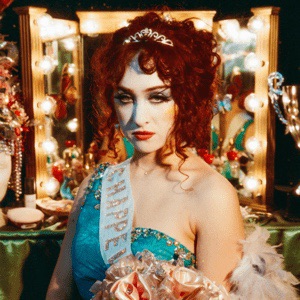
If you’ve been following my music career, you’d know I recently released a cover of Chappell Roan’s pop masterpiece “Good Luck, Babe!” It was a labor of love — I adore the song and wanted to explore a more rockish guitar-driven take on it — and I also wanted to drum up some hype around my own music. After all, The Oceanography EP and my other covers weren’t getting attention, and what’s the point of making music if no one listens to it except you? So when I recorded “Good Luck, Babe!”, I sent a little prayer to God or whoever is up there listening that this cover would get me noticed.
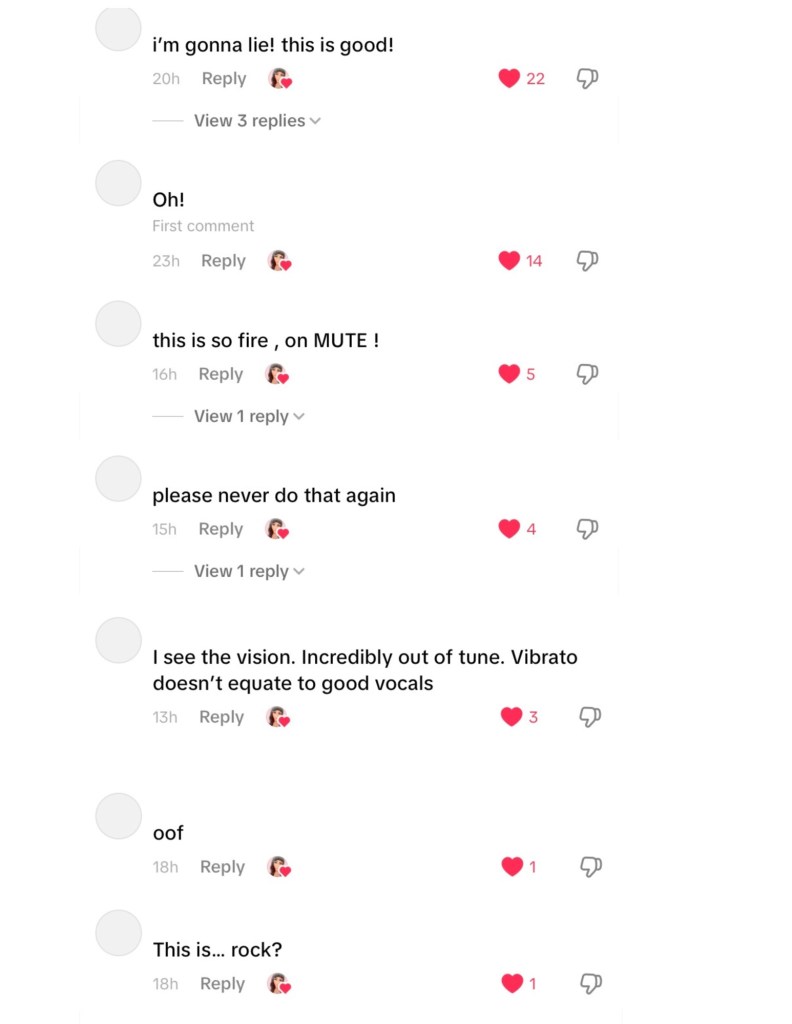
You have to admire the creativity of some of these.
Apparently my stupendous bundle of joy was rubbing a lot of TikTokers the wrong way. I hadn’t gotten this amount of hate on anything I’d posted since my now-deleted post about guitarists drowning out the homophobes at a pride event. And even then, those hate comments were driven by bigotry, not anything I’d actually done or created. They would have gotten up in arms over anything I could’ve posted because I’m a queer woman, so their opinion isn’t valid. They just suck as people. In a way, getting hate comments on my music is worse. I can handle being called a dyke. It’s when you come after something I put hours of love and hard work into that I get a little perturbed.
But through this whole debacle, I’ve learned quite a bit about conducting yourself online as a musician. The second you decide to put your work out there, you’re essentially signing up to be a professional musician, and that requires a degree of, well, professionalism. Here are a few tips and tricks for dealing with haters on the internet.
1. Remember it’s them, not you.
Nothing anyone says online to you is about you. More than likely, they’re dealing with some shit too. Remember the human. They probably had a rough day at work or are going through relationship issues, and they’re looking for a punching bag to take out their frustration. Insulting some guy on the internet is the perfect way to relieve that stress — you don’t have to see this musician you just insulted in real life. They’re just a face behind a screen. Remember these folks are probably just salty because of something that’s going on in their own lives. I know it’s more satisfying to lash out and insult them back, but it shows a lot more maturity to restrain yourself from doing this.
2. Like their comments! Or better yet, thank them!
Nothing deescalates online drama quite like being the bigger person. These folks are looking to rile you up. Don’t let them. Instead, “like” their comments! And if you want to take it one step further, thank them. A simple “Thank you for listening anyways” with a smiley emoji will catch them off guard. This is how I dealt with a lot of the recent hate I’ve gotten. People don’t know how to react to that, so they simply shut up. Kill them with kindness, as I always say.
3. They are talentless fucks.
Okay, I’m gonna be blunt now. Anyone who leaves random hate comments on a musician’s page clearly doesn’t know what it’s like to be a musician. Which immediately makes you cooler than them. In fact, that’s probably why they’re lashing out — they know they can never stand up to you in real life because playing music is cool as hell. Folks can’t handle when other people are more talented than them. Aussies call this “tall poppy syndrome” — when your flower grows to new heights, others will be scrambling to cut you down to their level. Don’t let them.
4. Remember that great art is divisive.
There’s a whole montage in Bohemian Rhapsody where critics’ comments of the band Queen are highlighted. This is the Queen, the band that brought you such legendary hits as “We Will Rock You,” “Don’t Stop Me Now,” “Radio Gaga”…you get the idea. It’s hard to believe now that they’ve reached almost godlike status among music lovers, but not everyone liked them at first. I recently read an enlightening comment from a DJ. He said that the music he spun frequently got both positive and negative reviews. You know what records didn’t get plays? The ones no one cared about enough to hate.
5. Laugh about them.
One musician on Reddit said he puts bad reviews on his upcoming concert flyers like a movie poster so he and his fans can have a chuckle about them. I think this is brilliant! If I saw a band embracing their negative reviews like that, I’d assume they had a good sense of humor before I’d assume they sucked. Even better is editing down the hate comments until they become rave reviews and using those. “This is good!” and “This is so fire” are definitely contenders for good bad reviews for “Good Luck, Babe!” No one needs to know the second half of those reviews, and you’re technically not lying. It’s all in good fun.
6. Keep releasing new music!
Don’t let haters discourage you from posting your music. You have a unique voice, even if other folks don’t see it yet, and the music scene is better for having you in it. Every other artist in existence has had to deal haters, and even some of the greatest albums of all time had their critics. There’s only one you in this universe, and the world is missing out if you give up because of some small-minded asshats on the internet. Ignore the haters and do you. That’s the best you can do.
When I was a kid, I kept magazines by the family dinner table. I couldn’t eat unless I was reading something — anything! Usually I’d read about video games I was into, but sometimes I’d read about music. One of the features I always enjoyed in the music magazines was a featured artist’s list of their favorite albums of all time. Maybe it’s because I enjoy lists, I don’t know. Is that an autism thing? It might be an autism thing.
Anyways, I liked to imagine I was a famous musician being interviewed by one of those magazines, and I liked to consider what my answers would be. Now that I’m much older and have a platform of my own, I can just, you know, make my own list. I mean, what’s stopping me? So here’s my official top ten albums of all time. It’s not going to look like a lot of music critics’ top ten albums, as my taste in music is notoriously bad. I mean, Bon Jovi of all bands was my obsession for much of my life. But taste is subjective, am I right? And for better or worse, these are the albums that shaped me as a musician.
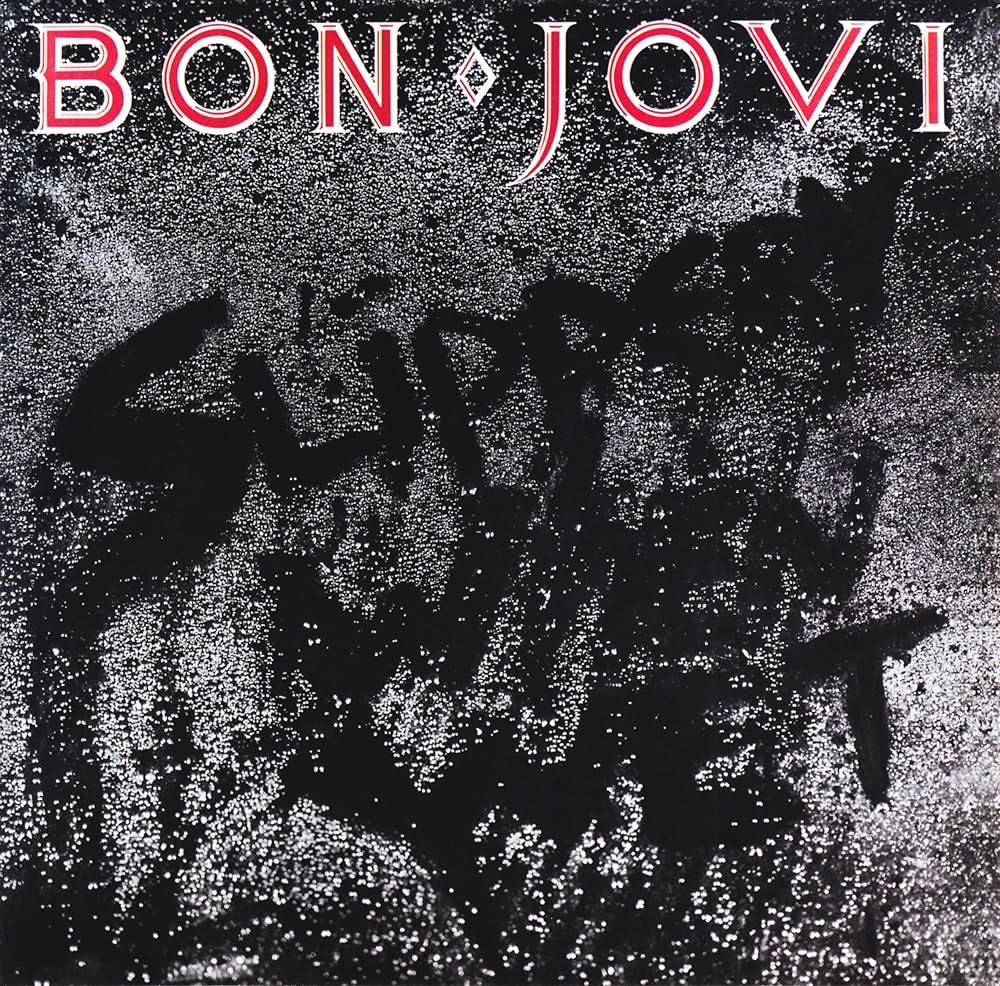
1. Bon Jovi – Slippery When Wet
I already mentioned Bon Jovi, so why don’t we start with there?
I remember the first time I heard this album. It was shortly after I discovered Bon Jovi due to the everywhere-ness of “It’s My Life” in 2000. I was very little at the time, but I loved that song. My much-older sister was a teenager in the ‘80s, so she remembered Bon Jovi’s initial run, and she still had her favorite cassette tape from back then. Starting up the tape and hearing synth intro of “Let It Rock” for the first time was nothing short of euphoric. I’d never heard anything like it. And then the bombastic vocals and heavy guitar came in, and I was absolutely in love.
Slippery When Wet also contained “Livin’ on a Prayer,” which was an immediate favorite of mine. I wasn’t sure what the hell a talk box was, but I knew I liked it. And how singable the chorus was! It would become my blueprint for creating earworms as a songwriter. There’s magic in that “woah-oh,” I’m telling you.
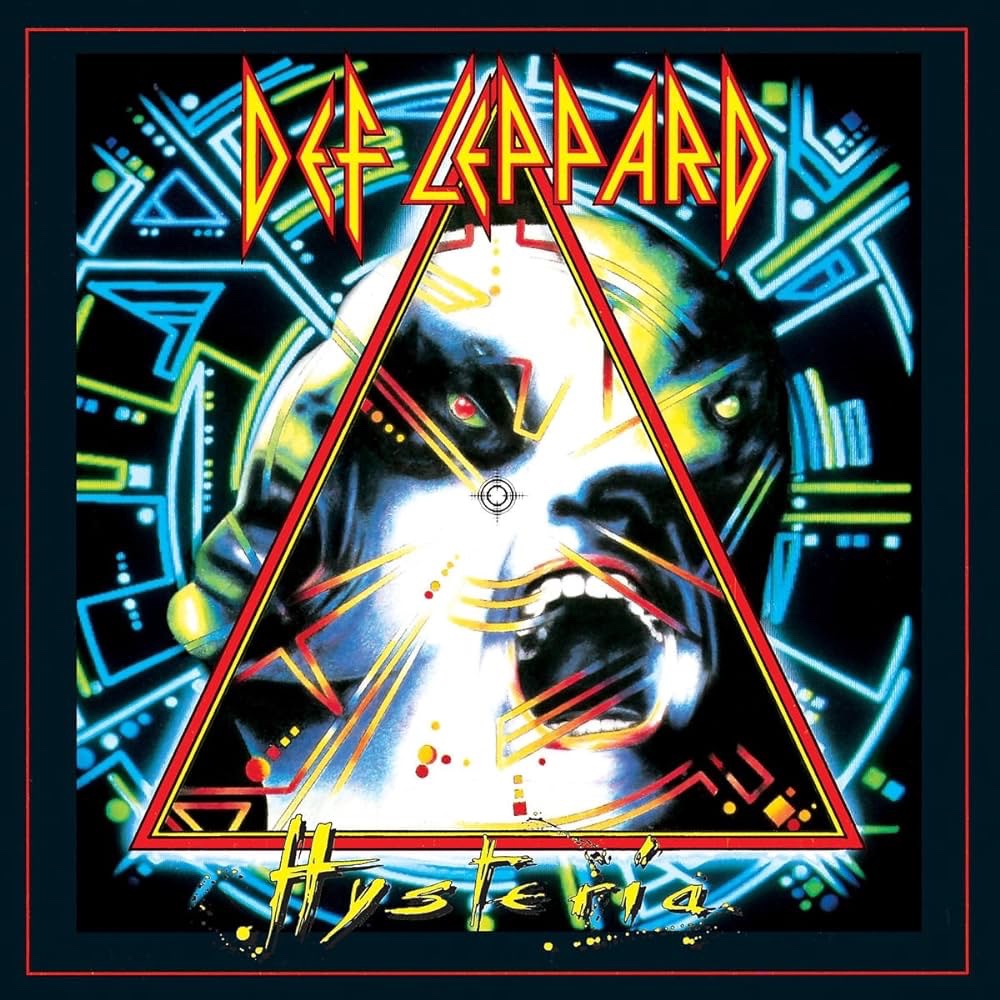
2. Def Leppard – Hysteria
After my mom confirmed her daughter’s bizarre interest in hair metal by giving her a Bon Jovi tape, she passed down even more of her and my sister’s music. Among the albums I received was Hysteria by Def Leppard. I was never as obsessed with Def Leppard as I was with Bon Jovi (and no one was as obsessed with Bon Jovi as me), but they still ranked high on my list of bands for that era. I loved the melodic nature of their music. You’d have this big, in-your-face chorus followed by some of the most captivating melodies. “Animal” is a great example of that.
My favorite from this album is “Run Riot,” which has the singability that I enjoy in a song. And the harmonies are glorious, owing in part to the amazing production of Robert John “Mutt” Lange, one of my favorite producers of all time. He knew just how to layer vocals and really create a lush soundscape with them. And speaking of Mr. Lange, he had a pretty big hand in the third album on my list as well.
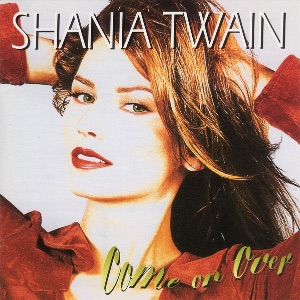
3. Shania Twain – Come On Over
Before there was Bon Jovi, there was Shania.
Shania Twain was my idol. I loved her so much as a toddler. My own mother would get jealous because I’d draw pictures of Shania and not her (sorry Mom). I wanted a horse because I saw a picture of Shania with a horse. And of course, I listened to this album on repeat. I’m shocked I didn’t wear out the tape!
It would be easier to name the songs that weren’t bops on this album, because nearly all of them slap. (Wasn’t a huge fan of the title track, but everything else is a gem.) My burgeoning sense of humor really appreciated “That Don’t And Impress Me Much,” and I’d often quote it. “So what, you think you’re Elvis or something?” “Black Eyes, Blue Tears” was another favorite, albeit a pretty dark song for a three-year-old to truly grasp (it’s about domestic abuse). I loved the use of the talk box (again!) on it. And of course, Mutt’s penchant for strong harmonies is all over this album — he was the producer (and Shania’s husband), after all.
4. Taylor Swift – evermore
I’m skipping ahead quite a bit chronologically, but Taylor felt natural to bring up next. After all, Shania walked so Taylor could run. evermore came during the pandemic, when everyone was in a weird place already. Its sister album, folklore, was released less than five months prior, but aside from “this is me trying” (my neurodivergent millennial burnout anthem), none of the songs on that release resonated with me as much as the songs on evermore. Something about evermore just hit me hard.
Nothing comes close to the heartbreak of “tolerate it” or “happiness,” and the sweet tribute to Swift’s late grandmother, “marjorie,” is sure to leave you weeping, especially when the long-deceased woman’s ethereal voice echoes throughout the end of the song. One of my favorite bands, HAIM, features on “no body, no crime,” the catchiest murder ballad since The Chicks’ infamous “Goodbye Earl.” I’m also rather fond of “ivy,” with lyrics telling the story of a married woman’s tryst with another person who I am convinced is another woman. (She never said the song was autobiographical. I’m not a Gaylor, I swear.)
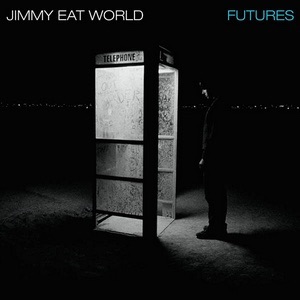
5. Jimmy Eat World – Futures
Confession: prior to about 2009, I didn’t listen to modern music. Anything made before 2000 didn’t really appeal to me, which meant I missed out on all the good emo bands. But a good friend’s then-husband was cleaning out his house and had a stack of CDs to give me, and Futures was among them. I remember the first time I listened to it en route to Chicago for a marching band field trip. I was absolutely blown away. The music, the lyrics, the entire vibe of the album — it completely flipped my perspective on 21st century music. Suddenly, I had a thirst for discovering other alternative and emo bands, which lead me to artists like Brand New, Weezer, and the neon pop-punk bands of the late 2000s.
The album itself is almost a concept album of sorts, dealing with addiction and longing. I couldn’t yet relate to the addiction part, although that would come later on in my personal story. But the longing was something I related to as an angsty teenager. I could listen to songs like “Kill” and “The World You Love” and cry about the fact that Dylan Martin from my church’s youth group would never love me back. I still love this album though, and Dylan and I are good friends now, so it all worked out in the end.
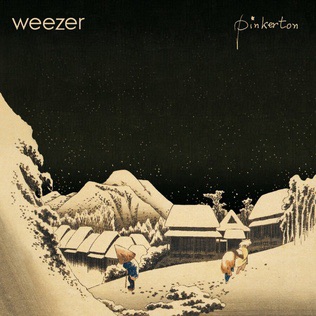
6. Weezer – Pinkerton
In making this list, I nearly forgot about Pinkerton. I’m sure Rivers Cuomo would rather me forget about it, as he was famously embarrassed of it. But it was a crucial part of my lovesick, sexually frustrated teen years. Looking back, the album is essentially Incel: The Musical, but I related to the lyrics quite a bit at the time, as someone who often found myself falling for guys who were less than interested in me. The songwriting on this album made me feel less alone.
“Why Bother” could have been the theme song to my failed teenage crushes. “Why bother, it’s gonna hurt me; it’s gonna kill when you desert me.” And the simple acoustic track “Butterfly” is possibly one of the most beautiful songs ever written. It evokes the image of catching a butterfly only to watch it wither in captivity. It’s a poignant metaphor for holding onto a love that is ultimately bad for the other person. Sometimes it’s better to let go, which was a painful lesson for me to learn. Rivers was there too, and that’s why I love Pinkerton. It’s so real and raw in the way it handles interpersonal relationships.
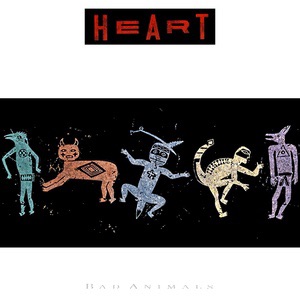
7. Heart – Bad Animals
This was another cassette tape given to me by my mom, who I credit for my taste in music. I remembered hearing Carrie Underwood cover “Alone” as part of an American Idol performance, and my dear mother was like “You’ve got to hear the original.” She pulled out this tape and my mind was instantaneously blown. I’d never heard a voice like Ann Wilson’s in my life. The sheer power behind her vocals gave me shivers. And to learn that the rhythm guitarist of the band was also a woman — that changed everything for me. It was the first time I’d seen another female guitarist. Suddenly, I had someone to look up to in music who looked like me! Representation frickin’ matters.
“Alone” is obviously the standout track from this album, the power ballad that made me fall in love with power ballads. I recorded the music video onto a tape, which my autistic ass watched every single morning before school. I wanted to be like the Ann and Nancy Wilson. They were so beautiful and talented and effortlessly cool, unlike me at the time. I’m not as famous as the Wilson sisters, and I probably never will be, but I’d like to think I made that little girl proud. I’m certain the sheer amount of comparisons I get to Ann Wilson whenever I sing Heart at karaoke would make younger me beyond happy, and that’s what matters.
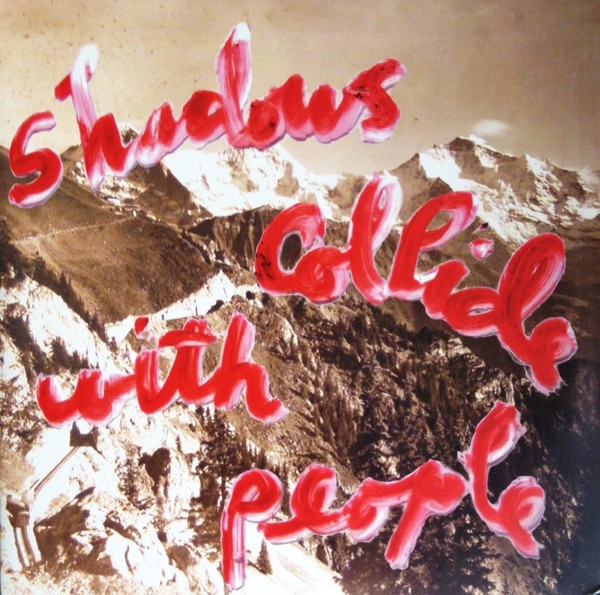
8. John Frusciante – Shadows Collide With People
I’ll admit I was a little torn between including this album versus one of the Red Hot Chili Peppers albums that has influenced me. I discovered John Frusciante through his work with RHCP — I still remember hearing “Dosed” from their album By The Way for the first time and being mesmerized by the beautiful guitar work. It made me want to further explore Frusciante’s work, which lead me to this particular solo album, which I found in a record store or a Goodwill or somewhere. I don’t remember exactly how I happened upon it, but it was quite serendipitous that I did. It ended up becoming my favorite album of all time, carrying me through one of the hardest years of my life.
“Carvel” is an absolute gem of an opener and the reason I pestered my old band to buy me a Carvel cake while we were on tour. The “Carvel cake” in the song is meant to represent drugs, and as someone who very nearly averted an addiction to alcohol, I found myself relating to a lot of the lyrics. The instrumental tracks on the album are eerie and unsettling in the best way, and the ending track, “The Slaughter,” is one of my favorite songs of all time, closing the album on an optimistic note. “I know my pain’s a life away,” Frusciante croons, and I feel it. The worst is over.
9. Chappell Roan – The Rise and Fall of a Midwest Princess
This is easily the most recent album on this list, as Chappell Roan’s meteoric rise to fame was only within the past few months. But this album gives me so much hope for the future of pop music. I was in a musical rut for a long time, and I was starting to become worried that, like many thirtysomethings, my taste in music had solidified. I wasn’t sure if it was my getting older or new music getting more boring that made me give up on discovering new artists. After all, I remember going to karaoke at a bar full of Gen Z college students, and their song choices were decidedly overwhelmingly subdued. The younger generation grew up on the likes of Lorde and Billie Eilish, who, while very talented, mostly make bummers, not bangers. What we needed was someone to inject pop music with a bit of fun. What we needed was a femininomenon.
I have a hard time picking one or two favorites from this album chiefly because they’re all incredible. “Casual” is ethereal and heartbreaking, culminating in Chappell screaming at her would-be lover “You can go to hell!” in the final line. The sheer passion in that delivery gave me goosebumps the first time I heard it. And the horny lesbian anthem “Red Wine Supernova” is an obvious standout, with candid lyrics and witty references to “wands” and “rabbits” (if you know, you know). It’s such a bop, even Melissa Etheridge referenced it at one of her recent shows. Melissa walked so Chappell could run.
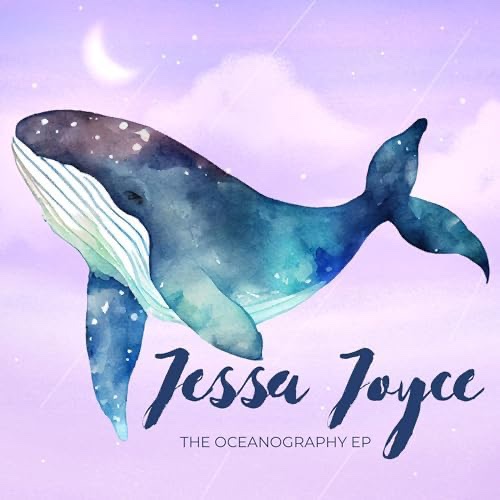
10. Jessa Joyce – The Oceanography EP
And finally…me! It’s probably an unusual choice to put your own album on a list of albums that changed your life, but I can’t think of an album that changed my life more. Sure, it didn’t take off or become as successful as I would have liked, but it proved to me that I could do it. I could record an album! My 2013 spring break was spent locked in my office at the newspaper I worked for at the time, utilizing the Mac desktops there for the GarageBand feature. I had a shitty Blue Snowball mic and a whole lot of caffeine and nicotine in my system (as I hadn’t yet been diagnosed with ADHD and that was my form of self-medication). It was released to Bandcamp with little fanfare, but I felt accomplished. Ten years later, using the knowledge I’d built up about music production and improved equipment (and Adderall), I re-recorded the entire project and released it to Spotify and, well, everywhere else.
“Oceanography” was a song about my longing for a particular guitar-playing guy to like me. It’s about that feeling of wanting to know everything about someone because you’re just that fascinated by them. The folksy “Smiles & Anchors” was dedicated to another guitarist, the title of the song taking its name from his band. The angsty alt-rock “Off the Deep End” was about a completely different guitarist and how I shouldn’t like him, and “Song of the Sea” was about a breakup with a fourth guitarist whom I dated in college. The album could have been called Songs About Guys Who Play Guitar Better Than Me. But they’re all part of my story, and I still love the songs to death, even if those guys aren’t in my life anymore. That’s the beauty of music I think. It’s a snapshot of a time in your life, and Oceanography represents so much of my history. That’s why it’s on this list. I am who I am today because of my lived experiences, and songwriting is my humble way of documenting those experiences. It’s my way of screaming into the void — I was here. Isn’t that what music is all about?
Here’s the short answer: so I don’t lose my freakin’ mind.
The long answer is a bit more complicated.
I started this blog back in 2018 (I think). At the time, I was married to someone I wasn’t truly in love with and stuck in a conservative church that increasingly came to represent everything I didn’t want to stand for. I was still fresh out of college with a journalism degree I knew I was never going to use, but I still had the itch to write something. Anything. So my blog, which at the time was titled “I’m sorry I mean it,” simply became me screaming my displeasure with my current life into the void. “I’m sorry I mean it” was a double meaning — “I’m sorry and I mean it,” and “I’m sorry, but I mean what I’m saying.”
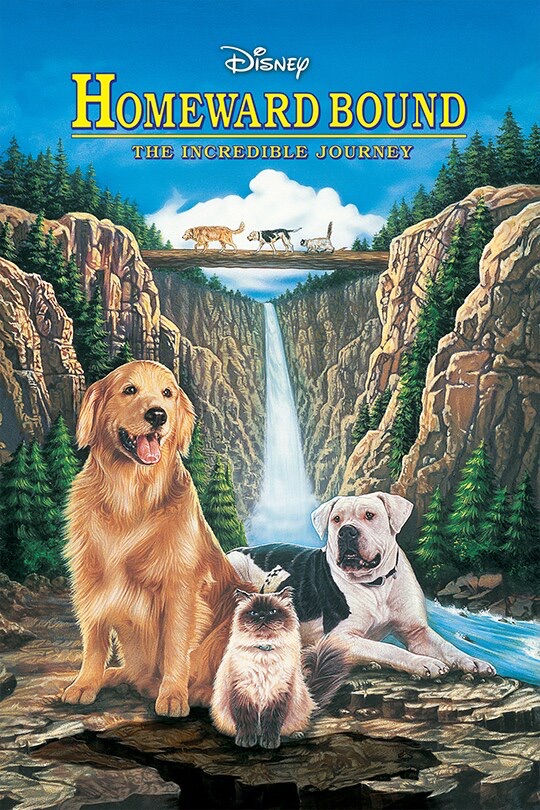
Writing has always been a catharsis for me, though, dating back to elementary school. When I was teased mercilessly and ostracized by nearly everyone, I made up characters to serve as “friends” for me. I didn’t have imaginary friends in the traditional sense of the word — I knew these characters were make-believe — but they were real enough to me to fill a void. My long school days were spent daydreaming about these fictional characters, and eventually, their stories spilled onto paper. I’d hurry up and finish my work for the day, then spend the rest of my time fleshing out these characters in stories I dreamed up, usually inspired by whatever I was into at the time. I had a whole series based around three pets trying to get home and the grand adventures they would go on.
My writing is nothing if not derivative, but it’s cool.
That’s part of why I find it harder to write these days. For the first time, I’m genuinely pretty happy. I don’t have to rely on my inner world to satiate my desire for human interaction. I have two amazing partners, a wildly supportive family, and more friends than I know what to do with. But I still love writing to clear my mind on the bad days. It’s how I handle negative emotions, as evidenced by the everything on this blog. If I couldn’t write about my music therapy journey on here, for example, I probably would have lost my mind. The entire experience was so traumatic, I needed to vent about it somehow. Just the act of hitting “publish” on a blog post gives me a sense of relief. As painful as it is to put these emotions down into words, once it’s over, it’s no longer stuck inside me. In a way, it’s emotional bloodletting.
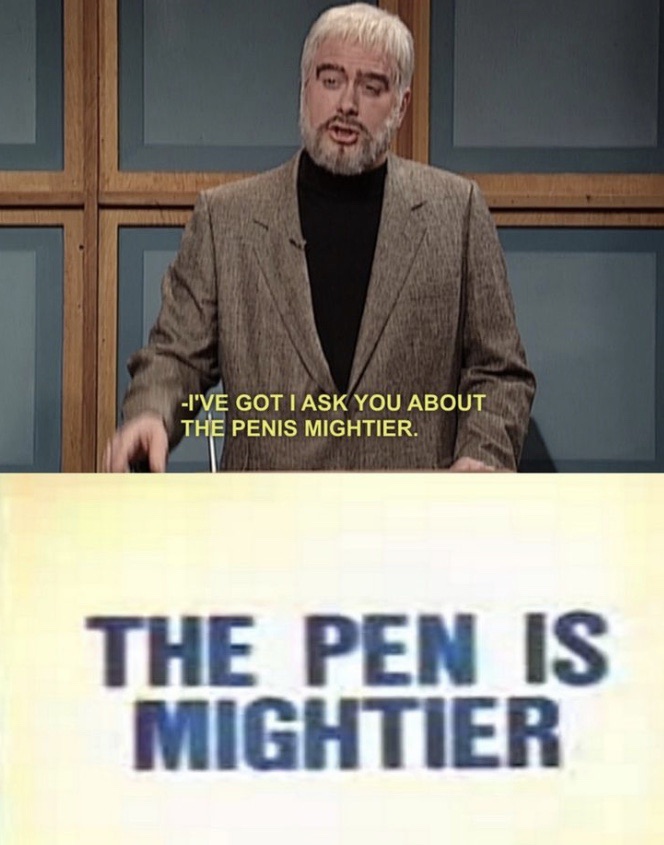
There are other reasons I write too. I realize I have a unique lived experience as a queer polyamorous Christian woman, and I have a platform where I can tell my side of the story. In a world that’s become increasingly hostile to folks breaking the norm, I feel like my words give a voice to a lot of people who aren’t represented in media. I know this from private messages I’ve received. My blog makes people feel seen, and I love it for that reason. My mom always encouraged me to write about socio-political issues — the pen is mightier than the sword, as she would say.
I know I’ve made this joke before, but it bears repeating. It’s what Mom would’ve wanted.
Writing, to me, is my biggest catharsis aside from music, and the two often go hand-in-hand. I’ve written some of my best lyrics as a result of emotional turmoil. “Ladies Don’t Start Fights (But They Can Finish Them)” was written about a feud with a former best friend who betrayed my trust. “Queen” was written during a time when my bipolar swung into a deep depression as a way to lift my own spirits. My newest song, “Fake Nice,” is my way of coping with criticism from my partner’s mother, someone whose opinion of me I valued. If I couldn’t write about the things that bother me, I don’t think I would have made it this far in life.
If you’ve been following my blog for any amount of time, I want to personally thank you for being with me through the highs and lows. It hasn’t been an easy few years, and this blog has seen me through some of my worst days. I appreciate the time you’ve taken to read my words and take them to heart. I do this not just for me, but for you, too! This is my way of screaming to the world, “Hey! You’re not alone!” I just want to be a light on someone else’s darkest times. I want people to read this blog and know that they’re in good company, that things will eventually turn out okay with time.
I feel like everyone has their “one that got away,” be it a love interest or a lost friend or missed opportunity. For me, it’s music therapy.
I’ve written extensively on here about my journey through the music therapy program at Eastern Michigan University and the subsequent disaster that was my internship in Fort Wayne. The internship was traumatic in a lot of ways and really disillusioned me to the world of music therapy. It’s still a raw wound, if I’m honest.
Tonight, I broke down. I don’t know what my direction in life is anymore. I found myself excited at the prospect of working in a factory. Just like my dad before me. I know he wanted better for me. He wanted me to get that master’s, get that doctorate, and never have to set foot in a factory. He envisioned an easier life for me. He wanted me to break out of the blue-collar trap my family has been stuck in for generations. He believed in me so hard, he stayed alive to see me graduate.
Now, it’s hard to believe I’ll ever be cut out for anything aside from menial physical labor. I feel like this is my destiny. I’ve perished any dreams of becoming a music therapist, or a professor, or anything else to be honest. I’ll be lucky if I make enough money to have a family of my own someday.
I feel like the title of “failed music therapist” will haunt me forever, like a scarlet letter. I have this vision of me on my death bed, awaiting the end, and some well-intentioned nurse who knows I was a musician in a past life sends in a music therapist to comfort me. But I won’t be comforted. Instead, it’ll rip open the same wound that pains me now. I hate this for me. I don’t want to live with regrets, but I feel like I have no other choice. Music therapy has been ruined forever for me.
I’m tearing up at the gym writing this. That’s where I work now, and while it’s not a glamorous or esteemed position (and the pay is abysmal), there are perks. Just now, one of my regulars snuck up on me to startle me, and we had a good chat. I think talking to me makes her day — she takes care of her dad all day and seems lonely. Maybe that’s the best I can do, just try to bring a little light to wherever I end up working. Maybe someday I’ll bring in my guitar and serenade people as they come in, I don’t know. Maybe music therapy didn’t work out because something else will, and this entire thing will no longer eat at me. Maybe my cover of Chappell Roan’s “Good Luck, Babe!” will take off and catapult me to rock stardom, or at least allow me to make enough money from my music to have a decent enough life.
I have nothing left but this reckless optimism that won’t fucking die. And that’s gotta count for something.
In fact, I came into this world Jessica Joyce Salisbury, which is a decidedly un-rock star name. Jessica Salisbury is a British schoolteacher.
You KNOW she looks like this.
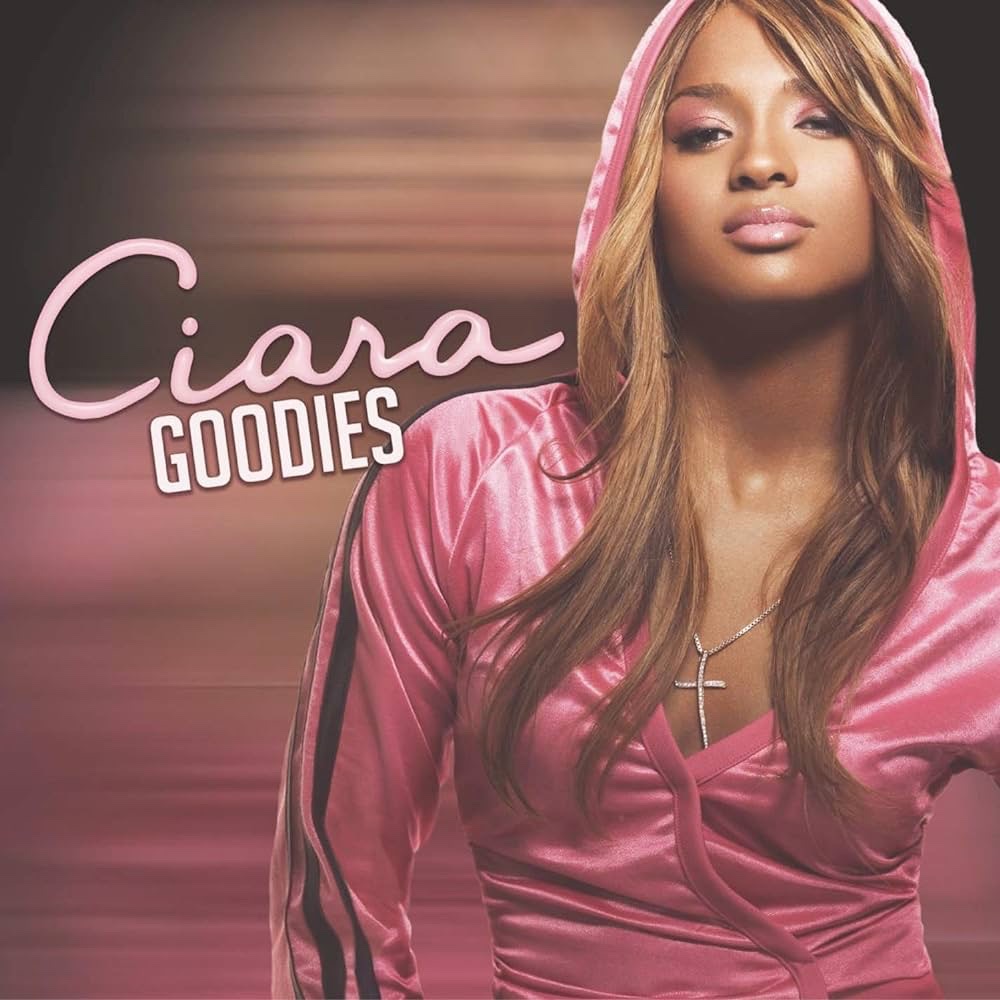
My dad came up with Jessica, although my mom wanted to name me “Chelsea” or “Ciara,” the latter of which is infinitely cooler than the other two options in my opinion. Can you imagine how powerful I’d be as a Ciara?
At least this powerful.
But “Ciara” was not in the cards, nor was “Chelsea.” “Jessica” ended up being the winner. Unfortunately, it was the winner for many other girls born in 1993. In fact, it was the number one name for baby girls that year. And I had the honor of sharing my name with two other Jessica S’s in my grade, both of whom were my childhood bullies. The name “Jessica Salisbury” was usually proceeded with “ew.” As in “Ew, Jessica Salisbury? I don’t wanna sit by her. Let’s throw ranch dressing at her!”
(Yeah, my childhood sucked ass at times.)
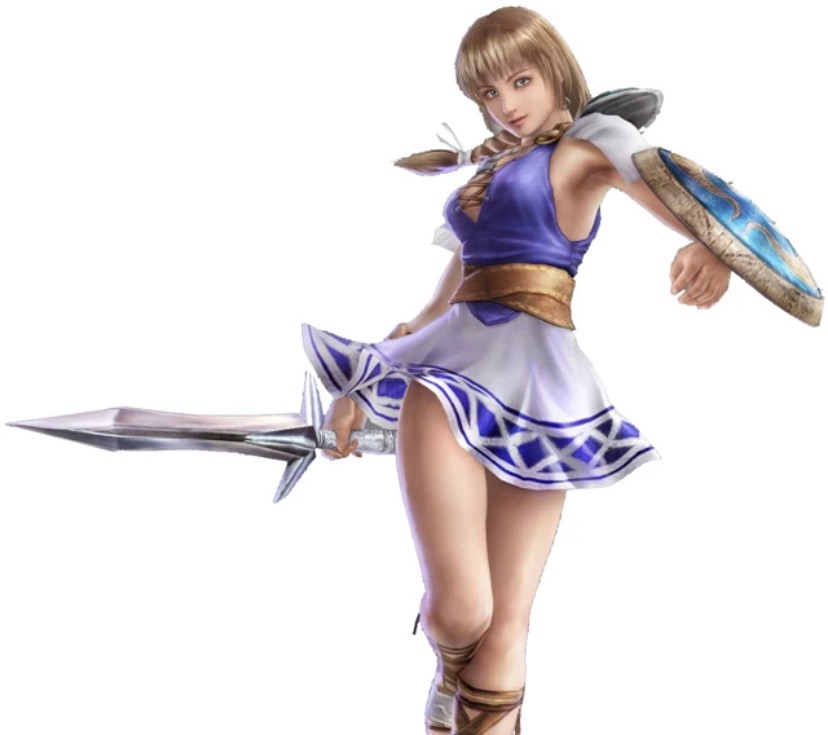
In middle school, I started thinking of alternatives. “Jessie” was what my parents called me and still call me to this day, but it was too cutesy and reminded me of the cowgirl from the Toy Story films. I tried to get people to call me Sophitia, after the Soul Calibur character, but no one went along with it except my dad (until my mom made him stop).
What every seventh grader aspires to.
When I hit high school, I discovered an Australian duo I liked decently enough called The Veronicas, and one of the members went by Jess. I didn’t realize that was an option for me! So I started going by Jess instead. I still go by Jess with family and friends. I guess it’s kind of my “default” name.
But it still didn’t have a rock star quality.
I remember, later on in high school, there was a girl a few grades ahead of me named Jessa. I don’t recall her last name — it was a bunch of consonants smooshed together — but I always thought her first name was really cool. She was cool. She was valedictorian and incredibly pretty and had a great sense of style.
Her name stuck with me until a few years later, when I joined a pop-punk band called Aim Your Arrows. We were semi-famous and even did some touring, and I knew I needed to pick a name for myself that had star quality. The name I picked at the time was Jessa Primrose, taking a surname from a distant ancestor on my mom’s side. But that last name proved to be a little clunky still.
Then I remembered I still had a middle name to work with.
Joyce was my grandma’s first name — I was named for her. Jessa Joyce had an amazing star quality to it, and it honored my late grandma. So when I restarted Wake Up Jamie as a band, I started going by Jessa Joyce.
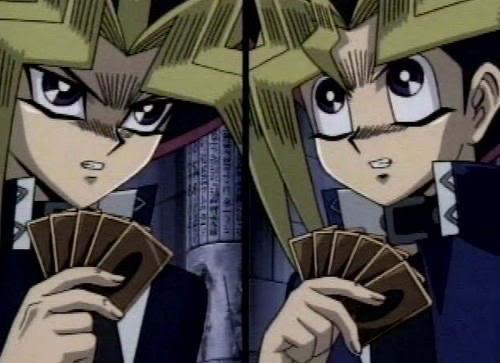
I don’t mind people calling me Jess still — like I said before, that’s kind of my “everyday person” name. Stefani Germanotta has Lady Gaga, Kayleigh Amstutz has Chappell Roan, and Jess Salisbury has Jessa Joyce. When I perform, I’m Jessa. I almost feel like she’s a separate entity, kind of like how in Yu-Gi-Oh!, Yugi turns into Yami Yugi. (Is that how it worked? I haven’t seen Yu-Gi-Oh! since the Cretaceous era.)
Time to duel.
Jessa is a confident and commanding rock and roll queen, something I tend to not be in my day-to-day life. Jess is the sweetheart, a total marshmallow. Jessa’s the bad bitch. But they’re both part of who I am. They’re both part of the tapestry that is me, and I’m comfortable with that.
Fun fact: I was a journalism major. I have the degree, actually! Did I ever do anything with it? Not particularly, save for a few human interest pieces for local papers. It was a largely useless degree, a $60000 piece of paper. But I know way more than anyone needs to about the news and how it works. And sometimes, just for funsies, I put my journalist hat back on and study the field again. You know, for the lulz.
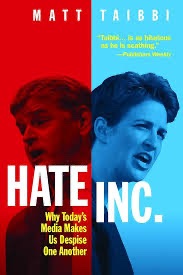
Which led me to a book on political journalism by notable reporter and former Rolling Stone editor Matt Taibbi called Hate, Inc.
It goes in depth about the way modern journalism has devolved back into the party press era in recent years, with news outlets turning into cheerleading platforms for their preferred political party. And no small part of this “cheerleading” involves turning Americans against each other, right vs. left, conservative vs. liberal/leftist, red vs. blue. We don’t have a common enemy anymore — the enemy is our Trump-supporting neighbor or the left-leaning lesbians down the street, depending on which news site you’ve sold your soul to.
There is a reason for this, and it has nothing to do with politics.
It’s all sweet, sweet cash.
You see, according to Taibbi, news outlets sell a product. Why else would Fox and MSNBC run commercials? We’re being sold at the expense of peace of mind, constantly being told that the “other side” is out to get us. Outrage is addictive, and it’s good for business. If the news can find a boogieman for us to hate, we’ll be invested, more so than if the news ran stories on all the good stuff happening in the world. Hate is simply more profitable.
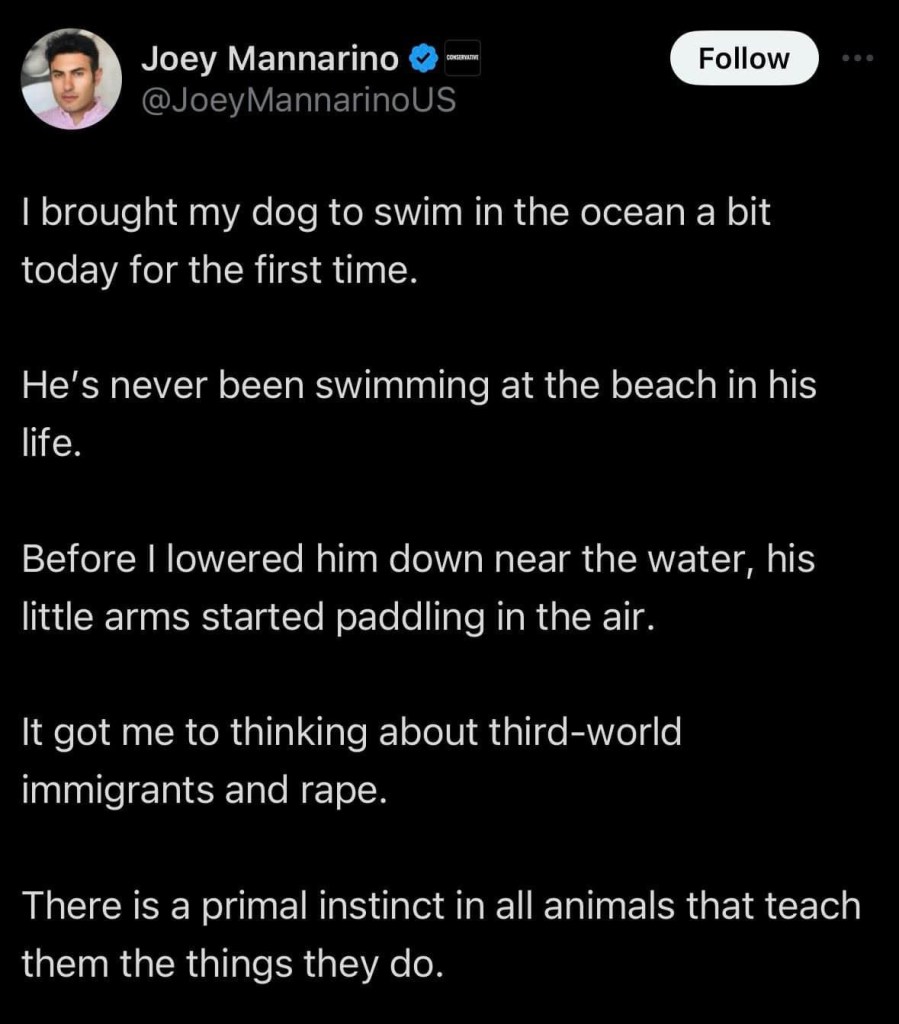
Taibbi didn’t go very far into social media, but that’s a factor in this too. Look at statuses like this:
…what?
No sane person would write this incoherent dribble. But it presses the right buttons. People who are scared of immigration are going to read this and type “amen” or “nailed it,” and people who support awful things (like other people coming to the US for a better life) will rage-share it. I know, I’m guilty of this too. It doesn’t matter what side of the aisle you’re on. We are all guilty. And the person who articulated this nonsense will go on to get views and engagement, which, in the social media world, is king. Who cares if any of it actually makes sense?
We need to be more vigilant about what we share and who we share from, because we’re becoming addicted to hate. You experience a little adrenaline rush every time someone says something that pisses you off, and just like watching a scary movie, you get that thrill. Then, you start to feel self-righteous. “I’m better than these people, because these people believe this.” This line of thinking gives you the worst kind of power trip.
Friends, remember that your fellow Americans are just people. Yes, even the ones you disagree with. If we’re going to have a peaceful transition of power this election season, we’re going to need to relearn that as a society. Trans people are not the enemy. Childless cat ladies are not the enemy. Hell, Trumpers aren’t the enemy. The enemy is our hatred, and if we let it fester, we’re in for a terrible time. Just shut off the news and Facebook. You’ll be a better person for it.
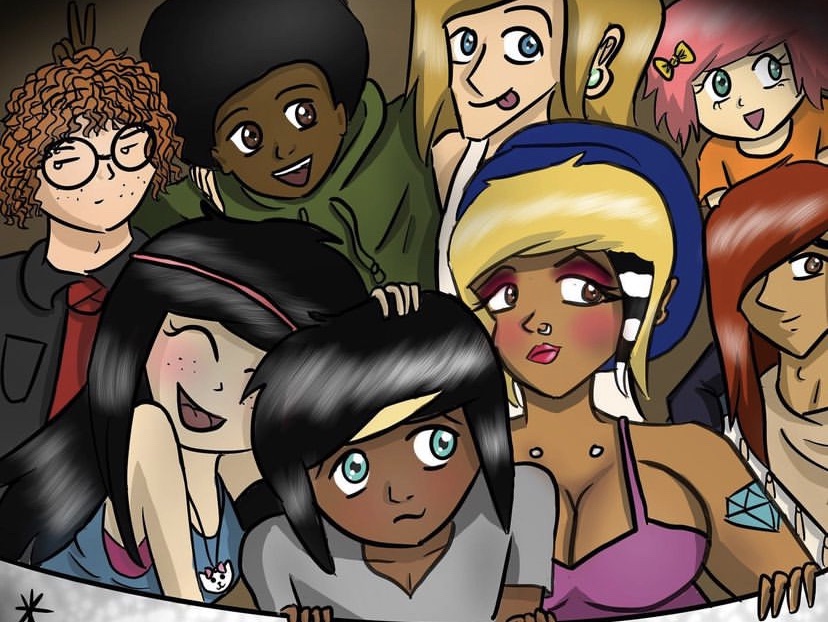
When I was in high school, I dreamed up these characters I’ve kept with me for almost 15 years. They were colorful characters inspired by guys and girls in local bands I looked up to, each one with their own unique backstory. There was Alex, the sort of fish-out-of-water heir to a tire company. There was Charlie, the Moog synthesizer-playing cheerleader with a ostomy bag. There was Kit, a Lebanese emo teen who was basically three mental illnesses dressed up in skinny jeans. And so many more who became good friends to me this past decade.
As of writing this blog post, I’ve finally written the second arc of the story. And it feels good, like I’m finally accomplishing something. But in a way, it feels almost empty.
What’s the use of writing a story if no one reads it?
I’ll admit I’m not the best at self-promotion. If I was, I’d probably be a much bigger writer and musician. I’d say I don’t know how to put myself out there, but I think it runs deeper than that. I’m scared of putting myself and my work out there, because doing that opens up room for judgement, and I don’t handle that well.
The only time I dealt with massive amounts of hate online, it was from right-wing asshats who hate me for being queer, which fucking sucks. But I feel like if someone hated me for my work, as opposed to who I am as a person, that honestly feels worse. I can’t change who I am — that’s a problem with the haters. But to hate the things I lovingly created, that I put time and heart into, that really stings. A lot.
But that’s the price of fame, right? I want people to fall in love with my characters and become as invested in the story as me. If I want my story to get “out there” and gain a following, I’m going to have to be vulnerable, as difficult as that may be. I don’t want my story to be forgotten to time.
I may never be the next great creator, but I want to make a name for myself.
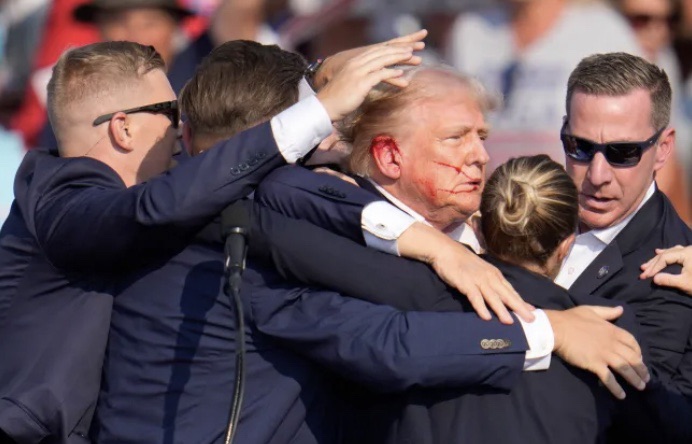
I’m sure everyone and their cat knows the news by now.
The most iconic thing to happen to an ear since Mike Tyson.
I’m not a fan of Trump, and at the rate he’s going, I’ll likely never be. He’s done far too much to further marginalize people like me and my friends. He literally made hate great again, after so much progress had been made for women, LBGTQ folks, and people of color. He and his followers have literally tried taking us back to the 1950s in terms of rights and freedoms. I wish nothing but the worst for him in all aspects of life for what he’s done to this country and society as a whole.
That being said, I don’t want him to die.
I consider myself something of a pacifist. I’m not an advocate of violence except in cases of self-defense. Violence only begets more violence, and that’s exactly what I’m afraid of with this recent attempt on Trump’s life. Conservatives are already blaming the left for this attack (despite the shooter being a registered Republican), and they did not need more reasons to dehumanize us. They’ve already been pushing the “groomer” rhetoric in relation to queer folks because framing us as pedos would allow them to hurt us with no remorse. People are more inclined to hurt others when they view them as subhuman, and framing the left as these wildly violent lunatics would put an enormous target on all of our backs.
I tend to think about the saying “live by the sword, die by the sword” in this situation. Trump has been promoting violent rhetoric, so it’s only karmic that political violence is directed toward him. At the same time, I don’t think we should be trying to kill him. We need to show that we’re bigger than that, that we are the party of love and peace. What’s important right now is winning votes while we still have a vote. If we fumble this, we might not have that option soon.
Don’t get me wrong — I will not cry when Trump ultimately kicks the bucket, and I’m not above pissing on his grave when he does. But trying to take his life will not do us any favors. His ideas have grown beyond him like a deadly mold.
I’m not going to lie; I’m terrified for November. I’ve never been so uncertain of my future. I don’t even know if I’ll ever get to have a family. This shooting made already shaky ground even more unstable. The fact that Trump survived allows people to lionize him, and I suspect his followers will become further emboldened. Will my future children even know a free America, or will we fall to fascism? Everything feels so up in the air, and I want to believe we’ll vote this evil out of office for good, but I have a bad feeling things are going to get worse.
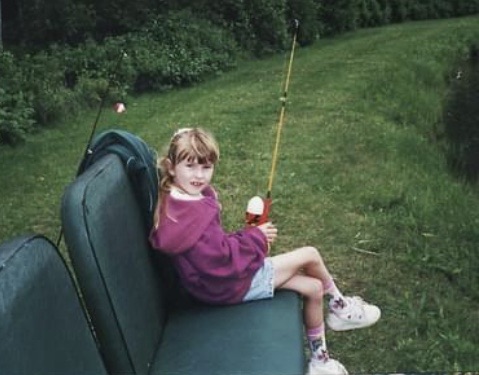
I’ll admit it, I’m a bit of a hillbilly. My family migrated from the hollers of Kentucky to work in the factories in Michigan, and they brought with them a culture I still really love. I grew up with Sunday family dinners complete with food cooked in literal tubs of lard. (I know because my grandma would keep her empty lard tubs in the garage when I was growing up.) My uncle was a racecar driver, and I have fond memories of going to the local speedway to watch him along with the bus races every September. Trust me, you haven’t lived until you’ve seen ten school buses going full speed in a figure 8. I listened to exclusively country music until I was about seven and discovered Bon Jovi. I remember going muddin’ with my neighbor and fishin’ with my dad as a kid. My wife’s from the bougie suburbs north of Detroit, so when I tell her about these things, she looks at me like I’m speaking Greek. But that culture was a huge part of my childhood.
Fish love me, women fear me, or something like that.
As I write this, I’m getting ready to take aforementioned wife to a racetrack for the first time in her life. It’s for the Fourth of July; they’re going to be lighting off fireworks at the end of the night. It should be a fun night, and I’m excited to show her part of what made my childhood special. But I can’t shake the feeling that we’ll be surrounded by MAGA hats and people who would want us dead if they knew we were together. It’s an unfair assumption to make, especially since racecar driving has been historically very “woke” and NASCAR is actually a pretty vocal ally to this day. Still, I’m not oblivious. I know the kinds of people these events attract, and…
They look like me. They look like my family.
Sometimes I feel like I’m being forced to choose between the culture I grew up in and living as a queer woman. I’m sure I’m not the first person to feel this way, but it’s jarring for sure, especially when you’ve been in straight-passing relationships for most of your life. Suddenly, your very existence is political, and it’s weird and uncomfortable. People who don’t care about you are making laws about you and you have to actually start caring about who gets voted into office. I’m very blessed that my family tends to lean progressive politically, but I still feel like I can’t engage in parts of my family’s culture without feeling “othered.”
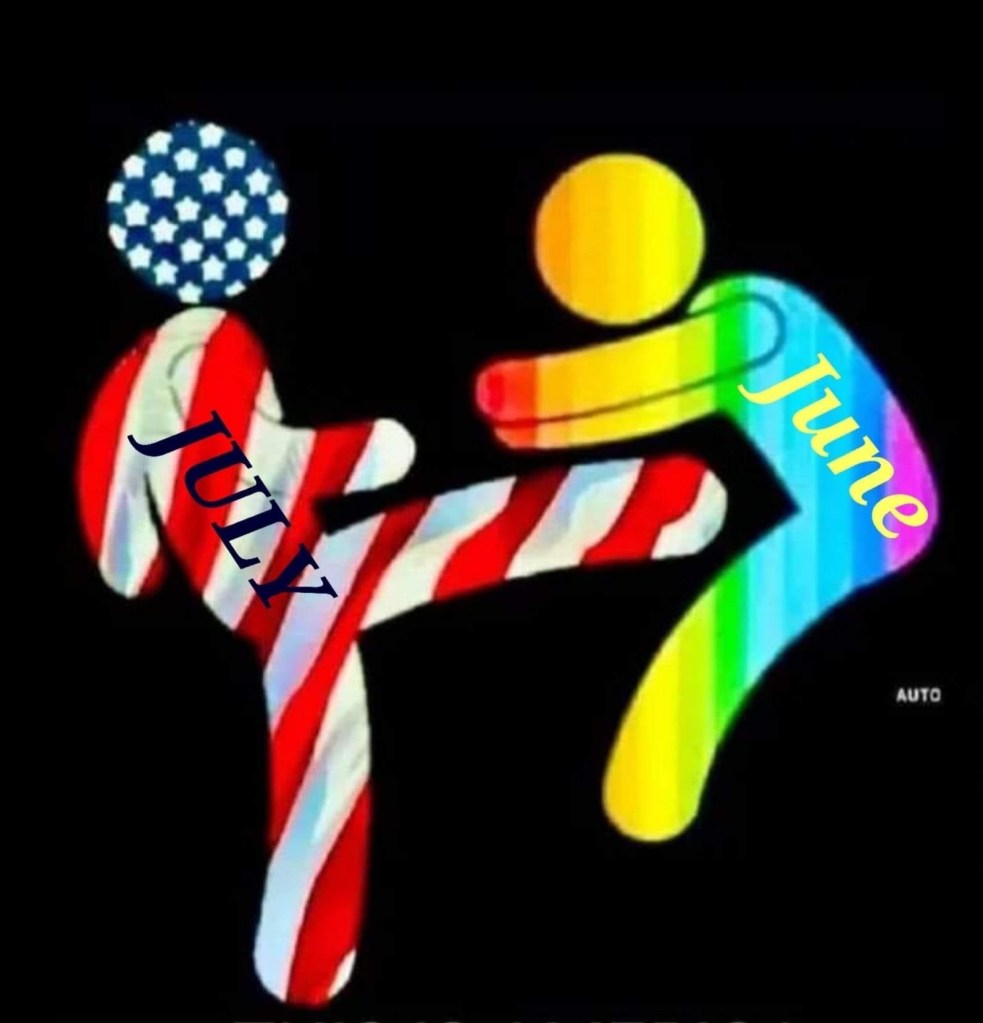
I wish we could enjoy these little pieces of American culture without that weird feeling. After all, we’re all Americans, even the people the right-wing media say are not. Remember all the “This is my pride flag!” posts last month flaunting the American flag, as if the two can’t co-exist?
Shared by a “friend” of mine. Need I say more?
Hillbilly culture, and American culture as a whole, shouldn’t be restricted to only straight, cisgender folks. This land is my land, too, and we’re just as American as the flag-flaunting MAGA hat-wearers. (I’d argue we’re more American, as we didn’t try to, ya know, overthrow the government.) Don’t let stupid memes and conservative media convince you otherwise. My culture is mine. My heritage is mine. My country is mine. And I’m done letting people take that from me.
I have a confession: I’m fascinated by the worst people. It’s probably detrimental to my mental health, but I often find myself looking in the comments section of absolute cesspools on the internet for hours on end.
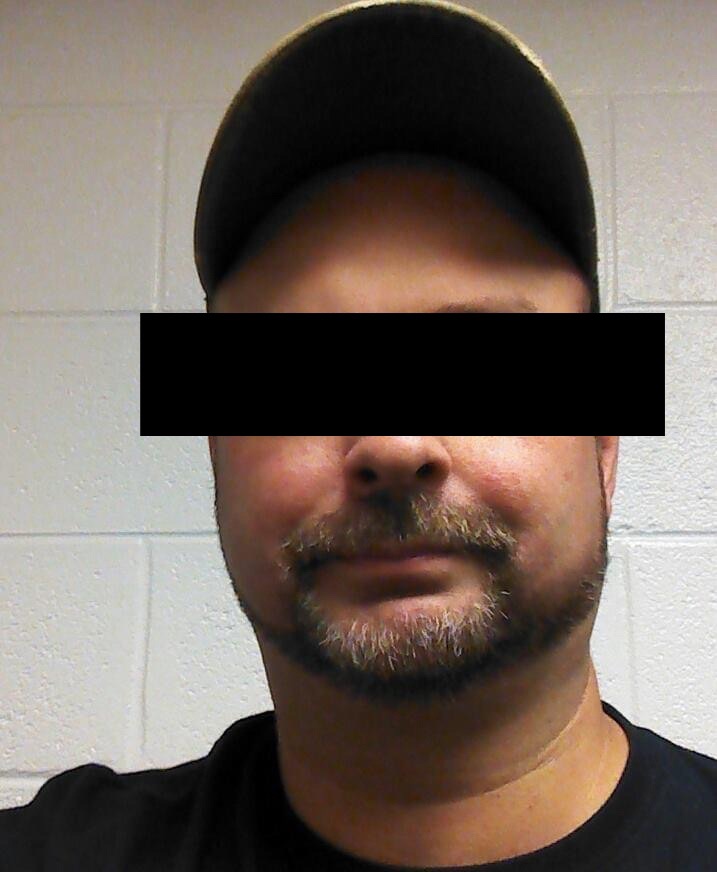
In my more naive years, I’d often debate people like this. I’d craft some well-written argument about how yes, trans folks are valid, gay folks should have a right to be with who they please, and black folks should, ya know, exist. This is usually followed by guys with profile pictures that look like a frostbitten toe laugh reacting the post to hell. I’ve since stopped because it’s no use arguing with people who look like this:
Apologies to this man for using him as an example but like, do better bro.
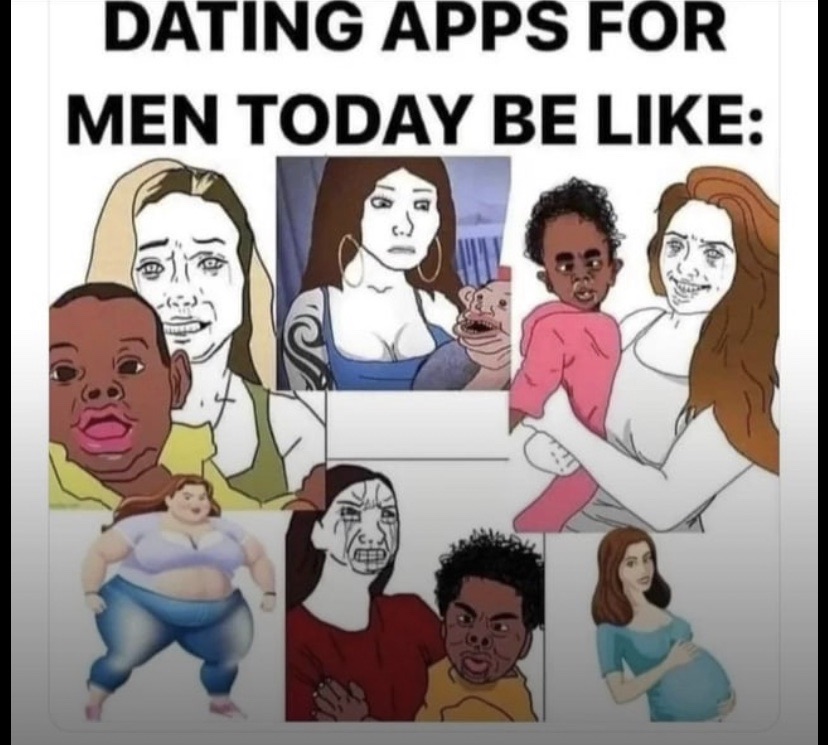
I consider it a matter of knowing my enemy. I want to know what these asshats’ talking points are so I can watch for signs of that shit in everyday conversation. The second someone brings up TERF rhetoric or starts talking about how we need a “straight white pride” month, I know to run in the opposite direction as fast as humanly possible. But also, it’s just kind of fascinating to me. Like, what leads a person to that level of hate? What makes one devolve into posting bullshit like this?
Ahh yes, the worst thing a woman can be, the mother to a biracial child.
It costs zero dollars to not suck. Imagine if people just minded their own business and didn’t brigade random people’s posts because they shared a picture of a queer person having fun? The other day, I had to put one of my own posts on private because it kept getting shared to hate groups. Like, why though? What are people getting out of this? I wasn’t even that mad — haters make me famous and all that — but the notifications were annoying as hell, and I was tired of seeing Greg’s thumb-looking ass popping up on my feed every few minutes.
I guess to me, it’s a reminder of what I fight for everyday. I use my platform on here to humanize the queer experience. I realize a lot of these folks have probably never met someone who isn’t exactly like them. I was similar when I first went off to university. I repeated the whole “Adam and Eve, not Adam and Steve” BS because my high school friends would say it — God knows I’d never admit to being bisexual in front of them. But a funny thing happened when I moved to my college town. I met other queer folks and even came to terms with my own queerness, and I changed. But these people have never left their hometowns. They’re in a white, cishet circle-jerk forever, and it’s actually pretty sad. There’s a lot of beauty in human diversity and the way we connect with one another. We’re just people, and we want to live and love too.
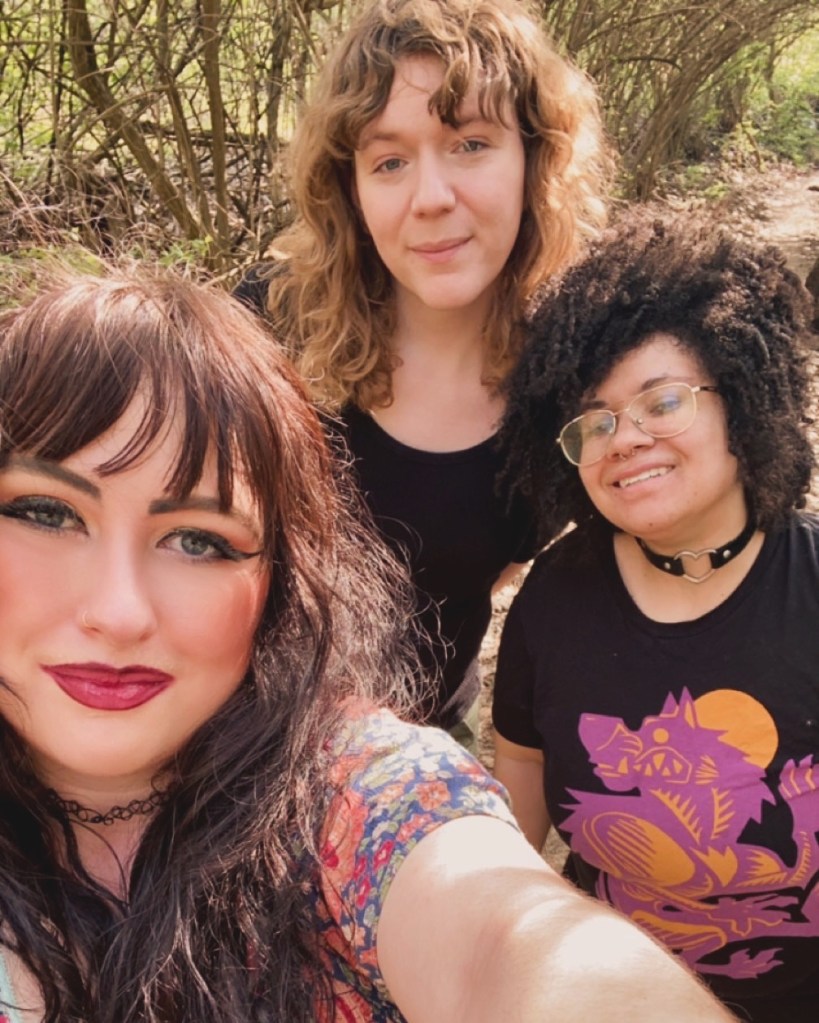
Imagine seeing something this precious and being like “wow, I hope they all die.”
I should probably cut back on my “patrolling” these ugly spaces though. Even reporting doesn’t do any good — the comments never get taken down (thanks, Zucc!). Maybe I should look more toward the beautiful things in life and focus my energies there instead. Even the Bible says so:
Finally, brothers and sisters, whatever is true, whatever is noble, whatever is right, whatever is pure, whatever is lovely, whatever is admirable—if anything is excellent or praiseworthy—think about such things.