
I haven’t posted any new music for a while, so here’s a treat for y’all! I recorded these songs as presents for my partners but I’m just now getting around to putting them out into the world. Here’s a snippet of the two cover songs I’m releasing on May 17th. Let me know what you think!
Category: Music
Music Reviews Nobody Asked For: The Tortured Poets Department
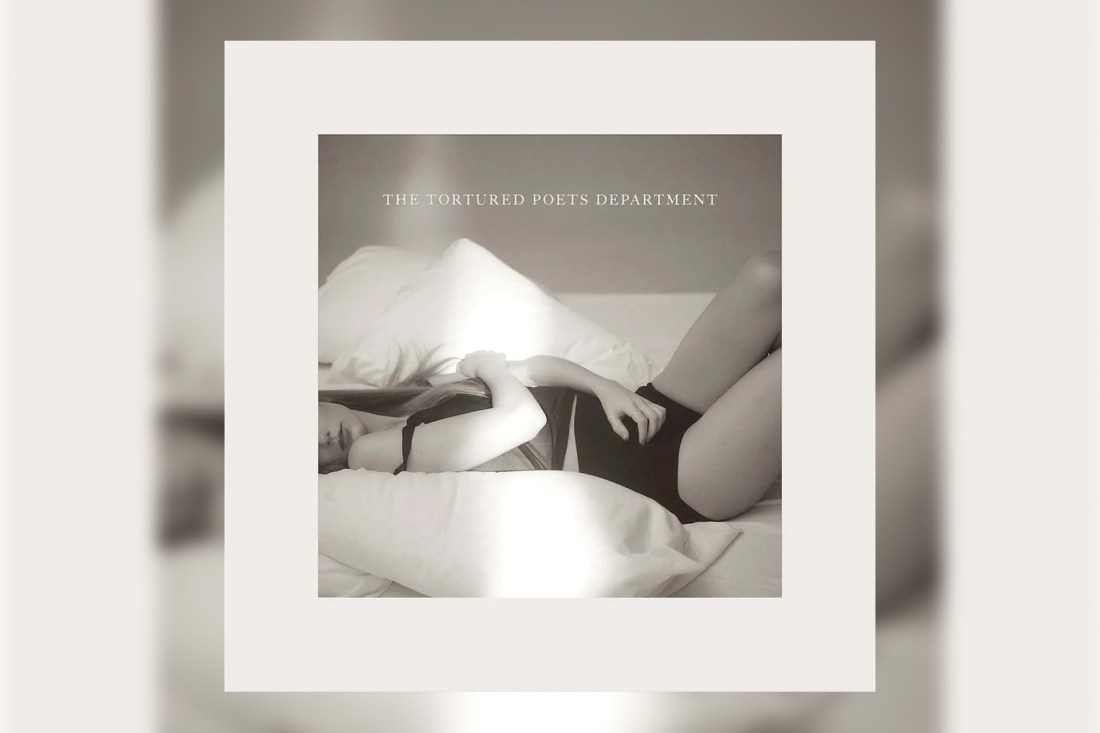
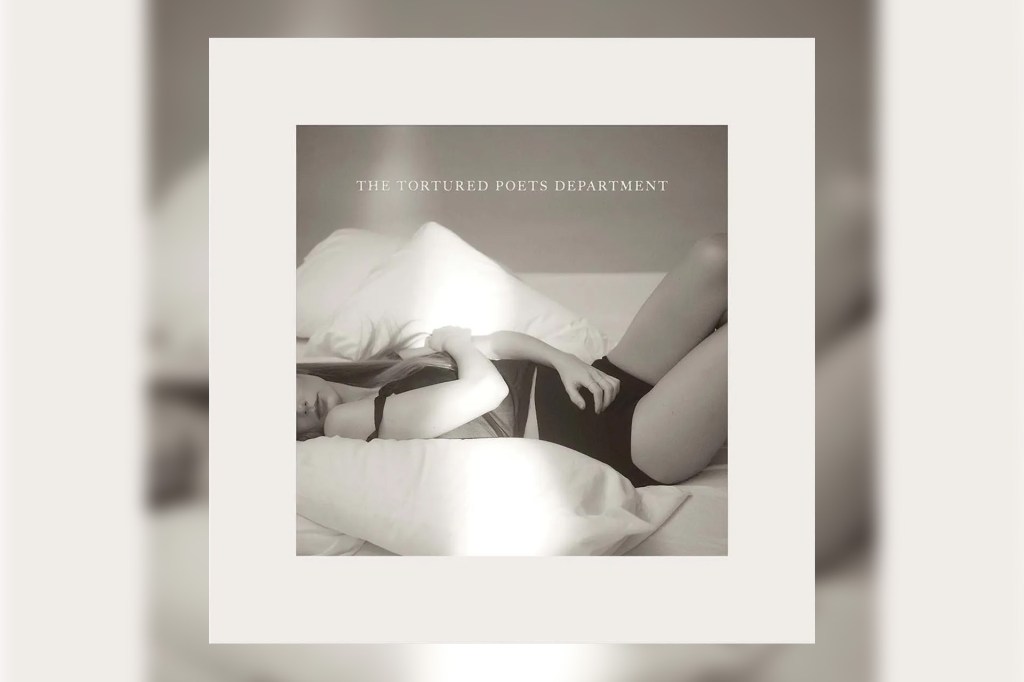
Here’s a shocker: I’m a bit of a Swiftie. I know I’ve written a defense of her before, but never a proper album review. Since The Tortured Poets Department just came out, I figured now was as good a time as ever to write one. I’m no music journalist, but I do have a degree in music and journalism, so I might as well put my useless skills to use for a Music Review Nobody Asked For.
First things first: The Tortured Poets Department is not an album. It is a cry for help. I have never in my life heard a more depressing two hours of music. Even her obligatory “glitter gel pen” song of the album is sad as hell when you get past the bouncy synths and actually listen to the lyrics. Like, she literally screams “I’m miserable!” at the end of it.
I differ from most Swifties in that I really don’t give a shit about her personal life. She’s a billionaire I’m never going to meet. It’s the same reason I don’t care about sports. When everyone back home was freaking out about the Detroit Lions doing important stuff, I was indifferent. I don’t know those guys. They’re just some stinky dudes. That’s how I feel about Taylor. I admire her for her songwriting, but I feel like I get more out of music when I don’t know who the song is about. That way, I can relate the song more to my own life and in turn get more out of it emotionally. “Teardrops On My Guitar” isn’t about Drew, it’s about my middle school crush Kyle Kelley, damn it.

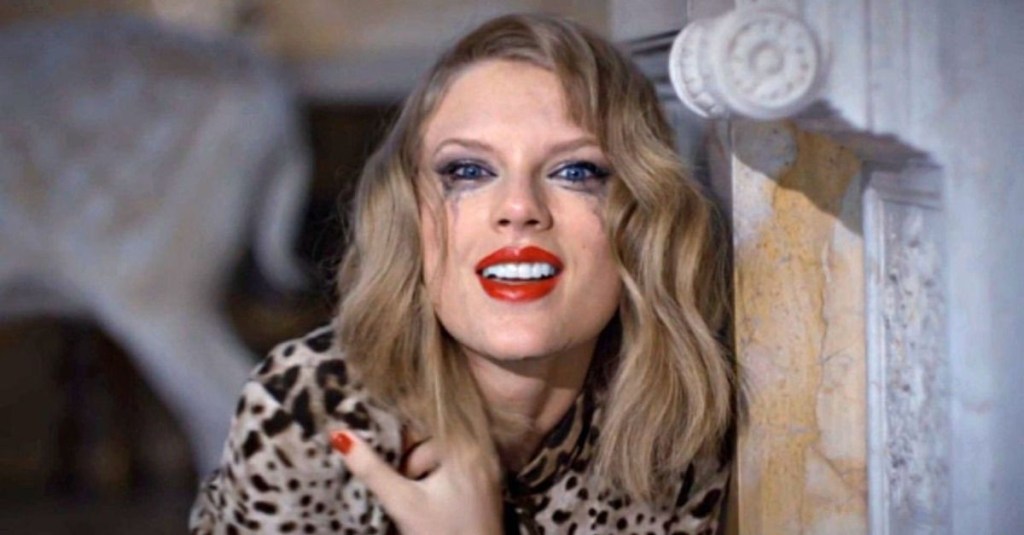
The thing about TTPD, though, is that the album hinges on the fact that people know who it’s about. And supposedly it’s mostly about this guy:
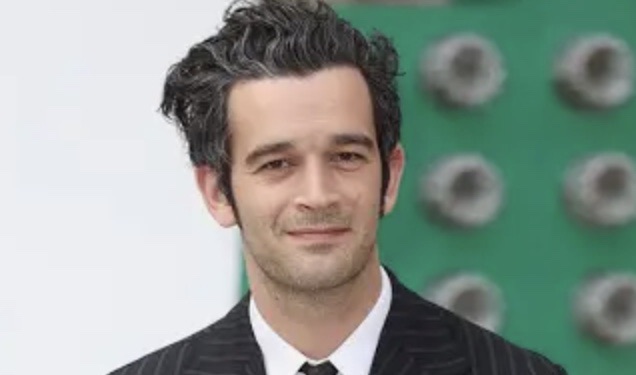
I know nothing about Matty Healy except that he’s 1. the frontman of The 1975, a band I also don’t care about, and 2. kind of a dickhead, but who am I to judge her taste in men? I don’t exactly have a pristine track record when it comes to dating dudes (which is probably why I switched to primarily women), so I have no room to talk. But apparently other Swifties do feel the need to judge her for her less-than-stellar choice. Like, some fans literally wrote her an open letter telling her to stay away from this guy, which is kind of wack, and also the inspiration behind like, half of this album.
But Jessa, isn’t this review about the music?
Well, yeah. I don’t want to ruminate on this topic for longer than I need to, but it’s important to contextualize this album. This is essentially a concept album about a forbidden romance, and one Taylor seemingly caused herself. You see, dating Matty Healy would taint her brand, but if the songs on this album are any indication, she thinks he’s the love of her life. What would you choose — the reputation and career you’ve built up for yourself since 2006, or the guy of your dreams? I can see why she wrote these songs the way she did. It’s a weird situation to be in, and not a situation I envy.
But let’s get into the music. There’s two parts to the TTPD — the album proper, and The Anthology, a companion album of sorts released two hours after the initial release. As a whole, the first half of the album is soft and synthy, owing to Jack Antonoff’s production, while the second half is closer in vibe to the folklore/evermore sound, with Aaron Dessner producing much of it. The fandom seems pretty divided on which half is better, and honestly both halves have some great songs and a few duds. For better or worse, the album is pretty cohesive — no one song really “stands out” as THE BEST, but most of the songs are pretty strong. Let’s look at some of the highlights.
Fortnight: This is the lead single, so I’m obligated to comment on it, but honestly, I wasn’t too impressed by it. It’s the same chords all the way through and is constantly building, but never really gives us that “oomph” moment it promises. Post Malone’s vocals add a little pizzazz to it, but it’s pretty lackluster for a single. I was expected Taylor to punch me in the face with whatever single she had lined up for this album, but it was a mild slap at best.
The Tortured Poets Department: As the title track, I feel obligated to comment on this as well. The 80s-ish drums grabbed my attention, but musically I wasn’t too impressed with this one either. Lyrically, it’s fairly strong, though. I think people miss the sarcasm. She’s calling out her boo for fancying himself a tortured poet, and maybe calling herself out as well. He’s as much a Dylan Thomas figure as she is Patti Smith. The theme of self-deprecation is recurring in this album.
My Boy Only Breaks His Favorite Toys: This one’s a skip for me. The music’s alright, but nothing to write home about.
Down Bad: People seem to really like this one, but it’s a skip for me too. I feel like Taylor’s just trying to see how many f-bombs she can sneak into a song without it being grating.
So Long, London: Everyone was really anticipating this one since it was rumored to be about her doomed long-term relationship with Joe Alwyn. The light almost-choral vocals in the beginning remind me of “My Tears Ricochet,” one of the standout tracks from folklore, but it doesn’t hit me as hard as that song did for some reason. The line “I’m pissed off you let me give you all that youth for free” did send me for a loop, though. Imagine wasting the best years of your life with someone who ultimately let you down. I hate the whole trad-fucko ideology of “marry young so you can pop out a ton of babies before menopause” (which a lot of trad-fuckos pushed onto Taylor — looking at you, Stefan Molyneux), but there is something to be said about squandering all that time you could have spent building a life for yourself. It’s a sad situation all around, and this song captures that feeling.
But Daddy I Love Him: Now we’re cooking. This is the strongest track on the album so far. At a glance, it’s the big sister of “Love Story” — a tale of forbidden love, a modern Romeo and Juliet. The melody even has a sort of country cadence, throwing back to Taylor’s roots. Looking closer, it almost seems to be a takedown of those unhinged fans who wrote her that aforementioned open letter, the “judgmental creeps…sanctimoniously performing soliloquies” she’ll never see and the “saboteurs” saying “stay away from her.” The music takes it to the next level, bombastic and triumphant as she cries that her love is her choice. This is one of the highlights of this album and not a track to be skipped.
Fresh Out the Slammer: I’ve listened to this album probably three or four times now and I remember nothing about this song.
Florida!!!: This Florence + the Machine feature isn’t one of my favorites, but pleasant enough. I enjoy the cheeky “Is that a bad thing to say in a song?” as the lyrics imagine the bodies of past lovers sinking into the swamp.
Guilty As Sin?: Taylor really likes punctuation marks in her songs it seems. As a level-headed Christian, I at least appreciated the religious imagery in the bridge, which seems to have pissed off the right people. (Sean Feucht can go Feucht himself.)
Who’s Afraid of Little Old Me?: Upon my first listen, the first time she screamed “WHO’S AFRAID OF LITTLE OLD ME?” was a bit of a jumpscare. And this song is supposed to be scary. The “circus life” made her deranged and disturbed, even using the metaphor of a performing lioness with her teeth removed. The song is bleak and upsetting, as it should be. This is one of the first indications that Taylor’s mind isn’t all rainbows and sequins but a dark, unsettling place.
I Can Fix Him (No Really I Can): This song is sparse and brooding-sounding as she croons about a lover she insists she can change before the final line realization that maybe she can’t. This isn’t a standout track, but worth a listen.
loml: Another tearjerker along the lines of “So Long, London.” She recalls promises of rings and cradles, only to have her hopes of stability dashed. The instrumentation is appropriately sparse. Not one of my favorites, but again, worth listening to.
I Can Do It With a Broken Heart: This is the one singular “glitter gel pen” song of the album, and it’s still a bit of a bummer. She sings about how her life is falling apart around her, but she has to keep up appearances, still smiling and giving us a show even when it hurts. The synths are bubbly and poppy, contrasting rather starkly with the lyrics. At the end, her voice cracks as she screams “I’m miserable and no one even knows!” This woman is literally on top of the world, and yet this song proves how terribly lonely she is. I think back to Britney Spears’ “Lucky.” “I’m If there’s nothing missing in my life, then why do these tears come at night?”
The Smallest Man Who Ever Lived: This is probably her most biting song yet, a vicious takedown of an ex-lover who wronged her. Most of the song is pretty calm and subdued, but the bridge gave me literal chills the first time I heard it. Taylor’s the queen of bridges, but these might be some of the angriest lyrics she’s ever written. Hell hath no fury like a singer-songwriter scorned — trust me, I’d know.
The Alchemy: A skip, in my opinion. Nothing really stood out to me about this one.
Clara Bow: First thing I noticed about this song was the amazing bass-driven riff that carries the song. It adds such a darkness to the song musically. The lyrics, according to Taylor herself, are inspired by the way the entertainment industry markets upcoming female performers as the “new and improved” versions of their predecessors. It’s a time progression song that starts in the silent film era with actress Clara Bow, then travels to 1975, when Stevie Nicks was on top of the world with Fleetwood Mac. Finally, Taylor namedrops herself as the one whose star would eventually be eclipsed by a starlet who has the edge she never had. It’s the kind of self-deprecation I mentioned earlier that is ubiquitous throughout the album. This is an appropriate finale to the first part of the double album.
The Black Dog: Arguably my favorite song on the album and quite possible one of my favorites in her entire discography. It heartbreakingly tells the tale of a woman watching as her ex-lover goes about his life, oblivious to how much he’d hurt her. “I just don’t understand how you don’t miss me,” Taylor laments. The music crescendos at the end of every chorus, building up to a climax that ultimately never happens. Normally that kind of let-down would drive me nuts, but it works for this song, representing a love that ultimately went nowhere. The song also namedrops The Starting Line, a relatively obscure emo band, which made my inner 16-year-old squeal. I feel like people forgot that Taylor is a MySpace millennial too.
imgonnagetyouback: All of the commotion I’ve heard about this song revolves around how it’s a similar concept to Olivia Rodrigo’s “Get Him Back.” I think they’re different enough, but unfortunately, Taylor’s take on the idea doesn’t do much for me. It’s a fairly forgettable song compared to the other gems on this half of the album.
The Albatross: This is Taylor at her folklore/evermore-est. She does folk-tinged pop well. No notes on this one, just a solid song.
Chloe or Sam or Sophia or Marcus: The chorus is emo poetry at its best. “If you want to break my cold, cold heart, say you loved me. And if you want to tear my world apart, say you’ll always wonder.” Those lines remind me of “Your House” by my one of my all-time favorites, Jimmy Eat World. “If you love me at all, please don’t tell me now.”
How Did It End?: Another somber tearjerker. One line really stood out to me — “My beloved ghost and me, sitting in a tree, D-Y-I-N-G.” The way she turns a childhood chant into something heartbreaking is chilling. Hey kids, spelling is fun!
So High School: This song is a 90s alternative-flavored bop reminiscent of a more optimistic “Hits Different.” It contains all the giddiness of being in a fresh relationship with someone who reminds you of the butterflies you got from your first crush, along the lines of Katy Perry’s now-legendary “Teenage Dream.” A lot has already been said about the lyrical content, particularly as it relates to Taylor and her most recent relationship with football star Travis Kelce, but as a guitarist, I couldn’t help but fixate on the gorgeous guitar tone present throughout the song. Aaron Dessner really outdid himself with this airy nostalgia-fest.
I Hate It Here: Not my favorite, but I don’t dislike it. A lot of the discourse around this song revolves around her line about wishing she lived in the 1830s minus the racism and sexism. People have called her out for addressing such heavy topics so flippantly, but it’s worth noting that she even points out how silly her fantasies are in the subsequent lines. This song feels like it was very much written from a childlike perspective, if said child was very loquacious.
thanK you aIMee: Yes, she formatted the title like that. I feel like the Taylor Swift/Kim Kardashian feud is very passé at this point, but Taylor has to kick the corpse of the dead horse one more time. If you ignore the fact that this song is obviously about Kim, it’s pretty solid, especially if you interpret the lyrics as a takedown of a childhood bully. It was cathartic screaming these lyrics to my own “Aimee” in the car. (Fuck you, Carissa.)
I Look in People’s Windows: Some more self-deprecation as she calls herself a “deranged weirdo” for creeping on people’s get-togethers through the window, hoping for a glimpse of her lost lover. It’s another tearjerker, although I don’t consider it one of her best songs on the album.
The Prophecy: Probably the saddest song on an album chock full of wildly depressing music. In this song, Taylor pleads to a higher power to “change the prophecy,” offering to trade her fortune for some true companionship. Her voice sounds almost pained as she begs for another chance at real love. It’s a powerful reminder that money can’t buy happiness, and it’s one of the standout tracks on this half of the album.
Cassandra: There are some similarities between this song and Taylor’s “mad woman” from her folklore album, both musically and lyrically. The songs speak of hunting witches and burning bitches, and it almost seems “Cassandra” is a sequel of sorts. The snake allusions hit two-fold, both as a callback to the snake motif associated with Taylor’s reputation album and as a nod to the actual Greek myth of Cassandra, who could hear the future when snakes licked her ears.
Peter: A solid song about a lost love of one’s youth. No real notes on this one.
The Bolter: This is easily one of the strongest songs on the album. It’s got a catchy melody that works in tandem with memorable lyrics that detail the life of the titular “bolter,” as her childhood associates called her. It’s a bittersweet tale — while her many trysts never panned out, she’s “got the best stories” to tell, which made it all worth it.
Robin: I’m pretty sure this song is about childhood and innocence. She seemingly talks to a younger person — “The time will arrive for the cruel and mean, you’ll learn to bounce back just like your trampoline.” The title is never dropped in the song, but it’s suspected that the song is addressed to Aaron Dessner’s son, whose name is Robin.
The Manuscript: This one has potential to grow on me, but it’s not one of my favorites at the moment. I appreciate the heartfelt lyrics for what they are, but nothing really hooked me in. I feel like “The Prophecy” or “The Black Dog” would have been a better album closer.
So those are my thoughts on the new album. What are your thoughts? Which tracks stood out to you? What are your “skips”? Let me know in the comments!
The Chapter is Over, But the Story is Not
Imagine my surprise when I got this writing prompt today:
Describe a risk you took that you do not regret.
I’m writing this literally fifteen minutes after finishing my final music therapy session ever. As in, I will never lead another music therapy session again. I didn’t think I’d ever write those words. I thought I’d become a music therapist and do that forever until I inevitably die (probably while doing music therapy). I sunk my entire adult life into this career. I never pictured myself doing anything else.
I remember how giddy I was to move to Fort Wayne and start my internship. I have several past blog posts about my journey getting here and how excited I was to enter the professional world and make something of myself. The future seemed so bright. I’d won a scholarship for music therapy. I had all my professors watching me in anticipation of great things. Moving here was a huge risk — I had no money except my wife’s Christmas check from her parents and the stipend I’d been awarded, and I knew nobody in the area. But I was willing to take a chance and leap.
There’s an old quote that was plastered on the wall of my elementary school’s library, where I spent most of my lunches to avoid being pelted with ranch dressing packets (which is another story entirely). I still remember the little astronaut on the poster that read:
Shoot for the moon. Even if you miss, you’ll land among the stars.
Norman Vincent Peele
In a way, I feel like moving to Fort Wayne and starting this internship was my way of shooting for the moon. My biggest fear was missing it, but as I approached the moon, I realized the moon wasn’t really where I wanted to be. Maybe my place was among the stars, and maybe me taking that shot was the first step in getting there.
Music therapy is a beautiful thing, but it’s not where my heart is. Music therapy is very cold and clinical compared to how I approach music and people. I realized I’d rather make music that makes people happy and help other people make music that makes them happy. That’s what music is about for me.
I’m glad I got the experience in music therapy that I did, because now I feel better prepared for working with people of all ages and abilities. That’s what I want my studio to be — a safe space for people to make music that makes them happy regardless of how old they may be or what their diagnosis is. I’m also glad I moved to Fort Wayne because of the incredible people I’ve gotten to know. And had I not moved away from the Detroit area, I might have never left and gotten to see what else is out there.

This chapter of my life has been my “shoot for the moon” phase, and I’m about to enter the phase where I dance amongst the stars, where I truly belong. I don’t regret the blood, sweat, and tears that got me here. (Okay, maybe I do regret spending thousands of dollars on a degree I’m not going to finish, but whatever.) In a few short weeks, I’ll be moving to the South Bend area, where I plan to start my recording studio and eventually start the biggest project of my life — a family. I might not have ever done that if I never left my hometown.
So no, I don’t regret this chapter at all. I’ll see you in the stars.
Knowing When to Quit
I always said I’d be a music therapist even if it killed me.
To be honest, it almost did.
And I’m still not a music therapist. But I’m okay.
It’s been about a week and a half since I put in my two weeks at my internship. It feels surreal. It still is hitting me that the future I planned so carefully for myself isn’t coming to fruition. I had no backup plan. Being a music therapist was the only path I saw for myself, and the yellow brick road to the MT-BC title was ripped out from under my feet.
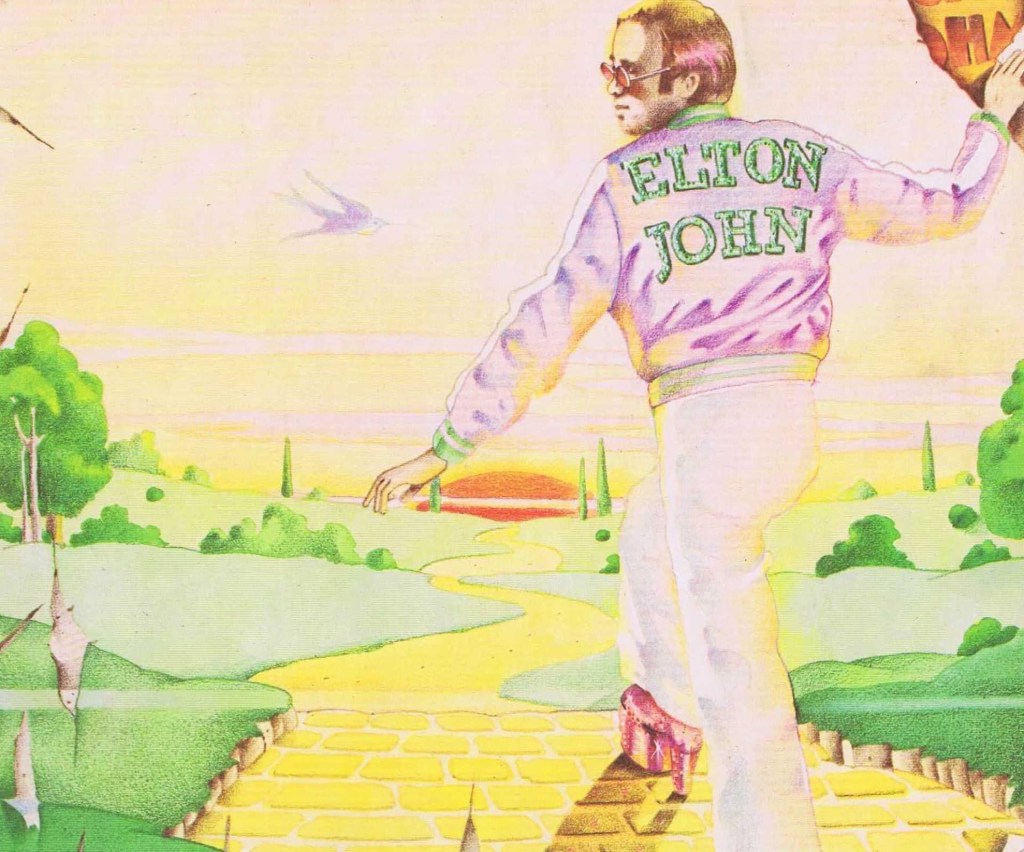
I was going to be a music therapist if it killed me. But what good is a dead music therapist?
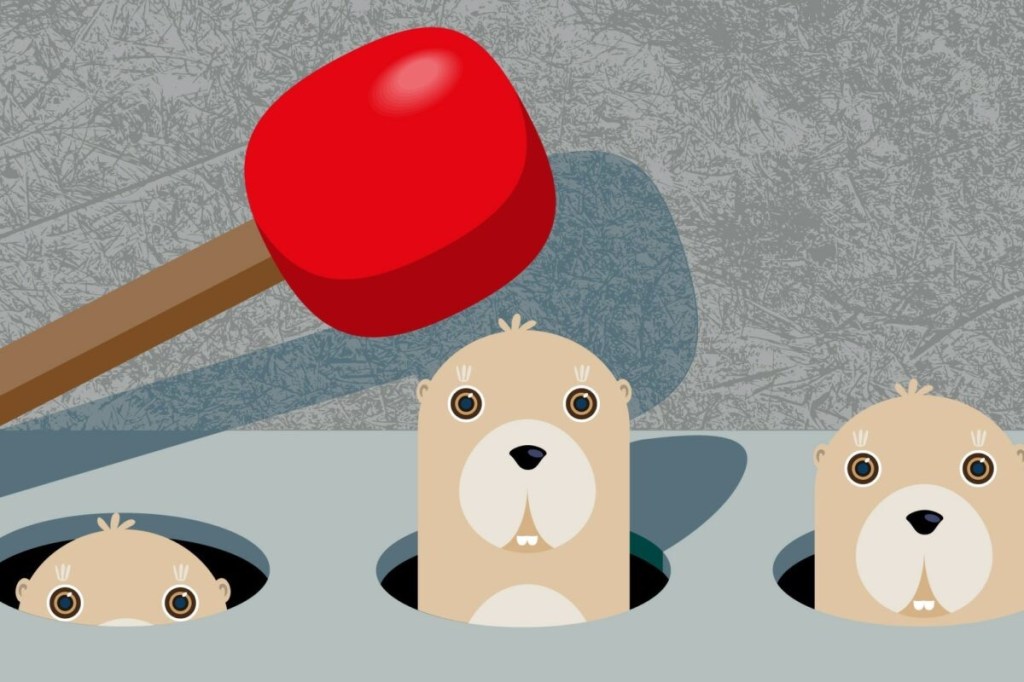
I came home from work every day crying because I felt like I wasn’t good enough. It was like playing whack-a-mole with my weaknesses — I’d knock one out only to have three more pop up in its place. “You’re not empathetic enough.” “You can’t read people well enough to be a therapist.” “Feedback goes over your head — or maybe you’re too stubborn to listen to it.” “Oops, you shouldn’t have said that in a session.“ And the one that caused me to drop everything and leave:
“You’re causing more harm than you’re helping.”
Suddenly, I felt like the mole getting whacked.
I was so distraught, for a moment I considered driving my car off the bridge and into the fucking river. Don’t call the psych ward on me — I’m too scared of death to actually act on anything. But the fact that the thought even occurred was my signal that maybe this wasn’t right for me.
I blame a lot of my failings on my particular brand of neurospiciness. A lot of times it felt like my supervisors were speaking another language, and my clients were speaking a completely different language, and I was just this alien being trying to simultaneously decode the feedback I was getting and figure out how to react to what was happening in session in real time without a guidebook or translator. It became very draining for me, to the point where I couldn’t give it my all anymore and I was flailing.
There are neurodivergent music therapists — I’m friends with a handful I could name right here. But my brain just isn’t wired in a way that works well with the clinical mindset you need to be a music therapist, and I’m coming to terms with that. All of the academic papers I’ve written and scholarship-winning presentations I’ve put together and wordy books I’ve read couldn’t have prepared me for the work I had to do.
And that’s okay. Maybe I’m meant for something else.
I wish I hadn’t wasted all of my adult life (and thousands of dollars) on a career that ultimately ended up not being a good fit for me, but they say nothing that leads you to the path you should be on is a waste of time. Perhaps this twist in my story will take me to exactly where I need to be, and if that’s the case, I don’t regret a thing.
As of writing, I’m figuring out my next steps. My dream was to open a recording studio for people of all ages and abilities, but I don’t need some lofty certification to do that. I could start that studio without the MT-BC title, damn it, and just not call it music therapy. It’ll be my own thing. Sometimes when the path to what you want crumbles, you carve out your own path. And that’s exactly what I plan to do in my own time. In the meantime, I’ll fine tune my music production skills and probably teach guitar lessons for a living, at least for a while.
It’s funny, I’m writing this in a little artsy coffeeshop in South Bend, Indiana that has a piano for anyone to play. I sat down at the bench and just played my heart out for the first time in a long time, and it was freeing. There were no expectations, no degree to earn, no supervisors to impress. It was just me and the music (and the room full of coffee-drinking patrons minding their own business). After a while, a little girl came up to me and told me she liked my playing. I invited her to sit with me and I showed her how to play a basic chord, and her face just lit up. As she left, I smiled to myself. That special little moment didn’t need a degree or a certification to happen. It just needed the genuine human connection only music can create, and nothing can take that away from me.
In Defense of Taylor Swift: A Music Therapy Perspective
Taylor, Taylor, Taylor — I don’t even have to say her last name, and we all know who I’m writing about. Leave it to Ms. Swift to take one of the most common English-language names and claim it as her own.
Full disclosure: I am a Swiftie, though I’m not one of the crazy stans. I won’t say every single song she’s ever written is a masterpiece. I won’t even deny that she has some problematic elements (although in her defense, she has apologized for some of these transgressions, even retroactively changing the lyrics of one of her songs). She definitely had a leg up getting started as the daughter of a wealthy businessman. Still, even if she hadn’t been born into her charmed life, her talents as a songwriter and performer would have certainly been noticed by the industry one way or another. There’s no denying her talent for crafting catchy, relatable music.
And that’s what I’m here to talk about.
I have probably twelve clients I see regularly as part of my internship, and while their tastes vary drastically from person to person, there’s always one constant — Taylor Swift. She’s on every single client’s playlist. Some of her songs are used as lyric analyses for clients processing events and emotions. Some are used for “fill-in-the-blank” style singalongs, like “Karma” or “Mean.” A few of her songs, like “You Need to Calm Down,” are simple enough to play with boomwhackers, or giant tubes meant to produce a certain note when you smack them against something.
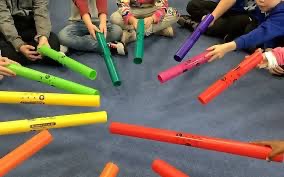
And I think there’s a reason why her music is so ubiquitous in the music therapy world.
You see, it might sound weird, but I often look back wistfully to a time when music was less fractured, when everyone listened to the same five radio stations in their area. You knew that as you sang along to Michael Jackson being spun by your favorite DJ, there were hundreds of other people in your city singing along. These days, there are so many microgenres and independent artists, there’s no guarantee anyone else in the world is listening to the same song as you at any given time. For better or worse, there’s no such thing as monoculture, which means there’s no universally beloved artist anymore. And that means in this day and age, there are no real rock stars.
But then there’s Taylor.
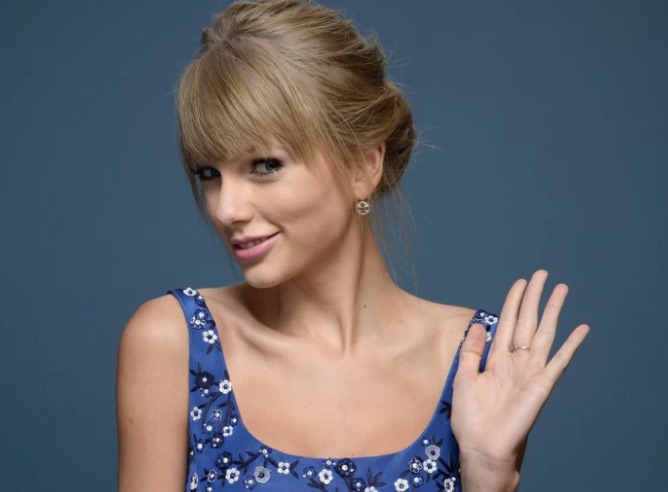
This woman is the closest we still have to the true definition of a rock star. She’s our generation’s Freddie Mercury. Young or old, male or female, black or white — chances are you like Taylor’s music to some extent. And that makes her invaluable in music therapy.
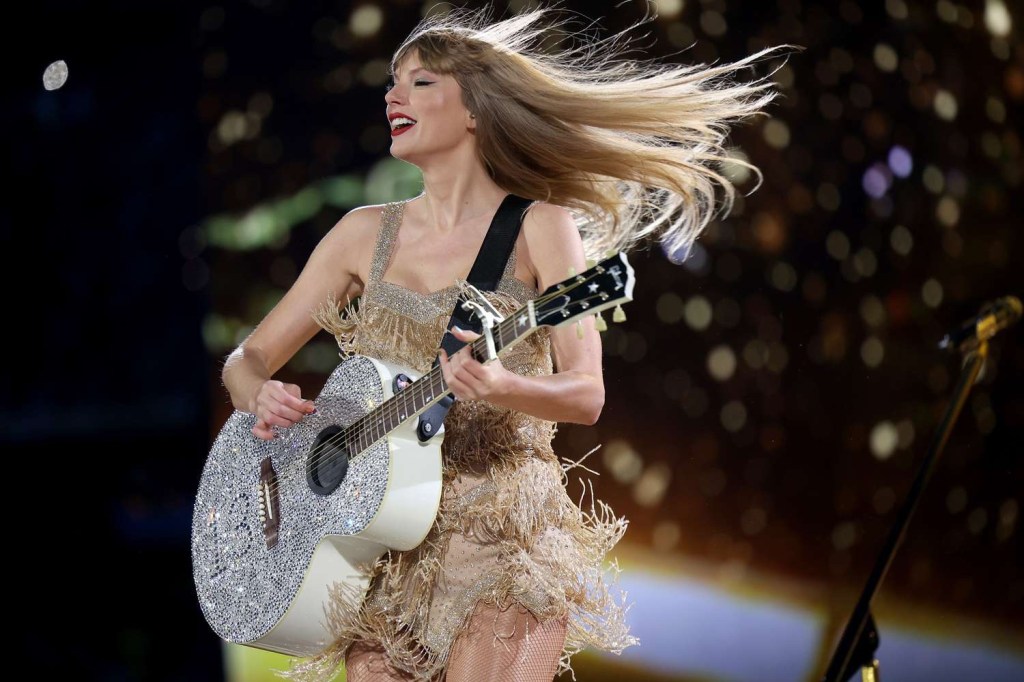
As a music therapy intern, my iPad is chock full of Swift songs, and I keep having to add more as my clients request them. There’s something about her music that captivates people on a deeply personal level, and I’m constantly finding creative ways to use it for therapeutic purposes. There’s no other artist whose music reaches the masses on this level with such consistency, and it’s actually pretty inspiring to witness. The power of music is nothing short of miraculous, and no one seems to embrace that fact quite like Taylor (who, I should add, donated a music therapy program to a children’s hospital).
Something tells me she would have been a great music therapist in another life.
How My Parents Convinced Me to NOT Become a Doctor
I’m about three weeks into my internship now. I don’t know why I’m shocked. I guess I assumed I’d spontaneously combust before I got this far, but here I am, actually doing the damn thing.
It hasn’t been an easy road, but at least I don’t have to go it alone. My wife’s been so supportive and understanding, cheering me on from the sidelines (well, from the couch in our Airbnb). Sometimes when it’s especially stressful, she puts on kids’ shows to cheer me up. Today, she put on Bluey, which is her go-to for wholesome entertainment.
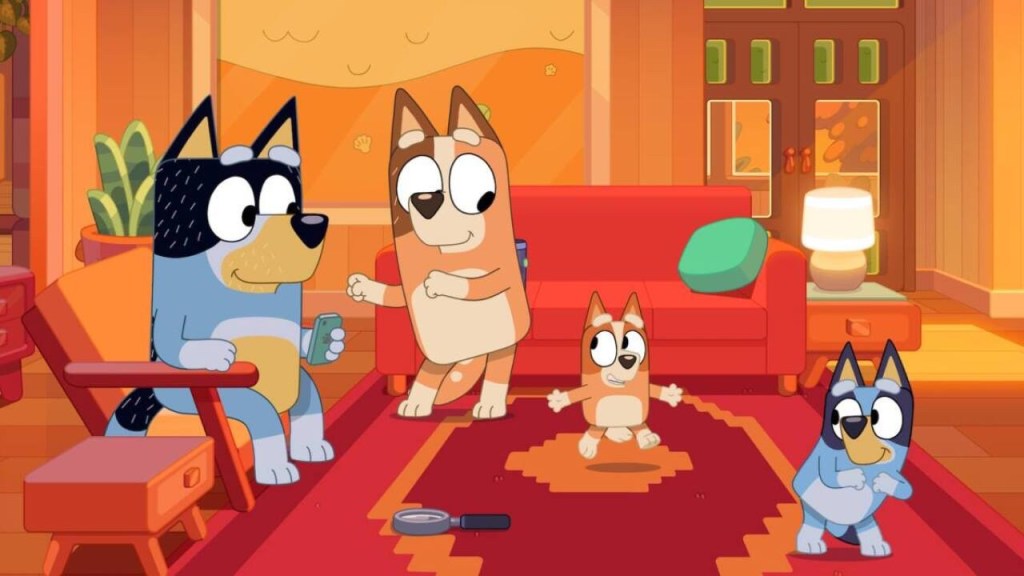
The episode she chose was “Dragon,” where the titular puppy’s family draws and narrates a fairytale adventure. The rest of the family is floored when its matriarch reveals her secret talent — she can really draw. While the dad struggles to draw a simple stick-figure donkey, the mom illustrates a beautiful horse companion for her character in the story. A flashback reveals the true reason she’s so good at art — her own mother encouraged her when she was a child.
“Doesn’t that remind you of us?” my wife said. “We’re good at what we do because our parents encouraged us too.”
You see, I wasn’t always going to be a music therapist. When I first signed up for college courses as a high school senior, I had my mind made up. I was going to be a cardiologist. I liked to tell people I was doing it because my dad had a heart attack and I wanted to help other people like him, but the real reason was because my boyfriend’s best friend’s dad was a cardiologist and he was like, really rich and powerful. So I decided I was going to be a pre-med student.
But fate had other plans.
The night I went to orientation and declared my major, my parents walked in on me practicing guitar. They sat me down and lovingly told me that if I went down the med school path, I’d be wasting my talents. They told me I had a future in music, be it as a therapist, professor, or rock star. Screw the money and prestige — they encouraged me to follow my passion instead.

So I called up the university right away and told them I’d made a mistake. And that’s how I ended up studying classical guitar instead of, I don’t know, anatomy and crap.
Music hasn’t been an easy road, and I almost gave up multiple times. There were the times I dropped out of the music therapy program. There was the time my own pastor told me I wasn’t a good enough guitarist to perform on stage. There was even a time I almost gave up on playing music entirely after my first real band broke up. But each and every time it got difficult, I went back to that conversation with my mom and dad, and I remembered why it is I was put on this planet — to make the world a brighter place through music. And I pressed on.
There will be times during this internship where I’ll want to give up. But I have so much support and so much love in my life. It’s why I’m able to do what I do. I still remember the pride in my dad’s eyes when he’d tell everyone he’d meet about how his seventh grader could write and perform her own music. That kind of stuff sticks with you. I want to make him proud.
I’m going to finish this internship and make it as a music therapist, even if it kills me.
How to Be More Original
So, I signed up for a virtual audition with The Voice. Get your laughs out now; I know it’s silly. But I’ve wanted to be on one of those ridiculous singing shows ever since I was little. The Voice. American Idol. X Factor. Like, I’ll take any ridiculous singing show.
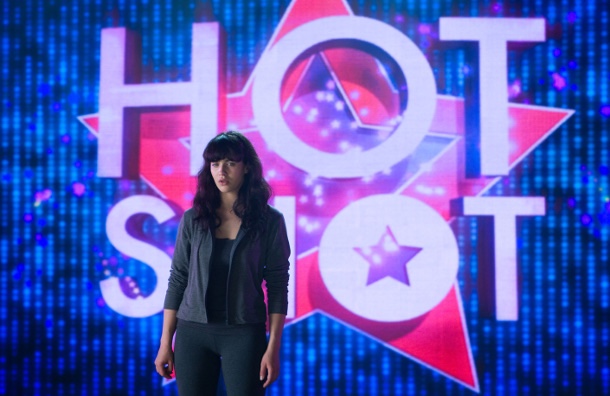
I remember watching those shows with my family as a kid and imagining I was on that stage, performing in front of millions of people at home. My name would be in lights. I’d actually be popular, which was a pipe dream for socially awkward, autistic little Jess, who discovered performing music was a way to make people like her.
My first foray into the world of televised singing competitions came in college. I found out the American Idol auditions were coming to Detroit. I stood out in the cold with my two best friends at the time, Crass, rehearsing my little heart out with my guitar and chosen two songs. I’d play a jazzy cover of “You Give Love a Bad Name” followed by my original, “Oceanography” (which I recently re-recorded and released, actually).
I knew I had it in the bag. And to be honest, I did make it pretty far into the audition process. Something no one tells you about American Idol is it’s not one or two standouts and five hundred duds auditioning. NO. It is quite the opposite. You’ve got five hundred Mariah Careys in the room with maybe one or two William Hungs.
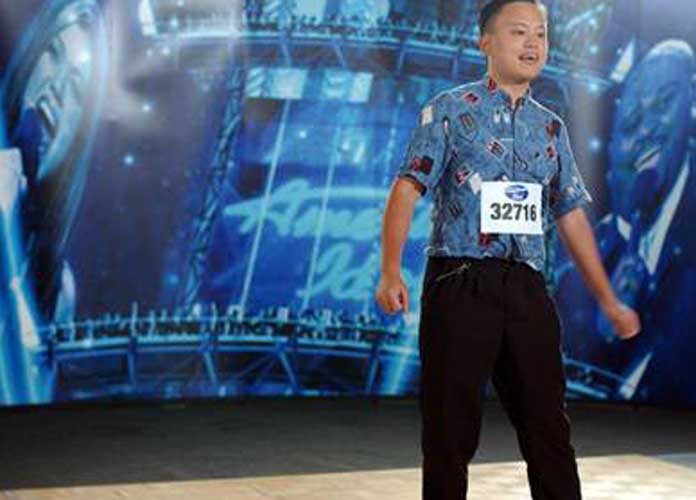
So the fact that I made it three rounds into the audition process is astounding. I passed the initial audition, another audition in front of a set of producers, and made it to the executive producers.
Judging by the fact that I’m typing this and not, I don’t know, on a yacht sipping a pina colada with Simon Cowell somewhere, I obviously didn’t make it.
It’s what the producers told me that will stick with me forever though.
You’re just not unique enough.
After years and years of being the outcast for being too unique, I, Jessica Joyce Salisbury, was not unique enough.
I almost laughed. It didn’t seem right. I wasn’t like any of the other girls auditioning. I had blue hair at the time, for cryin’ out loud.

I guess in a sea of, say, Ypsilanti, I was basically the town’s Taylor Swift, but in a sea of millions, I was just another girl with a guitar. There wasn’t anything original about me. I didn’t have some sad sob story except the fact that I grew up without friends (which is a sad sob story another million other singer-songwriters already have). I didn’t even have that unique of a look. I didn’t come in there looking like Lady Gaga, or that girl who wore a bikini to her audition. I was just…ordinary.
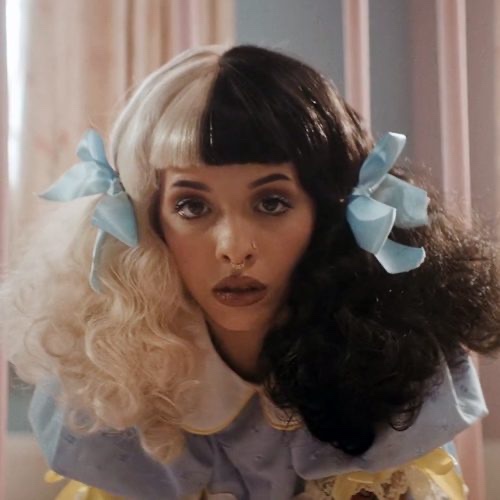
I think I’m running into the same problem now as I go about promoting my music. Every artist needs a hook, and I honestly don’t know what mine is. I’m autistic and ADHD. So? There’s millions of neurodivergent artists out there doing the damn thing. I don’t have a unique look about me. I dyed my hair black in part to quell comparisons to Swift, but now people, especially older ones, compare me to Ann Wilson from Heart. Not that I minded either comparison all that much, considering both women are musical inspirations (and big gay crushes) of mine, but I wish I had a look that stood out more. Even the split-dyed look I sported for a while has already been done better by Melanie Martinez.
I don’t know what I need to do to set myself apart, but I’m sick of being the only person who cares about my music. I just wish I knew how to make other people care about my music. I can’t just pull a U2 and download my songs onto other people’s devices or like, stream “Oceanography” or “Sweet Honey” directly into people’s heads. (If that were possible, it probably wouldn’t be legal.) I’m not a virtuoso by any means, but I’m a damn good songwriter. That should be enough, but we live in an age where anyone with a laptop can be a songwriter and produce their own music. That’s not a bad thing, but it does make the competition that much more fierce.
Maybe I’ll get through the Voice auditions and finally get my big break, who knows? All I want is for my music to be heard by other people. I’ve always made music as a way to connect with other people. I don’t do it just for my own amusement.
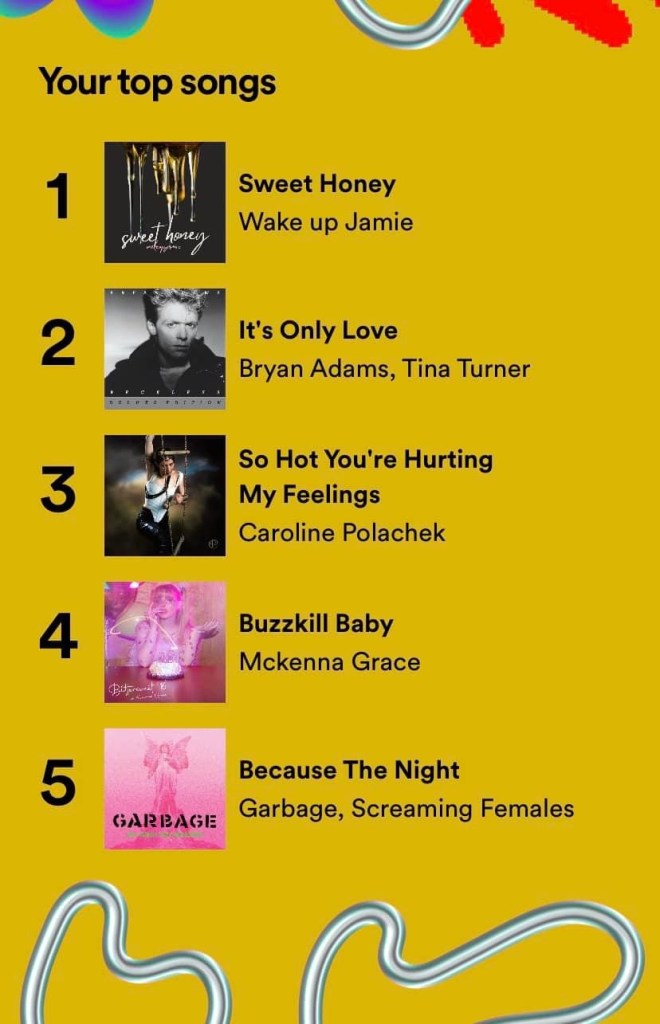
I didn’t answer the question in the title, mostly because I still don’t know myself. I guess I’ll always be on the journey to find new ways to stand out in a big wide world of other creators. That’s all we artists can do.
New Music: Oceanography
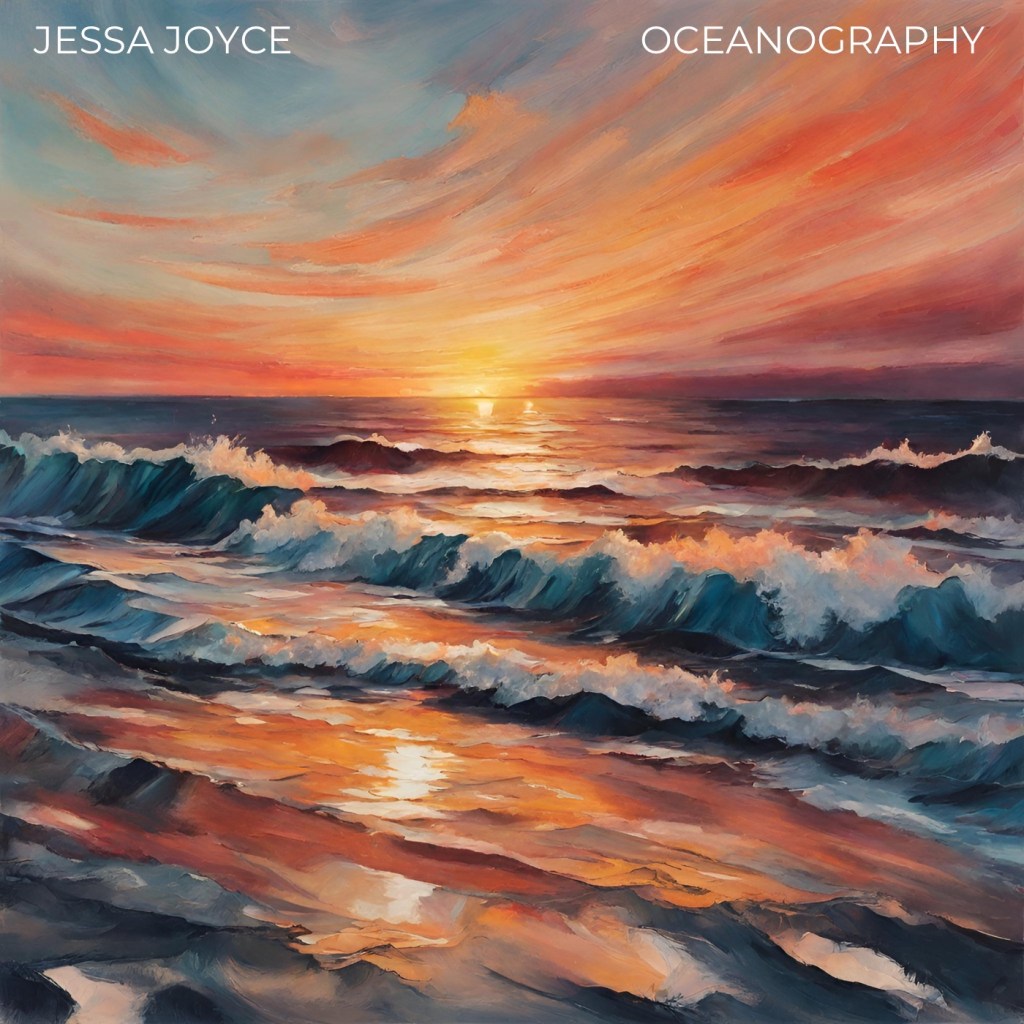
I’m going to start using this platform to promote my music endeavors as well. They’re both part of me, my writing and my music, so it feel appropriate to use my personal website for both, right?
Anyways, here’s my first official release under the name Jessa Joyce, and it’s a rerelease of my very first EP, which was originally released under the Wake Up Jamie name. (Wake Up Jamie is now a band, but these rereleases will be technically a solo project. Confused yet?) This is the title track, which is in the process of being released to streaming platforms everywhere, but can be listened to right now on Bandcamp, or right here!
The song itself is about longing, about meeting someone and being so enamored with them, you want to know anything and everything about them. It was written by a very wide-eyed younger version of myself who was in love with the idea of love, and I feel like some of that giddiness is still hidden within this more updated version. At the time, I was obsessed with all things nautical, hence the title and the theme of the song. All of the songs on the EP have a slight nautical theme to them, which I still really love. I’m a Michigan girl at heart, so what can I say? I really like large bodies of water.
Here are the lyrics, so you can sing along!
Oceanography (words & music by Jessa Joyce)
You’ve got an ocean in your eyes
And I can’t spot land for miles
Throw away the compass and the maps that I’ve used
I wanna get lost in you
Fishing lines wrapped around your oar
I’m a boat tied to your shore
I won’t scream when the seaweed slips into my boot
I just wanna get tangled up in you
Cause I wanna know everything
If you’d just drag me to sea
And I, I’d give you everything
If you’d just give me the key
In my mind your body is a book
Crammed with all the notes that you took
About the destinations and the places that you’ve seen
I wanna feel your story in me
I’ll cast my dreams upon sailboats
Reading Flowers For Algernon on the east coast
I’ll feel the warm breeze upon my lonely seabed
And I’ll wish it was you instead
Music Reviews No One Asked For: Shadows Collide With People by John Frusciante
What’s your all-time favorite album?
Well, thanks for asking, daily writing prompt. I guess I can’t technically call this a music review no one asked for now.
I had a few albums in mind when I saw this particular prompt. Futures by Jimmy Eat World was my first instinct, being the album I cried to as a baby emo in high school while sneaking into the abandoned house down the road to hide from the world (I was dramatic as heck). folklore and evermore by Taylor Swift were contenders as well, being the answer to my prayers that she’d attempt a moody folk album. But I kept coming back to one particular album — Shadows Collide With People by John Frusciante.
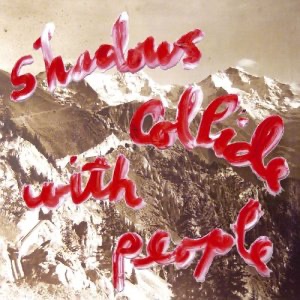
Now it’s no secret I’m obsessed with John Frusciante, despite the fact that I don’t think I’ve ever mentioned him on this blog. It’s a shame, because there’s so much I could say about him. Like how we share a birthday. Who else can say they share a birthday with their favorite guitarist? Or how he talks to cats. Or how “Frusciante” because the new “f-word” in the newspaper office I worked in because I wouldn’t shut up about him. (The word “potato” was also banned in the office for unrelated reasons.)
I found Shadows Collide With People at a thrift shop or something back in 2015. It was around the time I’d just graduated from college, landed absolutely no job, witnessed my band implode in the most explosive way possible, was battling a burgeoning alcohol problem, and had my heart broken once again by the man I thought was the love of my life. All this to say I was in a pretty dark place. I remember driving around crying to this album, with its highs and lows reflecting my own turbulent life at the time. Even though John Frusciante’s struggles were not the same as mine (I never did heroin, for one), somehow I felt less alone knowing my hero had been to similar dark places. And wrote a pretty bitchin’ album about it.
The album itself opens with “Carvel,” a suitably weird rock song that uses ice cream cake as a metaphor for drugs. It’s probably one of my favorites by Frusciante in general, and sets the stage for all the angsty goodness that’s yet to come. The follow-up is the much more chill “Omission,” which features Frusciante’s protege and eventual Red Hot Chili Peppers guitarist Josh Klinghoffer’s soaring vocals. “Regret” comes next, repeating the simple yet somber line “I regret my past” over melancholic music.
“Ricky” and “Second Walk” are both fun uptempo bops, but the mood is jarringly brought back down by the eerie “Every Person.” The next portion of the album contains two electronic instrumentals, both sparse and unsettling, as well as the catchy “Wednesday’s Song” and “This Cold,” which could easily have been a RHCP song. “Song to Sing When I’m Lonely” is sure to get stuck in heads, and “Time Goes Back” feels oddly nostalgic in a way I can’t put into words.
The next three songs are fairly forgettable in my opinion, but fit in perfectly with the context of the album. “Chances” is another catchy one, although not my favorite on the album. What follows is yet another eerie instrumental, although this one feels more sad than startling. The closer, “The Slaughter,” is, in my opinion, a masterpiece, and the perfect way to close this absolute adventure of an album. “I know my pain is a life away,” Frusiciante croons wistfully, and as the final few chords ring out, you feel it.
I think what gets me about SCWP is the fact that it takes you to some deep, dark places, but it doesn’t leave you there. Instead, the album takes your hand and leads you back out into the light with the final song. I’ve always loved a good story, and this album feels like one. It has a way of meeting you where you’re at, in the midst of the pain, and reflecting your emotions like a musical mirror. I can honestly say it has helped me through some difficult spots.
I’m studying music therapy for a reason, and I think SCWP is a beautiful example of what music can do. It displays the entire range of human emotion in a very raw and unfiltered way. Even though I’m in a much better place now, this album will always hold a special place in my heart.
A Life in Song: Why I Owe Everything to the Art of Music
What would your life be like without music?
Sometimes I wonder this to myself. After all, I’ve built my entire life on this weird-ass human phenomena of taking noise and making it pretty.
Like, I don’t think music has ever not been a part of my life. I remember being a small child and spinning around humming little tunes I made up. I didn’t have any means of writing them down or recording them, but that was the beginning of what would become a lifelong love of songwriting.
When I was eight, my parents bought me a guitar. Two years later, I started lessons. I’d already been kicked out of ballet, tap, gymnastics, and swimming thanks to then-undiagnosed ADHD, but music lessons were different. Not only could I literally not get kicked out of one-on-one lessons, I actually enjoyed them enough to pay attention. I studied in a basement with this college kid named Eric, who my mom thought was hot. Over the next few years, I’d learn the basics of music theory, initially against my will.
“You’re going to need this stuff if you ever want to study music in college,” Eric told me.
“Nah, I want to be a doctor,” I probably said.
Sure enough, I went on to graduate high school, but not before selling my soul to the music department. I participated in nearly every ensemble — in fact, I was in almost all the acts in the annual dinner theatre (which involved a lot of costume changes). Outside of school, I volunteered to play in the church band, which gave me a sense of confidence I never had before. I was regularly performing with and learning from players who were far better than I could imagine being, and as I grew as a musician, I found myself as a person.
When it came time to register for classes, I went for pre-med, but upon arriving home after college orientation, my mom and dad overheard me practicing guitar.
“You’re wasting your talents,” they said, as they became the first parents in the history of human civilization to convince their child to pursue music instead of medicine.
So I immediately switched my major to music, and things just sort of fell into place.
I am where I am now, about to start an internship in music therapy and on the cusp of something great with my band, because of my relationship with music. It’s given me so much confidence with other people — growing up autistic, I had a hard time socializing and communicating. But music helped me to find my voice and make friends, some of whom I now consider family. It’s enriched my life in such a profound way, I’m struggling to think of how my life would be different without it. It’s difficult to even imagine. I’d likely be a lonely reluctant cardiologist with no passion for life.
Music is such a blessing. It connects us in ways nothing else can, and I’m so thankful I get to partake in it as a musician.
 JESSA JOYCE