How Sad, How Lovely (Or, The Tragic Tale of Connie Converse)

It’s not uncommon for me to feel a kinship to a person I’ve never met — and never will meet. From Freddie Mercury to Zelda Fitzgerald to a number of murder victims from the scores of true crime podcasts I binge, I have a tendency to see myself in various figures. I think everyone does this to an extent. Whether it’s a fictional character or a real human who walked this earth, we all want to find someone to relate to in the things we consume.

I was listening to a podcast on unsolved mysteries when I learned her name. Elizabeth “Connie” Converse, a fledgling but pioneering singer-songwriter who gave up and ran away to places unknown, never to be heard from again.

The listening experience was eerie as hell, as the narrators rattled off various facts about her life. She worked as a writer and editor. She was also into visual art in addition to music and writing. She lived in Ann Arbor and likely walked the same streets I do today. And like me, she was plagued with depression, or as she worded it, a “blue funk.”

Connie, born in 1924, would throw herself into the local music scene in the 1950s, playing living room shows and doing home recordings with artist and animator Gene Deitch of Tom & Jerry fame. Her songs are often described as ahead of their time — think a proto-Joni Mitchell. She wrote about subversive themes for the time, things like sexuality and racism. In fact, many consider her the earliest example of the singer-songwriter genre in the US. So why has no one heard of her? Simply put, she never managed to make an impact on wider audiences. Disheartened, she gave up on music and eventually would pack her bags and disappear forever, not even telling her own family her whereabouts. Her fate remains unknown.

But her music survived. In an interview, Gene Deitch shared some of the music he’d recorded in his younger days, including Connie’s music. This sparked a renewed interest in the forgotten artist, and in 2009, an album of her music was released to the public. She finally gained the recognition she’d always wanted. And yet, no one knows if she was even alive to see her half-century-old project see the attention it deserved.

Considering she’d be closing in on 100 years old now, the chances she’s still alive somewhere is incredibly slim. But I wish she was. I wish I could meet with her in some quiet cafe and just talk about music, art, life, anything. I know we’d be kindred spirits. I’d tell her my own frustrations about trying to make it in music, about my struggles with mental illness, how I’ve fantasized about simply disappearing sometimes.

But I can’t have those conversations, so I’ll settle for continuing her legacy. I’ll take her life and learn from it, glean inspiration from it. I’ll be the best songwriter I can be. I’ll be the best writer I can be. I’ll live a life that would make her proud and kick depression’s ass.

Do it for Connie.

Like life, like a smile
Like the fall of a leaf
How sad, how lovely
How brief
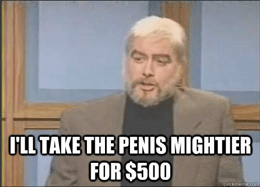
The Pen is Mightier

When I threw in the towel on writing after several failed attempts at breaking into the languishing journalism industry, my mom was the one who inspired me to start blogging instead.

“The world needs your voice,” she said. “The pen is mightier than the sword.”

And then I reminded her of this bit, and then we both laughed because we have such highbrow taste in comedy.

But me? Why me? I have nothing to offer. Who wants to read the ramblings of some twentysomething millennial with too much time on her hands and no real expertise on anything except Bon Jovi and Pokemon? It’s not like I’m a political pundit or theologian. I can’t start a compelling mommy blog with all zero of my children, traveling to fascinating places is well outside my means, and I don’t have a brand to promote. All I have is myself and my admittedly mundane life experiences.

But maybe that’s enough. When I posted my most recent blog post, I was blown away by the response it garnered. In a day, it became my most viewed post by far. And my messages exploded with responses. People saying I inspired them, that they didn’t feel alone anymore in their own battle.

You see, when I began writing, back when I was in second grade, it happened out of another, albeit less traumatic, trauma. As a weird-ass kid who almost definitely had some kind of autism spectrum disorder, I was bullied pretty relentlessly as a child, and I needed an escape. That escape was storytelling. My mind overflowed with these silly stories I’d make up, and the characters in these stories became imaginary friends to me in a way. Whenever something shitty happened to me, I’d write it into the story, and by having one of my characters experience it too, I felt less alone. Writing became something therapeutic and almost sacred to me. I wrote relentlessly during class throughout elementary school, and when my family got its first home computer in eighth grade, I eschewed chat rooms and games for the word processor. Whenever I had a bad day, I’d just throw myself into my writing, and everything around me would be just a little better.

I think that’s why I still write, even after all these years, and I think that’s why I share my writing here, even when it’s difficult. Because if I can help just one person feel less alone in their struggles, everything I’ve ever gone through — every mental illness, every bad experience, every ranch dressing packet hurled at child-me — will have been worth it.

So You Want a Lobotomy

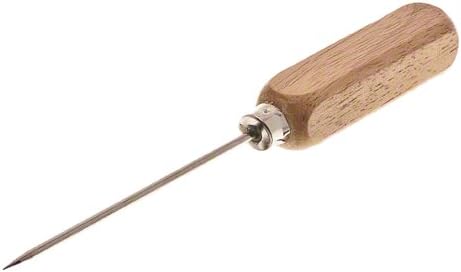
Amazon.com: Browne 7-1/2" Ice Pick: Industrial & Scientific

I used to wonder why somebody would consent to something as barbaric as a lobotomy. The older I get, though, the more I understand why someone would want to stab an ice pick through their brain.

There are days I wish I could do it to myself, perhaps with the nearest writing implement. Anything to numb my brain for just a moment. As you’ve seen in my previous posts, I can’t do much weed without literally going crazy, and alcohol tends to become a problem if I use it too often. And what would numbing myself to my own thoughts do? You can only get so high before the inevitable fall. And even if I lived an entirely straight-edge lifestyle from here on out, which is a real possibility considering every legal substance short of caffeine has been problematic for me, and had all my symptoms under control via my psych meds, there’s always that worry that the intrusive thoughts and anxieties are going to come back, probably worse than ever. That’s how it’s always been. Out of one storm, directly into another.

I’ve been getting back in touch with my faith, though several roadblocks have tried to stop me. One of the biggest has been my mental health. It’s hard to imagine a loving Father letting his child go through this when He has the power to stop it. I’d readily stab myself in the brain with a pencil if it meant my future children didn’t have to grow up with depression and OCD like I did. Maybe life is like a game of the Sims, and just like I give my Sims unfavorable traits to spice things up sometimes, God’s like, “hmm, let me sprinkle a little bit of mental illness into this one and see what happens.”

What Is Simulation Theory? Do We Live in a Simulation? | Built In
(And then I get paranoid that all of existence is a simulation and then it’s back to being hella frustrated I can’t have a freaking brain that doesn’t suck.)

But a part of me is convinced that my mental illnesses aren’t just a design flaw or an accident of evolution or even the work of a capricious deity. Perhaps there is a deeper purpose behind it all. When I was younger, I had no frame of reference for what OCD or depression even was, aside from the cartoonish portrayals in the media. I knew something was wrong with me, but no one talked about mental health. It was this taboo subject. Maybe, just maybe, I was given my particular brain, as well as the capability to write, because the world needs more voices from mentally ill folks. Thankfully, mental health is well on its way to becoming a normal and acceptable topic, but it’s still hard to be young (or even older) and feel like you’re alone in this fight.

I love the New Living Translation of Psalm 139:14 — “Thank you for making me so wonderfully complex! Your workmanship is marvelous—how well I know it.” We are complex, and no place is that more evident than in our brains. We’re human and flawed, so like the rest of our bodies, it’ll malfunction from time to time, but that doesn’t stop it from being beautiful. Like the rest of God’s creation, we need to care for that brain and our bodies. You have only one — treat it like the treasure it is. And if you’re struggling with mental health, rest easy knowing you’re in good company.

That Feeling When You Die in Another Dimension

I guess when you have a mental illness, you need to stay on your toes.

I have OCD, which I assure you is not cute or quirky. There have been times it nearly drove me to suicide. Not exactly something you’d see on Monk or in one of those “These pictures of disorganized garbage will drive you insane” posts your grandma sends you on Facebook. I have a particularly hellish but not uncommon form of OCD where you hyperfocus on the fact that you can, in fact, hurt someone else and/or yourself at any time. You know in your heart you never would, that you’d sooner yeet yourself into a meat grinder before actually harming anyone, but the fact that you have the power to or that it even crossed your mind in the first place makes you feel like absolute shit.

I had it under control for almost a year, no panic episodes or anything. HAD. 

Because I Got High - Wikipedia
Ah yes, the theme song of this blog post.

It was probably triggered by the weed, to be honest. I decided to unwind with a little, not thinking it would have any significant impact on me. If it’s legal now, it should be fine, right? I’m in a safe place, my OCD and other mental health issues have been tamed, and overdosing isn’t really a problem with weed. I thought for sure I’d be okay.

Wrong. Absolutely wrong. It started when I had a thought pop into my head, as thoughts tend to do, but this one was about a story I’d read in my psychology textbook years ago. This ordinary, straight-laced guy had a brain tumor that essentially turned him into a pedophile. What if that happened to me? Or what if I got some kind of brain injury that made me a murderer? What if I killed someone? What if the weed damages my brain to the point where that actually happens? What if I’m killing my fiancée right now? What if my fiancée was killing me instead? Why is my throat so tight? Am I being choked? Was my throat slit? If I fall asleep, will I die? Am I already dead? Did I die in another continuity?

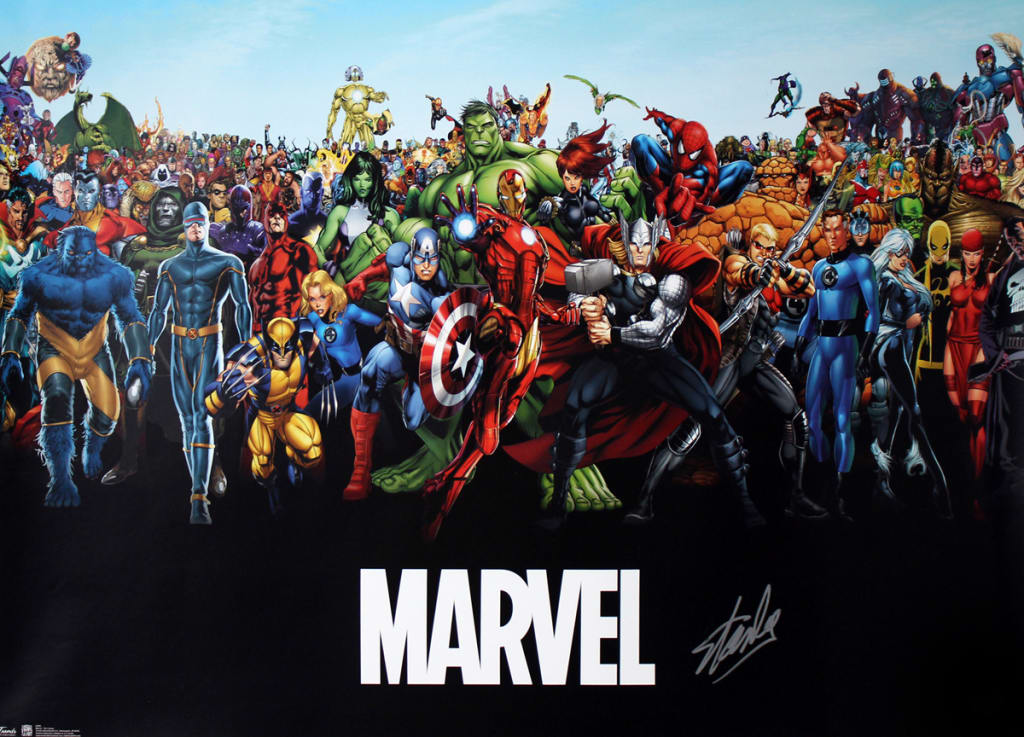
Sayonara Earth 616! The Marvel Universe Is Gone!
Earth-616 Jess is dead. RIP.

Of course none of this actually happened, but the delusions felt so real to me. It’s a wonder I didn’t end up in the psych ward.

I finally came to, with a new realization that my OCD wasn’t tamed but simply dormant, and the thought that a substance, even one as innocuous as weed, can reignite the flames of mental illness is horrifying. This isn’t a ‘90s DARE “drugs are bad, mmmkay?” type thing — I know it legitimately does help some people, and that’s rad. But if you’re living with a mental health issue or take any kind of psychiatric medication, you have to be incredibly careful and accept the fact that weed (or alcohol or anything) might not be for you. You’re not missing out by living sober when your own sanity is at stake. As for me, I no longer wish to indulge in anything that can fuck with my brain. I refuse to let anything have that much power over me again.

This Is Me Trying

I was fortunate enough to grow up with Taylor Swift’s music, quite literally. She was always walking a step ahead of me, writing music that reflected upon the season of life I was currently in from the perspective of someone who’d just lived it herself. She felt like an older sister figure of sorts, creating the soundtrack to my own dreams and fears and letting me know that whatever interpersonal peril I’d gotten myself into, she’d been there as well.

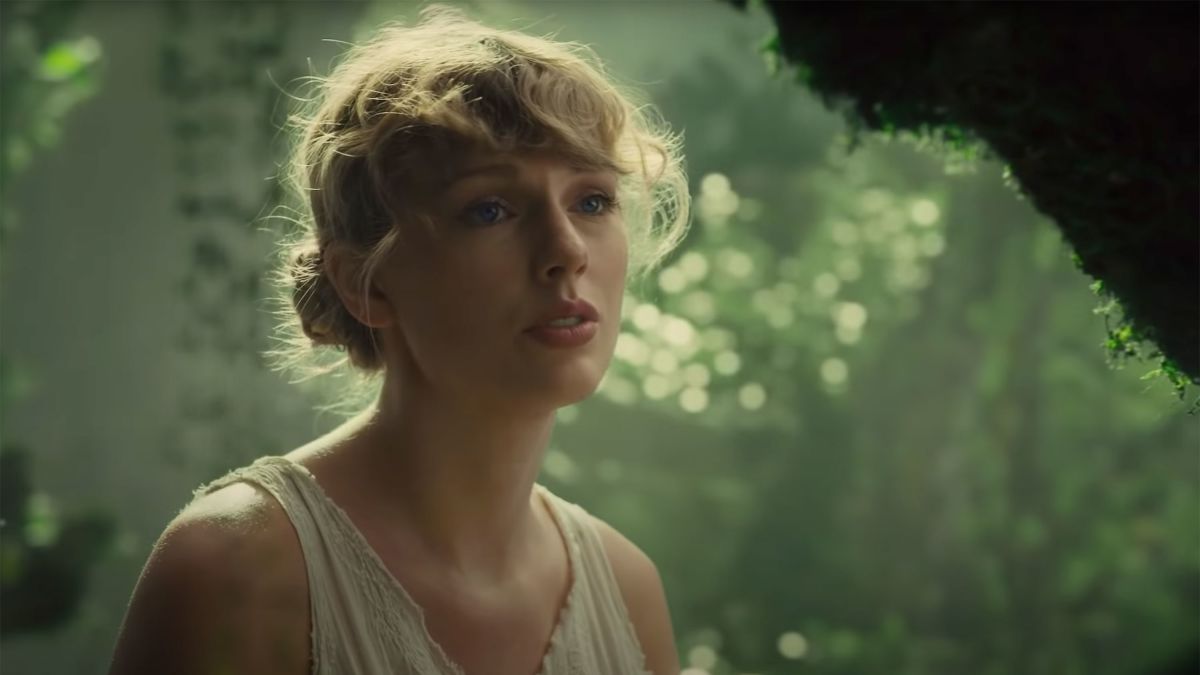
Cardigan' Easter eggs decoded - CNN

She knows all too well.

This isn’t an article about Taylor though. It’s about me.

If you’ve been following this blog at all, you’d know that I could slap my name on a copy of the DSM-5 and market it as my autobiography. And for the longest time, I was getting shitfaced at my own personal pity party in a paltry attempt to numb my own head. I was a ragged tapestry of depression, anxiety, a budding eating disorder, and what was becoming an addiction to alcohol. My fiancee was heading down the same road, two flaming tanker trucks careening down a highway with no brakes. Two nights ago, we crashed. I was sick. She was scared. I didn’t know how to help her. She had the worst panic attack she’d had in years. I just passed out in my own vomit.

In “this is me trying,” Taylor Swift details her own failures. Once again, I hear myself in the words:

I’ve been having a hard time adjusting
I had the shiniest wheels, now they’re rusting

They told me all of my cages were mental
So I got wasted like all my potential

I was so ahead of the curve, the curve became a sphere
Fell behind all my classmates and I ended up here

I was always the “good girl.” The “pretty girl.” The “smart girl.” I’d had mental health issues my entire life, but I’d always been able to manage them somewhat, at least enough to retain my position as the golden child. The stresses of adulthood and the weight of some poorly dealt-with traumas wore down my defenses until suddenly, I barely recognized myself. Of course I wanted to drink myself to death. I felt like I had little left to live for in the first place.

Then I woke up.

My fiancee drew a line. No more drinking. No more self-medicating. Instead, we stand and fight, and this time, we fight together. The battle against addiction and mental illness is never an easy one, but now, we have something to live for. In just the first few days of sobriety, we’ve rediscovered our creative passions, our love for each other, and our futures. Today in Whole Foods (while shopping for tea to displace our alcohol), we stumbled upon a can of fancy-schmancy cold brew coffee. Nothing special at first glance, but the brand name? Cadence. The exact name she and I had agreed to name our first daughter someday. And it felt like this peculiar sign that maybe everything would be okay.

No, no maybes. We were okay. Even if the road is hard, we’re going to get healthy and happy.

It’s still early in the battle, but I already feel victorious. The first step is admitting there’s a problem. And as I go into my second month of work, I’ll get my insurance back and finally be able to tackle all of the physical and mental health issues that have been holding me back. Then eventually, I’ll be able to finish my music therapy degree without the weight of my own mind pinning me down. We’ll save up money and get into a better living situation. And someday, God willing, I can be the mother Cadence deserves to grow up with.

And I just wanted you to know this is me trying.

“Add Lbs.” (Or, How I’m Learning to Cope With Not Being a Stick Figure)

I remember the first time I searched for a music video on YouTube, I was in my early teens. I wanted to find my favorite band at the time (and still one of my all-time favorites), Heart.

You don’t look at the comments section of YouTube. You never look at the comments section of YouTube.

It was the first time I was made painfully aware of how important looks — specifically weight — was for a woman. I couldn’t scroll past three comments without seeing someone mention lead vocalist Ann Wilson’s weight, usually in a rather snarky manner. Quite a few comments of the “man, she really let herself go” variety, though not typically that kindly worded.

Album Review: Ann Wilson's 'Immortal'

OH GOD, WHAT A SHE-BEAST!

I didn’t understand it. How on earth was one of the greatest female rock vocalists — no, one of the greatest vocalists — of all time reduced to something as shallow as how she looked? Oh, was I a sweet summer child.

For the majority of my life, weight wasn’t something I struggled with. I was quite the sickly kid, so I was actually dangerously underweight for most of my childhood. Puberty led to hormones and its associated cravings, so I gradually got a tiny bit pudgy as a preteen, but nothing alarming. As a teen and young adult, though, I had the body most women only dream of. The slim waist, the sizable bust — there was a reason I was called the “Barbie doll” of the school.

That was then.

After getting my hormonal IUD placed, I somehow ballooned almost 70 pounds. Now, I try to put on clothes I wore not too long ago and struggle to comprehend why I can’t even pull them over my hips. I have the strangest kind of body dysmorphia, where I see myself as smaller than I am, just because I’m so used to my body occupying less space. Then, I grab a dress I haven’t worn in a while. Oh wait, you’re fat now. That happened.

I started getting desperate to get rid of it, to the point where I began forcing myself to throw up after eating quite a bit. This is obviously very, very bad.

I don’t like having an eating disorder, but the first step to getting better is admitting it’s a problem in the first place. I want to be happy and healthy again. I want to feel pretty again. I got my IUD out last week (my birth control nowadays is having a female partner, which is pretty effective) and managed to drop almost ten pounds in one week from that alone, but I feel like the damage is done. Some women love to brag about their stretch marks. Your body birthed life into the world! I have nothing to show for mine. I don’t feel like a badass tigress. I’m a freaking housecat.

Chonker fat cat : Chonkers

Actual photo of me at the doctor’s office.

I wish I had a happy ending for this, but I don’t think I will until I’m at a weight I’m finally happy at. Even then, I think this is something I’ll always deal with in some form or another. I think it’s something most women have to deal with in some form or another, whether it’s weight or wrinkles or zits or skin tone or boob size or any variety of things we’re conditioned to fixate on. Not that this is a uniquely female phenomenon, but men tend to be judged by what they do first, and then by what they look like. Women tend to be judged by attractiveness first, then by their talents, especially in the entertainment industry. Men act, women are. And unfortunately, not even the greatest rock vocalist of all time was immune.

Ann Wilson - 80's music Photo (41808456) - Fanpop

HOW DO I GEEEEET YOU to dismantle toxic ideas about women’s appearances?

Confessions of the Class Weird Kid

“Eccentric.”

That was the word my older sister used to describe me when I was struggling as a child to fit in. Not necessarily wrong or bad. Just eccentric.

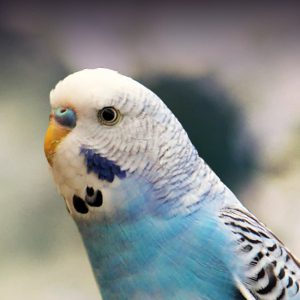
I supposed she was right, although I wanted so badly to hide it. My social skills were admittedly lacking. People, especially kids my own age, were a strange anomaly to me. I wanted so badly to connect, but it was as if a brick wall stood between me and them. Despite my lack of friends, there were things I sought solace in, primarily things I obsessed over. Things like Bon Jovi, Pokemon, birds, and whatever else I could learn as much about as humanly possible and further alienate myself from my peers.

parakeet budgie

My nickname was “Tweety Bird.” It was absolutely not an affectionate nickname.

This is all textbook Asperger’s, looking back, but the idea that I was on the spectrum at all didn’t enter my mind until I was well into my teen years. The therapist I’d had at age 13 had mentioned the possibility to my mother, but I don’t recall her ever telling me for several years. And why would she? Back then, “autism” was even more of a dirty word than it is now. Why supply the kids who gave me hell in elementary and middle school even more fodder?

A few days ago, this popped up on my Facebook feed.

Credit: Hvppyhands

This comic hit me hard. I slipped through the cracks as a kid because I got good grades and didn’t cause any issues in the classroom, but no one ever bothered to address my difficulties relating to others and making friends.

You see, when you’re on the spectrum, you’re often forced to “mask” the quirks that make you, well, you. You’re a square in a circle world, and you better believe that world is going to hammer your edges hard until you barely resemble the shape you began as. I remember when I first became aware of my own weirdness, somewhere around seventh grade. The stereotypical teen dilemma. I had a crush on a boy, and a popular one at that. I observed the way his friends acted and dressed and tried my hardest to emulate that. Gone were the clothes I felt comfortable in, and I put away the childish things I was obsessed with in favor of more typical interests. It got easier in high school. I was lucky enough to come of age at a time when the “manic pixie dream girl” type was trendy, so suddenly it became “cute” to be the weird girl. It took me a while to learn to pass as “normal,” but I became damn good at it. By senior year, I was class president and colorguard captain, but I still felt like I was concealing parts of myself.

That’s one of many reasons why autism is so hard to detect in adulthood — you’ve had all these years to learn how to mask these quirks. By the time you ask your current therapist about it, you’re met with a shrug. You might be some variety of autistic, but it doesn’t affect your life, so why bother getting a proper diagnosis? You’ve held down a job, you’ve had relationships — hell, you’ve been married! You’re not a “true” Aspie. And to be honest, this hurts. Your identity is entirely invalidated by the hammers that smushed in your edges to make you a socially acceptable circle. Or perhaps hexagon, because you know you’ll never be the perfect little circle everyone expects you to be. No matter how well you pass, you’ll always feel “other.”

That’s why I want to be more vocal about my experiences with Asperger’s and being on the autism spectrum, “proper” diagnosis or not. Because someday, some little girl not unlike my younger self might read this and realize that she doesn’t need to change herself for anyone.

It’s okay to be eccentric.

Remember Who You Are

Simba

Quarantine has led me to pick up a couple of new hobbies, the weirdest of which is probably tracing my family tree. I think everyone wonders where they came from at some point — no one just emerged from the depths of the earth with no parents or ancestors.

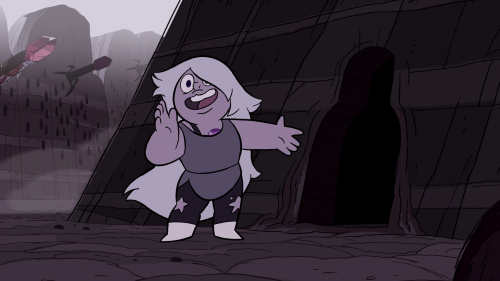
Amethyst

We can’t all be Crystal Gems.

When I began going through various websites and databases, I was cautiously excited over who or what I’d find, cautiously for two reasons. For one, especially being a white person with some roots in the South, there’s a chance I could uncover less-than-savory things about my family. But what if I couldn’t find anything about us at all? I come from a humble working-class family from Appalachia. There’s nothing special about us.

I was wrong. Very, very wrong.

I started by Googling my maternal great-grandparents’ names and hometown. Simple enough, right? I find an ancestry website and notice links to information on their parents. And their parents’ pages contain links to their parents, and so on and so forth. Down the rabbit hole I went, until the names started including titles such as Captain, Sir, Lady, Lord, Princess, King! I even traced my ancestry back to a legendary Welsh princess whose tumultuous life was recounted in an article that dubbed her the “progenitor of Britishness.”

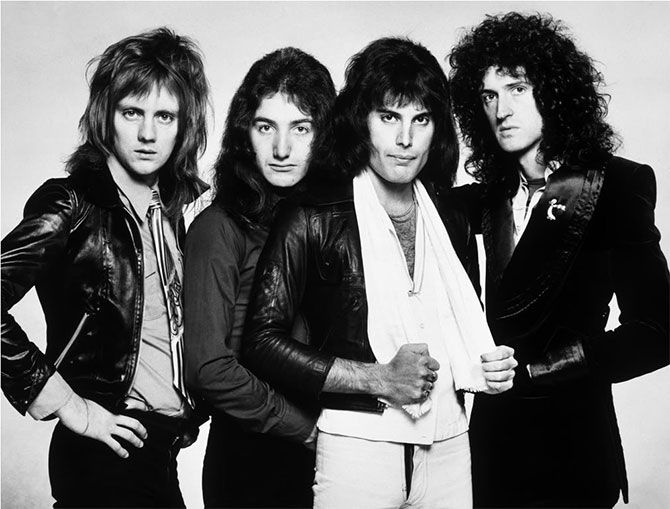
Queen

Not quite the royalty I was hoping to find when researching my British roots, but I’ll take it.

I write all of this from the literal hole I call my apartment, currently littered with unwashed dishes and clumps of cat hair because I can’t be bothered to vacuum lately. In short, no matter what my bloodline says, I don’t feel like royalty. Lately, my depression’s been taking its toll. I find myself lying in bed until 2 in the afternoon and spending the rest of the day on my couch. I don’t even have the energy to play Animal Crossing anymore — my poor town’s probably overrun with weeds by now and my villagers probably think I’m dead. And writing, obviously, has been a no-go as of late. I haven’t updated this thing in weeks now. I don’t have the inspiration. I don’t know if I’ll ever finish the story I’ve been working on. It feels meaningless.

I know it’s not entirely my fault. Quarantine has put a moratorium on everyone’s lives, but I feel like I’m just getting older and older and not getting anything I set out to do by now accomplished. I haven’t released a full-length album or toured since my time with my old band. I’ve never even moved away from Michigan to chase those dreams somewhere better, like Nashville or California, like I’ve always wanted to do. My ancestors would be proud, right?

I guess this is a “remember who you are” moment. I come from a long line of knights, explorers, and hard-working farmers and blue collar workers. There’s nothing they could do that I can’t do. Quarantine or no quarantine, I’m sick of wallowing in self-loathing and regret. I know I’m stronger than this.

To anyone reading this, so are you. Straighten your crowns, kings and queens. We’re going to get through this together.

This Apocalypse Sucks

I think a lot of people were like me in middle school social studies, learning about world-changing events and wondering if we’d ever live through one ourselves, fantasizing about what heroic deeds we’d do during such a crisis, forever etching our names into our great-grandchildren’s history books. I was one of those kids. Somewhere in the index of some textbook in 2092:

Salisbury, Jessica (b. 1993), p. 139: heroically sacrificed herself during the Second Alien Wars of 2037, posthumously canonized as saint and awarded Nobel Peace Prize

Now, it’s 2020. That world-changing event is now, and I’m sitting on my couch, watching YouTube videos, full from the shitty gas station pizza I decided to treat myself with. I’m talking one step above Kraft cheese on top of ketchup on top of cardboard, made only marginally more edible with the sprinkling of parmesan I added at home. This is quarantine cuisine, and when gas stations are just about the only thing still open, you work with what you’ve got.

My near-debilitating depression is the parmesan sprinkle on top of the looming fear of the apocalypse. My mental health has already been in a seriously dark place for a while, and all of this social isolation isn’t helping. I don’t have any motivation to do the things I’m passionate about anymore. I feel like my chances of ever making it in music have been dashed by this virus. My biological clock, for lack of a better word, has been ticking for a while. I already feel like an old maid in the music business, and who knows how long the world will be on hold. On top of that, in an industry that thrives on image, I’m not as young and cute as I used to be. I’m 80 pounds heavier than I was in high school and I have scars all over from picking at my own skin (thanks, anxiety). By the time this crisis blows over, I’ll undoubtedly be too old and not conventionally attractive enough to make it as a performer.

If anything, this past month has made me realize how unimportant I am in the grand scheme of things. Maybe I’ll never be a Nobel Prize winner or an iconic rock star, but I thought I’d be doing something important in the face of a global crisis like this. Maybe I’d be in Washington, advocating for the working class people who are struggling right now, or I’d be in a laboratory somewhere, slaving away day and night, searching for a cure. In reality? I’ve been depression-napping and tending to a fictional cartoon island (no shade towards Animal Crossing — I’m pretty sure that game is the only thing keeping a lot of people, including myself, sane right now). I feel helpless to stop any of the bad things happening in the world right now. I feel disposable.

I’m tearing up a little writing this, but I feel like this is something that needs to be written and put out there. Check on your friends during this pandemic, especially those who deal with things like depression and anxiety. Believe me, we need it right now.

AIOIF: Irrational Fear #1: The creepy headless guy I swore lived in my grandma’s furnace

I remember reading somewhere that the very first memory you can recall in your lifetime says a lot about the direction your life will take. My first memory was waking up from a nap on top of a giant pile of rugs in a sketchy flea market that no longer exists. I really don’t think says anything about me except that I have this uncanny ability to fall asleep in the weirdest places.

My second memory, however, was Furnace Man.

Furnace Man lived in my grandma’s old blue boiler furnace, hence the name. He was tallish, wore a plaid shirt, and had no head. Every now and then, he’d leave the furnace to stomp around my grandma’s house. I always imagined him dancing to a deep, booming beat, like some kind of creepy timpani. Also, he had a name, but whatever it was is now buried in the annals of my stupid brain. I think it might have been Ernie or Tim or something.

Needless to say, Furnace Man wasn’t real. There never was a flannel-wearing, headless being living in the furnace, but that didn’t stop him from being real to me. And keep in mind, I was like, two. Toddlers aren’t supposed to be scared of things. They’re supposed to be dumb and innocent and prone to questionable decisions like drawing on walls or eating Legos. They don’t stare blankly into the dark abyss of a utility room, expecting to see a decapitated hipster Slenderman crawling out of a furnace. I would avoid the room at all costs, or else freak out and cry, and I literally didn’t know the words to articulate what it was I was even afraid of.

I guess this is a good indicator that I was destined for a life of anxiety issues. Furnace Man never died. Not even when I found out years later that “Furnace Man” was just my dad getting stuck in a too-small shirt one Christmas Eve while trying it on in the utility room. My mind took the smallest, stupidest memory and twisted it into something horrifying. It’s almost like my head has this amazing ability to make monsters out of nothing. But isn’t that basically what anxiety is in the first place?