AuDHD Dreams and Impulsive Schemes

When I opened my app to check my site’s stats for the day, this little prompt popped up:

Describe the most ambitious DIY project you’ve ever taken on.

I’ll be honest, this is a hard question for me, and not because I’m like, the queen of all things DIY. I’m not even a baroness of all things DIY. The world of DIY is a mystical land with which I am simultaneously very familiar and also very much a stranger.

Welcome!

The truth is, I often cycle through creative interests, sometimes very rapidly! I can recall flipping through like, five different artistic outlets in one summer before finally realizing I sucked at all of them. I have music and writing already — maybe it’s what I get for being greedy with the fine arts. But one of my best friends is also a musician and writer, and they also have time to make bead art, crochet, sew shit, put together enormous puzzles, and 3D print whatever the hell they can’t make doing everything else.

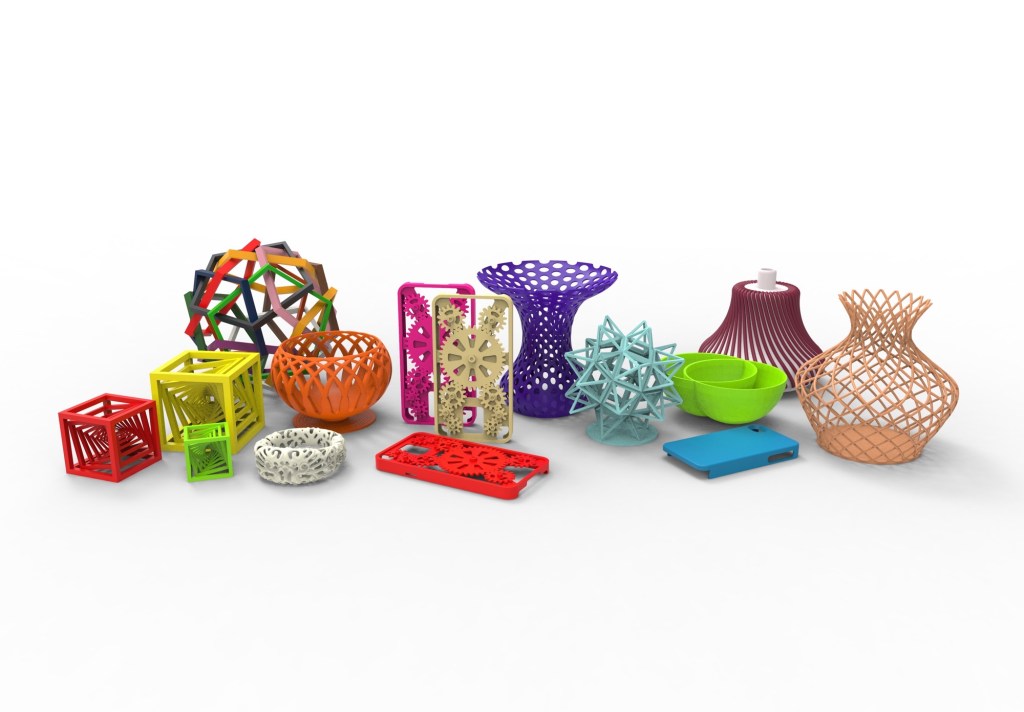
Allow me to print you a fucking vase.

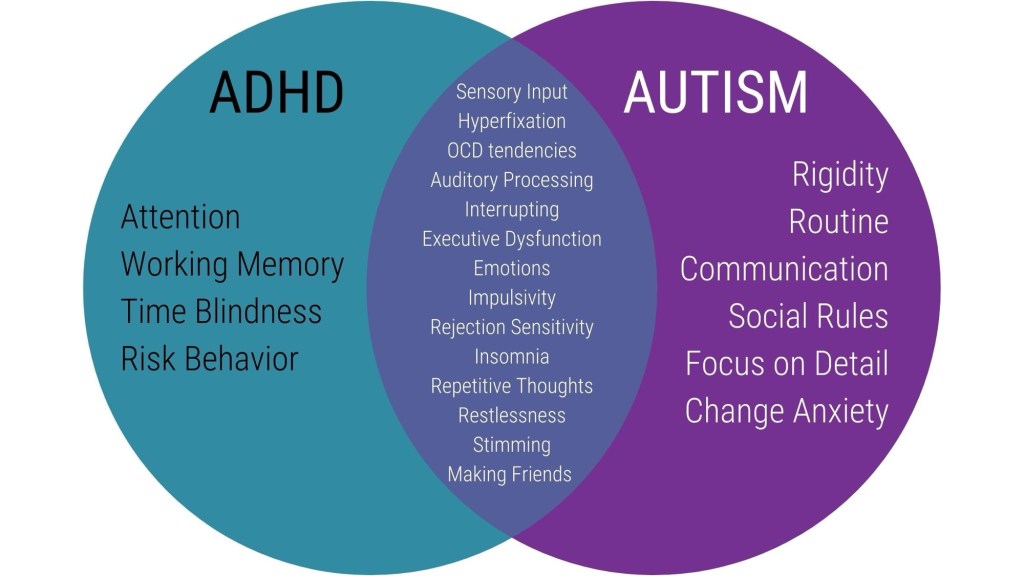
My problem, as always, is my brain wiring. I’ve got the fun combination of ADHD and autism, and they love to fight sometimes.

If this infographic isn’t me…

One of autism’s defining traits is the presence of “special interests,” or things were just really fascinated by and want to learn everything about. As a child, it was 8-track tapes and parakeets. In adulthood, it’s been lost architecture and cults (I dare you to let me tell you about multilevel marketing cults for hour). Not every autistic person gets special interests like this, but it’s incredibly common and definitely marked my experience growing up autistic.

That’s just one of the ingredients in my particular brand of brain soup.

It’s actually alphabet soup but all of the letters are “ADHD.”

ADHD comes with impulsivity. It’s one of the main symptoms, in fact. I technically have inattentive type ADHD according to my psychiatrist, but I’m shocked I didn’t qualify for the hyperactive-impulsive type instead. The hallmarks of my ADHD have always been the impulsive and hyperactive behaviors. And when I get an impulse to try out a new hobby, I gotta dive right in, headfirst, without checking the depth of the water beforehand.

And this is the pool.

It was pretty detrimental for a while because I was blowing all my money on these hobbies I’d be into for only a week or so before giving up. There’s the thing — if I wasn’t immediately good at the hobby, I quit. I also didn’t have the patience to get good at anything.

I realize I haven’t actually answered the prompt at hand yet (which is another very ADHD thing of me to do), so allow me to list the top five lofty DIY projects my neurodivergent ass stupidly took on:

5. Boating

I’m not quite sure this counts as a DIY project because I didn’t really make anything, but it was lofty nonetheless. Do you know what all you need to safely operate a boat? A lot of shit, that’s what. Yet I ordered a whistle and high-powered flashlight and lifejackets, all for the little inflatable boat I bought while we were living on the lake. How many times did I actually use the boat? Exactly once. It was a magical time, don’t get me wrong, and I wrote a song about the experience, but that song basically costed me $600. (And this is why I have credit card debt.)

4. Perfumery

I don’t know how many of you remember my witchy phase, but I definitely dabbled in the mystical realm for a while. Still do, to a lesser extent, but at the height, I was really into making my own “potions” out of herbs and essential oils. This inevitably led to me making potions not for magical properties, but because they smelled really nice, and giving them to my friends and family. I also made a lot of spell jars around this time, containing stuff that reminded me of the folks I made them for. It was kind of a cool hobby actually. I still have a lot of spell jars from that era.

3. Sewing

This was the shortest-lived of all the hobbies listed here. I went to JoAnn’s (RIP) for a small sewing kit because I wanted to alter my Chappell Roan costume to make it a little sluttier. Like, I wanted to show kneecaps. And the nice very gay man helping me suggested I also try a pillowcase. Not wanting to disappoint a fellow gay, I happily bought material to sew my own pillowcase as well. When I got home, I immediately got too overwhelmed and threw the sewing stuff behind the TV to hide my shame. It remains there to this day, and the Chappell costume remains unslutty.

2. Painting

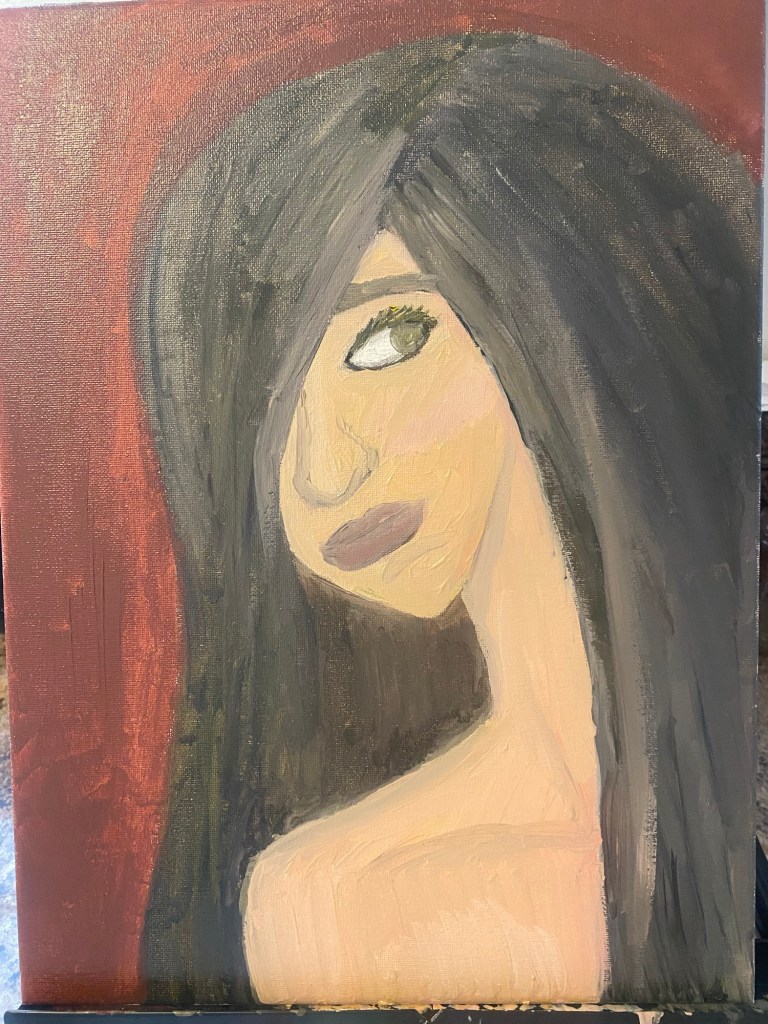
Of all these hobbies, this one has been the most successful, if only because I’m not a stranger to visual art. I do digital art and coloring pretty regularly with my iPad, but traditional painting is a whole different beast. My college guitar professor was an incredibly skilled oil painter and I always really admired him, so I figured I’d try my hand at it as well. And I got some pretty okay results!

This painting of my girlfriend’s girlfriend turned out better than I anticipated, although she didn’t want to keep it (to be fair, what would you do with a painting of yourself??). I think I’d feel better about this hobby if I had some success selling my art, because for now it’s just kind of languishing in my apartment. I still have the equipment for oil painting, so I could easily revisit this one if I wanted.

1. Crocheting

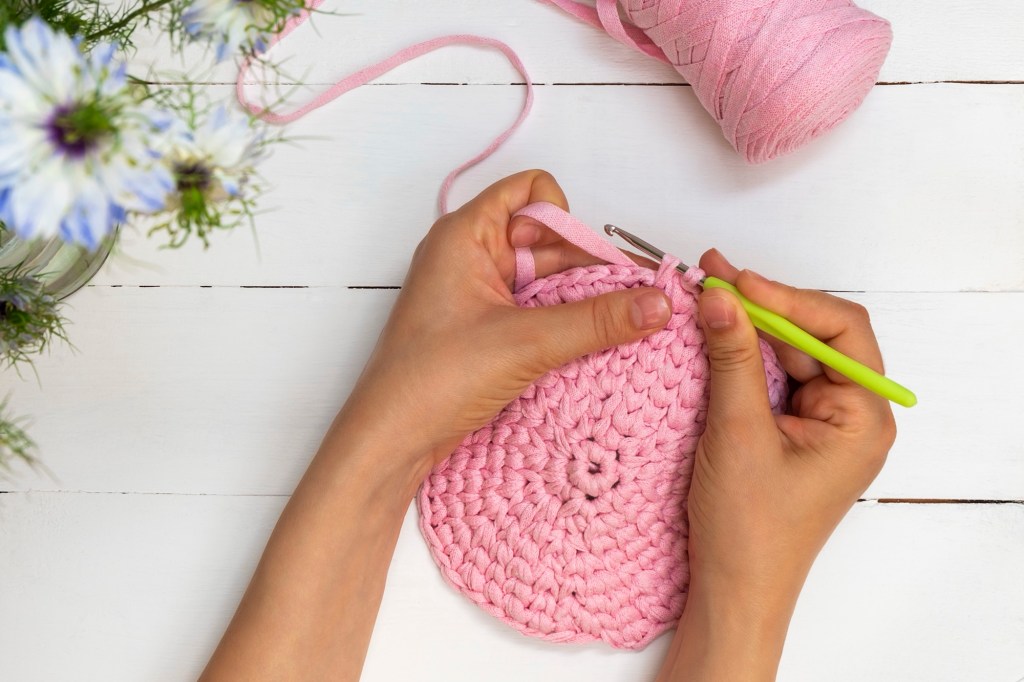
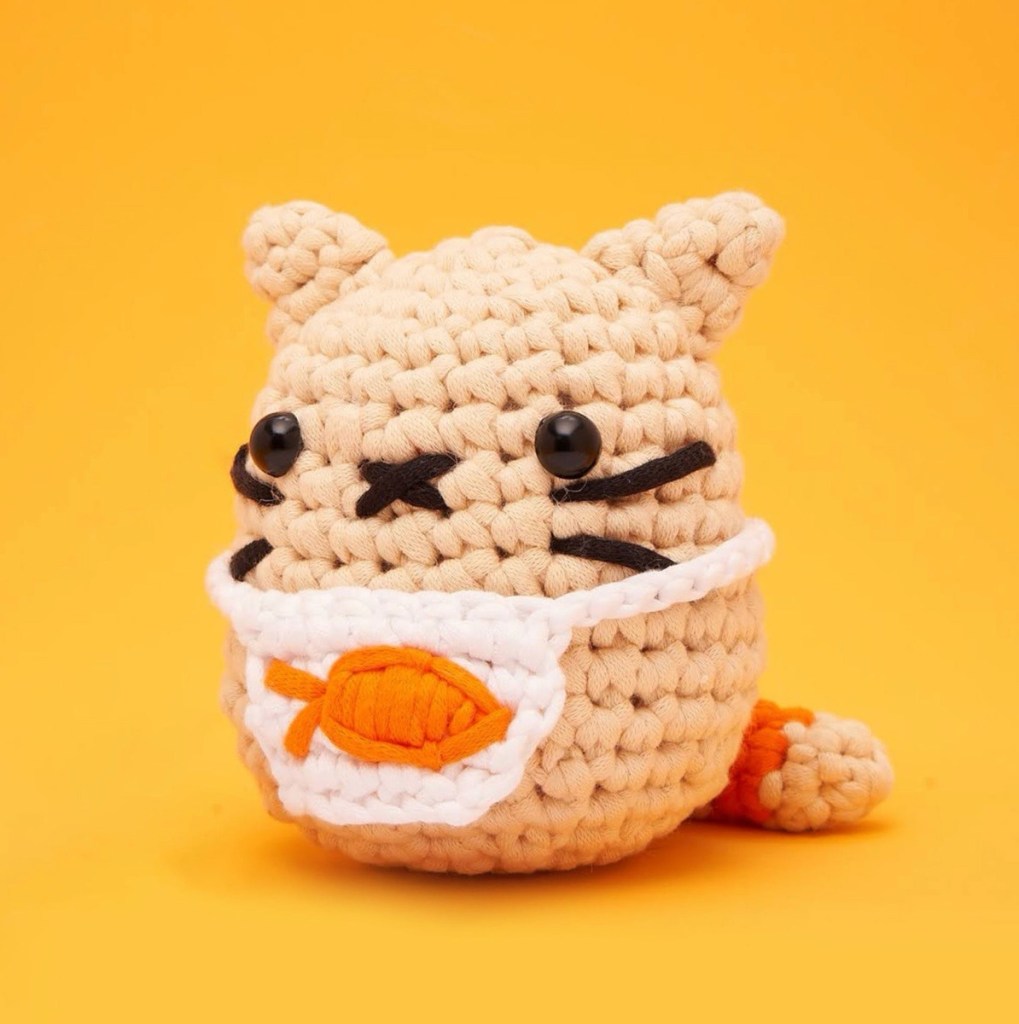
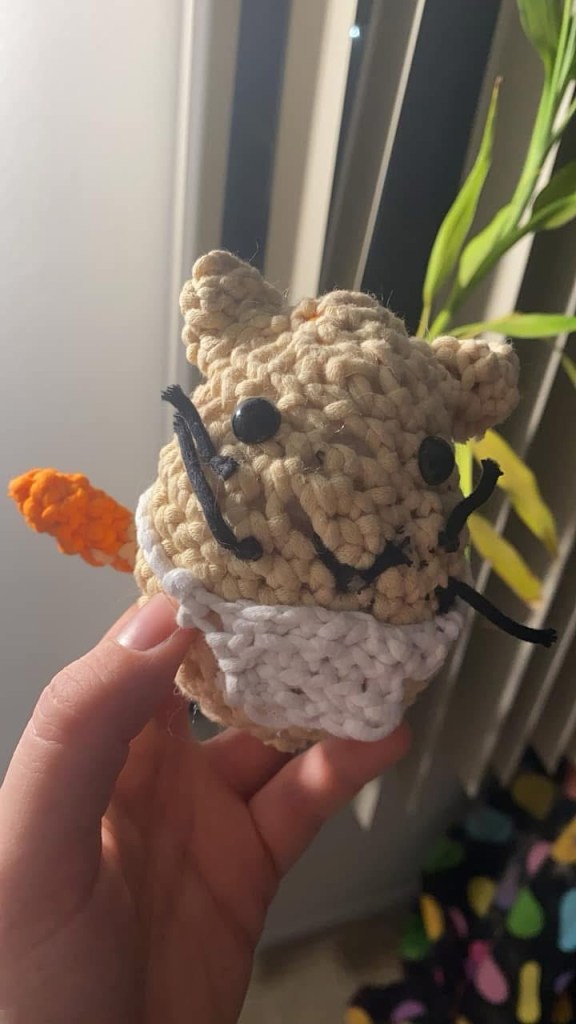
Ah yes, the most tragic one. The one I had such high hopes for. I always imagined myself knowing how to crochet someday, probably as a little old lady sitting on a porch swing with a glass of sun tea. It was just part of how I envisioned being a grandma, and now that I’m officially an age where I can be a grandma (like, I just saw a report about a 32-year-old grandmother), learning to crochet seemed like the next logical step. So I ordered a beginner’s kit from the Woobles and well, here is the expectation:

…and result:

You can almost hear it crying to be put out of its misery. This cat potato was eventually given to my girlfriend as a Valentine’s Day gift, and I think her car ate it. My one and only crochet attempt, lost forever.

Although maybe that’s for the best.

Autism and 8-Track Tapes: How I Made My Inner Child Happy

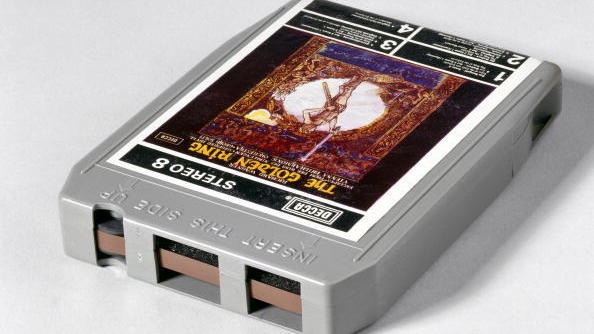
Here’s a fun fact about my childhood. When I was around 8 years old, I was obsessed with 8-track cassette tapes.

The bane of everyone’s existence in the 70s, apparently.

I distinctly remember how fascinated I was by them, ever since my mom gave me her old tapes as a kid. I recall riding around in my grandma’s old Oldsmobile listening to her Beach Boys album on 8-track. At one point, I went to the library asking for books on them, and the librarian on site was absolutely dumbfounded that this tiny girl was so preoccupied with these ugly bulky-ass tapes. I wanted to collect more and more, even though collecting vintage media wouldn’t be “cool” for another decade or so.

There’s the issue. None of this was cool, especially not to my peers. I’d already cycled through obsessions with Bon Jovi and parakeets. I didn’t need something else making me even weirder to my classmates. So I made the decision to hide my excitement about 8-track tapes and quietly let my obsession fade.

In other words, I masked.

“I may look normal, but I’m thinking about 8-track tapes.”

I’ve talked a little about masking in past blog posts, but it bears repeating. Many autistic folks feel the need to hide parts of themselves to fit in with the rest of society, and if I’m honest, it’s exhausting. It’s especially prevalent among autistic women, who often experience burnout from having to mask so much. For me, it was meticulously studying the way other people interacted with each other and mimicking that to the best of my ability.

So imagine how secretly tickled I was when, during my last audio engineering class, the entire lecture was about magnetic tape. In other words, the technology behind 8-track tapes! This was the exact information I was seeking when I went to the library all those years ago!

THE SECRET KNOWLEDGE IS MINE!

People ask me all the time, “Hey Jessa, how do you heal your inner child?” Okay, I lied, no one has ever asked me that. But if they did, I’d tell them to explore the interests they had as a kid. Remember your dinosaur phase? Get to the library and get a fuckin’ book on velociraptors! Did you want to be a mermaid? Study mermaid mythology and invest in some nautical decor! Were you a horse girl? It’s high time you get some ridin’ lessons! Throw yourself into the thing you loved most as a kid. That’s the purest joy you can achieve — making the part of you that never grew up happy.

I think there’s a reason why so many people my age collect Funko Pops and play video games or watch cartoons for fun. We’re constantly trying to make our inner child happy in some way or another. I’m learning how to care for mine the same way I would care for the child version of me if I met her. Little-Jessa had to hide her fascination with vintage audio equipment to be accepted, but Adult-Jessa is picking up where she left off. It feels like I’m coming home to a hobby I long left abandoned. It feels good, man.

She’s happy, and that’s what matters.

We Need Each Other

I’m starting to really appreciate the concept of community.

You see, I realized something recently — up until last year, my wife Crass and didn’t really have a community of our own. We had a few friends, even a few ride-or-dies, but no village, so to speak. And every night was the same — we’d get home from work, sit on the couch, and veg out until we inevitably got tired enough to sleep. It was a life, but it didn’t feel like living. It felt like we were just wasting time until the sweet release of death.

“I heard you were desperate for friends.”

I think things started to change for us when I met my girlfriend (we’re polyamorous, to clarify). We actually met at a Valentine’s Day event that I was hesitant to even go to because I wouldn’t know anyone there. But I met Olivia, and she had this contagious energy about her. As I found out, she loved going to things like art shows and open mics and festivals, and I found myself following her to those types of events. Suddenly, I was doing more than just working. I was living.

But karaoke was the catalyst that led to the life I know now. When we first went to Fort Wayne for my ill-fated internship, Crass suggested checking out the local gay bar the first week. Which was very uncharacteristic of her, an introvert, but I think she was feeling what I was feeling at the time. Restless.

It was at the gay bar that we met the first karaoke crew. There was Kyli, feisty and charismatic, and Theo, her calmer (albeit very silly) best friend, and their pal Zariel, a big lovable goofball who could sing “Poison” by Bell Biv DeVoe like no one’s business. They were so quick to welcome us into their world. We started going on all kinds of adventures around town, and despite the internship falling through, I don’t regret a thing because of the people I met there.

As I’ve started to say, the real music therapy degree was the friends we made along the way.

I’ll admit it sucked moving away from them (which was the only part that sucked about leaving Indiana, where no one should be). We’d finally found a tribe to call our own, only to lose them almost immediately. But we had to do what we had to do, and that involved moving to Kalamazoo, where the universe had been leading us for years. I started to worry if we’d find our people in this town. It was a college town after all, and we skewed a little older than college age. Were we doomed to be lonely again?

Then Crass threw out the same suggestion that seemed to work in Fort Wayne — let’s check out the local karaoke scene.

That first night, we met so many fantastic people (and one awful person), and we were hooked. From then on, every Friday, we’d gather at Old Dog Tavern downtown and sing our hearts out. There was Steve and Luke and David, the three most wholesome white cis dudes you’ll meet this side of Mister Rogers (but with a lot more marijuana). There was Mary Emma, a beautiful and confident slightly older queer woman who quickly became someone I could look up to. There was Clara, a kind statuesque blonde bartender who could quite possibly out-belt Aretha herself. There was Kim, who admittedly sucked, but they can’t all be winners I guess. The karaoke scene had so many colorful characters, and I loved getting to build relationships with all of them (except Kim, cause fuck Kim).

They say no man is an island, and it takes a village to raise a child. I’m sure those proverbs extend to women and nonbinary folk as well. I don’t often quote from the Bible on here anymore because I know spirituality can be a touchy subject, especially with our current political climate, and I don’t want to alienate any of my readers. Still, there’s a few verses from my favorite emo song — ahem, Biblical book — Ecclesiastes, that describes this phenomenon perfectly.

Two are better than one,
    because they have a good return for their labor:
If either of them falls down,
    one can help the other up.
But pity anyone who falls
    and has no one to help them up.
Also, if two lie down together, they will keep warm.
    But how can one keep warm alone?
Though one may be overpowered,
    two can defend themselves.
A cord of three strands is not quickly broken.

-Ecclesiastes 4:9-12

I’ll leave y’all with this, and I promise it’ll all come together. When I married my ex-husband, it was a shotgun affair because of his faith, so I didn’t know a lot about him, like the fact that dancing is prohibited in his aforementioned faith. No one told me that until the reception. I was pissed. All I wanted since I was a kid was a fun session I could dance at with all my friends and family! I honestly should have been more of a bitch about it than I was.

I shoulda gave Bridezillas a run for their money.

Anyways, that marriage obviously failed, and when I remarried my current spouse, we had a small, intimate (also shotgun) ceremony that lasted all of ten minutes. So I never got my wedding dances.

As I mentioned in a different post, Olivia and I are engaged-ish. We can’t legally marry, but we can have one hell of a commitment ceremony to make up for it. And when one of my new friends found out about the disaster that was my first wedding, he offered to rally the karaoke crew together to raise funds for a ceremony for me and Olivia, one we could really dance at. It was enough to almost make me tear up. Not just the idea of finally getting to dance, but the idea of all my friends coming together to help us.

I have a community now.

Things aren’t great at the moment, and it has been weighing on me quite a bit if I’m honest. I don’t know what’s going to happen in the next few years. The Trump administration already removed the T from “LGBTQ,” which does not give me warm fuzzies about the future of us queer folks in this country. Will I be rounded up and imprisoned or worse for loving another woman? I don’t know yet, and it’s scary. But I’m not going into battle alone. I’ve got so many good people in my corner now, and I have no doubt in my mind every single one of them would fight for me if it came down to it.

Community is going to be what saves this country. More than ever, we need each other.

Back to School Blues

Tomorrow is my first day of school. Well, back to school. I say “back to school” as if I haven’t tried and failed to do the school thing again three times since I initially graduated with my music and journalism degrees in 2015.

But I’m nothing if not persistent.

I’m trying to stay optimistic in the face of everything that is happening and will happen — financial hardship, music therapy falling through, the new administration taking over and probably borking the country, and probably a million other things I’m not actively worrying about but are still looming in the horizon. I’ve always been an optimist, maybe to a fault. I want to believe the best in everything and in everyone, but I’m learning that I’m a lot less optimistic when it comes to believing in myself. And why should I be? I’ve let myself down so many times, part of me is wondering how long this endeavor will last before I inevitably fuck it up.

That’s not to say I don’t like Jessa Joyce — I’m quite a huge fan of hers. But I feel like she’s just an image of that perfect, badass version of myself I put out there. I love who she represents to me, an ideal self in a way. Yet underneath Jessa Joyce’s glitter and confidence lives a different me, one that’s not really sure she knows what she’s doing. I wrote a song about it recently, actually:

I used to know exactly what I wanted to be

But now I really don’t know what I want anymore

Who am I supposed to be

When all my flaws catch up to me?

I was the brightest star in the whole damn sky

Right until I flew too high

When I wrote those words, I was reflecting on that version of myself, the one that stands on shaky ground as she realizes she’s at a crossroads. Do I go all-in on pursuing rock stardom and all of its trappings? Do I start a music academy? A recording studio? Both? Do I take up the art of luthiery and build guitars? Do I continue my education and become a music professor? Do I work as a sound guy for a church I’m probably too gay to attend? All of the above? None of the above? What if I can’t choose, or worse, choose the wrong thing, like I did with music therapy? I can’t afford to waste another 12 years studying something that I don’t even follow through with. Starting school again will be a good first step, but I can’t ignore the nagging feeling that I’m going to screw this up again somehow.

In short, I really don’t have it all together.

Earlier today, I was talking to my bandmates about an acquaintance of mine who just seems really excited to know me. Which is flattering, I have to admit, but I wonder how well that person really knows me. Because if he did know me, he would know I’m not anything to look up to. If anything, I’m a dumpster fire masquerading as a sexy rocker chick who knows what she wants and knows exactly how to get it. But at the end of the day, I’m still the same old dumpster fire.

Believe it or not, I’m not writing this from a state of depression. I’m actually having experiencing hypomania, the bipolar state where you feel REALLY GOOD but not so good that you drop $500 you don’t have on a boat (thanks, mania). I’ve been in a surprisingly good mood actually. It’s just I’ve done the “back to school” song and dance enough times to understandably be a bit wary. Is this really the path for me? Can I forge my own way and start a career I can be proud of? Will I be able to make enough money to support my partners and our future family? One thing’s for sure — I’m going to work my ass off to make this thing happen. If I keep grinding, eventually it’ll pay off, right? Right?

I hope so. I want to believe in me again.

Serving Glimmers: How Art and Performance Can Save Lives

I had a realization a while back — one of the reasons I pursued music therapy was because it looked “good.” It seemed like a noble profession, using music to improve people’s lives in a meaningful, measurable way. I’d tell people I was studying music therapy and it was an instant “Ah yes, I can trust her, as she is clearly a good person.” All my boyfriends’ moms loved me for it, and strangers would tell me what I’m doing is so beautiful, so kind. It may just be playing guitar for some kid in a hospital, but to that kid, you’re a hero! And who doesn’t want to be a hero, you know?

I think I have a hero complex, and I think that’s what’s prevented me from jumping headfirst into performance instead. I always wanted to be a hero. I wanted to help people. And if I became a rock star, who would I be helping except my own selfish desires?

The typical perception of pretty much everybody is that performing and the arts are just little “extras.” They’re nothing but fun little distractions, right? No one needs a movie or a comic book or music to live.

QUICK! GET HIM THE LATEST TAYLOR SWIFT ALBUM!

What I’m slowly realizing is that, while we don’t need the arts to live, we absolutely need the arts to really live.

When I moved to Kalamazoo, I searched frantically for work. I would have taken damn near anything, but I wanted to try finding a job involving music. And lo and behold, a trivia company was looking for a music bingo host in my area. And I mean, getting to essentially be part-DJ, part-game show host every night?

What is “the ideal job for Jessa”?

I love what I do. It’s a great gig. But for a while, I was feeling like what I did didn’t really matter in the long run. People come into the bar, play music bingo, and leave, going on to live their own lives. I imagine there are probably nurses and firefighters in the audience, and what I do must seem so inconsequential compared to what they deal with every day. And I think those thoughts were starting to wear on me, because I got complaints from one of the bars I work at that I wasn’t “engaging enough.” At first I was angry, because what do you mean I’m not good enough?! But then I realized maybe I’m not giving it my all, and maybe that was because I felt like my job wasn’t important.

So I determined that this show would be my best show yet. I dressed just short of a full drag queen getup, picked some banger categories, and drank enough caffeine to kill a horse. I promised myself I’d socialize the whole time, even if I wanted to sit down. I even moved the chair so I wouldn’t be tempted to just sit down. I was going to give this show my all.

Then, something amazing happened. Sometimes, when you put good vibes out into the universe, the stars align and give you exactly what you need in that moment. What I needed was a glimmer.

No, not the She-Ra character.

Everyone knows what triggers are, but I recently saw that someone coined a term for the opposite phenomenon — glimmers. These are the tiny moments that make life worth living. I experience a glimmer every time I laugh with my wife, or hug my girlfriend, or hear my parents say they’re proud of me. They’re what being alive is all about. They’re little moments of pure joy, which was exactly what I needed.
No, not her either.

I walked into the bar to an array of balloons. It was an older couple’s 55th anniversary, and I was going to be hosting music bingo smack dab in the middle of it. Thankfully, the couple was cool about me coming to blast disco at them and even joined in the game, along with many of the other folks in attendance. The older woman who was celebrating her anniversary came up to me and told me that her and her husband’s song was “You’re Still the One” by Shania Twain. And anyone who knows me knows I never miss an opportunity to play Shania Twain.

Tangentially related fact: I was so obsessed with her as a small child, I’d draw pictures of her and not my mom. (Yes, my mom was a little jealous.)

When intermission came, the bar dimmed the lights, leaving only the hanging Christmas lights to illuminate the room. I cued up the song and introduced the couple to the entire bar. Then, everyone gathered around the couple with their phone flashlights. Seeing all of their friends and family surround them in a sea of twinkling lights actually made me tear up a little. The family would remember this moment for the rest of their lives.

A moment I helped make happen.

It’s easy to dismiss entertainment as an opium of the masses, even more so than religion, as Marx famously said. But I’d argue that entertainment is as important as the STEM fields, just in a completely different way. Sure, a particular song may be insignificant to you, but that song could have been the one thing that stopped someone from taking their own life. There’s a reason for this album’s existence. I know people who stay alive because they want to see what happens next in their favorite video game franchise. The arts and media provide those small glimmers that keep people going.

So maybe I will go all-in on being an entertainer and creator. Because someone somewhere needs my music. Someone somewhere needs a fun game night at the local bar. Someone somewhere is reading my writings about mental health and my own personal journey and feels less alone because of it. Artists, writers, musicians, video game developers, game show hosts — they’re all heroes in a unique but important way. Entertainment and art communicate ideas, and more than that, hope.

That’s why I do what I do.

Reflecting on the Year That Almost Broke Me

As of writing, we are halfway through December, which means the new year is lurking. As everyone prepares to sing “Auld Lang Syne” and kiss a stranger, now is the optimal time to look back at the previous year and reflect on how things went.

And damn, did they go awry this year.

My year in a photograph.

2024 was a trash-fire year for me, rivalling 2015 for the title of Worst Year of Jessa’s Life. 2015, of course, was the year I simultaneously got my heart broken by my crush of four years, graduated and realized I wasn’t going to find a job in my field and would probably never find success, and also dealt with some familial and health issues. But this year was honestly worse in every way. Like, this has literally been the worst one.

To think of how optimistic I was at the start of the year too. I was getting ready to begin the internship I’d been working toward for over a decade. I had just moved to Fort Wayne and was expecting an adventure. And what I got was a soul-crushing internship experience that I had to leave for the sake of my own mental health. I was going to drive my car into the fucking river if I cried one more time at that godforsaken clinic. I couldn’t handle the pressure. I failed.

Tail between our legs, we retreated to Niles, MI, where I could at least be close to my girlfriend. But we had trouble finding paid work in the area, our savings were dwindling, and we couldn’t afford to keep living out of AirBNBs. So my wife decided we should check out Kalamazoo instead, as we’d previously talked about it and decided it was a good central location between our family in Detroit, our new friends in Fort Wayne, and my girlfriend in South Bend.

Moving to Kalamazoo was the best decision we could have made, as the only good things to happen this year happened because of the move. My wife and I got involved in the local karaoke scene and made a lot of friends, which is new for us. We’d been shut-ins for most of our marriage. I decided that since music therapy was off the table, I’d pursue a different dream, one of becoming a producer and audio engineer. So I applied to the local university and actually made it into the competitive multimedia arts technology program. And I got back into doing what I love for a living — teaching music.

I realize I started this blog post very doom-and-gloom, but the more I write, the more I realize this year wasn’t so heck. Sure, we’re still broke and I still wasted so much time and money on a career that will never happen. Then there’s all the political unrest and the fact that the jabronis who won the election want to make my marriage illegal. But if there’s anything I’ve learned this year about myself, it’s that I’m resilient as fuck. When shit hits the fan, I’ll figure something else out. That’s what I do best.

Looking back at 2024, I don’t know how I could have survived without the people I’ve met this year in Fort Wayne and Kalamazoo. I never realized how empty my life was without my own little “tribe” of sorts. We’re social creatures by nature and we need each other. Maybe I’ll never be a music therapist. Maybe I’ll be broke for the rest of my life. But when I’m surrounded by the amazing folks I’ve met this year, well, you can’t buy that feeling. My Little Pony had it right — friendship is magic.

The real music therapy degree was the friends we made along the way.

I don’t know what awaits me in 2025, but I’m confident I can face anything now. This year absolutely took the wind out of my sails, but I’m going to keep persisting. I’m ready.

The Autistic Bimbo: My Former Life as a Dumb Blonde

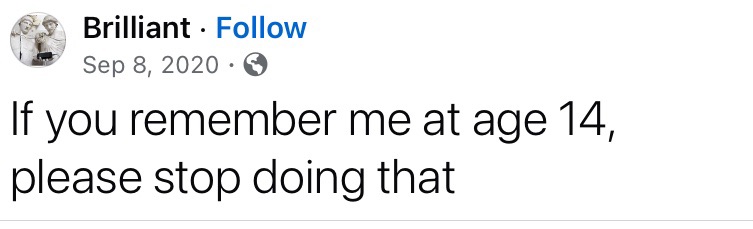
I was on That God-Forsaken Platform That Shall Not Be Named when I saw someone share this status:

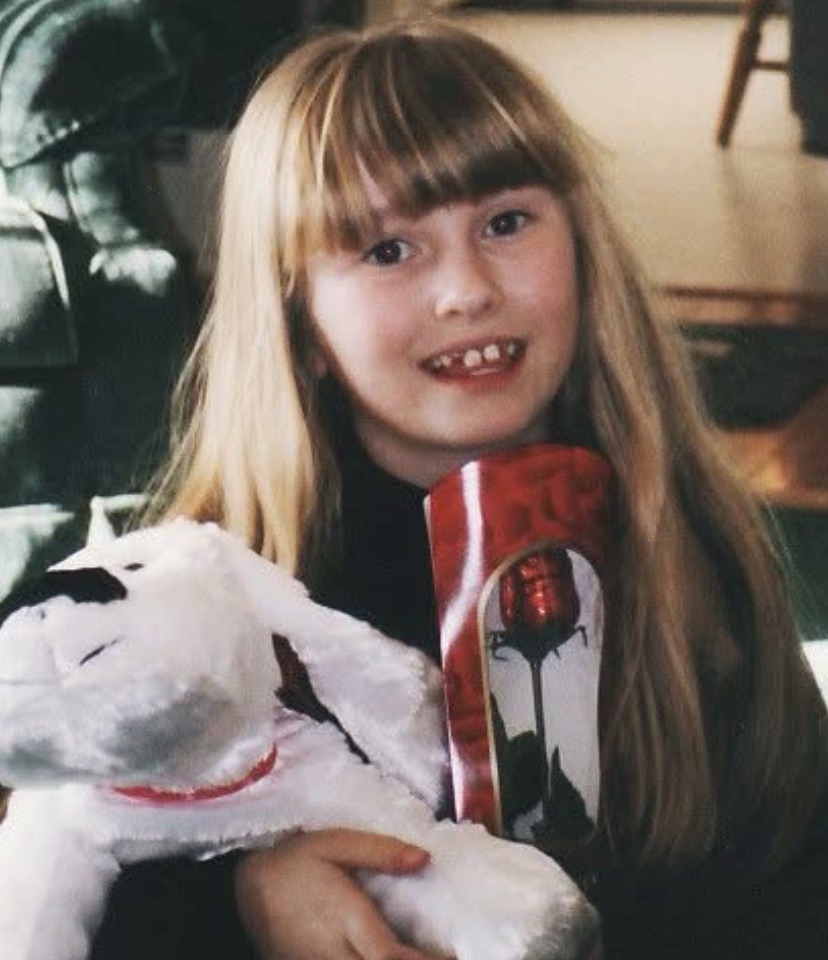
Everyone is cringy at 14, but I was a special kind of cringe. You see, at age 14, I was a very different Jessa (or shall I say, Jessie, as I was going by back then). I was in a sort of state of transition, as most people are at that age. For me personally, that transition was between shy, awkward me and cool, confident me.

I remember the catalyst for that transition being my seventh grade obsession with this cool guy named Kyle Kelley, who I was definitely going to marry someday. Suddenly, I wasn’t content to stay in the corner doodling pictures of Richie Sambora and imagining what Pokémon I wanted to add to my team when I got home. I desperately wanted to be one of the popular girls, like Kyle Kelley’s cheerleader girlfriend.

But that would involve me — gasp — talking to other kids!

Nightmare fuel.

I’ve touched on my autism before. I will admit I’m not officially diagnosed yet — it’s damn near impossible to get a proper diagnosis as an adult AFAB person. Because of the sheer amount of gatekeeping when it comes to diagnosis, most autistic folks accept self-diagnosis as valid. And believe me, the signs were all there. I was sensitive to loud sounds, hiding whenever I heard the neighbor girl’s loud bass from her car or the sound of the vacuum cleaner. I’d hyperfocus on things like Bon Jovi and parakeets, learning everything I possibly could about them and talking incessantly about them to anyone who’d humor me. I’d stim by making bird sounds and running around randomly. I would finish my homework quickly so I could spin around in the back of the classroom (okay, that one might be on you, ADHD). And I was garbage at socializing. Talk to people? You might as well have asked me to build a rocket to the moon, because that was not happening.

Then, of course, I met Kyle Kelley and suddenly, I had this burning passion to become “cool,” whatever that even meant. I studied meticulously the mannerisms and interests and the clothing of the girls I thought were cooler than me. It was almost like a science project, observing the “cool girls” in their natural habitats and trying to emulate them. Looking back, it was just baby-me learning how to mask, and I was absolutely terrible at it at first.

Somebody stop me, indeed.

Which led to me being labeled something of a bimbo, despite me being one of the smartest kids in my class.

I didn’t know how to speak to people properly, and I’d often clam up when confronted with an actual conversation. And so I’d say the first dumb thing that came to my head in my desperate attempt to say anything. I honestly didn’t know how to interact with other folks my age. I figured it was better to be considered dumb than be an outcast, and the kids in my grade thought I was funny and silly because of it. So I went along with the “dumb blonde” label, because at least it wasn’t “weird kid.” It was such a pervasive label, I even got typecast in the school play as the stereotypical bimbo. Like, this character was soap-eating levels of dumb. At least I didn’t have to actually eat soap for the bit (it was white chocolate).

And thankfully their chocolate tastes much better than their soap.

At some point between high school and university, socializing became more natural to me and I was able to shed the “dumb blonde” label. I certainly shed the “blonde” label when I dyed my hair dark (bleaching was starting to take a toll on my hair, and I wanted to emulate my hero, Ann Wilson). But I still have some empathy for the little girl who thought popularity was more important than being viewed as smart or deep. It wasn’t her fault people didn’t take the time to get to know her as anything else.

And I’d like to think she had a lot to offer.

“Emotional Bloodletting” (Or, Why This Blog Exists in the First Place)

Why do you blog?

Here’s the short answer: so I don’t lose my freakin’ mind.

The long answer is a bit more complicated.

I started this blog back in 2018 (I think). At the time, I was married to someone I wasn’t truly in love with and stuck in a conservative church that increasingly came to represent everything I didn’t want to stand for. I was still fresh out of college with a journalism degree I knew I was never going to use, but I still had the itch to write something. Anything. So my blog, which at the time was titled “I’m sorry I mean it,” simply became me screaming my displeasure with my current life into the void. “I’m sorry I mean it” was a double meaning — “I’m sorry and I mean it,” and “I’m sorry, but I mean what I’m saying.”

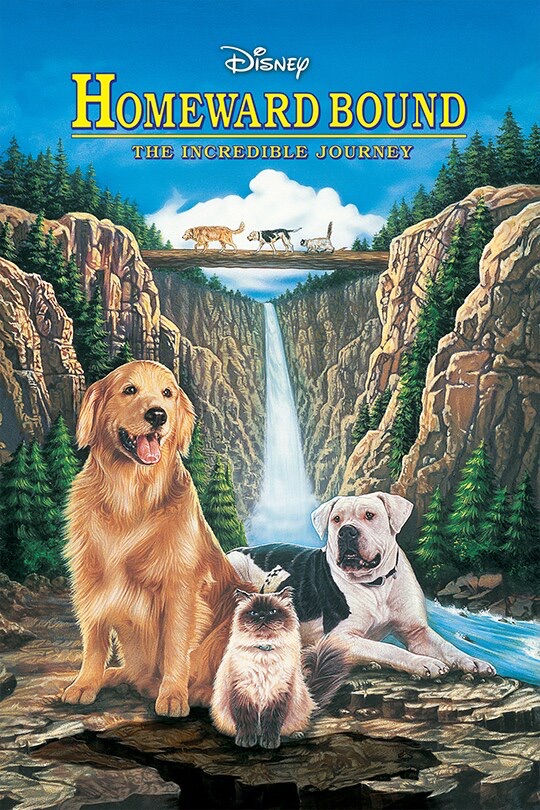
Writing has always been a catharsis for me, though, dating back to elementary school. When I was teased mercilessly and ostracized by nearly everyone, I made up characters to serve as “friends” for me. I didn’t have imaginary friends in the traditional sense of the word — I knew these characters were make-believe — but they were real enough to me to fill a void. My long school days were spent daydreaming about these fictional characters, and eventually, their stories spilled onto paper. I’d hurry up and finish my work for the day, then spend the rest of my time fleshing out these characters in stories I dreamed up, usually inspired by whatever I was into at the time. I had a whole series based around three pets trying to get home and the grand adventures they would go on.

My writing is nothing if not derivative, but it’s cool.

That’s part of why I find it harder to write these days. For the first time, I’m genuinely pretty happy. I don’t have to rely on my inner world to satiate my desire for human interaction. I have two amazing partners, a wildly supportive family, and more friends than I know what to do with. But I still love writing to clear my mind on the bad days. It’s how I handle negative emotions, as evidenced by the everything on this blog. If I couldn’t write about my music therapy journey on here, for example, I probably would have lost my mind. The entire experience was so traumatic, I needed to vent about it somehow. Just the act of hitting “publish” on a blog post gives me a sense of relief. As painful as it is to put these emotions down into words, once it’s over, it’s no longer stuck inside me. In a way, it’s emotional bloodletting.

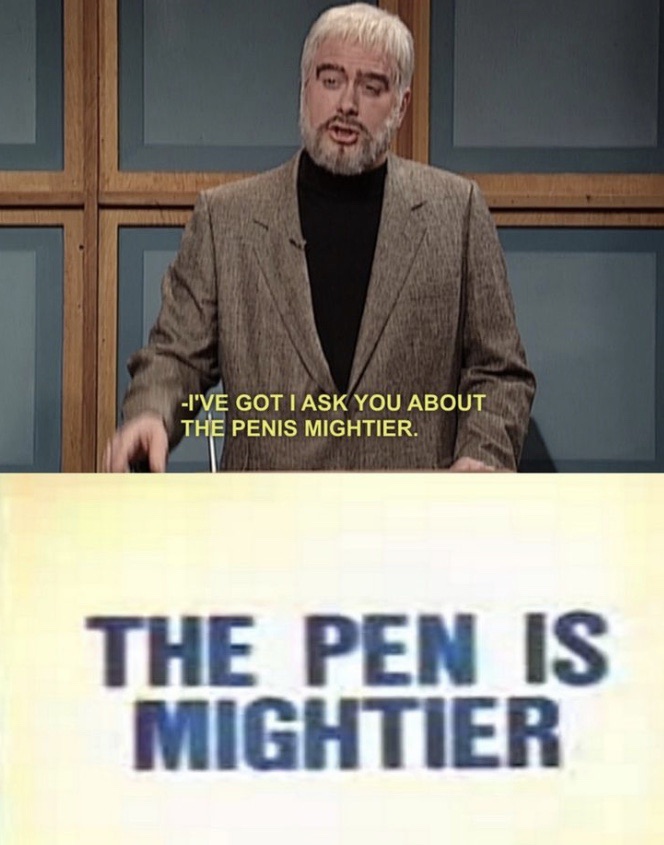
There are other reasons I write too. I realize I have a unique lived experience as a queer polyamorous Christian woman, and I have a platform where I can tell my side of the story. In a world that’s become increasingly hostile to folks breaking the norm, I feel like my words give a voice to a lot of people who aren’t represented in media. I know this from private messages I’ve received. My blog makes people feel seen, and I love it for that reason. My mom always encouraged me to write about socio-political issues — the pen is mightier than the sword, as she would say.

I know I’ve made this joke before, but it bears repeating. It’s what Mom would’ve wanted.

Writing, to me, is my biggest catharsis aside from music, and the two often go hand-in-hand. I’ve written some of my best lyrics as a result of emotional turmoil. “Ladies Don’t Start Fights (But They Can Finish Them)” was written about a feud with a former best friend who betrayed my trust. “Queen” was written during a time when my bipolar swung into a deep depression as a way to lift my own spirits. My newest song, “Fake Nice,” is my way of coping with criticism from my partner’s mother, someone whose opinion of me I valued. If I couldn’t write about the things that bother me, I don’t think I would have made it this far in life.

If you’ve been following my blog for any amount of time, I want to personally thank you for being with me through the highs and lows. It hasn’t been an easy few years, and this blog has seen me through some of my worst days. I appreciate the time you’ve taken to read my words and take them to heart. I do this not just for me, but for you, too! This is my way of screaming to the world, “Hey! You’re not alone!” I just want to be a light on someone else’s darkest times. I want people to read this blog and know that they’re in good company, that things will eventually turn out okay with time.

And that’s why I write.

Different, Not Less: A Book Review (From the Perspective of a Neurodivergent Future Music Therapist)

I recently read Different, Not Less, a collection of mini-autobiographies written by adults with autism (and often ADHD as well) curated by autism activist and public figure Temple Grandin, as part of my internship assignments. I wanted to share my thoughts on it here as well, though, as I think this is book is vital reading for anyone who works with the neurodivergent community.

Link to buy here!

The people selected for the book were largely older adults in their 50s and up who were diagnosed later in life with autism (or Asperger’s, as many of the individuals were diagnosed when Asperger’s was still a category). Most were able to live independently, although each had their own struggles with relationships and family stemming from their autism. Each individual also forged a different career path that managed to work with their unique ways of functioning and seeing the world. Occupational successes were a primary focus of the narratives as Grandin is a huge advocate for autistic folks finding work that suits their needs.

I’m glad I read this book, especially as someone who is neurodiverse myself, as it really hammered in the fact that not all AuDHD folks function exactly the same way as I do. There are struggles I have that other people have, such as issues reading social cues and the relational turmoil that comes with that problem, but there are struggles other people have that I don’t have as much, such as trouble with speech. One thing I realized during reading is that autistic folks generally are “early bloomers” or “late bloomers” when it comes to speaking, and both are valid and need to be supported in their own unique ways. One individual mentioned trouble with “fast conversation” in particular, while another noted difficulty reading tone of voice and facial expressions. Another interesting thread was the fact that many of the folks who contributed to the book felt “fiercely independent,” which, in the context of music therapy, may mean some people might not feel they need help or support. I feel in these cases, it’s especially important to not patronize or “speak down” to these individuals, as being in therapy in the first place may already feel like a blow to the ego. I mentioned earlier that relationship problems were a common factor in most of these folks’ stories, as autism can make it hard to read people and recognize how others are feeling. Many had romantic relationships and marriages crumble over the course of their lives, if they found love at all. Music therapists will need to be prepared to deal with heavy subjects such as divorce and loneliness when working with older autistic adults, as this seems to be a frequent phenomenon.

I think this book is important to read for music therapists because the common archetype associated with autism (and ADHD, one of its “sister” conditions)  is the quiet little boy, and these stories prove that this is simply not always the case. There are grown men AND women living with autism and learning to thrive in the world with autistic traits. Nearly half of the contributors were female, and most were older. This book shows that there isn’t one way neurodiversity presents in people. The word neurodiversity contains the word “diversity” for a reason – there’s an entire spectrum of challenges AND superpowers that come with the condition. Emphasis on superpowers as well, as many of the folks ended up not only finding work that was compatible with their unique wiring, but finding work that their individual quirks and differences helped make easier. I feel like a music therapist can work with their autistic clients’ strengths to better prepare them for functioning in a world that isn’t built to accommodate them.

Sensory issues came up fairly frequently. One woman described hating the feel of water on her head as a child, so her mom would have to show her pictures of other little girls getting their hair washed, and that helped her face her discomfort. That same woman, along with a few others, described being sensitive to sounds. A man, the one who made a living repairing bikes, found that restaurant work was very overwhelming to him from a sensory standpoint, which is why he leaned into bicycle repair in the first place.

Some additional commonalities include an attachment to animals. Many of the folks profiled in the book felt disconnected from people, but could relate to animals much easier. A lot of people reported feeling a kinship to their horses. (There’s an inside joke in the neurodivergent community that “horse girls” are just autistic young women with a special interest in horses, and this book made me think that might actually be true!) A lot of autistic individuals seem to enjoy fixing things as well, possibly because it’s not a very “people-y” activity and the superpower of hyperfocus is beneficial for this. One man made a living fixing bikes in college, for example. And music was another recurring theme. While not all of the individuals in the book were musicians or even mentioned music, it did come up frequently enough to stick out in my mind. One man got so interested in music that he’d lock himself in a closet with introductory methods books and teach himself every instrument he could get his hands on. Another person even got interested in choreography and started teaching dance to people with disabilities. She described dance as the way she learned to express emotions, which felt parallel to the way I learned to use music to express emotions.

The individuals profiled in the book all had different reactions to learning of their condition. Many actually grieved their diagnosis, taking some time to reach a point of acceptance, but some felt it was a relief to learn that there was a tangible reason why they felt “different” their entire life. One person wrote “I knew I wasn’t just an individual ‘weirdo’ – about 1% of the population are ‘weridos’ with me!” Another person said it felt like she’d been given a “Martian superpower” and she realized that throughout her life she had been using her unique perspectives and viewpoints to help people. Some grieved the fact that they’d learned of their condition so late in life, wishing they would have gotten proper support as a young person. A lot of the writers went on to become autism advocates and some even work with autistic folks themselves, like the aforementioned choreographer.

This book was very eye-opening and empowering to me as a neurodivergent individual, and I feel better prepared to serve clients like the ones in the book and their individual needs. Emphasis on “individual,” as all of the folks profiled in this collection are very different. I don’t have any older autistic or ADHD clients at the moment, but as someone who very much wishes to work with this population, this is the kind of knowledge I will need to best support these potential clients. Temple Grandin really emphasizes the independence and individuality of these folks, and while I know their stories aren’t representative of everyone in the neurodivergent community (some people can’t safely live independently, for example), it’s good to see people with autism and ADHD living, thriving, and succeeding in a world that tends to paint people with these conditions as helpless or props them up as “inspiration porn.” The neurodivergent community is so diverse and expansive, and this book really humanizes a sector of the population that is often misunderstood. I highly recommend this book to others in the music therapy field as well as professionals in different fields who also work with autistic/ADHD clients.

Bloganuary #2: Playtime

We onto day two, alright? So far so good!

Do you play in your daily life? What says “playtime” to you?

I love this prompt because I’m a huge proponent of playtime, whatever that looks like to you. There’s something freeing about being silly and doing things you love in a society that pushes hustle culture and the mentality of “you have to be doing something productive every waking second of the day or else you are wasting your life.” I admit I’m prone to this thinking. For a long time, I didn’t want to play. Or rather, I wanted to, but it felt like a waste of time. What are you accomplishing by simply having fun?

Turns out, quite a bit!

According to Psychology Today, play can be a way for an adult to “reduce stress, promote optimism, and strengthen one’s ability to take on other perspectives.” It’s also a great for socializing, as anyone who’s ever been to a game night with family and friends will tell you. Play is one of my favorite ways to build relationships in my life, and I always end up feeling closer to the people I engage in it with.

Until your mom steals all your stars in Mario Party and she’s suddenly Satan.

As adults, we don’t leave a lot of playtime in our schedule. When we do have free time, it’s usually spent passively consuming media, which isn’t inherently bad, but like food that lacks nutritional value, can be detrimental in high doses. What happened to getting out a big sheet of paper and drawing stuff? Or going outside and playing a sport. Even playing a video game that requires you to use some brain cells is beneficial — research shows that gaming can have a positive effect on memory and attention.

No, I was not wasting my time as a child playing The Sims. I was, uh, working on my cognition.

In my personal life, I try to allot some time every day for play. One of my favorite ways to unwind is art. I’ll be the first to admit I’m not the greatest artist ever (see: my potato-looking oil painting from my most recent blog post), but I find it relaxing and engaging. There’s a certain amount of freedom in doing something just for you. In the past, I’ve attempted to sell my works, but I’ve realized you don’t have to monetize everything you do. It’s okay to do something for fun!

Same with swimming. Back when I lived in Michigan, I had a membership to a gym with a pool, and I’d go every morning just to splash around and doggy paddle from one end of the pool to the other until I got tired. I wasn’t doing it to train for the Olympics or even just to stay in shape. I did it because I just liked it. I liked the feel of the water, the feel of floating, the way being in the pool took me back to an innocent time when I’d splash around in my backyard pool as a child.

And of course, I play video games. I typically enjoy simulation games like Stardew Valley, The Sims, and Animal Crossing, games where I can feel a sense of control over the world and everything that happens in it. People really underestimate the power of imagination! Using our uniquely human ability to create entire worlds is the closest thing we’ll ever experience to being God, and I think in a way, it brings us closer to the Divine, however that looks for you. I love creating characters and telling stories, which has been a human phenomenon for time immemorial. The ability to engage in imaginative play is what makes us, well, us.

These are just a few examples from my life, and I hope they inspire you to find your own form of playtime. How do you “play” as an adult? Feel free to tell me in the comments!

And uh, keep it PG-13, guys.