Engaged and Poly: What It All Means

If you haven’t heard the news yet, I proposed to my long-term, long-distance partner Olivia last night at a house show, the two year anniversary of the show we met at.
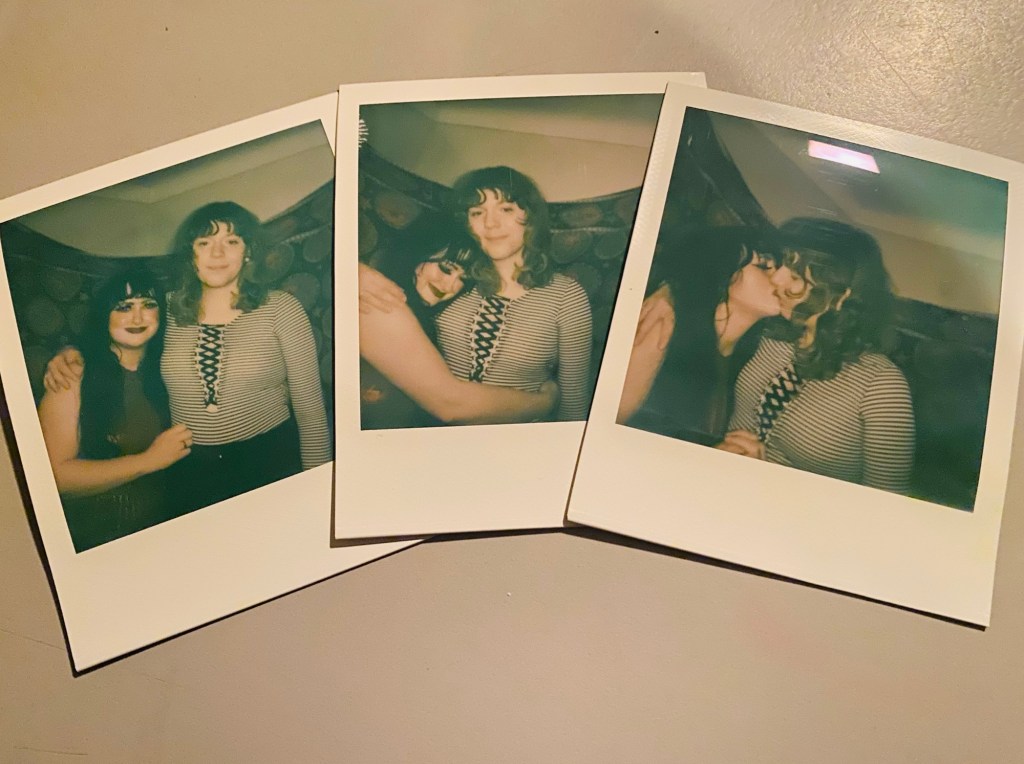
I had it all meticulously planned out — I bought her a rose gold opal ring and played the song I wrote for her during the show and did the whole “down on one knee” thing. She cried. I cried. I think some random strangers cried. It was beautiful.

Now begins even more planning, venues and dresses and cakes and all that. We’re going to go through all the motions and do a spiritually binding ceremony of sorts. But here’s the thing — we can’t legally marry. I’m legally married to my wife, Crass. No, I’m not leaving her for Olivia. They know about each other and like each other a lot. In fact, we all plan to live together as a family.

That’s the joy — and pain — of polyamory.
It hurts that I can’t ever legally make Olivia my wife, but for all intents and purposes, she will be my wife. I plan to do everything in my power to treat her as an equal to Crass, from adding her to my will to making her legal guardian of my future kids (whom she will have a hand in making as the sperm donor). We’re fighting an uphill battle against a monogamy-centered world that doesn’t understand, but it’s worth it. She’s worth it.

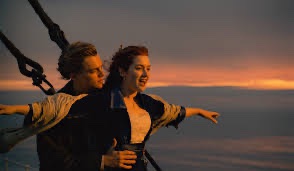
As a queer woman, I’m reminded of all the LGBTQ+ couples throughout history who never got to have their love validated by the government. I’m a romantic at heart, as much as I want to deny it at times. I don’t need a formal piece of paper saying we’re a couple. The greatest love stories of all time were never “sanctioned” by the government, all the queer and otherwise forbidden romances between folks of different races or socioeconomic backgrounds during a time when those relationships weren’t allowed. The Romeos and Juliets and the Jacks and Roses.
There’s a Bon Jovi song (of course) that reminds me of these relationships.

I was afraid to listen to it as a church-going kid because it mentioned sin and sin is supposed to be bad, right? But the message of the song is so much more beautiful than my child-mind could have comprehended. It’s about not needing the government or the rest of the world to validate your love. The young couple in the song maintains that it’s not legal marriage that makes a love, but the love itself.

Or is it right to hold you
And kiss your lips goodnight
They say the promise is forever
If you sign it on the dotted line

Bon Jovi, “Living in Sin”

Listening to this song as an adult through a queer lens, and especially as someone in a “scandalous” polyamorous relationship, it takes on a new, deeper meaning. I don’t know where we fit, the three of us, but I know I belong with my partners. I belong with Crass, and I belong with Olivia, and nothing can ever take that from me.

True love is a rare, special thing, and I was lucky enough to find it not once, but twice. That’s not something to take for granted.
In Defense of Taylor Swift: A Music Therapy Perspective

Taylor, Taylor, Taylor — I don’t even have to say her last name, and we all know who I’m writing about. Leave it to Ms. Swift to take one of the most common English-language names and claim it as her own.

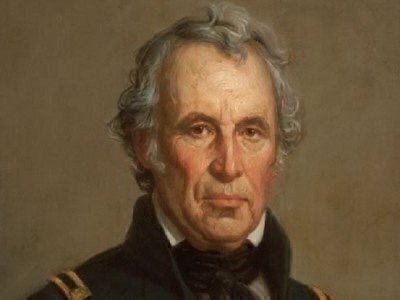
“Who’s Zachary Taylor anyway?“

Full disclosure: I am a Swiftie, though I’m not one of the crazy stans. I won’t say every single song she’s ever written is a masterpiece. I won’t even deny that she has some problematic elements (although in her defense, she has apologized for some of these transgressions, even retroactively changing the lyrics of one of her songs). She definitely had a leg up getting started as the daughter of a wealthy businessman. Still, even if she hadn’t been born into her charmed life, her talents as a songwriter and performer would have certainly been noticed by the industry one way or another. There’s no denying her talent for crafting catchy, relatable music.

And that’s what I’m here to talk about.

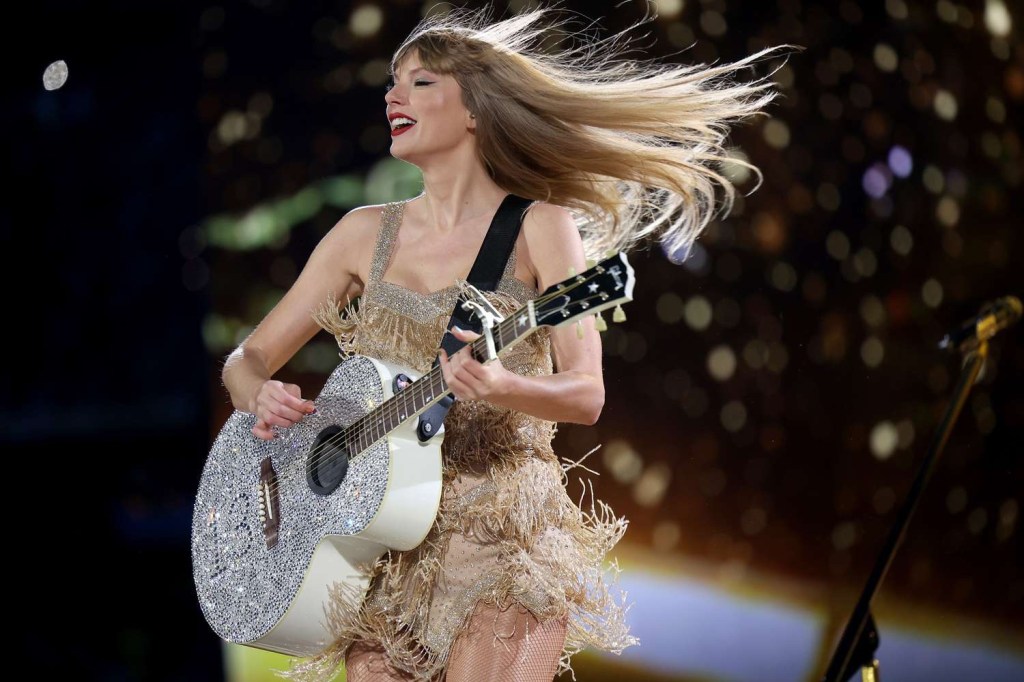
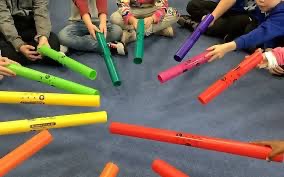
I have probably twelve clients I see regularly as part of my internship, and while their tastes vary drastically from person to person, there’s always one constant — Taylor Swift. She’s on every single client’s playlist. Some of her songs are used as lyric analyses for clients processing events and emotions. Some are used for “fill-in-the-blank” style singalongs, like “Karma” or “Mean.” A few of her songs, like “You Need to Calm Down,” are simple enough to play with boomwhackers, or giant tubes meant to produce a certain note when you smack them against something.

Preferably not your music therapist’s head, thank you.

And I think there’s a reason why her music is so ubiquitous in the music therapy world.

You see, it might sound weird, but I often look back wistfully to a time when music was less fractured, when everyone listened to the same five radio stations in their area. You knew that as you sang along to Michael Jackson being spun by your favorite DJ, there were hundreds of other people in your city singing along. These days, there are so many microgenres and independent artists, there’s no guarantee anyone else in the world is listening to the same song as you at any given time. For better or worse, there’s no such thing as monoculture, which means there’s no universally beloved artist anymore. And that means in this day and age, there are no real rock stars.

But then there’s Taylor.

“It’s me, hi.”

This woman is the closest we still have to the true definition of a rock star. She’s our generation’s Freddie Mercury. Young or old, male or female, black or white — chances are you like Taylor’s music to some extent. And that makes her invaluable in music therapy.

As a music therapy intern, my iPad is chock full of Swift songs, and I keep having to add more as my clients request them. There’s something about her music that captivates people on a deeply personal level, and I’m constantly finding creative ways to use it for therapeutic purposes. There’s no other artist whose music reaches the masses on this level with such consistency, and it’s actually pretty inspiring to witness. The power of music is nothing short of miraculous, and no one seems to embrace that fact quite like Taylor (who, I should add, donated a music therapy program to a children’s hospital).

Something tells me she would have been a great music therapist in another life.

She’d play a mean QChord, that’s for sure.

The World is a Scary Place and I’m Kind of Over It

When I was a much younger Jessa, I thought I had a future in journalism. I envisioned myself curled up on a leather sofa in my high-rise apartment in NYC typing up a rough draft for a juicy exposé. It wasn’t exactly my dream life, but it seemed more attainable than, say, going on a world tour as a Taylor Swift-level rock star, and just as cushy. And I was good at journalism. I remember joining the university newspaper on a whim and absolutely wowing the editors with my writing skills. It seemed perfect.

But despite earning my journalism degree, I never pursued news writing any further. Because frankly, it’s depressing as hell.

And I’ve heard Hell is pretty depressing.

I don’t like to read the news. I keep up on it, sure, but I don’t enjoy it. I feel like these days, it’s all bad news, and lately I’ve been feeling overwhelmed by the weight of it all. So many awful things are happening and I feel powerless to change it.

Literally last night, my wife watched this video on how the right is boycotting damn near anything and everything remotely queer. Imagine someone hating you so much, they protest your very existence. And the sad thing is, it’s working. As the YouTuber in the video mentioned, Bud Light’s stock fell drastically after partnering with transgender influencer Dylan Mulvaney. There are enough people out there who hate me and my loved ones to cripple an entire corporation. It’s scary.

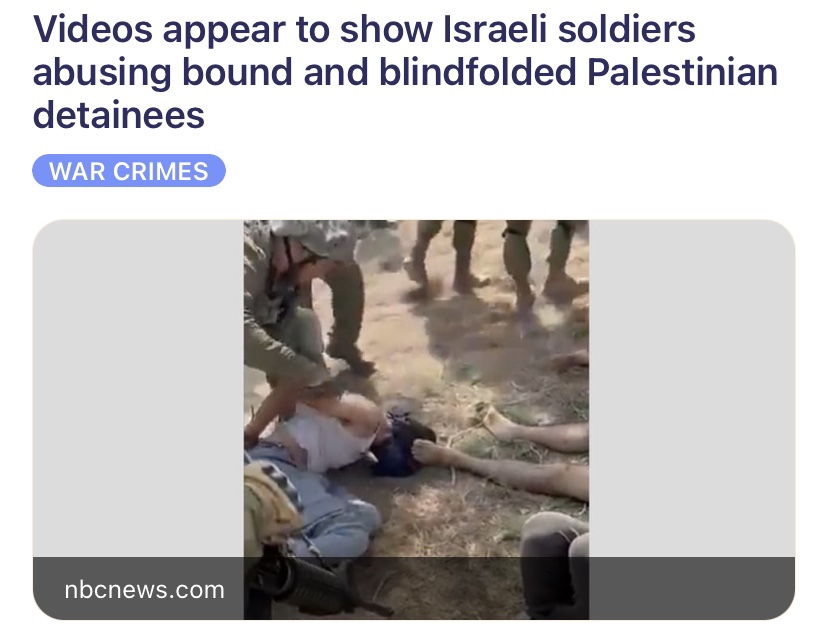
And this shit happening in the Middle East is upsetting as hell. The whole Israel vs. Palestine thing? I don’t even know what side I’m on anymore because the more I research it, the more I’m not sure there even are good guys, save for the innocent civilians caught in the crosshairs. Like, I support Jewish folks having a safe place to live away from oppression, especially after everything they’ve been through throughout history, but does it have to be like, right the fuck there? Where people were already living? It’s a messed up situation all around, and I wish there was an easy answer.

And this is not the fucking answer.

And then there’s the mundane dystopian shit happening here in the US. There’s a whole fucking subreddit dedicated to inspiring stories of medical debt and the perils of capitalism. A teenager sacrificed her college fund to avoid homelessness. People have to ration their fucking medications. There are plenty more stories out there of horrible situations rebranded as inspiring that highlight just how messed up our society has become. Like, I’d call our healthcare system a joke, but it stopped being funny a long time ago. It’s damn near predatory. I shouldn’t be one happy accident away from ending up on the streets. No one should. And yet…

I hate it here. “Here,” as in Earth. “Here,” as in “being a part of humanity.” I want to believe people are generally good, but the greed and the prejudice and the violence is leading me to feel otherwise. I’d like to believe it’s not human beings, but power that’s the problem. None of these atrocities would happen if not for the people in power. Everyday folks like you and me, we’re not the problem, but we still sit idly by and let these people do rotten, despicable things to us and our fellow man. And it’s fucked up because what can you do? I feel helpless.

I guess that’s part of the reason I write this blog, to feel some semblance of control in this bleak world. I hope my words reach people. I want us to fight for peace, for housing and food and healthcare for all, for a better future for us human creatures. We’re all in this together, and I hate seeing how divided and polarized we’ve become. I feel weary, but I have hope that things will get better in my lifetime.

Maybe I’m too optimistic for my own good.

How to Be More Original

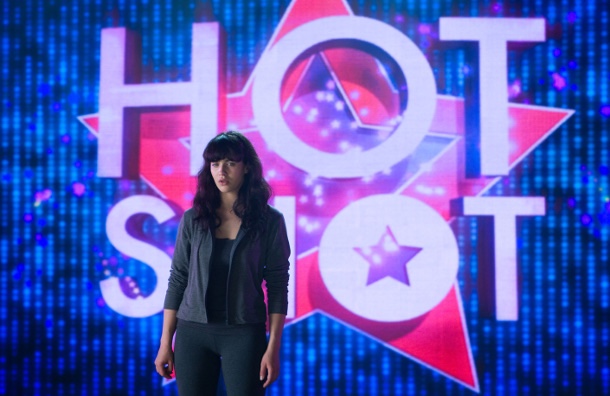
So, I signed up for a virtual audition with The Voice. Get your laughs out now; I know it’s silly. But I’ve wanted to be on one of those ridiculous singing shows ever since I was little. The Voice. American Idol. X Factor. Like, I’ll take any ridiculous singing show.

Well, maybe not any of them.

I remember watching those shows with my family as a kid and imagining I was on that stage, performing in front of millions of people at home. My name would be in lights. I’d actually be popular, which was a pipe dream for socially awkward, autistic little Jess, who discovered performing music was a way to make people like her.

My first foray into the world of televised singing competitions came in college. I found out the American Idol auditions were coming to Detroit. I stood out in the cold with my two best friends at the time, Crass, rehearsing my little heart out with my guitar and chosen two songs. I’d play a jazzy cover of “You Give Love a Bad Name” followed by my original, “Oceanography” (which I recently re-recorded and released, actually).

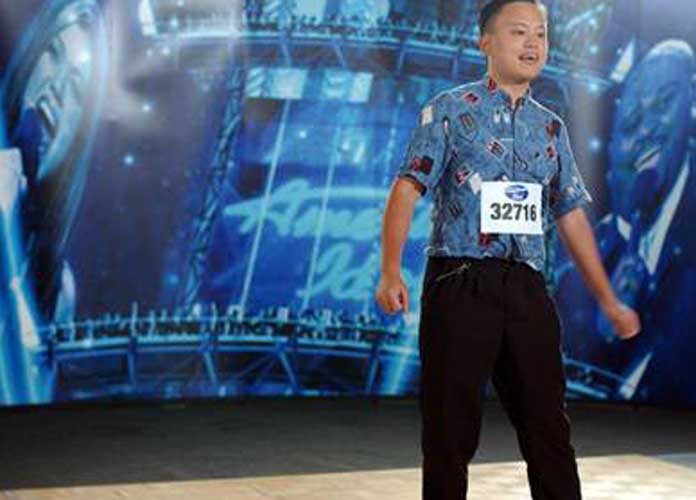
I knew I had it in the bag. And to be honest, I did make it pretty far into the audition process. Something no one tells you about American Idol is it’s not one or two standouts and five hundred duds auditioning. NO. It is quite the opposite. You’ve got five hundred Mariah Careys in the room with maybe one or two William Hungs.

OG American Idol fans will understand.

So the fact that I made it three rounds into the audition process is astounding. I passed the initial audition, another audition in front of a set of producers, and made it to the executive producers.

Judging by the fact that I’m typing this and not, I don’t know, on a yacht sipping a pina colada with Simon Cowell somewhere, I obviously didn’t make it.

It’s what the producers told me that will stick with me forever though.

You’re just not unique enough.

After years and years of being the outcast for being too unique, I, Jessica Joyce Salisbury, was not unique enough.

I almost laughed. It didn’t seem right. I wasn’t like any of the other girls auditioning. I had blue hair at the time, for cryin’ out loud.

I’ll forever associate my blue hair with the Band That Will Not Be Named, though.

I guess in a sea of, say, Ypsilanti, I was basically the town’s Taylor Swift, but in a sea of millions, I was just another girl with a guitar. There wasn’t anything original about me. I didn’t have some sad sob story except the fact that I grew up without friends (which is a sad sob story another million other singer-songwriters already have). I didn’t even have that unique of a look. I didn’t come in there looking like Lady Gaga, or that girl who wore a bikini to her audition. I was just…ordinary.

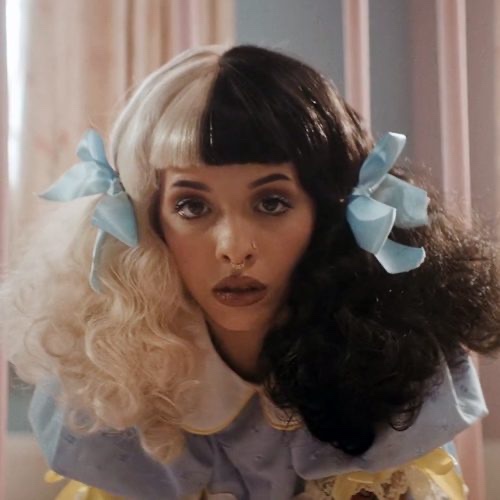
I think I’m running into the same problem now as I go about promoting my music. Every artist needs a hook, and I honestly don’t know what mine is. I’m autistic and ADHD. So? There’s millions of neurodivergent artists out there doing the damn thing. I don’t have a unique look about me. I dyed my hair black in part to quell comparisons to Swift, but now people, especially older ones, compare me to Ann Wilson from Heart. Not that I minded either comparison all that much, considering both women are musical inspirations (and big gay crushes) of mine, but I wish I had a look that stood out more. Even the split-dyed look I sported for a while has already been done better by Melanie Martinez.

I can’t win.

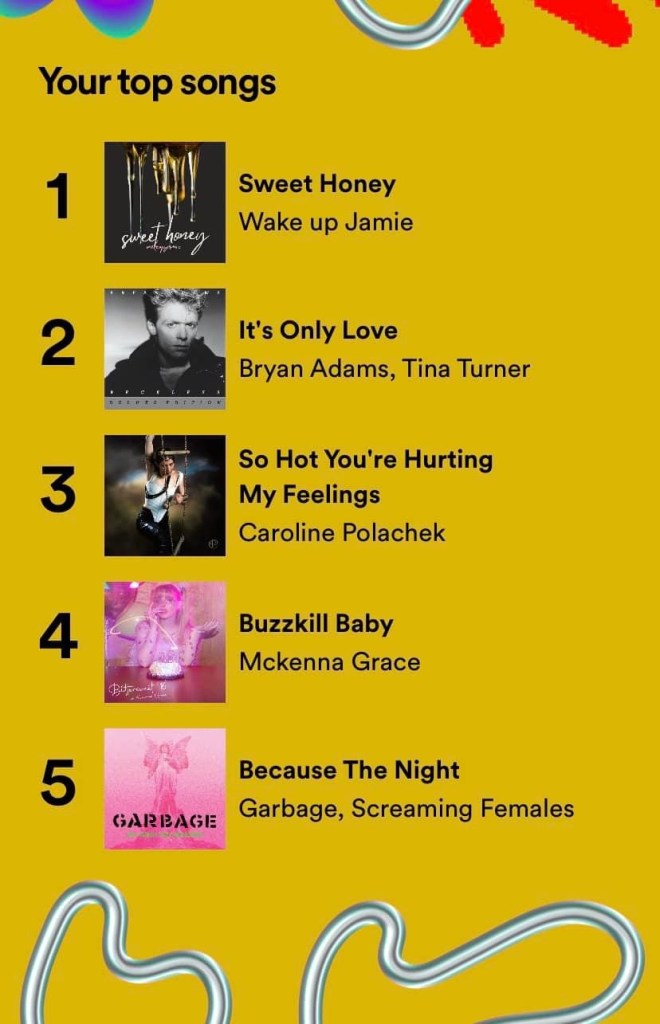
I don’t know what I need to do to set myself apart, but I’m sick of being the only person who cares about my music. I just wish I knew how to make other people care about my music. I can’t just pull a U2 and download my songs onto other people’s devices or like, stream “Oceanography” or “Sweet Honey” directly into people’s heads. (If that were possible, it probably wouldn’t be legal.) I’m not a virtuoso by any means, but I’m a damn good songwriter. That should be enough, but we live in an age where anyone with a laptop can be a songwriter and produce their own music. That’s not a bad thing, but it does make the competition that much more fierce.

Maybe I’ll get through the Voice auditions and finally get my big break, who knows? All I want is for my music to be heard by other people. I’ve always made music as a way to connect with other people. I don’t do it just for my own amusement.

Even if I do listen to myself more than I’d like to admit.

I didn’t answer the question in the title, mostly because I still don’t know myself. I guess I’ll always be on the journey to find new ways to stand out in a big wide world of other creators. That’s all we artists can do.

An Open Letter to JustPearlyThings

I happened upon a video by one of my favorite YouTubers earlier this morning. I’ll leave it here for you to watch as well. It’ll give you some background info at least, if you’re unfamiliar with the creator Hannah Pearl Davis of JustPearlyThings.

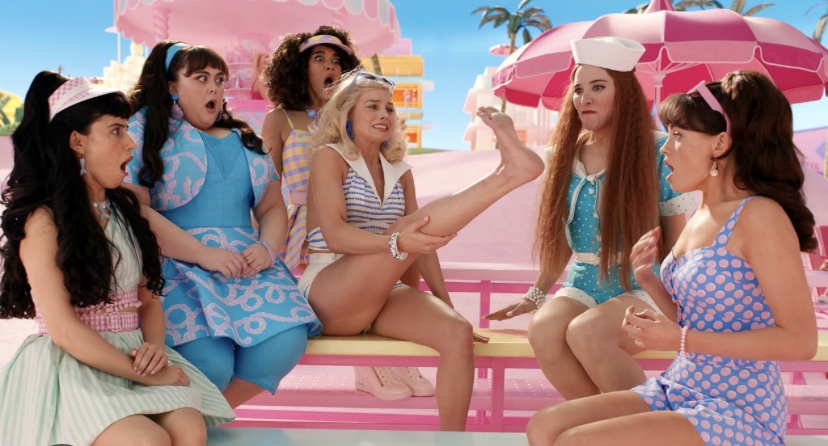
Pearl is a vocal advocate against women’s rights, which is ironic because she is, in fact, a woman herself. Not content to, ya know, have voting privileges and her own credit card (the latter of which wasn’t possible until my own mother was an adult), she speaks about how women generally suck in comparison to men. Her sources for this are seemingly rectally sourced — “But men built modern society!” Never mind that we weren’t allowed to contribute for much of human history. I guarantee had we been viewed as equals, we would have been just as prolific. But when you’re relegated to a life of wife and mother and shooed away from public life, you’re not exactly going to be building pyramids or discovering electricity. I’m just saying if we’d had equal rights like, several hundred years ago, life would probably look a little closer to the Barbie movie.

Minus the garish pink and weird feet, hopefully.

I’m not mad at Pearl for believing what she does, as problematic as her beliefs are. Rather, I feel a deep sorrow for her. How sad must it be to believe yourself inferior simply because of the way you were made! As shown in the video, she’s admitted herself that she has low self-esteem, which no doubt contributed to her falling down the alt-right rabbit hole that’s sucked in way too many young people like her.

So my irrational womanly feelings led me to pen an open letter to her. I highly doubt she’ll read this, as she’s a creator with millions of followers and I am simply some asshole with a blog, but perhaps some girl who’s falling down the same rabbit hole will. I pray my words convince her that she’s worth more than this.

Pearl,

Your name has a meaning — you are beautiful and precious and nothing can take that away from you. I hate what this patriarchal, red pill bullshit has done to you. I’ve seen some of your older videos — the light in your eyes has gone. But it’s not too late to reclaim it.

Your gender has nothing to do with your worth. You are a woman, and that’s okay! We’ve fought like hell to get to where we are today, and that’s something to be proud of. You have a voice because your mothers and grandmothers and great-grandmothers decided that they’d had enough of the very life you claim to want to go back to. Today, we have the choice to be scientists, businesswomen, politicians, or even just a wife and mother, which there’s absolutely nothing wrong with! My mom was a wife and mother, and that’s all she wanted to be. But she and my dad raised me and my sister to have a choice, and I cherish the fact that they gave us that choice.

You have a choice, too. You can live quietly as a wife and mother, or you can pursue a different dream, whether that’s in business or academia or politics or something else entirely. A lot of women manage to do both, which is admirable as heck! But you have that choice, and it’s a shame you want to take that choice away from other women. Our freedom was hard-earned, and you’re still receiving benefits from it. You weren’t pawned off like chattel to be forcibly married to some rando, were you? That’s an extreme example, but it shows how far we’ve come as a society. We need feminism because without it, that’s how we’d still be living. We’d be little more than the property of our fathers or husbands.

I write this because I know you’re capable of so much more. You’re a Christian too, right? Remember the verse that says there’s no male or female in Christ (Galatians 3:28)? That means our earthly gender divisions are moot — we’re all equal in the eyes of God. What’s more is that you’re beloved by God! He loves and provides for the lowly sparrow, and you’re worth much, much more than that to Him! You’re the daughter of a King, so straighten that crown and get out of this red pill nonsense.

You. Are. Worth. More.

Love,

Jessa

When You Can No Longer Turn a Blind Eye to Hate

Sometimes, I get the no-reason sads. Usually, the logical side of me (the part I’d like to imagine is bigger) will chalk it up to a chemical imbalance., just some muddled up brain slush not doing its job. This most recent sad, I could have easily brushed off as me not having my Wellbutrin for the last few weeks. But there was something more to this particular sad, and I could feel it.

The sad was not a typical no-reason sad. It was a scared sad, and it came with a realization.

I’m going to be living my entire life in fear for the women I love more than anything in this world.

I fear for my wife, who is black in a world that turns a blind eye toward violence against people of color. I fear for my girlfriend, who is transgender in a world that tells trans women to kill themselves, if the world doesn’t murder them first. I have so many fears about my future family and whether or not we’ll be safe in this country I love, the country I’ve called home my entire life.

I want to start a family with my two favorite people so badly, but I can’t shake this fear that something will go horribly wrong. Growing up, I never felt that kind of existential fear. I was a white, straight-and-cisgender-passing Christian. I never had to worry about systemic oppression or the ignorant prejudices of other people. I was able to exist peacefully and apolitically. But you can’t exist apolitically in a society that vilifies your loved ones and actively seeks to harm them. I used to be able to overlook oppression, but now I see racism and homophobia and transphobia in the world and it’s fucking personal.

My mom once told me that my writing has the power to change the world, and I hope it does. This was a hard post to write, but it’s so important to put out there. I want to live in a world that allows my future daughter to grow up without fear, without the nagging feeling that someone’s going to hurt her moms. No one should have to bear this kind of anxiety, ever, and I pray someday we’ll live in a society that lets us simply exist.

I don’t think that’s too much to ask.

Confessions of a Manic Pixie Dream Girl

I was scrolling through a certain accursed social media app when once again, I saw some bullshit. Which is how most of my posts on here begin, in all fairness. I’m starting to think I just love self-sabotage.

I do this to myself.

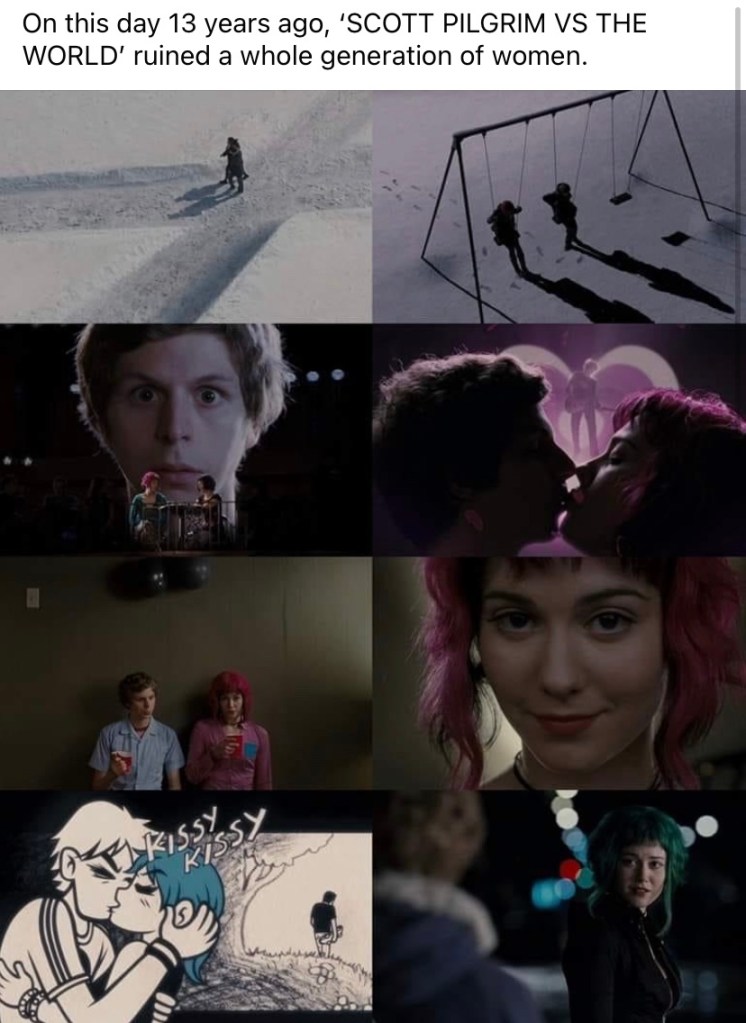
Anyways, the incel BS of the day is this meme:

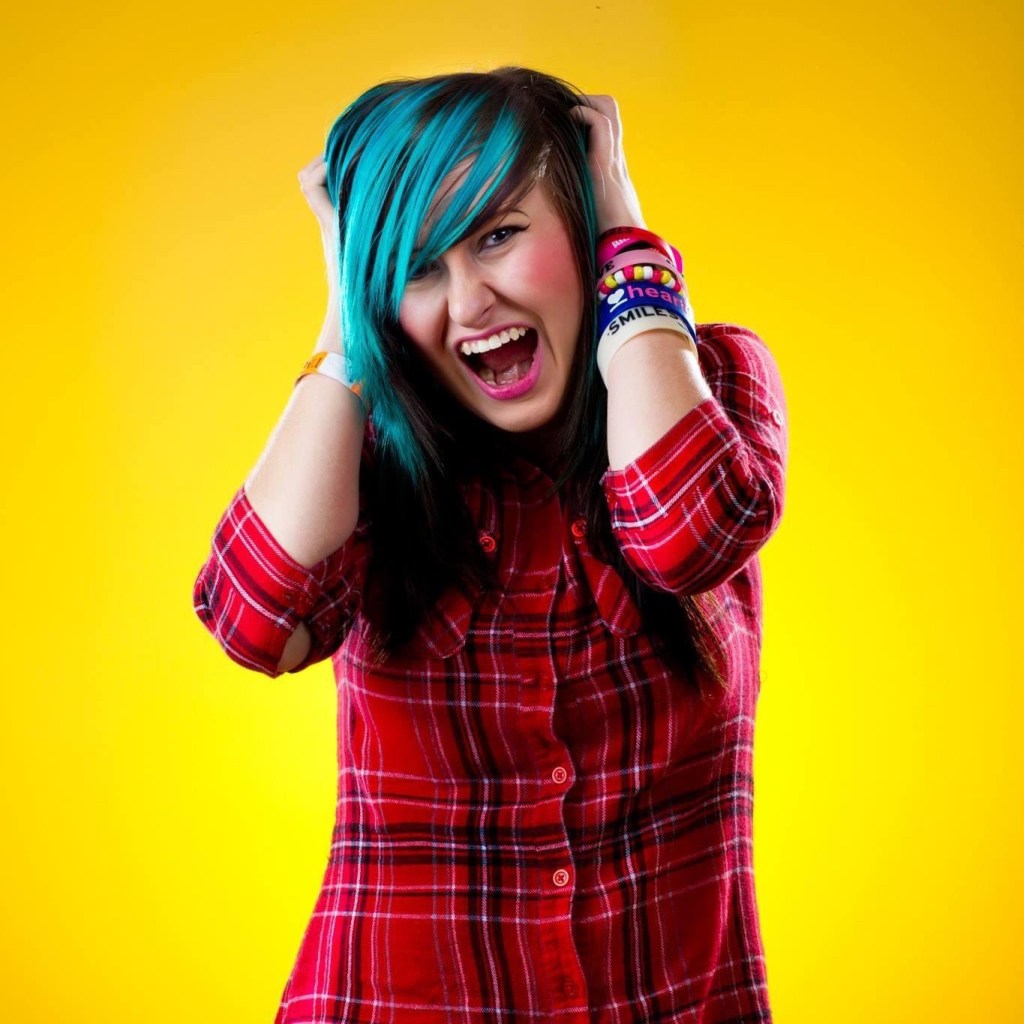
My first instinct was the kneejerk “Oh, this is some ‘girls just wanna be independent blue-haired sluts nowadays instead of perfect blonde housewives and babymakers’ trad nonsense.” That community tends to have a low opinion of blue-haired girls in particular for some reason. Probably because they’re all gay and want nothing to do with you. Kind of like a certain formerly blue-haired blogger I know.

Pictured: gay and wants nothing to do with you

But what if that’s not the intention of this meme? What if there is some valid criticism to the Ramona Flowers archetype?

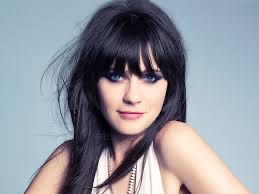
The Manic Pixie Dream Girl is a character that appears in film and other media to shake up the life of a (usually awkward and dweeby) everyman protagonist. She’s energetic, bubbly, kind of awkward but in a more charming way than the everyman protagonist, and her entire purpose in the narrative is to get said protagonist out of his shell. You know the type. I could put a picture of Zooey Deschanel here…

NOT ME.

…and you’d know exactly who I’m talking about.

A gajillion think pieces have been written on why the MPDG archetype is problematic. Some people say the trope is misogynistic, implying the MPDG is intended to be “not like other girls.” Others take issue with the idea that these quirky women need to “save” men in these narratives. Even the creator of the term feels the character type is shallow and cliche. But my criticism of the MPDG comes from a unique place.

Because for a long time, I was the MPDG.

I was lucky (or unlucky) enough to come of age right when the archetype was gaining steam in the cultural zeitgeist. Somehow, almost overnight, all the quirks that made me annoying or weird started coming off as oddly charming, and I had a long list of suitors all throughout college. But none of them lasted, because the very quirks that made me attractive became grating as time wore on.

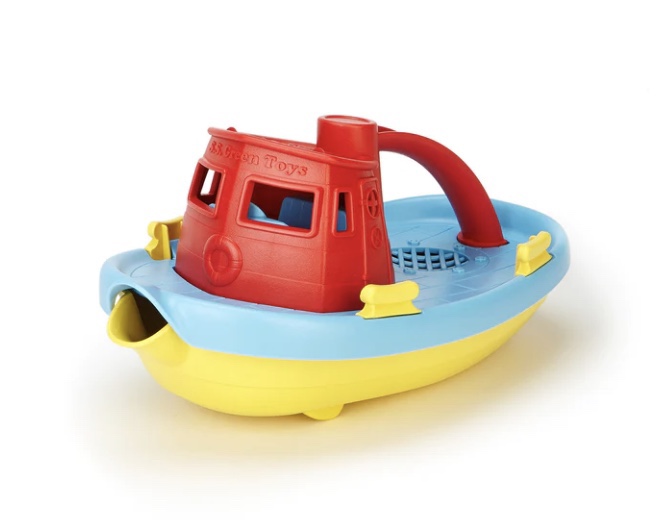
It’s not my place to diagnose, but many of the MPDGs of pop culture show signs of being ADHD or autistic, like me. And while being neurodivergent is freaking awesome most of the time, it does come with its downsides, and one of those downsides is difficulty in relationships. For example, I find subtle social cues hard to decipher, and makes communication difficult sometimes. Or impulsivity, which is a huge problem for me. It’s cute when you want to go to Taco Bell in the middle of the night, but it’s way less cute when you buy a boat you can’t afford. Which is something I have done.

The only boat I can actually afford.

There’s nothing wrong with portraying neurodiverse folks as love interests in film and TV— in fact, I love to see that kind of representation!The problem occurs when you only show the rainbows and butterflies. Relationships are hard, and doubly so for those of us who are neurodivergent. We’re not cute little one-dimensional characters who exist to spice up your life. We’re real humans, with human emotions and flaws.

I know it’s a cliche to say you don’t deserve me at my best if you can’t handle me at my worst, but it’s your reality when you date a neurodivergent person. We can be great friends and even better lovers, but you have to accept all of us — not just the idealized versions you see in media.

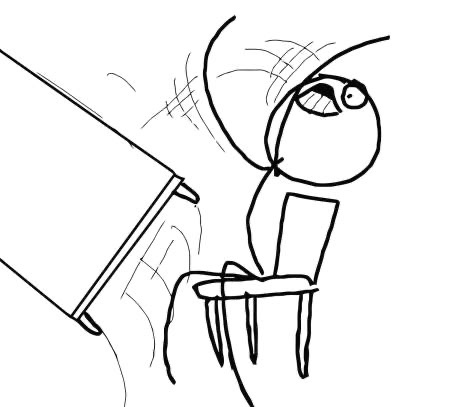
Sunday Morning Coffee: Sometimes You Gotta Flip a Table

Welcome to my inaugural Sunday morning coffee, where I take a spiritual lesson I’m learning and share it for everyone. I’m not going to pretend I’m this enlightened guru or pastor — I’m just a random weirdo with a blog who likes to write about this kind of stuff. But I feel like I can bring an interesting perspective to the metaphorical table when it comes to scripture, spirituality, and the like, being a queer eclectic Christian married to a mostly agnostic Jewish woman.

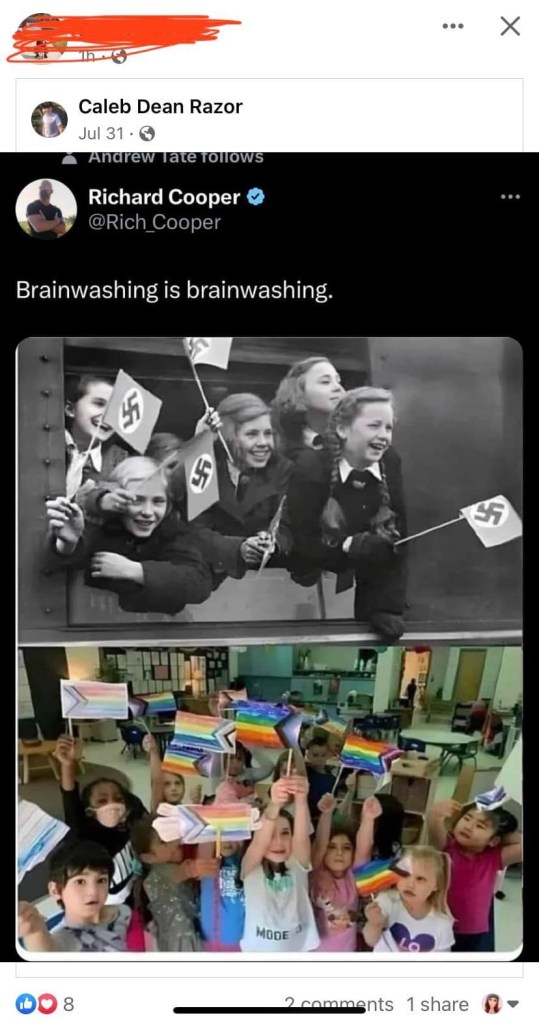
So I was doomscrolling through my Facebook updates when I noticed a friend posted this:

I don’t even have a witty caption for this.

To say I was livid would be an understatement. My blood is still boiling as I type this, and anyone who knows me will tell you I don’t anger easily. To compare my right and my loved ones’ rights to simply exist as ourselves to the most heinous crime against humanity is fucking disgusting and nearly irredeemable in my eyes. And then I clicked on this so-called friend’s profile. He was a Christian?! This man is claiming the name of Christ while posting shit like this? Nothing short of sickening.

What does the heart of God say about anger? It’s easy to fall back on the “seven deadly sins” as a measure of what’s right and what’s wrong, and wrath is right there in that list. But anger isn’t necessarily wrath. When our rage is directed toward something totally justified, we call it righteous anger. In Matthew 21, Jesus Himself demonstrates this.

Jesus entered the temple courts and drove out all who were buying and selling there. He overturned the tables of the money changers and the benches of those selling doves. “It is written,” he said to them, “‘My house will be called a house of prayer,’ but you are making it ‘a den of robbers.

Matthew 21: 12-13

Maybe we need to start flipping some tables. Maybe we need to start using this anger at how our supposed brothers and sisters in Christ are treating people and cheating people. Maybe we should be calling out posts like the one above when we see them pop up on our timelines. Silence never changed anything. Righteous anger makes us want to speak out for the oppressed and the downtrodden, the “least of these.”

I made the mistake of deleting the person who made that post, because I knew I was going to tear them a new one if I didn’t. But what I should have done was use my anger to call them out, gently but firmly. Anger when unchecked turns into wrath, and things can be said that legitimately hurt others (and hurt our own case in the process). On the other hand, righteous anger, when channeled by a spiritually mature person, can be used for good. Open discussions, engage in debates, and let people see the light of Christ through you. If you have to flip some tables, flip those tables, but remember the person behind them. They’re broken too.

No, Trans Women Are Not Threatening Womanhood

I’ve largely disconnected from Facebook because I’m trying to love myself. Still, the primal urge to check in on that hellhole creeps in every now and then. It’s like how some folks enjoy watching pimple popping. It’s often disgusting, but fascinating all the same. I don’t know, maybe I’m following the wrong people.

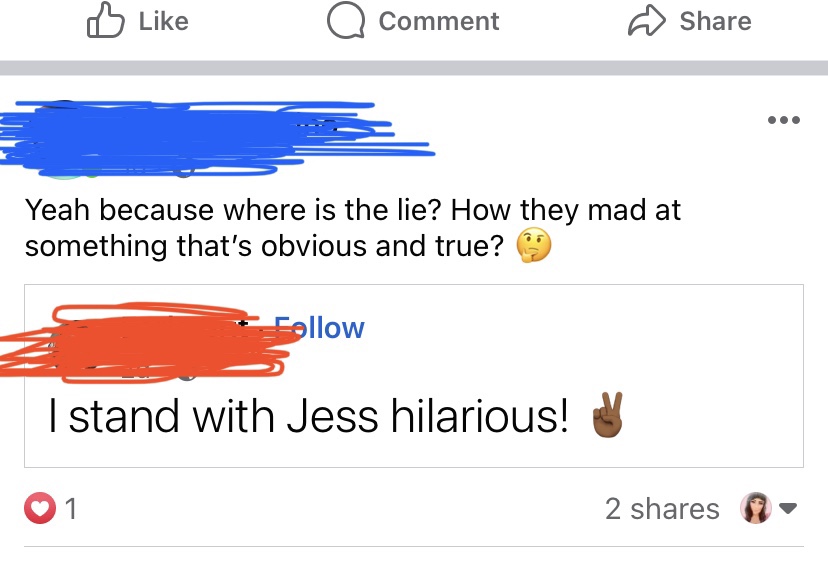
Anyways, this is what I opened that God-forsaken app to:

Do you know how tempted I am to NOT hide these losers’ identities?

Basically, Jess Hilarious is a comedian (you gotta be with a last name like Hilarious). Recently, she said some pretty TERF-y things, which is what the status above is referring to. Here’s the direct quote, for anyone too lazy to click on the link:

What is the difference between you and someone who has been diagnosed to be mentally insane? The only difference is you don’t have a straitjacket on. Stop talking out your (bleep). Wake up. How are you projecting your anger on real women? Because we are the gatekeepers. We are the gatekeepers for periods. We are the only one that (bleep) bleed, honey.

Jess Hilarious, being decidedly unhilarious

The tirade was in response to a TikTok video of a trans woman who claimed cis women don’t “own” womanhood or periods. The second point is decidedly true — (almost) all AFAB people of a certain age have periods, which includes some trans men and non-binary individuals. And the first point, well, that’s also true, but it’s worth noting that the two aren’t synonymous. Read that again — womanhood and periods are not synonymous. One can exist without the other. Lots of cis women don’t have periods, too, for a number of reasons.

The TERF agenda seems to revolve around the idea that womanhood is this finite resource, and if non-AFAB people get a slice of the pie, there’s less available for what they’d consider “real women.” It’s a silly argument. Someone with a penis wearing a sundress or makeup and going by she/her doesn’t make you, a cis woman, any less of a woman. She’s just out here minding her own business, and you should too. (And everyone should experience the unbridled joy of wearing a sundress on a pretty spring day, I don’t care what gender you are.)

Womanhood should not be gatekept. After all, it is a concept, above all other things. It’s a societal construct that shifts and changes depending on time and culture. 200 years ago, womanhood looked like wearing a corset; in Muslim-majority areas, it might look like wearing a hijab. Heck, pink used to be a masculine color until we decided as a culture to code it as feminine. These are all arbitrary things — we could decide as a society that women need to wear saucepans on their heads and if enough people went along with it, that would be the new normal.

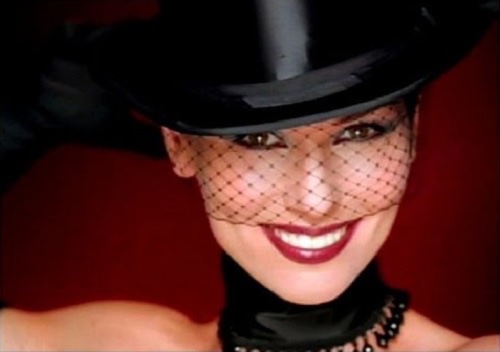
My point here is that if the norms of what your culture considers “womanly” fits how you feel, then womanhood is open to you, and that’s regardless of your naughty bits. It’s the Shania Twain Principle. If you wake up in the morning thinking man, I feel like a woman, I have news for you.

Let’s go, girls.

Sure, pregnancy and childbirth (and periods, by extension) are traditionally associated with womanhood, but like everything that depends on societal norms, there will always be exceptions. Look at women who cannot conceive or carry a child. Do we revoke their woman-card? Absolutely not, and the very idea of doing such a thing is wildly offensive.

There’s room at the table for all of us: cis, trans, or non-binary, able to bear children or unable to bear children, sundress-lovers and pantsuit connoisseurs alike. When addressing important issues like bodily autonomy, such as abortion and birth control rights and the right to receive gender affirming care, it’s more important than ever that all women band together against our common enemy — the greedy, misogynistic old guys in power.

Cue Rage Against the Machine.

Like most people I don’t agree with, I don’t think Jess Hilarious is necessarily a bad person — just misguided. I hope she, too, someday comes to realize that womanhood is for anyone who dares claim it.

Small Towns Are Great! (If You Fit In)

So today’s Thing That Everyone’s Mad About is the Jason Aldean song “Try That in a Small Town.” It’s nothing special to be honest. The lyrics hit on every right-wing talking point that’s popular right now save for the tired (and deeply offensive) “all queers are child molesters” trope. You got gun lovin’, cop lovin’, flag lovin’, all that good stuff. Basically, it’s obvious MAGA-bait. Musically, it’s…a standard issue pop country song. You could rewrite every line as “Bernie Sanders rules!” and I still wouldn’t listen to it willingly. Hell, all politics aside, changing every word to “watermelon” wouldn’t save this song from being an absolute snoozefest. Why do people give this guy attention when like, Jason Isbell exists?

Behold, the superior Jason.

I’m not here to talk music or politics, though, as if anyone gives any weight to my opinions on either. I’m here to talk about the romanticization of small towns.

I grew up in Huron Charter Township, which consists of three small villages: New Boston, Waltz, and the smallest one, where I lived, Willow. Most people just called the whole township New Boston, after the largest village, but I knew the difference, dammit. We were about as far into the country as you could get and still call yourself a suburb of Detroit — most people consider the area part of the larger Downriver region. Still, for all intents and purposes, the area was rural as heck. I’m talking farms, barns, horses, and the like.

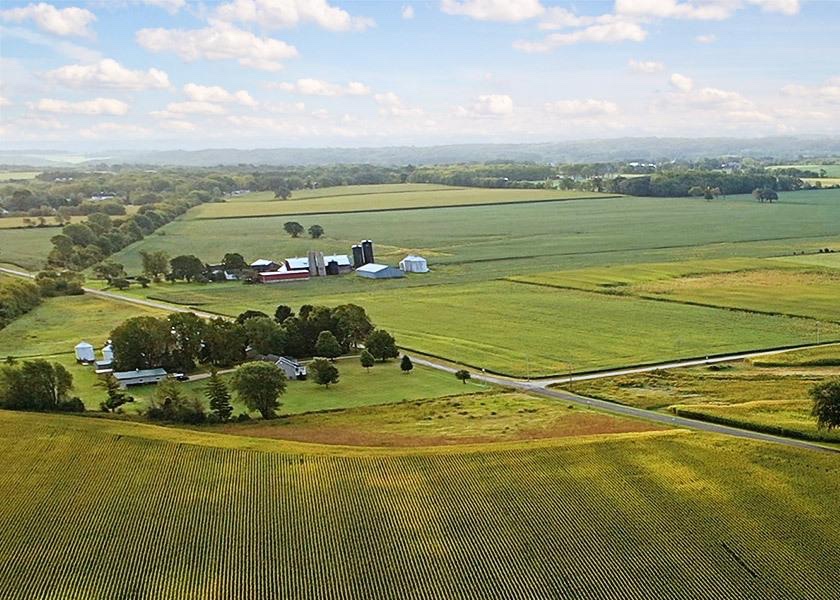
Not my hometown, but might as well be.

I liked some aspects of living there. I liked running rampant through the open fields, going muddin’ with my childhood friend, walking with my dad to the little party store by the train tracks and getting holographic Pokémon stickers. It was a quaint life, and it would have been perfect.

What people don’t realize is that living in a small town is hell when you’re the weird kid.

Small towns are tight knit and insular, and that works out well for people who are in the “in-group,” but things get real squirrelly when you break the norms of that in-group. I remember getting teased for everything from not being Catholic to hating ranch dressing to being supposed lesbians with my best friend, back when “lesbian” was an insult and not, well, just an accurate descriptor for me. I didn’t dress like the other kids either, or talk like them, or act like them, which I now realize was an autism thing, but this was also a time when girls were seldom considered autistic. You were just “the weird kid,” and if you were a small town weird kid, news travelled fast that you were to be avoided.

As I got older, the bullying escalated into sexual harassment — girls grabbing my ass and guys pretending to rub their boners on me, all because they knew it made me uncomfy and they thought my reaction was funny. I didn’t tell my parents the nature of the bullying, but they knew something was up. I was coming home from school crying and hibernating all evening. And when my dad went to the principal and the counselor? There was nothing they could do. My dad suspected their indifference to my predicament was partly due to my family being “low importance” in the small town hierarchy. We didn’t go to the local church or participate in the PTA. No one cared what happened to the Salisburys. We were outsiders.

It was so bad, the adults were bullies too. I still remember my Girl Scout troop leader, Mrs. Marsack, who resented me for making her troop look bad. She was so desperate to push me out of her gaggle of otherwise perfect little girls, she barred me from participating in the group camping trip because I wasn’t “mature” enough, despite getting good grades, staying out of trouble, and being more of an “old soul” than was probably healthy for me. I remember locking myself in the bathroom and crying inconsolably. It had never been more clear to me that I wasn’t wanted.

My saving grace was leaving my hometown. Moving to my college town was the best decision I could have made. The thing about larger cities is that more people equals more differences, and suddenly, I was running into weirdos like myself and befriending folks who weren’t like me, but still appreciated my quirks for what they were. Everyone was from somewhere else, and we were all just trying to find our place in the world. It was kind of a beautiful thing. Growing up in a small town, I had no idea there were places like this. It felt utopian.

Cities have their issues too — more people does tend to equate to more crime — but that’s just the nature of humanity. Nowhere is perfect as long as the people there are not perfect. I just know I’d rather live someplace where I can be myself and not have to hide pieces of who I am just to fit in. I’m glad I left my hometown for bigger and better things, and I hope all the other small town weirdos like me get a chance to as well.