We gettin’ philosophical with these prompts it seems. I’ll bite.
When I was little, I wanted nothing more than to be a grandma. I was really close to my maternal grandmother, from whom I got the name Joyce. To little kid-Jessa, she had the perfect life. She didn’t really have any responsibilities. My grandma never worked a day in her life, and she was passenger princess supreme since the day she first drove a car…immediately into a building. All she really needed to do was slather stuff in lard and cook it up, and aside from that, her life was all watching game shows and kicking back in her La-Z-Boy.
The queen’s throne.
Now as a thirtysomething, I keep myself busy enough. I’ve got two jobs that tend to occupy a good deal of my time, an ever-growing polycule (I think I have like, a boyfriend now? Maybe two?!), and a band/collective of friends that has been hard at work cookin’ up creative projects galore.
Serving up some fresh beats.
But I want more.
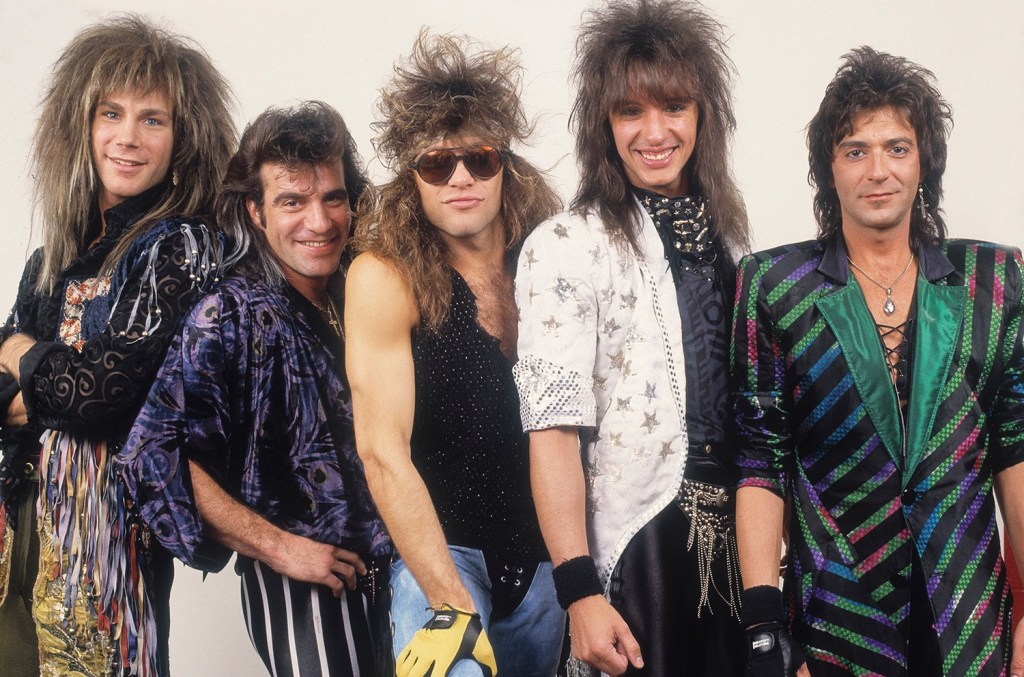
For a while, it was hard to say what I wanted more of. I certainly need more money — my wife lost her job in a truly fucked up way I can’t really elaborate on at the moment, and we haven’t quite recovered since. A part of me wanted more fame, as I’ve longed to be a rock star ever since I first watched the Bon Jovi Crush tour VHS tape as a child. Maybe I wanted more things to love and care for — more cats, a dog, a bearded dragon, even human children of my own. I have a deep motherly instinct I’m slowly coming to terms with, after all. But I think the overarching theme of everything is that I need more time.
I’m 32 as of writing. I realize I’m a spring chicken compared to a lot of folks, but I’m also not in my prime anymore. I don’t have the stamina I used to at times. I get winded walking up the stairs, and I can’t belt like I’m Ann fucking Wilson the way I did in 2013, when I sang “Crazy On You” for American Idol and actually almost made it. I can’t imagine jumping around a stage headbanging like I did when I played in a shitty pop-punk band, and the thought of sleeping in that tiny ass tour van with my current 30-something spine is the stuff of nightmares. I used to swing dance like a motherfucker, too. I could do crazy ass aerials like these. If I tried doing any of those moves now, I’d snap my neck and die probably. I’m sure some of these things could be alleviated if I actually worked out like I’m supposed to, ate better, stretched, and found a way to intake a certain herb that is common and legal in the state of Michigan that doesn’t involve smoking it (edibles just don’t hit the same, man). But even if I ate the finest organic produce, did yoga at sunrise like clockwork, and smoked nothing more than brisket, I’d still have to contend with the fact that my health will decline someday. No one is young and healthy forever.
All this to say that I’m certainly feeling the weight of getting older. Or to put it frankly, I feel like I’m running out of time.
My main, cool job is hosting game shows for the music bingo and trivia junkies of the greater Kalamazoo area, but I moonlight as an overnight caregiver at a nursing home. It’s not the most glamorous job by any means, but it’s a decent enough living. It’s also not something I’m particularly good at — I’m notoriously shitty at my job compared to the other, less neurospicy caregivers who mostly have kids of their own to practice on. That being said, I do enjoy what I do most nights. It’s a pretty carefree job once all the residents are asleep.
But then you start thinking.
The mind is a terrible place to be.
At a nursing home, you’re constantly surrounded by reminders that were running out of time. Memento mori, if you wanna get Latin with it. You find it every time you enter one of the residents’ rooms. Look around and you’ll be greeted by senior pics and wedding photos of a bygone era. It’s easy to forget that old people were once just young people like us, each with their own dreams for the future — and each now coming to terms with their own ending. The saddest part, in my opinion, are the dusty keyboard in Ms. E’s room or Ms. B’s largely untouched crocheting kit. This is a woman who, fifty years ago, built guitars for Gibson when the company was based in Kalamazoo. She could have built my old Epiphone at that factory for all I know. And now she can barely hold a crochet hook. The Other Ms. B was an avid swing dancer for years, and now she can’t even stand up independently, let alone do any of those crazy aerials from that video up there. A literal badass combat vet cries for help every night because he peed himself again. This isn’t the future I want for myself, and yet it’s the future we all get, barring a literal tragedy. You die young or watch yourself get old enough to lose sphincter control.
Kegels are your friend.
Truth be told, there are a lot of things in the future I’m not scared of, and I’m even excited for. The next generation of Pokémon is Gen 10, and the next Taylor Swift album is her lucky number 13, and while the most recent installments in their lengthy catalogues have been a little disappointing, I’m still hoping my favorites bring their A-game next time around. I’m excited to hopefully watch this political landscape crumble and rebuild into something better for everyone, not just the elites. I’m excited for my next slice of pizza, my next joint, my next song, my next stuffed animal, and my next kiss from one of my partners, but I’m not excited for everything that comes after, when it’s all over and I’m left alone with nothing but my anxieties. I’m really excited to have kids someday, but in a way it almost feels like game over. Like that’s the last big milestone. What comes after that? Menopause? Grandkids? Death? And what the fuck do I do when I can’t hold a guitar anymore?
It’s hard to come to terms with the fact that I’ll never be this young again. I remember writing earlier this year, around the time of my birthday, about how all my heroes are getting older, and so am I. It’s a weird feeling, watching everyone grow and change, even as every day feels the same somehow. I’m scared of dying, but I’m also scared of getting older. There’s no winning. I guess I take solace in knowing even the great and powerful Stevie Nicks felt this way once, so I’ll let her sing this one out.
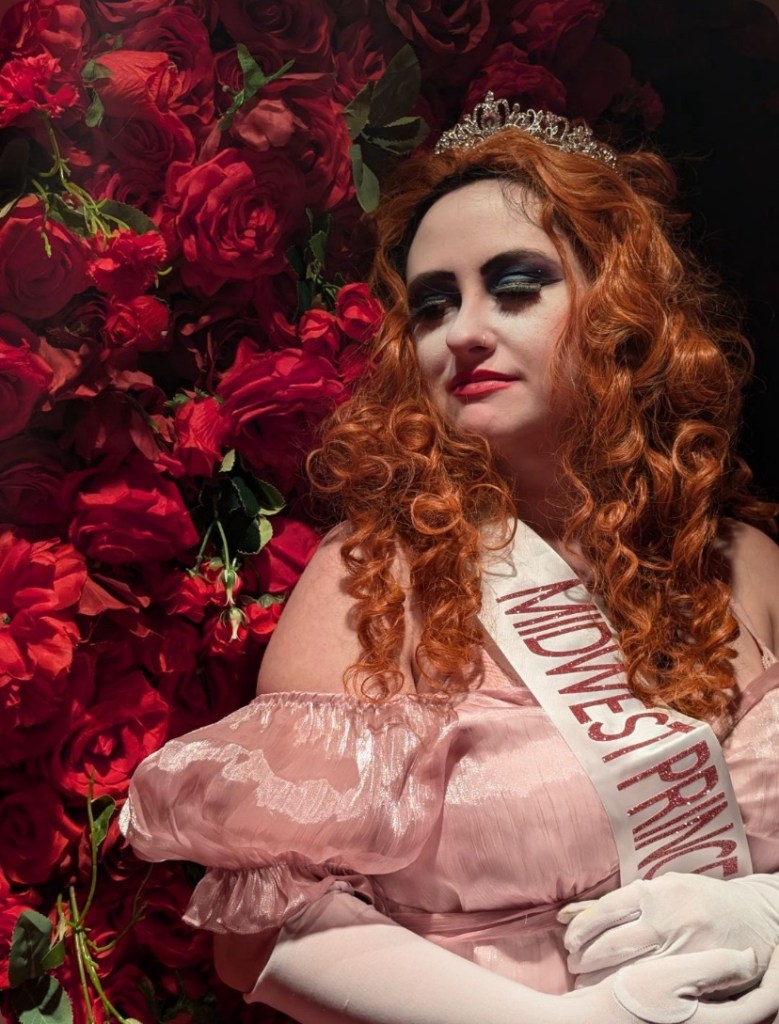
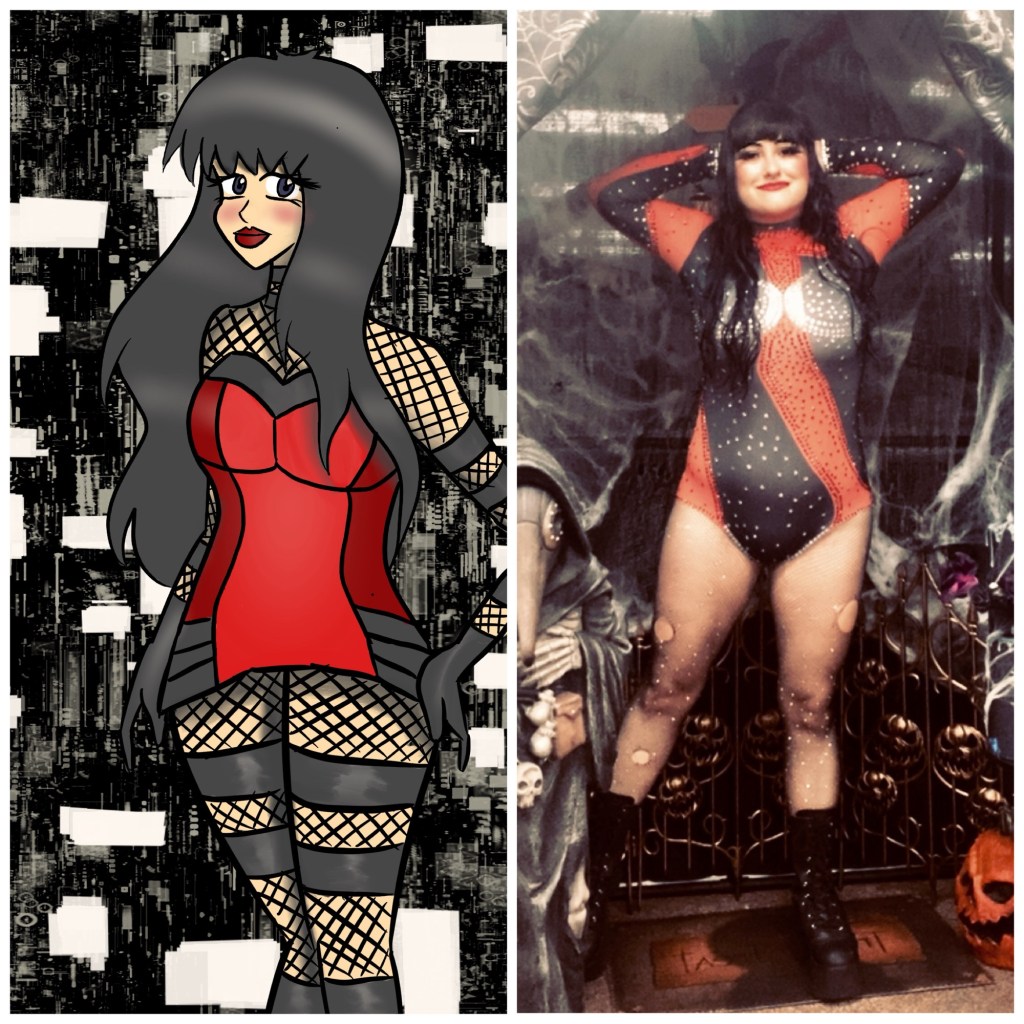
Like I said in the video, she was essentially a drag queen’s take on “Alone”-era Ann Wilson from Heart with a lot less clothing and more sequins, with a bit of a femme Jon Bon Jovi flavor for taste and a hint of a dark-haired Sophitia from the Soul Caliber video games. She was a rock star, but more than that, she was the 20th century incarnation of Aphrodite, and she was tasked with both saving the world and her little sister from an ancient evil. She had a hot beefy boyfriend, but in my stories, she’d always save herself. She was kind of a badass.
I’ve written about her before and how I recently unlocked memories about this character, who was a kind of escapism to middle school-me. She was definitely my attempt at creating a self-insert and was probably something of a Mary Sue if I’m honest, but I loved her. She made me feel powerful when I was a scared bullied little kid. And when I happened upon a certain leotard online that resembled the signature bodysuit I designed for her, I knew it was kismet. I needed some new stage clothes and a new persona for my music career, and I really needed a Halloween costume. Besides, I wasn’t quite sure how I could top Chappell Roan last year.
I do still have the wig.
So I chose to lean into the cringe and live my childhood fantasy, because why not? The world is going to hell in a handbasket and who knows how many more Halloweens we’ll have before humanity inevitably blows up the planet. Why not add just a little bit of childlike whimsy to your world? People are so scared of cringe and looking uncool and it’s sapping all our creativity and fun. There’s a reason why popular music has been in kind of a lull lately. The Black Eyed Peas and OutKast could not have careers in our current zeitgeist. We’re too afraid of silliness.
The scariest part of the season is how many folks take themselves too seriously. I’m not afraid to admit I was a bit of a dork growing up, and I still am. And there’s absolutely nothing wrong with that. Embrace the cringe — be your childhood OC for Halloween.
What’s something most people don’t know about you?
Once upon a time, I was wildly uncool.
I realize I wrote that as if I’m now like, the bastion of coolness or something. I don’t want to pretend I’m like, George Clinton levels of cool or anything.
Now there’s a Clinton I want for president.
But although I’m not cool enough to front legendary funk collective Parliament-Funkadelic, I’m significantly cooler than I was as a child, when I had to eat lunch in the library to avoid being pelted with ranch dressing packets. Bullying was a pretty constant factor in my pre-high school years. I went through it all — one guy punched me right in the gut, another in the face, two girls conspired to get me in trouble so I’d lose my class McDonalds trip (those bastards), and most of the kids I went to school with typically followed any utterance of my name with “sucks.” I managed to mitigate a lot of it by avoiding my classmates, but it’s not like I could avoid people forever, you know? I could count the number of friends I had on one hand, and for most of that period, I could count the number of friends I had on one finger. And she went to a different school!
Flash-forward to 2025, and while I’m not where I wanted to be professionally yet, for the most part, my life is looking pretty swell. I have a loving wife and a sweet girlfriend and now even a few casual male partners that may turn into something serious. I have a band — I’ve been in and out of bands for most of my adult life, actually — and the bonds I’ve formed through these projects have mostly changed my life for the better. And perhaps most importantly, I have friends. Like, a lot of them. And it’s awesome!
But sometimes, something will be dragged up out of my memory that puts me right back into the scared little kid mindset I had growing up.
Meet Mrs. Marsack.
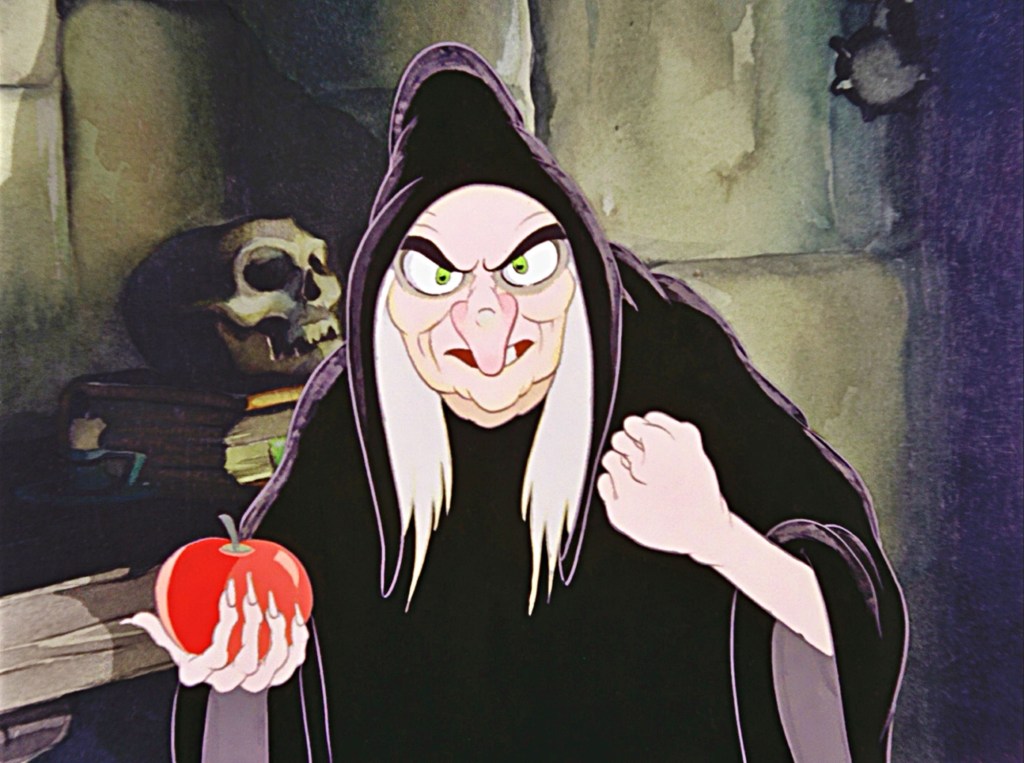
She didn’t actually look like this, but it felt like the right image to use.
I think that’s how her last name was spelled. I kind of hope I spelled it wrong because I totally don’t intend to dox this lady. That being said, if anyone deserves awful things, it’s Mrs. Marsack. Because Mrs. Marsack broke my child heart worse than anyone my own age ever could.
When I was in elementary school, I was in Girl Scouts. I don’t wanna shit-talk Girl Scouts because it’s a pretty neat organization as a whole, and everyone knows the cookies go hard. I still grab myself a box of Samoas whenever I encounter a gaggle of entrepreneurial scouts in the wild. That being said, my experience was not all cookies and roses. That’s because I had Mrs. Marsack as a troop leader.
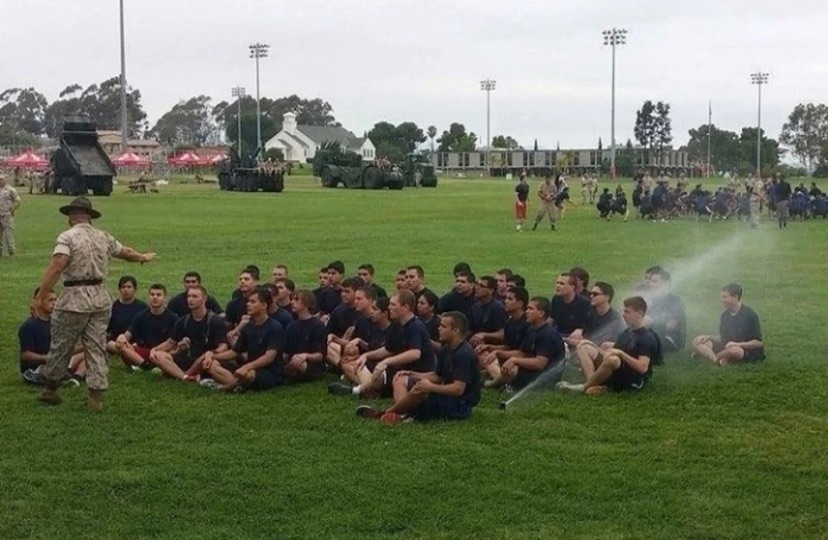
Kids who liked these guys were doomed from the start.
But I really did enjoy the activities! So when a huge camping trip was announced, I was absolutely thrilled. I’d never been camping before, and we were about to do it all — swimming, hiking, horseback riding, canoeing, everything a little girl could imagine and more. I almost had my bags packed when Mrs. Marsack called my mom in to “chat.” That’s when she dropped the most devastating news.
All the girls were invited…except me.
Apparently I “wasn’t mature” enough to go on the trip. My mother knew it was a bullshit excuse. I was significantly more mature in all the ways that actually mattered. Mrs. Marsack just didn’t like me.
This is the degree of “fuck you in particular” we’re talking.
So I locked myself in the bathroom and cried for hours. I think my mom had to pry the door open, I was that distraught. I’d always felt ostracised by my peers, but never to the extent that she’d made me feel. That rejection left a scar on my heart that never really healed if I’m entirely honest. Nothing will ever give me that experience back.
These days, I don’t often think about that time in my life. But every now and then, something will jostle that feeling out and I’m once again that scared, sad little kid on the inside. I think that’s why I’m so in touch with my inner child now, as an adult. I never had space to nurture that part of me away from the judgmental eyes of my peers and unsupportive adults like Mrs. Marsack. I think that’s also a small part of why I’m so outwardly outgoing in adulthood. I crave companionship the way a flower craves rain because I was so deprived of that community, that sisterhood. I need to be around people all the time.
It sucks because I had plenty of bullies in my peer group (looking at you, both other Jessica S.‘s in my class), but Mrs. Marsack was the first time an adult showed me not all grown-ups are my friend. I almost feel a little survivorship guilt because this trauma is relatively mild compared to the backstories of many of my friends. Most of their first betrayals by trusted adults were in their own families, and with much, much worse situations. But Mrs. Marsack still left a huge gash in my heart that I still contend with.
So if you’re reading this, let the message be this: be kind to the kids in your life. Especially the weird ones. You never know what kind of influence you might have on them. Don’t be some poor little girl’s Mrs. Marsack.
For literally over half of my life now, Taylor Swift has been an integral part of the soundtrack. Like, I did the math and everything — she’s been around for 19 of my 32 years on Earth. I’ll admit my relationship to her and her music has evolved significantly over the almost two decades I’ve been listening to her. At first, she wasn’t really on my radar because I was in my “too cool for country” phase every young rock fan gets at some point, but other girls my age liked her music, so she would soon enough osmosis her way onto my little yellow iPod. Even though I wasn’t a Swiftie at that point, I felt like I got her. After all, I, too, was a cute little blonde girl with an acoustic guitar who liked to make up songs.
Me at my Swiftiest.
As I got older, I started to truly appreciate her songwriting for what it was, and I found myself mimicking a lot of her stylistic signatures in my own songs. At one point, I played an open mic and someone complimented me on the “fantastic Taylor Swift cover” that was in fact an original song of mine. Taylor’s writing was deeply personal in a way nothing else I’d heard at the time was and I loved that. I loved the idea of writing something of an autobiography with every song and every album. I loved how she wove pieces of her lore into her music and almost gamified the art of dissecting it, introducing new generations to the crafts of lyric analysis and songwriting. And I loved that suddenly, it was cool to be a cute little blonde girl with an acoustic guitar, because it was never cool to be anything like me growing up. I was an outcast, but I saw myself in Taylor the way I’d also seen myself in one of my other musical heroes, Ann Wilson from Heart. And just like Ann gave me permission to be a badass rocker chick, Taylor gave me permission to be this quirky, confident, guitar-slingin’ poetess.
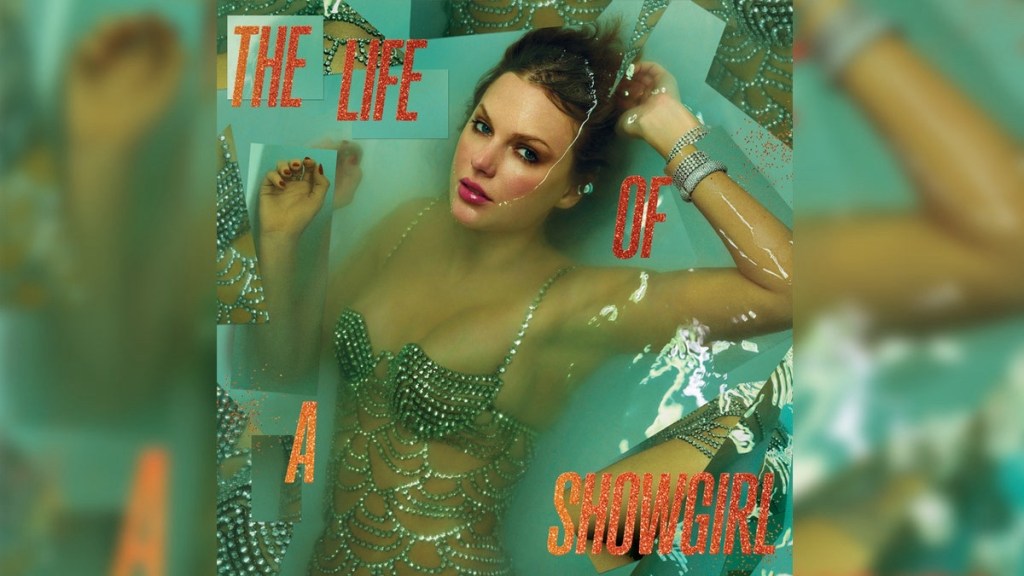
I guess that’s why I’m kind of mourning the Taylor I used to see myself in, because I’m finding it increasingly difficult to relate to the Taylor on The Life of a Showgirl. The album was released earlier this month to much fanfare and a strangely lukewarm reception from the fanbase. A lot of Swifties ate it up, which is to be expected. But some were entirely put-off by the controversies surrounding the album, such as the excessive limited edition merch, which many fans viewed as a shameless cash grab, or the lyricism, which some fans saw as an artistic regression at best and an indication that maybe she was a sucky songwriter the whole time at worst. There are literally listeners wondering if ex-boyfriend and former co-writer Joe Alwyn had ghostwritten the entirety of the widely beloved folk-tinged sister albums folklore and evermore. And then you’ve got the sociopolitical elephant in the room.
That’s the elephant.
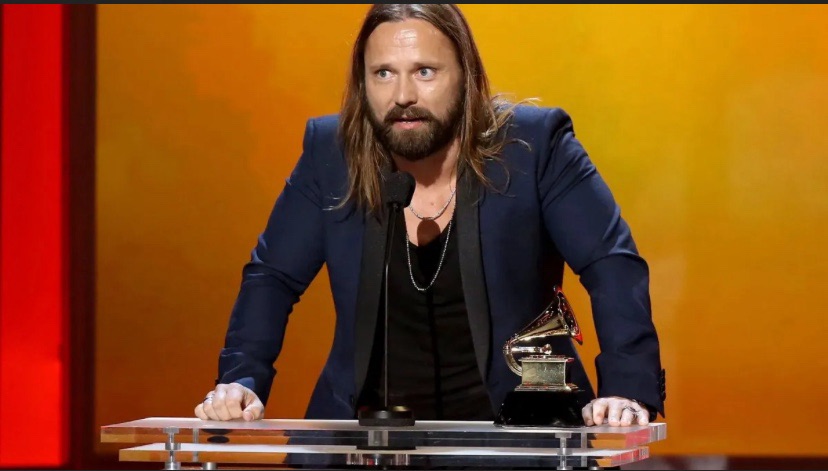
Yes, there are even Swifties convinced that Taylor had defected to the right-wing grift, citing some suspiciously tradwifey-sounding lyrics in a few songs. Don’t get me wrong, we’re going to delve into all of these controversies in this review, and I will say that some of the criticism is unfounded, while some is definitely valid. Because of the divisive nature of this album, I also want to divide my review into “music” and “lyrics,” as I feel the lyrics really need to be digested on their own. This is a strange Taylor album in that I feel the music is actually stronger than the words this time, thanks to the contributions of the man who essentially codified popular music for the 21st century, a certain Swede by the name of Max Martin.
The most famous man you’ve never heard of (unless you’re a fellow r/popheads weirdo).
Taylor going back to work with Max was already a shift for her, as her previous handful of albums had been handled by Jack Antonoff, former Fun guitarist turned pop producer extraordinaire. Because of Max’s involvement with 1989, an album many Swifties regard very highly, myself included (as it was the first album of hers I bought), expectations were beyond high for this album. It was supposed Taylor’s triumphant return to the effervescent pop the fans were craving after the 31-song sobfest that was The Tortured Poets Department. What we got, well, it’s complicated…
1. The Fate of Ophelia
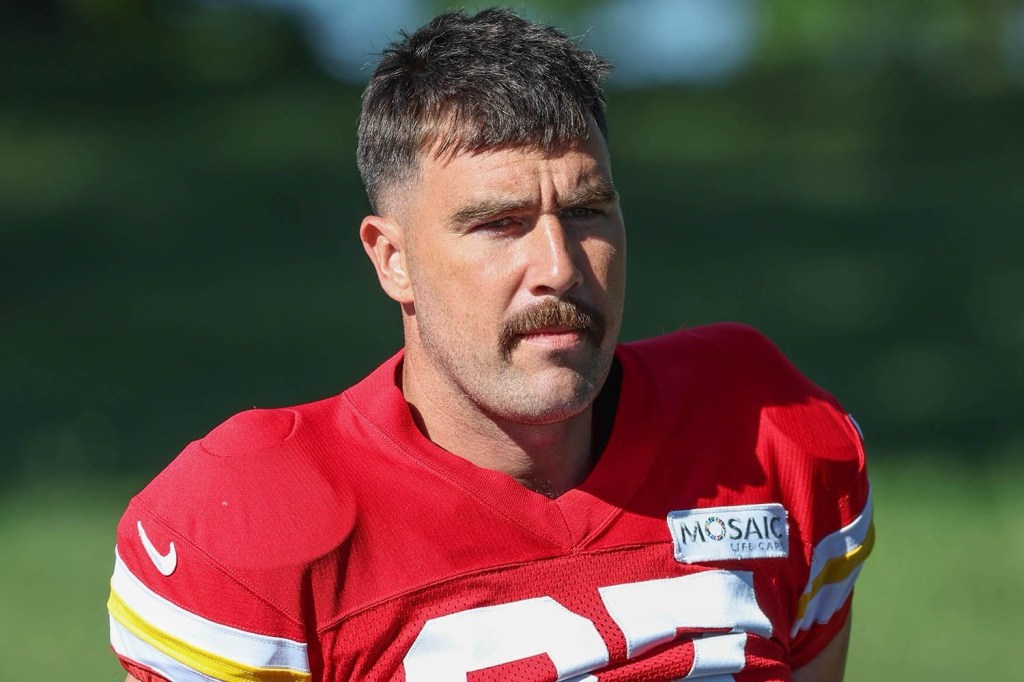
Our opener is fun, if a little underwhelming. It’s got a fun groove, although I was hoping for something a little more uptempo and major key. It feels somber for what’s supposed to be the big hit from the album. Some interesting music theory stuff — she adds an extra four-beat measure to each musical phrase, creating a sort of disorienting feeling. It’s not a bad thing by any means, and I enjoy when she plays around with the rhythm in an unusual way. Like, it’s easy to forget she has more thanonesong in 5/4 time. Lyrically, the song claims her man had rescued her from “the fate of Ophelia,” which, if you’ve experienced the classic Shakespeare play, is suicide by drowning after her man accidentally kills her dad and tells to fuck off to “a nunnery,” which was old-timey slang for a brothel. (At least that’s what my high school English teacher said.) This is obviously very dark material, but Taylor doesn’t get too into the nitty-gritty details, which keeps this song enjoyable as a fun pop song. My only gripes with the lyrics are the lines “Pledge allegiance to your hands, your team, your vibes,” which takes me out of the song entirely and reminds me I’m listening to Taylor wax poetic over this guy:
Like no offense, he seems like a nice enough dude. But I think I like her songs more when I can’t put a face to it. It allows me to insert my own story into the narrative and connect to it more. Which is why I’m thankful I’m polyamorous and recently starting seeing an athlete myself (and one of his sports is football), so at least I have somebody to dedicate all these “football man songs” to in my head. Someone in a Reddit thread suggested changing the “your team” line to “Pledge allegiance to your hand between my thighs,” which is a much sexier image than anything “Wood” conjures up (don’t worry, we’re getting there) and fits the rhyme and rhythm perfectly. I think that’s the direction I would have gone in had I written this myself.
Music: 5
Lyrics: 5
2. Elizabeth Taylor
This one starts off pretty soft, which is why the beat dropping in the chorus is almost a jumpscare, but I’d argue it’s in a good way. The music is lined with twinkly piano and cinematic strings, evoking the glamour of a bygone Hollywood era, apropos of its inspiration, the illustrious Elizabeth Taylor. I definitely give Taylor (Swift, that is) credit for introducing her young audiences to older media, and it’s actually pretty neat that Liz’s legendary film performances are getting a bit of a boost from this track. Like how cool is it that some Gen Z kid might check out Who’s Afraid of Virginia Woolf? and fall in love with the art of acting or filmmaking all because of some song?
I’m not in love with this one, but it’s solid as one of Liz’s White Diamonds. It’s one I would go out of my way to listen to again, just not on repeat.
Music: 6
Lyrics: 5
3. Opalite
Ooohah oh oh oh…Ophelia’s outta the water and springing to life in this one. There is no word to describe the vibe of this song besides euphoric. It is pure sonic bubblegum. It almost has the cadence of a joyous Christmas song. This is the effervescent pop the people were asking for. I can almost hear a little Abba in her delivery at times. The intro guitar is soaked in a dreamy delay and the rhythm is a little “Circles” by Post Malone, which isn’t a bad thing. The musical climax has a quartet of Taylors stacking harmonies a la The Beatles. I sincerely believe that this woman has the potential to go down in history as the millennial Paul McCartney. (Lord knows he has some “glitter gel pen” songs.)
The lyrics talk about lifting up a lover after a dark time. This song made me think of my girlfriend, Olivia, who suffered a series of unfortunate events prior to meeting me, of which the climax was her girlfriend abandoning her in time of need. I always loved how relatable Taylor’s songwriting is, and this is one of her most relatable songs on the album. I know there’s some discourse online about the unfortunate implications of the onyx vs. opalite metaphors in the chorus, essentially claiming the lines are gloating about stealing a white man from a black woman (since Travis’s last few love interests have been black). I don’t think those lines are an indication that Taylor is racist, although maybe she needs more non-white friends in her life to point out when something like this might come across icky. There are more glaring lyrical issues on this album than a line that was likely not racially motivated at all. Also interesting is the fact that opalite is an artificially made stone, which some folks online have analyzed to mean who the hell knows. All in all, though, this is a lovely little tune, one that lives up to its name as a gem.
Music: 8
Lyrics: 8
4. Father Figure
This one seems to be a fan favorite, but it was pretty forgettable in my opinion. Let’s be real, it’s probably about her fighting for her masters, but it’s framed as an older Svengali-type figure speaking to a young protege. He offers her protection and success in exchange for loyalty, but the partnership sours by the end. It’s told from the perspective of the “Father Figure,” interestingly enough, not the protege, and it’s lined with mafia references (“You’ll be sleeping with the fishes before you know you’re drowning”). Nothing about this track really stands out to me except the key change toward the end as the protagonist threatens the protege for her betrayal. The shift reminds me of how the key changes in “Getaway Car” as the narrative flips. These songs could almost be considered sister songs with the crime metaphors, but it lacks the sparkle “Getaway Car” had.
One of the overarching themes I keep bumping into, in addition to the fact that Taylor is no longer relatable, is the fact that this album is chock full of missed opportunities. “Father Figure” is one of the saddest wasted moments on the album because Taylor had gotten explicit permission to interpolate George Michael’s song of the same name, but squandered it. I would have loved for her to lean into the 80s vibe and more directly reference the original song, which feels absent aside from the one shared line at the start of the chorus. Overall, this had the potential to be so much cooler than it ended up being.
Music: 3
Lyrics: 4
5. Eldest Daughter
Even if you’re only a tiny bit versed in Tay-lore, you know about Song 5. (Not to be confused with “My Song 5” by her besties in HAIM — a great song in its own right.) Song 5 on any given Taylor album is often regarded as her most personal song of the batch. The tune widely considered to be her magnum opus, “All Too Well,” was Song 5 on Red. Introspective ballads “The Archer” and “You’re on Your Own, Kid” were also Song 5 on their respective albums, as were the heartbreaking “Dear John” and “So Long, London,” both about devastating breakups. So Swifties had every reason to expect Ms. Swift to absolutely fuckin’ do it to us this time around. And what we got was “Eldest Daughter,” a track arguably soiled by “hip” lingo, a missed opportunity to address the valid struggles of a firstborn daughter, and the real life context behind the song being Taylor’s big overblown romance with Travis Kelce of all people. Needless to say, most Swifties were not satisfied.
But I am not “most Swifties,” and I hesitate to say it, but “Eldest Daughter” might not just be my new favorite Song 5, but my new favorite Swift-penned song altogether. I think the problem is a lot of Swifties aren’t in the target audience for this song. It’s not for happily single Gen Z kids who are just now making their way in the world. It’s for a jaded Millennial who finally found real, fulfilling love in a world that’s become increasingly hostile in the time since they’ve been alive. It makes me think of my own wife, an “eldest daughter” (well, technically an only daughter, but the familial pressures are still there). I’m the “youngest child” in this case, and while I know I’m not a “bad bitch” or the most exciting option out there, I’m my wife’s teammate. We’d recently overcome a lot of both interpersonal and external conflict together when I first heard this song, and the line “I’m never gonna leave you now” hit me like a truckload of frozen turkeys because my wife had said that exact sentence to me verbatim. I have plans to record a covers EP in lieu of NaNoWriMo this year, and I want to include this song on it because it literally feels like something I could have written myself. And that bridge. If you listen to this song for no other reason, listen to it for the bridge. It rivals “This Love” as my favorite Taylor-made bridge of all time.
Music: 10
Lyrics: 10
6. Ruin the Friendship
Okay, my crackpot theory is that this song — or at least parts of it — was originally penned during the Speak Now era, and was shelved until recently. I realize I have very little to back up this theory except that sonically and thematically it fits very well with Speak Now, and suspiciously enough, the friend whose death is mentioned in the song had passed back in 2010, which would have been around the time that album was being written and recorded. But this groovy little track feels nostalgic for a number of reasons, and not just the breezy instrumental that sounds like a 70s-tinged version of early Tay. This feels like a return to form for her with the confessional lyrics about an unfamous guy in a high school setting. This is the sadder older sister of “Teardrops on My Guitar” due to the cruel twist ending of the would-be love interest dying in the final verse. Taylor gives her advice, having experienced this pain — just “ruin the friendship,” rather than always wonder what could have been.
I think the reason some folks have taken issue with this song is the implication that the love interest has a girlfriend in the song, and Taylor seems to regret not making her move regardless. I guess that can seem a little insensitive coming from the woman who wrote “Girl At Home” chastising a man for trying to cheat with her, noting that he has a “girl at home” he should be with instead. I don’t see it that way, though. Humans are messy, and sometimes, the thoughts we have after a loss aren’t exactly neat or even “nice.” Maybe it’s not exactly “politically correct” to wish you’d just kissed that guy who had a girlfriend and now he’s dead so you can’t, but that’s the nature of the human experience. The beauty of music is that it can encapsulate all of those conflicting feelings.
Music: 7
Lyrics: 6
7. Actually Romantic
Taylor Swift is one of my all-time favorite songwriters and an artist I admire deeply. That being said, she doesn’t always have the best ideas. Take, for example, responding to Charli XCX’s “Sympathy is a Knife” with…this. For context, that song is about Charli’s insecurities when it comes to being around Taylor. And I mean, who wouldn’t be insecure around her? She’s tall, conventionally attractive, talented, wildly successful, and at one point was very entrenched in Charli’s world, having dated her now-husband’s bandmate in The 1976. So Charli had to be around THE Taylor Swift on the regular for quite some time, and she was understandably feeling kind of…down about that. So she wrote a song about how Taylor’s larger-than-life presence makes her feel comparatively lesser.
And Taylor’s response was basically “Yeah, you’re right, you do suck compared to me. And I bet you’ve got a big lesbian crush on me too.”
*Chappell Roan voice* And we both have a crush on Regina George!
It’s a really disproportionately mean-spirited song when Charli’s main beef with Taylor was “you’re too cool for me to be around.” But here’s the thing — if you divorce it from the real-life implications of the song, it’s actually probably the best track on the album. It has a laid-back guitar-driven instrumental and the same chill chord progression as the 1988 Pixies classic “Where is My Mind?” (Which, in Taylor’s defense, chord progressions cannot be copyrighted, so the discourse around whether or not she copied it has been driving me bonkers.) I decided to learn it on guitar myself after it came out because it was stuck in my head, and I found when I sing the song, I picture this batshit bananapants bitch from my town’s karaoke scene who screwed over all my friends and I’m not sure wants to have sex with me or murder me. It fits her way better in my opinion.
Music: 10
Lyrics: 1 (when they’re about Charli)/100 (when they’re about crazy karaoke bitch)
8. Wi$hli$t
We’re getting to the real depths of this album with this track, which I’m truly disappointed was not a Kesha feature (if she can bring back the dollar sign for “Kinky,” she can do it for a Taylor collab). My disappointment goes far beyond the lack of Kesha, though, as this song is a total snoozefest. Trite chord progressions, the same tired twinkly synth, and weak breathy vocals really work together to make this song musically forgettable, but I haven’t even touched on the lyrics yet. Other people want yachts, exotic destinations, and complex female archetypes with fat asses, Taylor croons, but she just wants a suburban white picket fence life with her man. I take issue with the entire concept of this song for two reasons. For one, the whole “I just want babies ever after with my true love” trope feels icky in a world where white women’s bodies are increasingly being viewed as nothing more than baby factories to combat the “Great Replacement,” a theory endorsed by Elon Musk and Charlie Kirk, among others. I hate the fact that the conservative movement has all but co-opted the idea of wanting children and a family — I’m as left-leaning as it gets and I want to be a mother more than anything, and it’s actually really offensive to conflate right-wing talking points with having a family. Unfortunately, though, it is a common assumption these days, and I don’t think it’s too far-fetched to believe a lot of high-ranking right-wing elites are squealing at the thought of Taylor going full tradwife. I think the more glaring lyrical issues, however, lie in the “let them eat cake” attitude of the pre-chorus coming from a literal billionaire. Like, no Taylor, most normal people don’t give two fucks, flying or otherwise, about chopper rides or Balenciaga shades. I care so little about Balenciaga, I had to look up how to spell it. Most people just wanna eat, Taylor.
Music: 1
Lyrics: 1
9. Wood
On her old song, “White Horse,” Taylor declares that she is “not a princess” (and this ain’t a fairytale). On this song, she also demonstrates that she is also not Prince. I’ve never listened to an artist sing about the birds and the bees before and finished the song wondering if they’d ever even lost their v-card, but Taylor here is delivering the unsexiest slop I’ve ever heard. I know she can do sexy, and well. We have “Dress,” of course. But this song falls flat. I wish she’d just lean into the silliness of the lyrics and deliver us an irreverent Sabrina Carpenter-esque banger, but she needs to sell it to us. You can’t half-ass camp. No more “ah-matized.” Taylor, you told us back on “Father Figure” that your “dick’s bigger.” Well, give us that big dick energy on this track. Lean into the absurdity of sexuality. Make it equal parts horny and corny.
It’s hard (heh) to focus on the musical aspects of the song when the lyrics are so egregious, but a lot of the discourse surrounding this song that isn’t about Travis Kelce’s penis is the fact that the intro sounds suspiciously like the intro of the Jackson 5 classic “I Want You Back.” It’s musically different enough that I don’t think she outright copied the Jacksons, but I definitely think she is intentionally aping that sort of sunshiny vintage 70s style. That being said, like the similarities in “Actually Romantic” to the Pixies track, these are not really things you can sue over, but then again, with how horrifically litigious the music industry has been post-“Blurred Lines,” one might actually be able to make a case against this song. I don’t believe in the concept of copying music anyways, as it’s a deeply derivative art form — everyone wants to emulate the rock stars they looked up to — and that is why I’m not going to give Taylor crap for this one. There are much worse sins happening within this song.
Music:5
Lyrics: 1 (for making me think about Travis Kelce’s penis for waaaaay longer than I wood have liked)
10. CANCELLED!
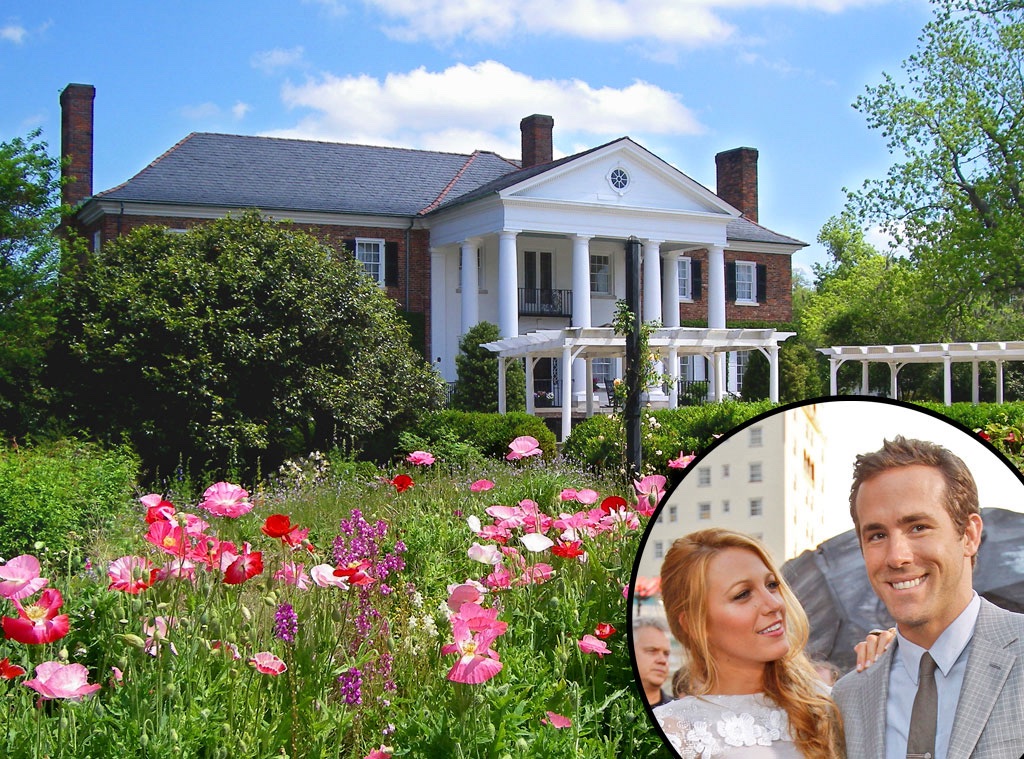
I feel like at least in the music criticism circles I frequent, this has been the most controversial song of this batch for its lyrical content. Which, depending on who you think it’s about, makes this Reputation-tinged song either kinda icky or downright sinister. Some folks think it’s about Brittany Mahomes, a noted Trump supporter, and feel it’s further indication that Swift is drifting right in her politics, or worse, that the “Miss Americana: Social Justice Warrior Princess” persona was nothing more an act (which definitely sucks if true). Personally, though, I feel it’s about Blake Lively, her fellow statuesque blonde best frenemy, whose friendship soured when…I’m not sure. Something about her recent film It Ends With Us. I haven’t been following it closely because frankly I don’t care. Blake doesn’t seem like the worst person, if you sweep that whole “getting married on the site of terrible human atrocities” thing under the rug.
Literally two seconds on Yelp could have averted this, guys.
Here’s the thing, though — Blake apologized for that transgression. Does it make it okay? Absolutely not. Was she dumb for doing it? Totally. But we live in a society where you do one stupid or insensitive thing and your entire life is ruined forever. And Taylor could have made this song about that concept and done an amazing job at it…but she didn’t. It feels like a giant missed opportunity to call out the trigger-happy ridiculousness of cancel culture. I do like the song sonically to the point where it may be my favorite on the album musically, and I actually like it more when I give it a new backstory. Like, imagine it as the backdrop to a character’s face-heel turn, like in Mean Girls when Cady goes full-on Plastic. That’sthe shit this song was meant for.
11. Honey
The most forgettable one. The concept is cute — basically talking about how words that were once used against you passive-aggressively actually sound nice from the lips of a lover — but it just falls flat both musically and lyrically for me. A nothingburger of a song, sadly.
Music: 2
Lyrics: 4
12. The Life of a Showgirl
The final song, and one I wish was a little more glitzy and schmaltzy considering the lyrical content, but I’m pretty pleased with this one as an album closer. It features Tay protege Sabrina Carpenter, best known for doing “unhinged and sexy” way better than Taylor could ever dream (as evidenced by, well, “Wood”). The ladies recount the tale of Kitty, the titular showgirl who made a comfy living by being “pretty and witty.” This is the first and only time Tay brings in an “outside character,” which is a damn shame considering some of her best work has been written about third parties as opposed to herself. Who can forget the brilliant trilogy that was “cardigan”/“august”/“betty” from her acclaimed folklore album? Taylor has a way of getting us invested in the lives of these fictional people, and I feel like her songwriting on this album could have benefitted from incorporating more characters like Kitty. Hell, I would have loved to have seen an entire concept album about Kitty and her struggles. Add that to the pile of missed opportunities for this album.
All that being said, this was a fitting finish to the album, especially the glistening outro, which feels like it opens up into one of Taylor’s widely celebrated Eras shows, complete with the crowd going wild. In a way, it feels like the older, wiser sister of Speak Now closer “Long Live,” a track that also celebrates the spotlight and the hard work it takes to become practically immortal through your art. In typical Swiftian fashion, she pulls out the plot twist in the bridge — she and Sabrina were not discouraged by Kitty’s blunt honesty about the harsh realities of showbiz, but instead chose to pursue the dream with their whole heart. It’s a bittersweet ode to the ups and downs of life as an entertainer, a calling that, while difficult at times, can be a rather fulfilling one indeed.
Music: 7
Lyrics: 8
In summary, I feel this album is a solid effort from Swift, albeit one that could have used a little more polishing and “reading the room” before seeing a proper release. These songs would have been well received from literally any other artist, but I understand how lyrics about having friends dripped in “Gucci and scandal” feels out-of-touch from a powerful billionaire when most listeners are struggling to afford groceries. I would have also loved to see Tay explore Kitty’s story more — there is an entire backstory there I’m dying to learn more about. All in all, this album is an enjoyable excursion, though maybe not one I’ll listen to all the way through again. There are some great moments, but also some very clear nadirs as well.That being said, many of the songs are on repeat for me at the moment, and “Eldest Daughter” may just be my new favorite Swift-written song ever, so this album may be one that takes a little longer to fully appreciate.
5/10
If you enjoyed the writing in this post and elsewhere on the site, please consider donating to Jessa’s tuition fund! Any help is appreciated!
Ah, Taylor. I don’t even have to write her last name and you already know who I’m referring to.
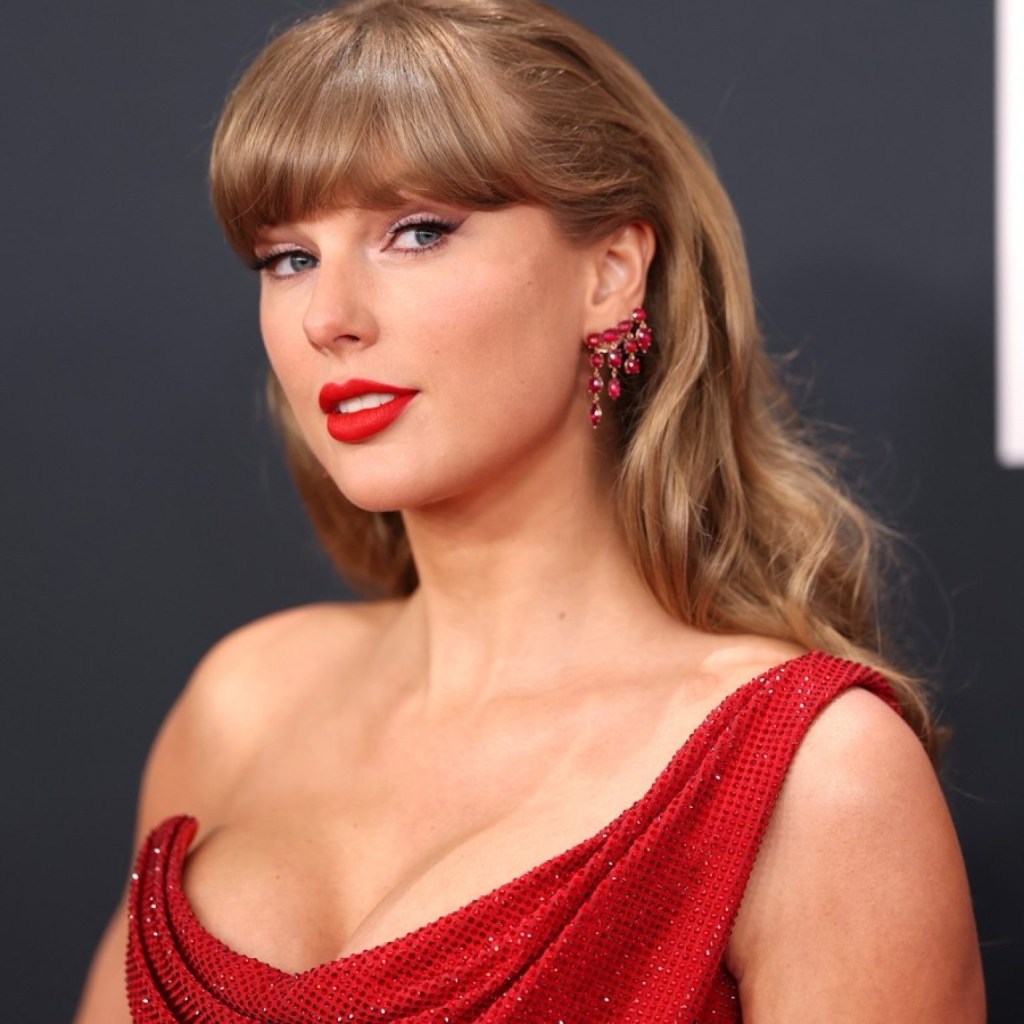
It’s me, hi!
Unless you’re just getting back from a year-long sabbatical during which you traversed the steppes of Uzbekistan with nothing but a backpack and no phone, you probably well aware that Ms. Swift just dropped a new album. And it’s…just okay. It’s nothing to write home about, especially when compared to her masterful previous works, and the lyricism seems to have regressed significantly. I’ll probably write a full review of the album in the next week or so, but I wanted to touch on one of the biggest talking points that’s come up during this album cycle. And it’s probably the talking point that’s been driving me the most bananapants.
Which is just how hilariously clueless the general public is when it comes to music.
Okay, that might have sounded a bit mean coming from a bitch with a music degree and decades of experience, so let me reword it a little nicer — the vast majority of the population has no idea how music theory actually works, especially in the context of copyright law. Now I’m not a lawyer, but I do know a little bit about what can be copyrighted and what can’t. Still, I want to focus more on the music side of things rather than the law side, because that’s the more fun side, right?
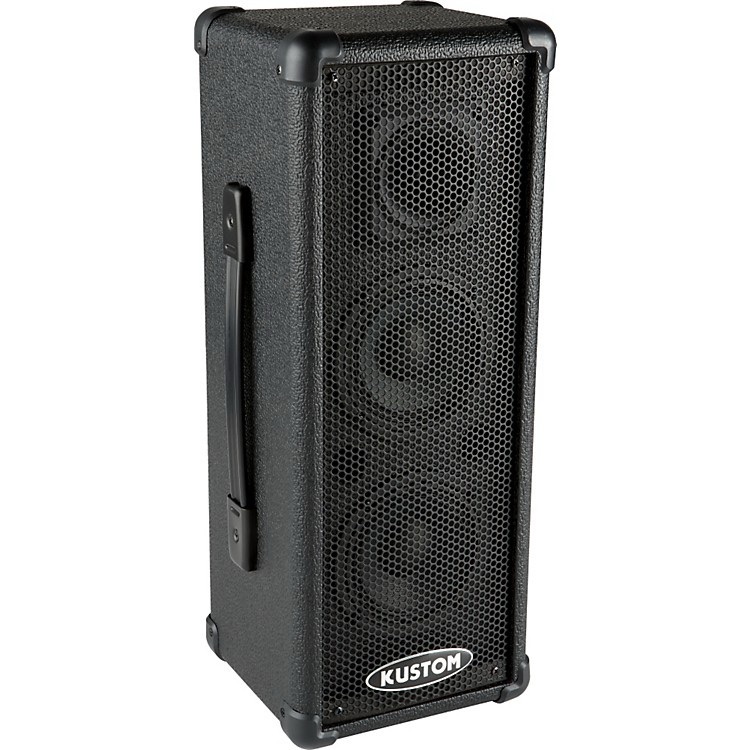
I guess you could count this thing as a percussion instrument.
Anyways, let’s start here — you got these songs. There’s the questionable Charli XCX diss track, “Actually Romantic.” Among the many complaints about the song, particularly that it’s disproportionately mean-spirited, is the observation that it sounds suspiciously like the 1988 Pixies single “Where Is My Mind?” Then you have “Wood,” Tay’s tacky ode to her man’s…manhood, which people have said sounds suspiciously like the legendary Jackson 5 hit “I Want You Back.” And the song I consider lyrically the strongest of this batch, her title track collab with my current celebrity girl-crush, Sabrina Carpenter, shares a similar feeling to “Cool” by the Jonas Brothers, who were famously her associates early in her career. So what the fuck, Taylor? Are we blatantly ripping off other artists now?
And here’s the part where I get to say “Well, ACKSHUALLY” and defend Taylor’s compositional choices (even if some of the lyrical choices are much harder to defend — looking at you again, “Wood”).
Thank you SO MUCH for making me picture Travis Kelce’s rock hard redwood tree…
In the Western music tradition, you’ve got 12 notes: A through G, plus the sharps/flats in between. It’s important to note that out of these 12 notes, only a handful sound good together. Those notes that sound good together form the “key” of any given song. The key is essentially the artist’s palette of colors. Those are the notes you can put in your song that will actually sound like they fit in the song. Anything outside of the key will sound off and even unsettling at times. That being said, you can use notes that don’t fit into the key, but it takes a certain degree of finesse and theory knowledge to pull off nicely. But for the most part, you’ve got maybe seven notes to work with, which, ya know, ain’t a lot.
Let’s get to chord progressions. What is a chord progression? Well, have you ever listened to “Poker Face” by Lady Gaga and Luis Fonsi’s “Despacito” back to back? Even though the genres of the songs are completely different, the “vibe” is still eerily similar. And that is because they share the same chord progression. There are many, many more examples. “Africa” by Toto. “One of Us” by Joan Osborne. “Peace of Mind” by Boston. “Fuckin’ Problems” by A$AP Rocky. “Alone” by my freaking favorite band of all time, Heart. And that’s just one famous chord progression. The progression the Beatles used in “Twist and Shout” was practically ubiquitous in the 50s and 60s, and the blues as a genre likely wouldn’t even exist without the 12-bar progression we know and love. And — this is important — you cannot copyright a chord progression. If I wanted to write a song that uses the exact same chord progression as Taylor’s “Love Story,” I could — and I have. Heck, she has even plagiarized herself in this regard. Go listen to “Shake It Off” and “Eldest Daughter” one after the other and tell me the latter doesn’t sound like a more somber, slowed down version of the first. That’s because they use the same three-chord progression.
Did Tay lift the chord progressions for her new songs from preexisting songs? There’s a chance, but even if she did, you have to remember that musicians have been gleaning ideas from each other for time immemorial. Everyone is influenced by someone. But there’s also a decent chance she just sat down at her piano or with a guitar and those are the chords that naturally came out. Because, like I mentioned earlier, they just sound good together. Our ears are conditioned since birth to listen for patterns in music, and you’re so used to hearing a V chord resolve into a I chord (that’s historically the most common way to end a musical phrase — the authentic cadence). So when you go to write a song, that’s what you naturally gravitate toward.
There is a great deal of discourse around the supposed lack of originality on this album, but I don’t think that’s a fair critique. I think there are plenty of valid critiques when it comes to this album, but I don’t think this is one of them. You could argue that Taylor opened herself up to more scrutiny in this area when she went after Olivia Rodrigo for rights on a song that only marginally sounded like hers (and like, only if you squint). At the same time, I don’t like any criticism of “copying” in songwriting unless it’s a particularly egregious example. Music, at the end of the day, is a social art, and musicians are going to keep borrowing from each other like they always have. As one of my favorite writers, Austin Kleon, says, it’s okay to “steal like an artist.” I’m allowed to have influences. You’re allowed to have influences.
Hello everybody! First things first — I’m alive and well. My socials have gone dark for the last few days for reasons that I can’t really get into at the time being, but just rest assured that I’ll be back posting your regularly scheduled unhinged shower thoughts and the occasional horny poem when the time is right. For this brief interim, I’ll be using this very blog to communicate my thoughts to the world.
And right now, those thoughts are kinda bittersweet. Because this is my final night in St. Louis, Missouri, a city that was previously unknown to me, but has since become something of a second home to me.
I remember when my boss first floated past me the idea of sending me via plane to train up some folks in a new region of the country. I should probably mention what I do for work before I go much further. I host game shows for local bars. I’m basically Alex Trebek for the drunken trivia enthusiasts of Kalamazoo. And occasionally, the parent company I work for sends me to new places to start up trivia and music bingo shows there. Like last autumn, I made a series of trips to Chicago. But even for those trips, I drove my own car. Getting shipped out to St. Louis was entirely new. The first few times, they flew me down, which was already a whole ordeal considering I was traveling with this thing in my suitcase:
TSA agents love me.
The flights were mostly uneventful, although I found I enjoy killing time in airports a little too much. Did you know you can buy lipstick from airport vending machines?! I promised myself I wouldn’t waste money on anything stupid, but I did need a new dark red, since my old favorite was discontinued. As a result, I am now the proud owner of a Kylie Cosmetics lip kit. Well, as proud as I can be considering it’s got Kylie Jenner’s name on it, and she irks me to no end for a slew of petty reasons.
But VENDING MACHINE MAKEUP!
The hotel they put me up in for all five weeks was a humble Best Western, and honestly, I can’t complain at all. It’s not the Ritz, but it’s comfy. There’s waffles in the morning. Hotel waffles just hit harder, okay? And the front desk lady was a total dear. She came out to one of my shows, actually. I wish I could remember her name. If you’re reading this, Sweet Front Desk Lady, just know I appreciated you!
In fact, I met so many kind people in this town. The owners and bartenders of the first bar I hosted at, Brothers Beer and Bourbon, welcomed me with open arms, and I befriended many of the patrons as well, including a really cool silver-haired woman who loves green and listens to Sabrina Carpenter. We talked for a long time after the show last night, and that was really the first time it hit me that this is goodbye. The owner of the bar made me his special cocktail, the Hippie Mule, one last time to take back to the hotel with me. (It’s a nonalcoholic version of a Moscow mule that substitutes the vodka for THC liquor, so it’s perfect if you’re Cali sober like me!) I actually teared up a little as I sipped it. The trivia show I started there has begun to take off, and now my baby’s grown and ready to thrive on its own. It feels good, if a little somber.
The second bar, OSP Tap Haus, was also a lot fun to host at, even if they only had me for two nights. That bar has one of the best (and only) nonalcoholic porters I’ve ever had, Deschutes NA Black Butte, which I am going to proselytize to every bar in the greater Kalamazoo area until they start carrying it too. Music bingo there was a little more subdued than I’m used to — my main shows back home always get wild — but it was still a blast. I’m sad I didn’t get a chance to try any of the food there though.
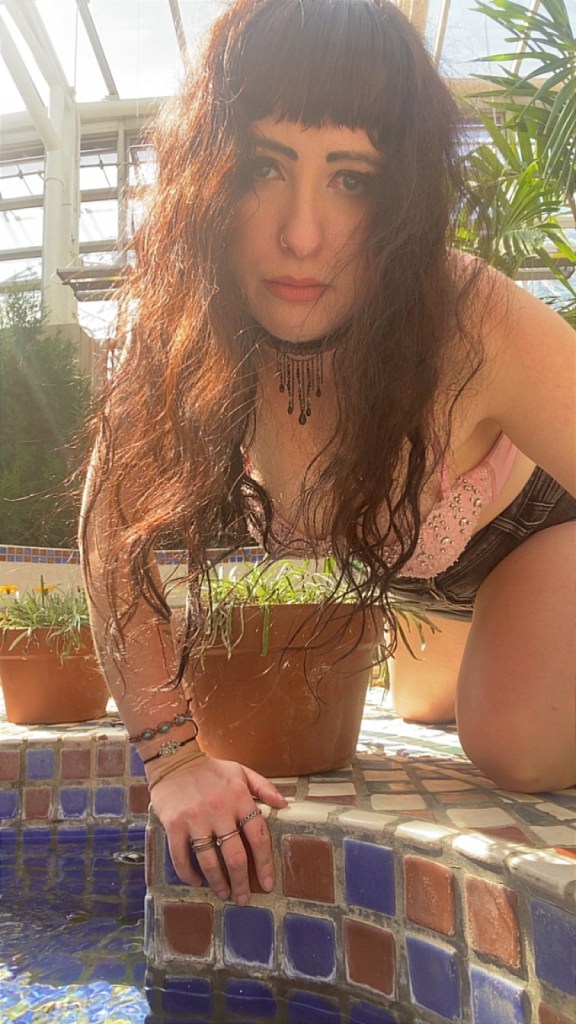
That was just my shows, though. I took myself out on lots of field trips while I was down here as well. I figured I’d have way more fun exploring the city than sitting alone in my hotel room. I checked out the Missouri Botanical Gardens, which was packed with so much vibrant life. I really enjoyed the arid climate atrium, which housed a little oasis in the center that looked like it belonged in Marrakech, not the Midwest. The fountain made for a great impromptu photoshoot.
Definitely almost dropped my phone in the water for this shot. Worth it.
Here’s a sheep sculpture that was part of a series of sheep sculptures. The artist’s write-up said they intended the sheep to be used as benches and encouraged people to pose with them, which I thought was kind of neat.
Just ewe and me.
And here’s some flowers:
I just thought they were pretty!
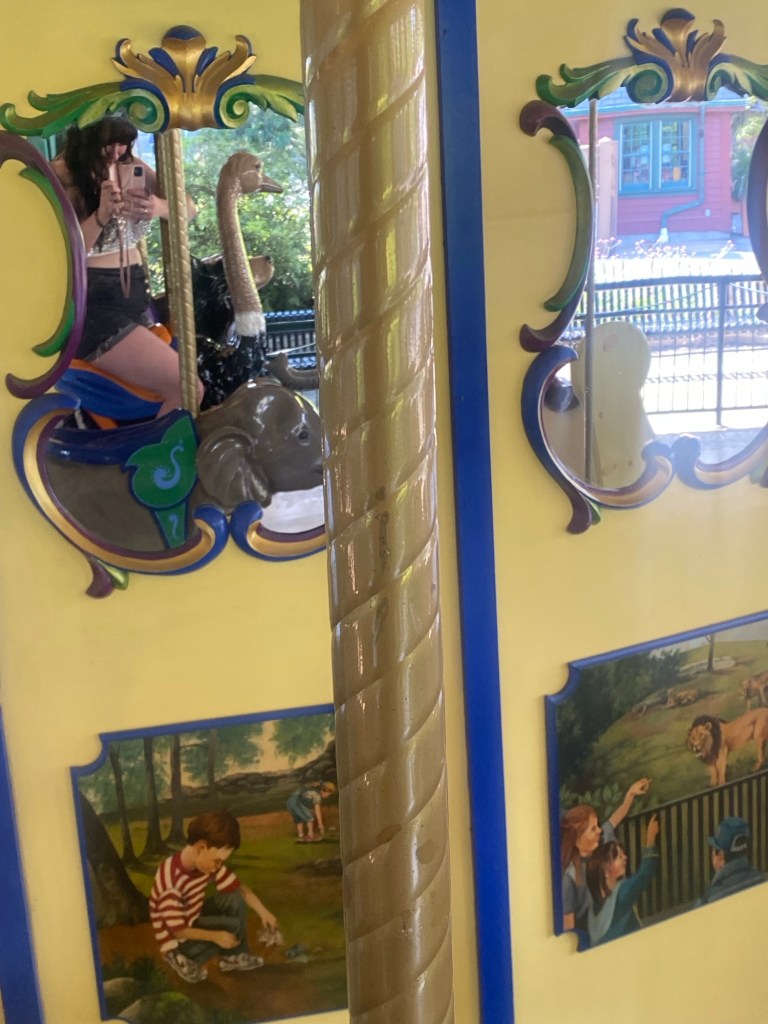
The zoo was an enjoyable excursion as well. I managed to get real close to some hippos and a polar bear, and I spent literally a half hour watching an elephant play with her food. She keep picking up hay with her trunk and slamming it down, watching it flurry in the air. I also rode the carousel, because I literally do not give a flying fuck if I am well into my thirties now, I am holding fast to my sense of whimsy ‘til the day I die. Listen, do you want to be a stuffy adult who has no fun, or do you wanna ridean ostrich?
Weee!
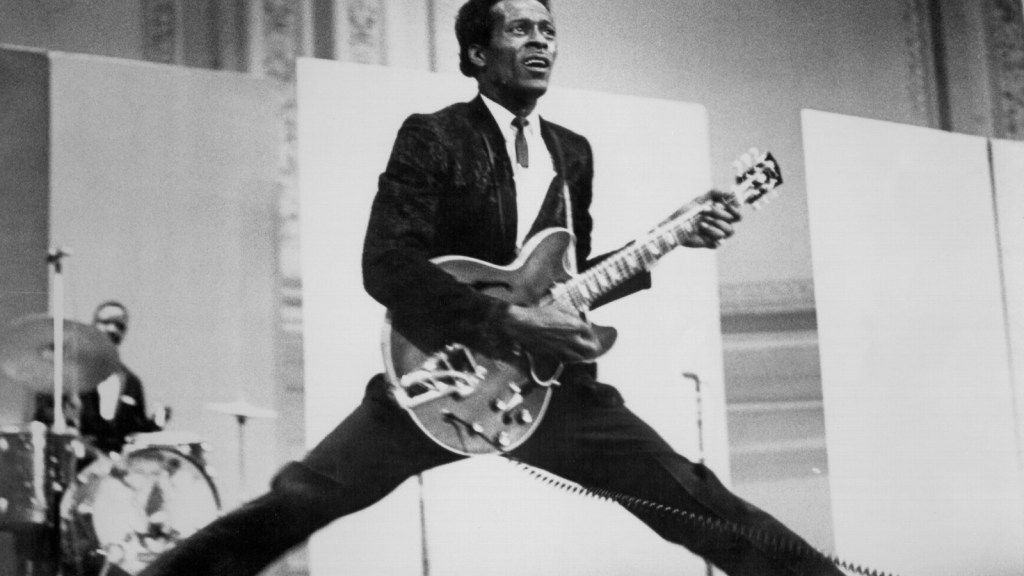
Blueberry Hill was the last thing on my list of stuff to check out here, and I made sure I swung by at least for a little bit tonight. I’d be remiss as a musician if I didn’t plan a trip to such an important and historic landmark in music history. Chuck Berry, a St. Louis native, performed there regularly, and he’s one of the founding fathers of rock and roll. It was certainly humbling to stand where he probably stood there at that bar. Sadly the stage wasn’t open for me to check out, but at least I got to take a look at some of the memorabilia scattered about. I wish I would have snapped a pic of one of Chuck’s famous gitfiddles that were sitting behind glass near the entrance.
I mean, it looked kinda like this.
As of writing, it’s almost 2:30 and I have to be up in two hours to catch my flight back to Michigan. I might not even sleep, to be honest. I kind of just want to sit up and let it all sink in. My heart is in Kalamazoo, but now I know I’ll always have a home in St. Louis. It’s funny — before I came here, I didn’t even know how to pronounce the name of the city. Like, I always assumed the “s” was silent (like in Louisville, Kentucky, where you will probably be crucified and subsequently fed to the local fauna if you articulate that “s”). I also never realized how vast and metropolitan it was. I’m a Midwesterner through and through, and while Midwest emo and Chappell Roan have done a decent job making us look cool in the media, we still have a reputation as “flyover country.” I’ve lived in this region my entire life and I’ve heard it again and again that Chicago and maybe Detroit are the only cities here worth visiting. This trip taught me that that’s simply untrue. There are so many hidden gems out there, and I’m blessed to have a job that allows me to go out and explore them at times. St. Louis has been so good to me, and I’m already plotting my next trip down here. I can’t not come back, even if it’s just for one more Hippie Mule.
I am so fucking sick of living through major world events.
If you’ve been on some remote retreat in the Himalayan wilderness and haven’t had access to literally any media anywhere, alt-right influencer Charlie Kirk was assassinated at a college event in Utah. I saw the infamous video. It was pretty wild to witness. I’ll confess, a lot of emotions washed over me in that moment, some I’m not proud of. Did I feel a twinge of schadenfreude at the death of man who advocated for me to be put to death for being queer? I’ll admit, maybe a little. Did I feel a bit of relief that he can’t spew any more hateful rhetoric. Absolutely. Let’s get one thing straight — Charlie Kirk was not a good person. If you don’t believe me, I dare you to click that little link up there. He is not someone to idolize or even eulogize, the same way you wouldn’t write a sweet memorial piece for Scar.
“He was a loving uncle and fierce leader for his people.”
All of that being said, I want to make another thing clear: I consider myself a follower of Christ. I feel uneasy using the word “Christian” as of late because of how horrifically perverted American Christianity has become, but my theological beliefs line up most readily with Jesus’s teachings. The real Jesus, not the evangelical one. You know, the wildly subversive pacifistic brown-skinned Palestinian Jewish man who repeatedly preached against tyranny and the wealthy? I’ve always been fascinated by His life and ways, and while some of my personal theology contradicts the established dogma of most denominations, I consider Him to be my spiritual guide and savior.
And that’s what’s making this hard for me. The part of me that’s human wants to dance on the dude’s grave. Yet the part of me that has been redeemed by Christ, that divine inner voice, wants to honor the fact that he was still a person, and he was a child of God too.
Two things can be true at once. Charlie Kirk can be a truly despicable person and the world can be better off without him, and we can also mourn the fact that humanity has devolved to this point. We can mourn the humanity in him, the part he willingly killed in himself years ago for the sake of extremist politics. We can mourn for his kids, who didn’t ask to have him as a father and now have a disturbing core memory to contend with. We can mourn for our trans brothers and sisters, who will inevitably be scapegoated for this. And we can mourn the fact that we’re heading to a very dark place if something doesn’t change quick.
I recently read a post that said that the true test of a Christian isn’t whether or not they love Jesus. It’s whether or not they love Judas. Jesus is easy to love. Judas is much more challenging. And in a lot of ways, Charlie is my Judas. He is proving very, very difficult to show compassion toward. The man got what he had coming to him. To paraphrase the Good Book itself, you live by the sword, you die by the sword. But there’s another relevant verse:
“You have heard that it was said, ‘Love your neighbor and hate your enemy.’ But I tell you, love your enemies and pray for those who persecute you…”
Matthew 5:43-44
We can’t fall into senseless hate. That’s what Charlie would have wanted. The best way to “honor” his memory is to fight back against everything he stood for, including violence and hatred. This isn’t to say there’s never a time when violence is the answer — we had to kill a lot of Nazis in the 1940s to ultimately save a lot of innocent folks, and even Martin Luther King, Jr. understood why folks lash out violently at times — but we also can’t become desensitized to this shit. This can’t be our new normal.
I’ve been worried about the state of the world all day, and I’m praying this won’t be a Franz Ferdinand situation and WWIII doesn’t spring from it. But I’m scared it’s too late. People have become so brainwashed already. I called out my first boyfriend on Facebook for waxing poetic about the man as if he were a saint, and he responded with some of the most vile, vitriolic, hurtful bullshit I’ve ever had directed at me. It was bizarre. He was such a sweet kid, but it goes to show you how effective these conservative influencers are in manipulating young men. We’re dealing with a lot of propaganda and disturbing messaging in the media.
My heart hurts for the state of the world and for the future. I always dreamed I’d become a rock star and have children and live to be a little old lady like the ones I work with. I don’t want to go to war. I’m a lover, not a fighter. This isn’t the future I want for me, and I hope it’s not the future you want either. I sincerely hope with every fiber of my being that we can turn this around. In the words of the late great Ozzy, maybe it’s not too late to learn how to love and forget how to hate.
Maybe the Prince of Darkness and the Prince of Peace had more in common than you’d think.
All I know is I can’t handle much more of this. I was simply not made for times like these.
I got into a fight with a guy on social media this morning.
Well, it was more “me picking on a prude on a Sabrina Carpenter post.” They make it very easy to do on Sabrina Carpenter posts because whenever there’s a post about Sabrina Carpenter, the prudes love to get on their high horses about how they would never stoop to taking off their pants to sell records.
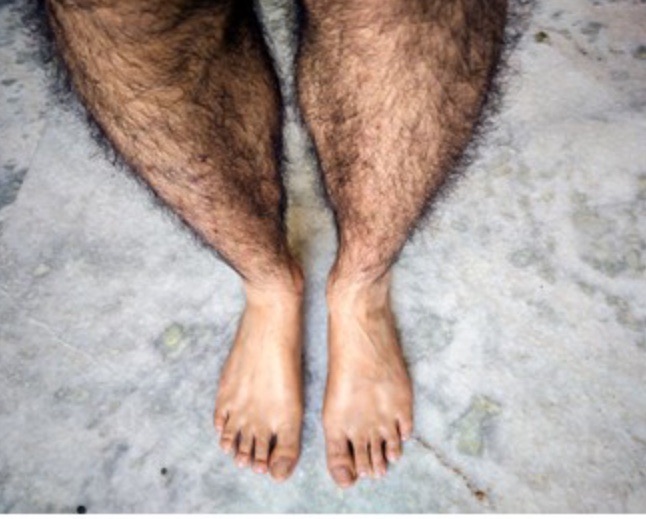
As if anyone would pay to see your hairy gams, Greg.
Of course, I said something inane about pants being a crutch anyways and how nobody should wear pants, because I love creating awkward moments for folks who comment slut-shamey things about girls’ bodies. Then, the guy I was talking to said something that I’ve heard many, many times before. The classic line. You know the one.
Think of the children!
As if that’s a valid argument when the artist in question is a few short years from thirty and has no interest in making music for children anymore. God forbid a grown woman make songs about things that interest grown women instead of pandering to the same base she had as a 14-year-old. I’d be losing my shit if I had to essentially stay artistically 14 forever. Maybe, I argued, parents need to be parents and monitor what their kids are listening to.
But, I realized, you can’t just say “Well, put on something else for your kids!” and not have a dang clue what that alternative even is.
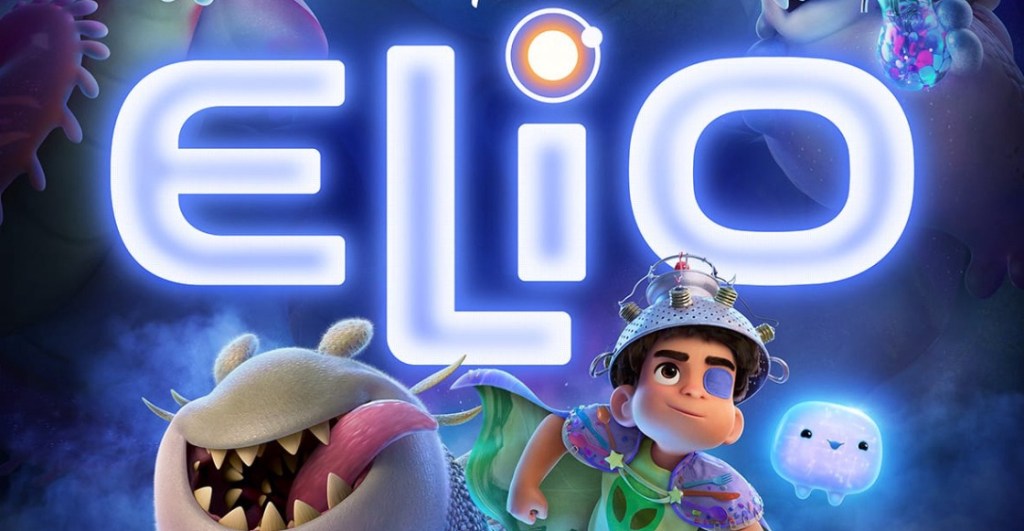
All this to say that children’s programming is pretty abysmal as of late. We don’t have “cool” adults like Bill Nye, Steve Irwin, or LeVar Burton teaching our kids basic subjects anymore, save for like, Ms. Rachel maybe. Nobody even knows the main players in children’s entertainment anymore. I make a living as a trivia host and a few nights ago, a question was asked about Cocomelon, one of the top three YouTube channels by subscriber count and the premier platform for videos for kids. Nobody got it right. And by the way, how did Disney’s latest movie do?
At least it’s not a remake.
I might not be the most qualified person to write this blog post. I’m not a parent, at least not yet. But I plan to start looking into avenues into motherhood in the next few years, and I want my future kids to have entertainment that actually allows them a childhood. I love Sabrina Carpenter, but I’m not letting them listen to her until they’re able to comprehend that “House Tour” (my new favorite song of hers, by the way) is not literally about showing off your new home.
“And I promise none of this is a metaphor.”
They say to be the change you want to see in the world, and I have a feeling that when I do pop out a baby of my own, I’ll likely try my hand at creating children’s music myself. I’ve toyed with the idea already, but I feel out of my element trying to make content for kids when I don’t really have a child of my own yet. Still, I know when Cadence is here, I need to make sure she has music to enjoy without me worrying she’ll pick up impolite language. Because if she’s anything like I was when I was little, that girl is gonna have some echolalia going on.
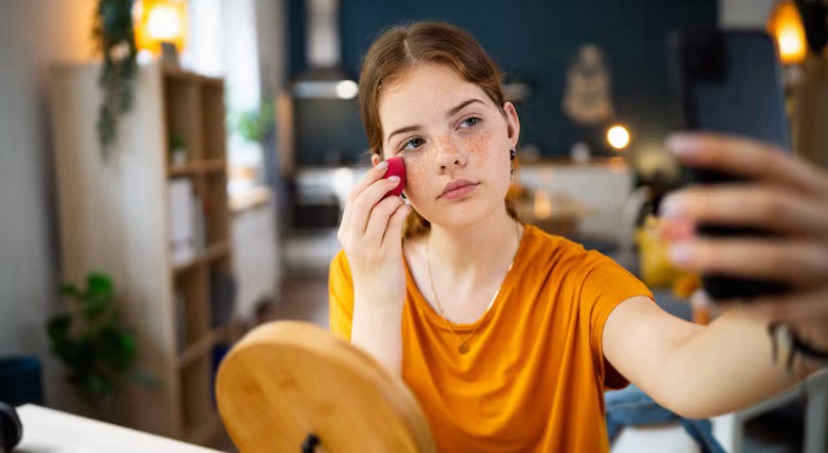
The world is a fast-moving place and kids are growing up quicker in a lot of ways. We need to make sure the next generation is getting positive messages. It’s not just about keeping kids from seeing or hearing about sex and violence, but also about encouraging the good stuff. That’s why the recent cuts to funding for PBS are so disheartening. I’m cynical enough to believe the shift is deliberate. Kids are more useful to corporate interests when they’re essentially little adults buying products. Look at the trend of literal children buying anti-aging skincare and showing it off on TikTok. You can’t convince me Big Cosmetics isn’t partly to blame. But at the end of the day, everything rests on dear old mom and dad.
Maybe she’s born with it, maybe it’s questionable parenting choices.
It breaks my heart to think that kids these days don’t have the same kind of warm, wholesome childhood I had. We’ve abandoned car rides with Barney cassette tapes for iPads loaded with click bait and rage bait. And that, my friends, is no way to grow up.
I’m coming to a terrible realization. I need to sleep.
Yes, I’m coming to terms with the fact that I can’t keep going at the rate I’m going unless I want to end up in the hospital — or worse. This realization comes on the heels of me being asked to work five nights in a row, including one 12-hour shift. I’m thankfully on the last of those shifts as I write this, but I’m already panicking about the fact that my other job is sending me out of state tomorrow morning and I still haven’t packed a damn thing and oh God, the plane boards at 10 and the airport’s over an hour drive from my apartment and…
Me.
It’s a lot.
I’ve also been trying to get back in touch with my spirituality to an extent, since I probably need to lean on a Higher Power to get me through all of this. I’ve gotten back into the habit of reading my Bible, and I figured I’d start with Ecclesiastes, my favorite book of ancient emo poetry. It was written literal millennia ago by one of the most powerful men to ever walk this planet, King Solomon. It would be like if Elon Musk had a single creative or introspective bone in his body. These writings come from a place of having had it all in life. But in the words of acclaimed Canadian indie band Metric, all the gold and the guns and the girls couldn’t get him off.
“Is it ever gonna be enough?”
And so, he wrote about how futile it all is. At one point, he writes:
“There was a man all alone; he had neither son nor brother. There was no end to his toil, yet his eyes were not content with his wealth. “For whom am I toiling,” he asked, “and why am I depriving myself of enjoyment?” This too is meaningless— a miserable business!”
-Ecclesiastes 4:8 (NIV)
There it is. Like a flashing neon sign from God Himself, the problem I’m facing right now. The problem I think most of us are facing, to be honest. We’re so deep in hustle culture, we forget we need to take a break sometimes.
We got ourselves into this mess because of religion — think the Protestant work ethic that permeates American culture — but I don’t think this is the life God really wants for us. We weren’t meant to be working these grueling long hours away from our loved ones. Even experts are saying these long work weeks aren’t normal or healthy. We’re expected to break our backs at work, then come home to work on whatever side hustle you can hobble together out of your interests. Where’s the time for connection with friends and family? Where’s the time for working on a creative project to fill your soul, not your pockets? Where’s the time for rest?
Here’s the part of the blog post where I tell you my secrets to getting out of that awful work cycle!
Except if I’m honest, I haven’t gotten that far myself yet.
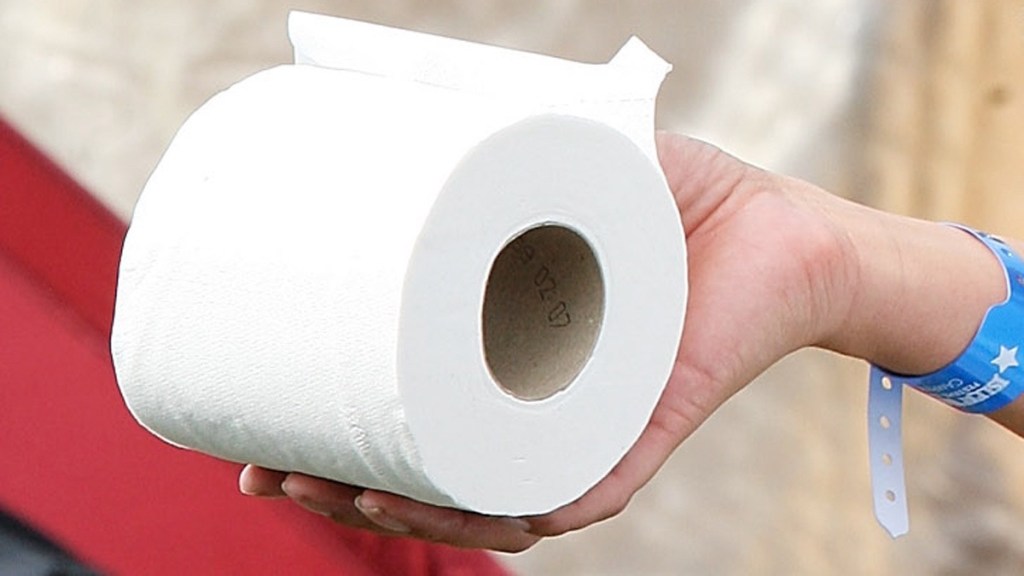
But I know this system isn’t cutting it for us. No one is happy like this, as much as we try to tell ourselves otherwise. Working ourselves this hard is simply not sustainable. Going back to the Good Book, even God Himself needs a break once in a while. Genesis 2:2-3 says “And on the seventh day God ended His work which He had done, and He rested on the seventh day from all His work which He had done. Then God blessed the seventh day and sanctified it, because in it He rested from all His work which God had created and made.” That’s why we’re supposed to take a whole day, once a week, to just rest. It’s okay to do absolutely nothing. It’s healthy — holy, even — to do absolutely nothing. Some especially pious Jewish folks don’t even believe in ripping off pieces of toilet paper on the Sabbath, as that’s dangerously close to doing a thing.
Pooping is already enough of a chore!
So here’s my advice, and I’m going to do my best to take it as well. Carve out some time every week for just you. It doesn’t have to be a whole day, but make sure you allot at least half a day. You deserve it. And whatever you choose to do during that time, don’t judge yourself for it. If all you’re doing is watching Netflix, that’s not wasted time. You’re refilling your soul the best way you know how.
It’s a sad fallacy that our culture perpetuates, the idea that we need to be productive at all times to be successful. There’s more to life than being productive, and we are more than just what we contribute to society. We have inherent value as human beings. I hope we can get back to a place where we can embrace that.
Brace yourselves, kids. In this post, I mention both Heart and Taylor Swift.
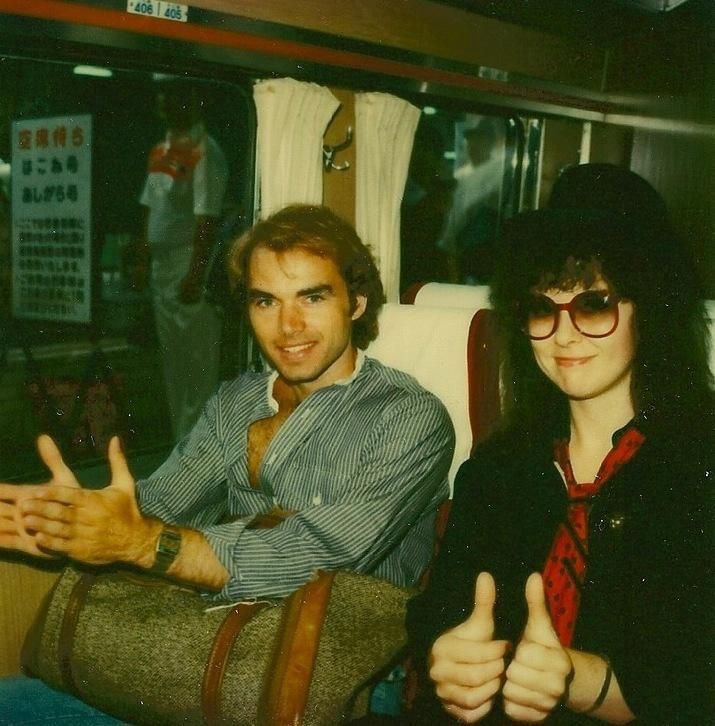
A few days ago, Heart’s original manager, Michael Fisher, passed away. Actually, calling him just their manager is kind of an understatement. In the autobiography of Heart frontwomen Ann and Nancy Wilson, Kicking & Dreaming, Ann tells the story of how Michael was her first love. Their whirlwind relationship inspired one of the band’s earliest and most iconic songs, “Magic Man.”
Why do I mention this? Obviously, Ann and Michael didn’t work out. Michael ended up marrying someone else and having like eleven freakin’ kids, and Ann went on to become a rock star. But their stories are forever intertwined because of that one song. And that’s what this post is about, because when you write a song for someone — or create any art in their honor — you’re preserving a piece of that relationship forever.
I’m a lifelong songwriter. I’m also fascinated by interpersonal dynamics. If you took every song I’ve ever written throughout my life, they would tell countless stories of people who have come and gone and somehow left a mark on me. The songs almost act as containers for the emotions left behind by those old relationships. Each song is a museum of memories. That’s why I have this theory when it comes to songwriting. Well, maybe it’s more of a maxim than a theory. And the maxim is this: If you get even one beautiful creation out of a relationship, it was not a waste of time.
People enter into relationships usually expecting — or at least hoping — to spend forever with someone. The point of dating is to find “your person” (or people, if you’re polyamorous like myself). So when relationships go south, it’s easy to write off the entire experience as meaningless. That’s where art comes in, though. With the magic of creativity, even the shortest-lived tryst can be fuel for a song or a film or a poem or painting.
Taylor Swift is a songwriter I admire deeply, and she’s a great example of this maxim in action. People have given her so much shit throughout the years for writing about her relationships, but honestly, that’s one of the things I like about her writing style. Not because I’m one of those parasocial weirdos who obsess over her dating history, but because that’s how I write songs too. I write about people. She has had many exes, as have I, but I feel like that’s what makes us better at writing. We have these lived experiences we can churn into music, and nothing can take that away from us. Like, she’s not with Taylor Lautner anymore and she hasn’t been with him for over a decade. But “Back to December” is still a beautiful song all these years later, and a song that millions of people still listen to and relate to.
I think of my own songwriting similarly. I think back to Jacob, whom I had a short-lived fling with my freshman year of college that led to the writing of “Smiles & Anchors” and “Tsvi.” I think about Dylan, my high school crush, who inspired “Off the Deep End” and the unreleased track “Outta My System” off my upcoming album Lore. There’s TJ, the muse behind “Song of the Sea,” and Phil, who never reciprocated my feelings but nonetheless influenced the writing of “Oceanography.” There are even songs I’ve squeezed out my non-romantic relationships and the ones that really went south, like the falling out with a former bandmate that led to the writing of “Ladies Don’t Start Fights (But They Can Finish Them).” I can find closure for relationships I wasn’t ready to leave just yet, and peace in relationships I’m happy are over, all because I’ve been able to transmute the pain into something I’m proud of.
I know I write about songwriting pretty frequently, but it is something I’m deeply passionate about. It’s what has gotten me through many breakups and heartaches and unrequited loves. But none of those situations were in vain, all because I could make something beautiful out of them. Relationships — romantic and otherwise — are the backbone of songwriting. We write about human beings and the way they relate to each other. Maybe those relationships don’t last forever, and sometimes, they shouldn’t last forever. Michael Fisher may have been absolutely miserable had he ended up with Ann Wilson, and vice versa, but the love they shared briefly inspired music that people will treasure for generations to come. And to me, that’s the beauty of songwriting.
If you enjoyed the writing in this post and elsewhere on the site, please consider donating to Jessa’s tuition fund! Any help is appreciated!


















 JESSA JOYCE
