

So today’s Thing That Everyone’s Mad About is the Jason Aldean song “Try That in a Small Town.” It’s nothing special to be honest. The lyrics hit on every right-wing talking point that’s popular right now save for the tired (and deeply offensive) “all queers are child molesters” trope. You got gun lovin’, cop lovin’, flag lovin’, all that good stuff. Basically, it’s obvious MAGA-bait. Musically, it’s…a standard issue pop country song. You could rewrite every line as “Bernie Sanders rules!” and I still wouldn’t listen to it willingly. Hell, all politics aside, changing every word to “watermelon” wouldn’t save this song from being an absolute snoozefest. Why do people give this guy attention when like, Jason Isbell exists?

I’m not here to talk music or politics, though, as if anyone gives any weight to my opinions on either. I’m here to talk about the romanticization of small towns.
I grew up in Huron Charter Township, which consists of three small villages: New Boston, Waltz, and the smallest one, where I lived, Willow. Most people just called the whole township New Boston, after the largest village, but I knew the difference, dammit. We were about as far into the country as you could get and still call yourself a suburb of Detroit — most people consider the area part of the larger Downriver region. Still, for all intents and purposes, the area was rural as heck. I’m talking farms, barns, horses, and the like.
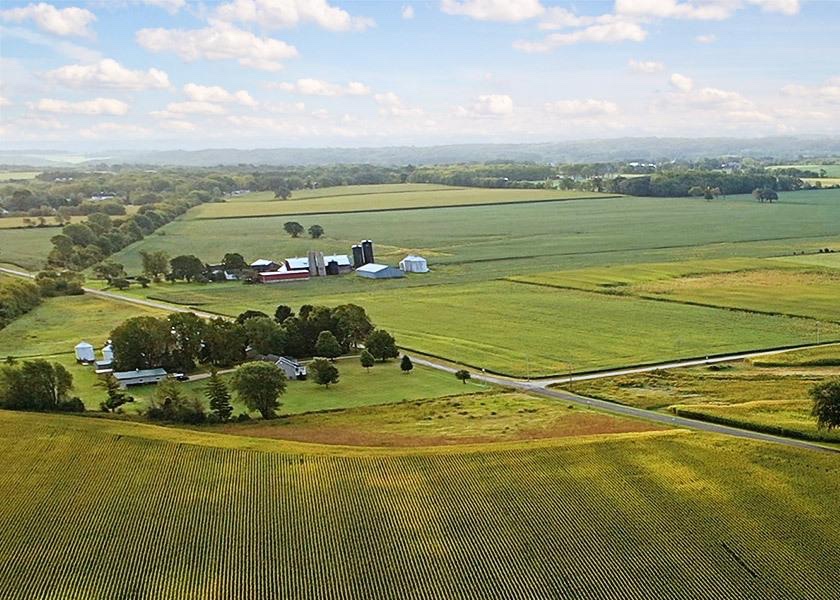
I liked some aspects of living there. I liked running rampant through the open fields, going muddin’ with my childhood friend, walking with my dad to the little party store by the train tracks and getting holographic Pokémon stickers. It was a quaint life, and it would have been perfect.
What people don’t realize is that living in a small town is hell when you’re the weird kid.
Small towns are tight knit and insular, and that works out well for people who are in the “in-group,” but things get real squirrelly when you break the norms of that in-group. I remember getting teased for everything from not being Catholic to hating ranch dressing to being supposed lesbians with my best friend, back when “lesbian” was an insult and not, well, just an accurate descriptor for me. I didn’t dress like the other kids either, or talk like them, or act like them, which I now realize was an autism thing, but this was also a time when girls were seldom considered autistic. You were just “the weird kid,” and if you were a small town weird kid, news travelled fast that you were to be avoided.
As I got older, the bullying escalated into sexual harassment — girls grabbing my ass and guys pretending to rub their boners on me, all because they knew it made me uncomfy and they thought my reaction was funny. I didn’t tell my parents the nature of the bullying, but they knew something was up. I was coming home from school crying and hibernating all evening. And when my dad went to the principal and the counselor? There was nothing they could do. My dad suspected their indifference to my predicament was partly due to my family being “low importance” in the small town hierarchy. We didn’t go to the local church or participate in the PTA. No one cared what happened to the Salisburys. We were outsiders.
It was so bad, the adults were bullies too. I still remember my Girl Scout troop leader, Mrs. Marsack, who resented me for making her troop look bad. She was so desperate to push me out of her gaggle of otherwise perfect little girls, she barred me from participating in the group camping trip because I wasn’t “mature” enough, despite getting good grades, staying out of trouble, and being more of an “old soul” than was probably healthy for me. I remember locking myself in the bathroom and crying inconsolably. It had never been more clear to me that I wasn’t wanted.
My saving grace was leaving my hometown. Moving to my college town was the best decision I could have made. The thing about larger cities is that more people equals more differences, and suddenly, I was running into weirdos like myself and befriending folks who weren’t like me, but still appreciated my quirks for what they were. Everyone was from somewhere else, and we were all just trying to find our place in the world. It was kind of a beautiful thing. Growing up in a small town, I had no idea there were places like this. It felt utopian.
Cities have their issues too — more people does tend to equate to more crime — but that’s just the nature of humanity. Nowhere is perfect as long as the people there are not perfect. I just know I’d rather live someplace where I can be myself and not have to hide pieces of who I am just to fit in. I’m glad I left my hometown for bigger and better things, and I hope all the other small town weirdos like me get a chance to as well.
 JESSA JOYCE