
This is the latest installment in my memoir project, written as a series of letters to my future daughter. Here are the previous entries: Part One and Part Two
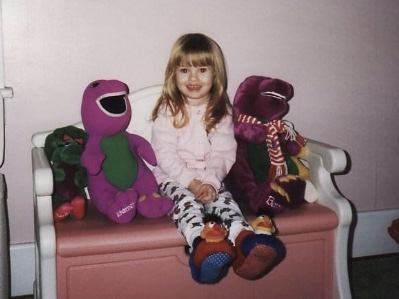
My earliest memory was waking up from a nap on top of a stack of rugs inside a sketchy flea market. But my second earliest memory was watching Wheel of Fortune.
I didn’t know what it was – the colors, perhaps. That’s the only reason I can think of why a toddler would enjoy a words-based game show. I got a little older, and I found myself scared of cartoons because they were so loud and bright compared to my beloved Wheel of Fortune. And CNN. My dad always had our boxy TV on CNN, and it became such a thing to me, I’d freak out if anything else was on. And I needed the History Channel on my bedroom TV to sleep. I wouldn’t accept anything else.
I was really sensitive to noises. If my mom was vacuuming, I’d hide behind the recliner and cower for my life. There were some sounds I liked a lot, like the sound of the bath filling. I’d curl up in the corner of the bathroom and just listen to the sound of the water until my mom would inevitably pick me up and put me in the tub. Sometimes, I’d make little sounds just because it felt right, usually bird noises. And music. I always say music was my first language. Growing up, I didn’t talk a lot to people who were my age. I could and would give my entire life story to the cashier at Kmart, but I had a hard time socializing with peers. But I loved singing for absolutely anyone who would listen. My classmates would even throw coins at me for singing songs at recess.
What I didn’t realize, though, was that they were making fun of me.
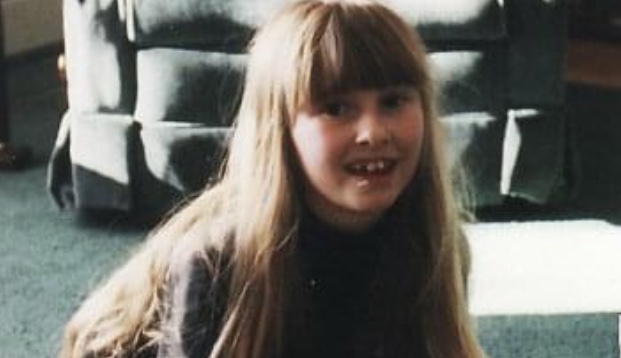
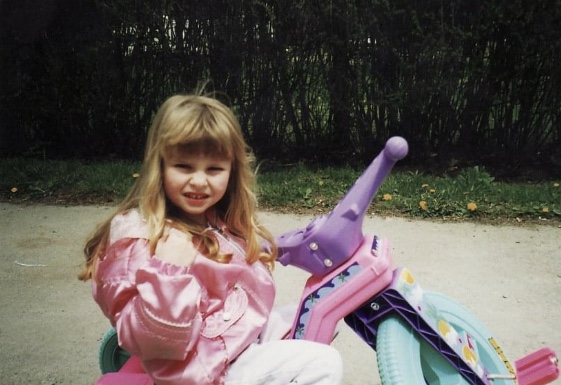
I was 17 or 18 before my mom said the “a” word to me. As in autism. It’s a scary-sounding word to a lot of parents, and when I was a child, there was an even steeper stigma attached to it. No mom wanted their kid to get diagnosed with autism. So she never got me diagnosed, not even when my childhood psychologist had mentioned it. And my teachers didn’t bother to check up on me either. So little Jessie spins around in the back of the classroom during lectures, obsesses over 8-track tapes, and has no friends? Well, she gets good grades and doesn’t start problems, so we’ll just pretend there’s nothing weird about this child.
But I knew there was something wrong with me. There had to be. I had an encyclopedic knowledge of vintage music, but I couldn’t make eye contact or even speak a coherent sentence to someone my own age without feeling wildly uncomfy. And my ever-present weirdness made me an easy target for the innocent cruelty of schoolchildren. I remember how sensitive I was to the smell of ranch dressing. As soon as the other kids found out the stench alone made me gag, I had to start eating lunch in the library, lest I be pelted with ranch dressing packets.
Two memories stick out in particular. One was of my “frenemy” Carissa and her crony, another Jessica, framing me for hitting Other Jessica, simply because they didn’t like me. Because I didn’t “fit in.”Jessica had made a red mark on her face and claimed I’d hit her, and Carissa corroborated her story. It was my word against both of theirs, so I ended up getting sent to the principal’s office over it. I lost my trip to McDonald’s over that, actually.
Another time, I got punched in the stomach by some guy. Ouch.
My point is, if you’re anything like me — and I’m guessing you’re a lot more like me than you’d like to admit — you’re gonna be weird, and that’s going to make you a target for unsavory people. They’ll hurt you because they think it’s funny. They’ll take advantage of you because they know they can get away with it. And a younger, less-wisened version of myself would have said your best course of action would be to change yourself, to fit in.
Because that’s exactly what I did.
I meticulously studied what the “cool girls” were doing and started copying their mannerisms and adopting their interests. I learned to shut my big dumb face when I wanted to obsess over Bon Jovi or Pokémon. I ditched my 70s rocker style for a more conventional preppy look, and my beloved red lipstick got thrown in the trash. I stopped talking about my special interests and “smart kid things” and put on a bimbo facade because it made people tease me less. Everything that made me unique got watered down to something more palatable.
I broke my own bones to fit in someone else’s box.
Sure, I made friends, but inside I was miserable. It took so much out of me to hide parts of myself. And I knew deep down I still didn’t fit in entirely. I was last to be picked in literally everything. I remember going to on a trip to Chicago with the marching band and my “friend” group chose to room together without me. I did manage to get voted senior class president — because no one else ran.
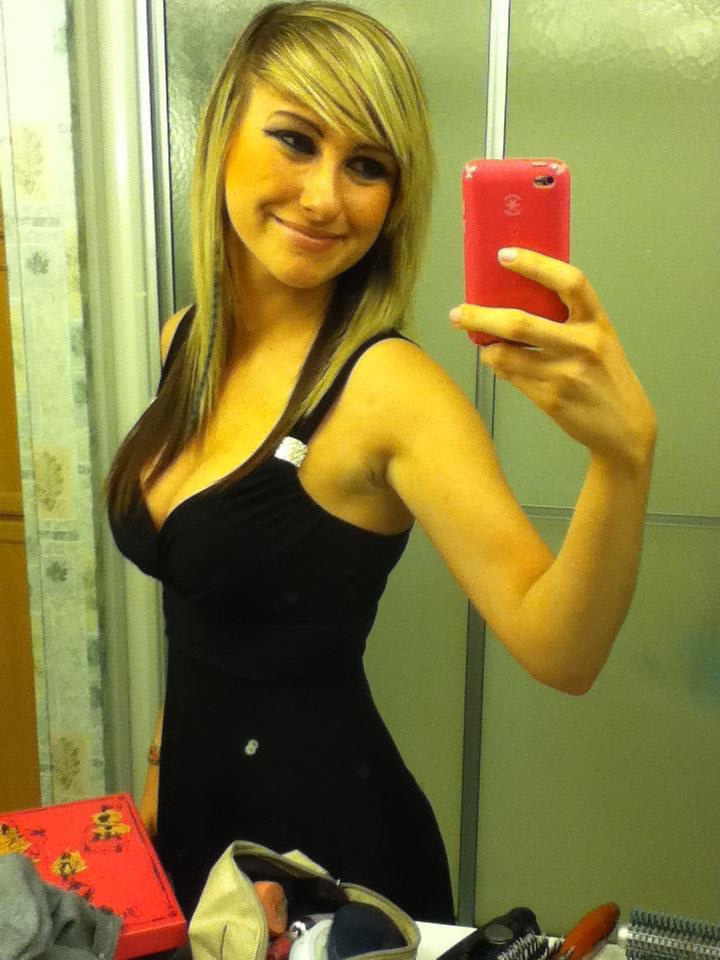
My saving grace was that around the time I became an adult, the “manic pixie dream girl” stereotype became the hottest thing, and suddenly everything that made me eccentric and weird made me desirable. In college, I started dropping the act and grew into what I was all along — a confidently autistic woman, quirks and all. And it won me way more genuine friends, people who have stuck around in the long run, who would never ditch me or pick me last. My college years were filled with so many experiences of legitimate joy, the kind that only comes when you’re living as your authentic self.
So if your thing is trains, be the biggest freaking ferroequinologist out there. If you like dressing like a pirate in everyday life, tighten up that corset and straighten that eyepatch. If you love music like I do, sing and dance your heart out and don’t give a damn who throws coins at you and laughs. History forgets normal people like them, but weird people like us live on forever. Being yourself is one of the hardest things you’ll ever have to do, but it’s worth it.



 JESSA JOYCE