Bullied by My Girl Scout Troop Leader (And Why It STILL Affects Me)

What’s something most people don’t know about you?

Once upon a time, I was wildly uncool.

I realize I wrote that as if I’m now like, the bastion of coolness or something. I don’t want to pretend I’m like, George Clinton levels of cool or anything.

Now there’s a Clinton I want for president.

But although I’m not cool enough to front legendary funk collective Parliament-Funkadelic, I’m significantly cooler than I was as a child, when I had to eat lunch in the library to avoid being pelted with ranch dressing packets. Bullying was a pretty constant factor in my pre-high school years. I went through it all — one guy punched me right in the gut, another in the face, two girls conspired to get me in trouble so I’d lose my class McDonalds trip (those bastards), and most of the kids I went to school with typically followed any utterance of my name with “sucks.” I managed to mitigate a lot of it by avoiding my classmates, but it’s not like I could avoid people forever, you know? I could count the number of friends I had on one hand, and for most of that period, I could count the number of friends I had on one finger. And she went to a different school!

Flash-forward to 2025, and while I’m not where I wanted to be professionally yet, for the most part, my life is looking pretty swell. I have a loving wife and a sweet girlfriend and now even a few casual male partners that may turn into something serious. I have a band — I’ve been in and out of bands for most of my adult life, actually — and the bonds I’ve formed through these projects have mostly changed my life for the better. And perhaps most importantly, I have friends. Like, a lot of them. And it’s awesome!

But sometimes, something will be dragged up out of my memory that puts me right back into the scared little kid mindset I had growing up.

Meet Mrs. Marsack.
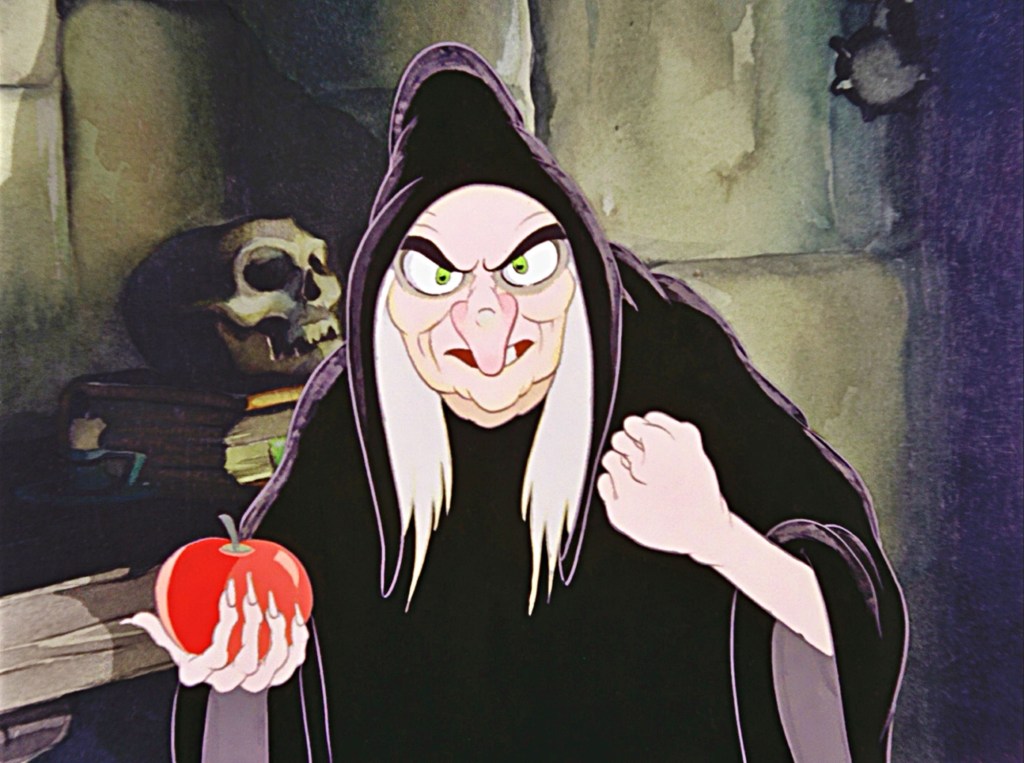
She didn’t actually look like this, but it felt like the right image to use.

I think that’s how her last name was spelled. I kind of hope I spelled it wrong because I totally don’t intend to dox this lady. That being said, if anyone deserves awful things, it’s Mrs. Marsack. Because Mrs. Marsack broke my child heart worse than anyone my own age ever could.

When I was in elementary school, I was in Girl Scouts. I don’t wanna shit-talk Girl Scouts because it’s a pretty neat organization as a whole, and everyone knows the cookies go hard. I still grab myself a box of Samoas whenever I encounter a gaggle of entrepreneurial scouts in the wild. That being said, my experience was not all cookies and roses. That’s because I had Mrs. Marsack as a troop leader.

Mrs. Marsack had a daughter in the program. Her name was like, maybe Abigail or Emily or something. Anyways, she was one of the “cool kids.” Most of the girls in my troop were “cool” to an extent. But not me! I was the little weirdo autistic kid who stimmed by making bird sounds and who wouldn’t shut up about Bon Jovi to literally anyone who’d listen. So needless to say, I had a bad time.
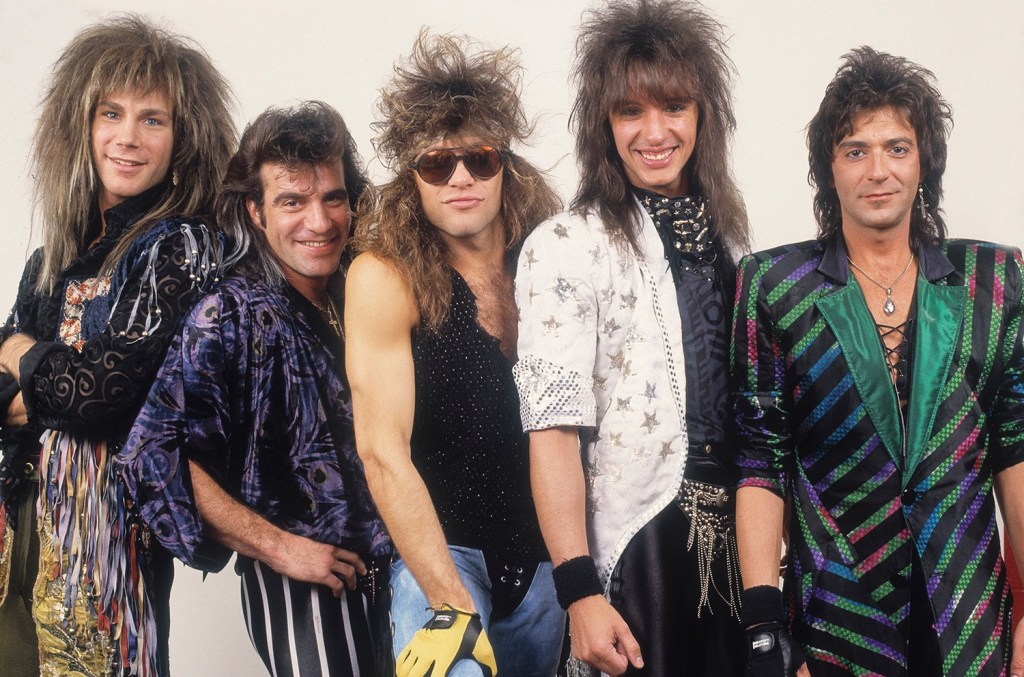
Kids who liked these guys were doomed from the start.

But I really did enjoy the activities! So when a huge camping trip was announced, I was absolutely thrilled. I’d never been camping before, and we were about to do it all — swimming, hiking, horseback riding, canoeing, everything a little girl could imagine and more. I almost had my bags packed when Mrs. Marsack called my mom in to “chat.” That’s when she dropped the most devastating news.

All the girls were invited…except me.

Apparently I “wasn’t mature” enough to go on the trip. My mother knew it was a bullshit excuse. I was significantly more mature in all the ways that actually mattered. Mrs. Marsack just didn’t like me.
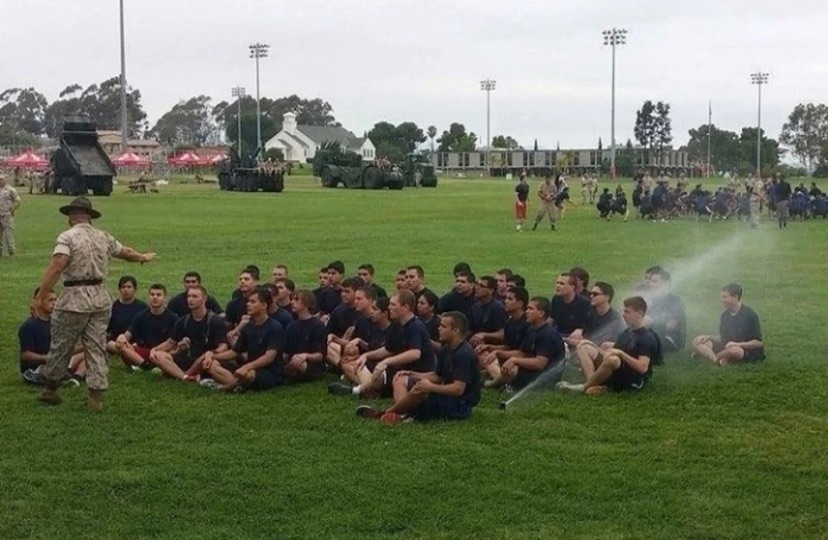
This is the degree of “fuck you in particular” we’re talking.

So I locked myself in the bathroom and cried for hours. I think my mom had to pry the door open, I was that distraught. I’d always felt ostracised by my peers, but never to the extent that she’d made me feel. That rejection left a scar on my heart that never really healed if I’m entirely honest. Nothing will ever give me that experience back.

These days, I don’t often think about that time in my life. But every now and then, something will jostle that feeling out and I’m once again that scared, sad little kid on the inside. I think that’s why I’m so in touch with my inner child now, as an adult. I never had space to nurture that part of me away from the judgmental eyes of my peers and unsupportive adults like Mrs. Marsack. I think that’s also a small part of why I’m so outwardly outgoing in adulthood. I crave companionship the way a flower craves rain because I was so deprived of that community, that sisterhood. I need to be around people all the time.

It sucks because I had plenty of bullies in my peer group (looking at you, both other Jessica S.‘s in my class), but Mrs. Marsack was the first time an adult showed me not all grown-ups are my friend. I almost feel a little survivorship guilt because this trauma is relatively mild compared to the backstories of many of my friends. Most of their first betrayals by trusted adults were in their own families, and with much, much worse situations. But Mrs. Marsack still left a huge gash in my heart that I still contend with.

So if you’re reading this, let the message be this: be kind to the kids in your life. Especially the weird ones. You never know what kind of influence you might have on them. Don’t be some poor little girl’s Mrs. Marsack.
Creativity Overdose: What It Is and How to Fight It

So my wife and a good mutual friend of ours recently staged an intervention in my living room over a glaring problem that’s been worrying them for a while.

(Okay, it wasn’t an intervention, but it sure felt like it, dammit.)

You see, I suffer from something I’ve dubbed Creativity Overdose.

It’s an insidious beast that comes at the intersection of bipolar and ADHD. Creativity Overdose is when your ideas start to come at the expense of people around you. Another good name would be “Eddy from Ed, Edd, & Eddy syndrome,” since it’s basically what he has. Every three seconds, you come up with some hairbrained get-rich-quick scheme or the newest version of The Best Idea Ever™ that consumes your entire being. And that would be fine if you a. followed through on these ideas and b. they weren’t coming at the detriment of your loved ones.

My poor wife has had to deal with approximately 6,348 new ideas since January, and getting back into academia and becoming a specialist on the way AI affects the brain on a psychological level was the straw that broke the camel’s back (I’m shocked it wasn’t my short-lived oil painting business). I don’t envy her for having to deal with my manic ass on a daily basis, and I want to be a better, more reliable partner for her. She deserves that much from me. So here are four ideas I’m putting into practice to negate my struggles with Creativity Overdose and keep the mental and interpersonal peace:

1. Write down your ideas (instead of burdening people with them)

This is hard if you’re an autistic extrovert like me. Sometimes, the neurospiciness kisses the extroversion just right and you feel the need to infodump about every grandiose idea you’ve ever had to your loved ones. I can assure you, they don’t want to hear about it. I know it hurts, but for the most part, it’s true. This is tough love. Nobody wants to hear about your Parakeet Circus idea, especially when the last time you tried to start a Cirque du Soleil featuring parakeets, you blew up three parakeets. Unless the project is cued to be finished or released, absolutely shut up about it. Not everything is about you. (I’m talking especially to myself here.)

2. Write down all of your current projects

Okay, now that we’re not telling everyone all the shit we’re up to, let’s figure out what we’re actually up to anyways. Write down every single thing you’re currently working on, no matter how small or insignificant. My current list has all the musical projects I’m working on, my two jobs, school stuff, my podcast, and even getting my passport. Write down some steps you’ll have to take for each one, too. Putting it all down on paper will help you see how busy you really are and maybe give you a little more perspective on how much you actually need to fill your plate. When you’re excited about stuff, it’s easy to underestimate how much it really takes to get things done.

3. Pick one thing to hyperfocus on for a month

Here is the tricky part. You’ve gotta prioritize. Label the projects on your list from most to least important. Like, “you’ll die if you don’t do this” to “this can wait a few months or even years.” Shelf the stuff that can wait. If writing the book that’s been on your heart for years can wait a few more years, that’s perfectly fine. Like, I’m probably gonna end up releasing Venona at an absolute snail’s pace, but I’m not worried about getting the story out there at this point. Unless something goes terribly wrong, we’ve still got a lot of time on this planet. Don’t worry if you can’t get to everything in the next year or so. Pick one thing (maybe two, since you’ll probably need to pick whatever your main job is for survival reasons) and really buckle down and get it done before moving on. It feels good to get something done for once, trust me.

4. Help someone else create something instead

Here’s something I’m really learning — it’s better to collaborate than work alone, and sometimes it can be just as rewarding helping your loved ones meet their goals as it is meeting your own. My wife wants to be a professional artist and merchandiser, so I’m going to step aside a while and let her work on that. I’m going to take a year off school so she can save for the equipment she needs, and I’m going to support her any way I can. See what your friends need for their endeavors and ask how you can help them. Assisting someone else in reaching their dreams can be a good feeling in and of itself, and it can further inspire you in your own dreams as well. The best part of having creative, ambitious people in your circle is that you can all help each other up.

So what do you think of Creativity Overdose? Have you experienced this in your life? Let me know your thoughts in the comments.

If you enjoyed the writing in this post and elsewhere on the site, please consider donating to Jessa’s tuition fund! Any help is appreciated!

CashApp: $TheJessaJoyce

Venmo: @TheJessaJoyce

Autistic Joy: Little Things That Make Neurospicy Brains Happy

It’s rather unfortunate that autism has the less-than-favorable reputation it does. Sure, it’s more accepted than ever, to the point where it’s trendy on TikTok to claim neurodivergence (a trend I have mixed feelings about if I’m honest). But many on the spectrum still feel misunderstood by the public, with only 16 percent of autistic folks and their families feeling people actually “get” them and many choosing not to interact with the world because of it. It’s a big reason I’m self-diagnosed — when my childhood psychologist suggested the “A” word back in the early 2000s, my well-meaning parents ran the opposite direction, afraid their beloved daughter would get saddled with a label that would get her further ostracized by her peers. My girlfriend had a similar experience growing up. And then you have people like RFK Jr. who say — and I quote:

“[Autistic people will] never pay taxes, they’ll never hold a job, they’ll never play baseball, they’ll never write a poem, they’ll never go out on a date.”

So yeah, it’s pretty clear the world looks down on us for being different, which, to be fair, has always been the case. It’s never been “cool” to be autistic, right? Why would anyone want to be on the autism spectrum?

Here’s where I’d say “Wrongo, partner!”

Definitely read that in her voice, by the way.

There are lots of special kinds of joy that come with being autistic, or even ADHD and similar kinds of neurospicy. There’s been quite a bit written on the neurodivergent love languages, many of which I feel are closely connected to the kinds of neurodivergent joy. That neurodivergent joy is what I want to write about, because I saw it at work amongst me, my ADHD wife, and my AuDHD girlfriend this past weekend when I took them to my hometown. That brings me to my first joy:

1. Sharing Lore

Taking my partners back home was such a cool experience. I got to share so many parts of my backstory with them, parts I couldn’t show them without taking them to the exact place in time where my story unfolded. I could point out my high school, the Dairy Queen I went to as a kid, all my favorite plushies in my childhood bedroom, and so much more. It’s all part of my lore, as I’ve started to say. Sharing parts of your past with your loved ones scratches the same itch as infodumping, except in this case, you’re infodumping about yourself!

Hearing other people’s lore helps us connect to them as well. This past weekend, my dad regaled us with the story of how he saved for two months to go to Woodstock, despite his coworkers making fun of him, because he knew it was going to be a big deal. He ended up going with six friends and left with 28. I knew music was a big part of my family’s lore, but I never truly knew the extent to which my own father was present for a huge moment in music history. Just taking that time to talk to him gave me a lot of joy.

2. Sharing Media

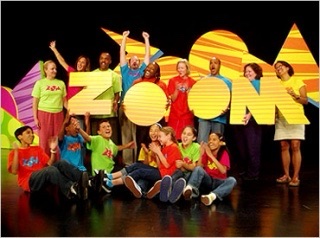
During the trip, I allowed my girlfriend, Livvy, to take control of the hotel television, since she has some sensory stuff regarding talking and background noise. Most of the time, she left the TV off and the three of us, ya know, engaged with the outside world. But when we got back to the room every night, Livvy would search for one of her childhood favorite shows, Zoom. She loved that show so much that her grandparents taped it and sent it to her so she could still watch it after it went off the air. And now, she wanted to share it with us!

I can’t express how happy she was that we not only took the time to watch what she wanted to show us, but actively participated in it as well. We started daydreaming funny skits and science experiments we could do in our spare time, like the kids on the show. We even had our favorite cast members and tried doing the “ubby wubby” language ourselves (with little success). Livvy was so pleased we were as into the show as she was!

3. Being Around Other Neurospicy Folks

When you’re wired differently, it can be exhausting masking in order to fit in with polite society. Masking is typically associated with “higher functioning” autistic individuals, as shitty and outdated as that terminology is (we prefer people refer to our support needs instead of the “high and low functioning” labels). As someone who’s gotten so good at masking that many outsiders aren’t aware I have the ‘tism in the first place, I can tell you it’s absolutely exhausting. It’s a form of hyper-vigilance and suppressing natural urges. You basically have to water down your entire personality.

But when you’re in a group of other neurodivergent people, you can let all of that fall away and reveal your true self. I don’t have to pretend to be interested in mundane things. I don’t have to make eye contact (which is scary as hell to me if I’m honest). I don’t even have to say words. I can communicate in noises if I want to, and oftentimes, that’s exactly what my partners and I do! It’s freeing to not be restricted by social norms and expectations.

4. Researching What You Love

I (probably rightfully) get a lot of crap from my loved ones for being too glued to my phone, but I’m going to let you all in on a little secret. If you see me on my phone, there’s a very small chance I’m texting a friend. More likely than not, I’m reading!

I’ve always been like this, and I’d be the first to admit that had smartphones not been invented, I’d have to carry a huge bag of books around with me everywhere I go. I’m always reading something or other, usually nonfiction, and usually about one of my special interests. I love reading about creativity, spirituality, or whatever library book has captured my attention most recently. When I was a kid, I’d hide in the nook between the kitchen and the bathroom in my grandma’s house, right where she kept a complete set of Encyclopedia Britannicas on a bookcase, and just study them for hours. I kind of miss physical books, if I’m honest, but I love having the ability to read about anything and everything at a whim nowadays. It’s a kind of special joy.

5. Being Respected

Obviously we love researching things, but we also love getting recognized for our research too! We love the thought of being an expert in our field of interest, even if it’s not a formal area of study. For me, music theory is a big area of interest. I do have a degree in music, which does make me feel good about myself, but even more than that, I love when people tell me that I’m knowledgeable. Even more than that, I love when I get a chance to demonstrate my knowledge. When someone asks me why a song works, I’m always happy to explain things like chord progressions and the circle of fifths and why those concepts are important in popular music.

I think that’s why it almost feels like a personal slight when we don’t get the respect we require as it involves a particular special interest. I still remember the one of the only times a non-music professor made me feel like shit about my abilities and know-how. It took me years to recover and get back to a place where I felt confident about myself in music again. We autistic and ADHD folks are so sensitive to the slightest criticism — we’re prone to rejection sensitive dysphoria for a reason — but the flip side is that we get an even stronger sense of pride from positive feedback.

Which of these “joys” do you relate to the most? Leave a comment below! And as always, if you enjoyed the writing in this post and elsewhere on the site, please consider donating to Jessa’s tuition fund! Any help is appreciated!

CashApp: $TheJessaJoyce

Venmo: @TheJessaJoyce

More Than Words: Five Quotes I Live By

Do you have a quote you live your life by or think of often?

If there’s one thing I can take away from being a writer my whole life, it’s the fact that words are powerful tools. We can use them to build people up, tear each other down, spread information, spread misinformation, and evoke strong emotions. Something I’ve always been fascinated by is the use of mantras or affirmations for self-improvement. Just repeating a certain phrase to yourself can make an impact on your mental health. And here’s the thing — your affirmations don’t have to be anything in particular, so long as they resonate with you.

Like a favorite quote!

As I began writing this post, I realized I have a handful of quotes I constantly repeat in my head like mantras. They’re the words that shape my personal philosophy and the way I approach life. I never really stopped to actively consider and appreciate how these words have shaped my experience as a human being. But I wanted to share a few of these quotes I carry with me.

She refused to be bored chiefly because she wasn’t boring.

Zelda Fitzgerald

This first quote comes from the iconic flapper wife of F. Scott Fitzgerald, who absolutely should have been absolutely as famous as him in her own right. She was a Renaissance woman — a writer, painter, and dancer, who went on to die tragically in a mental hospital fire. I see a lot of myself in her story. She was diagnosed with schizophrenia, but had she lived today, she would have received a bipolar diagnosis like me.

Zelda was a wild child with many diverse interests, so I can’t imagine a woman like her would ever be bored. That’s kind of how I want to be. I don’t enjoy being idle, and I don’t ever want to be boring. I always want to be involved in exciting new projects and opportunities. Life’s too short to sit around and be bored. You gotta actively make a life worth living. That’s kind of what the quote means to me.

Show love with no remorse.

-Red Hot Chili Peppers (“Dosed”)

I remember the first time I heard this song and being entirely floored by how beautiful it was. It was in the car with my former drummer Jerry and another short-lived bandmate on the way to our bandiversary date. I’d heard plenty of Red Hot Chili Peppers before that day, but this was the song that really made me appreciate them on a deeper level. I loved the guitar work, the harmonies, and perhaps most importantly, the words.

I’ve always said I wanted this exact lyric tattooed on me someday. I just think it’s a simple concept. You’ve got nothing to lose by giving love freely and joyfully. We need much more love in this world, and now is not the time to be stingy with it. You’ll never regret treating people with kindness.

Never attribute to malice that which is adequately explained by stupidity.

-Robert J. Hanlon

I hesitate to call this a quote. It’s technically a philosophical razor, which eliminates — or rather, shaves off — weak explanations for a particular phenomenon. The phenomenon at hand when it comes to Hanlon’s razor is “Why are people awful to each other?” And the explanation it offers is simple: people just don’t know any better.

Hanlon’s razor is why I still have faith in humanity, even after I’ve witnessed some of the worst of it. People very seldom intend to hurt each other. We’re all just big dum-dums that say and do the wrong things sometimes, and we really need to treat each other with more grace. That’s why I don’t believe in cancel culture — we need a grace culture. If you make an honest mistake and own up to it, that shouldn’t be held against you. No one is perfect, and we can’t hold people to impossible standards.

Do not be overcome by evil, but overcome evil with good.

-Romans 12:21

I struggled to think of just one Bible verse to include, since so many have been influential to me growing up in the church. But this one felt really relevant with some of my recent posts about loving your enemy and fighting the rampant dehumanization of marginalized folks in our society. It’s easy to lash out against the people who are hurting me and my loved ones. But you have to remember that they’re human and they’re hurting too. Hurt people hurt people. It’s not an excuse, but it’s an explanation. And it’s why I choose love — because you don’t know what someone else is going through.

The verse immediately before this one talks about how offering your enemy water when they’re thirsty is akin to heaping hot coals on their head. The Good Book is telling us to kill them with kindness. I saw a post recently that said the true test of a Christian is not whether they love Jesus, it’s whether they love Judas. I’ll admit it’s hard for me to show love to the people who hurt me. The human part of me wants revenge. But the divine answer remains to be love.

Where words fail, music speaks.

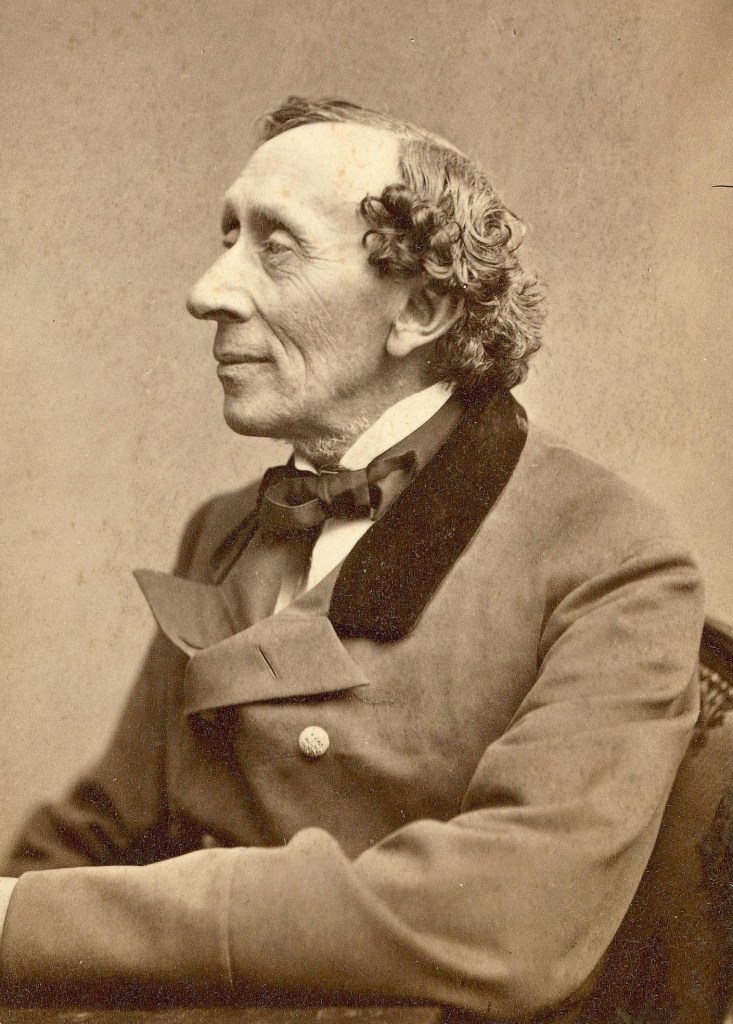
-Hans Christian Andersen

I’ll admit I never knew the person behind this quote was none other than the Danish purveyor of fairytales such as The Little Mermaid, The Emperor’s New Clothes, and Thumbelina. But I’ve always related to this quote. As a child, the signs of my autism were very apparent. I would often stim by pacing or making bird sounds, and I had sensory issues surrounding things such as loud noises and upsetting smells (looking at you, ranch dressing). And like many autistic kids, I struggled to communicate with my peers. My classmates thought I was from France for the longest time because I never spoke in elementary or middle school, so they assumed I had an accent or didn’t know English or something.

But then I picked up a guitar, and everything changed. When I learned to play music and started performing, that was when I truly found my voice. Music was my way of reaching out into the world. I call music my first language for good reason. It was the bridge that connected me to other people for the first time in my life, and for that, I’m forever grateful.

What quotes do you live by? Leave your favorites in the comments!

If you enjoyed the writing in this post and elsewhere on the site, please consider donating to Jessa’s tuition fund! Any help is appreciated!

CashApp: $TheJessaJoyce

Venmo: @TheJessaJoyce

AuDHD Dreams and Impulsive Schemes

When I opened my app to check my site’s stats for the day, this little prompt popped up:

Describe the most ambitious DIY project you’ve ever taken on.

I’ll be honest, this is a hard question for me, and not because I’m like, the queen of all things DIY. I’m not even a baroness of all things DIY. The world of DIY is a mystical land with which I am simultaneously very familiar and also very much a stranger.

Welcome!

The truth is, I often cycle through creative interests, sometimes very rapidly! I can recall flipping through like, five different artistic outlets in one summer before finally realizing I sucked at all of them. I have music and writing already — maybe it’s what I get for being greedy with the fine arts. But one of my best friends is also a musician and writer, and they also have time to make bead art, crochet, sew shit, put together enormous puzzles, and 3D print whatever the hell they can’t make doing everything else.

Allow me to print you a fucking vase.

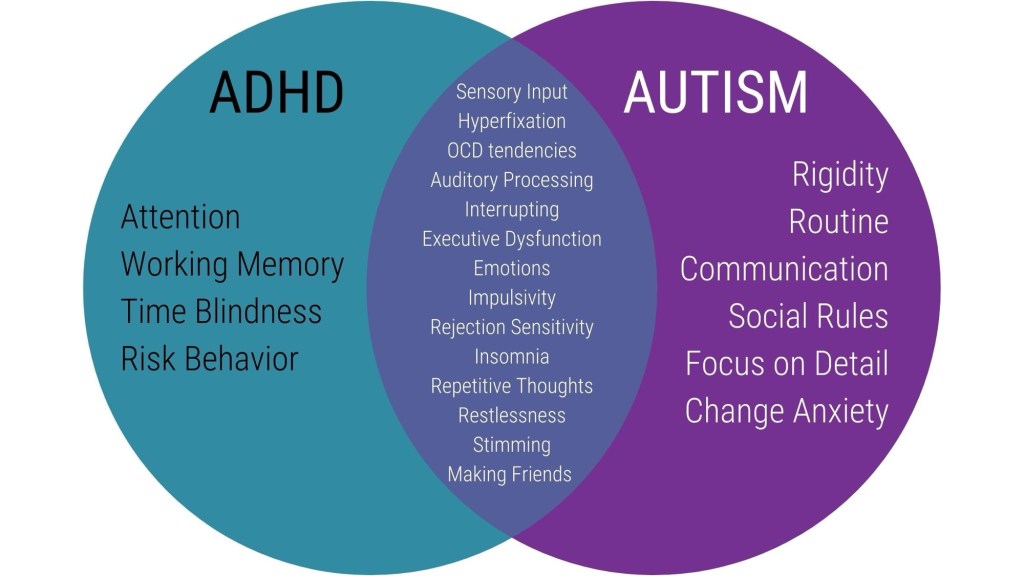
My problem, as always, is my brain wiring. I’ve got the fun combination of ADHD and autism, and they love to fight sometimes.

If this infographic isn’t me…

One of autism’s defining traits is the presence of “special interests,” or things were just really fascinated by and want to learn everything about. As a child, it was 8-track tapes and parakeets. In adulthood, it’s been lost architecture and cults (I dare you to let me tell you about multilevel marketing cults for hour). Not every autistic person gets special interests like this, but it’s incredibly common and definitely marked my experience growing up autistic.

That’s just one of the ingredients in my particular brand of brain soup.

It’s actually alphabet soup but all of the letters are “ADHD.”

ADHD comes with impulsivity. It’s one of the main symptoms, in fact. I technically have inattentive type ADHD according to my psychiatrist, but I’m shocked I didn’t qualify for the hyperactive-impulsive type instead. The hallmarks of my ADHD have always been the impulsive and hyperactive behaviors. And when I get an impulse to try out a new hobby, I gotta dive right in, headfirst, without checking the depth of the water beforehand.

And this is the pool.

It was pretty detrimental for a while because I was blowing all my money on these hobbies I’d be into for only a week or so before giving up. There’s the thing — if I wasn’t immediately good at the hobby, I quit. I also didn’t have the patience to get good at anything.

I realize I haven’t actually answered the prompt at hand yet (which is another very ADHD thing of me to do), so allow me to list the top five lofty DIY projects my neurodivergent ass stupidly took on:

5. Boating

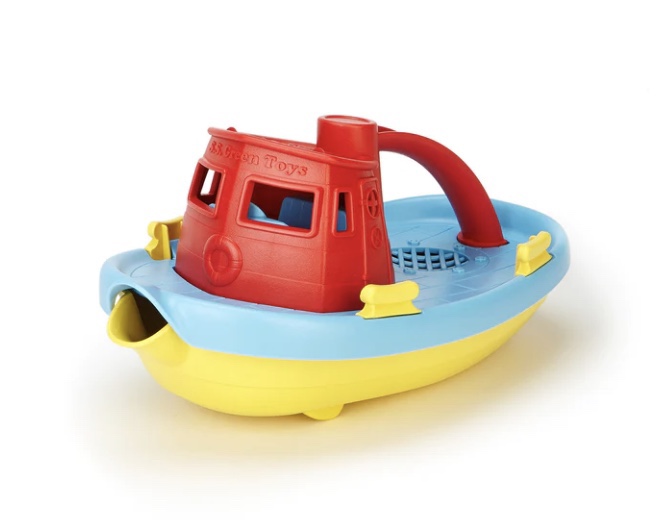
I’m not quite sure this counts as a DIY project because I didn’t really make anything, but it was lofty nonetheless. Do you know what all you need to safely operate a boat? A lot of shit, that’s what. Yet I ordered a whistle and high-powered flashlight and lifejackets, all for the little inflatable boat I bought while we were living on the lake. How many times did I actually use the boat? Exactly once. It was a magical time, don’t get me wrong, and I wrote a song about the experience, but that song basically costed me $600. (And this is why I have credit card debt.)

4. Perfumery

I don’t know how many of you remember my witchy phase, but I definitely dabbled in the mystical realm for a while. Still do, to a lesser extent, but at the height, I was really into making my own “potions” out of herbs and essential oils. This inevitably led to me making potions not for magical properties, but because they smelled really nice, and giving them to my friends and family. I also made a lot of spell jars around this time, containing stuff that reminded me of the folks I made them for. It was kind of a cool hobby actually. I still have a lot of spell jars from that era.

3. Sewing

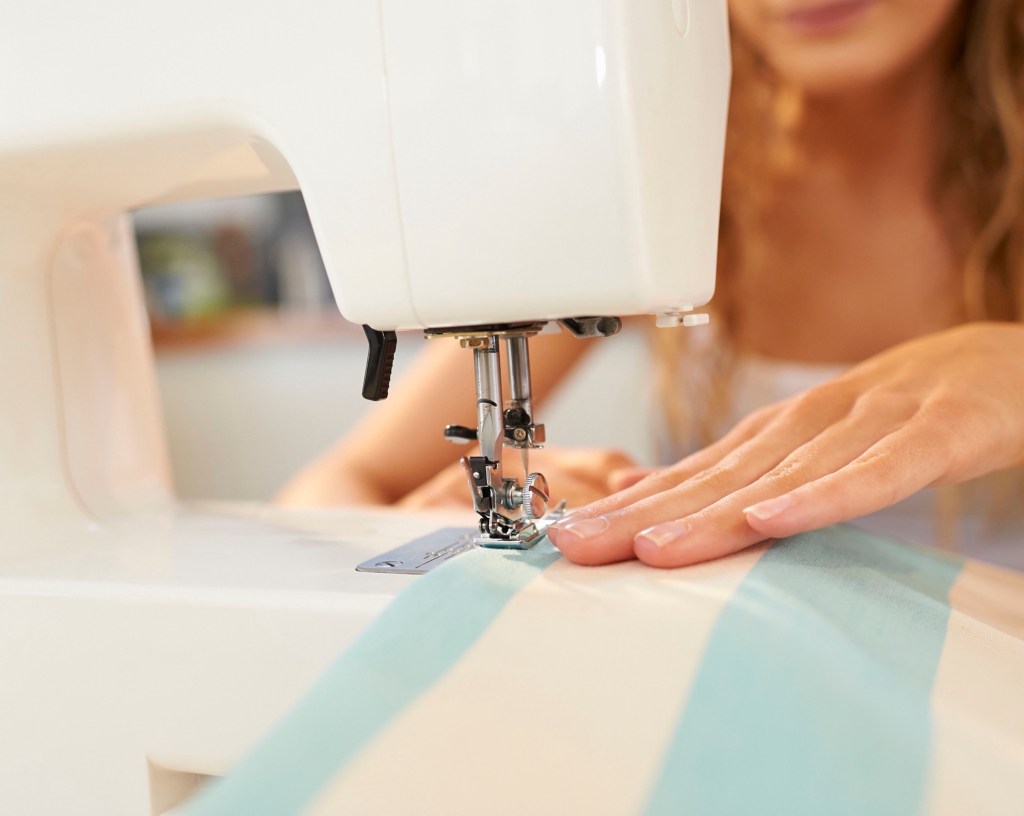
This was the shortest-lived of all the hobbies listed here. I went to JoAnn’s (RIP) for a small sewing kit because I wanted to alter my Chappell Roan costume to make it a little sluttier. Like, I wanted to show kneecaps. And the nice very gay man helping me suggested I also try a pillowcase. Not wanting to disappoint a fellow gay, I happily bought material to sew my own pillowcase as well. When I got home, I immediately got too overwhelmed and threw the sewing stuff behind the TV to hide my shame. It remains there to this day, and the Chappell costume remains unslutty.

2. Painting

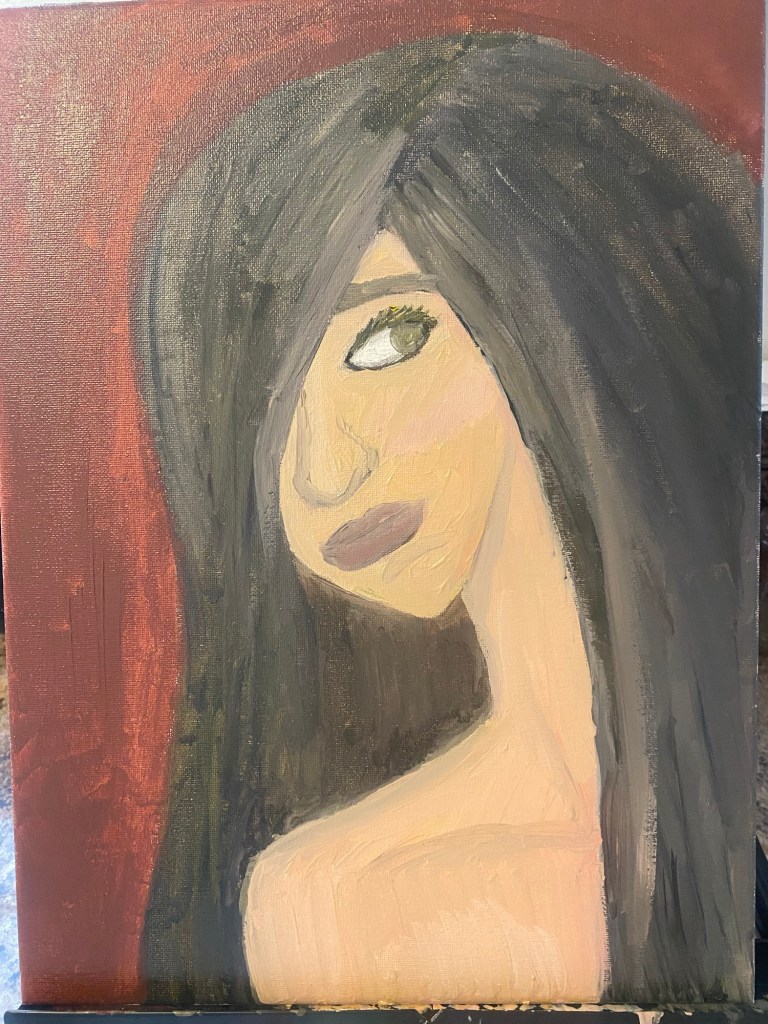
Of all these hobbies, this one has been the most successful, if only because I’m not a stranger to visual art. I do digital art and coloring pretty regularly with my iPad, but traditional painting is a whole different beast. My college guitar professor was an incredibly skilled oil painter and I always really admired him, so I figured I’d try my hand at it as well. And I got some pretty okay results!

This painting of my girlfriend’s girlfriend turned out better than I anticipated, although she didn’t want to keep it (to be fair, what would you do with a painting of yourself??). I think I’d feel better about this hobby if I had some success selling my art, because for now it’s just kind of languishing in my apartment. I still have the equipment for oil painting, so I could easily revisit this one if I wanted.

1. Crocheting

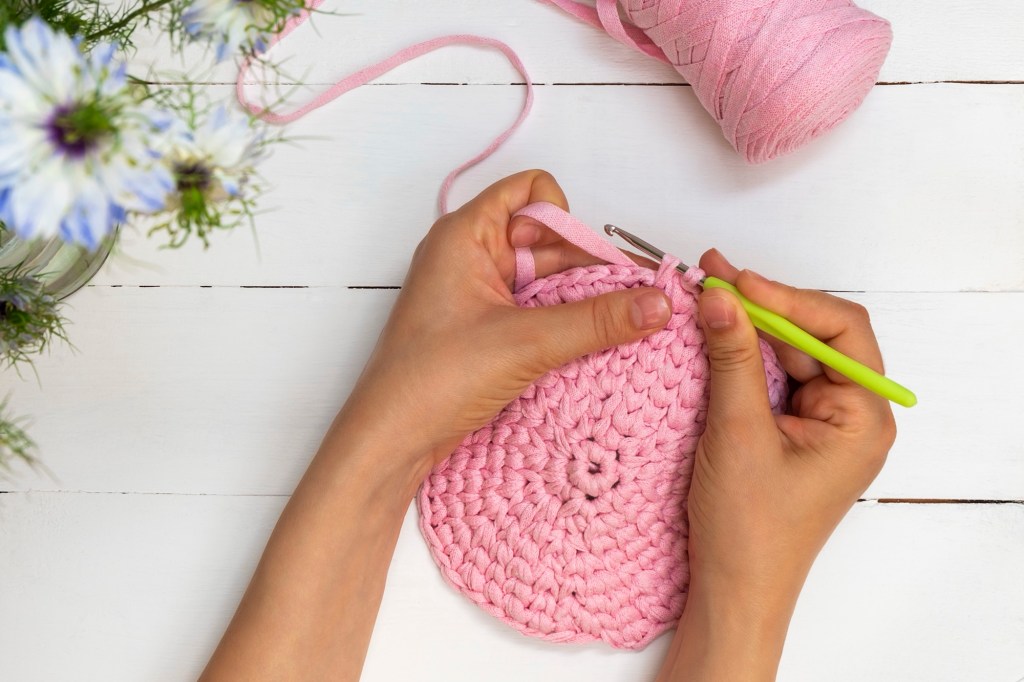
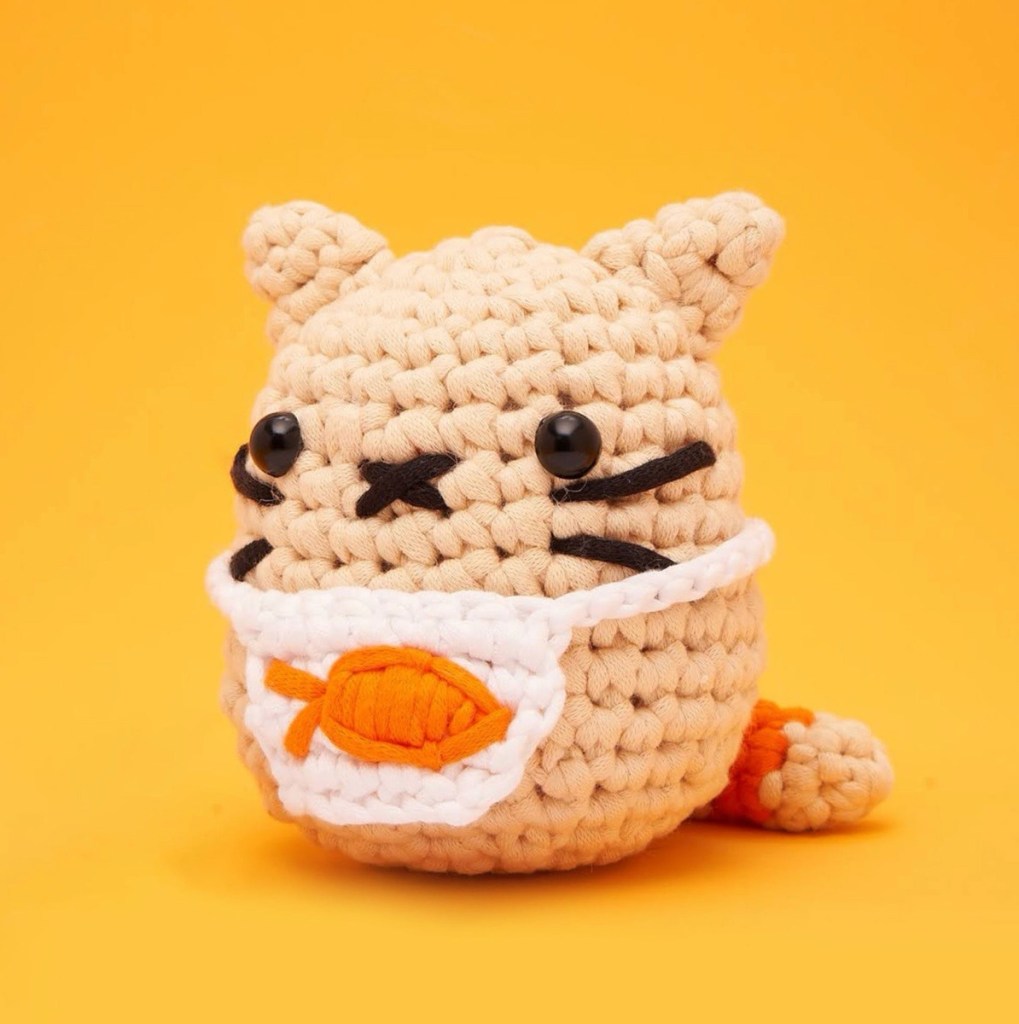
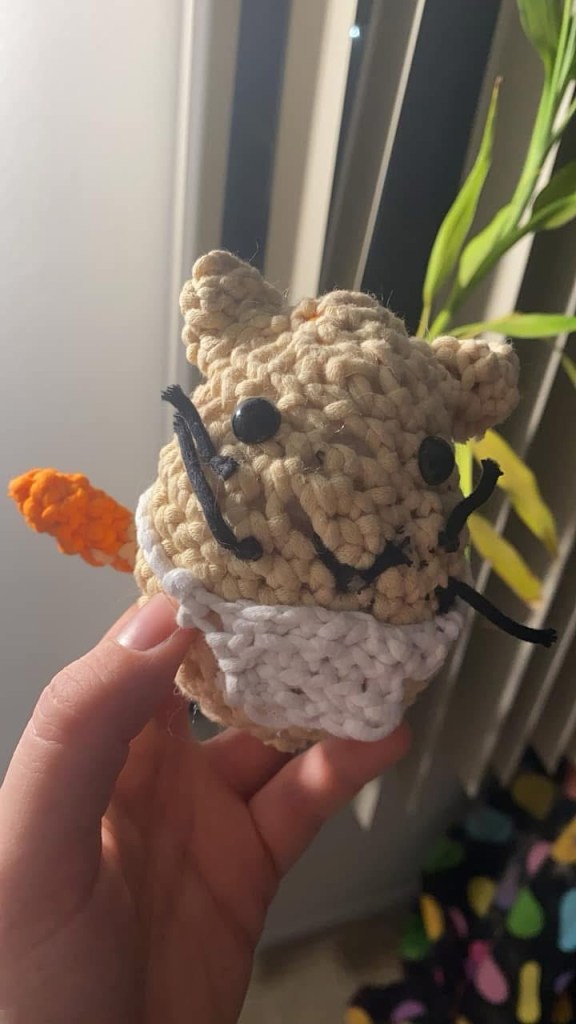
Ah yes, the most tragic one. The one I had such high hopes for. I always imagined myself knowing how to crochet someday, probably as a little old lady sitting on a porch swing with a glass of sun tea. It was just part of how I envisioned being a grandma, and now that I’m officially an age where I can be a grandma (like, I just saw a report about a 32-year-old grandmother), learning to crochet seemed like the next logical step. So I ordered a beginner’s kit from the Woobles and well, here is the expectation:

…and result:

You can almost hear it crying to be put out of its misery. This cat potato was eventually given to my girlfriend as a Valentine’s Day gift, and I think her car ate it. My one and only crochet attempt, lost forever.

Although maybe that’s for the best.

Autism and 8-Track Tapes: How I Made My Inner Child Happy

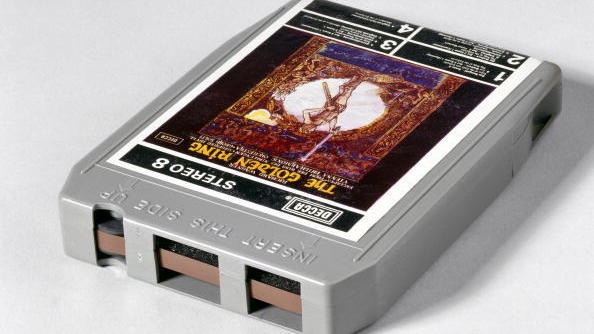
Here’s a fun fact about my childhood. When I was around 8 years old, I was obsessed with 8-track cassette tapes.

The bane of everyone’s existence in the 70s, apparently.

I distinctly remember how fascinated I was by them, ever since my mom gave me her old tapes as a kid. I recall riding around in my grandma’s old Oldsmobile listening to her Beach Boys album on 8-track. At one point, I went to the library asking for books on them, and the librarian on site was absolutely dumbfounded that this tiny girl was so preoccupied with these ugly bulky-ass tapes. I wanted to collect more and more, even though collecting vintage media wouldn’t be “cool” for another decade or so.
There’s the issue. None of this was cool, especially not to my peers. I’d already cycled through obsessions with Bon Jovi and parakeets. I didn’t need something else making me even weirder to my classmates. So I made the decision to hide my excitement about 8-track tapes and quietly let my obsession fade.

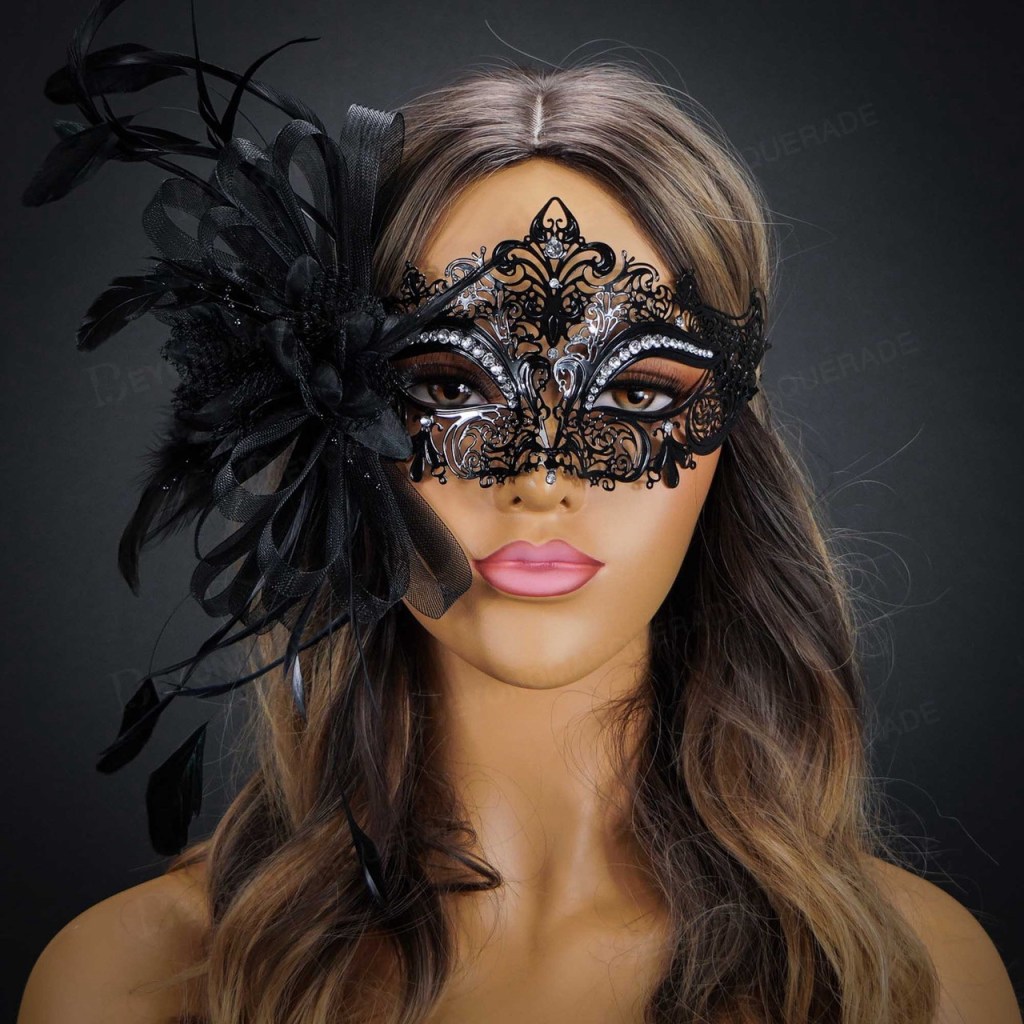
In other words, I masked.

“I may look normal, but I’m thinking about 8-track tapes.”

I’ve talked a little about masking in past blog posts, but it bears repeating. Many autistic folks feel the need to hide parts of themselves to fit in with the rest of society, and if I’m honest, it’s exhausting. It’s especially prevalent among autistic women, who often experience burnout from having to mask so much. For me, it was meticulously studying the way other people interacted with each other and mimicking that to the best of my ability.

So imagine how secretly tickled I was when, during my last audio engineering class, the entire lecture was about magnetic tape. In other words, the technology behind 8-track tapes! This was the exact information I was seeking when I went to the library all those years ago!

THE SECRET KNOWLEDGE IS MINE!

People ask me all the time, “Hey Jessa, how do you heal your inner child?” Okay, I lied, no one has ever asked me that. But if they did, I’d tell them to explore the interests they had as a kid. Remember your dinosaur phase? Get to the library and get a fuckin’ book on velociraptors! Did you want to be a mermaid? Study mermaid mythology and invest in some nautical decor! Were you a horse girl? It’s high time you get some ridin’ lessons! Throw yourself into the thing you loved most as a kid. That’s the purest joy you can achieve — making the part of you that never grew up happy.

I think there’s a reason why so many people my age collect Funko Pops and play video games or watch cartoons for fun. We’re constantly trying to make our inner child happy in some way or another. I’m learning how to care for mine the same way I would care for the child version of me if I met her. Little-Jessa had to hide her fascination with vintage audio equipment to be accepted, but Adult-Jessa is picking up where she left off. It feels like I’m coming home to a hobby I long left abandoned. It feels good, man.

She’s happy, and that’s what matters.

The Autistic Bimbo: My Former Life as a Dumb Blonde

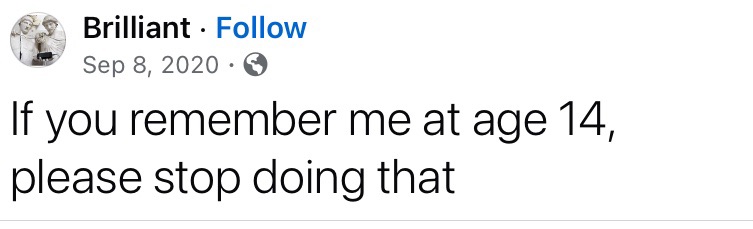
I was on That God-Forsaken Platform That Shall Not Be Named when I saw someone share this status:

Everyone is cringy at 14, but I was a special kind of cringe. You see, at age 14, I was a very different Jessa (or shall I say, Jessie, as I was going by back then). I was in a sort of state of transition, as most people are at that age. For me personally, that transition was between shy, awkward me and cool, confident me.

I remember the catalyst for that transition being my seventh grade obsession with this cool guy named Kyle Kelley, who I was definitely going to marry someday. Suddenly, I wasn’t content to stay in the corner doodling pictures of Richie Sambora and imagining what Pokémon I wanted to add to my team when I got home. I desperately wanted to be one of the popular girls, like Kyle Kelley’s cheerleader girlfriend.

But that would involve me — gasp — talking to other kids!

Nightmare fuel.

I’ve touched on my autism before. I will admit I’m not officially diagnosed yet — it’s damn near impossible to get a proper diagnosis as an adult AFAB person. Because of the sheer amount of gatekeeping when it comes to diagnosis, most autistic folks accept self-diagnosis as valid. And believe me, the signs were all there. I was sensitive to loud sounds, hiding whenever I heard the neighbor girl’s loud bass from her car or the sound of the vacuum cleaner. I’d hyperfocus on things like Bon Jovi and parakeets, learning everything I possibly could about them and talking incessantly about them to anyone who’d humor me. I’d stim by making bird sounds and running around randomly. I would finish my homework quickly so I could spin around in the back of the classroom (okay, that one might be on you, ADHD). And I was garbage at socializing. Talk to people? You might as well have asked me to build a rocket to the moon, because that was not happening.

Then, of course, I met Kyle Kelley and suddenly, I had this burning passion to become “cool,” whatever that even meant. I studied meticulously the mannerisms and interests and the clothing of the girls I thought were cooler than me. It was almost like a science project, observing the “cool girls” in their natural habitats and trying to emulate them. Looking back, it was just baby-me learning how to mask, and I was absolutely terrible at it at first.

Somebody stop me, indeed.

Which led to me being labeled something of a bimbo, despite me being one of the smartest kids in my class.

I didn’t know how to speak to people properly, and I’d often clam up when confronted with an actual conversation. And so I’d say the first dumb thing that came to my head in my desperate attempt to say anything. I honestly didn’t know how to interact with other folks my age. I figured it was better to be considered dumb than be an outcast, and the kids in my grade thought I was funny and silly because of it. So I went along with the “dumb blonde” label, because at least it wasn’t “weird kid.” It was such a pervasive label, I even got typecast in the school play as the stereotypical bimbo. Like, this character was soap-eating levels of dumb. At least I didn’t have to actually eat soap for the bit (it was white chocolate).

And thankfully their chocolate tastes much better than their soap.

At some point between high school and university, socializing became more natural to me and I was able to shed the “dumb blonde” label. I certainly shed the “blonde” label when I dyed my hair dark (bleaching was starting to take a toll on my hair, and I wanted to emulate my hero, Ann Wilson). But I still have some empathy for the little girl who thought popularity was more important than being viewed as smart or deep. It wasn’t her fault people didn’t take the time to get to know her as anything else.

And I’d like to think she had a lot to offer.

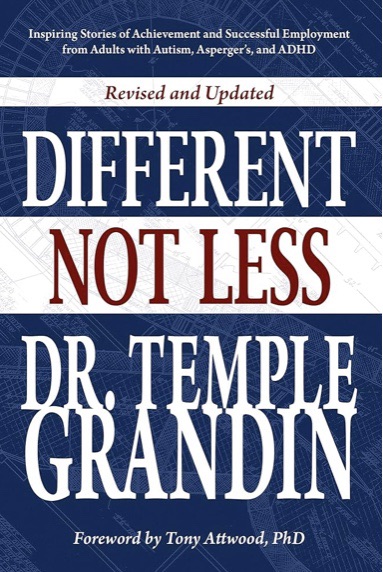
Different, Not Less: A Book Review (From the Perspective of a Neurodivergent Future Music Therapist)

I recently read Different, Not Less, a collection of mini-autobiographies written by adults with autism (and often ADHD as well) curated by autism activist and public figure Temple Grandin, as part of my internship assignments. I wanted to share my thoughts on it here as well, though, as I think this is book is vital reading for anyone who works with the neurodivergent community.

Link to buy here!

The people selected for the book were largely older adults in their 50s and up who were diagnosed later in life with autism (or Asperger’s, as many of the individuals were diagnosed when Asperger’s was still a category). Most were able to live independently, although each had their own struggles with relationships and family stemming from their autism. Each individual also forged a different career path that managed to work with their unique ways of functioning and seeing the world. Occupational successes were a primary focus of the narratives as Grandin is a huge advocate for autistic folks finding work that suits their needs.

I’m glad I read this book, especially as someone who is neurodiverse myself, as it really hammered in the fact that not all AuDHD folks function exactly the same way as I do. There are struggles I have that other people have, such as issues reading social cues and the relational turmoil that comes with that problem, but there are struggles other people have that I don’t have as much, such as trouble with speech. One thing I realized during reading is that autistic folks generally are “early bloomers” or “late bloomers” when it comes to speaking, and both are valid and need to be supported in their own unique ways. One individual mentioned trouble with “fast conversation” in particular, while another noted difficulty reading tone of voice and facial expressions. Another interesting thread was the fact that many of the folks who contributed to the book felt “fiercely independent,” which, in the context of music therapy, may mean some people might not feel they need help or support. I feel in these cases, it’s especially important to not patronize or “speak down” to these individuals, as being in therapy in the first place may already feel like a blow to the ego. I mentioned earlier that relationship problems were a common factor in most of these folks’ stories, as autism can make it hard to read people and recognize how others are feeling. Many had romantic relationships and marriages crumble over the course of their lives, if they found love at all. Music therapists will need to be prepared to deal with heavy subjects such as divorce and loneliness when working with older autistic adults, as this seems to be a frequent phenomenon.

I think this book is important to read for music therapists because the common archetype associated with autism (and ADHD, one of its “sister” conditions)  is the quiet little boy, and these stories prove that this is simply not always the case. There are grown men AND women living with autism and learning to thrive in the world with autistic traits. Nearly half of the contributors were female, and most were older. This book shows that there isn’t one way neurodiversity presents in people. The word neurodiversity contains the word “diversity” for a reason – there’s an entire spectrum of challenges AND superpowers that come with the condition. Emphasis on superpowers as well, as many of the folks ended up not only finding work that was compatible with their unique wiring, but finding work that their individual quirks and differences helped make easier. I feel like a music therapist can work with their autistic clients’ strengths to better prepare them for functioning in a world that isn’t built to accommodate them.

Sensory issues came up fairly frequently. One woman described hating the feel of water on her head as a child, so her mom would have to show her pictures of other little girls getting their hair washed, and that helped her face her discomfort. That same woman, along with a few others, described being sensitive to sounds. A man, the one who made a living repairing bikes, found that restaurant work was very overwhelming to him from a sensory standpoint, which is why he leaned into bicycle repair in the first place.

Some additional commonalities include an attachment to animals. Many of the folks profiled in the book felt disconnected from people, but could relate to animals much easier. A lot of people reported feeling a kinship to their horses. (There’s an inside joke in the neurodivergent community that “horse girls” are just autistic young women with a special interest in horses, and this book made me think that might actually be true!) A lot of autistic individuals seem to enjoy fixing things as well, possibly because it’s not a very “people-y” activity and the superpower of hyperfocus is beneficial for this. One man made a living fixing bikes in college, for example. And music was another recurring theme. While not all of the individuals in the book were musicians or even mentioned music, it did come up frequently enough to stick out in my mind. One man got so interested in music that he’d lock himself in a closet with introductory methods books and teach himself every instrument he could get his hands on. Another person even got interested in choreography and started teaching dance to people with disabilities. She described dance as the way she learned to express emotions, which felt parallel to the way I learned to use music to express emotions.

The individuals profiled in the book all had different reactions to learning of their condition. Many actually grieved their diagnosis, taking some time to reach a point of acceptance, but some felt it was a relief to learn that there was a tangible reason why they felt “different” their entire life. One person wrote “I knew I wasn’t just an individual ‘weirdo’ – about 1% of the population are ‘weridos’ with me!” Another person said it felt like she’d been given a “Martian superpower” and she realized that throughout her life she had been using her unique perspectives and viewpoints to help people. Some grieved the fact that they’d learned of their condition so late in life, wishing they would have gotten proper support as a young person. A lot of the writers went on to become autism advocates and some even work with autistic folks themselves, like the aforementioned choreographer.

This book was very eye-opening and empowering to me as a neurodivergent individual, and I feel better prepared to serve clients like the ones in the book and their individual needs. Emphasis on “individual,” as all of the folks profiled in this collection are very different. I don’t have any older autistic or ADHD clients at the moment, but as someone who very much wishes to work with this population, this is the kind of knowledge I will need to best support these potential clients. Temple Grandin really emphasizes the independence and individuality of these folks, and while I know their stories aren’t representative of everyone in the neurodivergent community (some people can’t safely live independently, for example), it’s good to see people with autism and ADHD living, thriving, and succeeding in a world that tends to paint people with these conditions as helpless or props them up as “inspiration porn.” The neurodivergent community is so diverse and expansive, and this book really humanizes a sector of the population that is often misunderstood. I highly recommend this book to others in the music therapy field as well as professionals in different fields who also work with autistic/ADHD clients.

Confessions of a Manic Pixie Dream Girl

I was scrolling through a certain accursed social media app when once again, I saw some bullshit. Which is how most of my posts on here begin, in all fairness. I’m starting to think I just love self-sabotage.

I do this to myself.

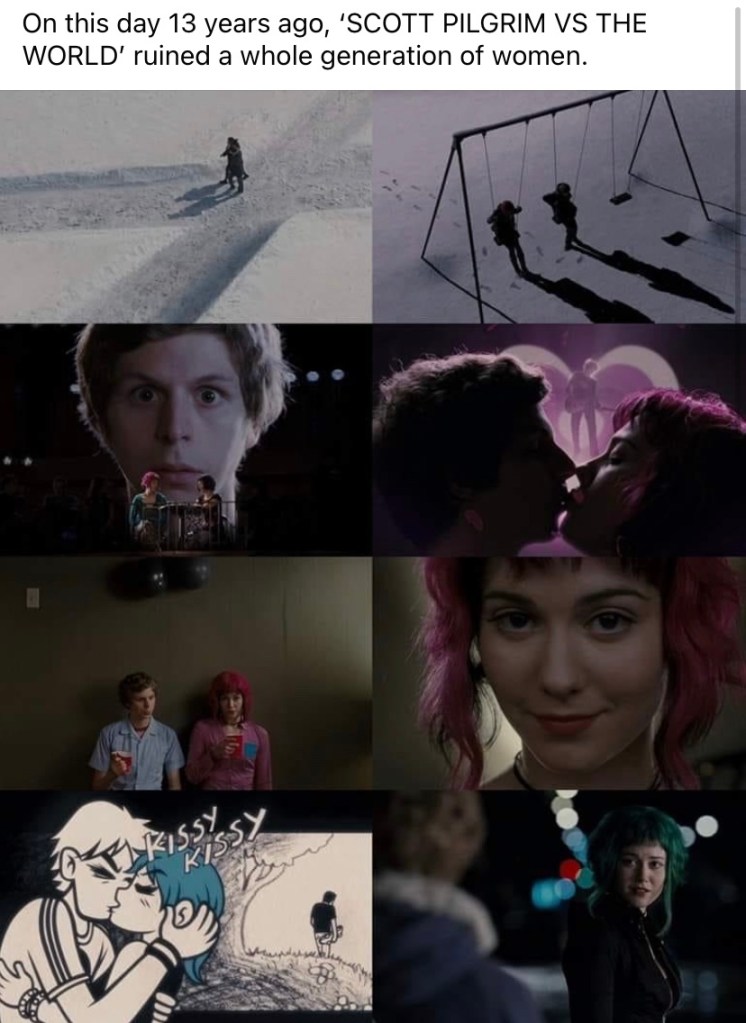
Anyways, the incel BS of the day is this meme:

My first instinct was the kneejerk “Oh, this is some ‘girls just wanna be independent blue-haired sluts nowadays instead of perfect blonde housewives and babymakers’ trad nonsense.” That community tends to have a low opinion of blue-haired girls in particular for some reason. Probably because they’re all gay and want nothing to do with you. Kind of like a certain formerly blue-haired blogger I know.

Pictured: gay and wants nothing to do with you

But what if that’s not the intention of this meme? What if there is some valid criticism to the Ramona Flowers archetype?

The Manic Pixie Dream Girl is a character that appears in film and other media to shake up the life of a (usually awkward and dweeby) everyman protagonist. She’s energetic, bubbly, kind of awkward but in a more charming way than the everyman protagonist, and her entire purpose in the narrative is to get said protagonist out of his shell. You know the type. I could put a picture of Zooey Deschanel here…

NOT ME.

…and you’d know exactly who I’m talking about.

A gajillion think pieces have been written on why the MPDG archetype is problematic. Some people say the trope is misogynistic, implying the MPDG is intended to be “not like other girls.” Others take issue with the idea that these quirky women need to “save” men in these narratives. Even the creator of the term feels the character type is shallow and cliche. But my criticism of the MPDG comes from a unique place.

Because for a long time, I was the MPDG.

I was lucky (or unlucky) enough to come of age right when the archetype was gaining steam in the cultural zeitgeist. Somehow, almost overnight, all the quirks that made me annoying or weird started coming off as oddly charming, and I had a long list of suitors all throughout college. But none of them lasted, because the very quirks that made me attractive became grating as time wore on.

It’s not my place to diagnose, but many of the MPDGs of pop culture show signs of being ADHD or autistic, like me. And while being neurodivergent is freaking awesome most of the time, it does come with its downsides, and one of those downsides is difficulty in relationships. For example, I find subtle social cues hard to decipher, and makes communication difficult sometimes. Or impulsivity, which is a huge problem for me. It’s cute when you want to go to Taco Bell in the middle of the night, but it’s way less cute when you buy a boat you can’t afford. Which is something I have done.

The only boat I can actually afford.

There’s nothing wrong with portraying neurodiverse folks as love interests in film and TV— in fact, I love to see that kind of representation!The problem occurs when you only show the rainbows and butterflies. Relationships are hard, and doubly so for those of us who are neurodivergent. We’re not cute little one-dimensional characters who exist to spice up your life. We’re real humans, with human emotions and flaws.

I know it’s a cliche to say you don’t deserve me at my best if you can’t handle me at my worst, but it’s your reality when you date a neurodivergent person. We can be great friends and even better lovers, but you have to accept all of us — not just the idealized versions you see in media.

Small Towns Are Great! (If You Fit In)

So today’s Thing That Everyone’s Mad About is the Jason Aldean song “Try That in a Small Town.” It’s nothing special to be honest. The lyrics hit on every right-wing talking point that’s popular right now save for the tired (and deeply offensive) “all queers are child molesters” trope. You got gun lovin’, cop lovin’, flag lovin’, all that good stuff. Basically, it’s obvious MAGA-bait. Musically, it’s…a standard issue pop country song. You could rewrite every line as “Bernie Sanders rules!” and I still wouldn’t listen to it willingly. Hell, all politics aside, changing every word to “watermelon” wouldn’t save this song from being an absolute snoozefest. Why do people give this guy attention when like, Jason Isbell exists?

Behold, the superior Jason.

I’m not here to talk music or politics, though, as if anyone gives any weight to my opinions on either. I’m here to talk about the romanticization of small towns.

I grew up in Huron Charter Township, which consists of three small villages: New Boston, Waltz, and the smallest one, where I lived, Willow. Most people just called the whole township New Boston, after the largest village, but I knew the difference, dammit. We were about as far into the country as you could get and still call yourself a suburb of Detroit — most people consider the area part of the larger Downriver region. Still, for all intents and purposes, the area was rural as heck. I’m talking farms, barns, horses, and the like.


Not my hometown, but might as well be.

I liked some aspects of living there. I liked running rampant through the open fields, going muddin’ with my childhood friend, walking with my dad to the little party store by the train tracks and getting holographic Pokémon stickers. It was a quaint life, and it would have been perfect.

What people don’t realize is that living in a small town is hell when you’re the weird kid.

Small towns are tight knit and insular, and that works out well for people who are in the “in-group,” but things get real squirrelly when you break the norms of that in-group. I remember getting teased for everything from not being Catholic to hating ranch dressing to being supposed lesbians with my best friend, back when “lesbian” was an insult and not, well, just an accurate descriptor for me. I didn’t dress like the other kids either, or talk like them, or act like them, which I now realize was an autism thing, but this was also a time when girls were seldom considered autistic. You were just “the weird kid,” and if you were a small town weird kid, news travelled fast that you were to be avoided.

As I got older, the bullying escalated into sexual harassment — girls grabbing my ass and guys pretending to rub their boners on me, all because they knew it made me uncomfy and they thought my reaction was funny. I didn’t tell my parents the nature of the bullying, but they knew something was up. I was coming home from school crying and hibernating all evening. And when my dad went to the principal and the counselor? There was nothing they could do. My dad suspected their indifference to my predicament was partly due to my family being “low importance” in the small town hierarchy. We didn’t go to the local church or participate in the PTA. No one cared what happened to the Salisburys. We were outsiders.

It was so bad, the adults were bullies too. I still remember my Girl Scout troop leader, Mrs. Marsack, who resented me for making her troop look bad. She was so desperate to push me out of her gaggle of otherwise perfect little girls, she barred me from participating in the group camping trip because I wasn’t “mature” enough, despite getting good grades, staying out of trouble, and being more of an “old soul” than was probably healthy for me. I remember locking myself in the bathroom and crying inconsolably. It had never been more clear to me that I wasn’t wanted.

My saving grace was leaving my hometown. Moving to my college town was the best decision I could have made. The thing about larger cities is that more people equals more differences, and suddenly, I was running into weirdos like myself and befriending folks who weren’t like me, but still appreciated my quirks for what they were. Everyone was from somewhere else, and we were all just trying to find our place in the world. It was kind of a beautiful thing. Growing up in a small town, I had no idea there were places like this. It felt utopian.

Cities have their issues too — more people does tend to equate to more crime — but that’s just the nature of humanity. Nowhere is perfect as long as the people there are not perfect. I just know I’d rather live someplace where I can be myself and not have to hide pieces of who I am just to fit in. I’m glad I left my hometown for bigger and better things, and I hope all the other small town weirdos like me get a chance to as well.